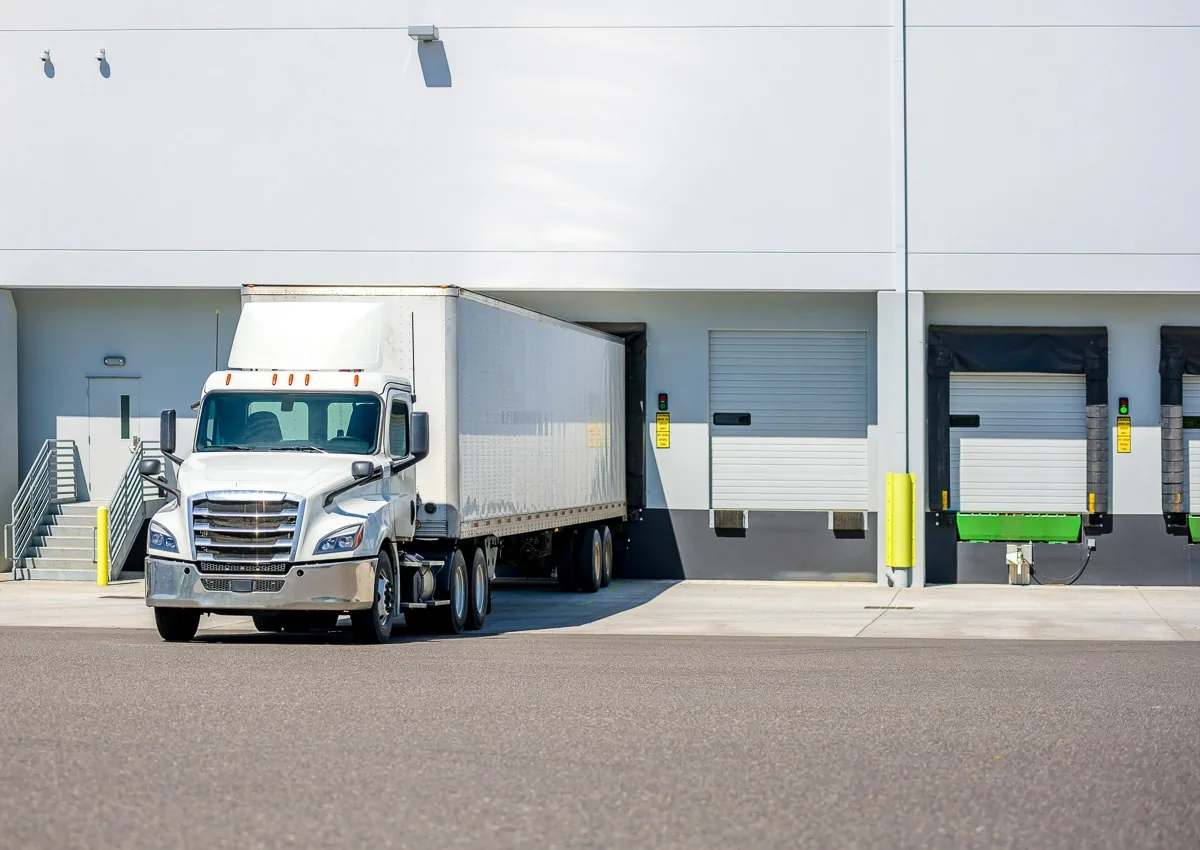
A dock door can be busy long after the roof crew has left the ground. For logistics operators in Renton, we map the roof access and water route against receiving hours, vehicle circulation and equipment clearances before choosing a work sequence. Sea-Tac's November and December rain far exceeds July's, so outlets and temporary protection deserve a place in the pre-wet-season check, especially when a repair will expose an edge.
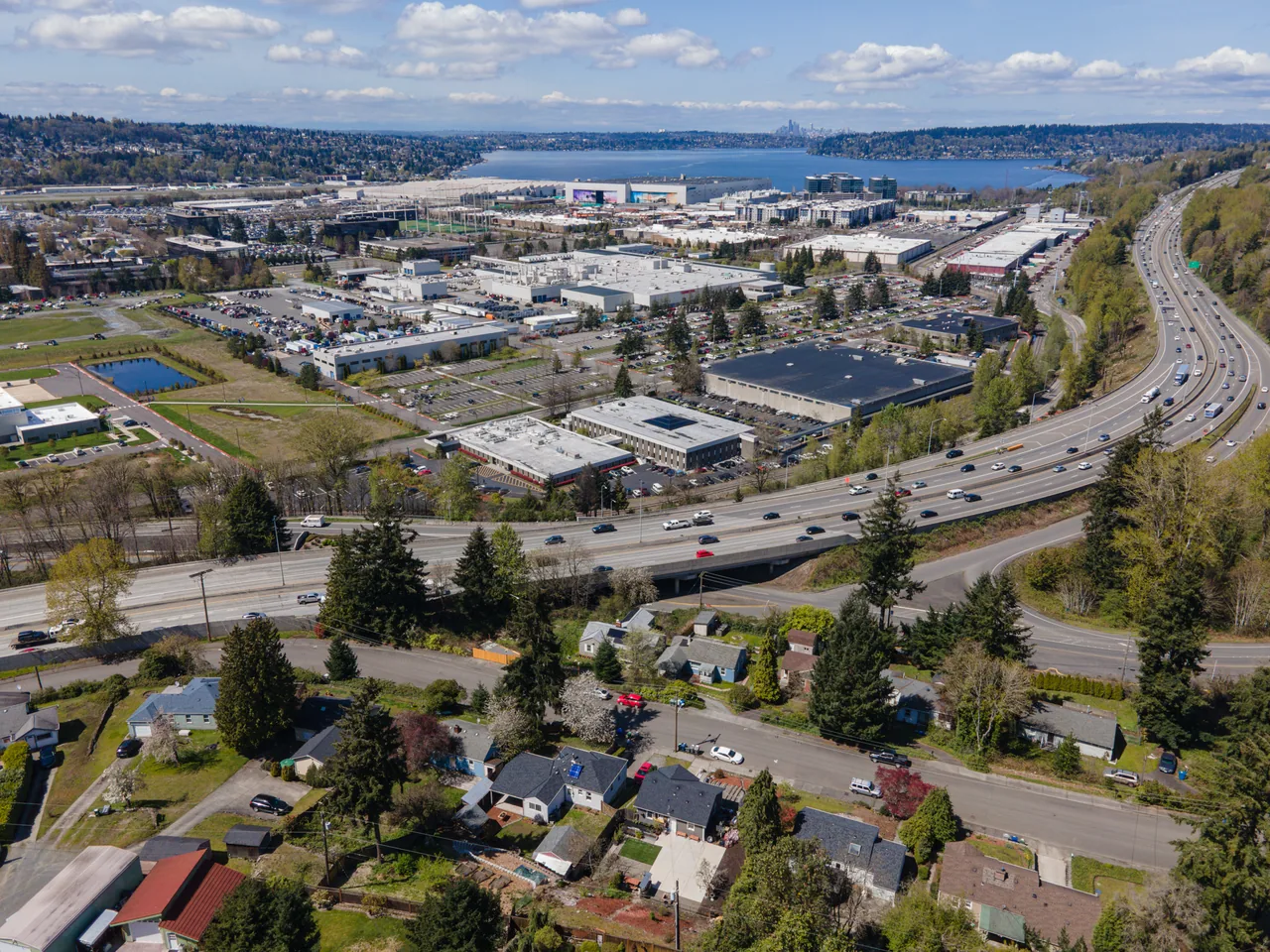
The city describes the Valley Subarea as largely industrial and warehousing, with longstanding logistics and light-manufacturing uses, which is why roof access can intersect with loading and service routes. We check the roof plan, operations and visible assembly at the address being reviewed.
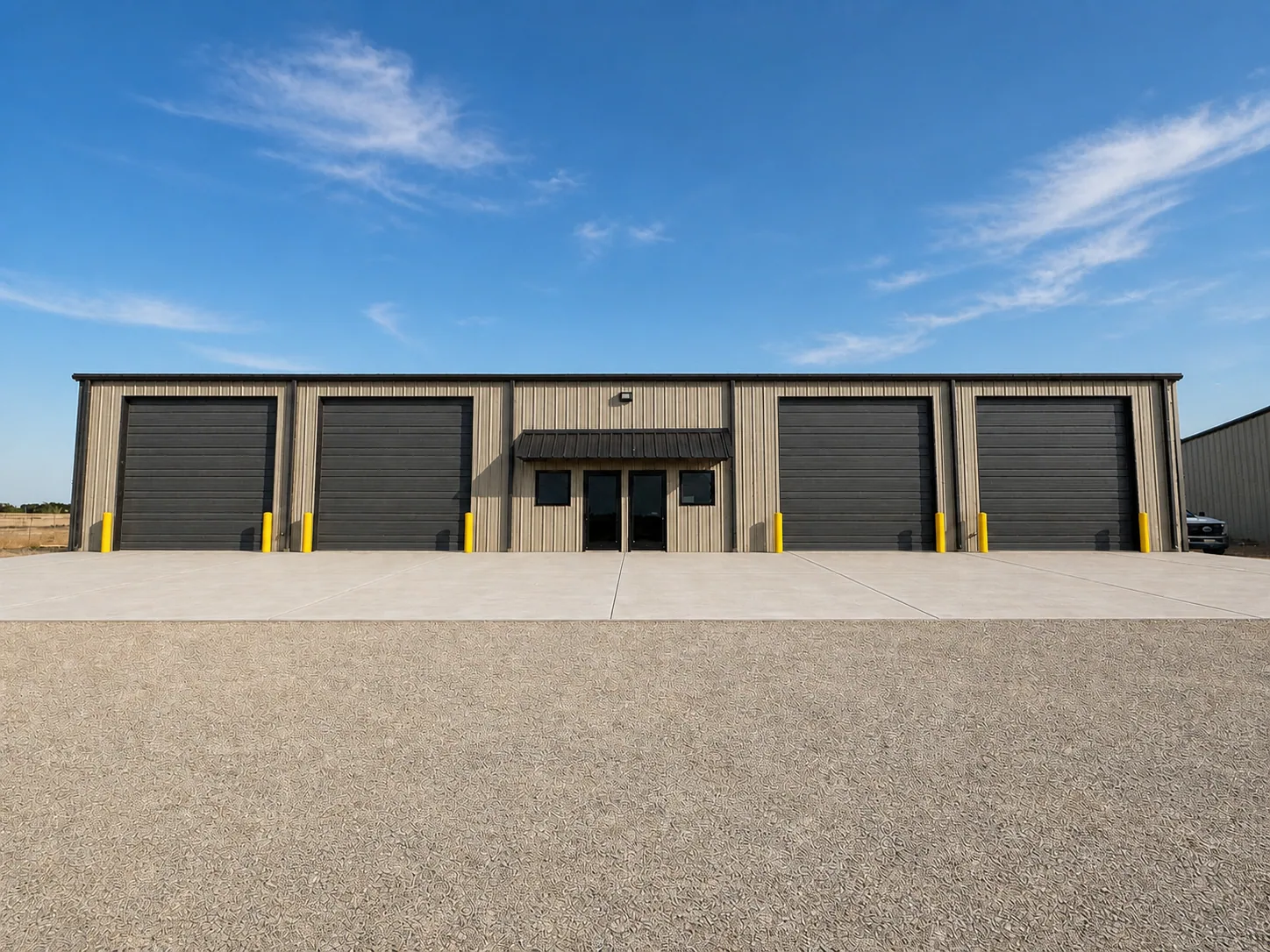
Dock flow: keep the roof sequence out of the traffic lane
Before staging materials, ask which dock doors stay open, where trailers turn and when a lift can occupy the drive. We use those constraints to set the roof section, debris route and temporary closure. A phase line should be small enough to protect at day's end and clear enough that the site contact can tell which access remains open below.
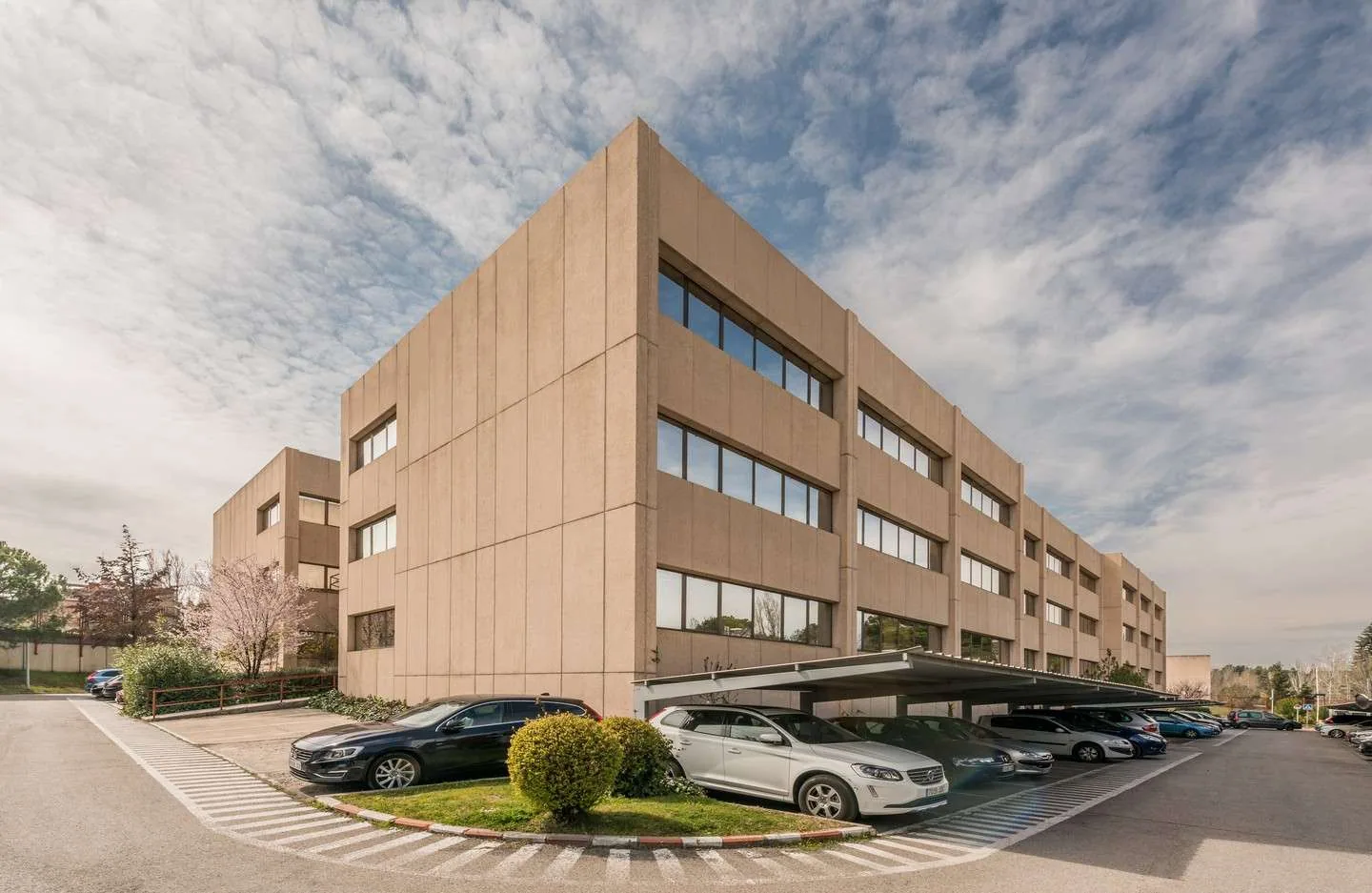
In the Renton Valley Subarea, a roof plan has to leave room for trailers and forklifts. A manufacturer's roof plan may involve process equipment or exhaust service, while a managed multi-tenant portfolio can add tenant notices and separate access permissions. We confirm the operating model with the property contact.
On an active shipping building, overhead protection and delivery timing may matter as much as the membrane repair itself. The scope identifies lift placement, material staging, equipment coordination and any hours when a route must be clear. If a conveyor or service line crosses the work area, the responsible trade and sequence should be agreed before removal begins.
Drain check: trace standing water to its outlet
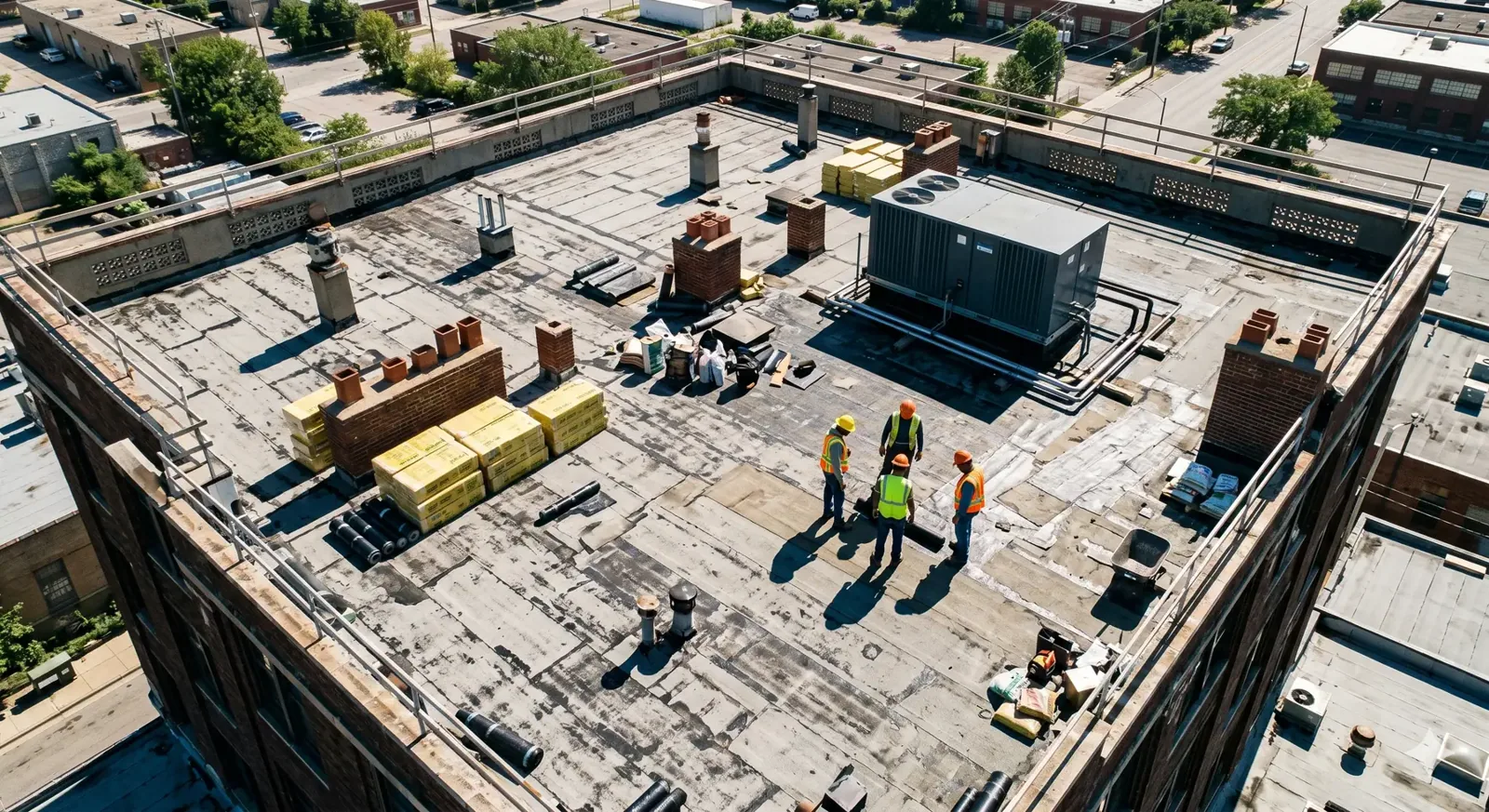
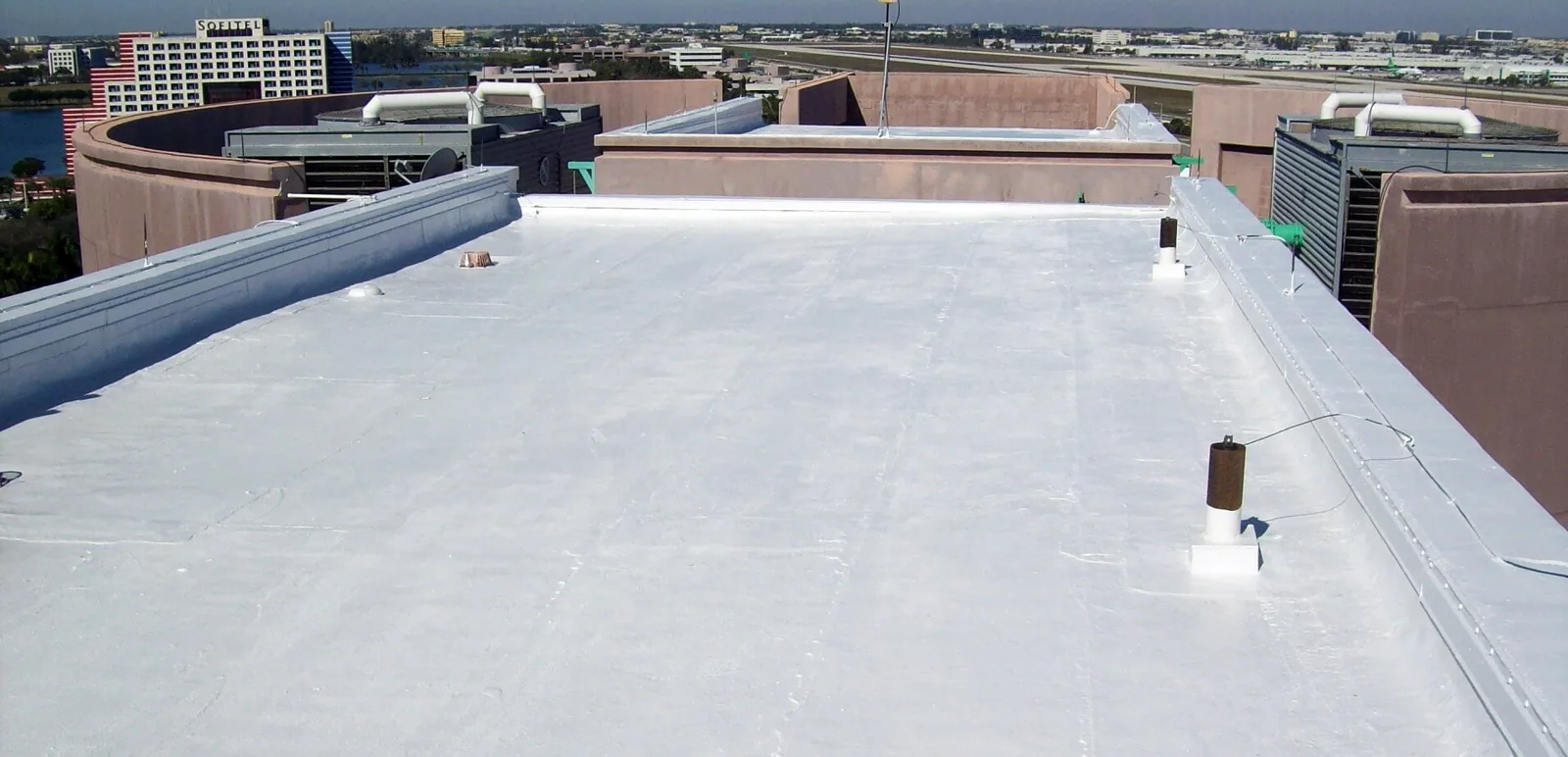
A roof can carry water across a long field before it reaches a drain or scupper. We inspect slopes, crickets, strainers, seams and penetrations, then compare the route with reported leaks inside. A commercial roof inspection records the details reached; drain and scupper work can address a blocked or damaged outlet when that is what the roof shows. If water remains after cleaning, slope or a low section may need a separate review.
Sea-Tac's wetter late-fall and winter normals make outlet checks useful before sustained rain. We mark the drain area, nearby seams and any standing water observed so the operator can compare later reports with the same locations. Where a stain appears far from a likely entry point, a moisture survey or test opening can clarify the roof area involved.
Nearby Tukwila Southcenter combines warehouses, distribution, retail, office and light industry, so a roof there brings its own loading pattern and equipment. The roof sketch and the contact's access rules set the route for each property.
System decision: repair the detail or widen the scope
A puncture, failed lap or separated curb flashing may be a local repair when surrounding insulation and membrane remain serviceable. Repeated wet areas, loose attachment or several failed transitions can point to a broader scope. We define the repair line and note what is outside it, so the operator can decide whether immediate water control is enough or a test should come first.
If the existing layers are suitable to remain, a recover review compares a new layer with tear-off. The assembly, moisture, perimeter height and drainage all affect that choice. Where a specific membrane is selected, the TPO roof assembly must be detailed at drains, curbs, edges and transitions, not just across the open field. We list preparation and exclusions so two proposals can be compared on the same work.
In a high-rack or multi-bay building, an interior water report should be tied to structural bays and roof zones rather than a broad facility label. We identify which locations repeat, where the pattern stops and what remains hidden. That record can prevent a localized detail from being confused with a field-wide problem and can guide a targeted opening if the next decision depends on insulation condition.
End-of-day edge: protect the roof and the operation
When roof removal exposes the deck, the end-of-day plan needs a defined closure and clear drains. We identify how temporary cover will be secured, which outlets must remain open and who confirms the work area before the shift resumes. If weather changes the sequence, the site team can see what is protected and what needs another access window.
Seasonal peaks change the answer. A building that runs extra shifts before the winter holidays has less room for a roof closure in November and December, the same months Sea-Tac records its heaviest rain, so the wet-season check and any planned work belong in early autumn. We ask the operator for the peak calendar, pick the quietest weeks for roof sections over dock doors, and keep a short list of what can be done overnight or on a weekend without a lift crossing the truck court.
An emergency roof repair may control active water while a larger replacement scope is prepared. The repair record should still mark the temporary boundary and any follow-up required. For a logistics operation with round-the-clock movement, we coordinate the work window with the person responsible for dock flow instead of promising that every roof task can occur without interruption.
After each phase, the crew can document the completed section, repair locations, drain condition and remaining access limits. That simple handoff helps a facility manager match a later leak call to the work that has already been performed.
Roof record: make each later call easier to place
A closeout map should show repaired seams, curbs, outlets and roof sections that were not reached. Photos tied to the map let the operator compare a later water report with the earlier repair line. Note any equipment move, shutdown or test that remains open so the next visit can begin with the right contact and access plan.
A roof condition report can organize findings for the facility team, while the scope itself should say what was installed and what follow-up is due. Send the Renton address, roof plan, reported leak locations, loading schedule and site rules. We will trace the water path and identify a workable first sequence around confirmed operations.
Commercial Roofing Questions
Can roof work be scheduled around receiving hours?
We review dock flow, lift access and the roof area with the site contact, then name the workable window and boundary. Some tasks may need a short closure or separate equipment coordination, which should be visible before the schedule is set.
Why does water stay around a roof outlet after cleaning?
A clear strainer does not correct a low section, damaged drain body or slope issue. We check the surrounding route and nearby membrane details, then note whether cleaning restored flow or a repair needs to be defined.
How do you keep materials from interfering with trailer movement?
We confirm delivery routes, turning space and lift location with the facility contact before staging. The phase plan identifies the roof section and any time a drive or dock route must remain clear. It also names who can release the area and confirm loading can resume after protection is removed.
When should a logistics operator consider a recover?
Existing layers, insulation moisture, attachment, drainage and edge height all affect whether another layer can remain. We document those conditions and identify testing that could change the comparison before proposing the option.
What should be recorded after phased roof work?
Map the section completed, drains and seams repaired, temporary protection removed, and any area left for follow-up. Photos connected to that roof plan make later leak calls easier to place.