
A dark ring under a roof drain in Renton may start at the bowl, a nearby seam or a curb several feet away. The visible mark narrows the search, but it does not identify the opening by itself. At Sea-Tac, normal precipitation is 6.31 inches in November and 5.72 in December versus 0.60 in July; that seasonal contrast supports checking drainage, while the stain's source still has to be traced on site. We begin at the reported location, inspect the water path above it and look for the detail that can explain how water reached the interior.
The Renton Valley Subarea includes warehousing and industrial uses where a leak can affect stored goods, receiving or equipment. Repair has to address the opening and keep the area usable where conditions allow. We note active water, test nearby seams and flashings, check the outlet and mark what remains uncertain. If the roof needs a moisture survey or a broader condition review, we explain that before cutting or sealing. A clear diagnosis helps the property team choose a repair that fits the leak instead of adding material where the stain happens to appear.
Route check: follow water uphill
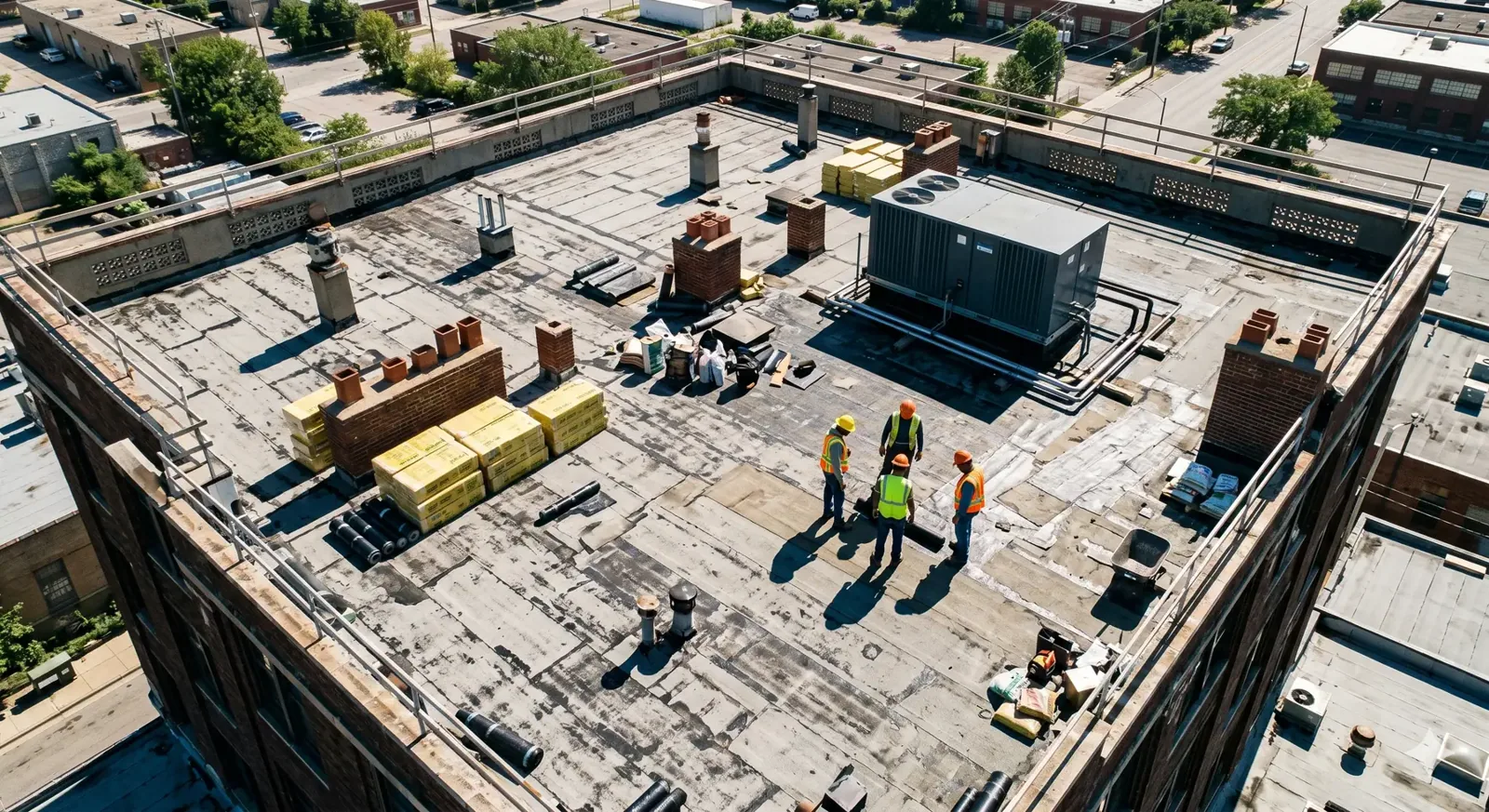
Inside, we start with the stain, drip or wet equipment and ask when it appears, how it changes and what runs above the area. On the roof, we check the closest drain, membrane seams, penetrations, wall turns and any earlier patches. Water can move across a deck flute or insulation facer, so the likely entry may sit away from the interior mark. We compare conditions rather than treating distance as proof. Photos and notes preserve the route that the visit supports.
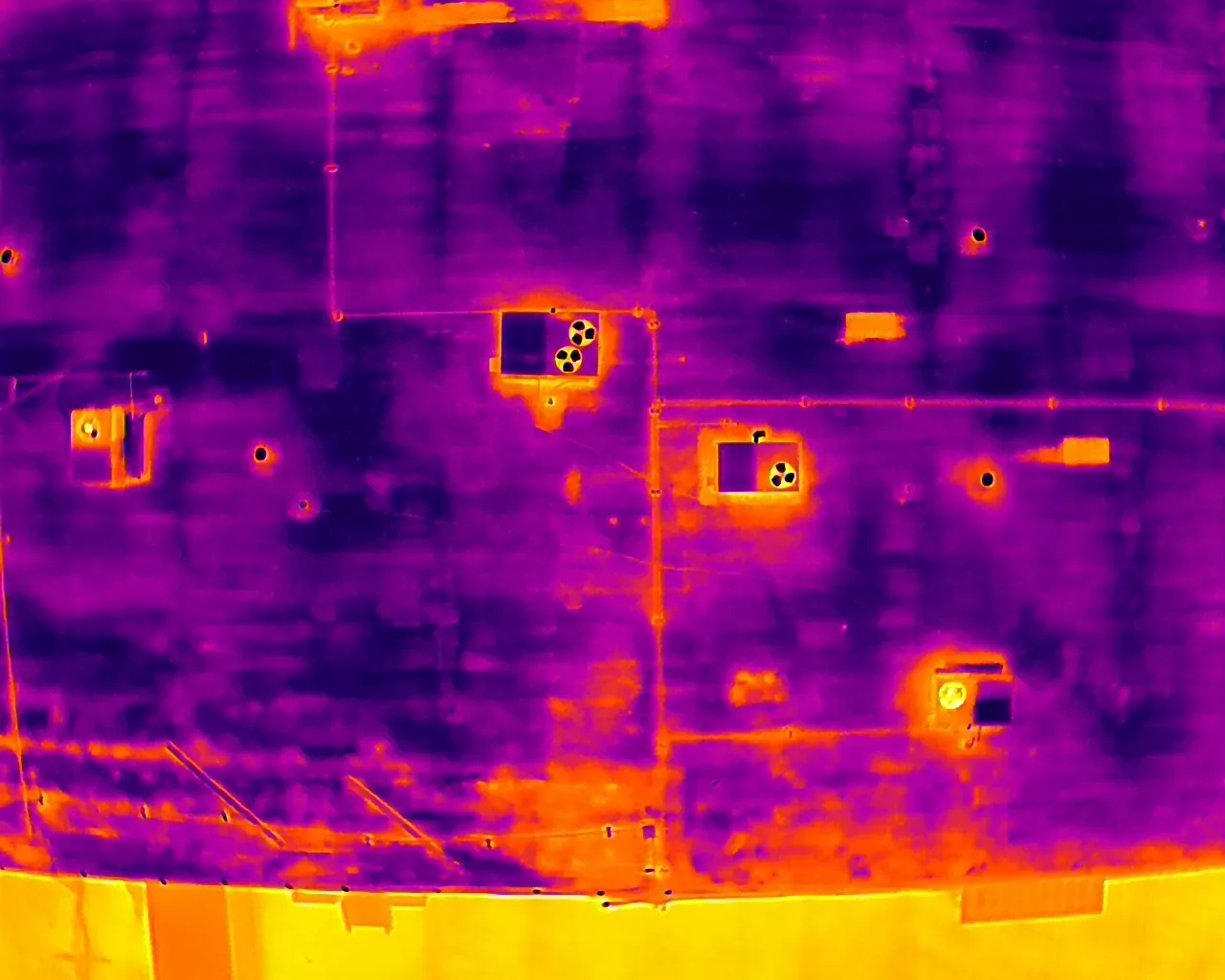
A Downtown Renton office and a Valley distribution building can show the same ceiling stain from very different roof details, so we inspect the actual roof and its records before naming a cause. A commercial roof inspection can document conditions beyond the active leak, and an infrared moisture survey may help identify patterns for follow-up testing. Infrared results need confirmation because temperature differences alone do not prove wet insulation. We connect each test to the question it can answer before recommending an opening.
Seam and curb: repair the entry detail
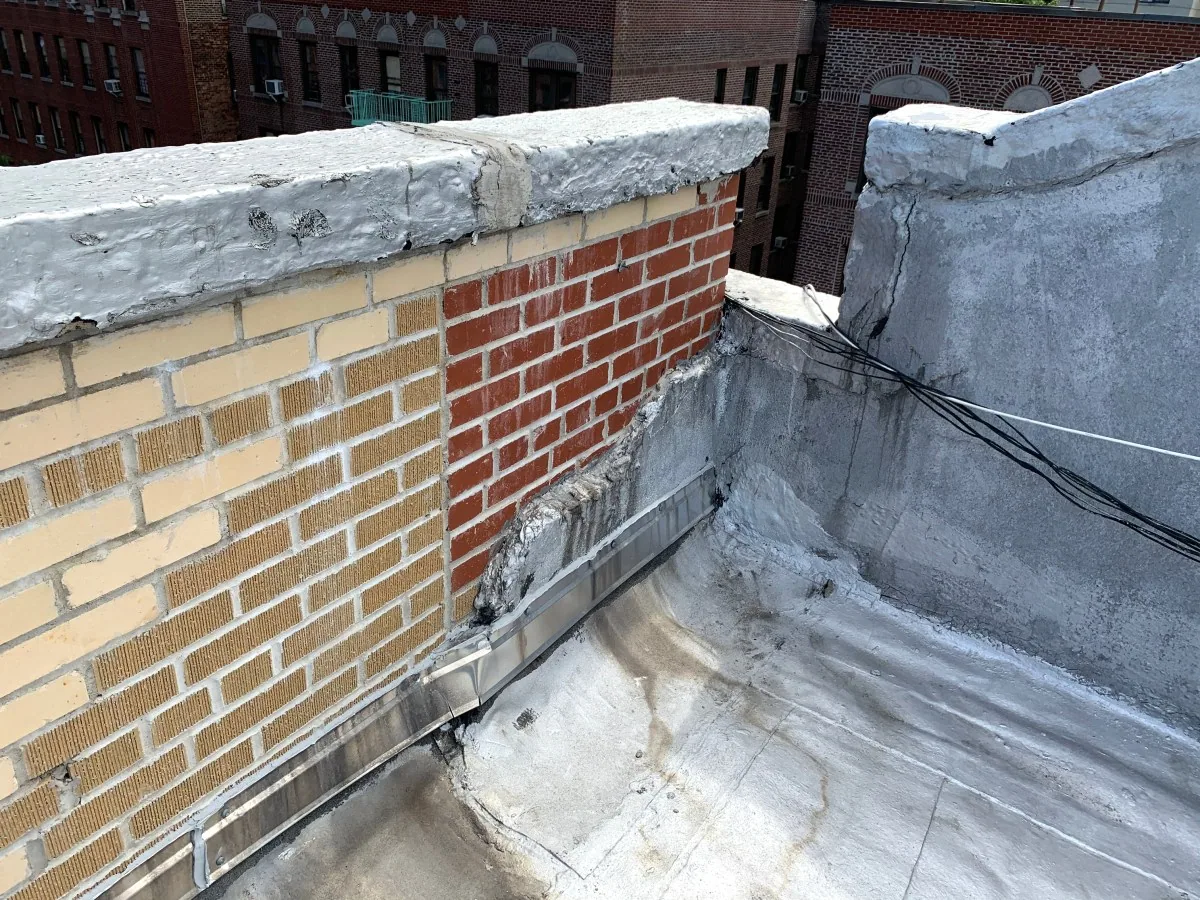
A seam may be open at one edge, a pipe boot may have split, or a curb corner may have lost its turn. We clean and prepare the surface as the roof system requires, then repair the detail with materials suited to the membrane and conditions. A patch that bridges dirt, moisture or loose material can fail at its own edge. If the surrounding roof is brittle or separating, the repair line may need to extend to sound material. We show the boundary before closing the surface.
Water can also enter where metal meets membrane. A flashing failure repair addresses a failed turn or termination; a membrane puncture repair handles a different surface opening. We distinguish those conditions and note whether a previous repair has separated. At an equipment curb, the flashing must remain watertight without blocking service clearance. If safe access requires trade coordination, we schedule it with the property contact. The roof record identifies the detail repaired and any nearby condition that still needs watching.
Outlet and overflow: check the next route
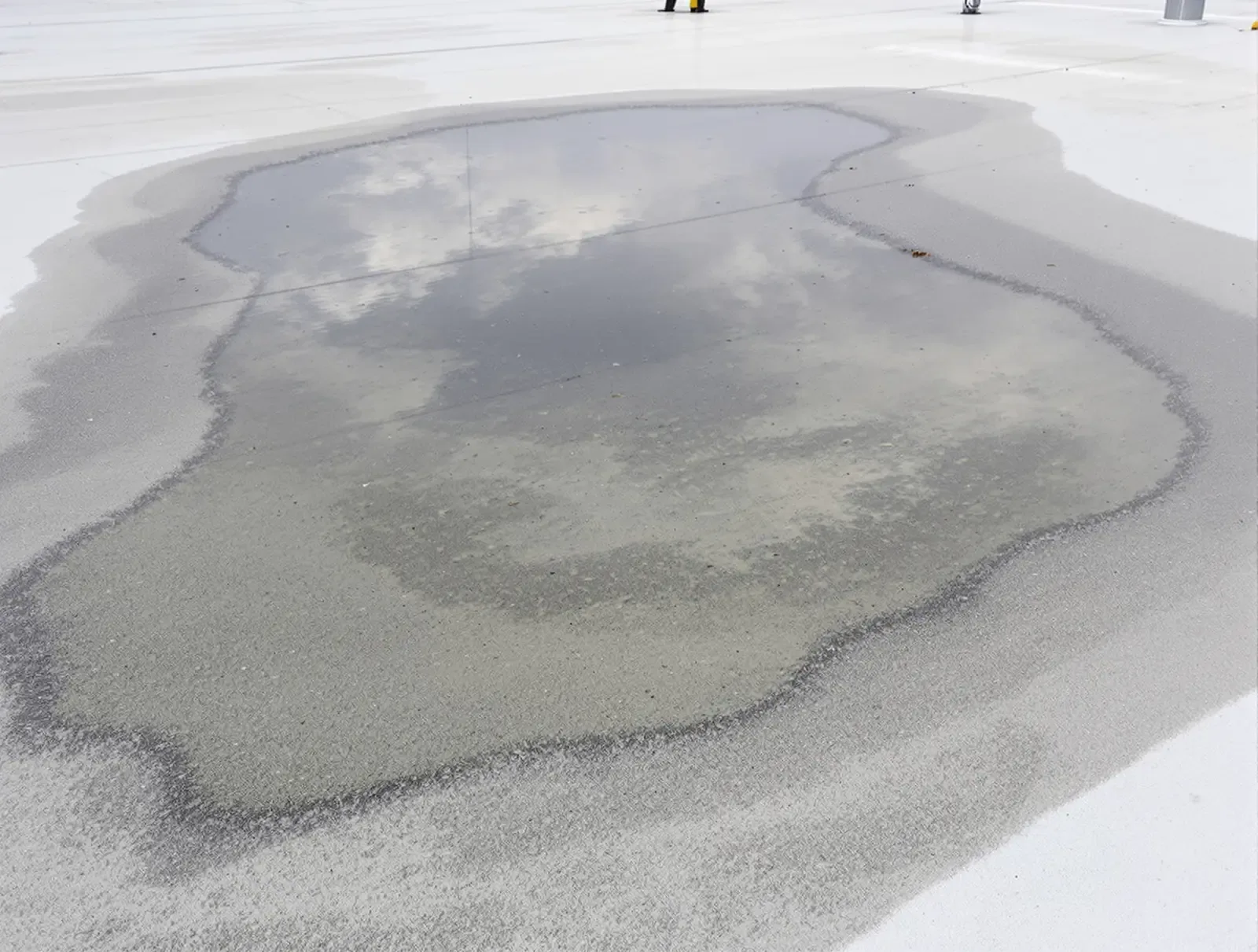
A drain can be partly blocked, loose at its connection or surrounded by a low area that keeps water against the membrane. We clear the visual path, inspect the bowl and strainer, and check whether the adjacent surface leads toward the outlet. Scuppers and overflow drains matter too, because a primary outlet may not be the only route available during heavier rain. We record debris or damage separately from membrane failure so the owner can see whether the leak and drainage need one scope or two.
When the outlet is working but water remains, the cause may involve slope or a depressed area beyond a simple cleaning. The drain and scupper review follows the water route and connection details; ponding-water repair considers the surface condition around it. In the Renton Valley, a repair visit may need to avoid delivery paths or coordinate a lift near active operations. We confirm roof access and staging before arriving, then keep the drain clear of debris from the repair.
Interior protection: keep the affected area controlled
Before the roof repair is ready, a manager may need to move stock, protect equipment or set a temporary catch below the drip. We explain which interior area is at risk based on the observed leak and what should remain clear while the repair is underway. If water is near electrical equipment or a sensitive process, the property contact coordinates the appropriate building response. Our roof work focuses on tracing and stopping the entry, with temporary protection matched to the conditions rather than a claim that the interior can be ignored.
Access can differ between a downtown Renton office and a distribution building in the Valley, so we ask the site's manager about occupied rooms, delivery schedules, equipment and roof entry. If the leak needs an immediate temporary covering before permanent repair, emergency roof response can establish that short-term step. The affected area remains marked until the permanent repair has been inspected and the water path is clear.
Repair record: know what remains
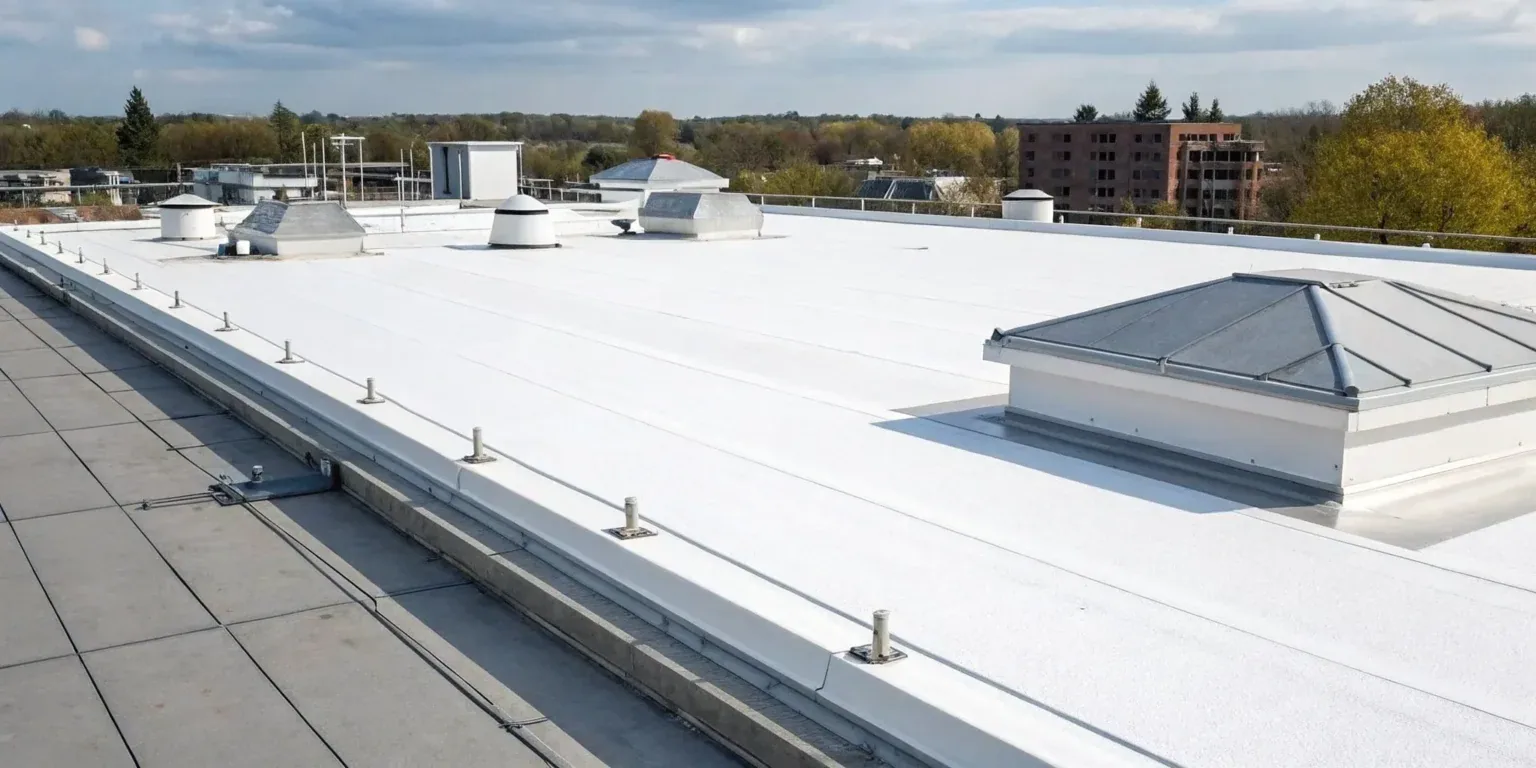
At closeout, we review the repaired seam, flashing or drain connection and check the surrounding material. Photos show the repair line and the roof surface nearby. The written note states whether the source was confirmed, what was corrected and whether concealed moisture or a broader assembly issue remains possible. If the roof needs additional testing, we identify the location and the reason so the next step can be approved on its own merits.
Keep the leak history with the roof record, including when water appeared, where it was found and what happened after the repair. That helps distinguish a recurring opening from a new route that emerged under different conditions. A warehouse in the Renton Valley Subarea and an office downtown each get their own inspection, and a condition report can organize observations beyond the repaired detail. We leave the manager with a defined repair, useful photos and a next check tied to the actual roof.
Commercial Roofing Questions
Why does the leak stop and then return?
A repair may have addressed one opening while water continues through a nearby transition, or the original route may change as rain reaches another part of the roof. We compare the repair record with the new wet area, inspect outlets and seams, and determine whether the conditions point to the same detail. If the path is still concealed, a test may be needed before closing another area.
Can you find a leak during dry weather?
Often we can identify suspect details, old water tracks and drainage problems without active rain. A controlled water test may help in a suitable area, but it is planned carefully and is not appropriate for every assembly. We document the limit of a dry-weather inspection and agree on what evidence would settle the remaining question.
Will infrared imaging show where the roof is wet?
It can show temperature patterns that deserve a closer look, but it does not prove moisture or identify every entry point. We compare the image with roof construction, weather and visible conditions, then confirm suspect areas with approved testing. That sequence keeps the repair tied to a verified condition rather than a thermal pattern alone.
What should we tell you before the visit?
Give us the roof access contact, the interior location, when the water appears and what sits above that area. Photos of the ceiling mark can help orient the first check. Let us know about deliveries, sensitive equipment or restricted rooms so the roof walk and interior review can use a workable access window.
How do we know when a leak needs more than a local repair?
Repeated leaks, soft insulation, multiple failed seams or deck deterioration can point beyond a single opening. We identify which findings are confirmed and what needs a separate test. If the repair area keeps expanding, we compare the cost and disruption of continued patching with a broader replacement scope so the owner can make a decision from the roof condition.