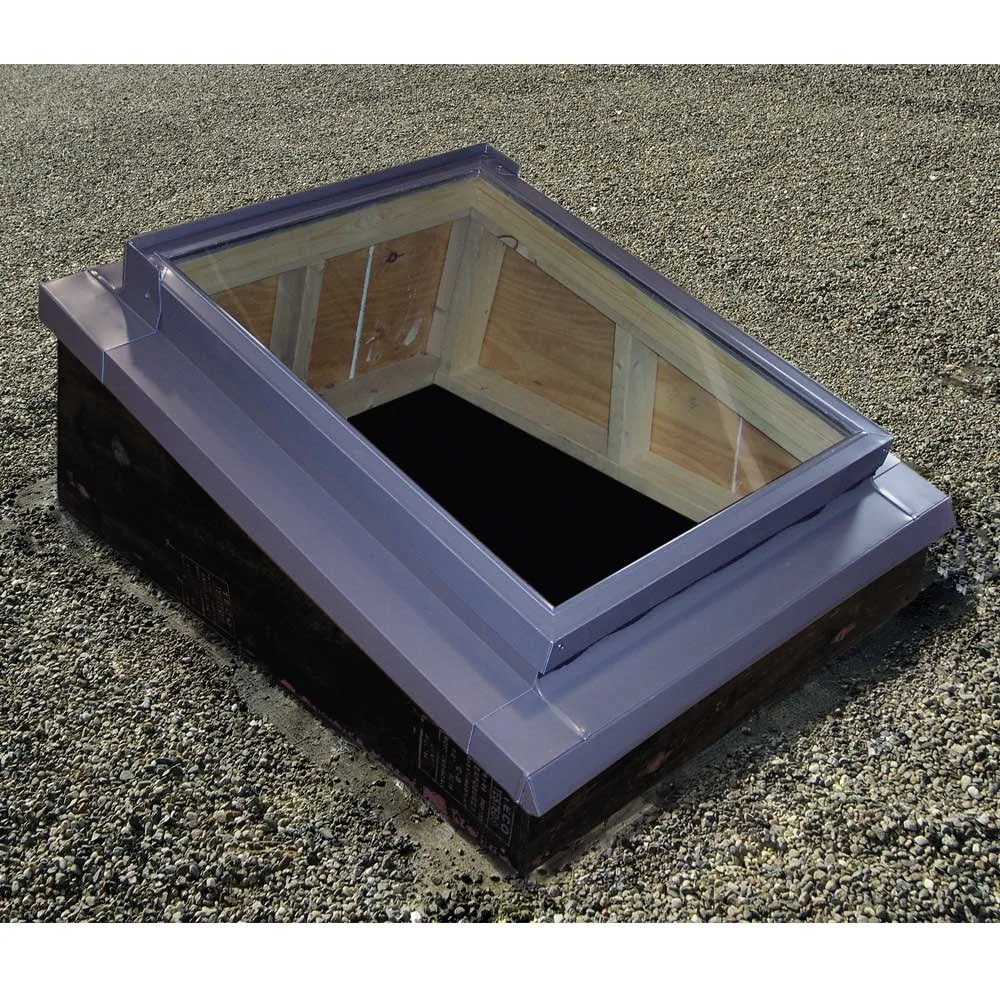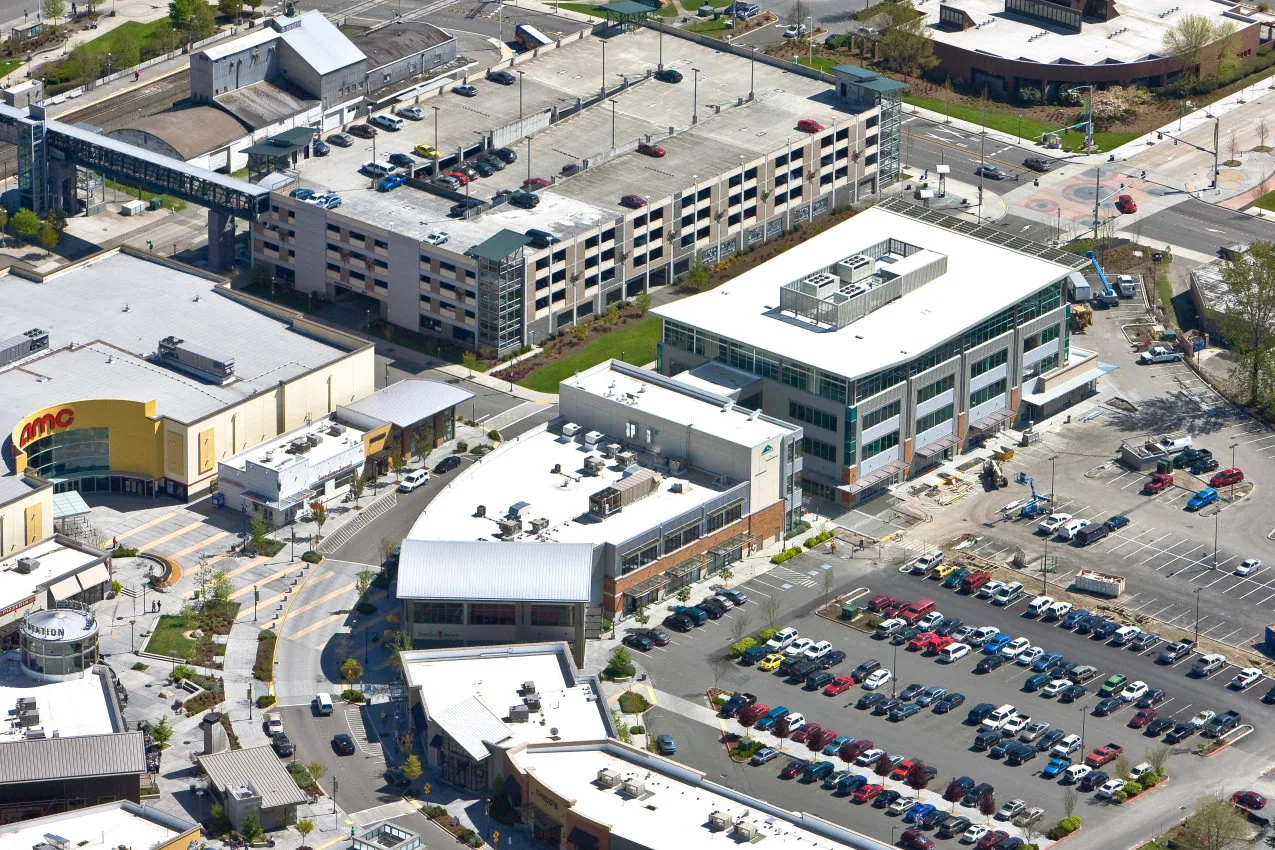
A seam that opens beside a roof hatch can admit rain where foot traffic, equipment movement or prior work has stressed the membrane. In Kent, WA, we trace the entry from the hatch and nearby laps toward the nearest drain before deciding whether the repair stays local. Downtown Kent includes commercial blocks, civic and cultural uses, transport connections and residential development. The roof visit needs to match the particular building and its access rules, not assume that every block has the same use or assembly.
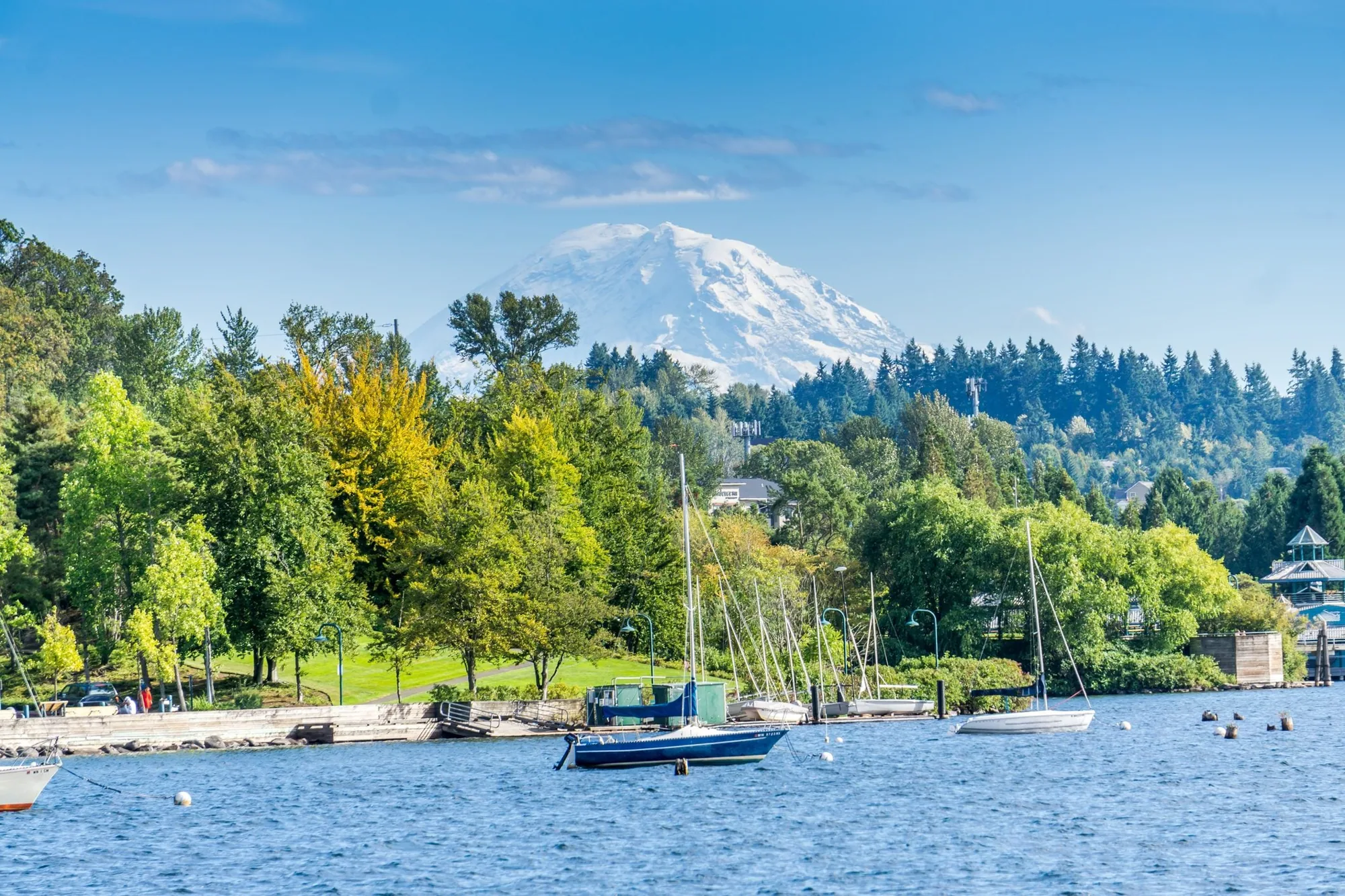
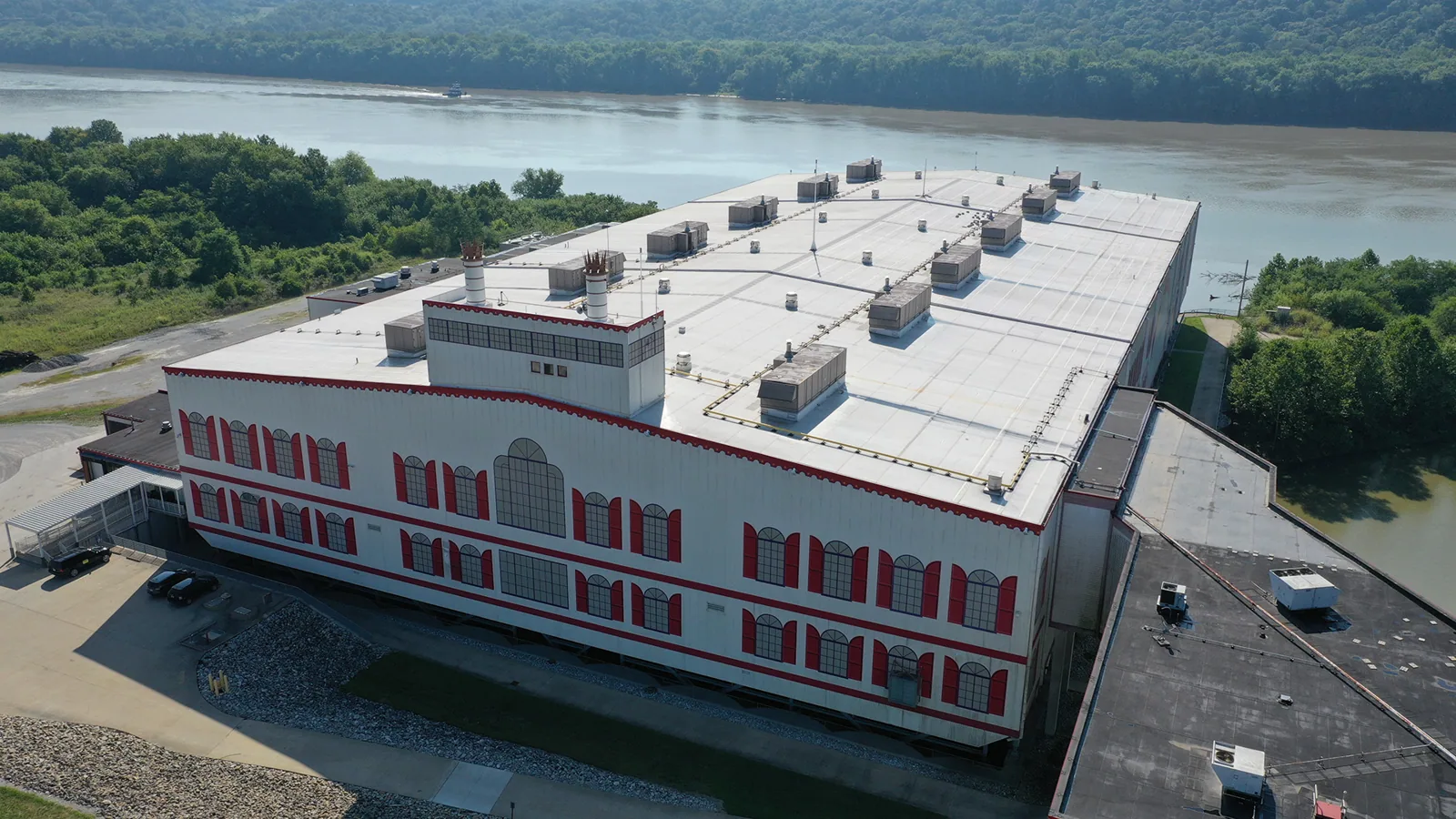
Kent's downtown Regional Growth Center extends from Kennebeck Avenue to 64th Avenue across SR 167. The area includes historic commercial blocks, newer retail and entertainment, and housing along Meeker Street. Those details help locate the service area, while the roof itself decides the scope. A roof inspection records the installed system, visible water path and any access limit before repair options are priced.
Block use: plan around the property in service
Roof work above businesses, civic uses or occupied housing can involve several entry points and different hours of operation. We confirm the authorized roof route, material staging area, equipment clearances and spaces below the planned work. If an entrance or pedestrian path needs protection, the sequence should say how it will stay usable. Those details affect whether a repair can be completed in one visit or needs a phased schedule.
Downtown Kent's mixed-use context includes transportation connections and residential development as well as commercial and civic activity. The contact identifies restricted rooms, deliveries and work windows before we begin. For an active property, occupied-building reroofing can set work zones and safe tie-ins. A leak contained to one roof detail may instead fit a limited repair after the adjoining material is checked.
Rain detail: follow runoff across the roof
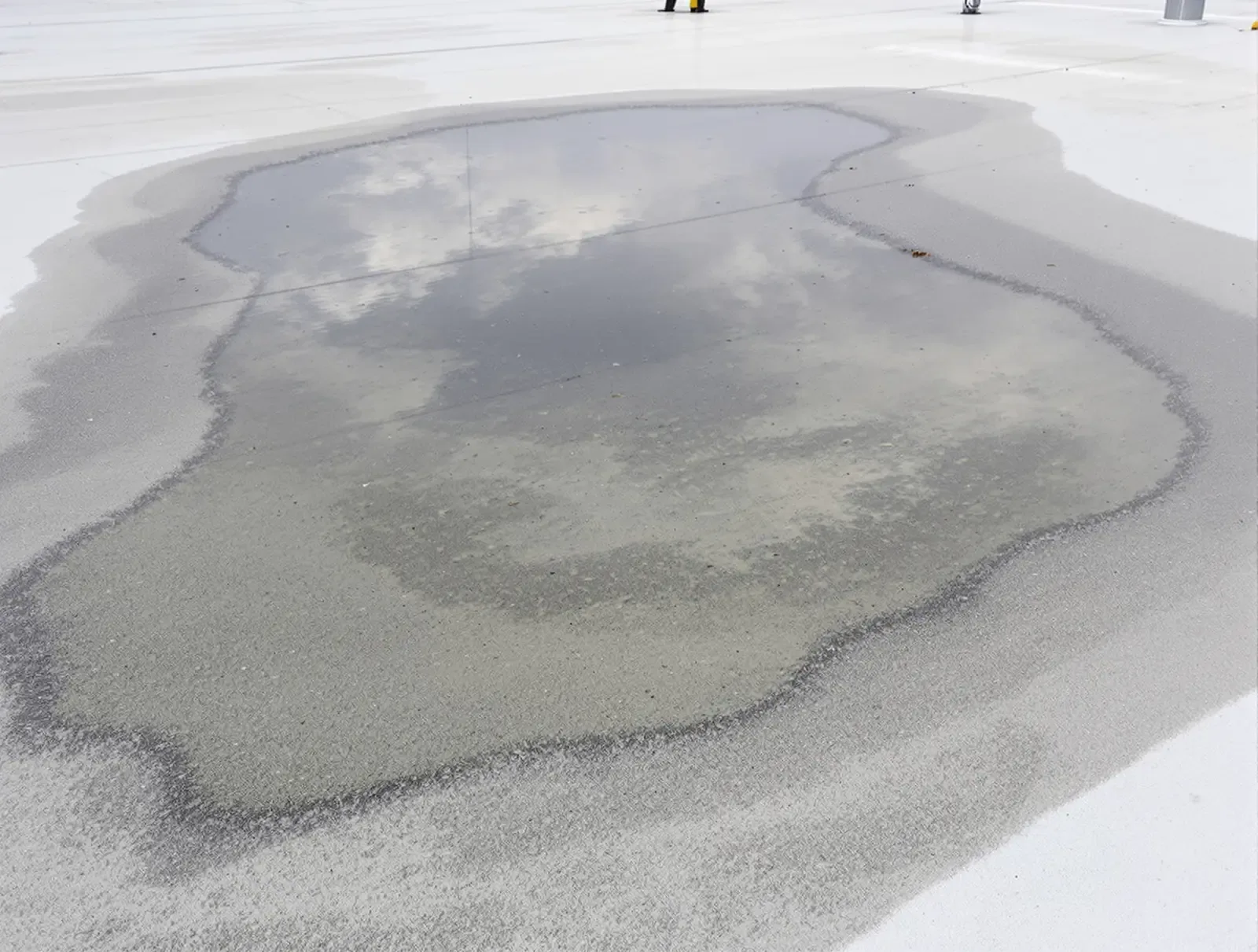
Water that backs up at a drain or collects beside a curb can wet a seam long enough to reveal a small opening. We check the drain bowl, scupper, overflow and slope, then compare those points with staining or corrosion inside. A clear outlet does not rule out a low deck or wet insulation. We note where water stops and whether a test would change the repair boundary. Any opening into the roof waits for the owner's approval.
Sea-Tac normals show higher precipitation in November and December than in midsummer. Ahead of the wetter period, checking outlets and transitions can reveal conditions that are easier to address before a ceiling stain returns. Drain and scupper work can correct a confirmed blockage or failed connection. If water remains after that route is clear, ponding-water repair needs to account for the surface and the assembly below.
Roof edges: inspect the change in material
At a parapet, coping joint or wall turn, water may enter where metal and membrane meet. We look for loose cleats, open seams, lifted flashing and fasteners that no longer hold. The repair needs compatible materials and a sound surface to bond to. If the metal moves with temperature or the underlying edge has deteriorated, a surface bead alone may not hold. We record the connection and the length of affected edge, then separate confirmed work from a possible concealed condition.
Historic commercial blocks, which Kent lists in its downtown, can have parapets and cornices that were detailed for an earlier roofing material, so the termination height, counterflashing and cap are checked against what a modern membrane needs.
Downtown Kent mixes historic commercial blocks with newer uses, so we inspect the actual assembly and its prior repairs. A flashing assessment can cover a hatch, curb or wall transition, while standing-seam metal work requires attention to panel movement and clip attachment. We identify the system before suggesting a detail. At a long metal edge, we also note whether the coping joint, cleat or panel termination can move as designed, since fastening the moving part rigidly can shift stress to the next connection. That observation changes where the repair should end and what needs a closer look.
Scope: make the repair line visible
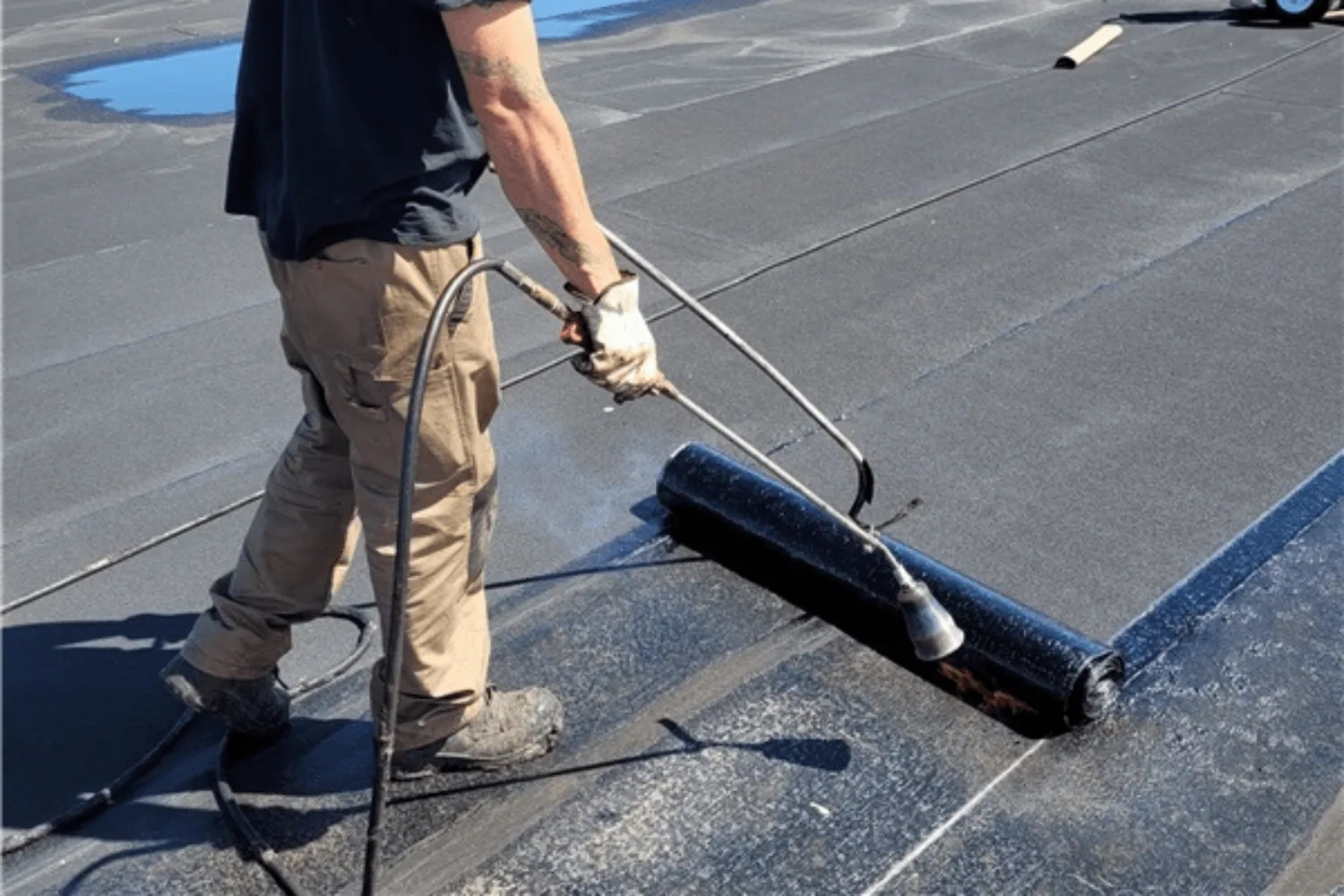
A local patch may be enough when the failure has a defined edge and surrounding material remains attached and dry. We prepare the affected area, repair the seam or flashing and photograph the finished connection. If multiple repairs cluster across the field or water is present below the membrane, moisture testing may be needed before a coating or recover is considered. A coating protects suitable material after preparation, but it cannot correct a weak deck or concealed wet insulation.
When the existing layers are secure, a recover may be considered after checking attachment, moisture, deck and project requirements. If they are not, replacement can expose the deck and address the cause. A recover review should state which conditions allow another layer. Replacement work should define removal, insulation, membrane, edge metal and drainage. These choices give the owner a basis for comparing immediate repair with a larger roof project.
Roof record: tie the finding to its location
A photograph of a stain is not enough to guide the next visit. We label the roof area, note the seam or edge checked, record whether water or insulation conditions were found and state what remains outside the approved scope. If a section could not be reached, the record identifies that limit. This helps a property manager relate later work to the actual roof detail rather than relying on a tenant's description alone.
Downtown Kent spans multiple blocks and building uses, so each address needs its own roof history. A condition report can preserve the repair boundary, test locations and next checks for the person managing the budget. A separate building in Newcastle's business center or Downtown Renton gets a separate record. The owner can then compare conditions without assuming that one roof's repair applies to another.
Commercial Roofing Questions
Where should a leak inspection begin on a downtown building?
We start with the interior mark, then check the roof area above and the route water could follow across the deck or insulation. Hatches, curbs, wall turns, drains and previous patches may sit between the entry and the visible stain. The visit records the suspected source and any test that could confirm the repair boundary.
Can a roof project be phased around storefront or residential use?
The building contact helps set access, staging and protected paths. We divide work into zones only when each day's tie-in can stay secure and the system allows a practical stopping point. Material moves, noise and debris controls are planned around entrances and occupied areas before crews begin.
Do roof permits differ in a downtown growth center?
Permit and building requirements are set parcel by parcel, so we check them for the property. We document the roofing assembly and visible conditions, then identify any permit or review question the owner should confirm with the city.
When should an owner approve a test opening?
A test is useful when concealed moisture or deck condition could change the choice between patching, recovering and replacing. We identify its exact location, explain what the opening should answer and wait for authorization. If the result would not change the scope, a surface inspection may be enough for the decision at hand.
What belongs in the repair proposal?
The proposal should identify the roof area, materials, preparation, transitions, drainage work and what will be photographed after completion. It should also state access limits and any concealed condition that could change the scope. That gives the owner a clear repair line and a record for future maintenance.