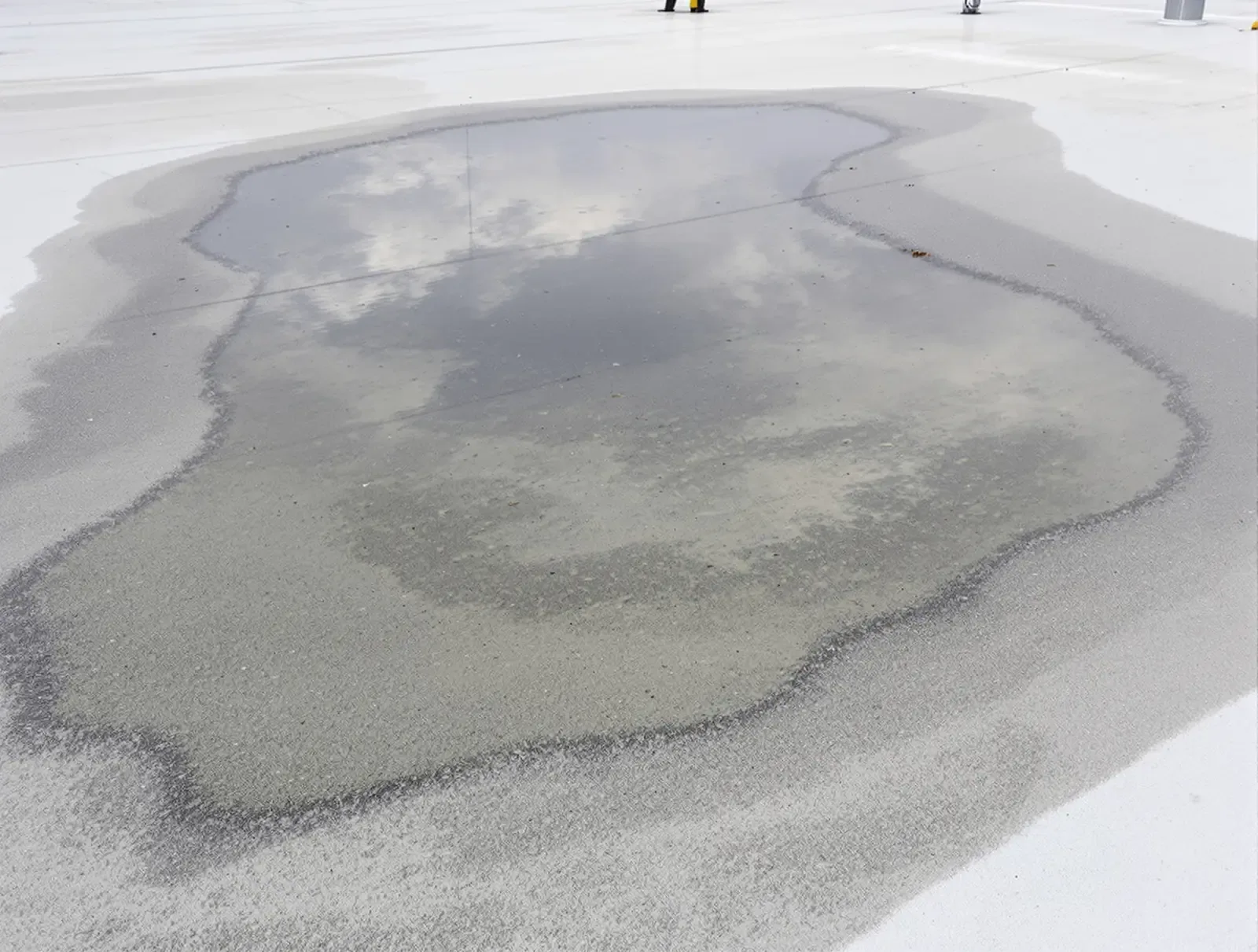
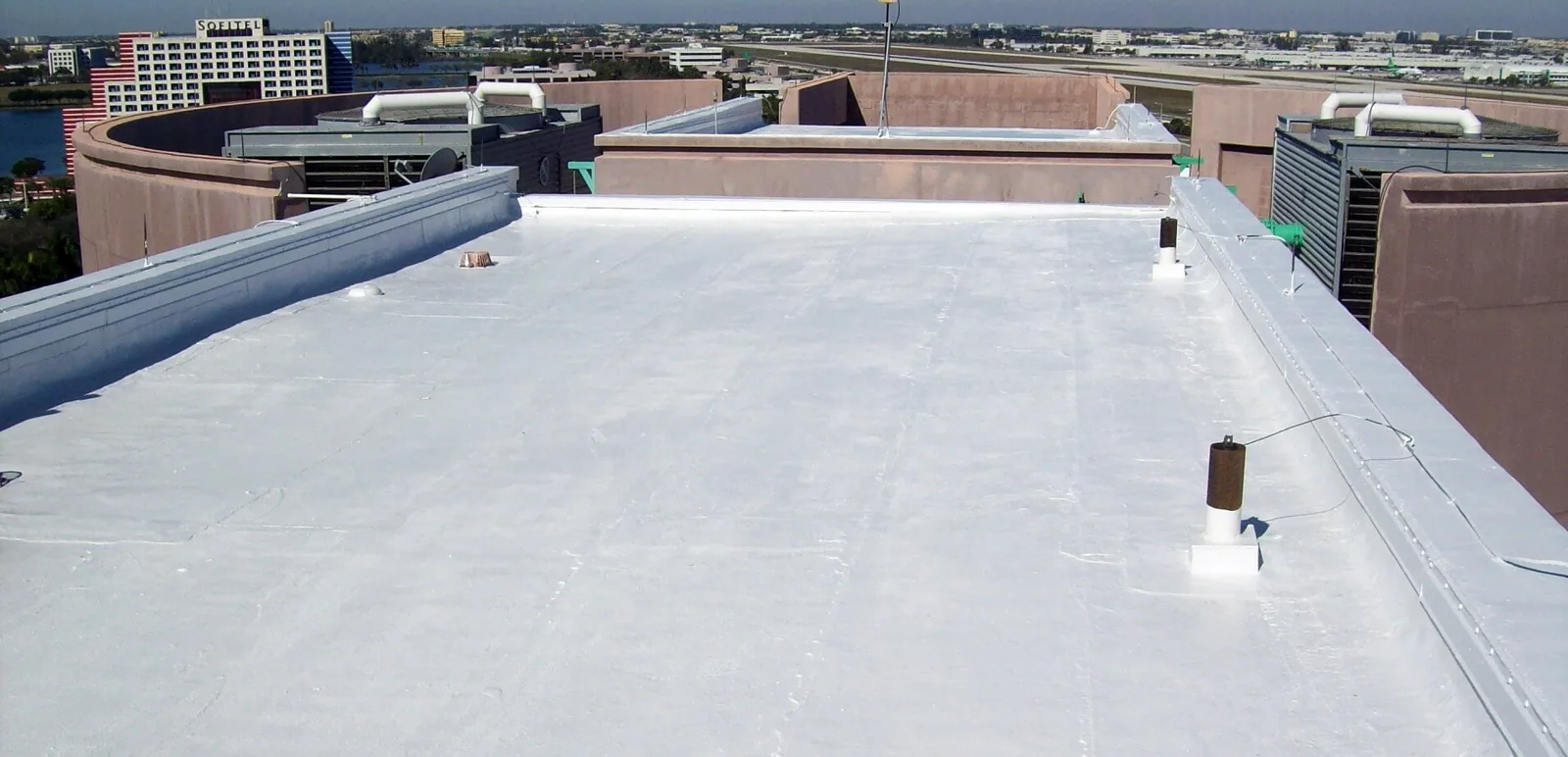
Bubbling at a membrane lap in Renton can mean trapped moisture, a weak bond or movement below the surface, and a new layer will not settle that question. The first check is the water path and the condition of the existing assembly. Sea-Tac normals show a pronounced November and December precipitation pattern compared with midsummer, a regional signal that makes leak history worth reviewing. We map wet areas, examine drains and penetrations, then identify where an insulation test or core cut could tell us whether a recover remains a sound option.
In the Renton Valley Subarea, industrial and warehousing uses make the work sequence matter as much as the membrane choice. Loading access, equipment clearances and the amount of roof that can be closed each shift shape the plan. A recover can reduce removal only when existing layers, deck, moisture, attachment and local code conditions support it. If they do not, we explain why a tear-off is the safer scope. The decision belongs to the actual roof, not a rule based on its age or the appearance of one seam.
Layer check: what stays in place
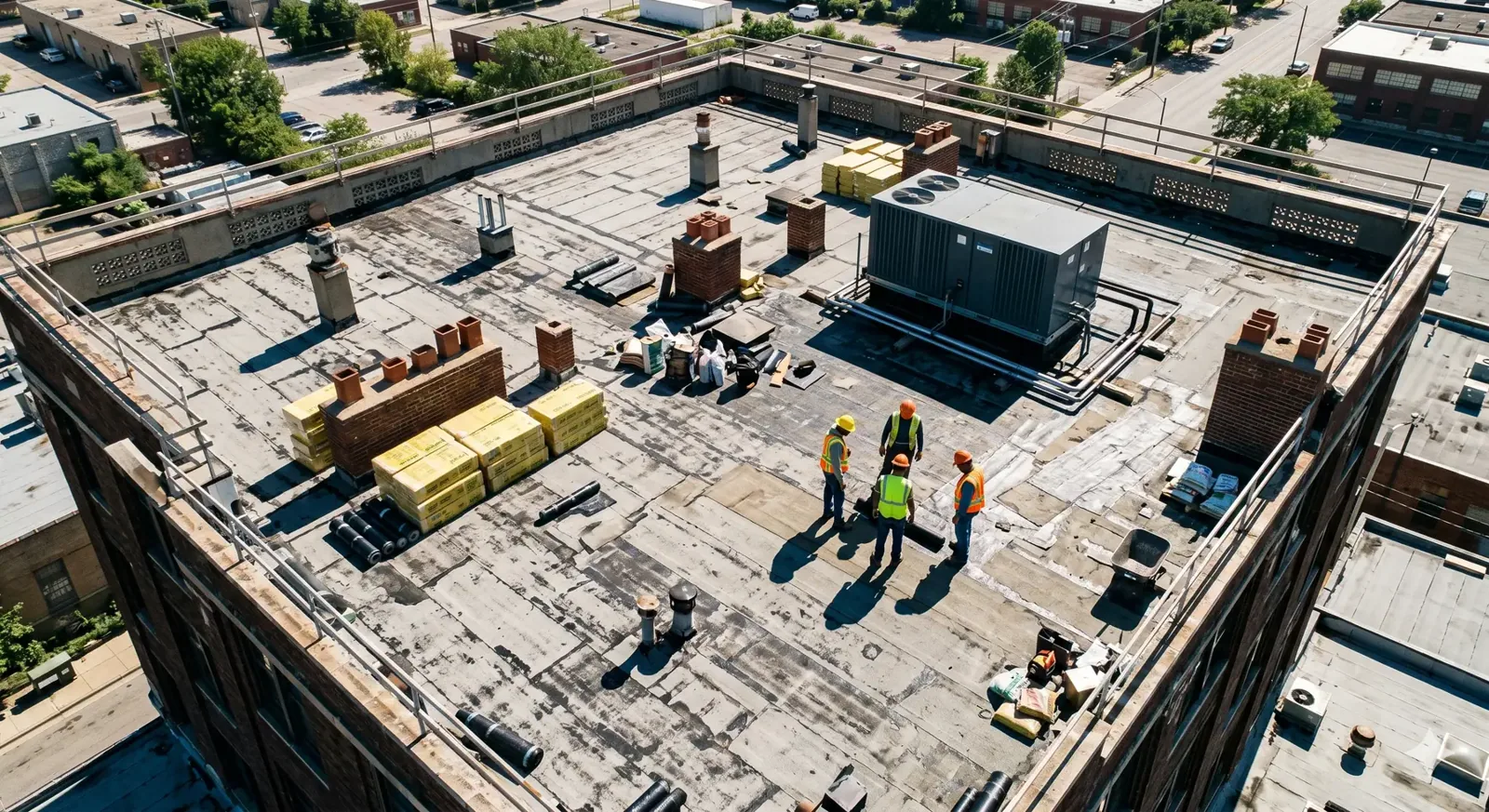
Before pricing an overlay, we record the existing roof layers, surface condition, known repairs and any areas that move underfoot. Moisture testing helps show whether insulation is dry enough to remain. A test opening can reveal the deck and attachment, but it needs approval and proper closure. If moisture is widespread, the deck is deteriorated or the existing assembly cannot support another layer, the scope should not cover that condition. We separate what the visit confirms from what still depends on opening the roof.
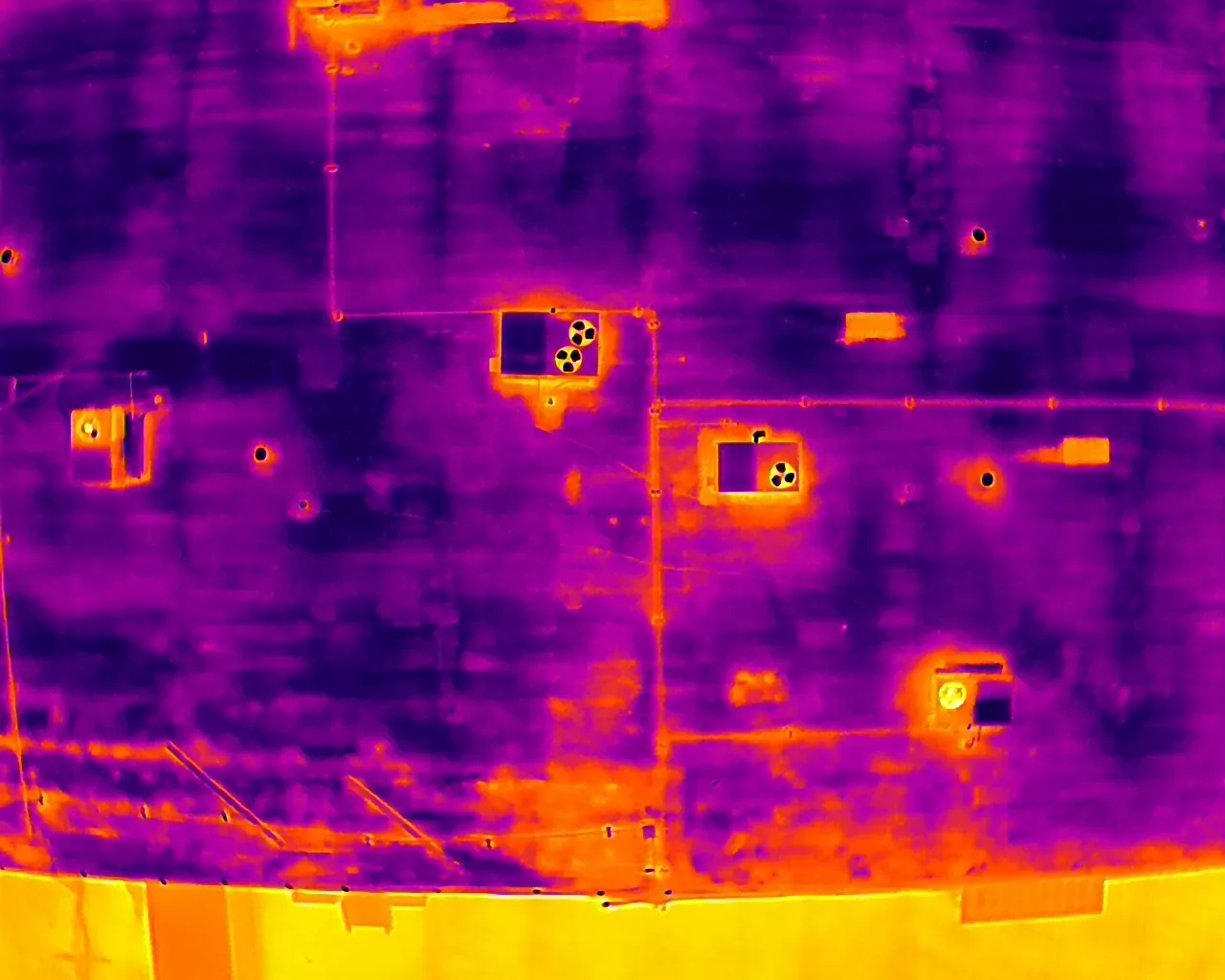
A hands-on roof inspection can map these findings, while an infrared moisture survey may help locate temperature patterns for follow-up testing. Infrared alone does not establish that insulation is wet; we confirm the signal with appropriate checks. If the roof fails the eligibility review, replacement planning lays out removal, deck review and new transitions. The owner receives a reasoned choice, not a promise that every existing roof can take another layer.
Attachment line: confirm the assembly
A recover changes the roof's dead load and the way new materials attach, so the existing deck, fasteners and concealed layers matter. We identify the deck type where it can be confirmed and note where records are missing. The attachment approach must fit the actual substrate and system requirements. A membrane that is loose, wet or poorly secured is not a reliable base simply because the surface looks even from a walkway. We review edge conditions and perimeter details at the same time, where wind can stress a weak termination.
A Downtown Renton office roof and a Valley warehouse roof can both be low-slope, yet they may carry different layers, fasteners and past repairs, so we check the building's records and field conditions before applying a code assumption. A TPO system over an existing roof needs compatible attachment and transitions, and edge and coping details must secure the completed perimeter. The roof record should state what stayed beneath the new layer so future inspections do not treat the assembly as a single material.
Drain route: keep the water moving
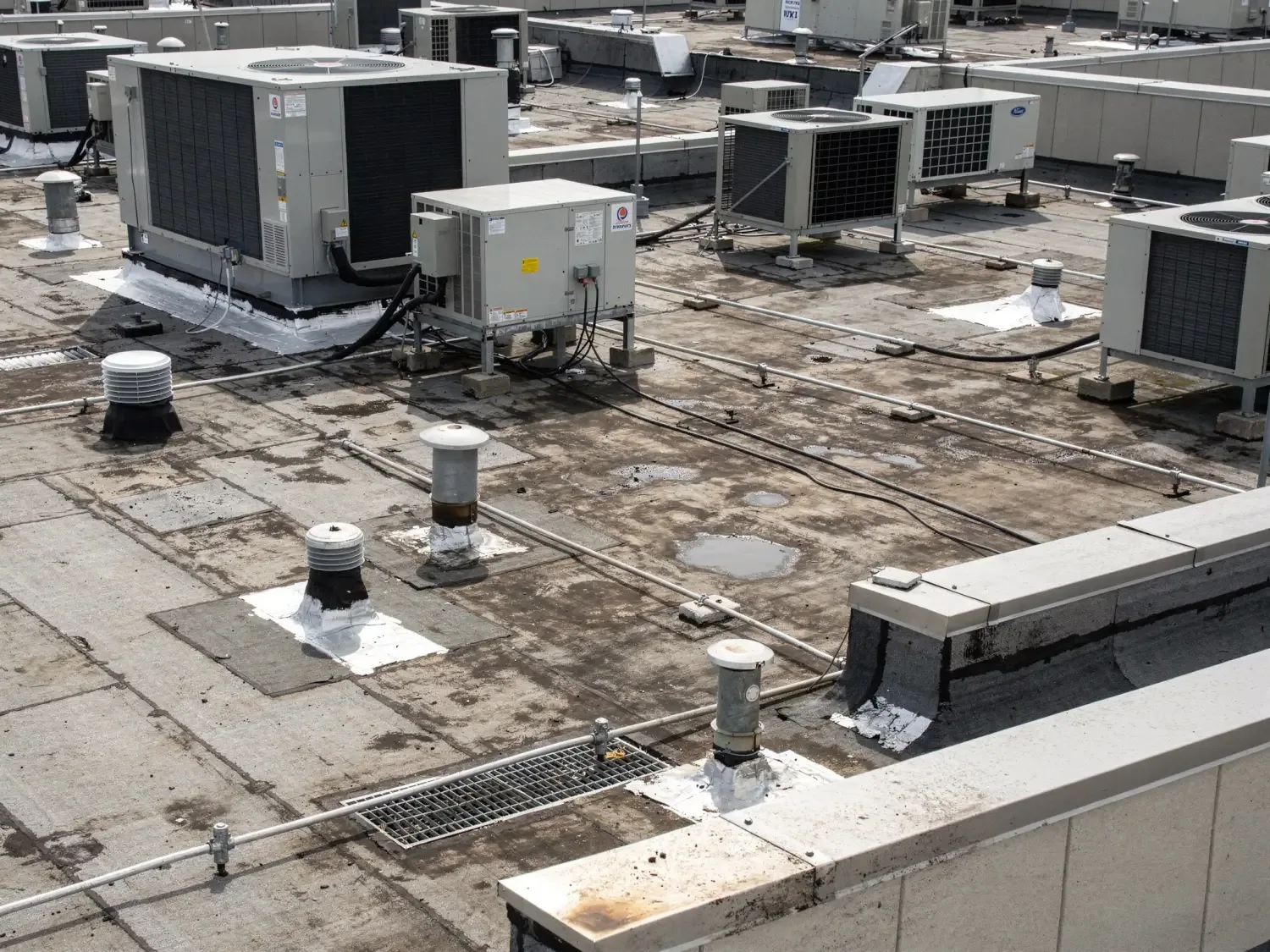
A recover can add height at drains, scuppers, curbs and door thresholds. We check those elevations before deciding that the new layer will fit. If a drain bowl sits too low, water may remain around the outlet; if a curb becomes too short, the flashing detail can lose needed height. The scope identifies these transitions and says whether they need alteration. It also checks overflow paths, because a primary outlet is not the only route the roof may need during heavy rain.
Renton's wet-season pattern makes a clear route to each outlet a practical concern. We inspect slope, debris accumulation, drain connections and existing ponding, then distinguish a drainage correction from a membrane repair. A drain and scupper review can address those details, and ponding-water repair may be needed before or with the overlay. At each curb and pipe, new flashing needs room to turn and bond. If the added thickness creates a threshold or termination problem, tear-off may be the better way to rebuild the transition.
Access window: sequence the work
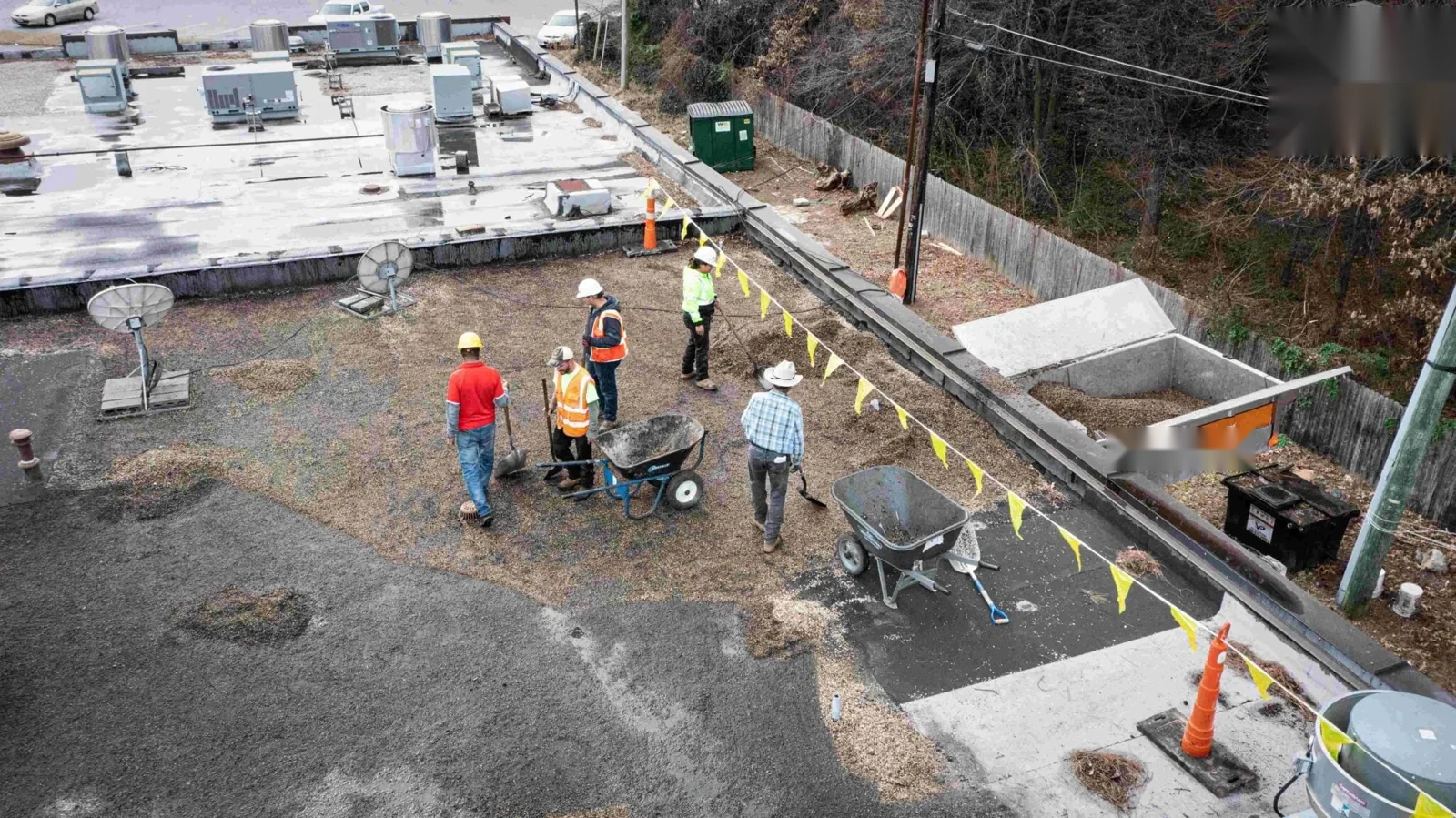
Overlay work can still interrupt roof access, block staging areas and require equipment coordination. We plan where materials will arrive, which roof sections can be reached safely and how occupants will know when access changes. A warehouse or logistics building may need a predictable path around receiving activity, while an office property may set quieter hours near occupied rooms. We confirm those limits with the property contact instead of treating an occupied building as an empty worksite.
The Valley's long-running logistics and light-manufacturing uses mean schedules differ from one operation to the next. We agree on roof entry, lift setup, equipment clearance, temporary protection and the daily closeout point before work begins. If rain interrupts the sequence, open edges need a plan for stopping work and protecting the assembly. An occupied-building reroof keeps tenants and access in the plan from the first day, and a warehouse roof adds receiving and storage paths to it. A clear access window reduces avoidable disruption on both.
Repair line: compare recover and removal
Cost and schedule depend on how much preparation is needed, whether existing wet material must be removed, the attachment method, curb and drain adjustments, perimeter work and access. A recover proposal should name the layers that remain and the tests behind that decision. It should also define allowances for hidden deck conditions and identify what would trigger a change in scope. That information makes an overlay comparable with tear-off instead of leaving the owner to guess what was omitted.
After installation, we inspect seams, flashings, perimeter terminations and outlet conditions, then keep photos and the assembly description with the roof record. Future maintenance can focus on the transitions that were rebuilt and any original layers retained. A manager with several roofs in the Renton Valley Subarea can keep these notes together, while each building still gets its own moisture and deck review. If the tests show that the existing assembly is not a suitable base, we set out the removal option and the next step without adding work the roof does not need.
Commercial Roofing Questions
What conditions rule out a recover?
Wet or unstable layers, a damaged deck, weak attachment, excessive existing layers, or transitions that cannot retain proper height can make another layer a poor fit. We test or open the roof where needed, with approval, and identify what is confirmed. If removal is needed, the scope explains the condition that changed the decision.
Can an infrared scan decide whether the roof is wet?
No. A scan can point to temperature patterns that deserve follow-up, but it does not prove moisture by itself. We compare the pattern with roof conditions and verify it through appropriate testing, including a core cut when authorized. That keeps a recover decision tied to the assembly rather than an image alone.
Will a recover raise drains and curbs?
It can. Added roof thickness changes how drains, scuppers, curbs and door thresholds meet the surface. We measure those transitions and include adjustments that are needed for drainage and flashing. If the existing geometry cannot be corrected cleanly with another layer, tear-off may provide the better route.
How do you compare the price of an overlay with replacement?
Put preparation, retained layers, attachment, perimeter metal, drain work, access and allowances side by side. The overlay may avoid some removal, but only if moisture, deck and code conditions permit it. We state what is known and what could change after exposure so the two scopes compare the same parts of the roof.
What happens if hidden damage appears during the work?
We stop at a safe boundary, document the exposed condition and explain its effect on attachment or drainage. The property contact gets a clear choice before concealed work continues. Keeping those decisions with the roof record helps the final assembly description match what was installed.