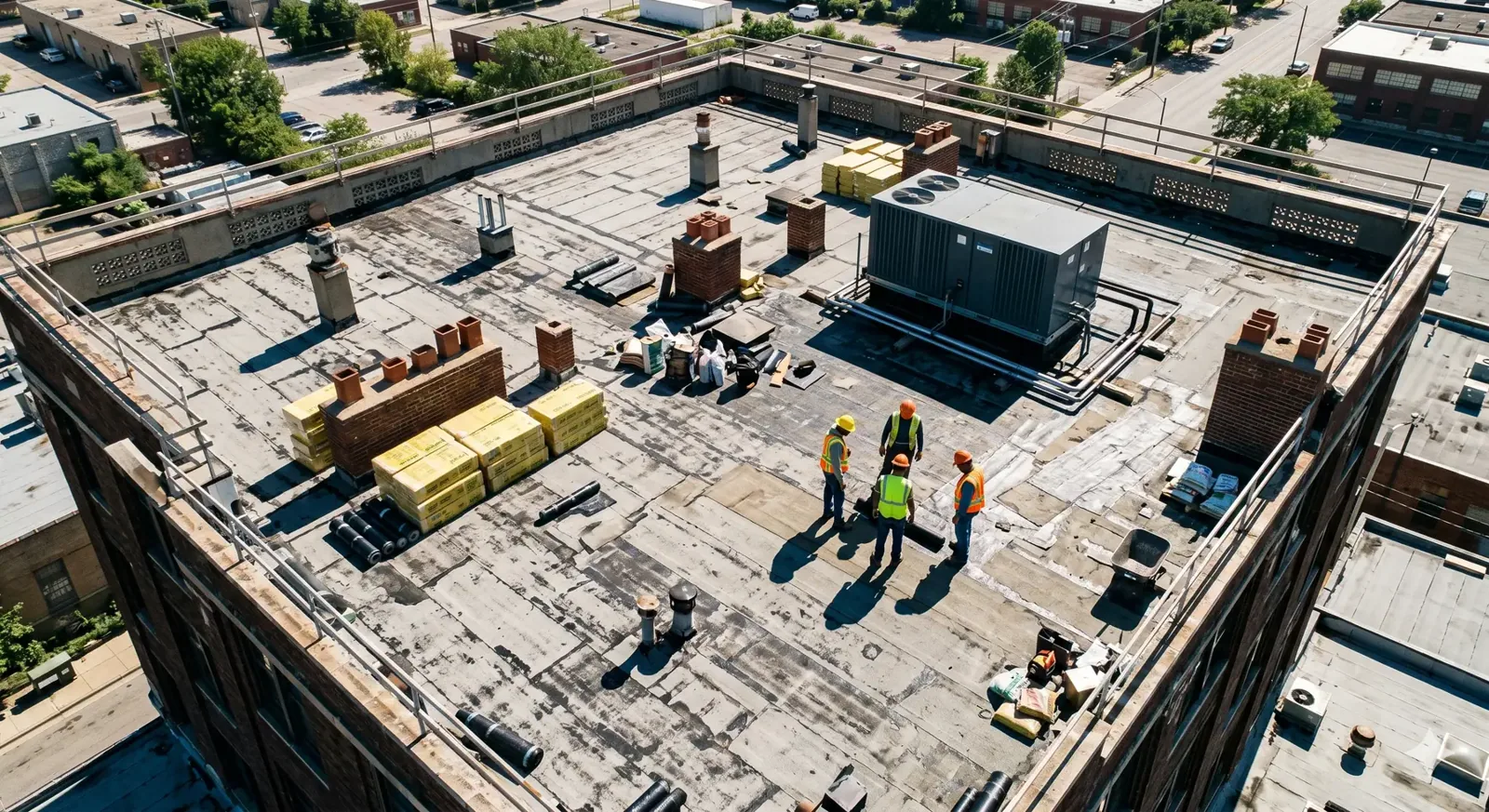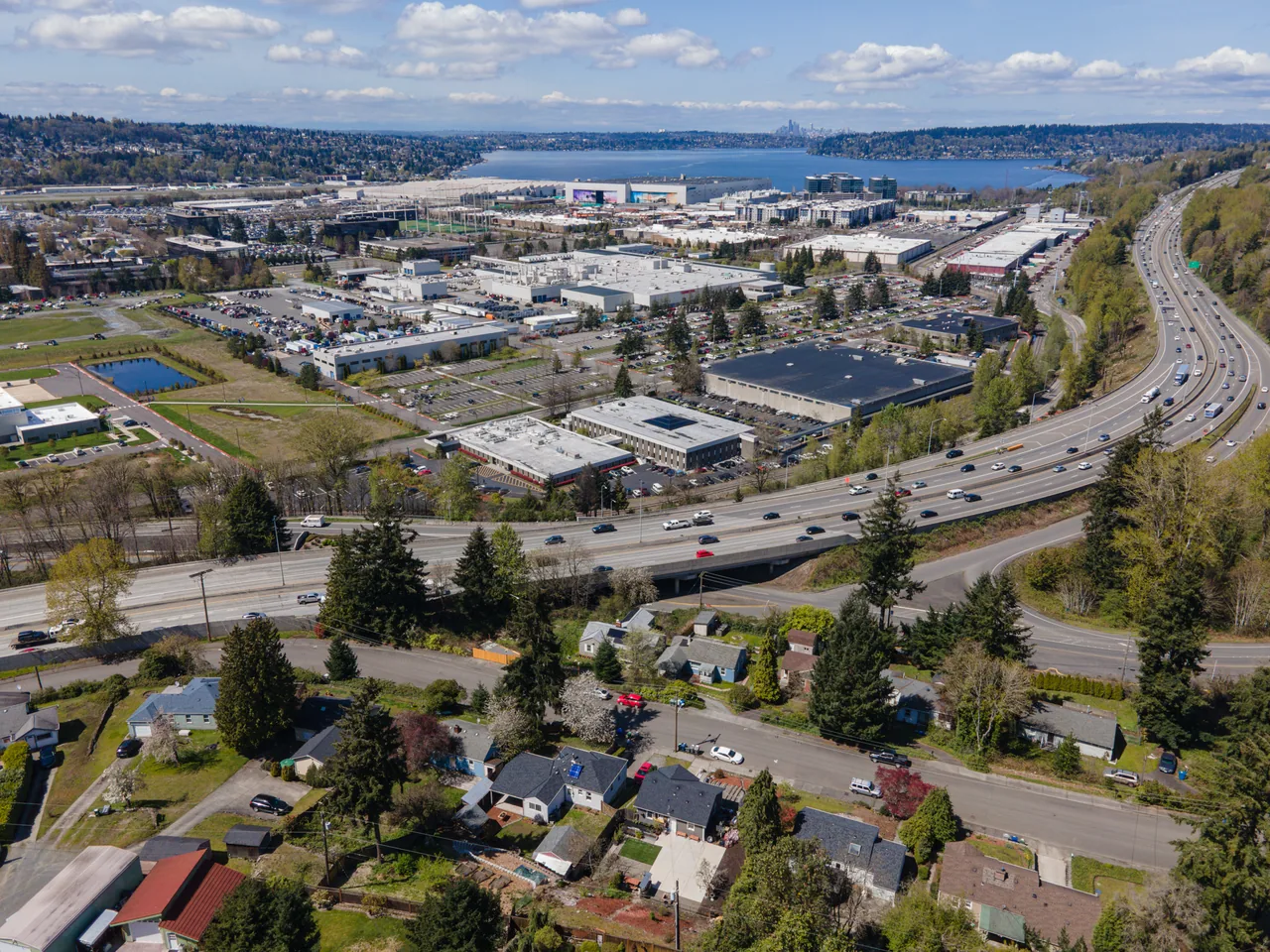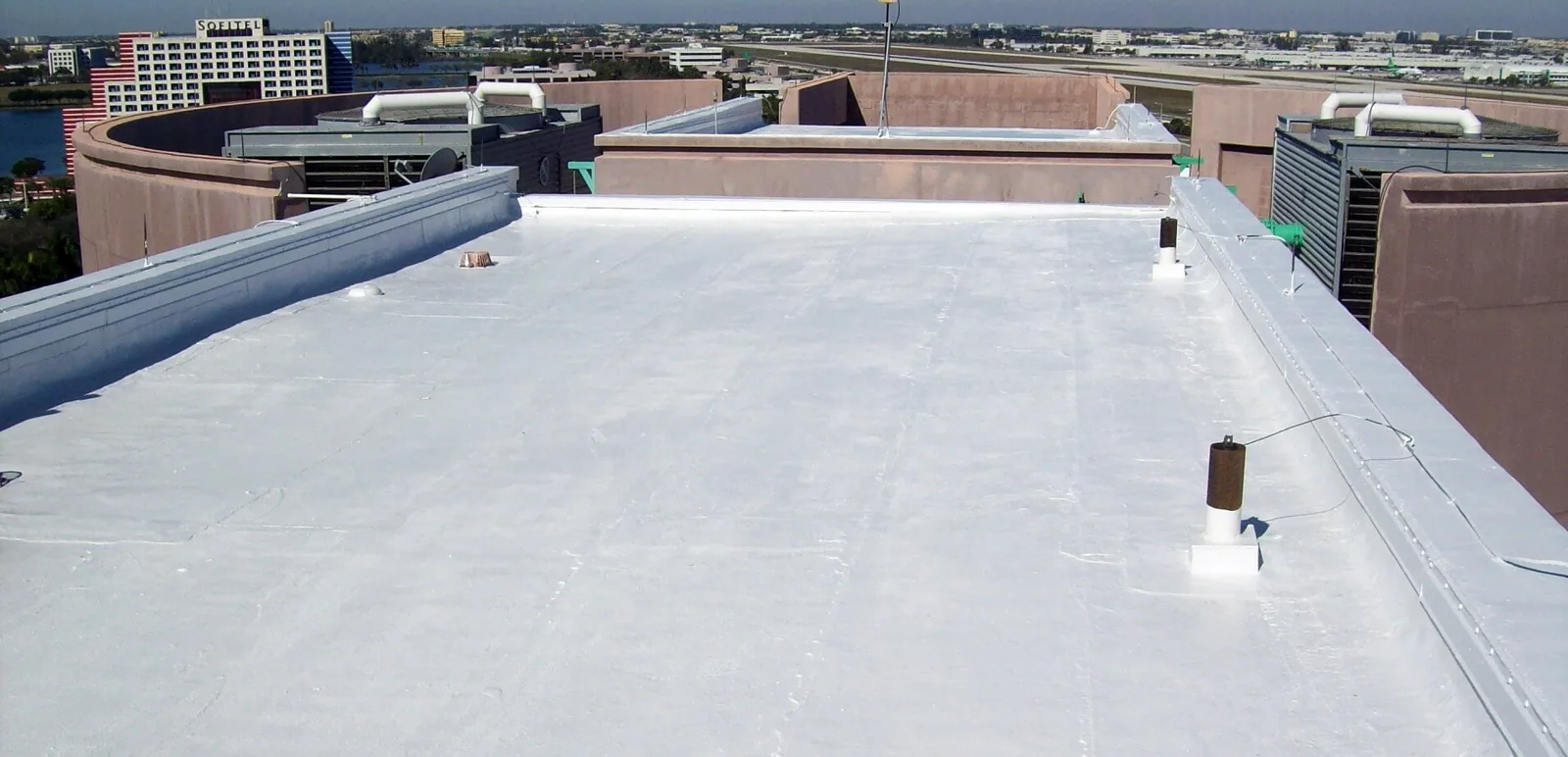
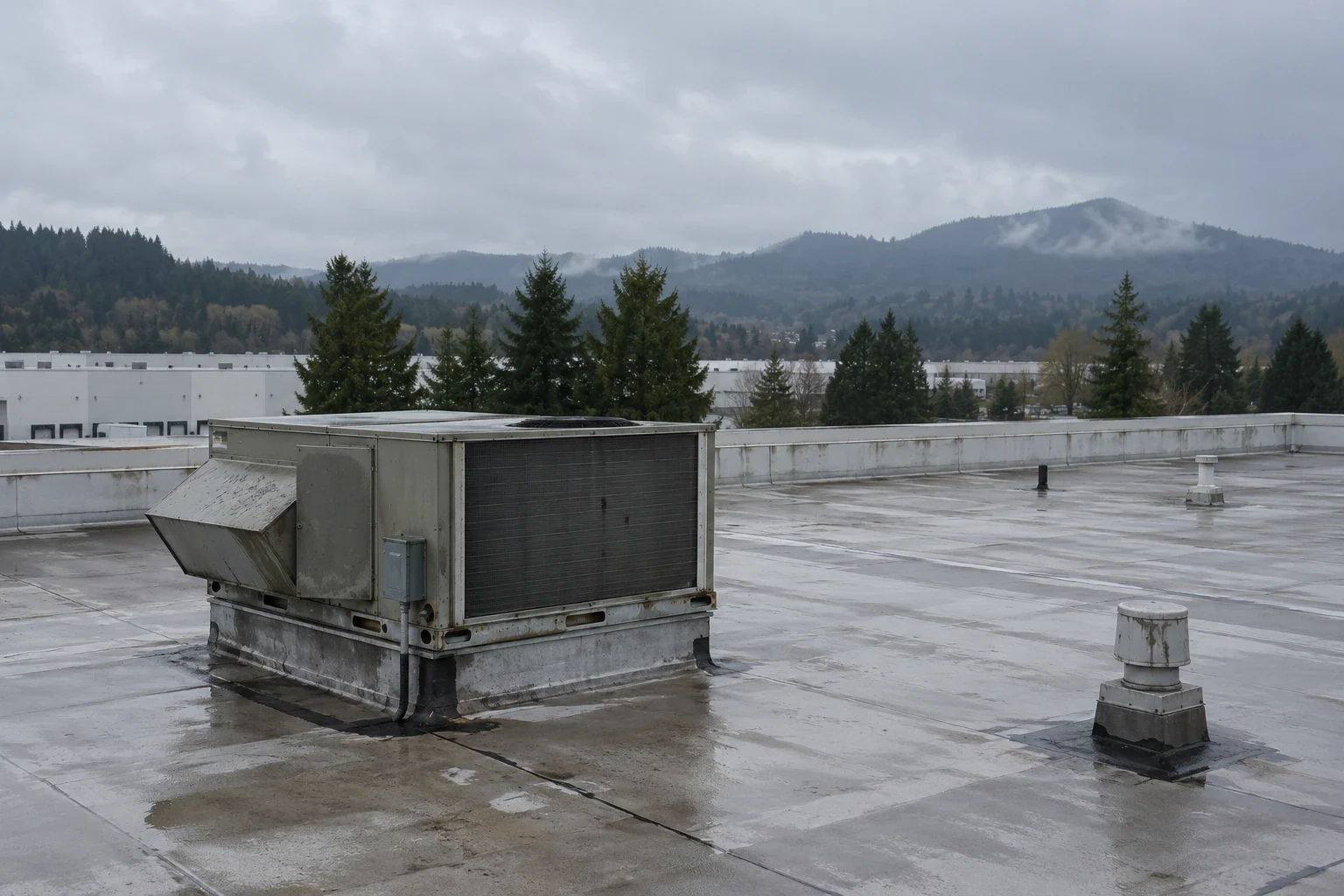
A trailer queue can make a roof access window just as important as the repair itself. For a distribution building, we start by tracing the water path from high points to drains, then compare the roof map with loading doors, rooftop equipment and interior leak reports. In Renton, the Valley Subarea is a largely industrial and warehousing district between I-405 and SR 167. That context helps frame the work, but the roof walk and operating schedule set the actual scope.
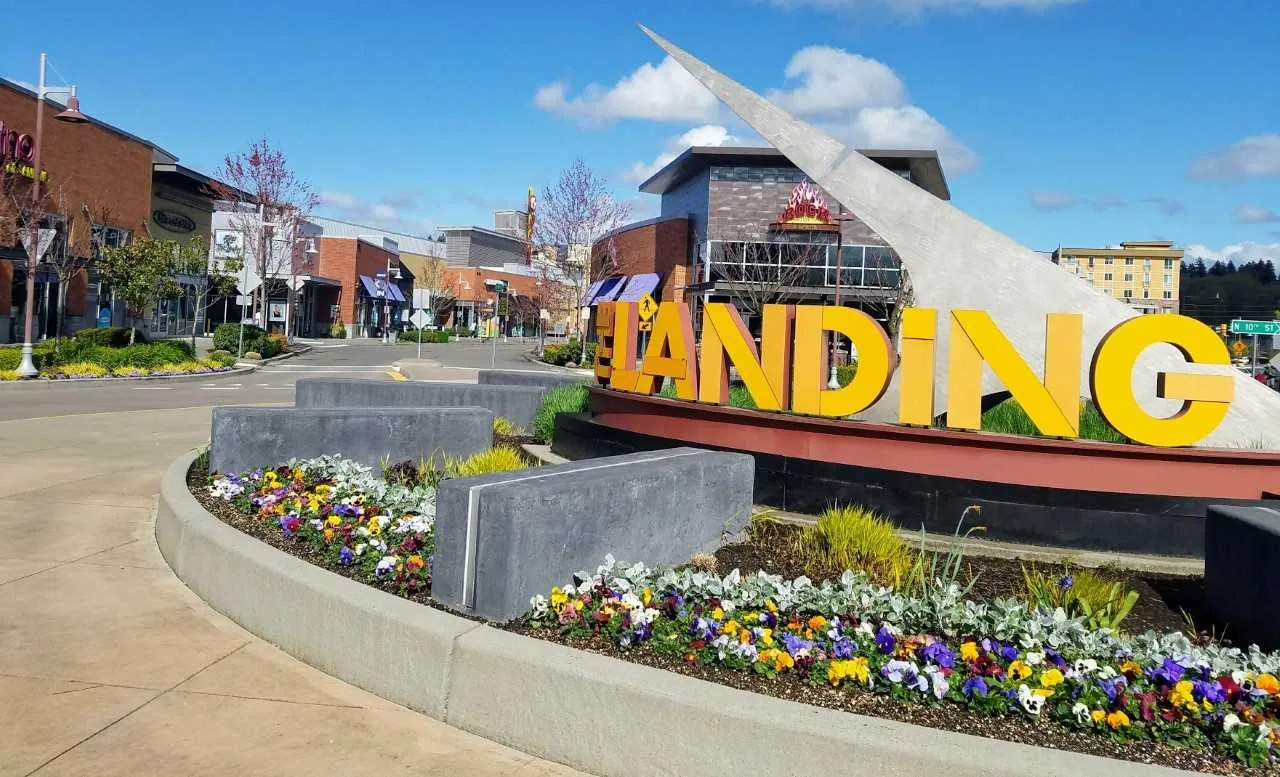
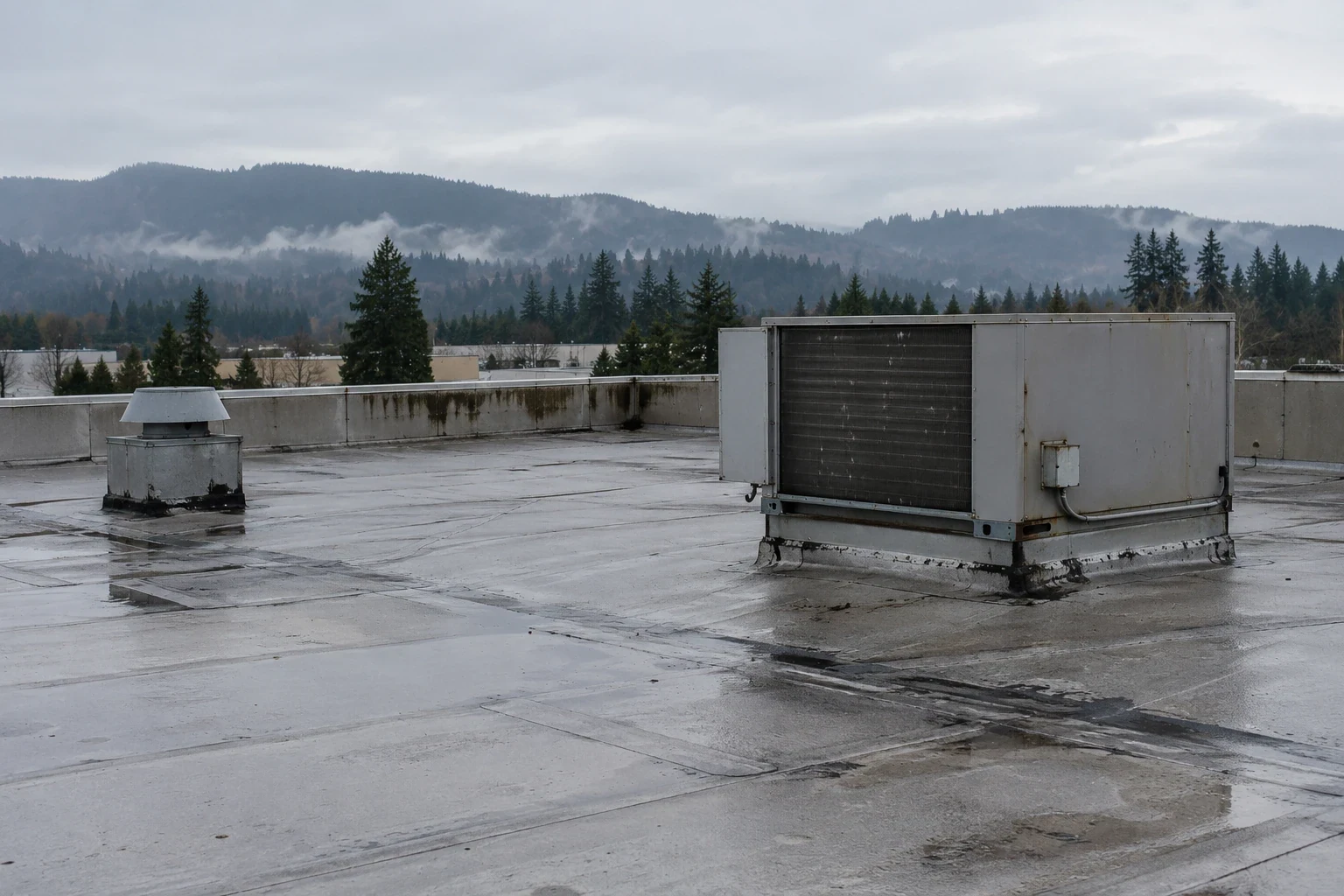
At Sea-Tac, November and December bring far more rain than July, which is why outlet condition and temporary protection deserve attention before the wet season. A truck court on the roof's far side can hold a puddle for days if nobody has cleared that outlet. We record the membrane and visible transitions, identify which sections can be reached safely, and separate urgent leak control from repairs that can wait for a planned window. The owner gets a sequence tied to actual access, not an assumption that every bay can close at once.
Dock sequence: keep the work boundary clear
Before materials are staged, we ask which docks must remain open, where trucks turn and how staff reach service doors. Those details help place lifts and debris containers without cutting across receiving. If one roof section needs a temporary closure, the work plan can name its limits, the expected access window and the route that remains usable below.
Logistics and light manufacturing are longstanding land uses in the Valley, and what separates one distribution roof from the next is the shipping sequence that drives access. We confirm the site's sequence with the contact, mark equipment and exhaust paths, and coordinate any required shutdown or trade work before the roof is opened. A commercial roof inspection can document the starting condition and access constraints. Compared with a warehouse roof, a distribution roof usually has more truck turns to work around, and for a manufacturing plant the same review can separate production exhaust and service paths from shipping routes.
Water movement: follow the full drainage line
Distribution roofs may carry water across long fields before it reaches a drain bowl or scupper. We look at slope changes, crickets, strainers, seams and curb edges, then compare those observations with leak locations inside. A clogged outlet can be a maintenance issue, while a low area, separated flashing or damaged drain connection may call for a distinct repair. The distinction matters when an owner is deciding whether to clean, patch or investigate further.
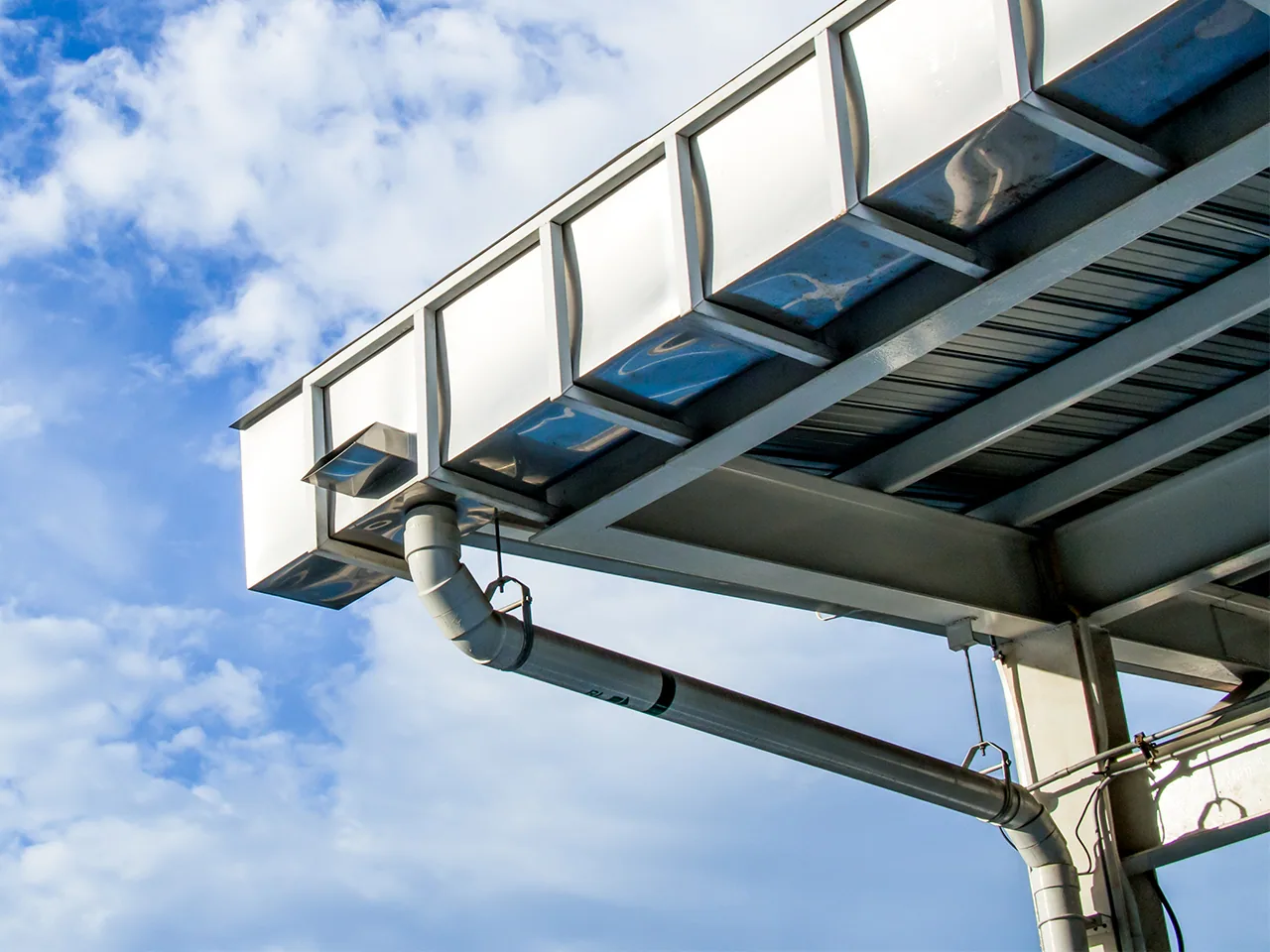
Our drain and scupper work starts with what can be reached and observed. We note outlets inspected, debris removed, water still standing and any section that needs follow-up. Sea-Tac's wetter late fall and winter make this review useful ahead of sustained rain. A roof in the Renton Valley Subarea gets its own mapped route and condition record.
System decision: compare the existing layers first
We document the membrane type, visible layer edges, attachment clues, insulation concerns and condition at seams and penetrations. A contained puncture or flashing failure may be repaired locally. Repeated leaks, wet insulation or widespread separation can make a broader replacement comparison appropriate. We explain which observations support that decision and which parts remain hidden until testing or an opening can confirm them.
If the existing assembly is suitable to remain, a recover review can compare a new layer with tear-off. A coating is not a shortcut around unresolved moisture, adhesion or drainage questions. The specified TPO system must fit the roof's use and transitions, including curbs, perimeter metal and tie-ins to adjacent work. We list preparation, substrate repairs, protection and exclusions so bids can be compared on the same scope.
On a multi-bay building, compare the leak map with the roof drains, structural grid and service corridors. Not every bay has the same assembly or exposure. We record where observations repeat, where the pattern stops and any location that could not be reached. That gives the owner a basis to decide whether a targeted opening is warranted before committing to broad replacement.
Work above active conveyor or sort areas needs a specific access plan. Confirm whether overhead clearances, staff travel or lift placement limit staging. Then set a phase boundary, identify how materials enter and leave, and agree who confirms the area is clear before removal. These details protect operations while keeping the roofing recommendation tied to inspected conditions.
Rain planning: close each day's edge
When a project exposes the deck, a clear end-of-day boundary helps protect both the roof and the operation below. The crew needs to know how an unfinished edge will be covered if rain moves the schedule, which drains must stay open and who verifies the closeout. We plan those steps before removal begins and record the area left under temporary protection.
On an active distribution property, a weather delay can also affect dock access and staging. We divide work into sections that can be sealed and inspected without leaving an open path across the roof. A storm damage roof repair may stabilize a specific area while a larger scope is developed, but the repair boundary and any follow-up should remain visible in the record. The final sequence reflects the site contact's operating hours and confirmed forecast window.
Closeout map: make the next visit more useful
At completion, we mark repaired seams, drains, curbs and any roof area that could not be reached. Photographs tied to a simple roof plan help facility staff compare later water reports with the work performed. If phases used different materials or crews, the record should identify transitions and outstanding checks. That gives the next inspector a starting route instead of a list of isolated photos.
A distribution building near Downtown Renton is likely to have tighter street access than one in the Valley, so we verify each address and access plan directly. A roof condition report can organize findings for ownership and maintenance teams. Share the roof plan, leak locations, loading schedule and access rules, and we can outline what the first visit should settle, including any test that would clarify hidden conditions.
Commercial Roofing Questions
Can roof work continue while a distribution center is receiving freight?
Often the work can be divided around the dock schedule, but access, lift placement or an exposed roof section may require a defined window. We review the operating limits with the site contact and identify the boundary before work starts.
How do you locate a leak when the interior stain is far from the roof opening?
We compare the stain location with slope, seams, curbs and drain paths, then inspect the likely route. Water can travel beneath a membrane or insulation layer, so we document observations and recommend testing only when it can change the repair scope.
What should a distribution center include in its roofing bid?
The proposal should describe preparation, removal or recover conditions, insulation work, flashing details, staging, weather protection, access limits and closeout records. Clear boundaries help the owner compare bids without assuming that a system name covers identical work.
Do you move rooftop equipment as part of the roofing work?
Equipment moves depend on the unit, service connections and responsible trade. We identify clearances and affected flashings during the roof walk, then coordinate any move with the qualified party before opening the roof below.
When is a recover worth considering instead of replacement?
Existing layers, attachment, wet insulation, deck condition and recurring leak history guide the comparison. We record what is visible and note whether a test opening or moisture survey would affect the recommendation.