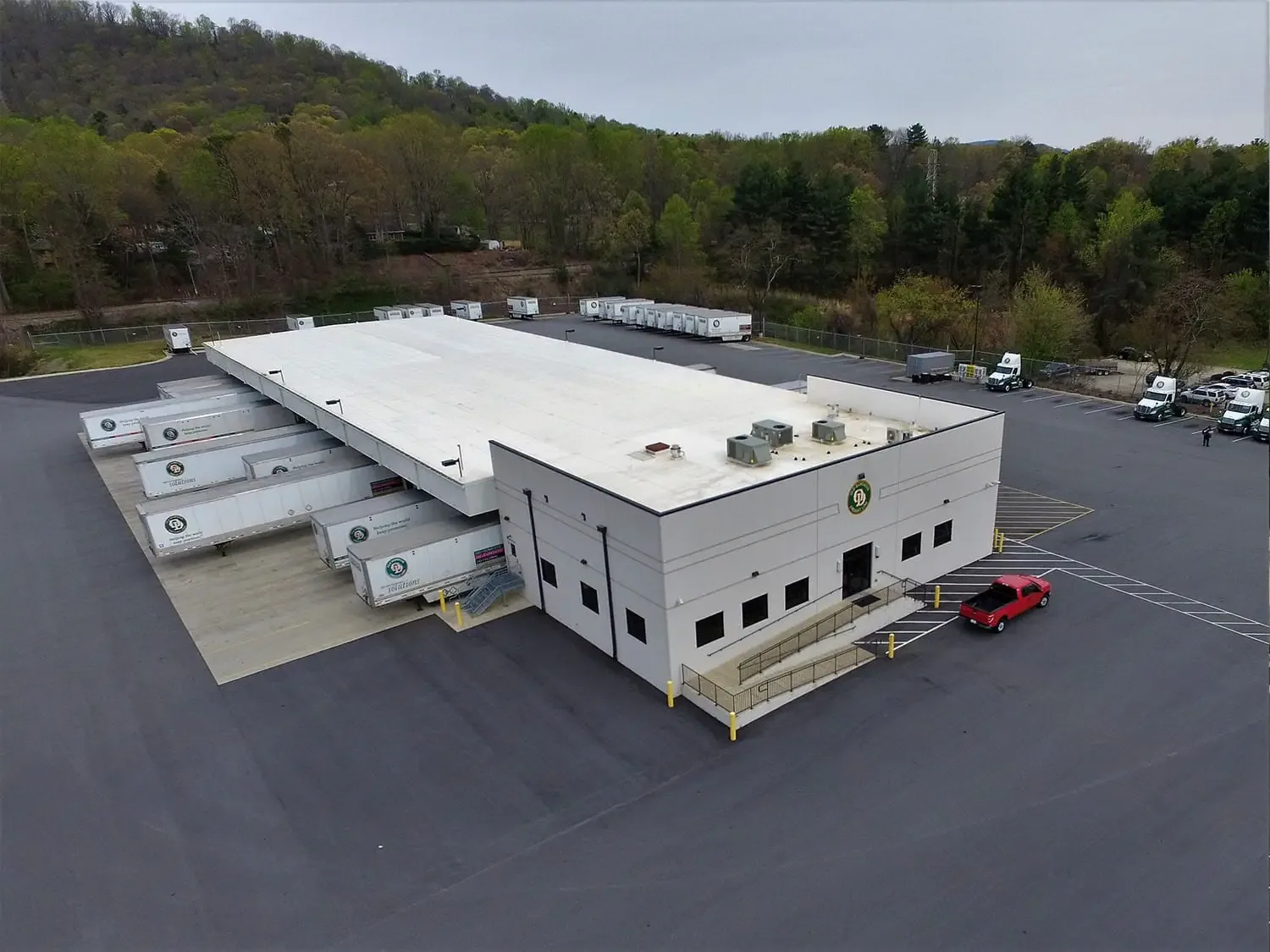
A blister beside a roof curb can hold more than a surface wrinkle, especially where water has followed a lap through earlier repairs. On a modified bitumen roof, we check the surfacing, seams, penetrations and drain route before deciding whether the defect can be isolated. Renton's late-fall precipitation pattern makes drainage a useful part of the wet-season check, though Sea-Tac's regional normals are not a property reading.
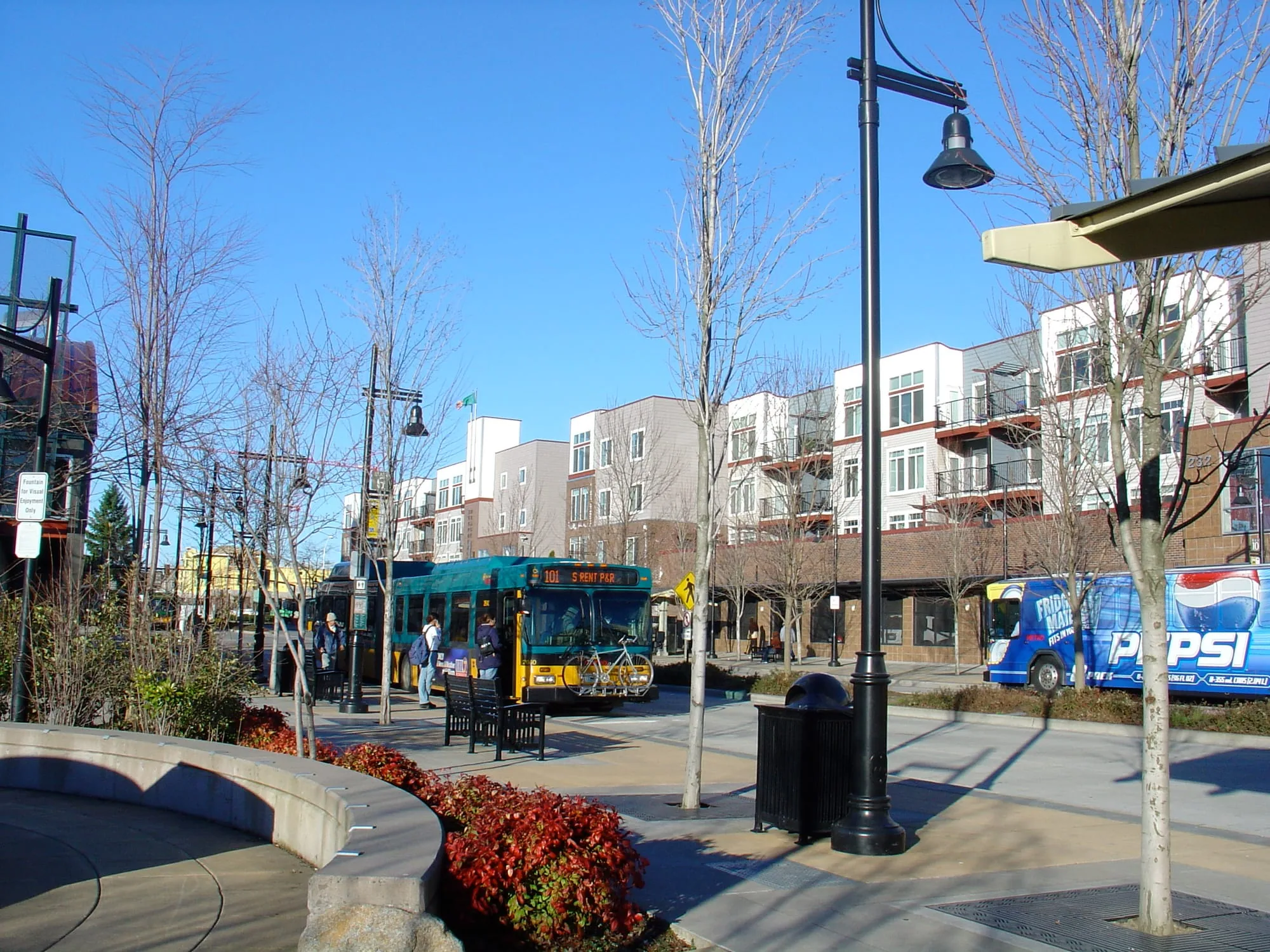
A modified bitumen roof in Downtown Renton is usually reached through occupied floors, while the city's warehouse-and-industry district, the Renton Valley Subarea, is reached across dock and equipment areas. A site visit has to establish the roof's actual layers either way. We record where water moves, what the surface shows and which work window the building can provide.
Roof layers: read the surfacing and the membrane
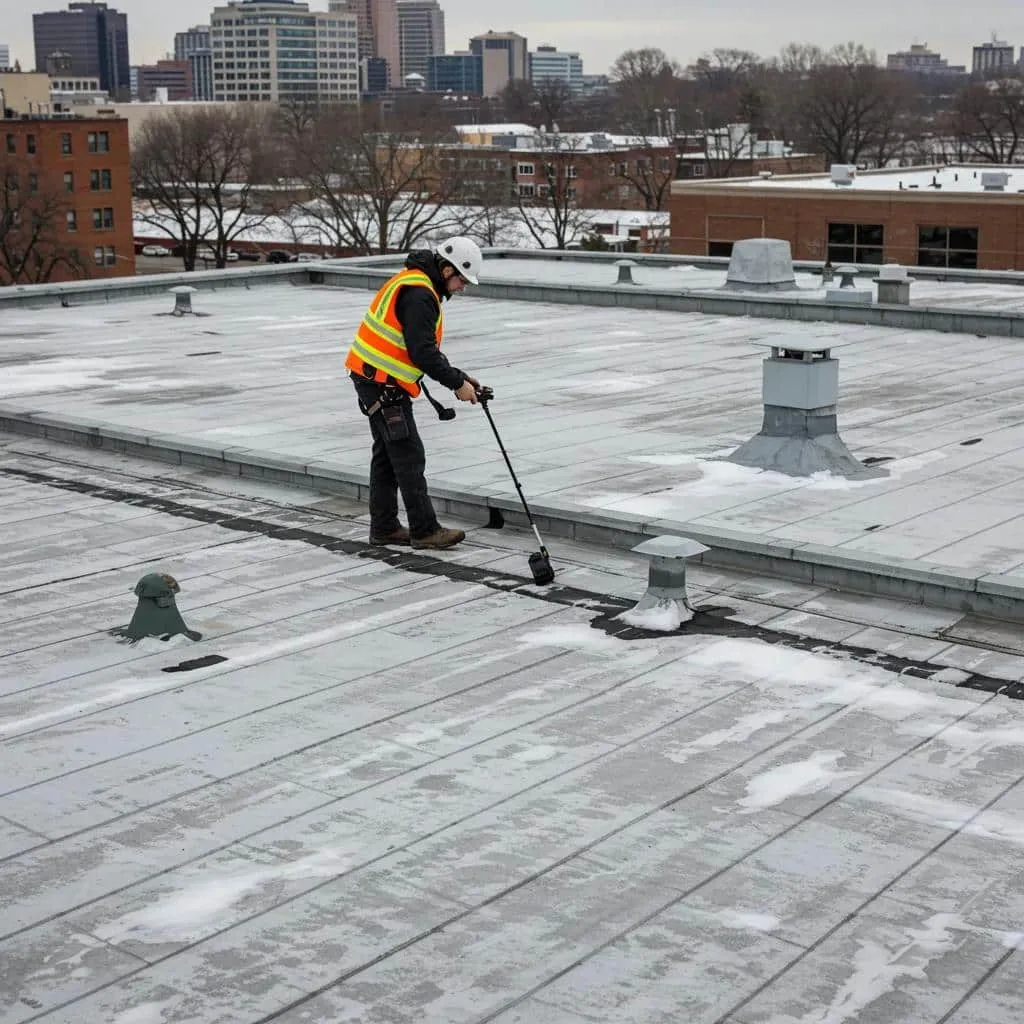
Modified bitumen uses asphalt-based sheets reinforced for roof service, commonly installed in multiple plies or as a cap sheet over a base layer. The surface may carry mineral granules or a coating, and that finish affects how wear appears. We look for blisters, open laps, exposed reinforcement, splits, alligatoring and areas where the surface has become detached from the layer below.
SBS and APP identify different modified-bitumen formulations, and the selected assembly also depends on how sheets are attached and surfaced. The proposed scope should say which layers remain, where new material meets the old roof, and how edges and penetrations close. A TPO membrane assembly offers a different single-ply comparison, with welded seams and its own flashing details. Comparing systems means reviewing the whole roof, not choosing a product from a label.
Appearance alone does not show how much of the assembly remains sound. We compare the visible condition with roof records, edge details and leak history, then test or open a small area only if it can change the recommendation. A roof inspection can map the field and details, and a condition report can keep photos tied to the roof plan for later review.
Repairs should match the existing build-up and surface. A patch must bond to prepared, compatible material and extend beyond the failed edge to a sound area. If granules are missing over a broader section, we check whether the surfacing or underlying sheet has also failed before selecting a repair. Covering a weak lap without preparing it can leave the same water path intact.
Laps and transitions: find where water enters
Open side laps, end laps and flashing transitions can let water pass under the field sheet. We inspect those joints with the nearby curbs, pipes, parapets and metal edges, because a leak often follows more than one roof plane before it reaches a room. The repair record marks the likely entry area separately from the interior stain so the crew does not stop at the wrong point.
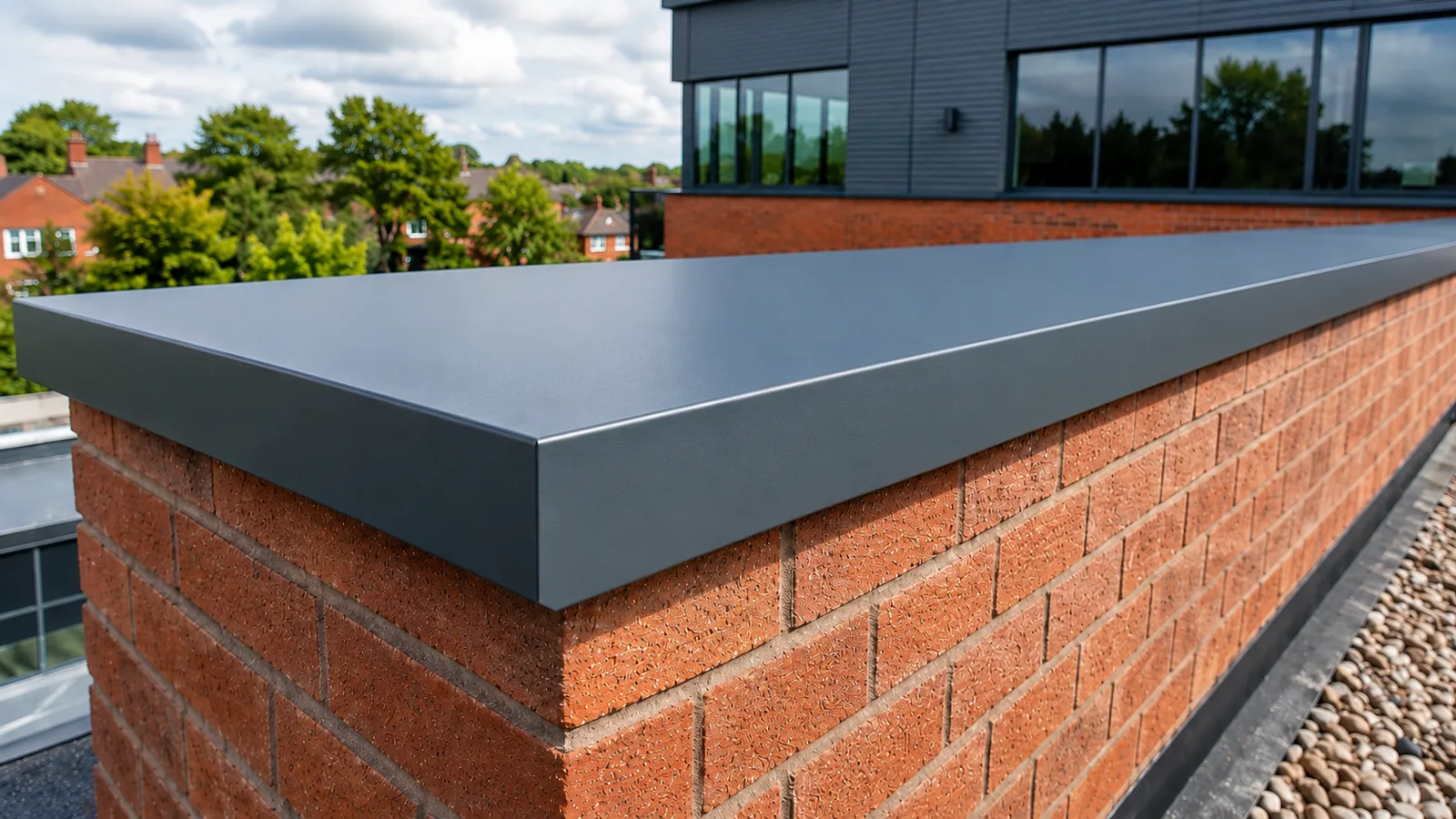
A curb may need new flashing while the surrounding field remains serviceable. At an edge, a loose termination or failed metal corner may require a separate detail repair. The coping and edge-metal scope can be coordinated with membrane work, and a penetration flashing repair can address an opening that has moved or deteriorated.
Where repeated patches overlap, we check the substrate and each repair edge before adding another layer. A crowded detail can hide trapped moisture or an attachment problem that a surface patch will not correct. We note what can be confirmed from the roof walk and identify a test location if the layer condition remains uncertain.
Drainage: make the water route part of the repair
Modified bitumen can handle routine roof exposure only when laps, drainage and terminations work together. We follow water toward the outlets, check for debris or a damaged drain connection, and note where ponding meets an open seam. Sea-Tac normals show substantially more precipitation in November and December than July, which makes drain checks useful as Renton enters its wetter season. The roof's own slope and drain condition determine what action is needed.
When several roof planes meet, one outlet may receive water from a larger area than its bowl suggests. We check the overflow route and nearby seams as well, then note what happens at the point where each surface drains. That helps keep a repair from closing one opening while another transition remains exposed.
A drain and scupper review can distinguish a blocked opening from a damaged bowl or low area. If water remains after an outlet is clear, we identify the extent and discuss whether a correction can be evaluated. A membrane patch may close an opening but will not raise a low section. That difference matters when an owner is deciding whether the current assembly can remain in service.
Downtown Renton and the Renton Valley Subarea can have different roof access arrangements. We coordinate the inspection route with the contact, note drains that could not be safely reached and flag any area where equipment or active work limits access, so the repair plan has a clear boundary.
Scope choice: compare repair with a larger assembly
A localized split or open lap may support a targeted repair when the surrounding sheets are secure and dry. Broad loss of surfacing, multiple failed seams or moisture beneath several areas can move the decision toward recover or replacement. We review the visible edges and existing layers, then explain which inspection or test could change the recommendation before writing a larger scope.
A recover assessment can compare a new assembly over the existing one if layer count, attachment, drainage and edge height allow it. When the roof needs removal, replacement planning should account for insulation, drains, penetrations and the closeout at each work boundary. The built-up roofing system is another multi-ply assembly an owner may compare, while the specific roof determines what belongs in the recommendation.
For a Renton assessment, send the address, roof plan, repair history, leak locations and access limits. We will inspect the membrane and transitions, trace the water path and explain what the first roof walk can settle. If moisture testing or an opening could change the choice, we identify its purpose and get approval before proceeding. The resulting options should separate immediate leak control from capital planning.
Commercial Roofing Questions
Can modified bitumen be repaired where the cap sheet is blistered?
We first check whether the blister is dry, bonded around its edge and limited to the surface. If the area includes moisture, movement or a weak layer beneath it, the repair boundary may need to extend beyond the visible blister.
How do you decide whether a roof has too many patches?
We map patch locations, open seams and recurring leaks, then inspect the material between them. A pattern of separate defects can support repair, while widespread deterioration or wet layers may call for an assembly comparison.
Will a new cap sheet solve ponding?
A cap sheet does not correct slope or a blocked outlet. We trace the water route and inspect the drain connection before choosing a surface repair, drainage work or a broader roof plan.
When does a recover make sense for modified bitumen?
Existing layers, attachment, moisture, drainage and edge height control the review. We verify those conditions and explain any test needed before comparing a recover with removal and replacement.
What should the property contact prepare for an inspection?
A roof plan, repair records, the places water has shown and the access instructions help us follow the right route. Include any equipment or occupied-area restrictions so the visit can be coordinated around them.