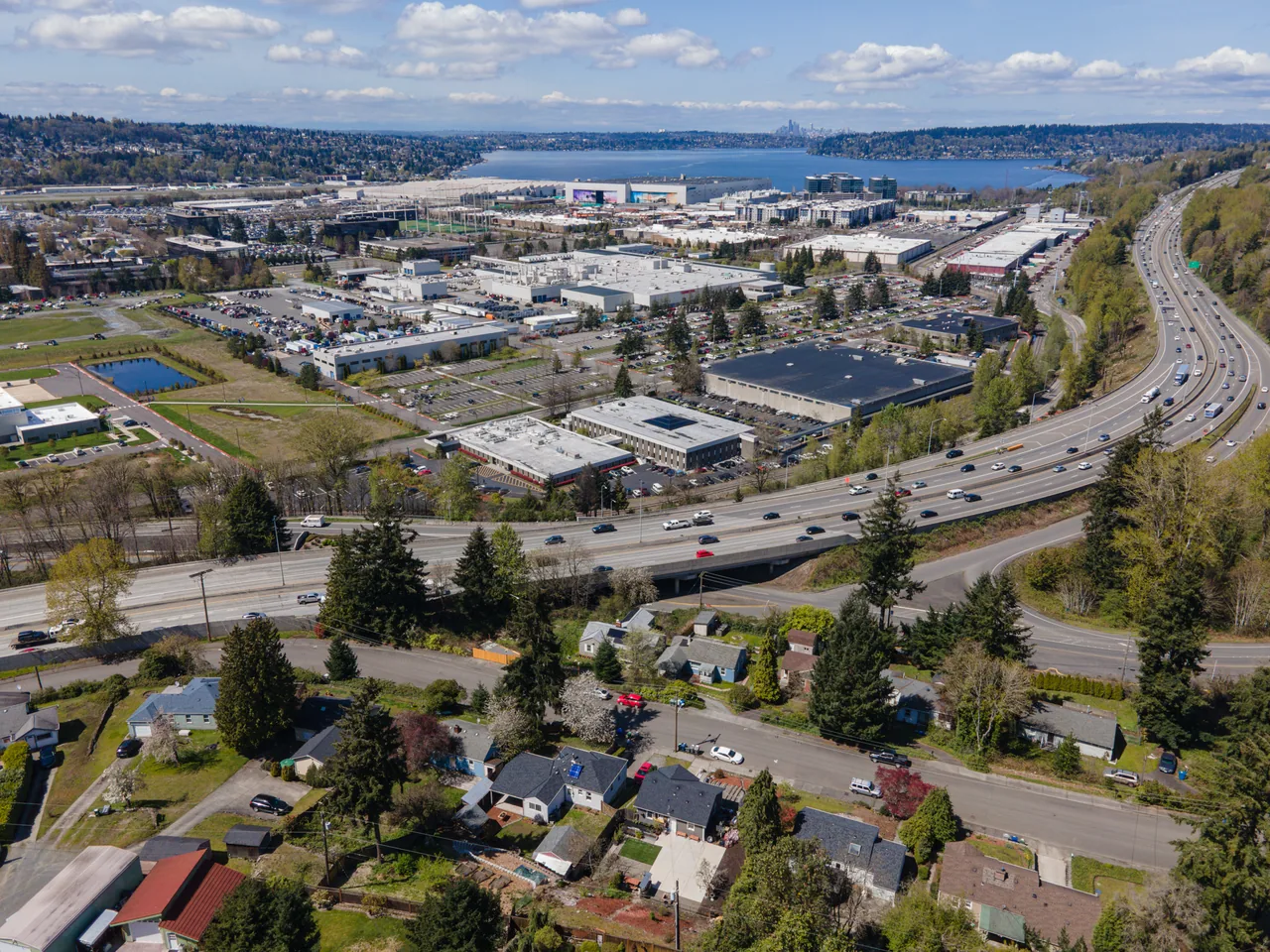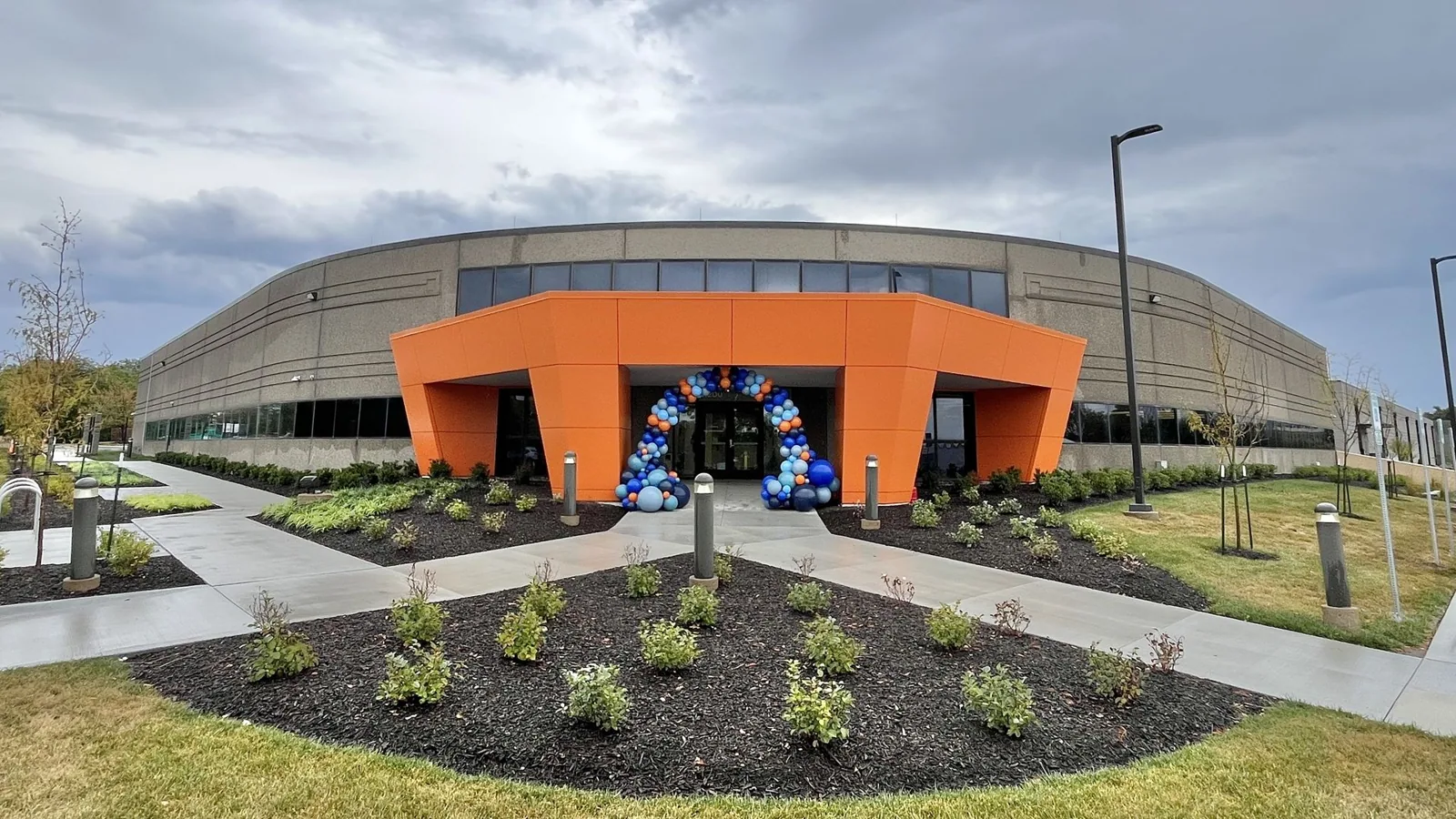
A leak near a rooftop cable tray or cooling unit can raise questions well beyond the membrane. We start by mapping the water path, the equipment above it and the critical areas below, then confirm the facility's access and work rules before proposing a repair. Renton's Valley Subarea is a largely industrial and warehousing district, and the city describes logistics and advanced manufacturing as important economic strengths. Each facility's design and operating requirements still come from the site's own drawings and procedures.
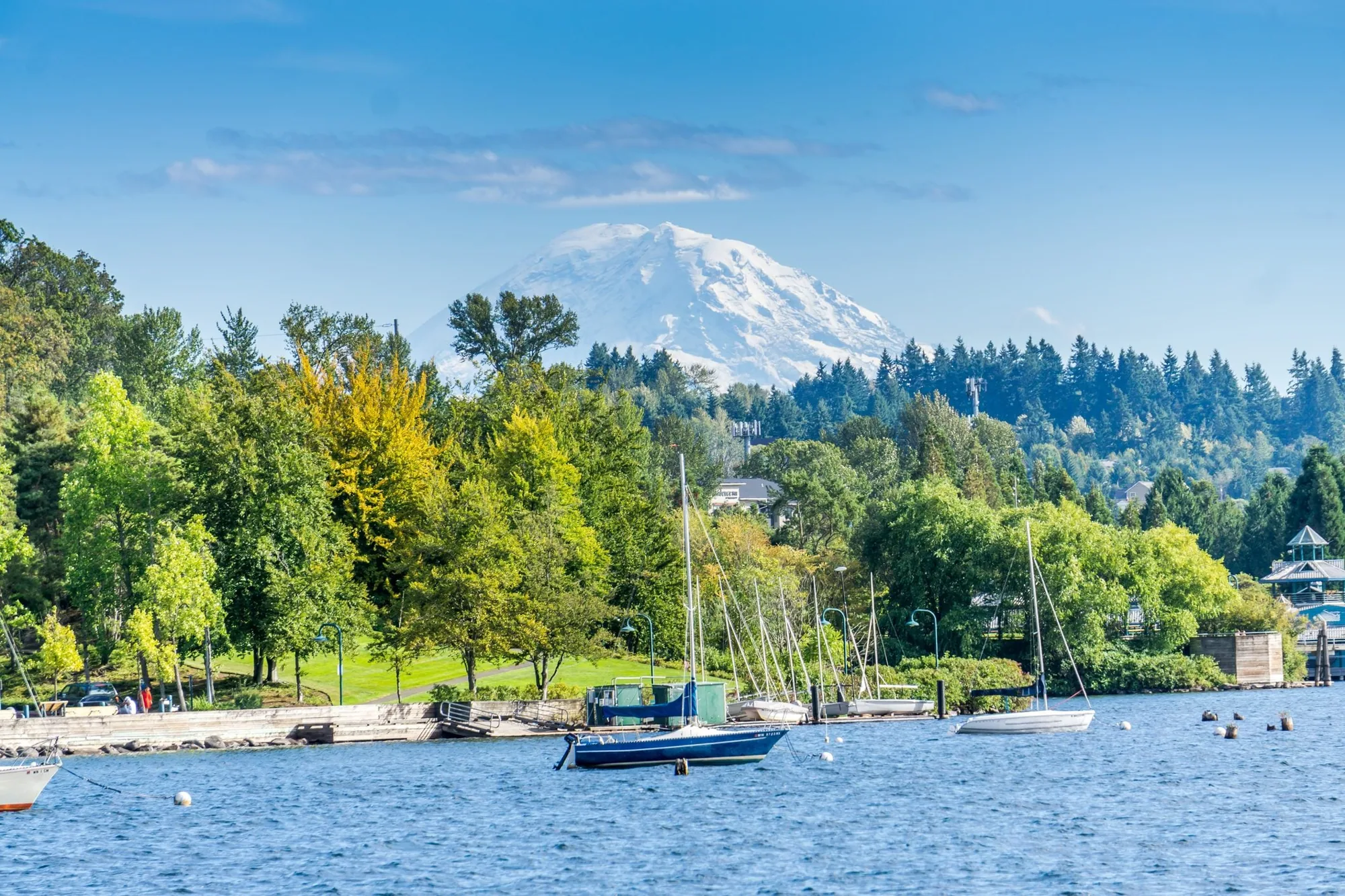
Sea-Tac's November and December precipitation averages exceed July by a wide margin, so drainage and temporary cover deserve attention during wet-season planning. A roof scope must still rely on the site drawings and inspection. We identify seams, curbs, drains, penetrations and accessible areas, then distinguish confirmed conditions from concealed assembly questions. The result is a work plan the facility team can review against its security, uptime, cooling and change-control procedures.
Access control: fit the roof work to site procedures
Roof access may involve escorts, approved routes, tool controls and advance notice. We confirm those requirements with the facility contact and identify where ladders, lifts and materials can be used. The work plan names the roof section, access window and responsible site contact so roofing activity stays within the approved boundary. Any mechanical or electrical disconnect is coordinated with the qualified trade that owns it.
Professional services is Renton's largest employment sector, with engineering, architecture, finance, legal and technology firms among its fields, and a data center project usually pulls several of those disciplines onto one team. A warehouse roof may be arranged around loading; a distribution center may prioritize dock access. Data center work instead begins with the facility's own change and access process.
Roof survey: connect penetrations to interior reports
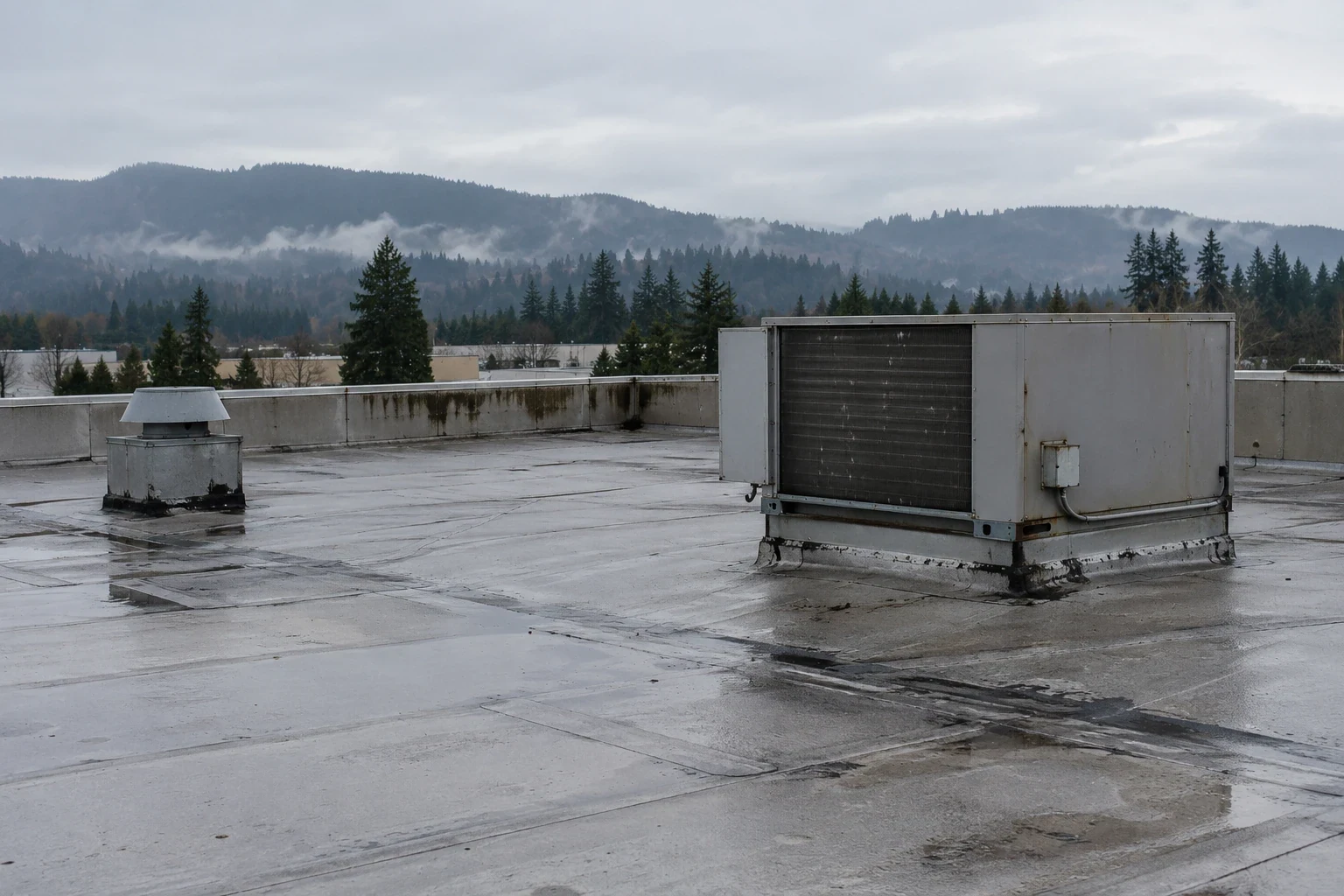
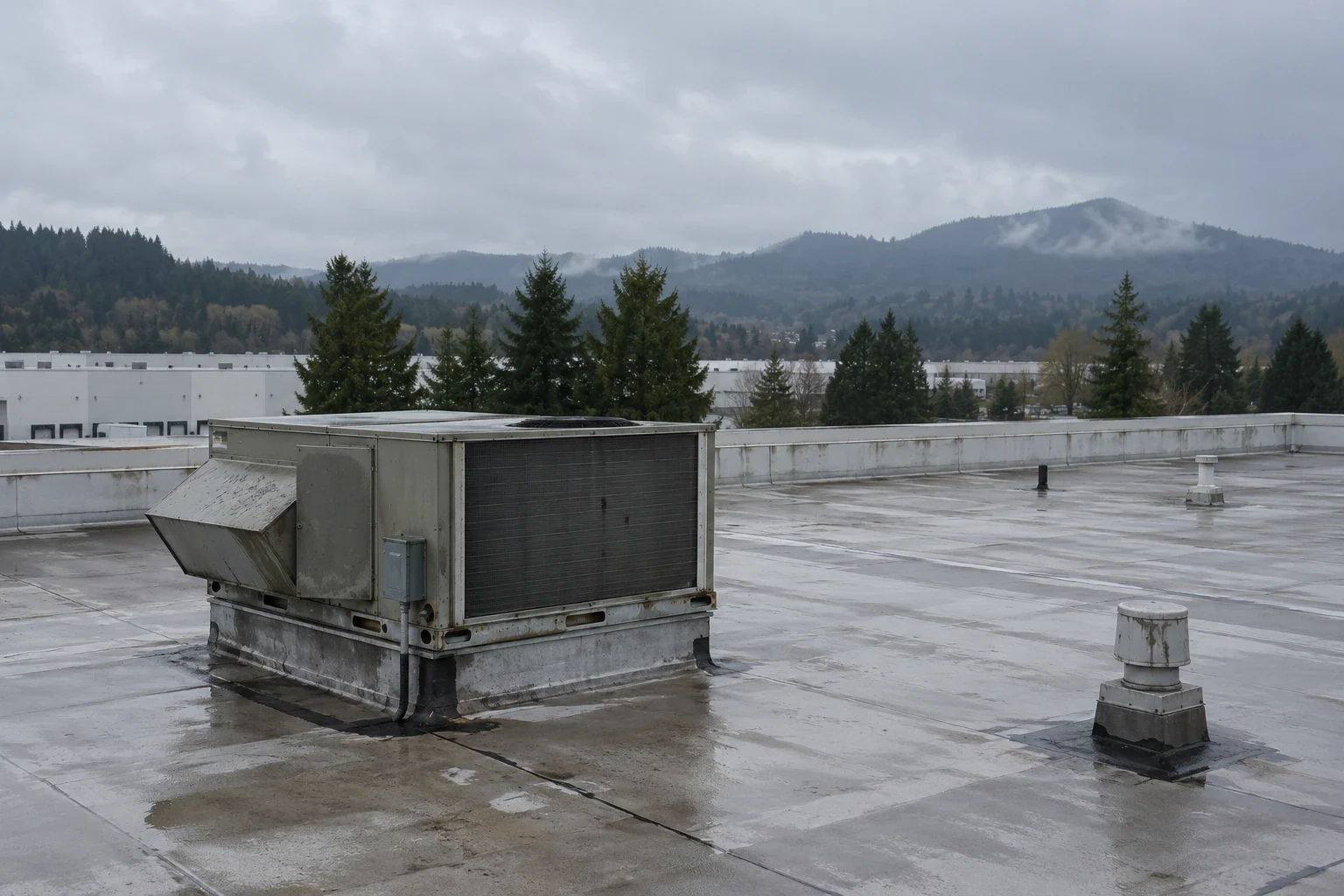
We map the membrane seams and transitions around cooling equipment, conduit supports, cable pathways, exhausts and curbs. An interior ceiling mark may be offset from the roof opening, so we trace slope and likely water routes rather than assuming the stain sits directly below the defect. The notes identify what was inspected, what was blocked from view and whether a moisture survey or small test opening could change the next step. The facility team can then review the findings against its current drawings.
A commercial roof inspection can document the field and perimeter, while drain and scupper service checks outlet conditions. For a site in or near the Renton Valley Subarea, we work from a current roof plan. We verify the address, equipment layout and approved access route with the site team before marking work areas.
Where several units share a roof zone, label each curb and service path before deciding how much surface to open. A small leak near one unit does not establish that adjacent equipment or membrane has the same condition. We record the inspection boundary and keep follow-up items tied to a roof-plan location, which helps the facility team compare later reports without interrupting unrelated areas.
Assembly review: preserve what remains serviceable
We record the visible membrane type, attachment clues, prior patches, insulation concerns and flashing condition around equipment supports. A repair may be appropriate where a single detail has failed and surrounding material remains suitable. Widespread moisture, recurring openings or a deteriorated assembly can justify a broader comparison. We explain the evidence and identify testing needed to understand concealed layers before recommending more extensive work.
A recover is considered only if moisture, adhesion, attachment and drainage support another layer. The specified TPO system or other assembly must work with the roof design, penetrations, walk paths and service clearances. A recover review can compare that option with removal; a replacement estimate should detail removal, insulation, curbs, edge metal and tie-ins. Separate work items help facilities staff check the proposal without relying on a product name alone.
Fasteners, supports and raised walk paths can create separate flashing details. We note whether each connection is part of the roofing scope or belongs to an equipment contractor, then identify how the two work packages meet. If a support must be removed, the responsible party and temporary protection method should be clear before the roof is opened.
Walk paths deserve a look too. Pavers and rubber pads that sit on the membrane can hold water and abrade the surface under foot traffic from service technicians, so we check the membrane beneath each one, note any pad that has shifted, and mark where a new route would keep traffic off a seam or a drain bowl.
Weather sequence: close the roof before each handoff
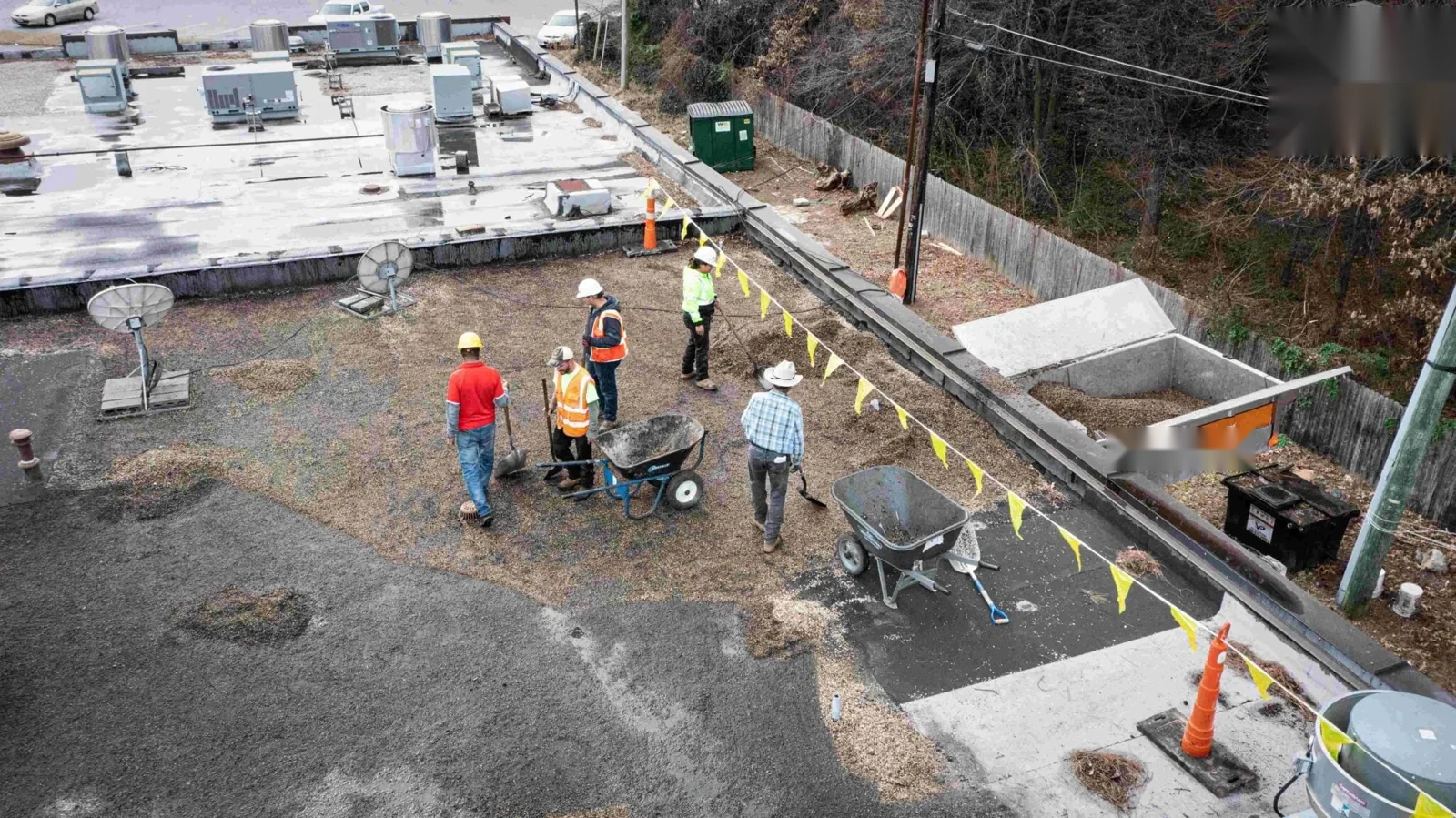
If removal exposes the deck, the crew needs a clear temporary-protection and closeout plan. We define the daily stopping point, keep drain routes open and record which area remains covered. Rain can alter a work window, so the facility contact should know who confirms the roof is sealed before the team leaves and what site checks are needed before work resumes.
A data center at a Downtown Renton address and one in the Valley both need address-specific access review before anything is staged. We coordinate staging, temporary cover and any exposed pathway with the site's current procedures. When active water entry needs immediate attention, an emergency repair can stabilize a limited area while a larger scope is documented separately.
Work record: make every change traceable
A useful closeout packet identifies the repaired locations, material transitions, drain observations, photographs and areas left for follow-up. If the owner maintains configuration records, the roofing notes can name the work boundary and date for reconciliation. We list any testing limitations so later teams do not mistake an inaccessible area for an inspected one.
A roof condition report can organize observations for facilities review. The report should distinguish roof facts from mechanical, electrical or security findings handled by other teams. Share the roof plan, prior leak locations, equipment curbs, escort rules and change window, and we can identify which questions a roof walk can answer. Any recommendation remains tied to the observed assembly and site-approved work conditions.
For phased work, keep a dated sketch of the area completed and any temporary material still in place. Record the next review point and the person who accepted the closeout. Note any open questions before the next scheduled maintenance window. That simple handoff helps a facilities team track what changed while preserving the site's own security and configuration records.
Commercial Roofing Questions
Can a data center roof be repaired without affecting operations?
The answer depends on roof access, equipment clearances, work location and site procedures. We define the boundary and coordinate any shutdown or trade activity with the facility's responsible contact before opening the roof.
How do you protect rooftop cooling equipment during roofing?
We map units, intakes, exhausts, service paths and curbs before setting the work area. Protection and clearances are documented, while any equipment move or disconnect stays with the qualified trade responsible for that system.
What causes water to appear away from a roof penetration?
Water can travel along a slope, seam or concealed layer before reaching the interior. We trace likely routes from the reported location and state whether a survey or test opening could narrow the source.
Should a data center roof be coated or recovered?
Only if the existing assembly, moisture condition, adhesion, drainage and details support that approach. We document those conditions and compare a recover or coating with repair and replacement where appropriate.
What should be included in a data center roofing scope?
Include access controls, work boundaries, protection, equipment coordination, removal or recover assumptions, flashing details, weather closeout and records. A clear scope shows which items are roofing work and which need another trade.