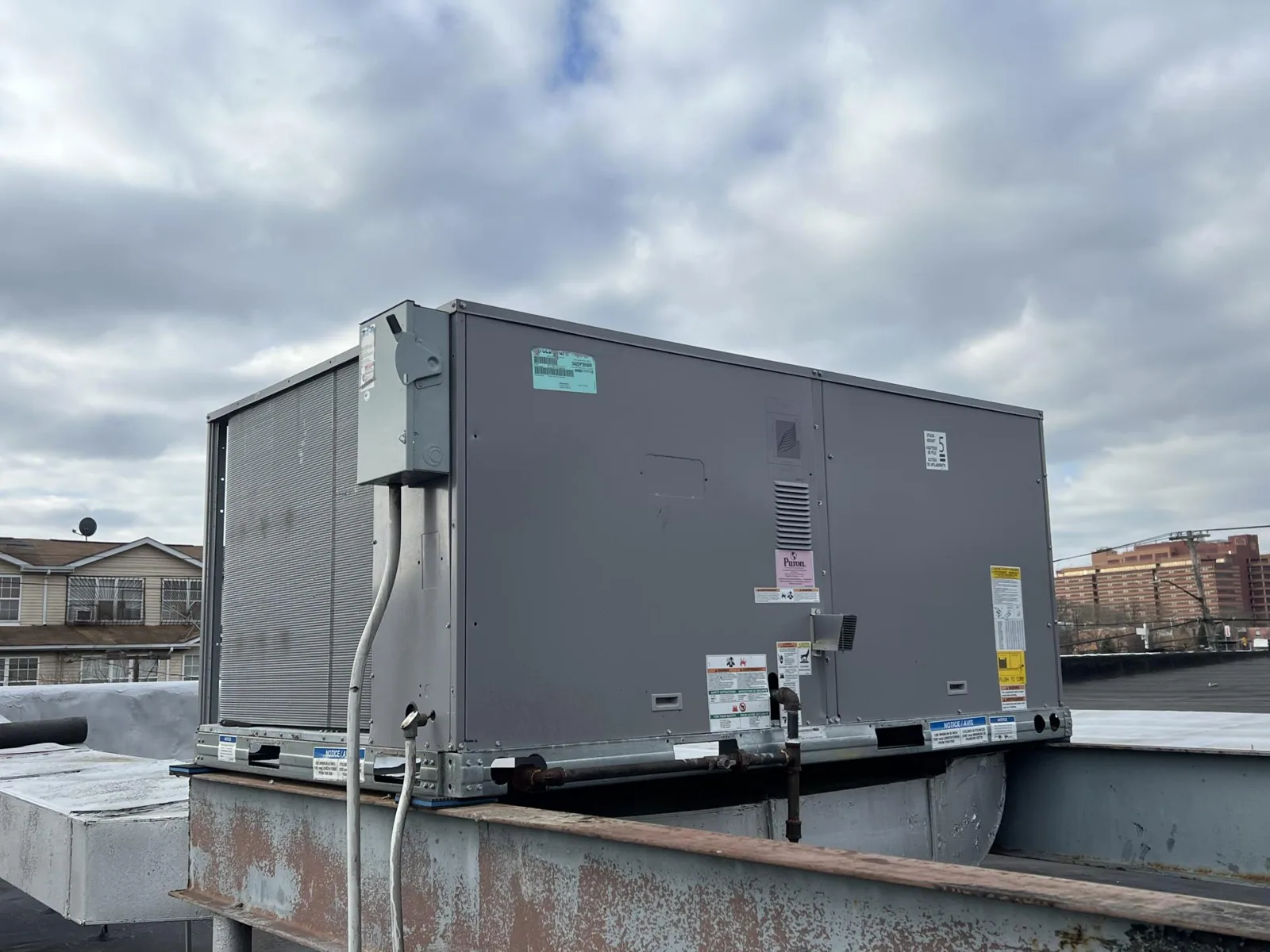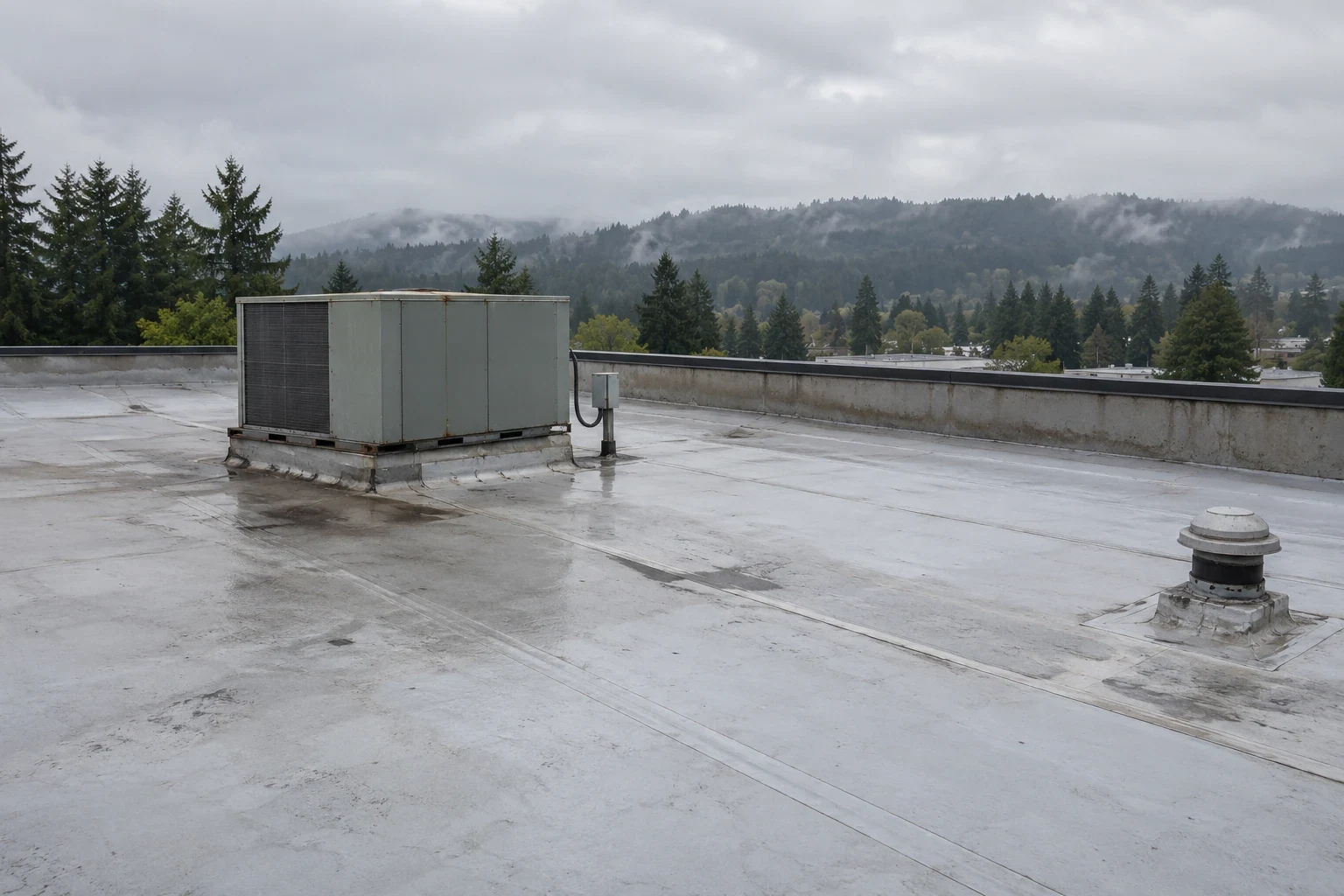
A split at the base of a pipe boot can look small while water tracks under a membrane before it appears inside. On a KEE or PVC-alloy roof, we inspect the weld, boot, nearby field sheet and low route to an outlet before setting the repair line. Renton's late-fall rain pattern makes that water path worth following before the wet season.
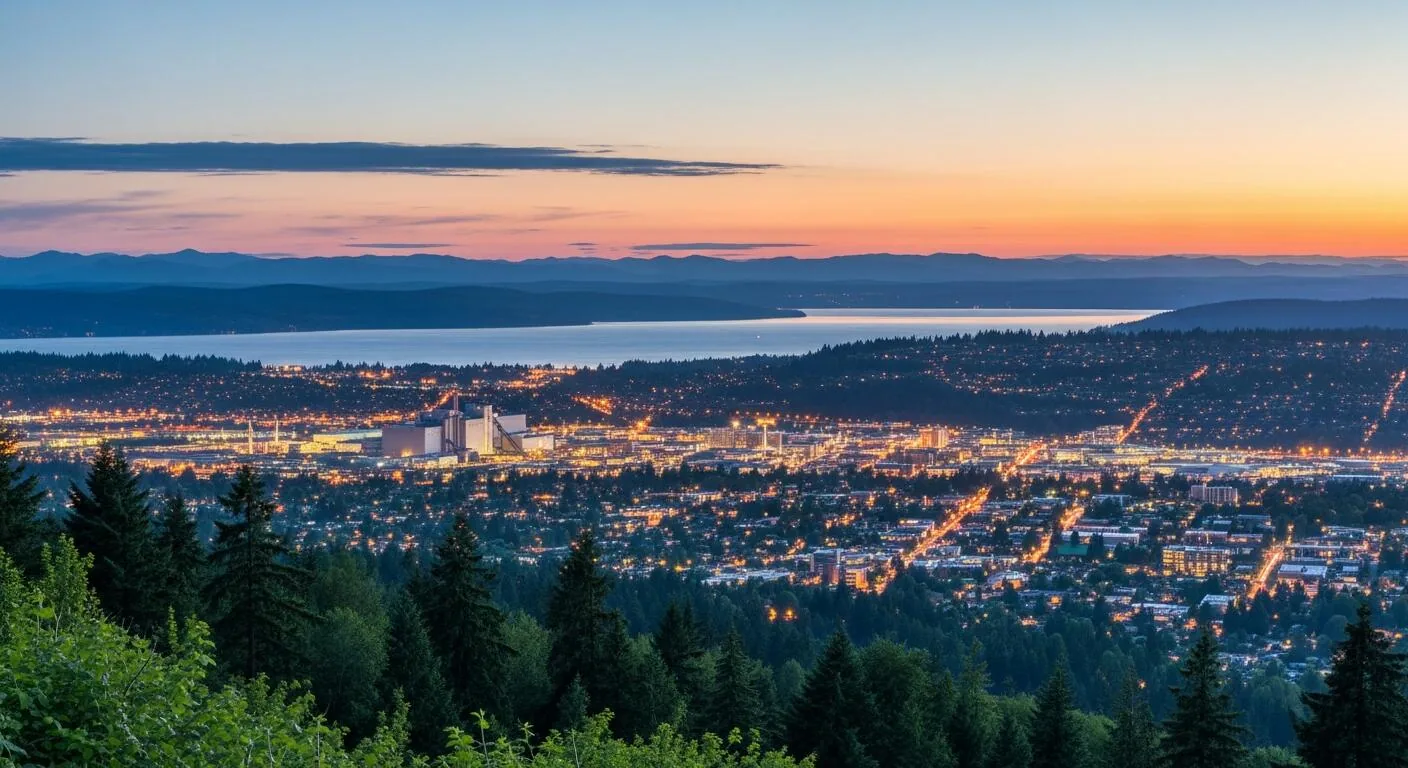
KEE tends to turn up where something oily reaches the roof, and in Downtown Renton that can mean kitchen exhaust over a mixed-use building, while in the Renton Valley Subarea, a district of warehouses and light industry, it can mean process exhaust. We check the assembly and the exposure that reaches it, then plan roof access around the property contact's schedule and equipment needs.
Material check: confirm the membrane before repair
KEE is a PVC-alloy membrane, and the exact product and age matter when choosing a repair material. We review available records, markings and field details, then compare those notes with the surface and seams. A PVC label alone is not enough to choose a patch. Prior coatings, cleaners, oils or repairs can affect how the surface accepts new material, so we identify those conditions before welding or applying a detail.
At a property in the Renton Valley, process exhaust or maintenance work may reach a roof. We ask the contact about equipment, discharge routes and prior changes, then inspect the area around the source. A commercial roof inspection records the membrane and details, while roof condition reporting can connect photographs and repair notes to a plan.
If product identity remains uncertain, we keep the recommendation within what the roof record and field inspection support. We avoid naming a specific product line without confirmation and identify a small test area when compatibility needs proof. That extra check can prevent a repair from being built on an assumption about an older membrane.
Weld quality: find where the joint releases
A seam may release at its edge, at a corner, or where a previous patch changes the sheet's direction. We probe the weld and inspect the surrounding field for wrinkles, contamination, cuts and movement. The condition around a failed joint matters because a single opening can sit inside a broader area of weak attachment or repeated thermal movement.
Preparation is part of the repair. We clean and dry the compatible surface, remove loose or damaged material, and weld a patch that extends to sound membrane. A new sheet should not bridge dirt, moisture or a moving transition. We check the finished edge and note any detail that needs a separate test or a return visit. For field membrane comparisons, PVC roofing and TPO roofing both use welded seams, though each assembly has its own compatibility and detail requirements.
A seam problem near an exhaust or roof opening can be tied to a different detail than one at the perimeter. We mark the location, follow water upslope, and check penetrations and laps before deciding whether one patch will address the path. If the leak returns after a repair, the record helps us see whether the original boundary missed another entry point.
Exposure route: connect equipment use to roof details
Grease, oils and cleaning residue can collect near exhaust paths, while routine service can add foot traffic around curbs and conduits. We ask what reaches the roof and where it travels, then examine whether the membrane has softened, stained or separated. A detail repair will not change an ongoing exposure, so the scope can identify a coordination step with the responsible mechanical or process trade.
Downtown Renton offices and the largely industrial Renton Valley present different access questions, so we confirm the actual roof material and equipment route at each. If a penetration needs to be rebuilt, penetration flashing work can be coordinated with the membrane repair, and curb and equipment support work can address a separate mechanical connection.
Where discharge or service work continues during roofing, we agree on a safe access window and a protected work area. We do not block a required service path without approval. The repair notes should show what was isolated, which equipment remained active and where the membrane transition closes, so the owner can keep roof work and building operations on the same schedule.
Drain path: separate ponding from a membrane defect
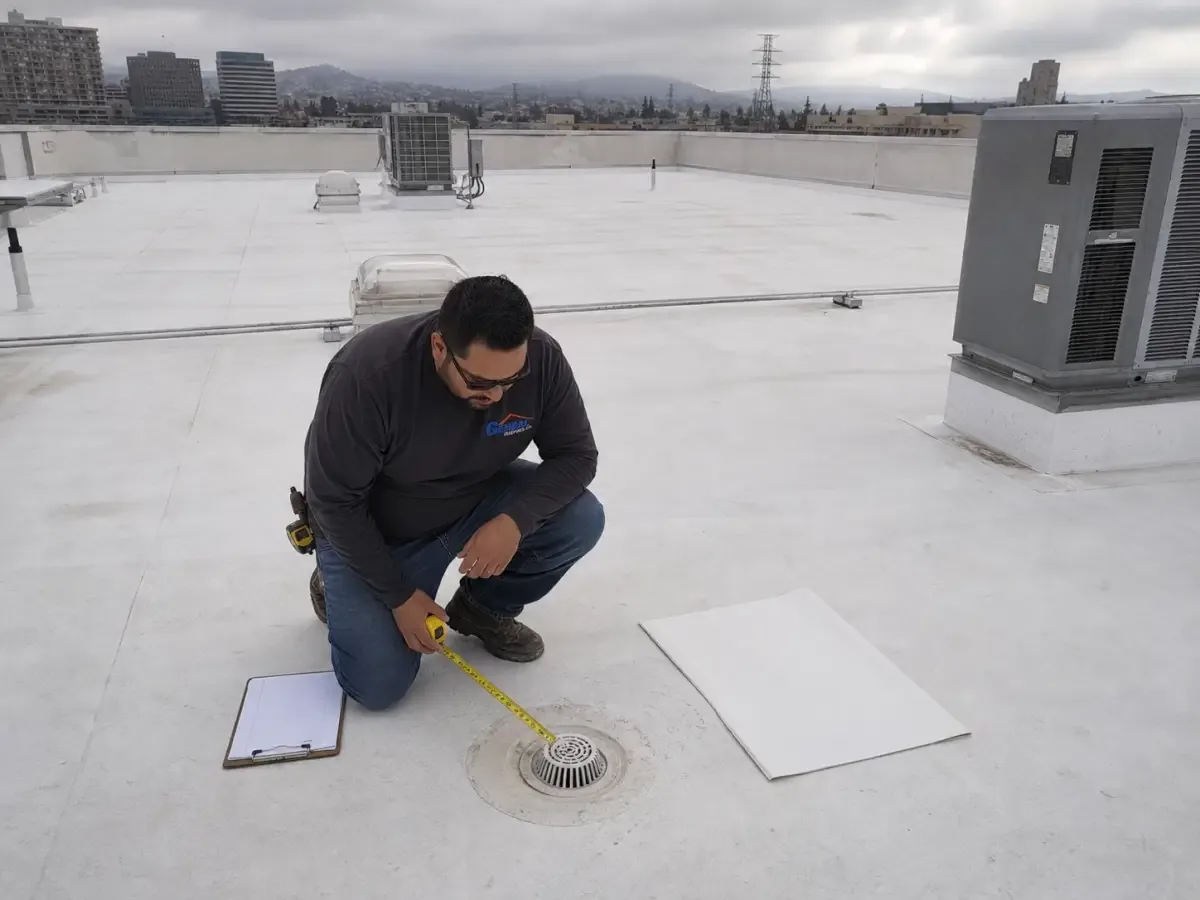
Standing water beside a KEE lap can point to a defect, a low area, a blocked outlet or more than one condition at once. We inspect the slope, drain bowl, flashing ring and nearby seam, then compare the water marks with the reported leak. Sea-Tac's normal precipitation is higher in November and December than July, a regional pattern that makes a drain review useful before the wet season. The outlet and roof profile still need a direct check.
A drain and scupper review can identify debris or a damaged connection, while a membrane test helps determine whether the seam is open. If the water remains after the outlet is clear, we note the low area and discuss whether a drainage correction can be evaluated with the existing structure. A patch can close a hole, but it cannot change the roof's slope.
For an occupied property, the inspection route should include safe access to drains and any section where water gathers. In Downtown Renton, entry may need to fit a building schedule; in the Renton Valley, equipment and active work areas can set other limits. We coordinate the roof walk with the contact and document what could not be reached.
Repair choice: keep the decision tied to evidence
Localized seam or flashing damage can be repaired when the surrounding sheet and attachment remain sound. Repeated weld failures, widespread surface damage or moisture below the field can move the conversation toward recover or replacement. We review records and visible edges, then explain whether an opening or insulation test would change that decision. A thermal pattern can help select a test location, but it does not independently prove wet insulation.
A recover assessment can compare a new layer when the existing assembly, drainage and edge height allow it. If the assembly is broadly compromised, replacement planning can address the deck, insulation, curbs and water route together. We identify the assumptions behind each option and describe what remains outside the proposed scope.
Send the Renton address, roof plan, leak locations, membrane records and access rules for an assessment. We will inspect the KEE surface and details, trace the outlet route, and explain what a roof walk can settle. If material identity or moisture needs a test, we describe the question before asking for approval. That leaves the owner with a next step connected to the observed roof, not a guess based on a label.
Commercial Roofing Questions
How is KEE different from a standard PVC membrane?
KEE is a PVC alloy, but the exact product and its condition affect repair compatibility. We check records and the existing sheet, then choose a repair method that suits the material confirmed on the roof.
Can a KEE seam be patched with any PVC repair material?
The patch must be compatible with the membrane and prepared surface. We identify the assembly and check the seam before selecting material, especially where prior coating or repair work changed the field.
What should happen when roof exhaust reaches a membrane?
We trace the discharge route, inspect the surface and coordinate with the responsible trade if the condition is active. A repair can restore damaged sheet, while source control may be needed to keep the same exposure from recurring.
Does ponding mean the roof system has failed?
Water depth and duration, outlet condition, seam integrity and the assembly below all matter. We inspect those parts separately and explain whether drainage, membrane repair or a larger scope addresses the actual condition.
When is a KEE recover worth considering?
The existing layers, moisture, attachment, edge height and drainage guide that review. We record the conditions and identify tests that could change the recommendation before comparing a recover with removal and replacement.