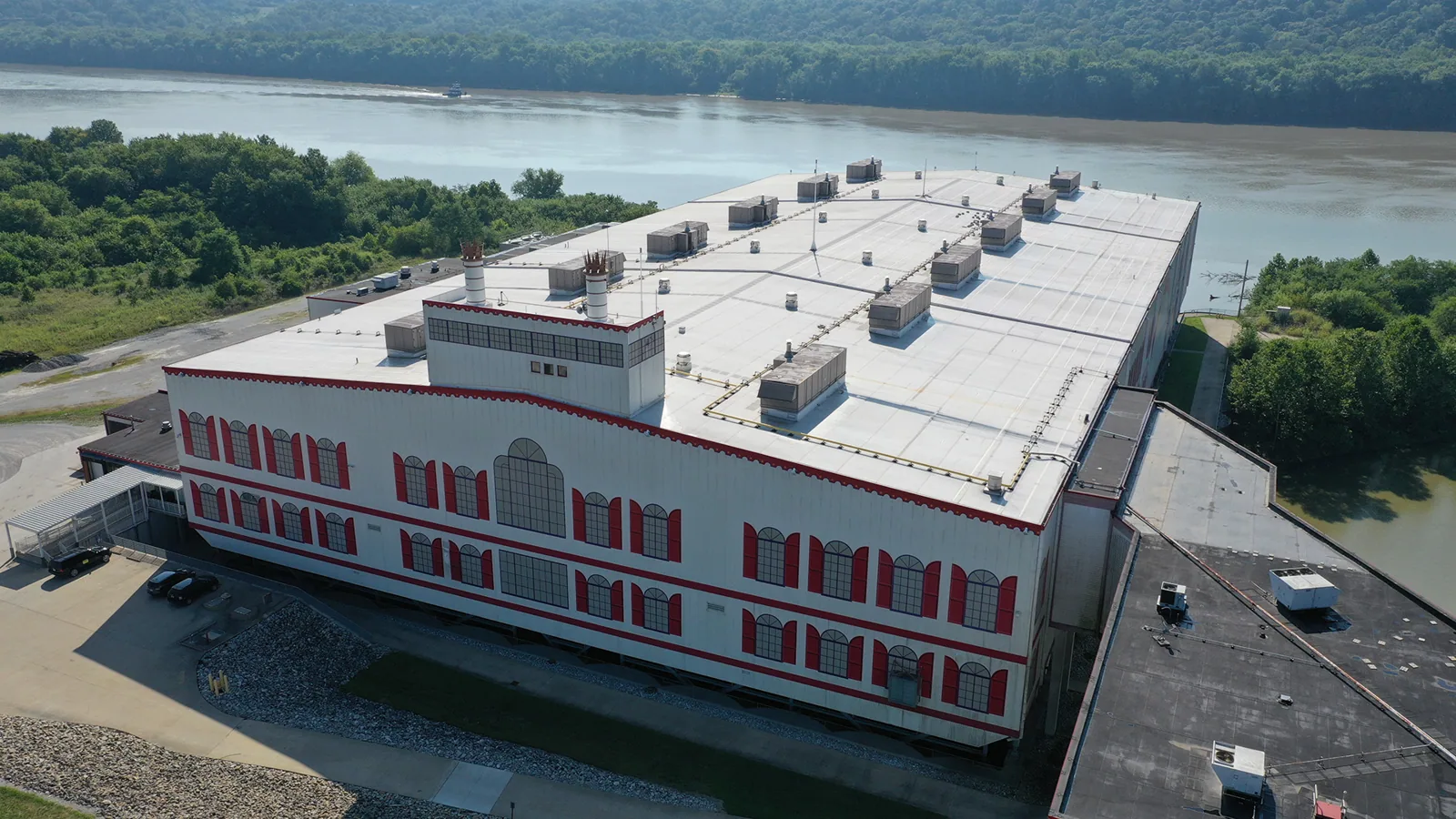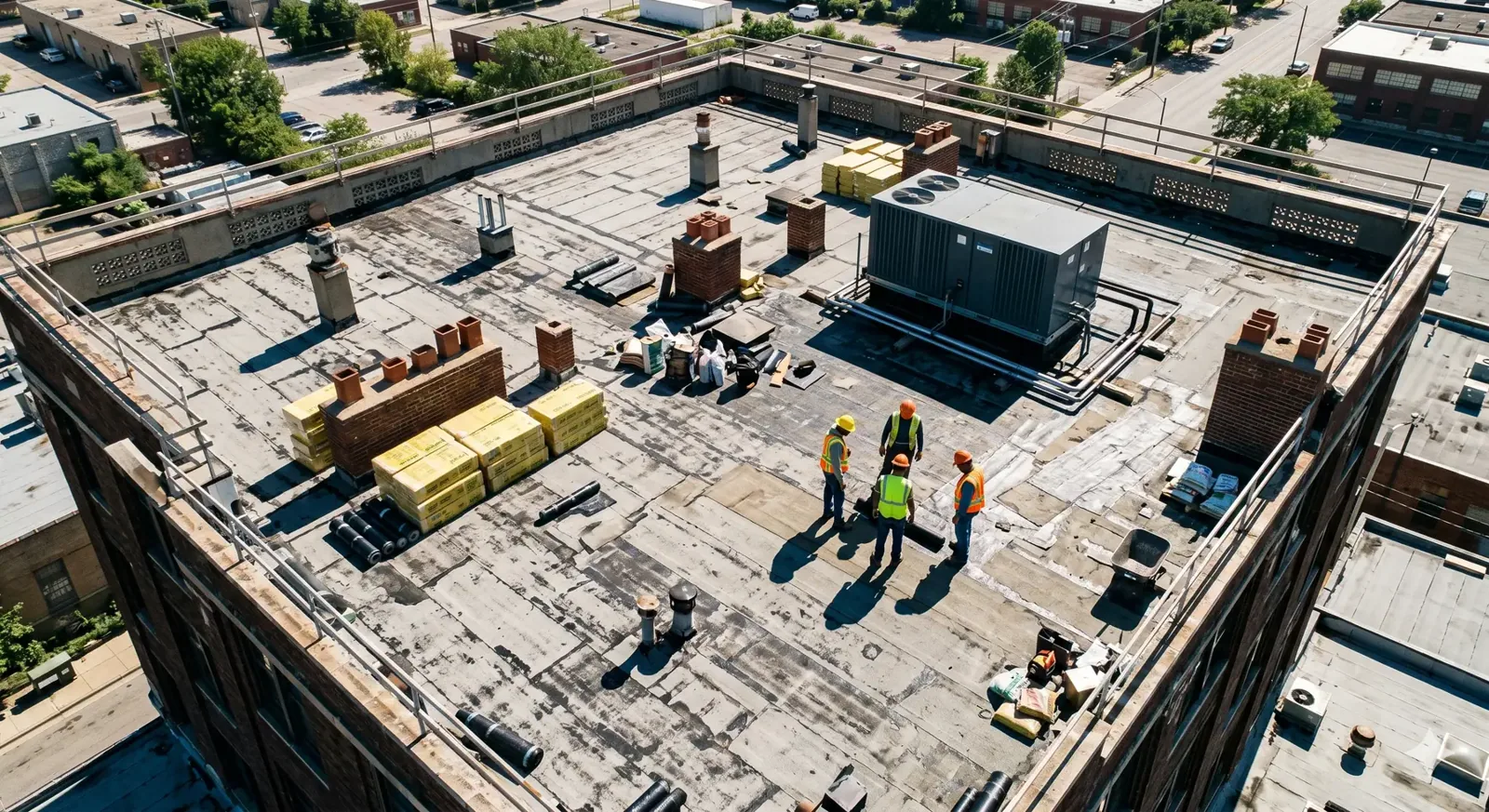
A roof curb beside a production exhaust line deserves a different walk than an open office roof. For manufacturers in Renton, we trace the drain route, note equipment and service clearances, and ask which production areas need a quiet or restricted work window. At Sea-Tac, November and December run far wetter than July, so the roof walk should also check outlets and temporary protection before the wet season sets in.

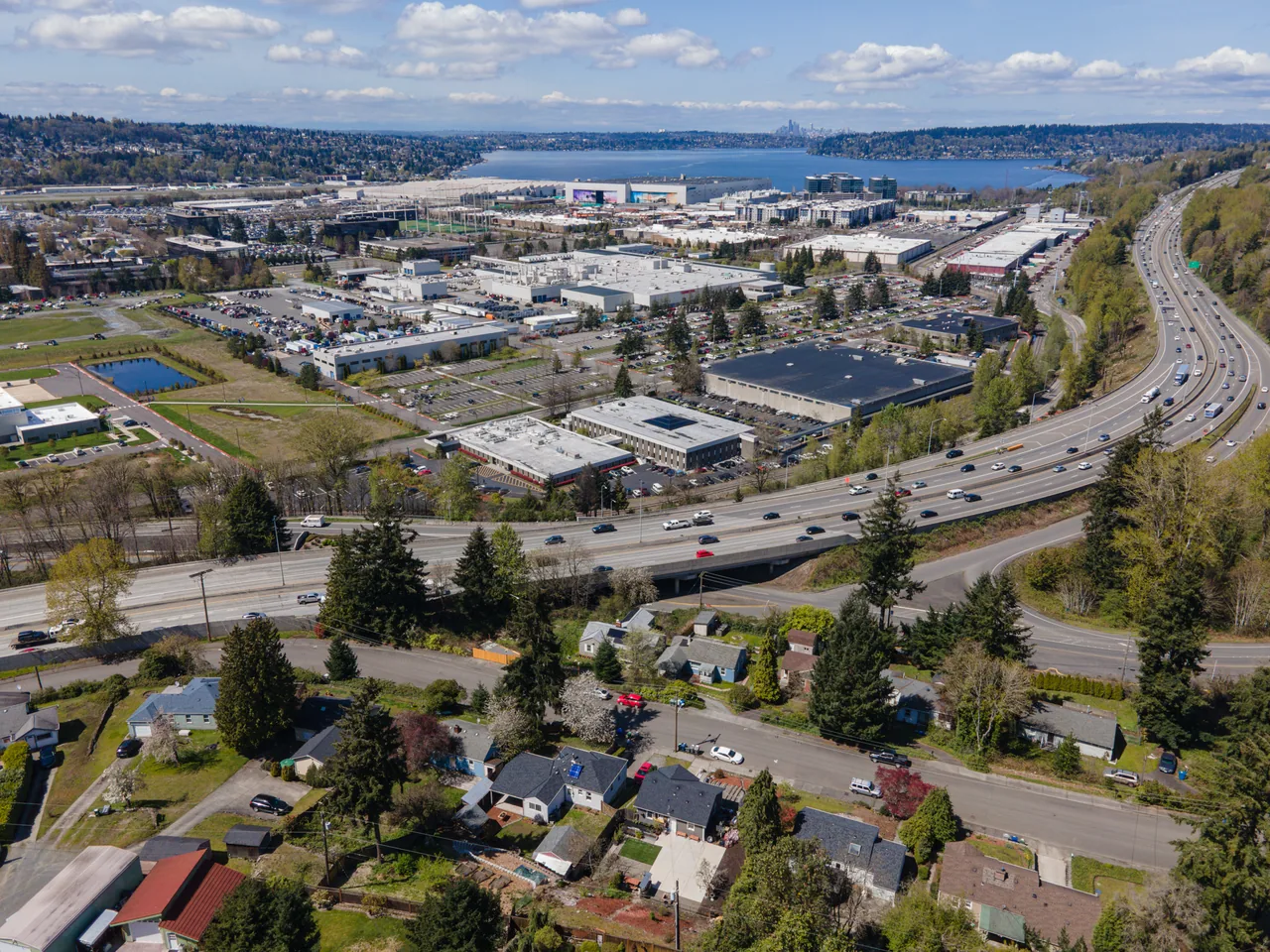
Renton identifies advanced manufacturing and logistics as major economic strengths and names aerospace supply-chain work such as tooling, composites, precision machining, electronics, maintenance and logistics. The Renton Valley Subarea is described as largely industrial and warehousing. Those facts make operating coordination relevant to the local market, but the process on any property depends on its actual equipment, roof assembly and access plan.
Production window: set a workable work boundary
Before a crew reaches the roof, identify production shifts, loading traffic, exhaust discharge, equipment service routes and any area that cannot be interrupted. We use those details to plan lift placement, material staging and the order in which roof zones can be opened. If a shutdown or equipment move is needed, the scope names the trade and the decision owner instead of assuming the roofer can disconnect it.
The city's business materials describe Renton's advanced-manufacturing and aerospace supply chain, while the Renton Valley Subarea is associated with logistics and light manufacturing. A manufacturing property may have several service lines crossing its roof, so we record each curb, pipe boot and flashing that could be affected. For a broader operator portfolio, a logistics roof review can address a different loading sequence, and general-contractor coordination can connect roof work with other planned trades.
A phased roof replacement can divide work into sections with a clear start, temporary-protection plan and closeout point. The manager can review whether a production line remains accessible and where overhead protection is required before the schedule is approved. A mapped boundary also helps maintenance staff know which drain path and repair line to watch during the next rain.
Roof walk: connect equipment to the water path
We inspect membrane laps, penetrations, perimeter metal, drains and visible repairs, then compare those details with interior leak reports. Water can move beneath a roof layer before showing above a machine or finished area. A commercial roof inspection records the accessible surface and the route to likely outlets. If a drain bowl is blocked or a scupper has a damaged connection, a drain and scupper repair may address that detail, but it does not replace a review of nearby seams and curbs.
Wet late-year weather at Sea-Tac is reason enough to check drainage. We note the observed water, debris, slope changes and outlets reached. If a leak report sits far from the likely entry point, we follow the route around equipment supports and expansion joints and state where further access is needed.
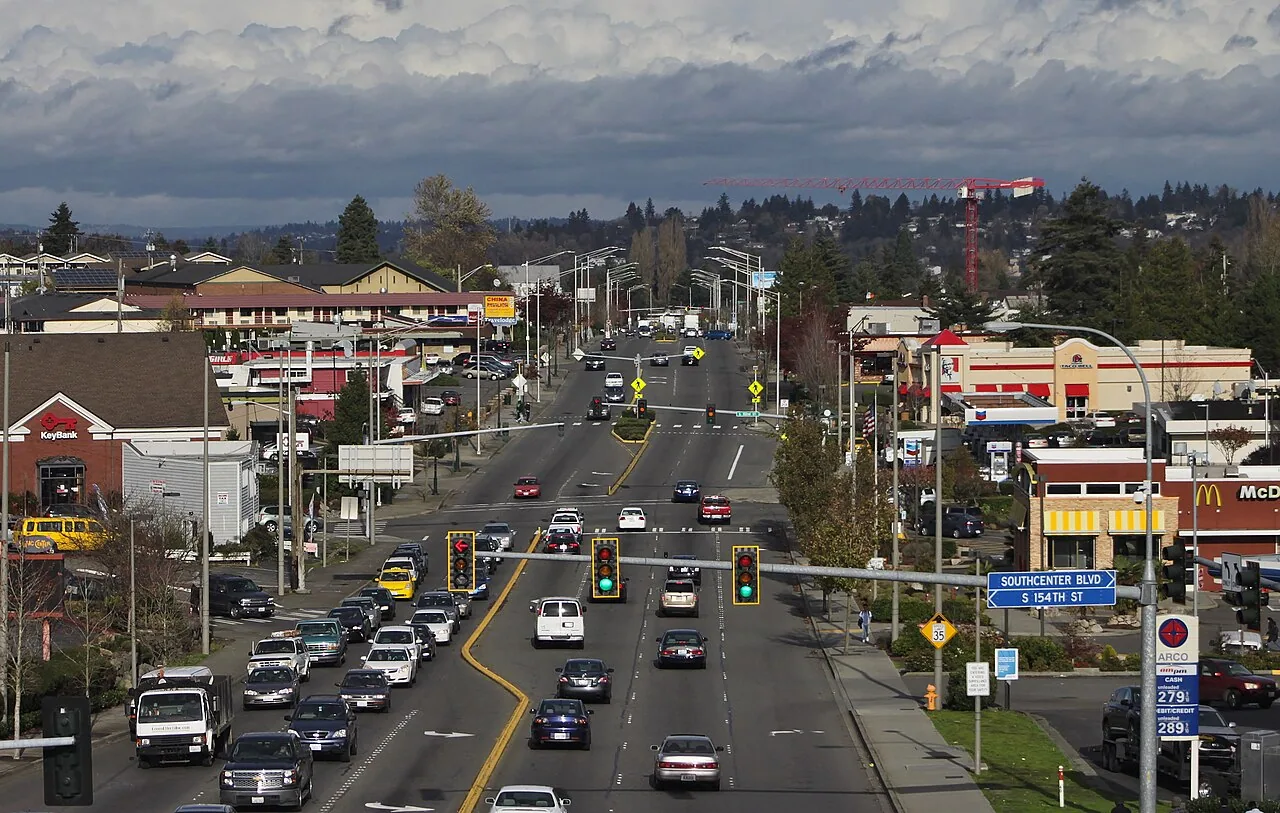
A portfolio that includes a property in nearby Tukwila Southcenter, a regional center of retail, office, lodging, warehouse, distribution and light-industrial uses, gets a separate plan for that address. We inspect each location and record its operating limits, system transitions and maintenance needs on its own plan.
Assembly choice: repair the condition in front of you
A localized puncture or separated flashing can support a defined repair if adjacent membrane and insulation remain sound. Repeated leaks, widespread moisture or a loose assembly may point to a broader option. Our repair scope identifies the work area and tie-in. If existing layers can stay, a recover comparison considers the added load, drainage and edge height; replacement should identify removal, insulation and substrate work.
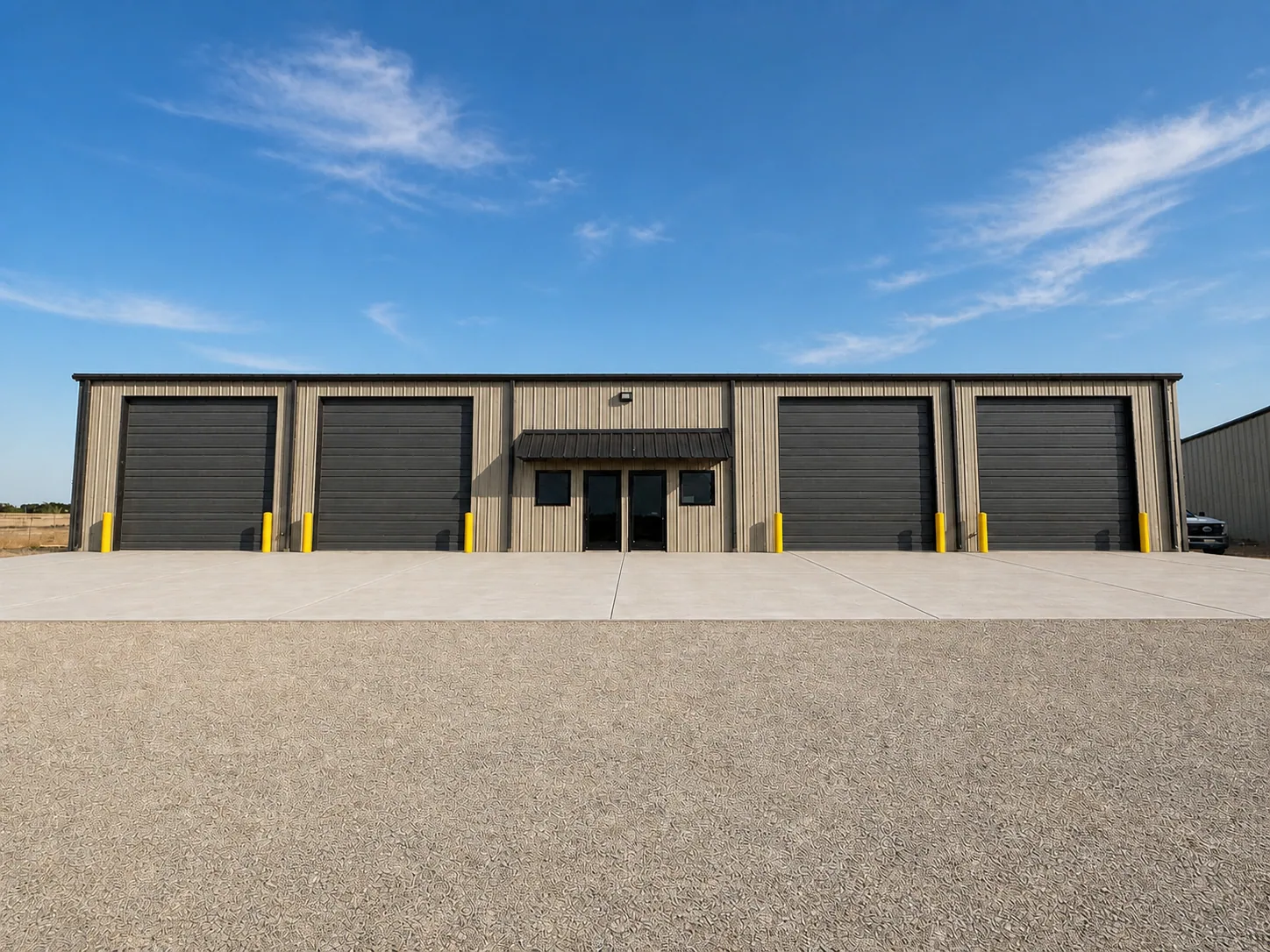
For a metal roof over a process or storage area, loose fasteners, panel laps and trim can need attention at different locations. A standing-seam metal assembly should be reviewed at its seams, clips, penetrations and perimeter, not just the broad field. On membrane roofs, we check lap condition, curb details, edge termination and the route around equipment. The recommendation should name the assembly found rather than assume it from the building's business.
When moisture extent is unclear, an infrared survey can help prioritize test locations. We review the method, access and any opening needed to confirm insulation condition before proposing removal. The finding is useful when it changes the repair boundary or helps compare targeted work with a larger capital scope.
Weather closeout: protect the open edge
Removal above an active manufacturing area needs a daily stop point that accounts for weather and operations. The work plan identifies how exposed deck is covered, which drains remain clear and who confirms that the area is closed before the crew leaves. If a rain delay changes the sequence, the owner can see which section is secure and which roof zone remains on the schedule.
Production planning may also determine when a crane, lift or material delivery can enter. We coordinate the access window with the facility contact, then separate roof tasks from equipment work performed by another trade. For a larger project, a written phase plan gives the site team a way to notify shifts and maintenance staff without promising a schedule that has not been confirmed.
Keep the closeout record practical: repaired locations, materials, photos, remaining access limits and any test or follow-up still open. This gives the next inspection a starting point and helps connect later water reports to the same roof areas.
Repair record: leave the next decision clear
A roof plan with marked drains, penetrations, seams and repair limits helps an operations team understand where the work took place. Photos should identify the roof zone and detail, while notes explain what was inspected and what could not be reached. If a temporary repair is followed by a capital project, retain the earlier boundary so the new scope can account for that area.
Send the Renton address, roof plans, leak history, equipment layout and production calendar. We will trace the water path, mark access restrictions and explain whether the roof supports a localized repair, testing or a larger replacement comparison. For a manufacturer near Renton Valley, the work plan can reflect the actual loading and service route without assuming that every building in the district has the same roof or schedule.
Commercial Roofing Questions
How do you work around production equipment on a roof?
We map curbs, lines, exhaust points and service clearances during the roof walk, then flag any move or shutdown for the responsible trade. The phase plan identifies the roof area and access window before work starts.
Can a roof replacement be divided around production shifts?
The roof can often be sequenced into smaller areas, subject to assembly, weather and access conditions. We identify each day's protection boundary and coordinate the schedule with the facility contact before removal begins.
What causes recurring leaks around a roof curb?
The curb flashing, nearby membrane lap, fasteners, support movement or water path may be involved. We inspect the whole transition and compare it with interior reports before setting a repair boundary.
When would you test insulation beneath a manufacturing roof?
A test is useful when the result could change repair or replacement scope. We select a location from the observed moisture pattern, review access and explain how the opening will be protected and closed.
What should our roof closeout include?
Keep the marked repair area, photographs, material information, access limits and follow-up items with the building record. A map that ties the work to drains and equipment curbs helps maintenance teams track later reports.