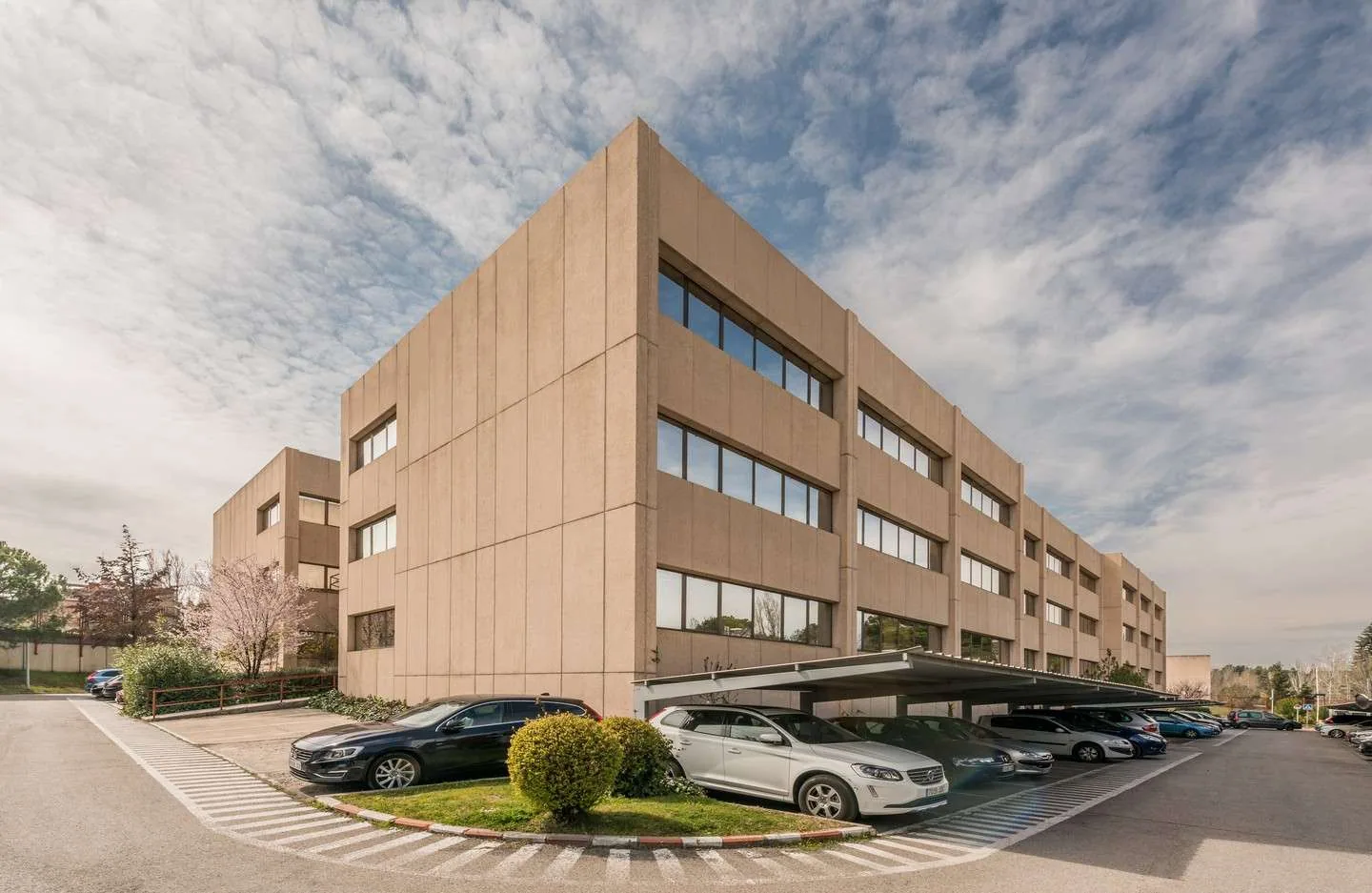
A drain bowl at one building and a ceiling mark at another can create two very different calls for a property manager. In Renton, start each roof walk with the reported water location, the route to the nearest outlet and the access window that fits the tenant schedule. Sea-Tac's normals run far heavier in November and December than in July, a regional wet-season signal that makes a clear record of drains and repair lines useful before recurring rain.

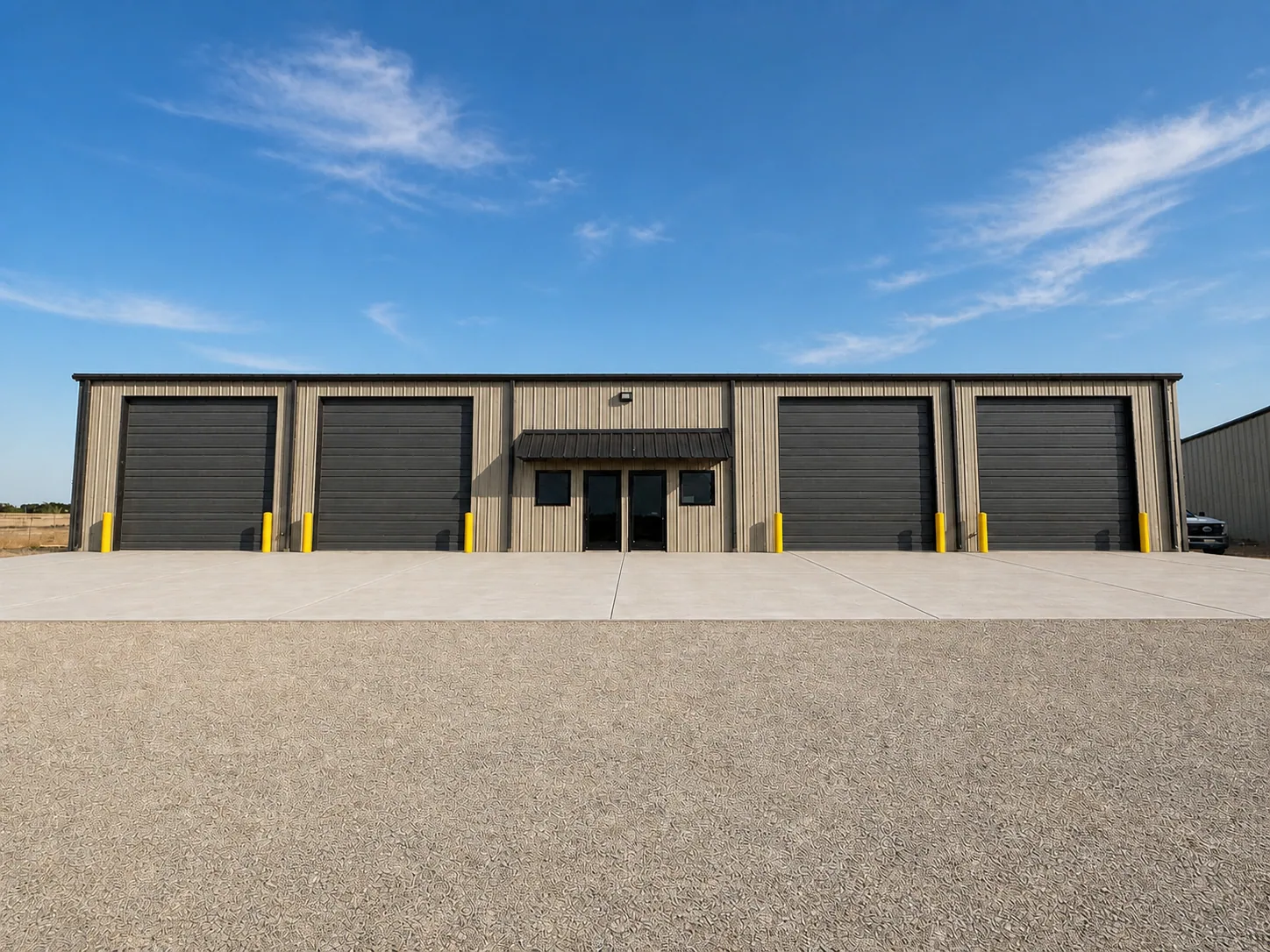
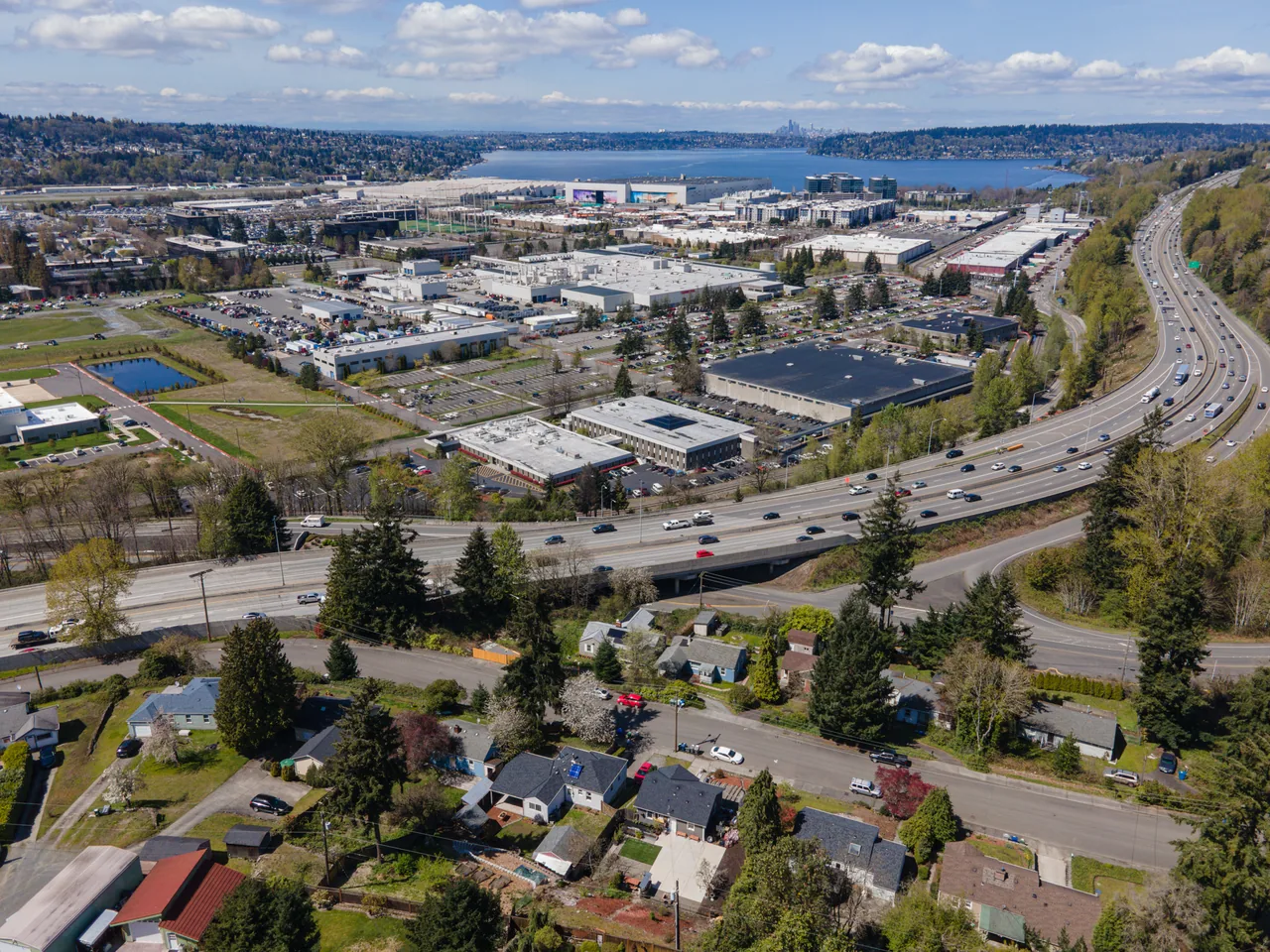
A managed portfolio may include office, healthcare, retail, warehouse and light-industrial properties, including manufacturing companies and logistics operators with different roof-access needs. Buildings in the Renton Valley Subarea are mostly industrial and warehouse space, while professional services is the city's largest employment sector, so one managed portfolio can mix dock buildings and office suites. The condition, assembly and use of each property still need to be checked on site.
Portfolio view: make each roof record comparable
Useful portfolio records start with the same few observations, not the same recommendation. We note the membrane, visible layer edges, drain locations, curb and pipe details, reported leaks, roof areas reached and items needing a second visit. A roof asset review can bring those observations together so the manager can sort urgent water control from planned repair and replacement decisions without treating every roof as the same assembly.
The city describes the Renton Valley Subarea as industrial and warehousing, with logistics and light manufacturing among its longstanding uses. For a portfolio that includes those properties and office suites closer to Downtown Renton, inspection access may differ even when the roof symptoms look alike. We keep the record tied to each building and identify what was observed, what could not be reached and what would change the next recommendation.
A condition report can organize photographs and repair notes by roof zone. The useful comparison is whether a known defect has grown, whether water has reached insulation or the deck, and whether a prior repair remains sound. A manager can then bring ownership a short list of options with scope boundaries, access needs and timing factors rather than a collection of unconnected service tickets.
Water path: connect the report to the roof
A stain on a tenant ceiling does not mark the roof opening above it. Water can travel along a seam, curb, deck flute or insulation joint before it appears indoors. During a commercial roof inspection, we compare the reported room with the slope, drains, penetrations and visible membrane transitions, then note which route is plausible and which observation remains uncertain. That distinction helps a manager decide whether to authorize a localized repair or a closer test.
On a larger property, each outlet should be connected to the roof area it serves. A drain and scupper inspection can identify debris, damaged strainers, separated flashing or standing water that persists after cleaning. Sea-Tac's late-year precipitation pattern makes this check timely before the wet season, but it does not locate a leak at a particular building. We record the actual water path and repair line so maintenance staff can compare the next report against the same roof zones.
When moisture may extend beyond a visible opening, an infrared moisture survey or test cut can help define how much insulation is affected. We explain the method and access required before testing. A narrow opening may answer whether a localized repair is still reasonable; a wider pattern may shift the decision toward replacement. The manager receives the finding and the limit of the inspected area in language that can be shared with ownership.
Access window: plan around tenants and building staff
Tenant hours, loading doors, security procedures and rooftop equipment can shape the route as much as the roof condition does. We ask who can authorize entry, which areas must stay open and whether a lift or shutdown needs a separate trade. That information helps set a workable roof-walk sequence and prevents a repair scope from assuming access that the manager cannot provide.
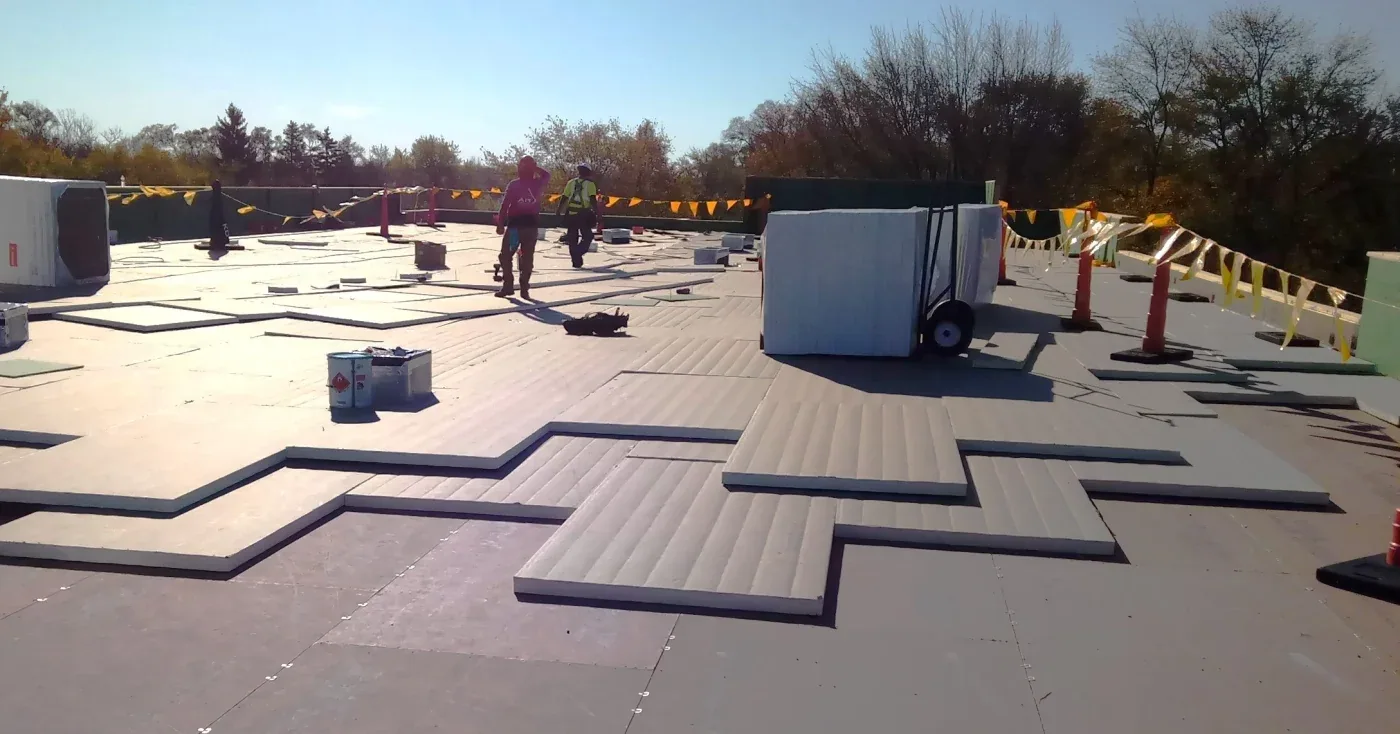
For work above occupied suites, occupied-building reroofing can be divided into sections with clear work limits and temporary protection. We identify where materials arrive, how debris leaves and which penetrations need coordination. If HVAC or electrical work must happen first, the roof schedule should name that dependency. A manager can then give tenants and building staff a practical notice tied to the actual work area and access period.
Offices in Renton's largest employment sector, professional services, tend to share circulation and rooftop systems with other tenants, so we give the property contact the roof zones involved, the repair line, any requested interruption and the closeout observations. That lets the manager notify tenants accurately.
Repair line: separate immediate control from capital work
A contained split seam, loose flashing or puncture may support a defined repair when the surrounding membrane and insulation remain serviceable. Repeated wet areas, widespread adhesion loss or a failing field can call for a larger comparison. We describe the observed condition, the limits of the repair and what could change the scope before work starts. For a commercial roof repair, that means identifying the affected zone and tie-in, not simply naming a system.
If the assembly may remain in place, a recover assessment compares another roof layer with removal and replacement. Moisture, existing layers, deck condition, perimeter details and drainage all affect that choice. A replacement scope should state what is removed, what substrate work is included and how new flashings meet curbs and edges. Those line items help property managers compare bids on the work included rather than the headline option alone.
Near Tukwila Southcenter, which combines retail, office, lodging, warehouse, distribution and light-industrial uses, a managed portfolio can contain very different roof assemblies and access patterns across a short service route. We make each recommendation from the building in front of us and keep the portfolio summary useful without flattening those differences.
Roof record: give the next visit a useful starting point
After work, the manager needs a record that links the repair to the roof. We can mark the repaired area, nearby drains, seams and penetrations on a plan, then pair the map with photographs and notes about any area not reached. A maintenance visit can then begin with known conditions instead of restarting the history.
Keep repair invoices, product information, access notes and leak reports with the roof record, especially when several buildings share an ownership or management team. A multi-property roof program can group comparable observations while retaining each site's own repair history. Send the Renton address, roof plan, recent water locations and available access windows, and we will explain what the first roof walk can settle for that property.
Commercial Roofing Questions
How can we compare roof proposals across several managed properties?
Start with the assembly and the work boundary at each address. We list preparation, repair or removal, insulation work, flashing details, access limits and closeout records so ownership can compare the scope without assuming two roofs need the same remedy.
What should I send before scheduling a roof walk?
A roof plan, reported leak areas, recent repair records, tenant hours and access rules give us a workable route. We can flag which areas need a key, escort, lift or separate trade.
Can repairs be scheduled around occupied suites?
We plan the work area and access window with the manager, then identify any noise, lift placement or temporary closure that affects occupants. The scope should state the sequence and where the building remains open.
When does a recurring leak call for more than another patch?
Repeated reports at different points, wet insulation, failed seams or a recurring drain issue can justify mapping a larger area. We compare those findings with prior repairs and recommend testing only when the result could change the repair or replacement decision.
What belongs in the closeout record after a roof repair?
The record should identify the location and limit of the repair, nearby details, photographs, materials used and any follow-up item. A marked plan helps maintenance staff connect a later water report with the work already completed.