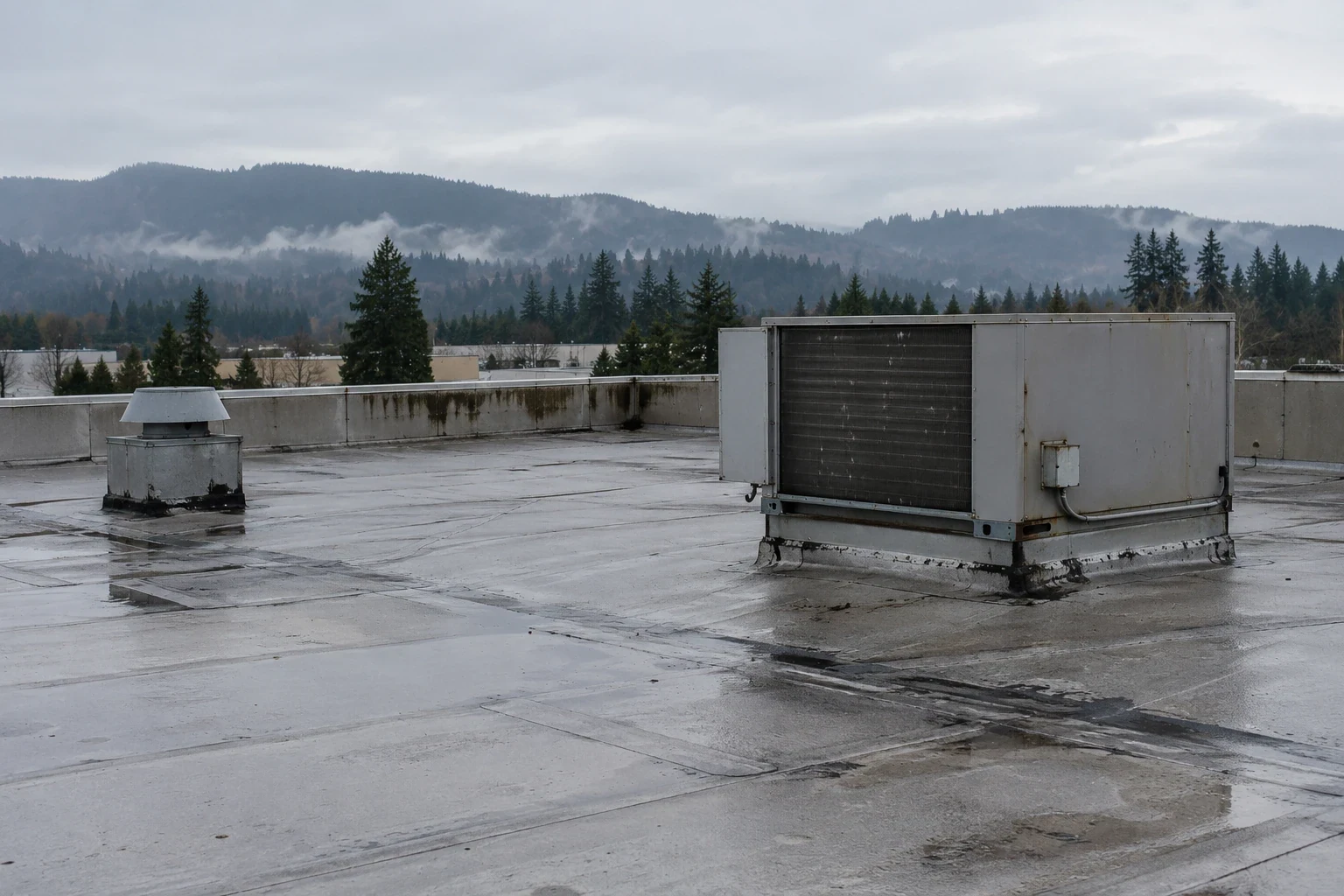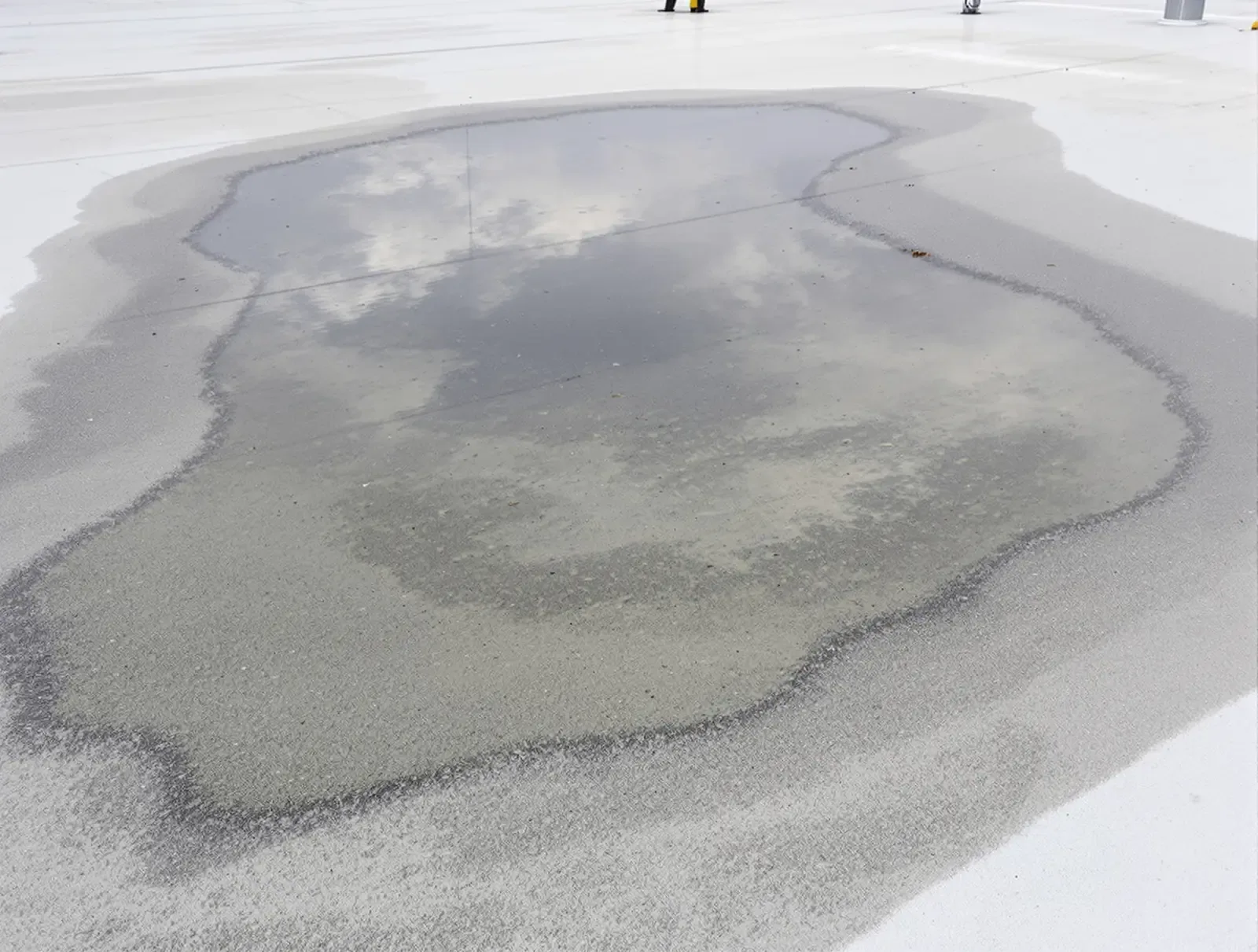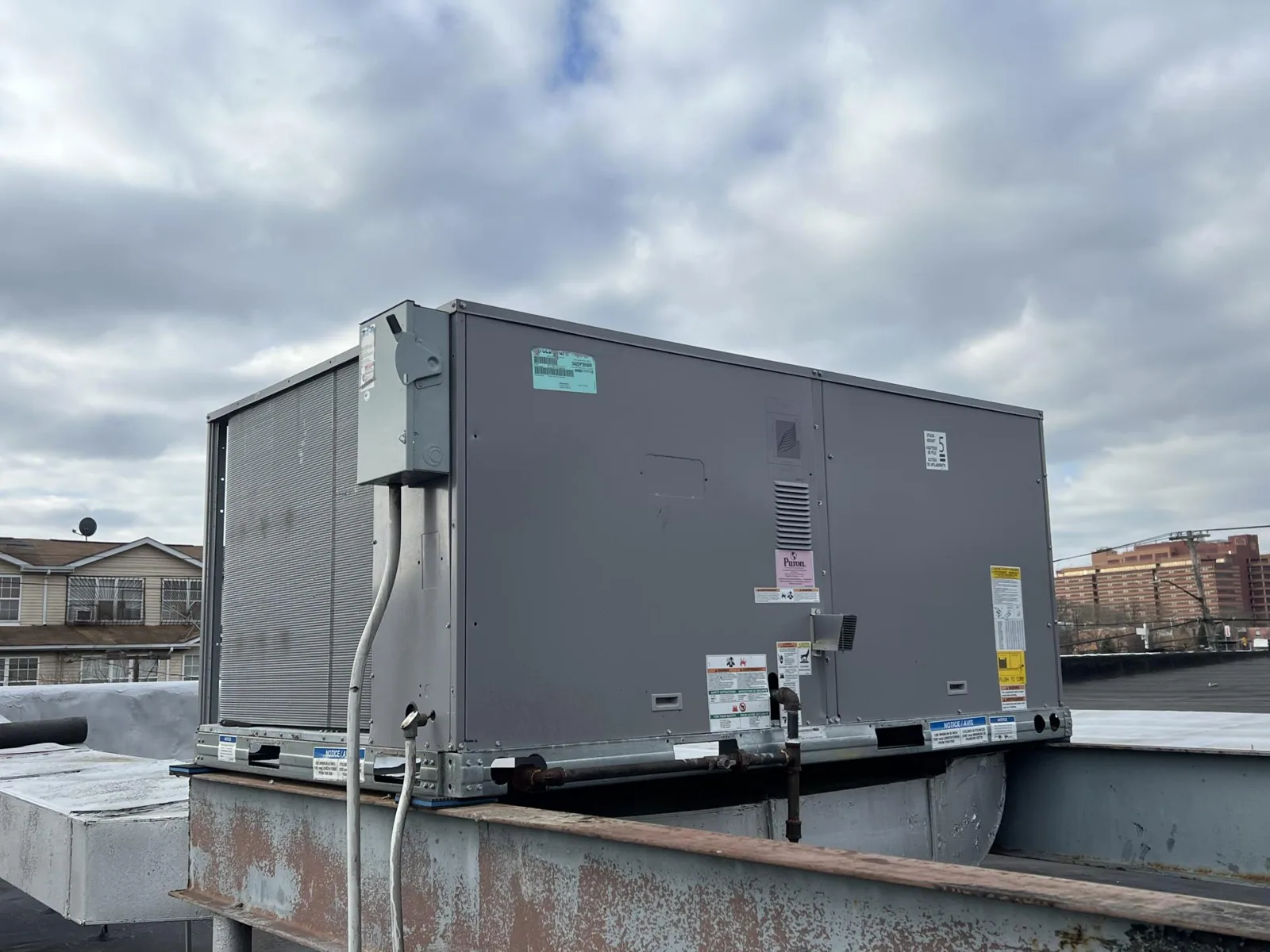
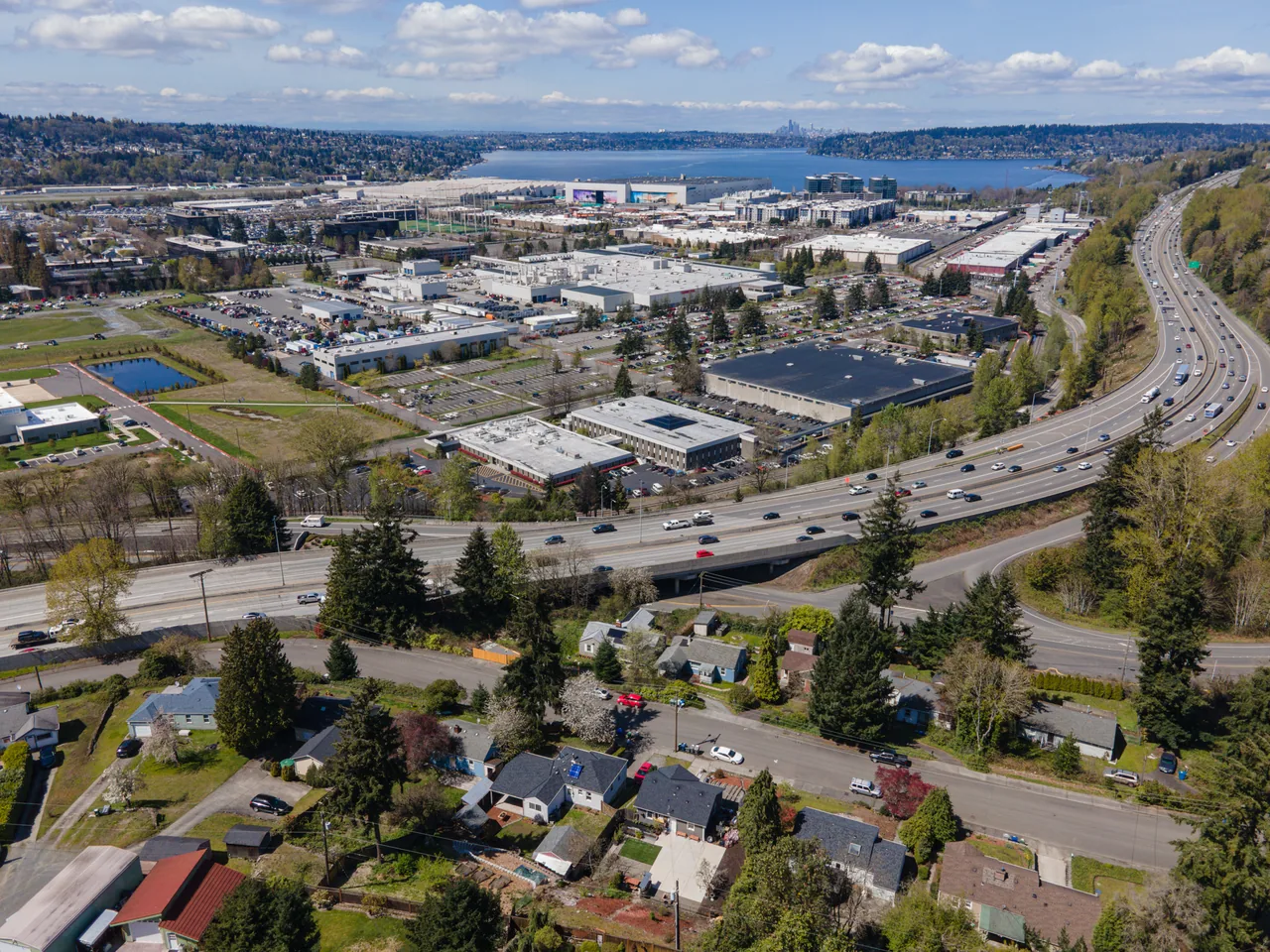
A shallow pool that stays on a wide, flat roof two days after the rain has stopped is telling you where the deck sits low or where an outlet is not draining. Across the Valley Subarea of Renton, WA, the city treats this district as mostly industrial and warehousing, laid across I-405 on the west side of SR 167, and roofs on that kind of building are usually broad, low-slope and crowded with penetrations. Water has a long way to travel on them, and every seam it crosses is a chance for a leak. The membrane may be TPO, EPDM, modified bitumen or a built-up system, and the repair method changes with each, so identifying the surface is the first step on any visit.
We begin a Valley roof walk at the drains and the low points, then work toward the seams, curbs and edges that stand in the water's way. Because the buildings are used for storage, shipping and light production, the interior often cannot take a wet day, so a leak repair is planned to stop the water first and answer the larger questions after. Where the walk shows a pattern rather than one opening, we say so before anyone prices a patch.
Building use: logistics and light manufacturing under one kind of roof
Renton identifies logistics and light manufacturing as longstanding land uses in the Valley, with access to highway and rail corridors. Those uses put heavy demands on a roof: dock doors and rooftop exhaust fans on the same building, forklifts and trucks working around the perimeter, and stock or equipment inside that water can damage. A roof over racked inventory has less tolerance for slow leaks than a roof over open floor.
We ask what is stored or made beneath the roof area before we plan access. Production lines may need a shutdown window for noisy work, while a warehouse might allow the crew to start at dawn before shifts begin. In either case the roof record notes which bays are directly below the work, so the facility manager can move product. On a warehouse roof that means working bay by bay, and on a flex industrial building it means finding out which tenant space sits under each repair before the crew arrives. Shared roofs often have more than one tenant with a different tolerance for noise and dust.
Drain route: large roofs need a plan for the overflow
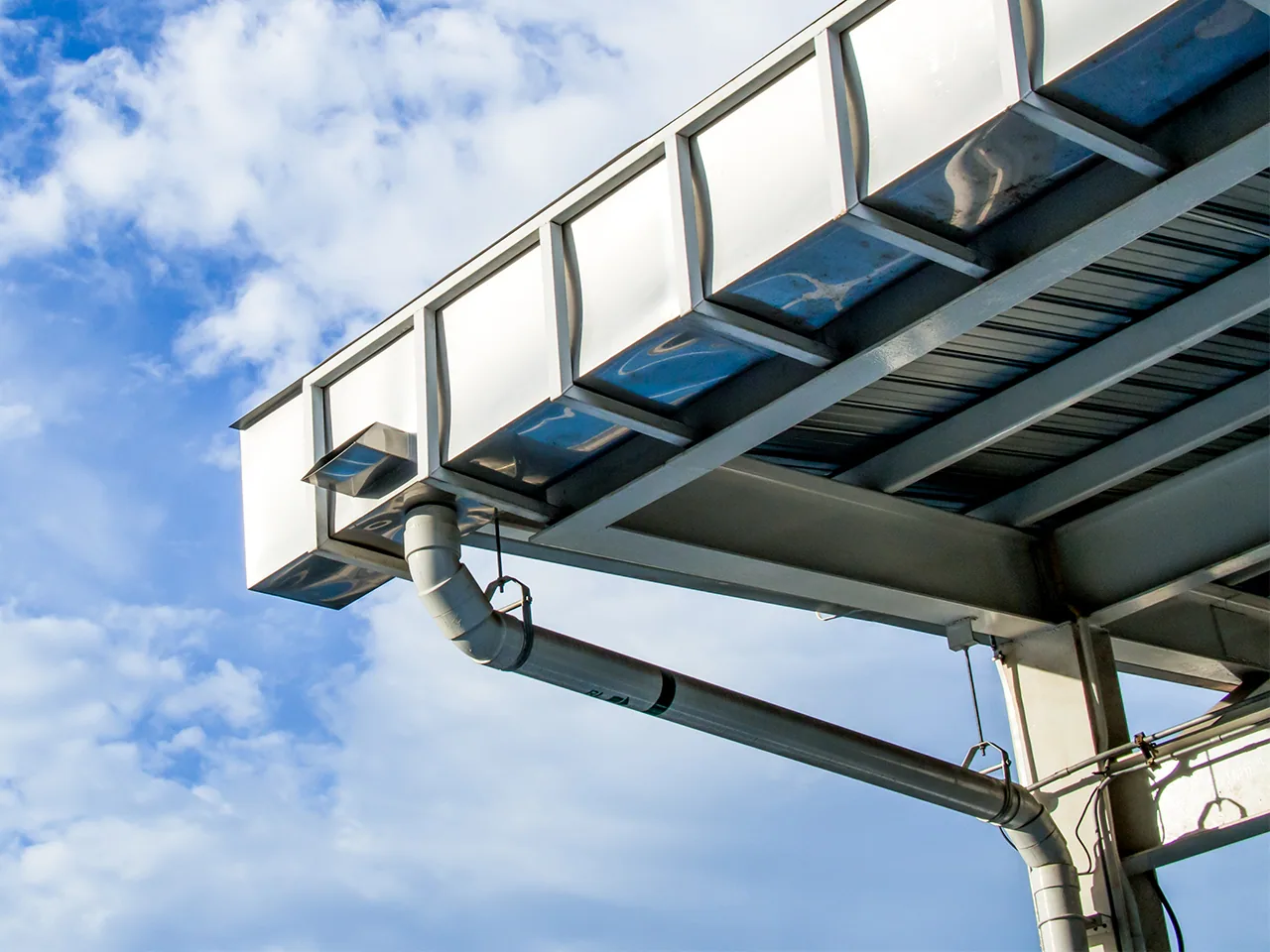
A large low-slope roof sheds a lot of water in a short time, and its drains, scuppers and overflow are what keep that water from building up. We check each outlet for debris, confirm the pipe beneath the bowl is open and look for staining at the perimeter that shows water has gone over the edge. A roof with a single blocked drain can hold a very large volume of water over a small area, so we pay close attention to the lowest corner.
Sea-Tac logs roughly ten times more rain in November than in July (6.31 inches against 0.60), and December adds another 5.72. That is a regional pattern, and it is worth treating as a cue to clear drains and scuppers before autumn. When ponding is persistent, the choice may be a repair, added drains or a tapered insulation layer. Ponding water repair is weighed against the roof's remaining life, since a re-slope on a membrane near the end of its service may be better folded into a replacement.
Under the membrane: test before you cover
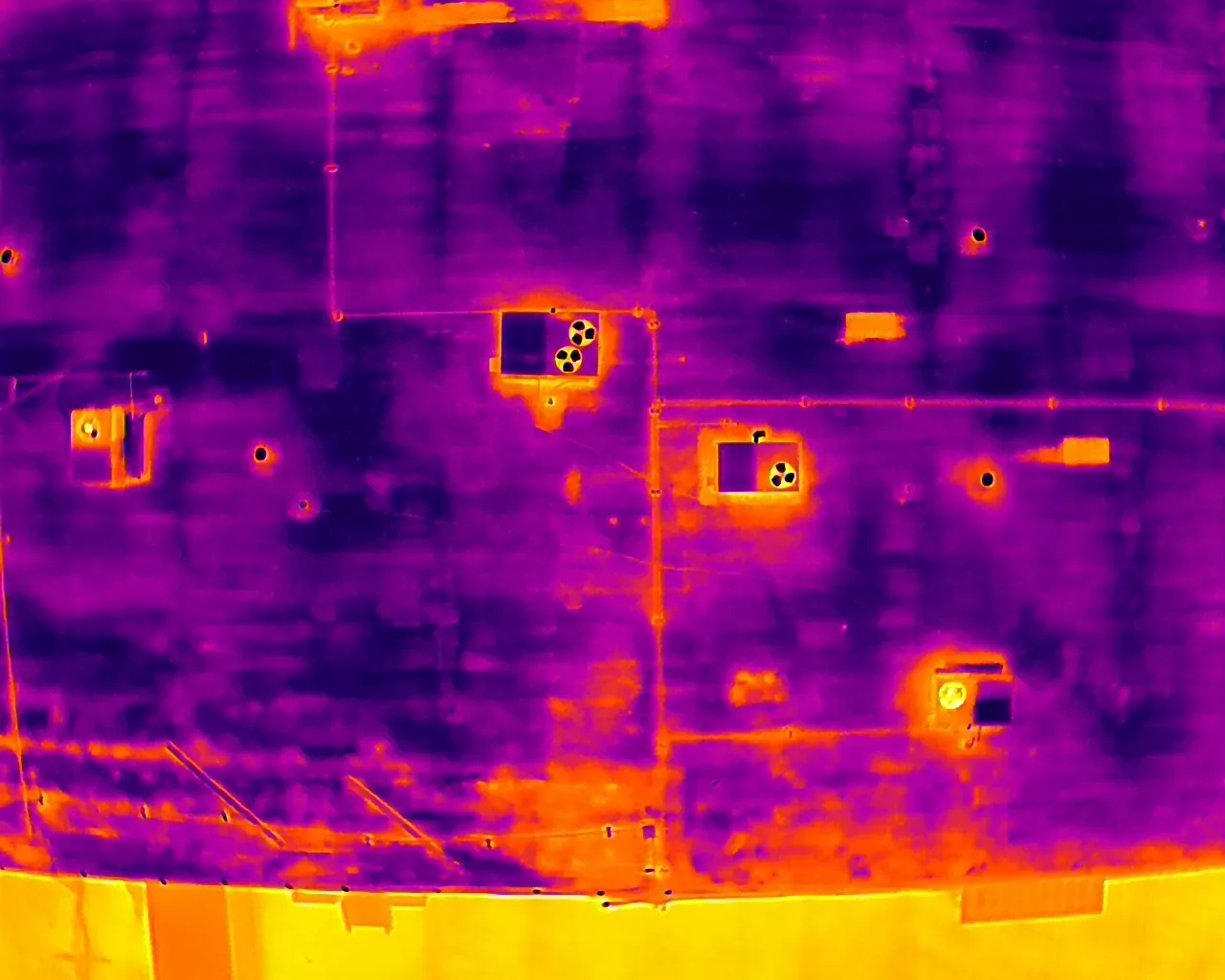
Some of the worst damage on a big roof is invisible from above. Insulation that has absorbed water can stay wet for years, lose its insulating value and let the membrane above it blister or pull loose. Before a recover is priced, we look for soft spots underfoot, trapped moisture around penetrations and signs that water has traveled along the deck.
An infrared moisture survey can mark wet areas across a roof without cutting it, and it works best when the roof is dry on top and the sun has warmed the assembly. Where the survey points to a concern, a small test opening approved by the owner can confirm the insulation type, thickness and condition. That evidence decides whether a roof can take a recover or needs a tear-off, and it keeps the owner from paying for a membrane over wet insulation.
Planning direction: new uses may change the roof
The city's Valley planning process is examining how healthcare, residential and professional-office uses could join the existing ones. Those are planning possibilities, not a claim that any conversion has been completed. For a roof owner they raise practical questions: whether a building might be adapted, whether a tenant will want more rooftop equipment, and whether the roof will be asked to carry new loads or openings.
If an owner expects a change in use, we price the roof work with that in view. A tenant improvement that adds rooftop units, a new vent stack or a skylight will cut into the membrane, and each new opening needs flashing that matches the system. For work that touches equipment, equipment curbs and supports are set at the right height, with room for service and for water to pass beneath.
Roof record: one file per building
Owners in the Valley often manage more than one building, and their roofs may differ in age, membrane and condition. Each address gets its own record: where the drains sit, what penetrates the membrane, how the edge metal looks and which areas we could not get to. A multi-site roof program can order those buildings by urgency, so budgets go to the roofs that need them first.
An owner with another building in Downtown Renton or the Cedar River planning area gets a separate roof walk and written scope for each. The record is what makes repeat visits useful, because it tells the next crew where the last repair stopped.
Commercial Roofing Questions
How do you handle a warehouse roof that leaks over stored inventory?
First we find which bay is under the water and tell the facility manager so product can be moved or covered. Then we trace the entry point, make a temporary seal if the weather is still wet and plan the permanent repair for the next dry window, with the repair boundary marked on the roof.
Why does water stand on a large flat roof for days?
Standing water usually means a drain is blocked, a deck has deflected or insulation has compressed. We clear and test the outlets, then measure how deep and how wide the low area is. A small, shallow area may need only a local fix, while a wide one may justify tapered insulation.
Can a roof be recovered over wet insulation?
It should not be. Wet insulation loses strength and can push the new membrane into blisters. We test first, by infrared survey or approved core, and recover only what stays dry. If the test finds saturated layers, tear-off is the better choice and we explain which sections are affected.
What happens if the building changes use?
The roof work changes with it. New tenants may want rooftop units, exhaust or skylights, and each opening needs matching flashing and a curb at the right height. We price those details at the time of the roof project, so the building does not need to be cut open later.
Do rail and highway access affect roof work?
They affect deliveries and staging more than the roof itself. Valley buildings near busy roads and rail lines may have tight truck routes, so we confirm where a lift or dumpster can sit and when the street can take the load. That plan goes into the schedule before the first day.