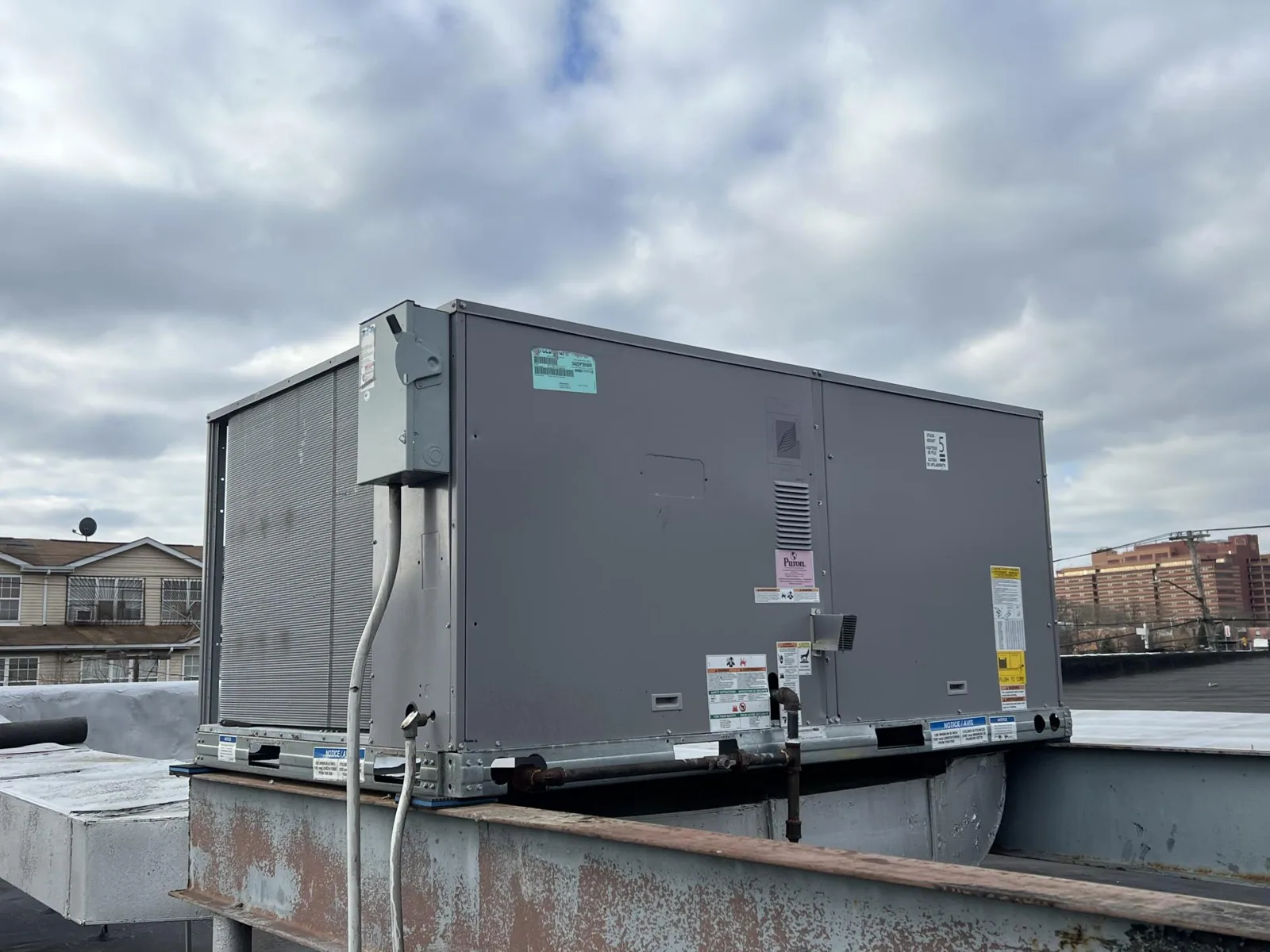
Where a rooftop unit sits on its curb, a thin line of failed sealant is often all that separates a dry ceiling from a wet one. In Renton, WA, the Benson neighborhood is one of the city's named Community Planning Areas, and the city's map shows commercial, office, multifamily, employment and industrial classifications in use across Renton. Because the map cannot tell us what stands on any one lot, we read the roof in front of us before we say what it needs.
We start at the equipment and the drains, because those are the places a flat roof is cut open or asked to hold water. The first walk records the curb flashing, the unit's condition, the nearest outlet and the seam pattern between them. A curb or equipment support repair is often the smallest fix that stops the leak, and it is easy to overlook because the ceiling stain sits so far from it.
Parcel use: confirm before assuming
Parcel-level use should be checked and not inferred from a neighborhood name, and we follow that rule. A Benson address might hold an office, a retail unit, a multifamily building or an employment use, and the roof for each is different in structure, access and tolerance for noise. We ask the property contact what the building does, who occupies it and which areas below the roof cannot be disturbed.
That answer decides how the work is staged. An office roof may call for early starts and quiet hours around meetings. A residential-style roof may need notice to tenants and protected walkways. A light industrial or employment building may let a crew work during the day but need clear routes around trucks and equipment. The access plan goes into the scope, so no one learns the schedule on the day work begins. We also ask who holds the keys to the roof hatch, whether a lift can reach the wall, and whether anything on the roof belongs to a tenant rather than the owner, since a repair near a tenant's equipment needs that tenant's agreement.
Flashing detail: the turn, the corner, the termination
Flashing is where roofs wear out first, because it handles movement and weather at once. At a curb, the membrane turns up the side, and that turn needs to be bonded, sealed at the top and free of cracks at the corners. We press the corners, look for pulled seams and check the cap or counterflashing that sheds water over the top edge.
When flashing is only worn, a local repair using compatible material can restore it. When the flashing is brittle, shrunk or detached across several curbs, a more thorough penetration flashing repair is the better scope, since patching one curb while its neighbors fail only moves the leak. We list each flashing by location, so the owner can see which ones were reset and which were left alone. Sealant by itself is a short-term step: it can close a hairline gap but it will not hold a joint that moves with every temperature swing, so we describe it as a temporary measure whenever that is what it is, and say what the lasting fix would involve.
Business mix: office roofs and logistics roofs ask different things
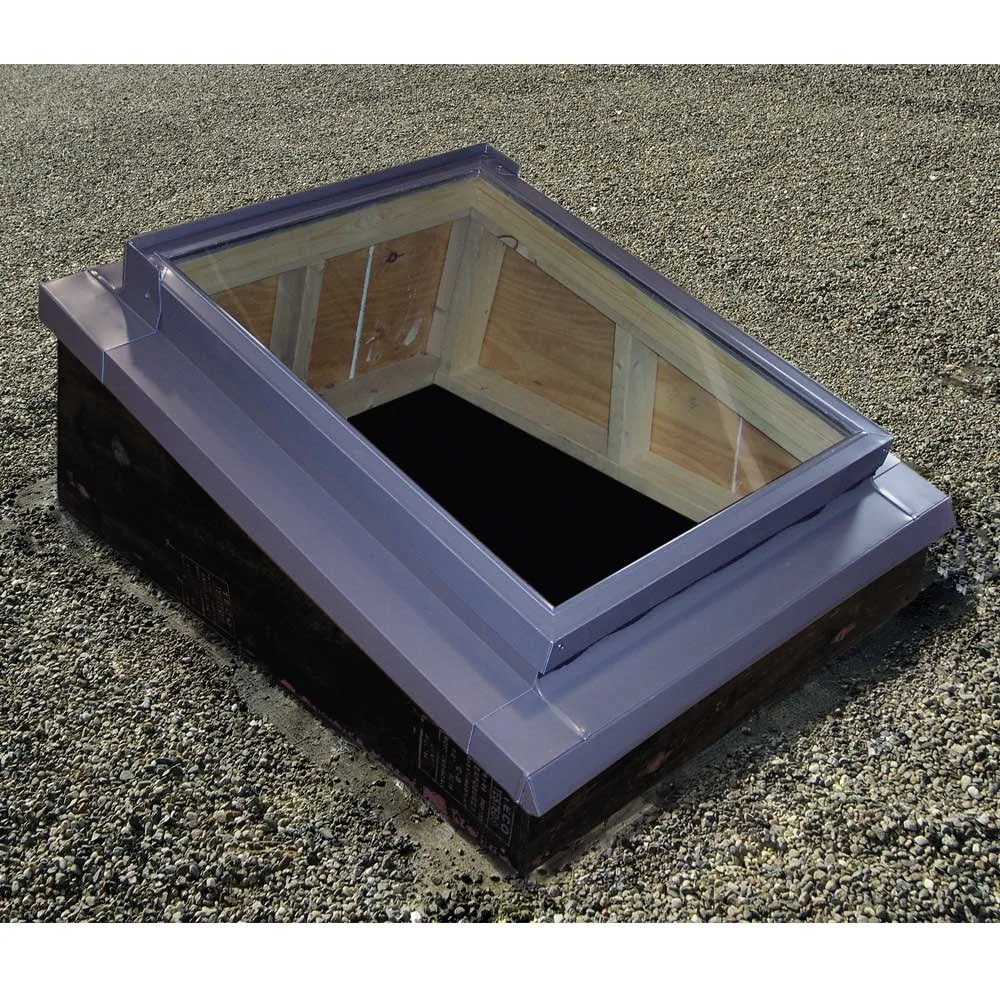
The city lists professional services first among its employment sectors, and it names advanced manufacturing and logistics as regional strengths. A professional office roof usually carries air handling equipment and may sit above finished interiors, while a logistics or manufacturing roof is broad and may house exhaust fans and skylights. Both need the same basic care, but the order of work and the protection of the interior vary.
For an office owner, the priorities are keeping equipment running and avoiding noise during working hours. For an owner of a manufacturing or distribution building, they are protecting stock and process areas below and keeping dock routes open. Our office building roofing work and our work on industrial roofs follow different schedules for that reason, even when the membrane is the same.
Wet-season check: trace the water to the outlet
Water on a flat roof moves toward the lowest point, and the drain is where it needs to leave. We check the bowl and strainer for debris, the pipe beneath for blockages and the area around for signs of ponding, such as dirt rings or algae growth. If water stands at the base of a curb, it may be soaking the flashing there, and that is a leak waiting to happen.
Looking at the Sea-Tac record, November (6.31 inches) and December (5.72 inches) are many times wetter than July (0.60). The figures are regional, yet they give a sensible reason to schedule preventive roof maintenance before autumn. A maintenance visit clears drains, checks seams and flashing, and gives the property team a short list of what to watch before the heavy rain comes. Items that can wait are marked with a reason, and items that cannot are priced right away, so the budget conversation happens before a ceiling tile falls.
Scope and record: show where the repair ends
Every repair has an edge, and we mark it. After the work, the record shows the prepared surface, the finished detail and the nearest drain, along with any condition we saw but did not repair. If a test opening was cut, the record shows where and how it was closed.
Photographs are labeled by curb or unit so the next visit starts at the right place.
That record helps owners compare buildings. A manager with several addresses in Renton can use the same format for the Renton Urban Center and for the Cedar River area, though each roof is walked on its own. The point is a document the next person can read without guessing what was done.
Commercial Roofing Questions
Why does a leak show up far from the rooftop unit that caused it?
Water that enters at a curb runs along the deck, a duct or a beam before it drips, so the ceiling stain may be across the room. We trace from the stain back to the nearest curb and drain, and test the flashing between them to find the actual entry.
Can one curb be repaired without redoing the others?
Yes, if the neighboring flashing is sound. We check each curb on the roof and report the condition of every one. When several show the same wear, we recommend treating them together, since the same weather is working on all of them at once.
Does the neighborhood tell you what kind of roof I have?
No. The city's map shows a range of commercial, office, residential and employment classifications, so the name alone does not say what stands on a lot. We identify the roof system, insulation and condition by walking it, and then explain the options for that building.
How do you protect an office below while the roof is open?
We schedule the open area for dry weather, keep each section small enough to close the same day and set temporary protection at the end of every shift. The property contact picks the hours for noisy work, and we confirm which rooms need to be cleared.
When is replacing the equipment curb better than repairing it?
When the curb itself has rotted, bent or settled, flashing alone will not hold. A new curb set at the right height, with room for water to pass and for service access, gives the membrane a stable edge. We confirm with the mechanical contractor before cutting.