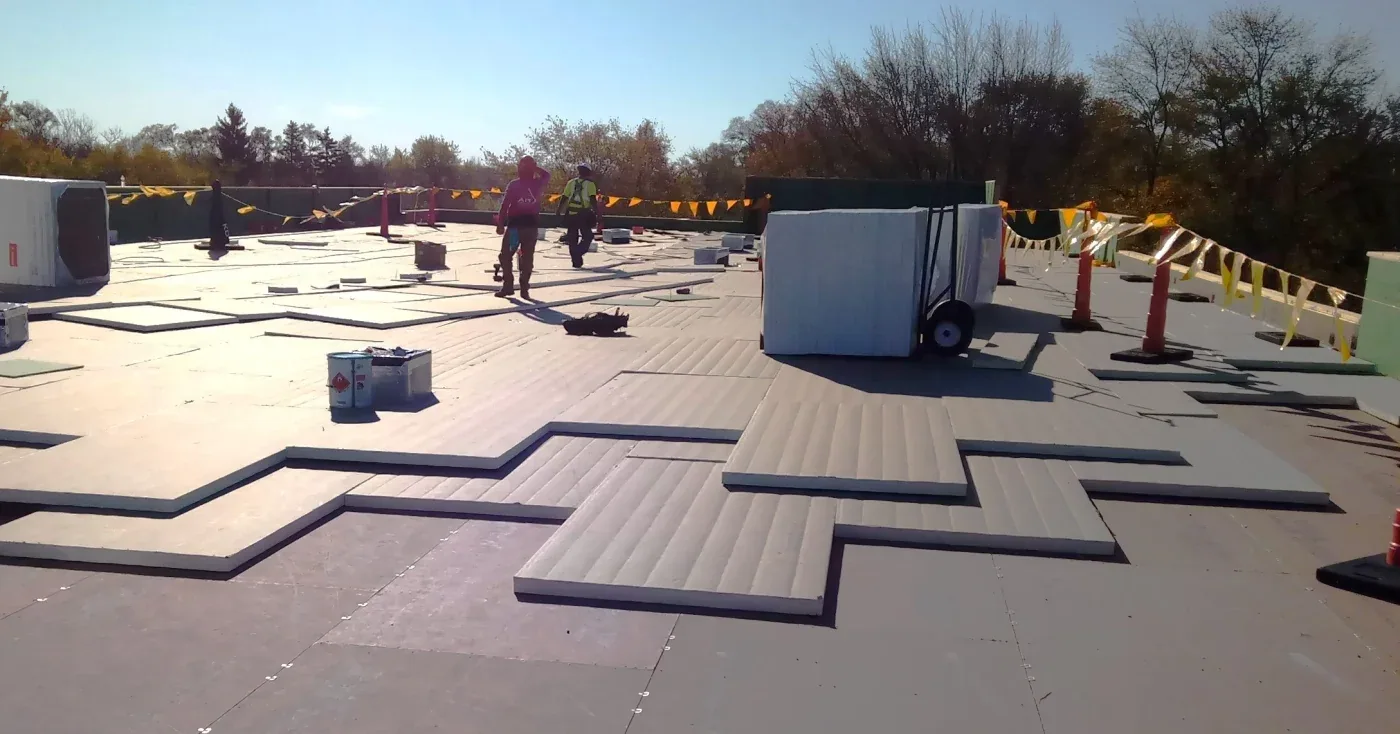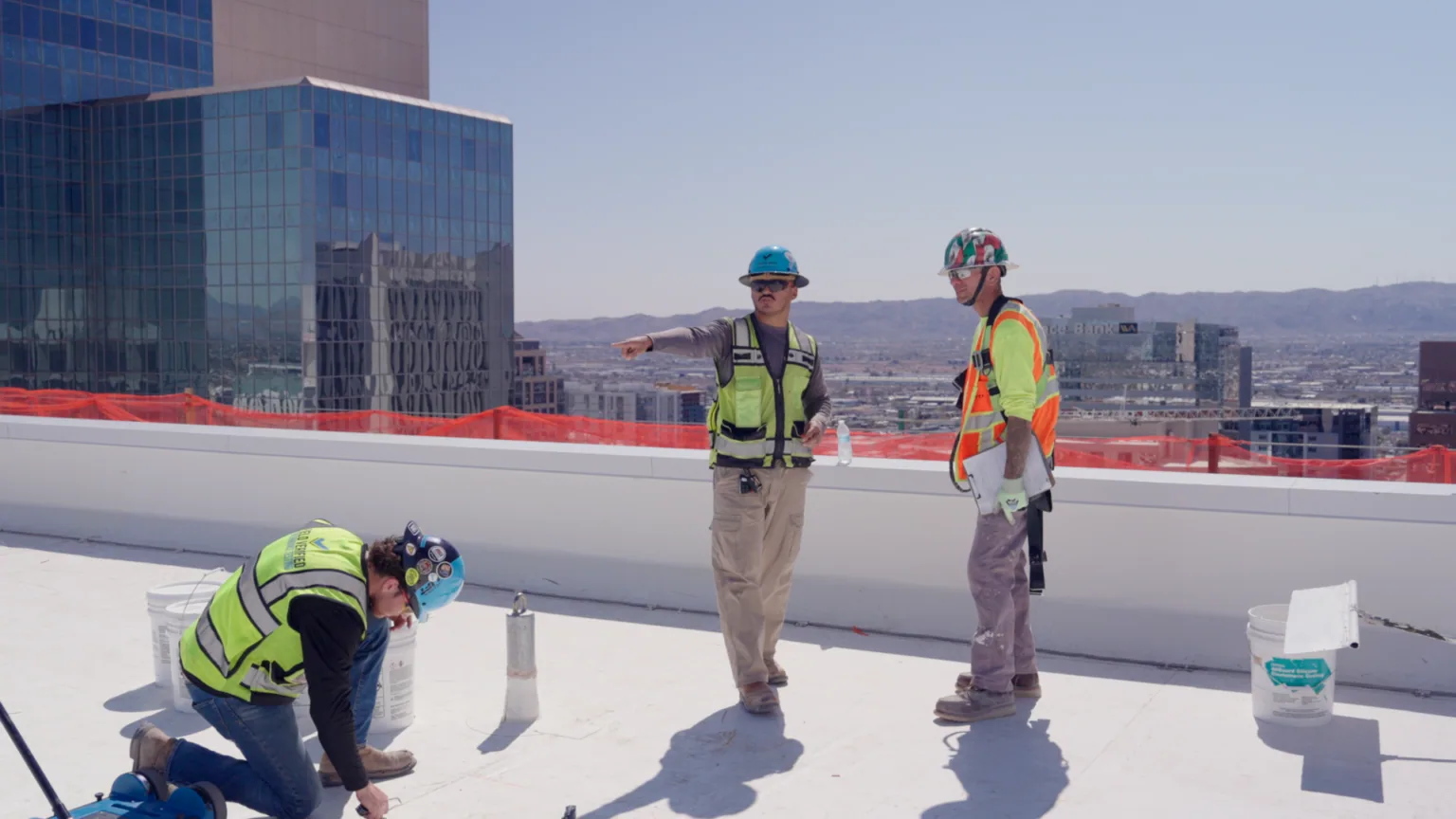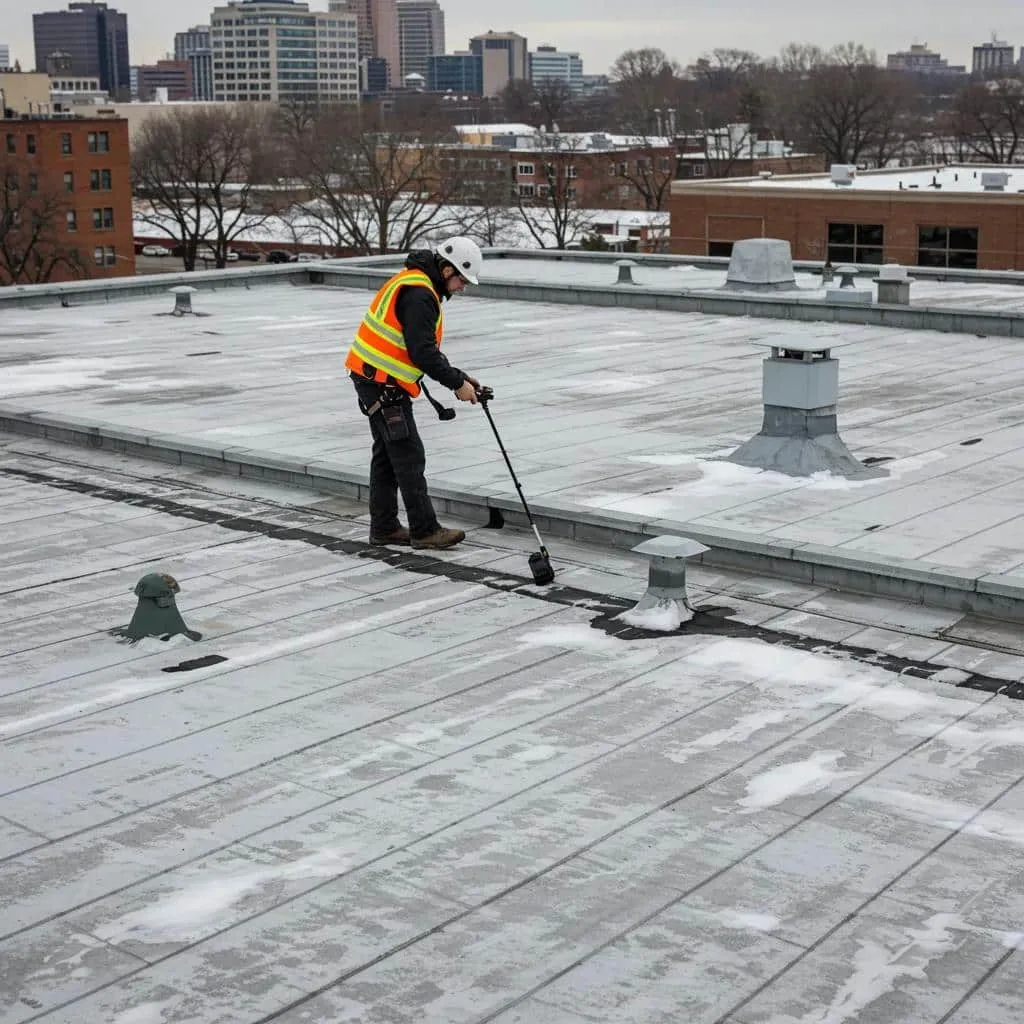
A roof report without a photo key can leave the next manager guessing which curb or seam the note meant. In Renton, WA, we connect each observation to a roof zone, nearby detail and next action, then separate what the field walk confirmed from what remains out of reach. Sea-Tac's precipitation normals show a strong late-fall pattern, which is why wet-season checks come first. The report stays grounded in the roof itself.
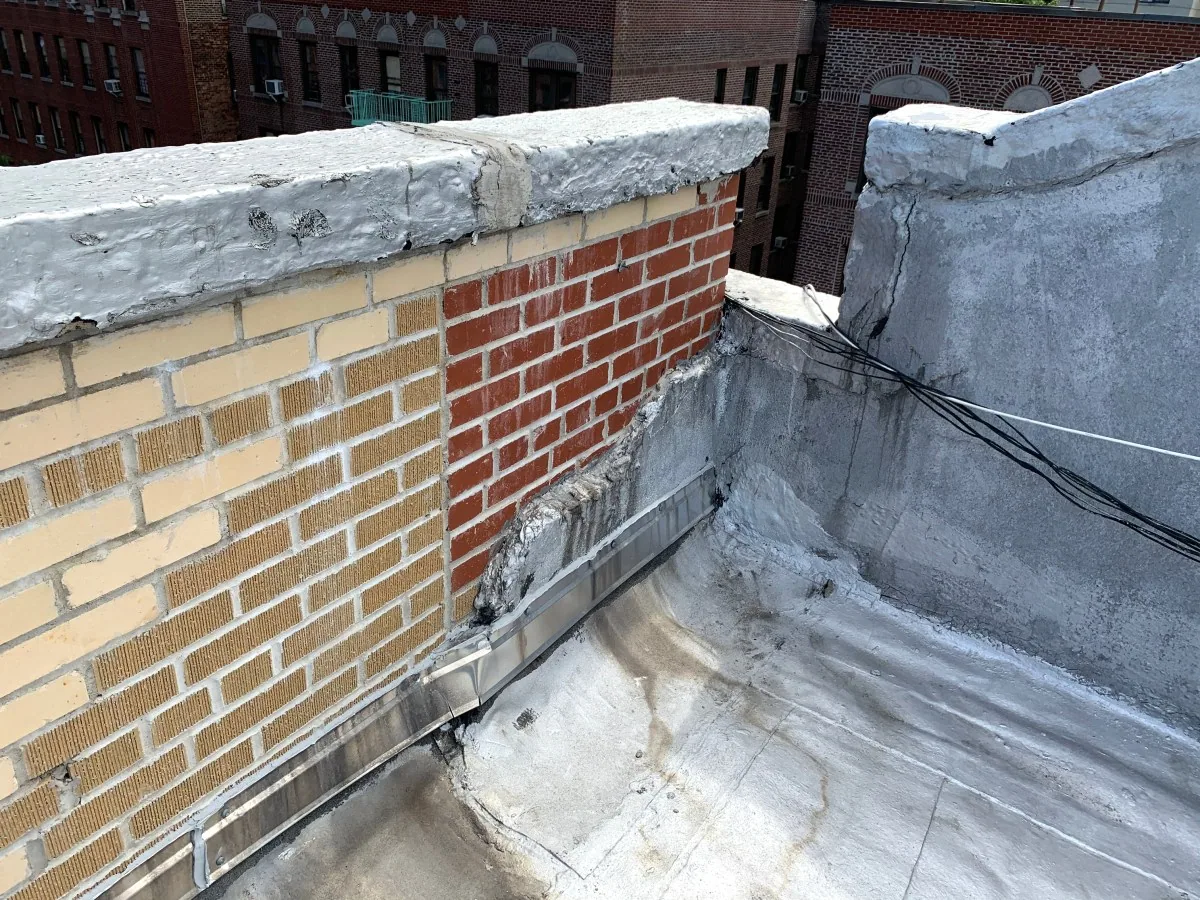
We document drains, penetrations, membrane laps, edge metal, visible repairs and any condition that may affect insulation or the deck. A commercial roof inspection can establish those findings, while roof asset records help keep them with the building's later maintenance and capital decisions.
Photo reference: make each finding easy to locate
A useful photo shows the defect and enough surrounding roof to find it again. We label the area, note the nearby drain, curb, parapet or seam and keep the image with the written observation. A close view may show a split or lifted edge, while a wider image places it within the roof route. Those views help the owner compare a repair proposal with the condition documented during the visit.
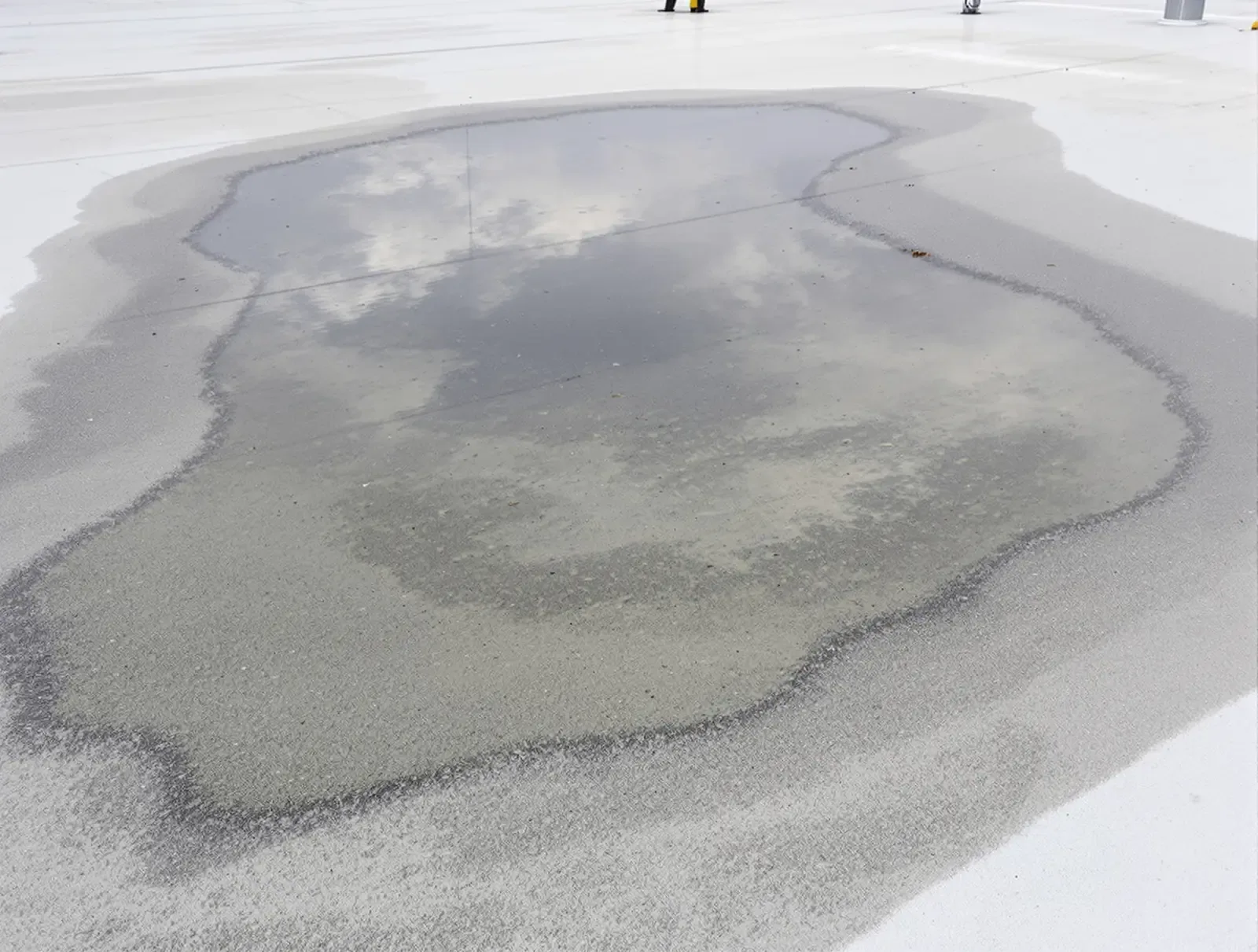
The report also states whether the roof was dry or wet, what access was available and which areas were not reached. A blocked hatch, live equipment zone or weather restriction can leave an open question. We record that limit instead of treating the unseen area as inspected. Where a leak report is involved, we compare the interior location with the roof features along the likely water path, and a ponding-water assessment can distinguish standing water from a separate membrane opening.
For a property near Rainier-Grady Junction, the report names the building by address and site records, so the next facilities shift knows exactly which roof the findings belong to.
Condition language: describe what the roof shows
Words such as serviceable, worn or failed are useful only when the report explains the observed detail behind them. We describe an open lap, loose metal, split flashing, damaged coating, blocked outlet or visible patch, then state how that condition affects the next step. A stain below a roof may help narrow the search, but it does not by itself identify the point of entry. The report records both the interior report and the roof evidence separately.
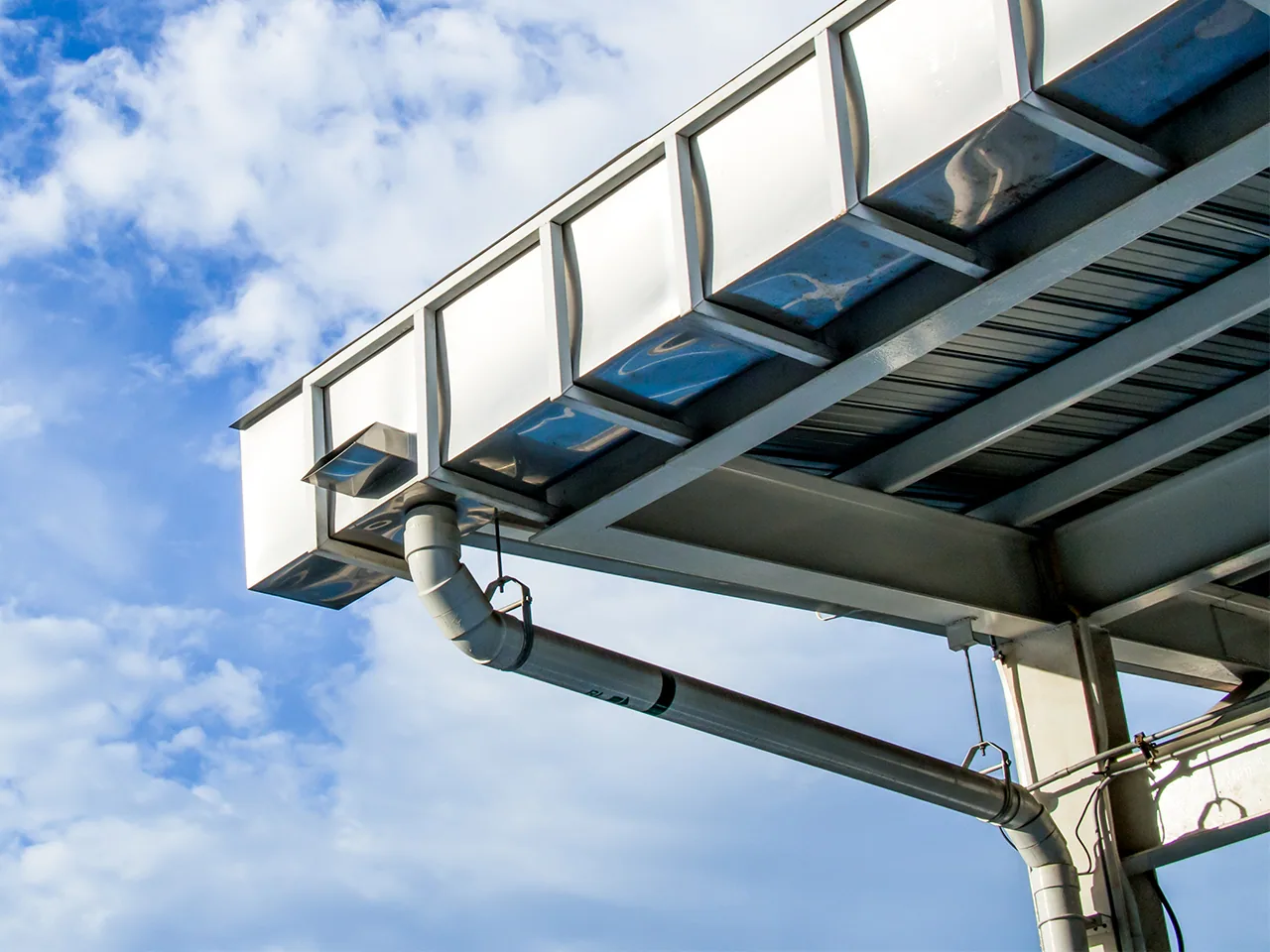
At Sea-Tac, July's 0.60 inches give way to 6.31 in November and 5.72 in December, which makes a pre-wet-season drain and leak review useful in Renton. The drain and scupper inspection documents actual outlet and overflow conditions, and flashing repair findings identify a separate transition detail when that is what the walk shows.
Logistics and light manufacturing have long been part of the Renton Valley Subarea, so rooftop service access and loading restrictions get noted alongside roof conditions, with each finding tied to its own property. The roof plan or visible edges support the assembly named in the report.
Next step: match the repair line to the finding
Each report item should end with an action the owner can evaluate: monitor, repair, test or prepare a larger scope. We explain whether the condition appears localized, whether nearby material supports a repair and what would need approval before a test opening. If a roof section could not be inspected, we identify the contact or access change needed for a return visit. This keeps the repair line connected to evidence instead of an assumed roof age.
After a storm, we distinguish new movement from earlier wear in the notes. We include event information supplied by the owner separately from what is visible. If the roof has repeated leaks or broad membrane deterioration, the report can flag a capital review without converting that observation into a promise of replacement. A capital planning review can then compare the repair, testing and project choices.
A property at Tukwila Southcenter, in nearby Tukwila, may combine retail, office, lodging and warehouse uses, which is why reports name the actual roof area and operating use rather than relying on a broad property label.
Report record: preserve the history after the visit
A condition report becomes more useful when it can be compared with repairs and later inspections. We note the visit date, weather, areas reached, photos, materials or details observed and any limit on the findings. After work is completed, the closeout can identify the repaired zone, materials used and items left for follow-up. A commercial roof repair record can then be checked against the original condition instead of replacing it.
If a test or opening is proposed, the report explains why it may change the recommendation and where it would occur. The manager approves the test before it is scheduled. Where moisture may be present below the surface, an infrared moisture survey can help target follow-up, with any limits or confirmation needs stated in the record. The inspection does not label an inaccessible roof area as dry or clear.
Reports for several buildings use one template, so a manager can read building three the same way as building one. Headings, photo numbering and priority labels stay the same from visit to visit, which makes a change between visits easy to see and lets a lender or an engineer scan the file without relearning it each time.
For an office property in the Downtown Renton area, the report can include the building contact, roof access route and any operating window affecting a return visit. Those details help another facilities shift use the findings without implying that nearby properties share the same assembly or condition.
Delivery: give the owner a usable decision file
Before we close the report, we check that every priority has a photo or a clear reason why one was not available, that each roof zone is named and that pending tests or access needs are visible. If an urgent leak needs stabilization, we separate that response from the permanent repair recommendation. A readable file gives the owner a path from observation to approval and later verification.
Share the Renton address, roof plan, leak locations, prior repair notes and the people who can arrange access. We will inspect the approved areas, document what the roof shows and identify any repair or test that could change the scope. Emergency response is available around the clock, including weekends and holidays, when a roof condition needs prompt attention.
Commercial Roofing Questions
What should a commercial roof condition report include?
It should identify roof zones, observed details, photos, access limits and a next action for each priority. We keep supplied history separate from field findings so the owner can review what was confirmed.
Can the report identify the exact source of an interior leak?
A roof walk may locate an opening or narrow the likely path, but water can travel above a ceiling before it appears. We compare the room report with slope, drains and transitions and state what the inspection supports.
How are inaccessible areas handled in the report?
We name the roof area not reached, explain the access or safety limit and identify what would be needed for a return visit. It is not marked as inspected when the crew could not see it.
Can photos from a prior repair be added to a new inspection?
Yes. We can compare dated photos and work notes with the current roof condition, then identify whether the same zone remains open, has changed or needs a closer check.
Will the report include a repair price?
When the inspection supports a repair scope, we can prepare a separate proposal tied to the documented area. If testing or access is still needed, we explain that step before pricing work that could change.