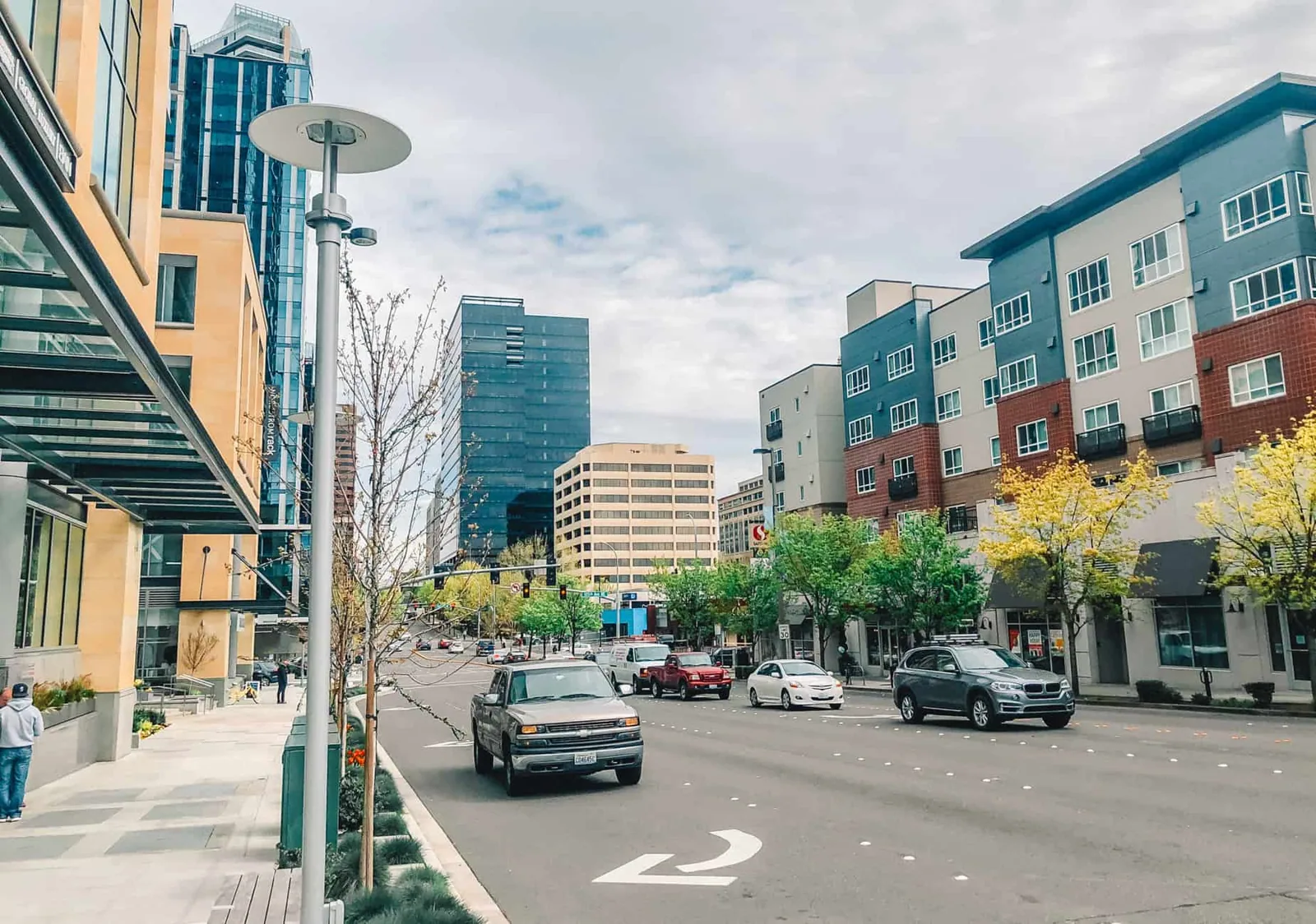
A roof seam beside a curb can open before water reaches the room below. In Eastgate and Factoria, our first walk checks that seam, the curb flashing and the route to the nearest outlet, then ties each finding to a photo and a next step. Bellevue describes Eastgate and Factoria as a traditional suburban office environment with a park-like setting. We verify the building, access and visible membrane before recommending a repair.
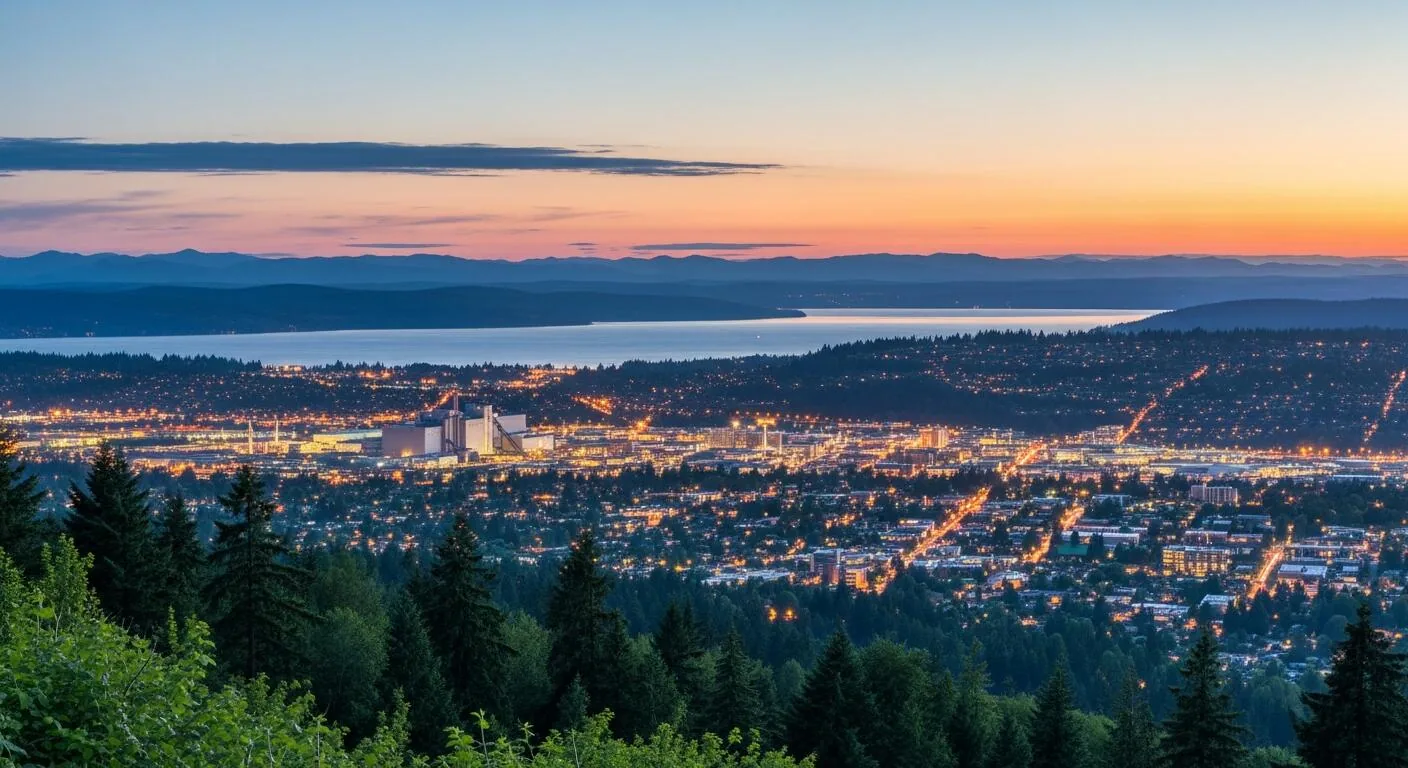
Bellevue notes connections to a large public college and the Mountains-to-Sound Greenway cycling route, which can put pedestrians and cyclists near a lot edge where a lift or dumpster would sit. A commercial roof inspection documents the water path, flashings, drainage and safety limits at the property, then explains which repair line is supported and what would require more testing.
Office setting: confirm the actual use
A park-like setting can include different buildings and operations, and the roof decision depends on the property in front of us. We confirm the owner's building use, roof access and any areas that must stay clear rather than extrapolating from the district description. If a public-college connection or greenway activity affects a particular access route, the property contact can identify that constraint.
Bellevue lists an Eastgate enhancement study and Factoria redevelopment among its active planning items, so a property manager may see change around a building. Before pricing a project, we review the current roof record and confirm whether a repair, alteration or replacement needs a permit check.
Water path: read the seam and the outlet together
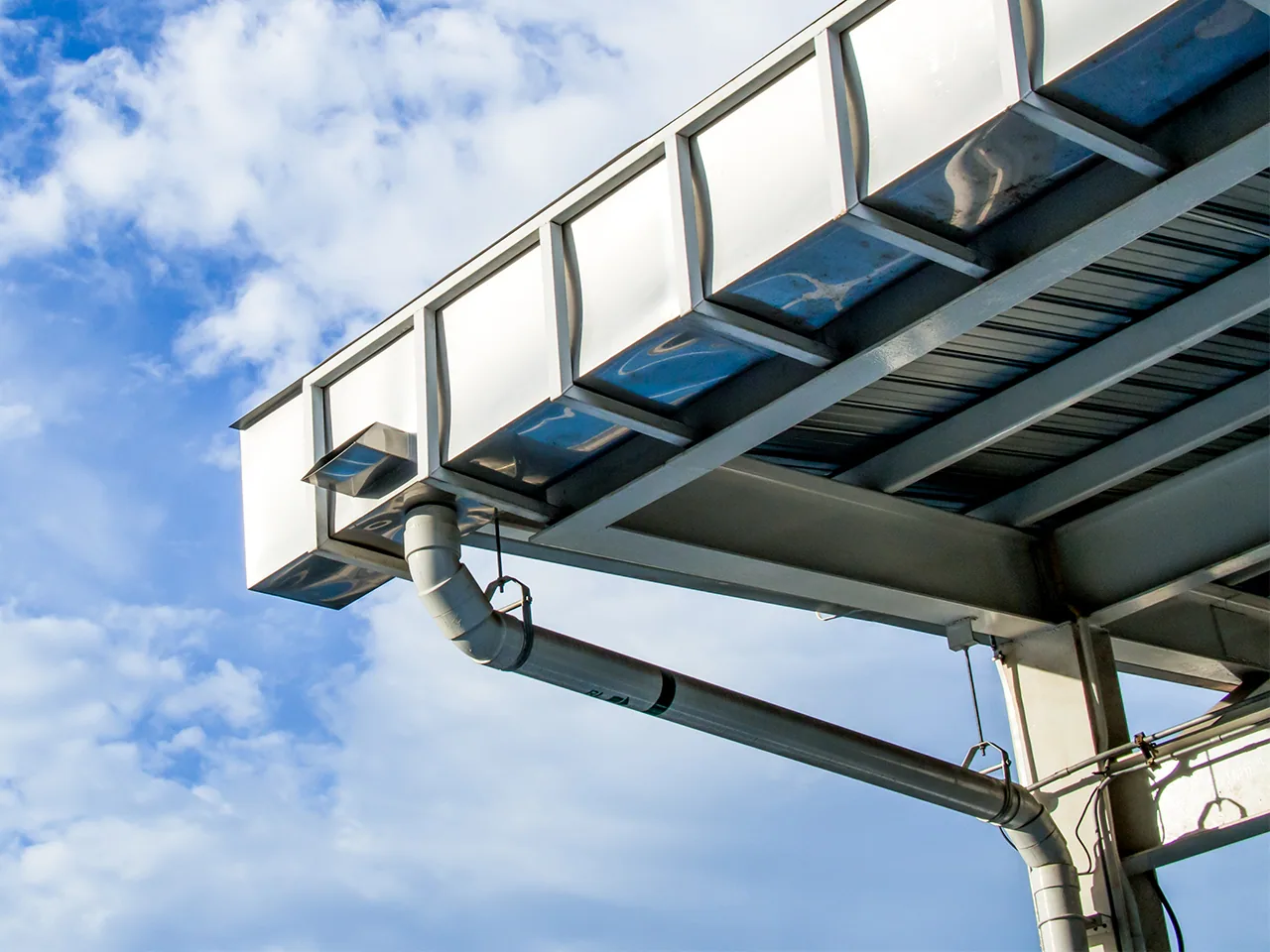
Water can pause at a curb, cross an old patch and enter at a seam that looks sound from the roof hatch. We inspect the membrane lap, the curb's flashing terminations and the low route toward a drain or scupper. If the outlet is restricted, we note that separately from a lifted seam. If the visible mark is far from the suspected opening, we compare roof evidence with the interior location before setting the repair limit.
Sea-Tac's normals show November and December substantially wetter than July, which makes a drainage review before the wet season useful where access and weather allow. We check the bowl, scupper throat and tie-in, then price a drainage correction only when the outlet or connection is an observed part of the failure.
Office buildings in a park-like setting often have trees close to the roof line. Needles, seeds and leaves collect at strainers, in valleys and behind curbs, and a clogged outlet in October becomes standing water in November. We note tree cover on the roof sketch and set a clearing interval from what we find, so the property team can repeat the quick check between visits.
Flashing detail: check the curb and metal corner
At a roof curb, the flashing can loosen where a vertical face meets the membrane or where metal turns around a corner. We check each side, the termination and the nearby lap for movement, cracking or a bond that has let go. A surface seal may hide the opening while water continues beneath it, so we record whether the substrate is dry and whether the detail can accept a compatible repair. The roof walk follows the full perimeter of the suspected entry point.
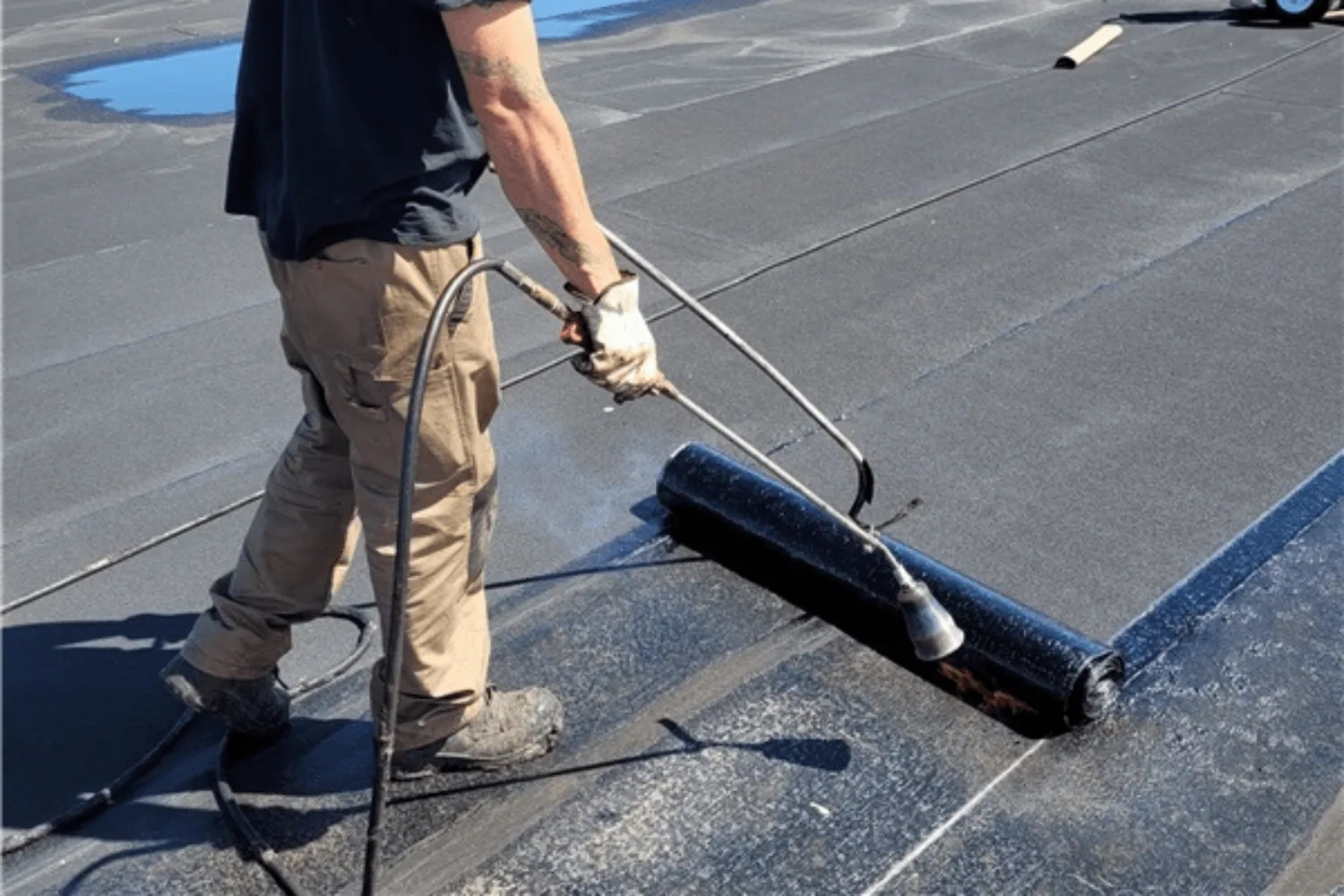
The repair method changes with the existing assembly. A heat-welded membrane, a flexible EPDM sheet and a coated surface need different preparation and materials. We identify the system from records and visible seams, then verify before patching. A membrane repair detail is not selected from color alone. If the curb connection is still moving or the underlying insulation is wet, we define the test or removal needed rather than promising a patch will settle the larger question.
Repair choice: set a boundary the owner can check
When damage has a firm edge and dry, bonded material surrounds it, a localized repair may be enough. If similar failures appear at multiple seams or moisture extends beyond the visible opening, the line may need to widen. We mark the proposed limit, show what is included and list any test or allowance separately. This lets the property manager compare the cost of a defined repair with the cost of investigation or a broader replacement scope.
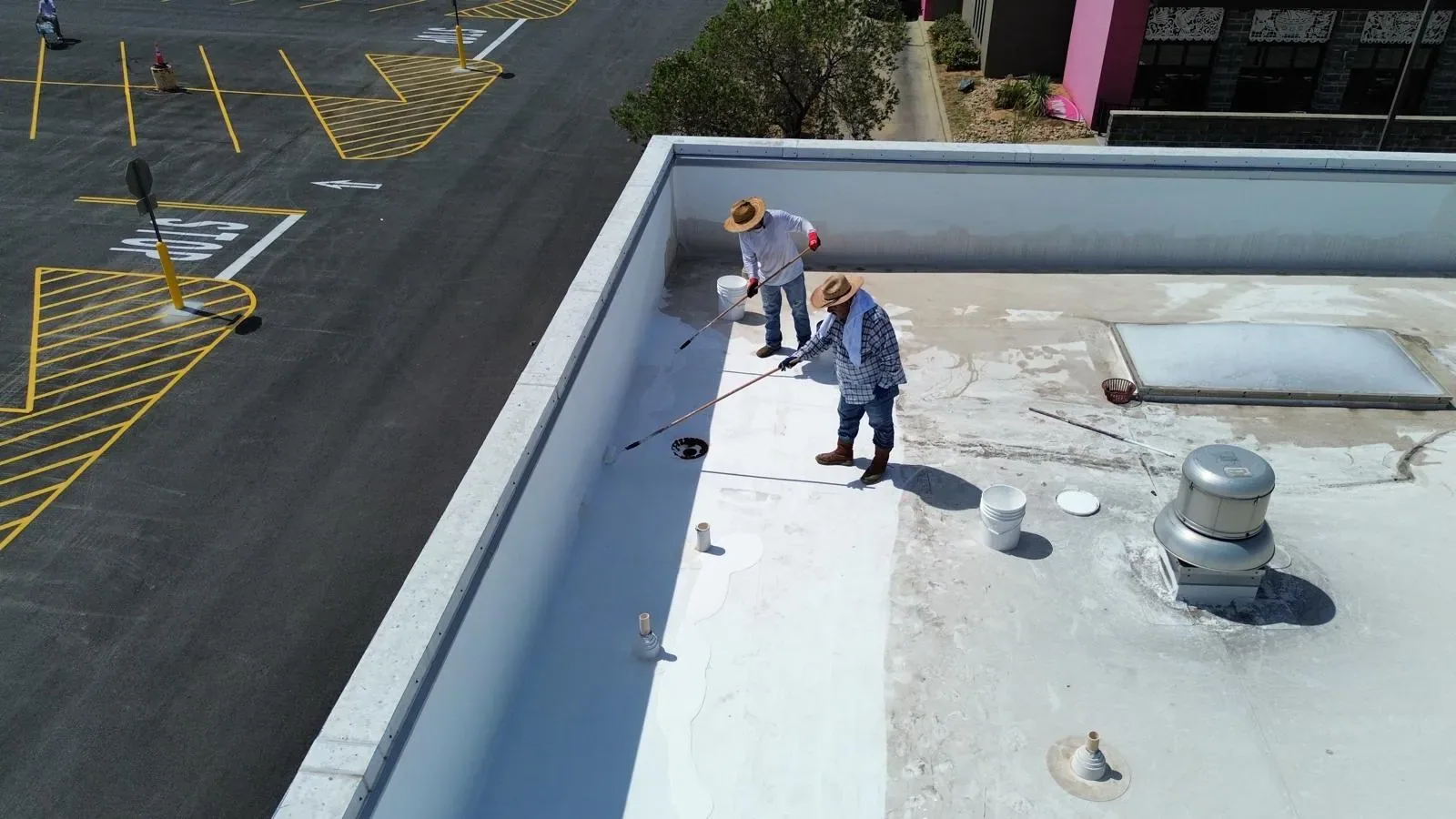
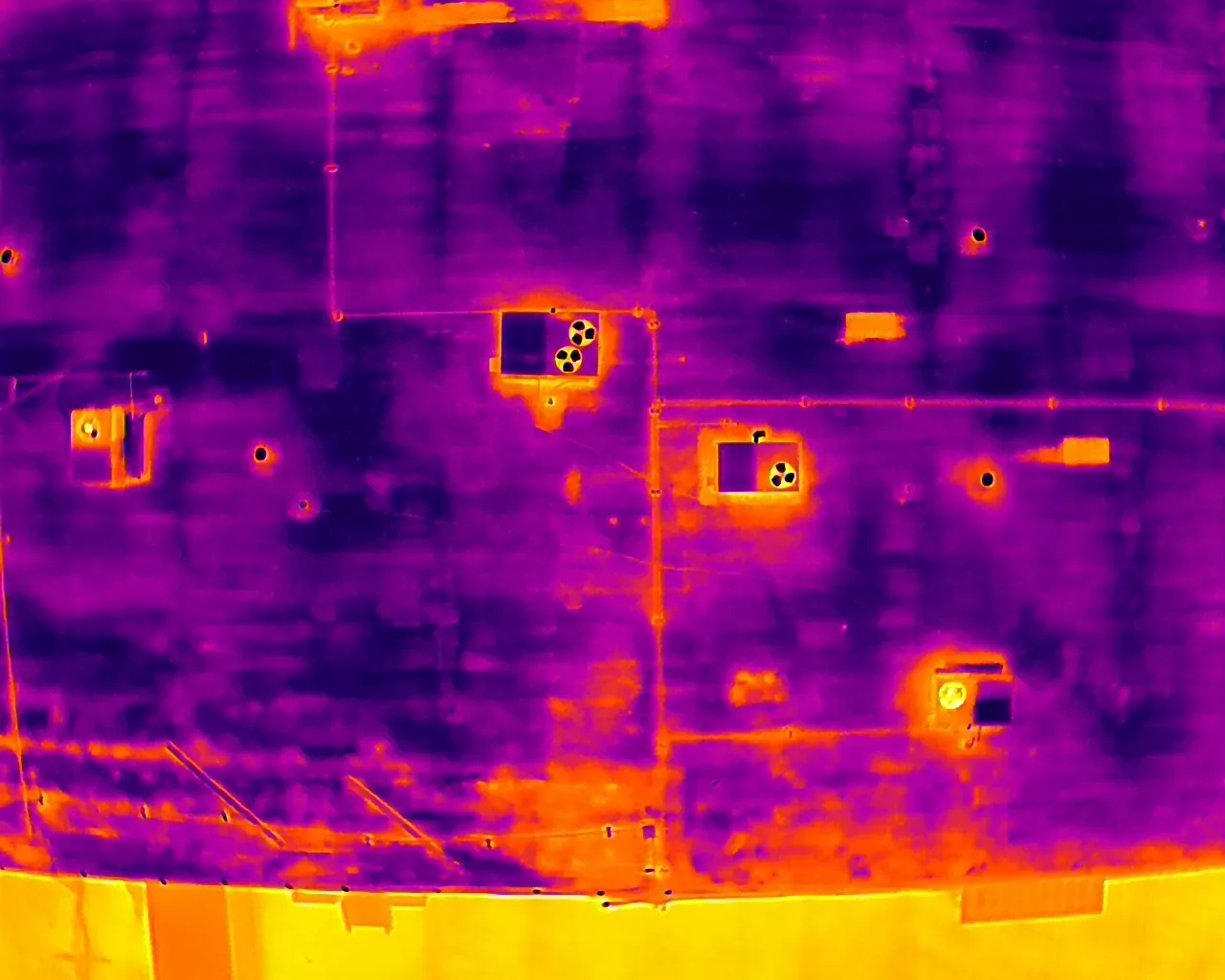
A coating or recover is worth pricing only after checking adhesion, drainage and the substrate below. It cannot correct wet insulation or loose attachment by covering it. We can compare a targeted repair with a restoration scope, and explain when a replacement is the more supportable option. If the existing roof condition is uncertain, a moisture survey can be considered when its results would change the removal boundary.
Access plan: protect the daily route
Roof work can intersect with building entries, service paths and scheduled use. We agree on the access point, staging location and roof route with the property contact before the crew arrives. Where equipment needs service clearance, the walk and repair plan leave that area usable unless a temporary restriction is approved. If the property has an active public route nearby, the manager identifies the boundary.
Weather and surface condition affect when a membrane can be prepared and bonded. If the roof is wet, we may need to document the leak and return for permanent work in a dry window. Temporary water control can be priced as its own task while a test clarifies concealed moisture. We state the access assumptions, materials and cure conditions that shape the schedule so the owner can coordinate staff and other trades without relying on a date that the roof cannot meet.
Roof record: connect each photo to a decision
A photo without a roof location is hard to compare with last season's repair. We label the area, describe the seam or flashing condition and note the water route toward the nearest outlet. The record can identify which materials were verified, which details remain uncertain and whether testing would change the scope. The owner can use it alongside warranty documents, prior service notes and any available roof plan when approving a repair or planning capital work.
An owner with another building in Southcenter or SeaTac Central gets a separate review of access and drainage. For this property, share the address, leak point, roof history and workable access window. We will inspect the actual assembly, draw a repair line and show what evidence would move it.
Commercial Roofing Questions
Can you tell what roof a Factoria office building has before a visit?
Not from the address. We verify the membrane, seams and flashing from records and roof-level observations before choosing a repair material.
Can a curb flashing leak travel to another part of the building?
Yes. Water can move beneath a membrane or along the deck before it appears indoors. We inspect the curb perimeter, nearby laps and low drainage route, then document where testing could narrow the path.
Do Eastgate and Factoria planning studies affect a roof repair?
They are planning items, not a final roof code. We confirm current permit and project requirements for the property and keep the estimate tied to the actual repair or alteration proposed.
When is a moisture survey worth adding to an estimate?
A survey can help when concealed moisture could move the removal boundary or change repair into replacement. We explain what the test can resolve and keep its cost separate from confirmed work.
How do you schedule work around equipment and access needs?
We confirm the roof entry, staging and equipment clearances with the property contact, then set a route that preserves approved service access. Weather and surface dryness determine when lasting membrane work can begin.