

Picking a roof system in Renton, WA, is partly a question of where water goes in a wet season and partly a question of what the building does underneath. Sea-Tac normals show 39.34 inches of precipitation a year, with November and December far above July, so a system that drains cleanly and welds or seals tightly at every lap has an advantage. A warehouse, a clinic and a light-manufacturing shop in the Valley can each point to a different best answer, and the right one shows up once the roof has been walked.
Roof System
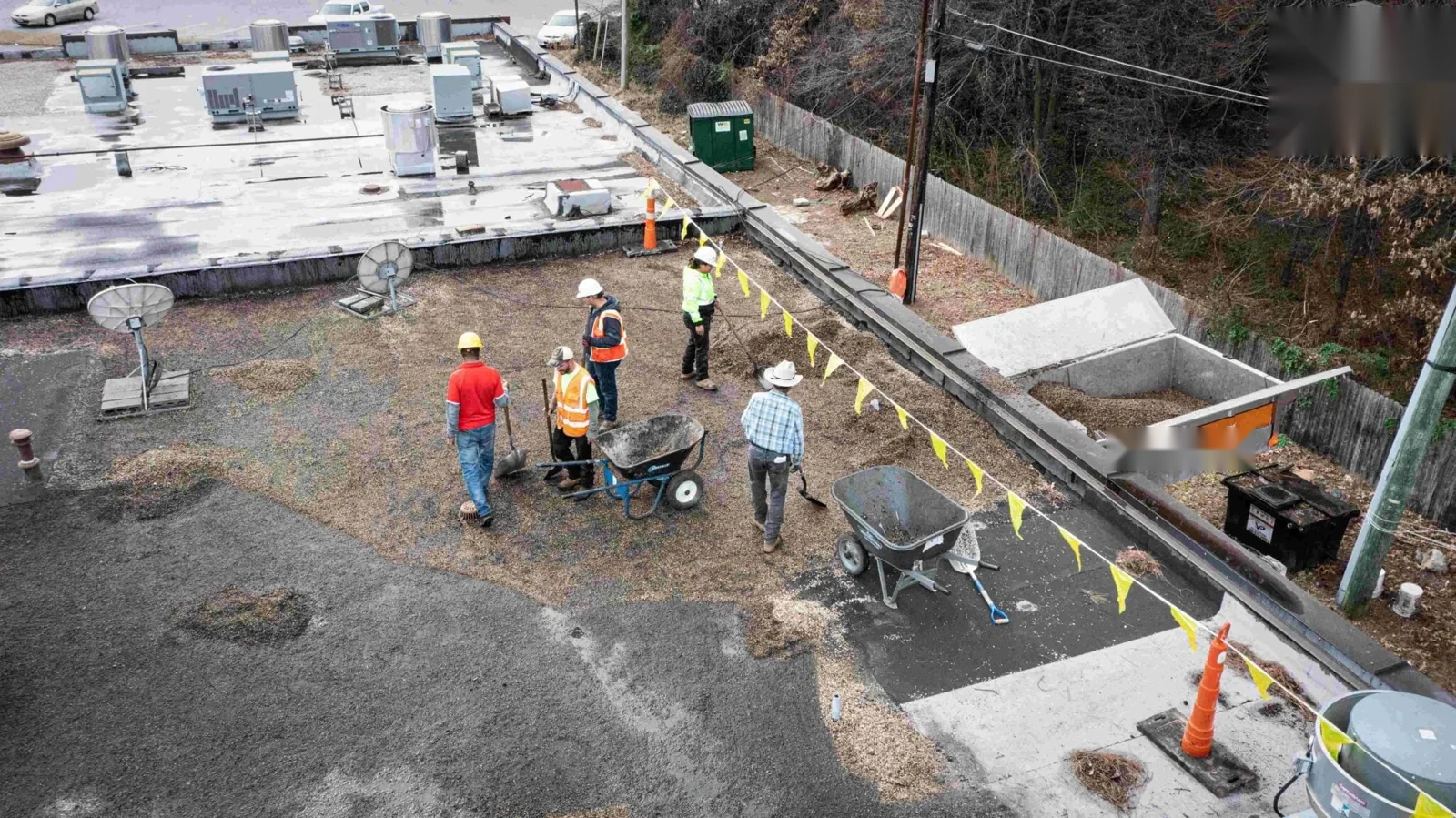
TPO Roofing
Review TPO roofing for commercial properties in Renton, from seam welds and drainage to insulation and occupied-building access. Plan a roof walk.
Roof System
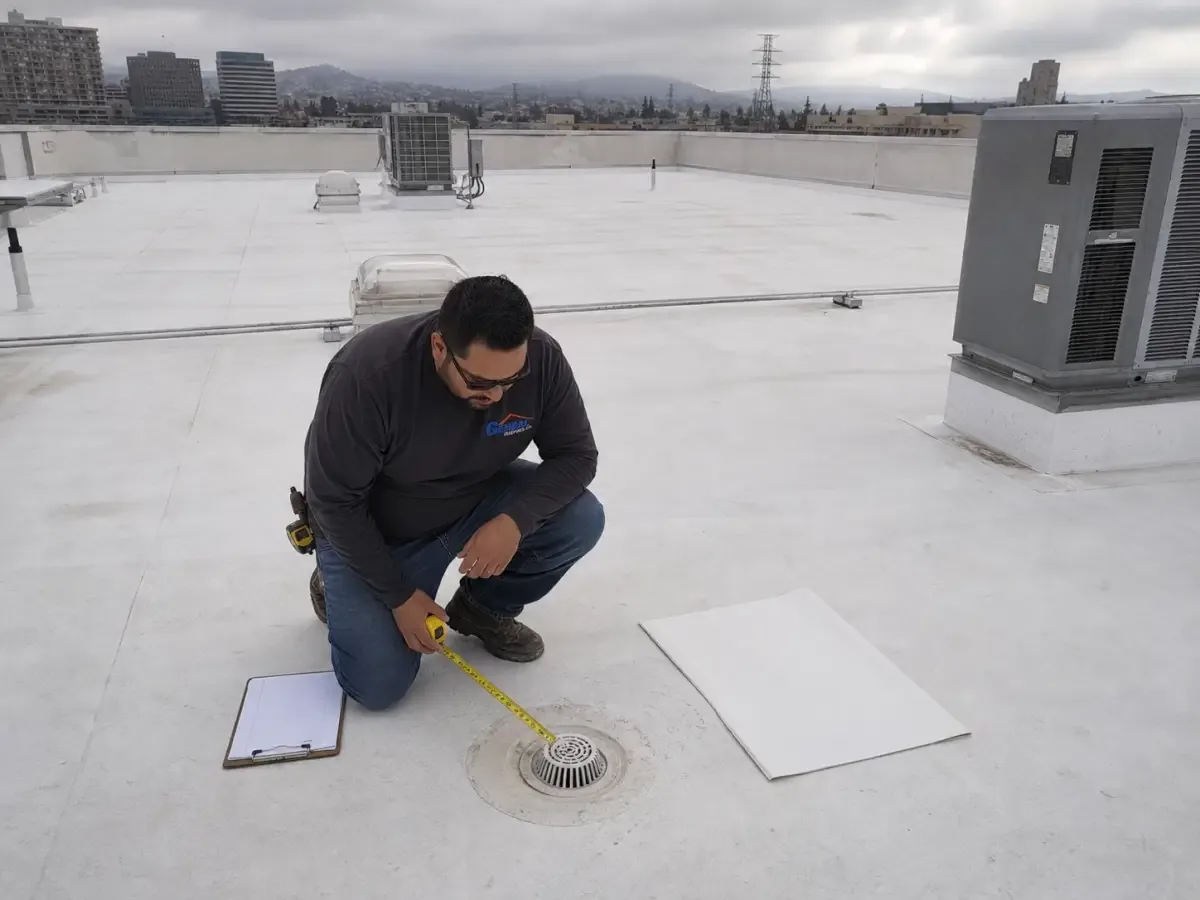
PVC Roofing
Compare PVC roofing for Renton commercial properties, including welded seams, chemical exposure, drainage and occupied-building work windows.

Roof System
EPDM Roofing
Assess EPDM roofing in Renton with attention to seams, flashing, drainage and the insulation below. Compare repair and replacement options for your building.
Roof System
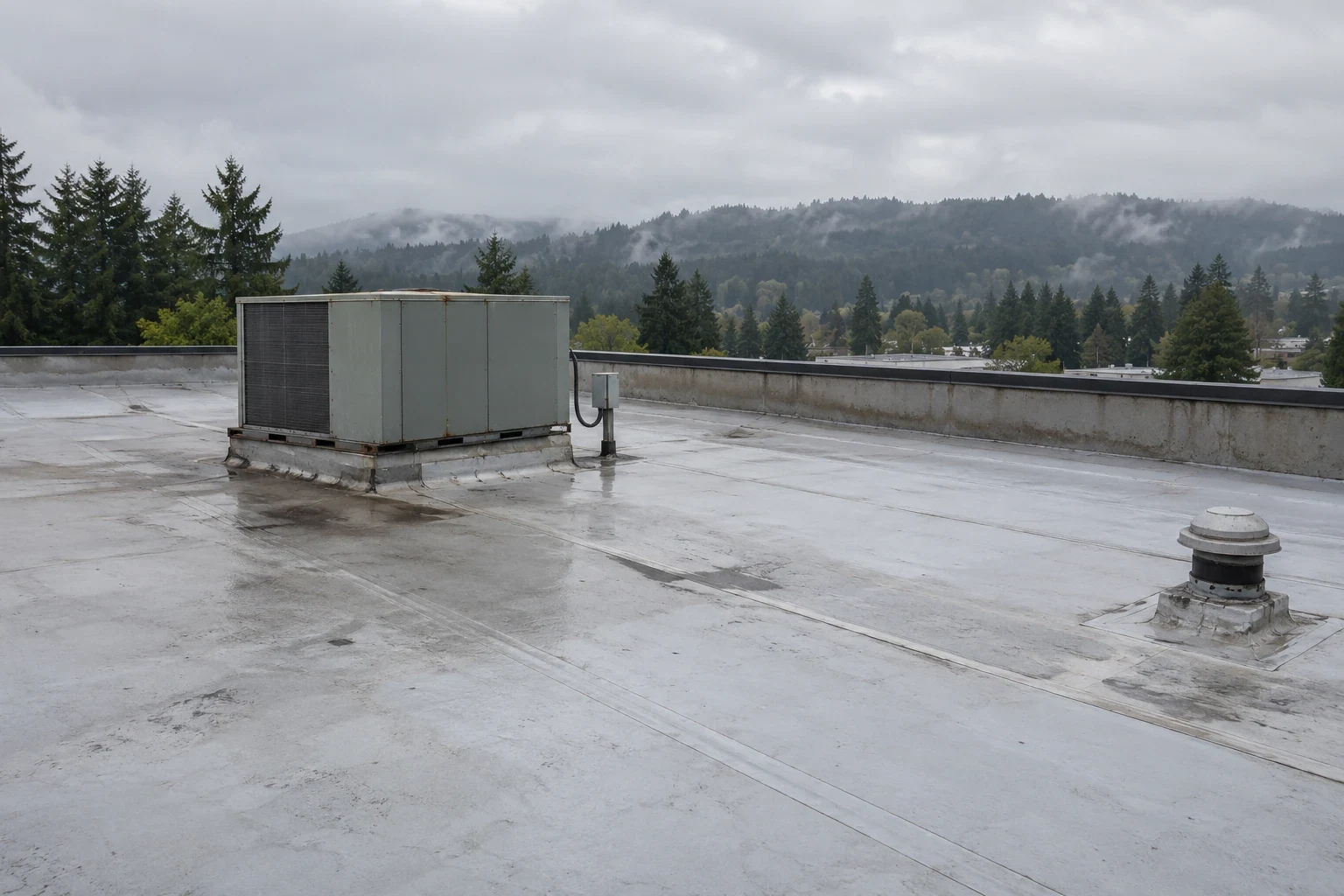
KEE Roofing
Review KEE roofing for Renton buildings, from welded seams and chemical exposure to flashing, drainage and repair options for the existing roof.
Roof System
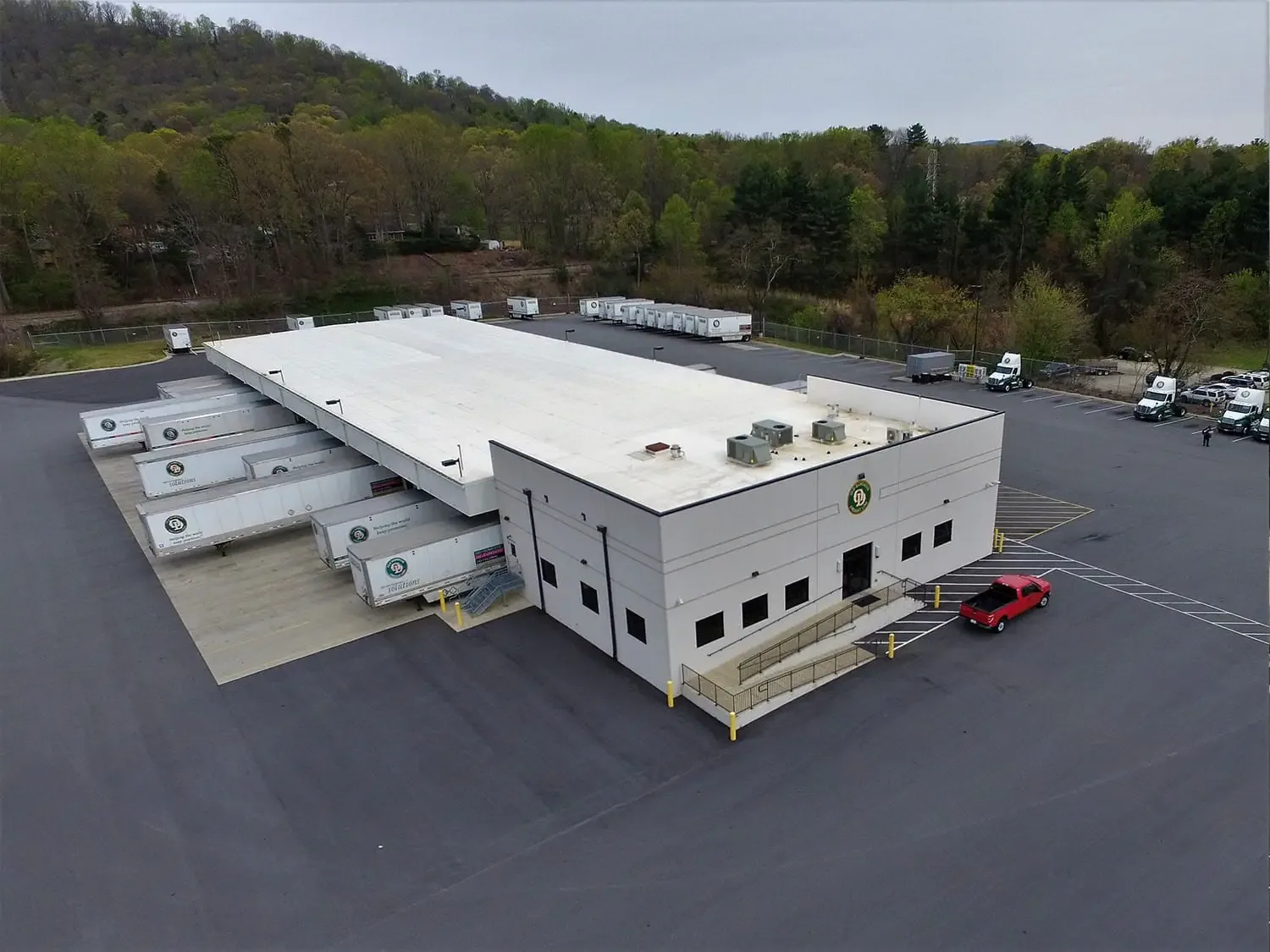
Modified Bitumen Roofing
Evaluate modified bitumen roofing in Renton by checking seams, surfacing, drainage and insulation before choosing repair, recover or replacement.

Roof System
Built-Up Roofing
Inspect built-up roofing in Renton by tracing water across its plies, surfacing, drains and flashing before comparing repair or replacement.

Roof System
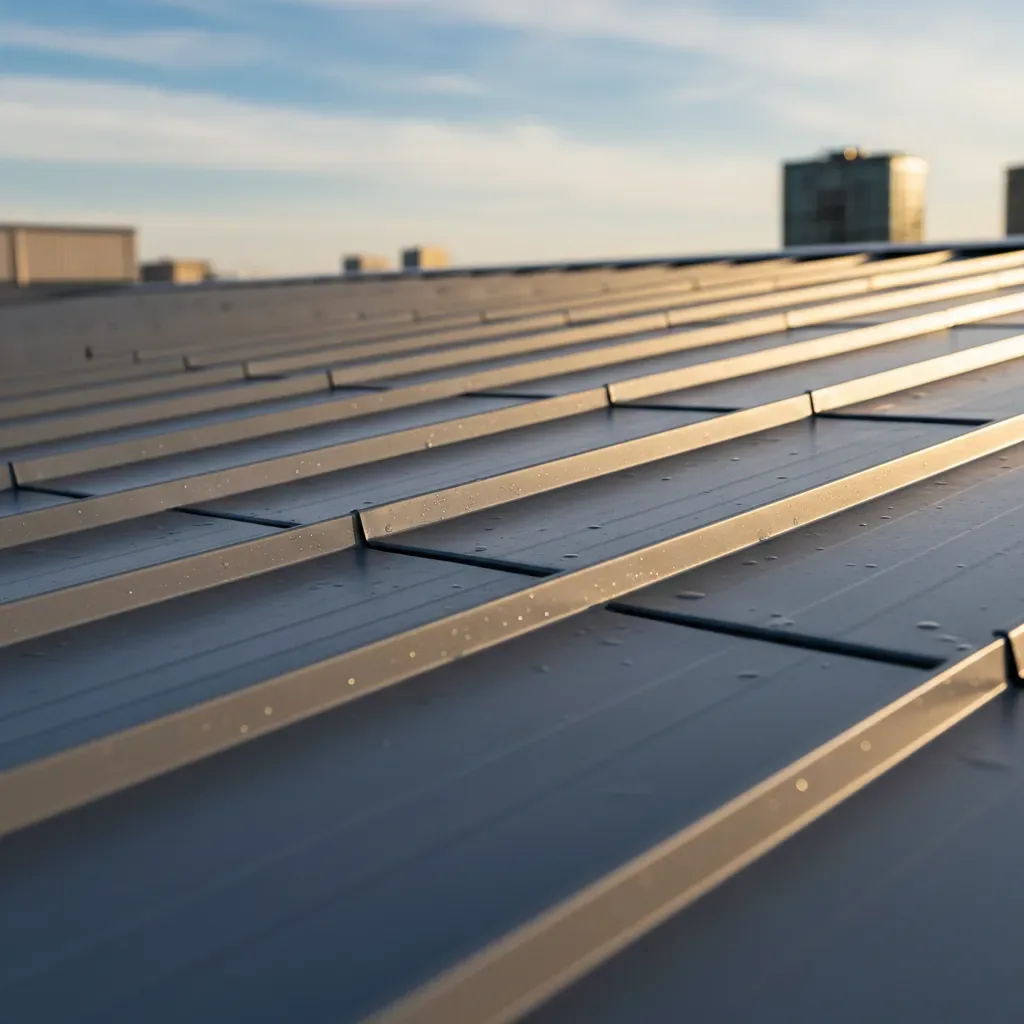
Standing Seam Metal Roofing
Inspect standing seam metal roofing in Renton for panel movement, clips, fasteners, flashing and drainage before planning repair or retrofit work.
Roof System
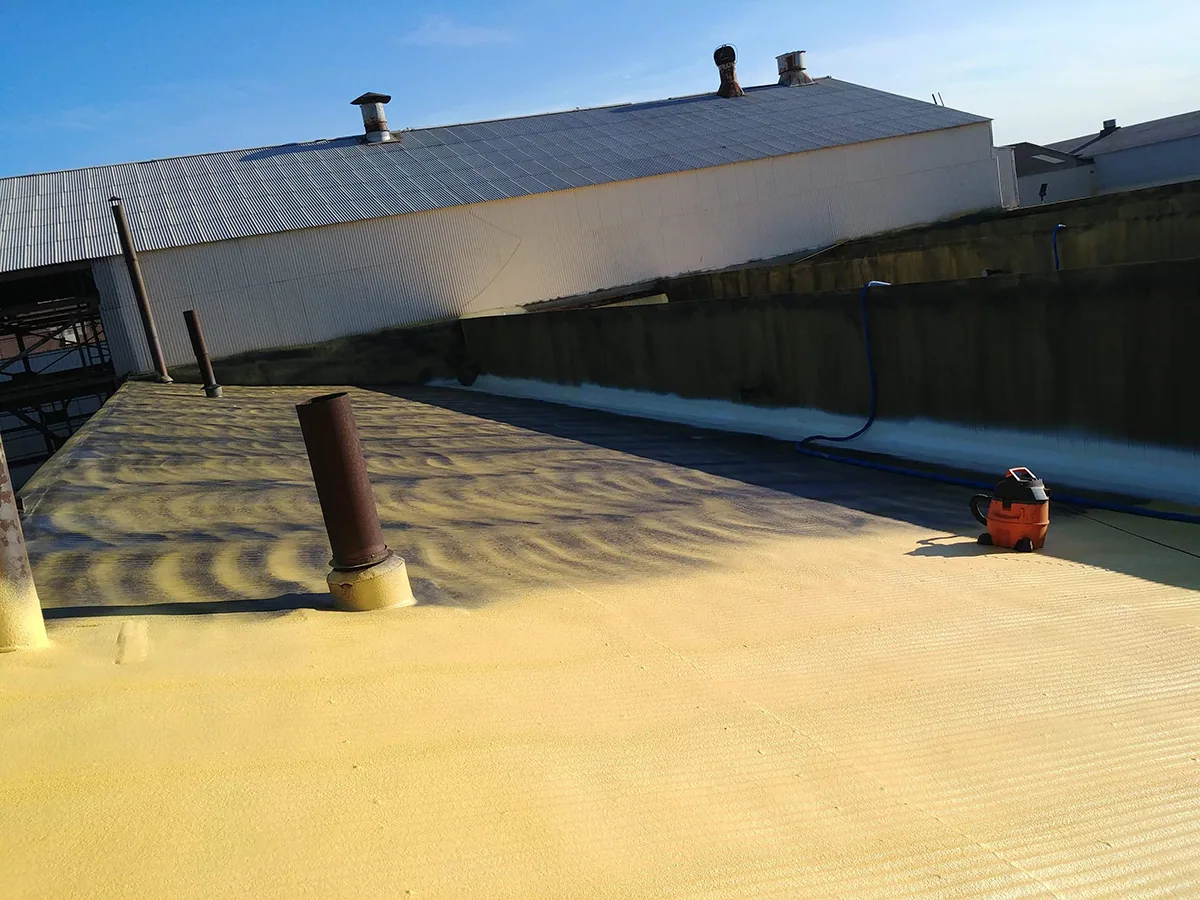
Metal Roof Retrofit
Assess exposed-fastener metal roofs in Renton for panel condition, fasteners, moisture and drainage before planning a retrofit or replacement.
Roof System
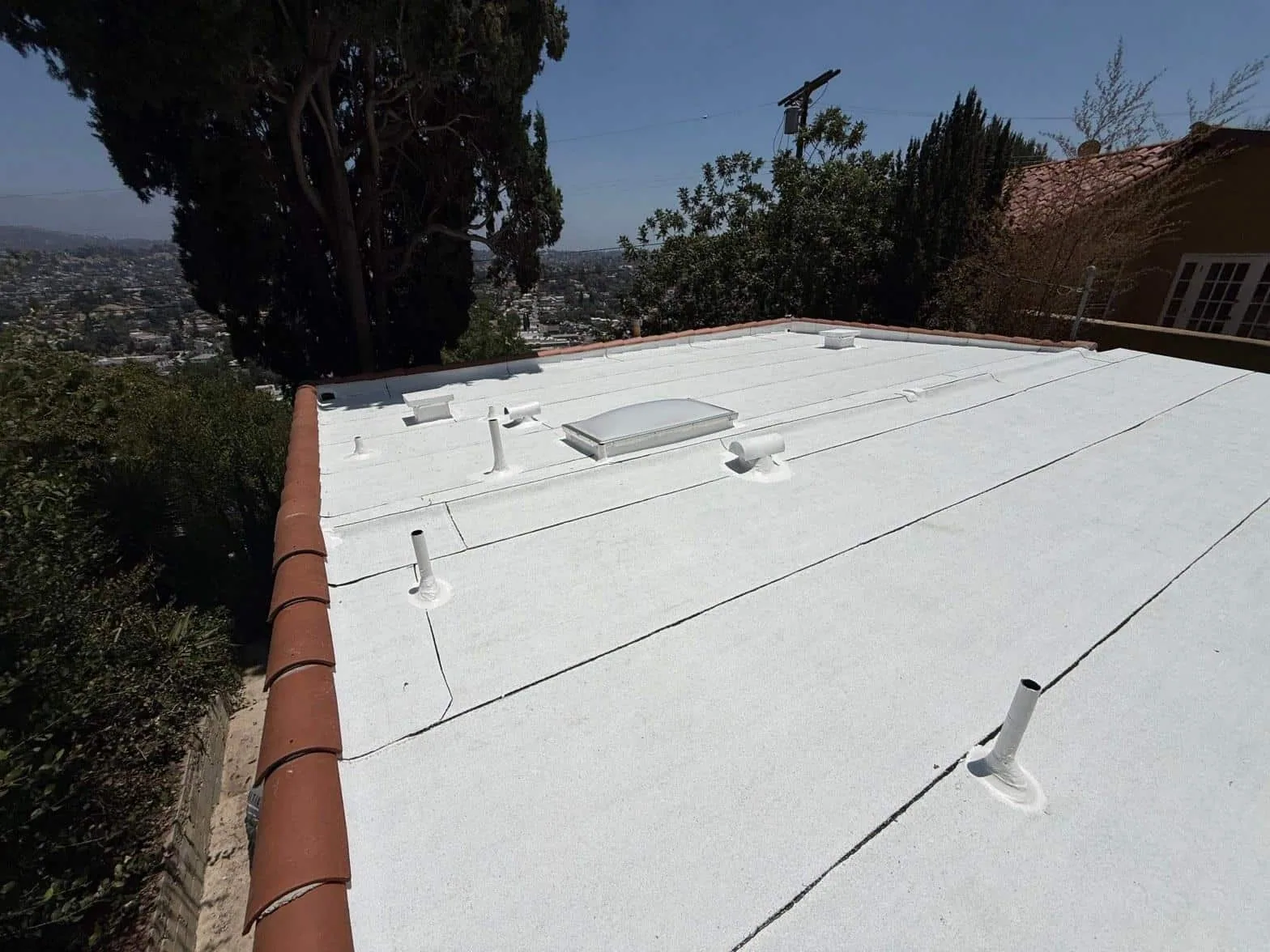
Spray Polyurethane Foam Roofing
Review spray polyurethane foam roofing in Renton, including substrate preparation, drainage, foam repairs and protective coating condition.
Roof System
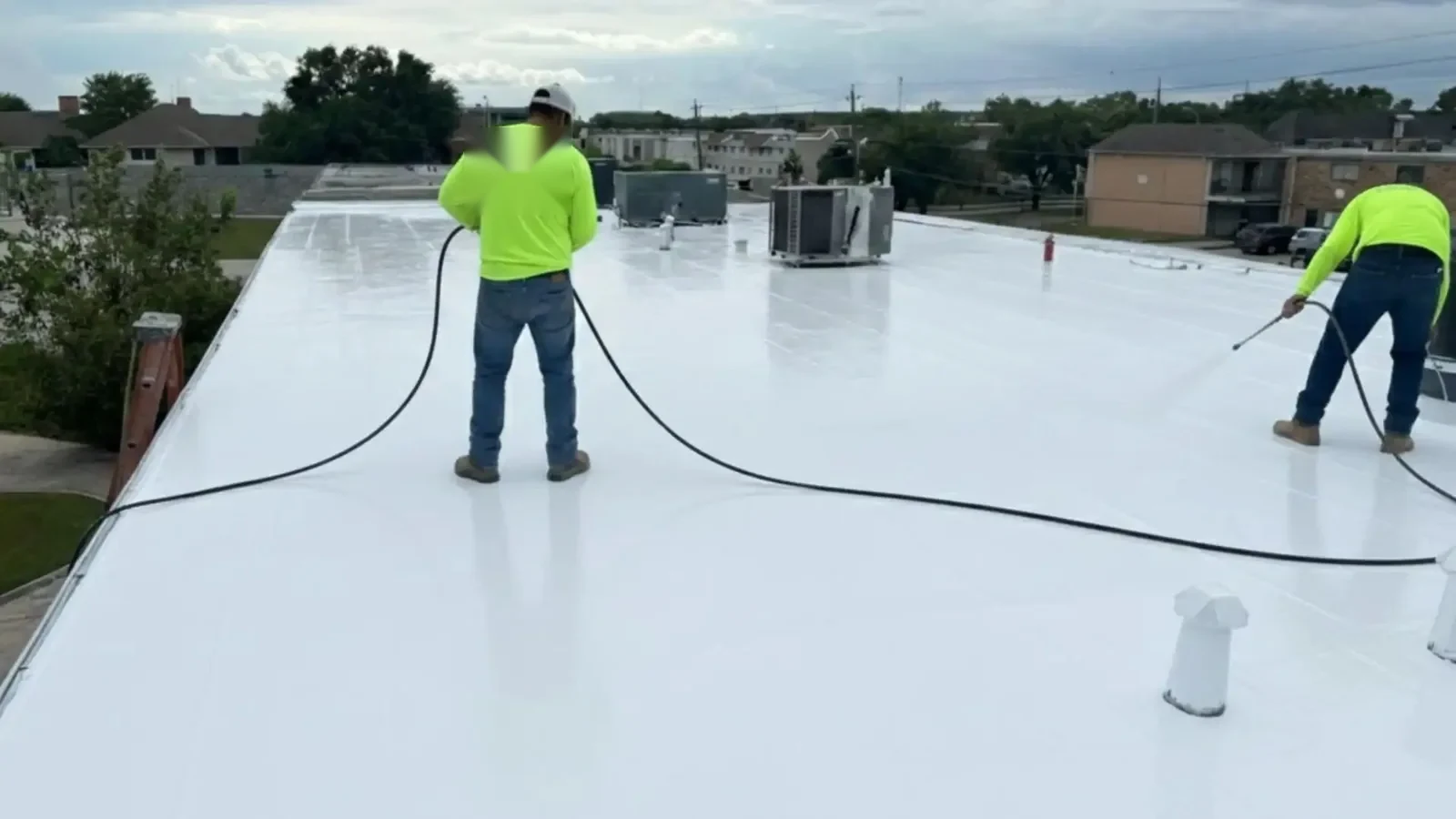
Silicone Roof Coatings
Evaluate silicone roof coatings in Renton by checking the existing membrane, adhesion, ponding, drains and detail repairs before application.
Roof System
Acrylic Roof Coatings
Assess acrylic roof coating in Renton by checking adhesion, moisture, drainage, preparation and the weather window before restoration work.
More About Roof Systems
Single-ply: sheets joined at the laps
Single-ply membranes are common on low-slope commercial roofs. TPO roofing and PVC roofing are heat-welded at the laps, EPDM roofing uses tape or adhesive seams, and KEE roofing is a PVC variant with added resistance to oils and grease. The lap is the detail worth testing on any of them. A probe along the seam shows whether the weld or tape bond is holding, and a test at each pipe boot shows whether the flashing still grips, which is why those two checks come before any talk of replacement.
Layered systems: more plies, more thickness
Modified bitumen roofing and built-up roofing stack reinforcing plies and surfacing. They suit roofs with equipment traffic and give a thick, redundant membrane, though hot work or adhesives call for fire watch, odor planning and tenant notice.
Metal and foam: long runs and sealed surfaces
Standing seam metal roofing sheds water quickly on sloped roofs. A metal roof retrofit restores exposed-fastener panels, and spray foam roofing adds insulation and a continuous surface where many penetrations break up a flat roof.
Coatings: restore a roof that is still sound
Silicone roof coatings tolerate ponded water, and acrylic roof coatings suit roofs that drain freely. Either needs dry insulation, a clean surface and a dry stretch, so the window between wet seasons matters.
Choosing: let the water path and the use decide
The first walk traces the low route to each outlet and tests the laps, boots and metal corners on the way. Then it sorts the options by what the building needs: how much foot traffic the roof sees, what equipment sits on top and how long the owner expects to hold the property. Renton's mix of professional offices, healthcare and logistics means no single system fits every roof, and the written record explains why one was chosen.
Commercial Roofing Questions
Which system handles a long wet season best?
Any system that drains to its outlets and has tight laps and flashings performs well. The drain route and the laps matter more than the brand of membrane.
Can a coating replace a failed membrane?
Not when insulation is wet or the membrane is failing across the field. A moisture survey and a few test cuts show whether the roof is a candidate.
How do I compare two bids for different systems?
Compare expected life, repair cost, access needs and how each system deals with drains, curbs and edges. We write those items side by side.
Does the building use change the choice?
Yes. Kitchen exhaust, foot traffic, rooftop equipment and tenant sensitivity to odor all steer the selection.
Send the roof history and the building use
Send the Renton address, what the building is used for, the roof history you have and a workable access window. The first roof walk will show which systems fit.