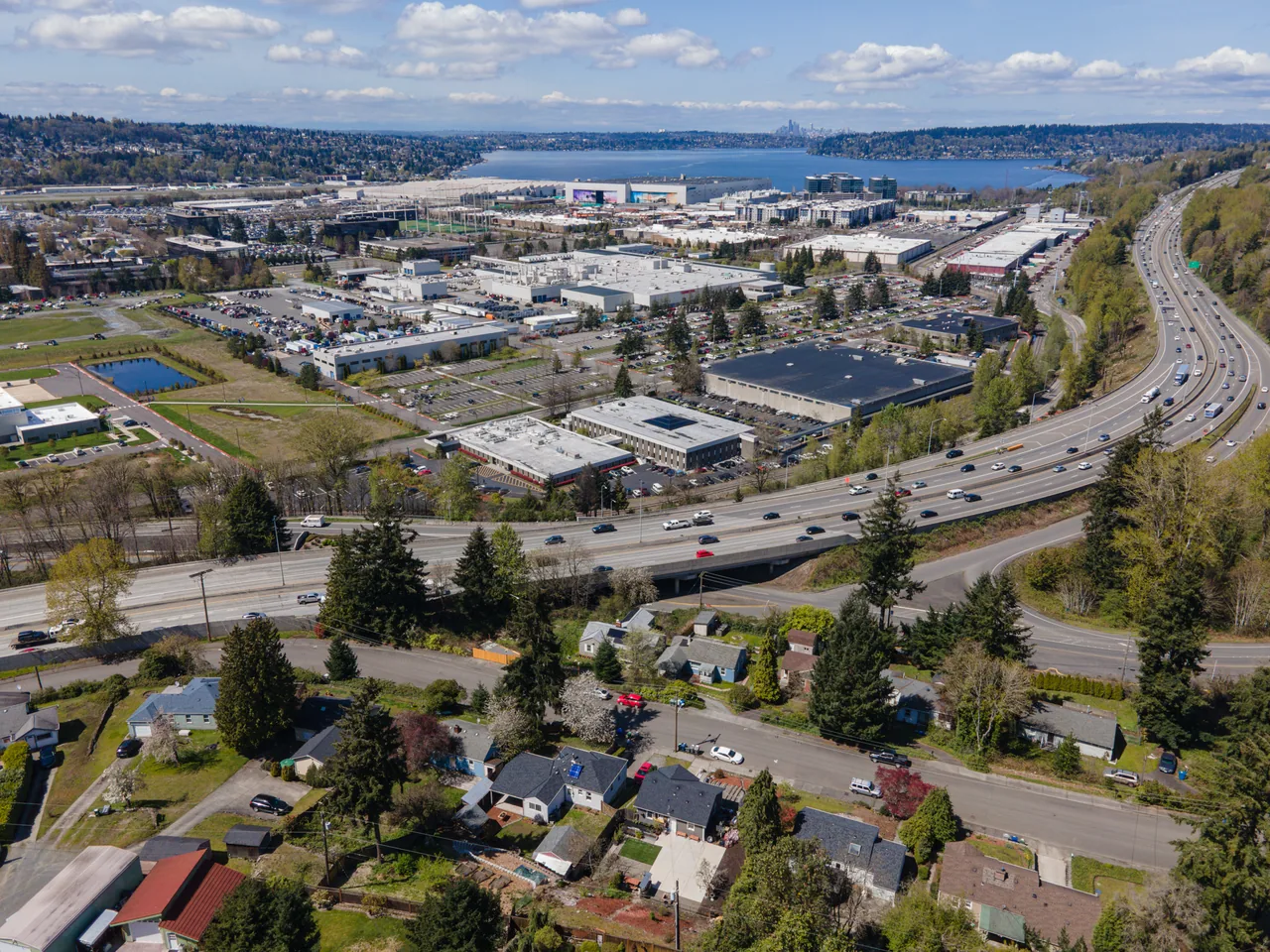
A roof leak above a production line can turn a small flashing defect into an access and shutdown question. Our first walk maps the water path, the equipment below it and the areas that must stay in service. In Renton, the Valley Subarea is an industrial and warehousing district between I-405 and SR 167, and the city identifies manufacturing and logistics as major economic strengths. The site's roof, process layout and work windows then set the scope for any one plant.
Sea-Tac's November and December precipitation averages are far above July, so temporary protection and drain readiness deserve attention before the wet season. We record the existing membrane, seams, curbs, exhaust points and service routes, then sort observations into immediate water control, planned repair and longer-term assembly decisions. That gives operations and facilities staff a concrete basis for choosing what can be repaired during production and what needs a coordinated shutdown.
Production access: define the safe work zone
Before work is scheduled, we ask what runs below the repair area and what must remain clear above it. That may include material movement, exhaust, intake, controls, chemical handling or overhead service paths. The project contact identifies the operating restrictions; we mark them on the phase plan and coordinate any equipment shutdown or trade work before roof removal.
Renton's aerospace supply-chain work includes tooling, composites, precision machining, electronics and maintenance, and a plant in the Renton Valley Subarea may carry exhaust and process piping that a storage roof does not. For a warehouse roof, loading can drive access; at a distribution center, receiving sequence can shape staging. Each scope starts with the responsible site's operating plan.
Overhead cranes, tall process piping and exhaust stacks narrow the safe lift positions, so the roof drawing marks where the crew can stage a lift without crossing a restricted work line.
Roof access should be coordinated with the people responsible for overhead lines, exhaust and process utilities. We identify the work zone, note clearances and decide whether a temporary barrier or spotter is needed below. If a production area cannot be interrupted, the plan should show how crews and materials reach the roof without crossing the restricted route.
Roof walk: connect defects to what is below
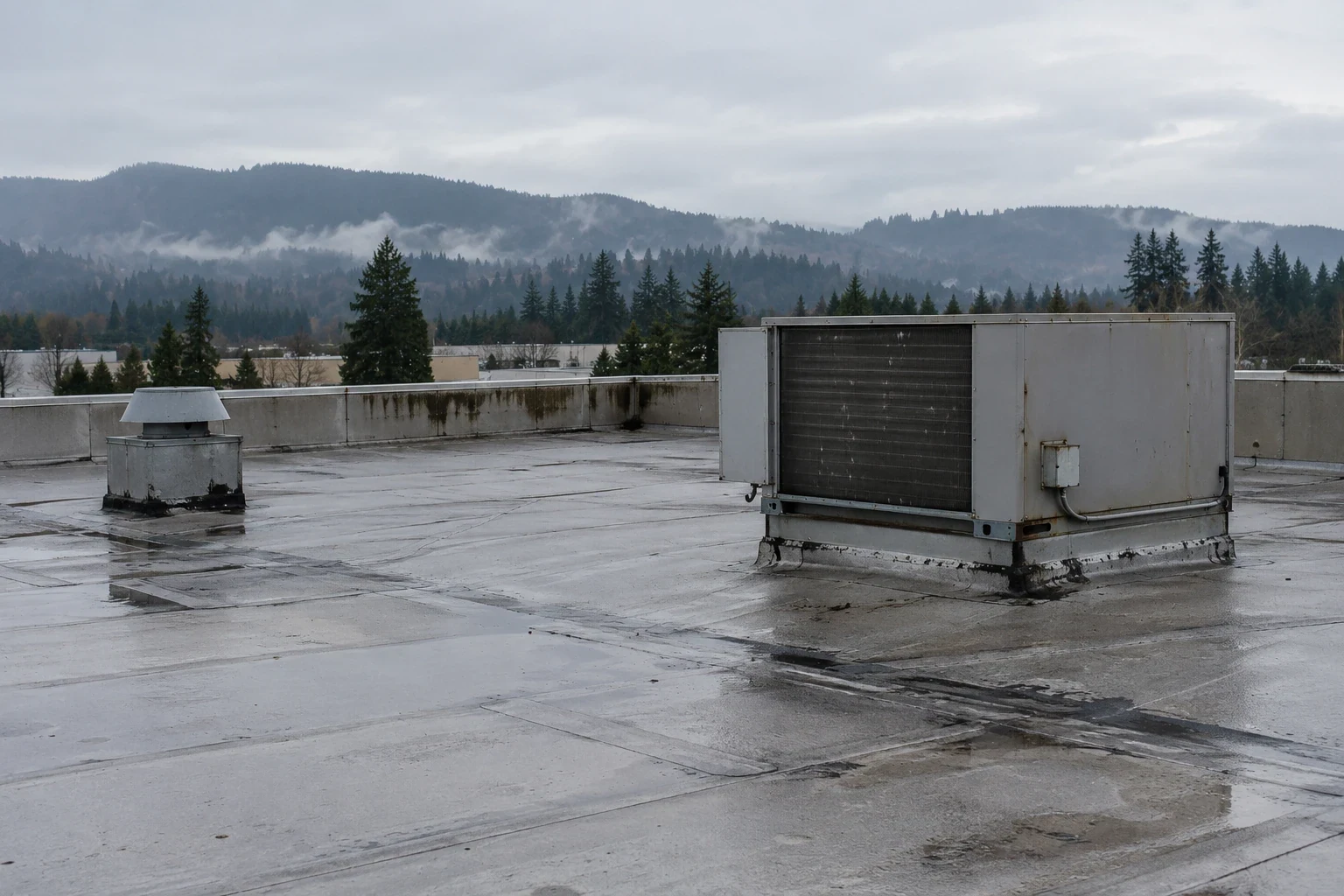
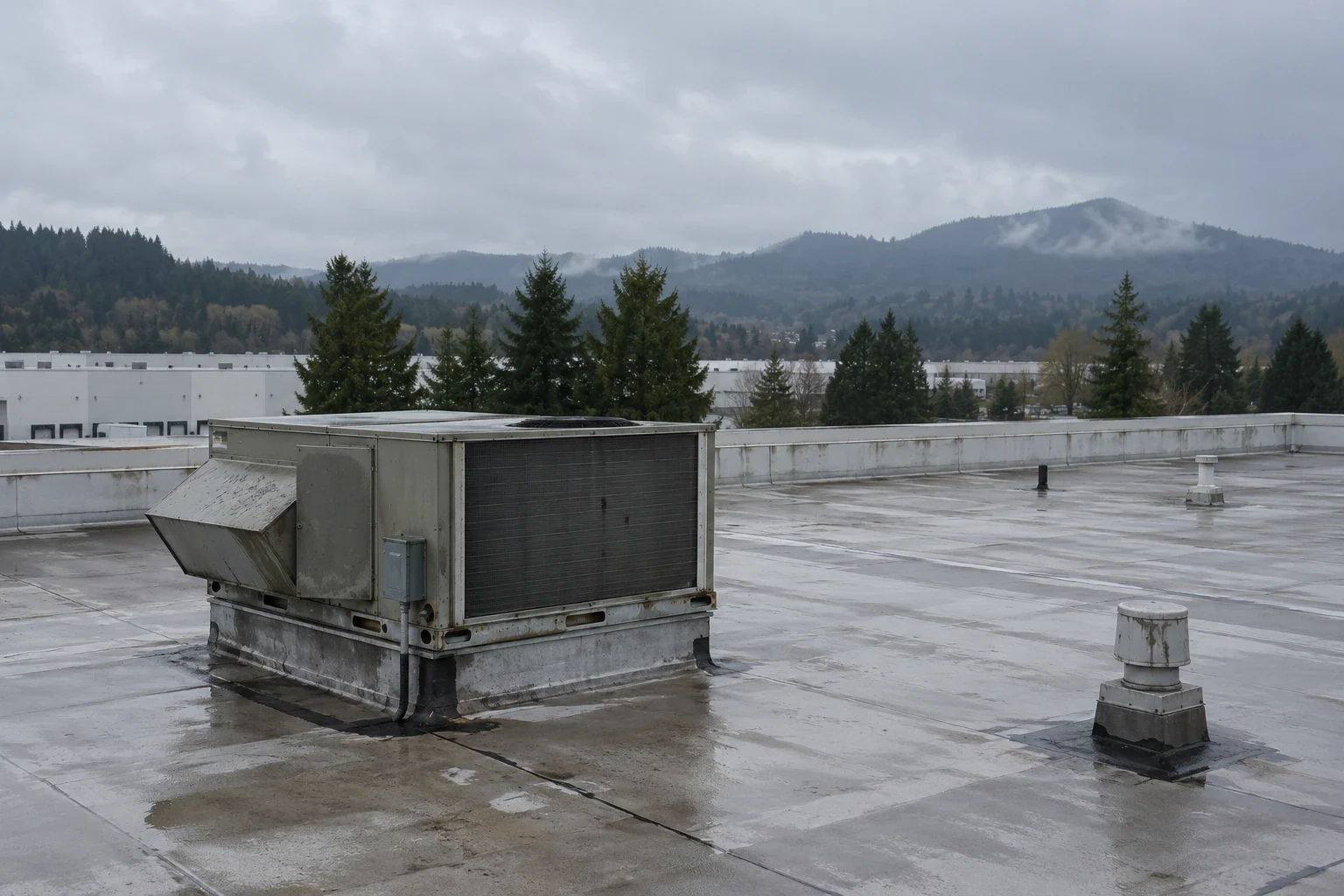
We inspect membrane seams, penetrations, curbs, drain bowls, perimeter edges and transitions around rooftop equipment. Interior leak reports are compared with the roof layout rather than treated as an exact map of the opening. Water may move laterally before it appears inside. We note the route, test limits and locations that were not safely accessible, then identify whether a moisture survey or test cut could change the recommendation.
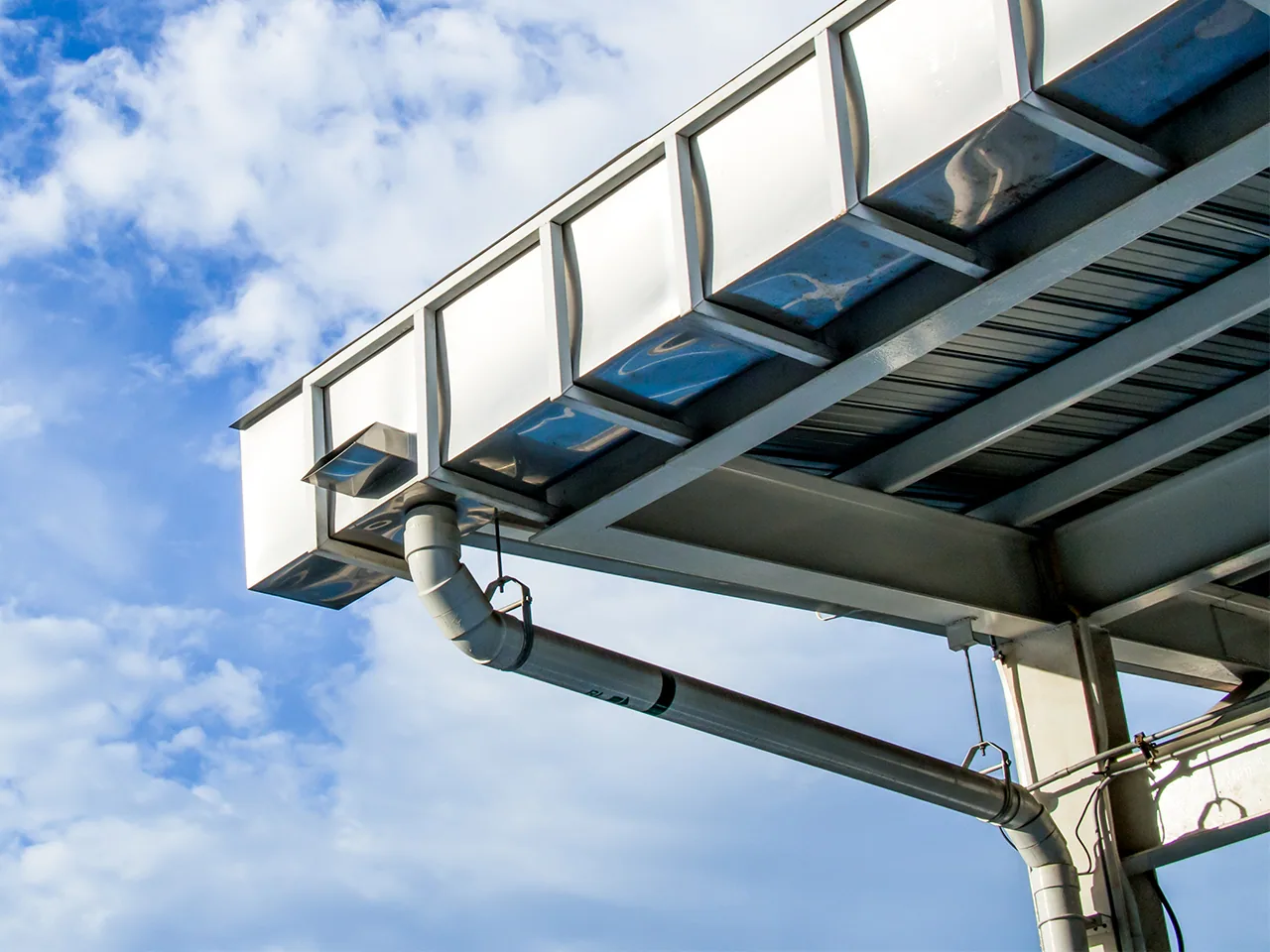
A commercial roof inspection can document the starting condition, while drain and scupper service addresses blocked or damaged outlets. When exhaust curbs or service lines are involved, we record their clearances and flashing details before recommending a repair. A plant near Downtown Renton gets the same roof-specific review.
Plant roofs can include more than one membrane or repair generation. We note visible layer changes, abandoned penetrations and prior patches, then ask for maintenance records that may explain when those areas were altered. When the record and roof differ, the estimate identifies the uncertainty instead of silently assuming one continuous assembly.
System choice: repair a detail or compare assemblies
A single seam split or failed penetration may call for a bounded repair. Repeated moisture, wet insulation, loose attachment or broad membrane deterioration can support a replacement comparison. We describe the evidence for each condition and separate confirmed observations from hidden layers. If an opening is needed, the proposal should identify its location, restoration method and how the result could change the larger decision.
Where the existing roof can remain, a recover review compares a new layer with removal; a coating stays on the table only once the moisture, adhesion and drainage questions have answers. Production exhaust that reaches the membrane belongs in that same conversation, because a surface that stays oily will not hold a repair. A specified membrane must suit the substrate, chemical exposure, traffic and service clearances actually present. The scope names preparation, insulation, perimeter metal, curb work and tie-ins. A replacement estimate should also show removal and disposal assumptions so the owner can compare the full assembly rather than a surface product alone.
For a busy facility, repair boundaries also need a cleanup plan. We identify where removed material will travel, how tools are secured and when walkways below can reopen. Those details belong beside the roofing scope because a sound repair still has to fit the plant's access rules and daily operation.
Wet-weather sequence: protect the process below
When an existing roof is opened, temporary cover must keep water away from both the deck and the operation below. We plan the daily stopping point, protect exposed edges and keep drain routes clear. If the forecast changes, the team needs a defined closeout step and a record of the area left under protection. The plant contact confirms when work can resume and whether any below-roof inspection is needed.
Rain planning also affects material staging and roof access. We divide the scope so one section can be made watertight before the next begins, then coordinate delivery timing around the facility's restrictions. A storm damage repair can address a limited opening or displaced detail, while a longer project may need phased protection across several work areas. We document each phase boundary, the conditions observed and the next inspection point rather than promise that a schedule will ignore weather.
Turnover record: make maintenance actionable
At closeout, a marked roof plan should identify repaired seams, curbs, drains, replaced materials and any area that could not be inspected. Photographs tied to those locations help facilities staff compare a later leak with the completed work. We list open items and recommended follow-up separately so a maintenance team can assign them without rereading a construction narrative. The plan should name who receives the record.
Engineering, architecture, legal, finance and technology firms make professional services Renton's largest employment sector, so an owner coordinating designers, consultants and operations staff may want one record they can all read. A condition report can organize observations for that review. Send the roof plan, leak history, process restrictions and access window, and we can set the first inspection route with your facility lead.
Commercial Roofing Questions
Can roof work take place while production continues?
Sometimes the work can be phased around operating areas, but a lift, exposed deck or equipment move may require a shutdown window. We confirm the site's restrictions with its contact and define which areas remain open before the sequence is approved.
How do you protect rooftop exhaust and service equipment?
We map curbs, intakes, exhausts and service paths during the roof walk. Any move or shutdown is coordinated with the responsible trade, and the scope identifies the flashing or protection work tied to that equipment.
What points toward replacement rather than repair?
The pattern and extent of failure matter. We compare seams, attachment, moisture findings and repeat leak areas, then explain what is visible and what would need testing before a replacement recommendation is made.
Can a coating solve recurring plant roof leaks?
Only if the existing surface, moisture condition, adhesion, drainage and details support it. We inspect those conditions first and explain when a coating remains a candidate or when repair or replacement needs comparison.
What information helps plan a manufacturing roof inspection?
Share the roof plan, prior leak locations, equipment layout, process restrictions, shutdown windows and access rules. Those details help set a safe route and show which observations need follow-up testing.