Commercial Roofing Built Around the Building
A ceiling stain in a Renton, WA, building is rarely the end of the story, and it is the story that Commercial Roofing Renton is built to follow. Someone sees a darkened tile, a damp wall base or a puddle that stays after the rain, and the question reaches a property manager, a facilities lead or an owner. We walk the roof, trace the water back to the opening, test what we find and write down the result in a form the next person can use. The work is practical and weather-aware, and it is aimed at the people who keep commercial buildings running.
We repair, replace, recover, restore, coat, inspect and maintain low-slope and metal commercial roofs. Emergency response runs around the clock, all week, holidays included.
What we do: from the first leak call to the long-term plan
The roofing services we offer follow the life of a commercial roof. A leak starts with commercial roof leak repair. A planned job may be a commercial roof replacement or a roof coating restoration, and preventive maintenance keeps outlets clear and flashings tight in between.
We install and repair TPO, PVC, EPDM, KEE, modified bitumen, built-up, standing seam and retrofit metal, spray foam, and silicone and acrylic coating systems. Which of those roof systems fits a building depends on drainage, equipment and use, and we explain the reasons before a choice is made.
How we work: the water path first
Every roof walk follows the same chain. We trace the low route to each outlet and examine the membrane laps, pipe boots and metal corners that break it, noting what is wet, what tested dry and where the repair line ends. Hands-on inspection, drone views and infrared moisture surveys are used where they help, and a commercial roof inspection ends in a written report with photographs.
Where a test cut would show what is under the membrane, we say what needs permission before proposing it. The manager then gets a sequence that can be matched to the people who run the property: tenants, operations staff and anyone whose equipment sits on the roof.
Timing is part of the finding. Autumn is the practical window to clear outlets, probe laps and reseal boots before the wettest months, and spring is the window to check what winter left behind. Work that needs a dry stretch, such as coatings or hot-applied details, is flagged with the reason it waits, so a manager can plan around the season instead of being surprised by it.
The market: wet autumns and a working mix of buildings
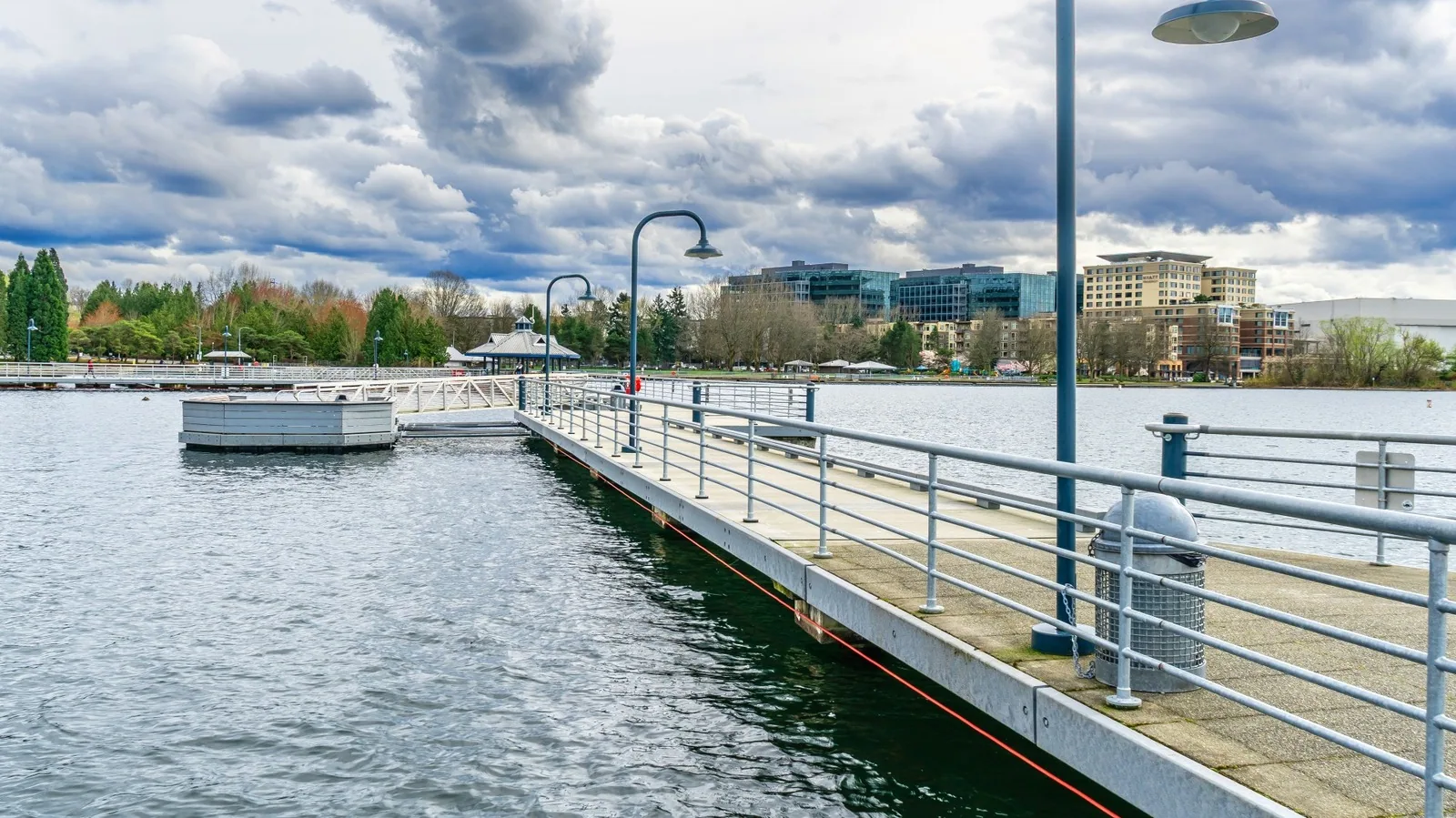
The nearby Sea-Tac station records about 39 inches of precipitation in a normal year, and its November and December averages of 6.31 and 5.72 inches dwarf July at 0.60. That is a regional pattern from a station near Renton, not a reading from any one building, and it explains why drainage and leak checks belong ahead of the wet season. The same normals show a modest 6.3 inches of mean annual snowfall.
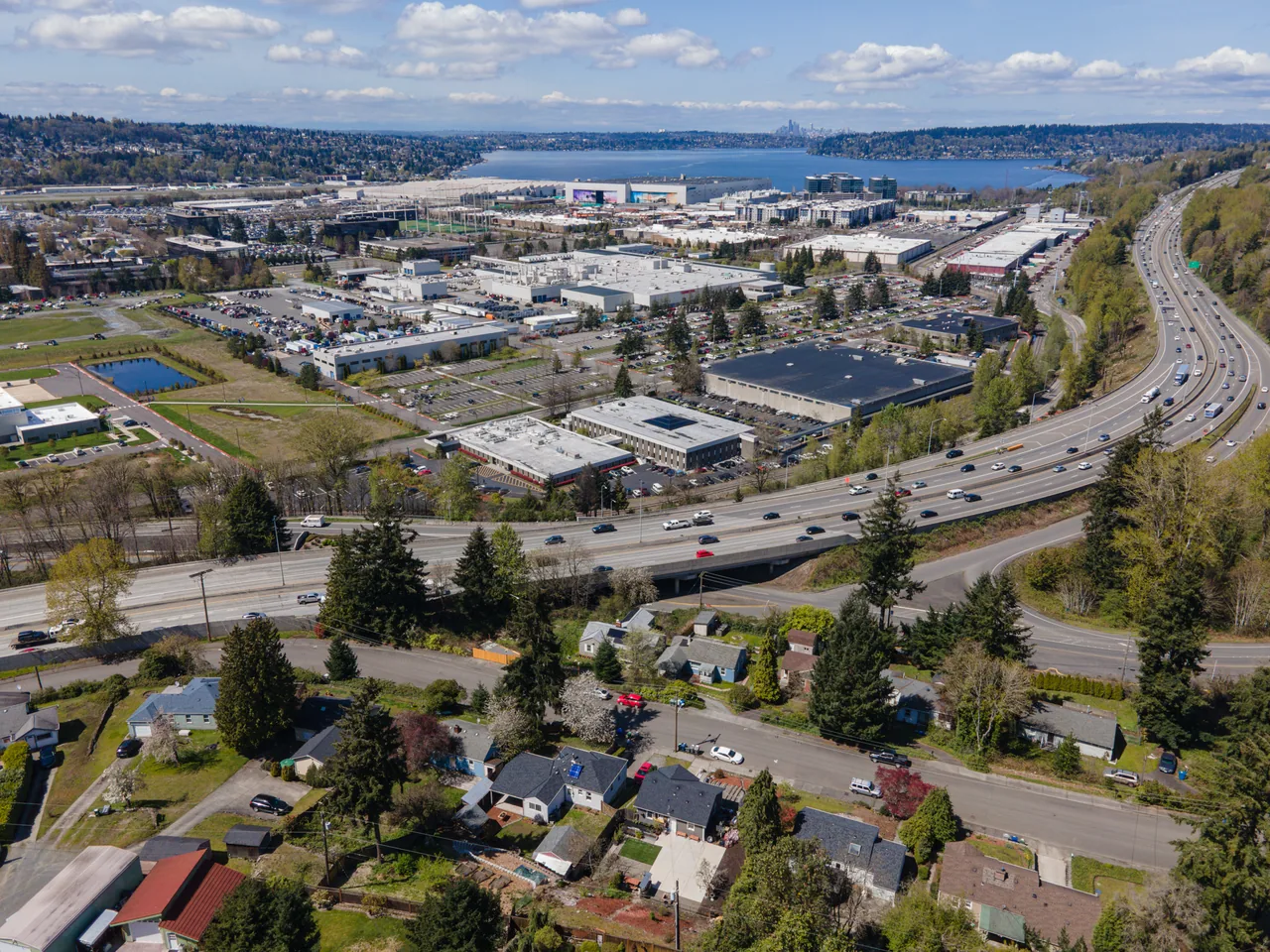
Renton describes itself as an advanced-manufacturing and logistics center, with aerospace supply-chain work among its strengths. Professional services is its largest employment sector at 22,270 jobs, and healthcare supplies upward of a fifth of jobs, with Valley Medical Center among the institutions. The Valley Subarea leans industrial and warehouse by the city's own account, so a day of roof walks can include a dock-side warehouse and a downtown office. The service areas we cover run from those districts to business centers in nearby cities.
Who we serve: managers, owners and operators
Property management companies, owners and investors, healthcare operators, manufacturers, logistics tenants, schools and public agencies each read the roof differently. A manager wants the access window and the tenant notice, an owner wants the repair line and the budget range, and an operator wants to know what the work will do to production or patient care.
The buildings range across the property types that Renton's economy supports: warehouses, offices, clinics, retail, schools, hotels and public sites. We work on occupied buildings and plan around tenants, operations and schedules, with equipment clearance on the roof and entry points on the ground written into the plan before dates are set.
Records: the page the next manager reads first
After a visit the owner receives photographs by roof area, a drawing marking outlets, laps, boots, corners and wet areas, and a list of recommended work in order. When storm or fire damage is involved, we prepare insurance claim documentation from the same photographs, so each item can be matched against the claim.
For owners with several buildings, a roof condition report in one format makes separate roofs comparable. The record is the part of the work that lasts, because a new manager, a lender or the next roofer will want to know what was found and what was done. It also lets a wet-season check in October be read beside a repair made in March, as one history.
Photographs are dated and named by roof area, so a manager reading the file a year later can find the boot or corner without a guide, and an adjuster can match each image to a line in the repair list.
The record is written in plain language, with measurements where they matter and a note on anything that could not be reached. That way a facilities lead, an investor's engineer or a school business office can read the same page and arrive at the same understanding of the roof, and a disagreement about when something opened can be settled from dated photographs instead of memory.
Standards: say what is known and what is not
A regional weather station is never treated as a property reading, and a roof is called sound only after it has been tested. When insulation is wet we say so and show where. When a repair will hold, we price the repair. When replacement belongs in the plan, we give a range and the findings behind it.
Code questions are handled at the permit stage. Washington's 2021 building code has applied since March 15, 2024, with state amendments, and Renton's amendments and the applicable energy code are confirmed with the city for each project. Sites with controlled access, such as a VA campus or a National Guard facility, follow the escort, badging and scheduling rules the site sets.
Questions from Renton Building Owners
What kinds of buildings do you work on?
Commercial and industrial buildings with low-slope or metal roofs: warehouses, offices, clinics, retail, schools, hotels and public sites.
Do you work around tenants?
Yes. The sequence is written with the property manager, with access windows, equipment clearance and notice dates set before work starts.
Is emergency help available?
Emergency response runs around the clock all week. Send the address, where the water shows and a safe access point.
What should I send for a first visit?
The Renton address, where the water appears, the roof history you have and a time when access is practical.
Do you help with insurance paperwork?
We prepare the roof documentation: dated photographs, locations and a repair line. Coverage decisions rest with the insurer and the owner.