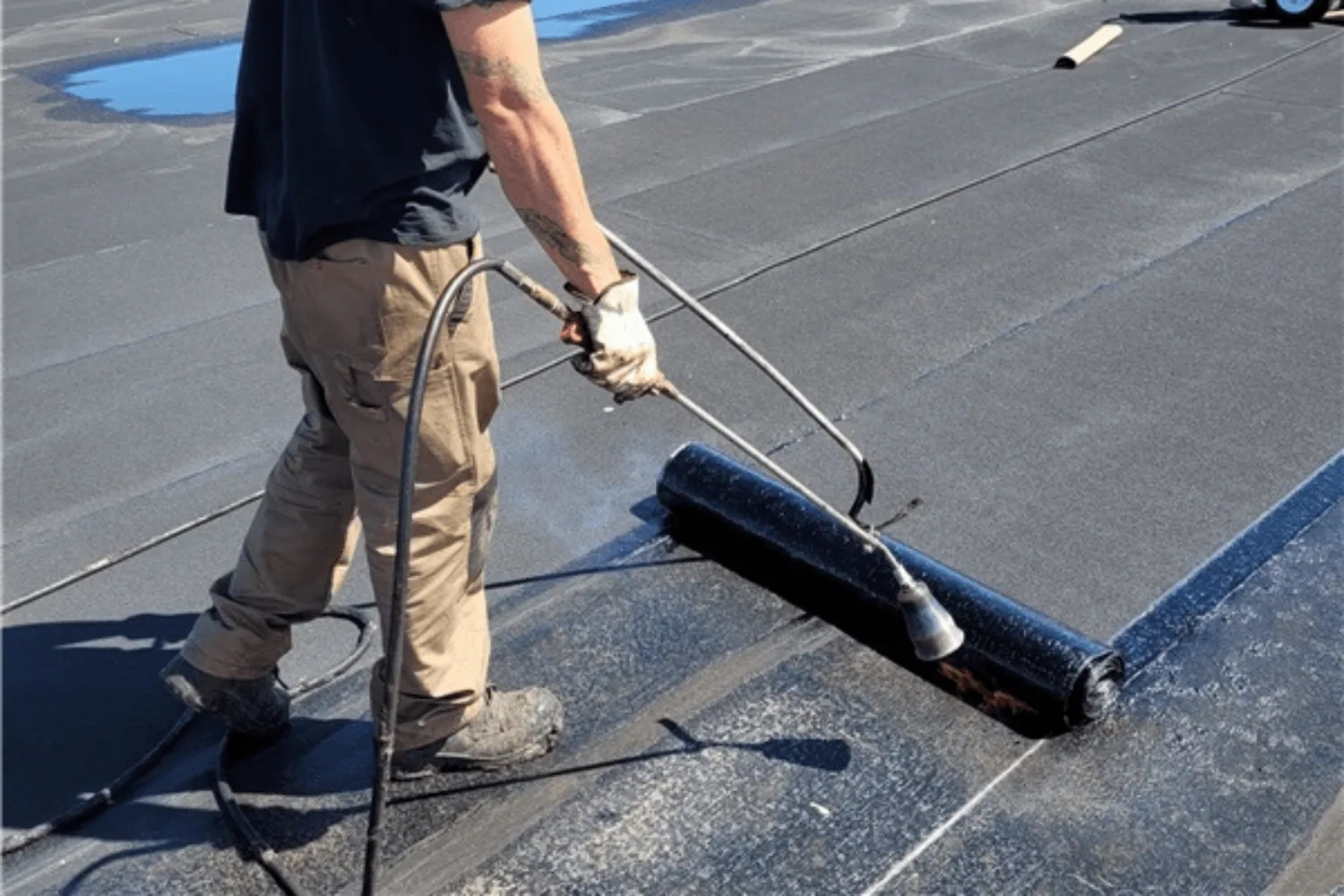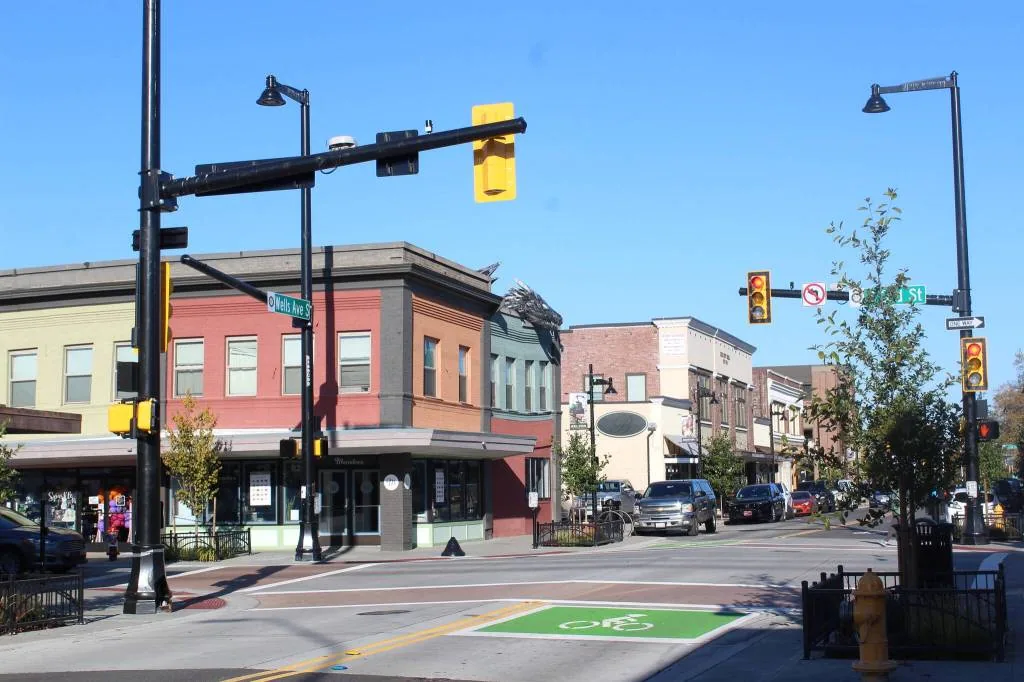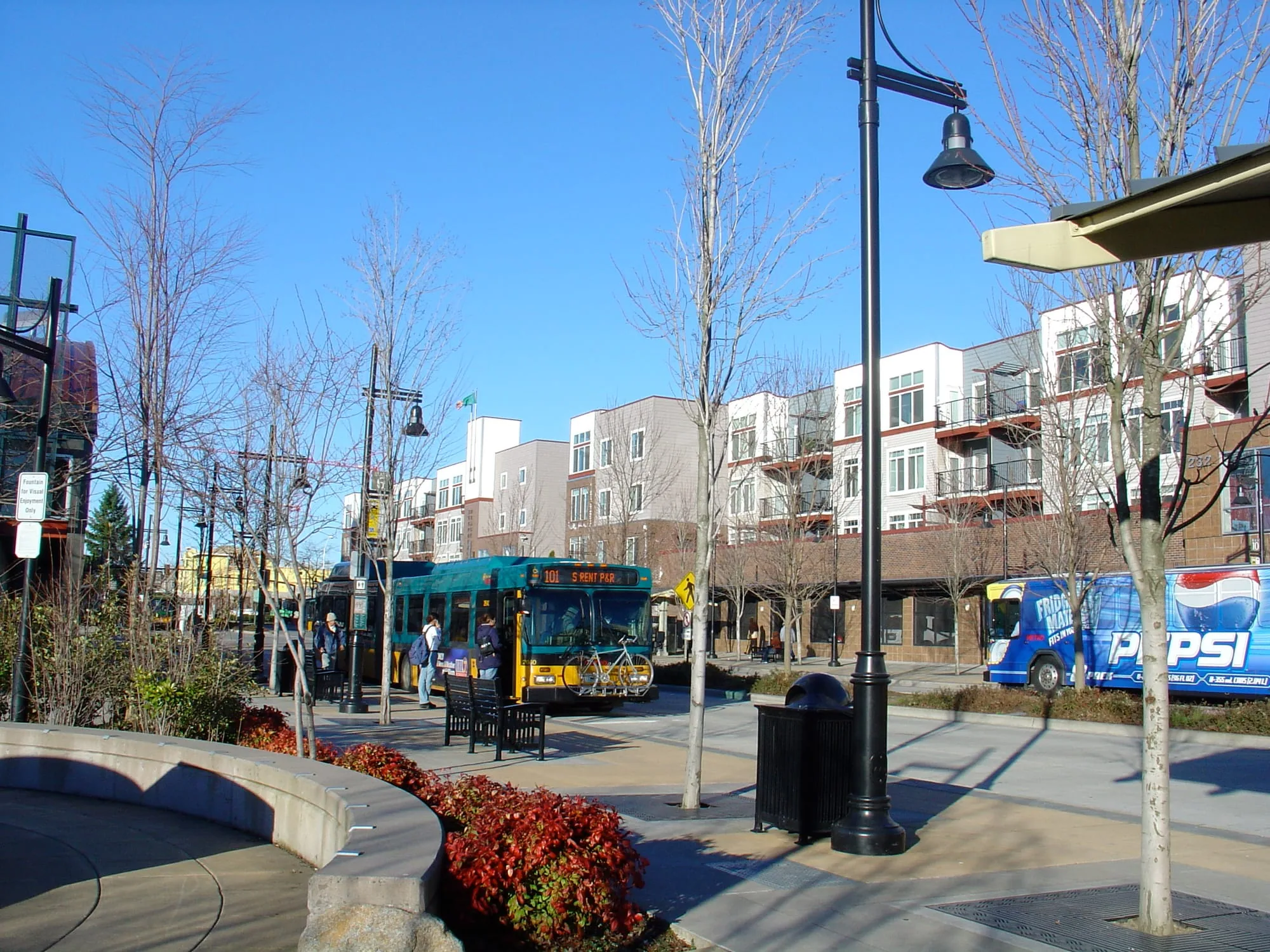
A scupper that spits water against the wall instead of clear of it will stain the face of a building, soak the flashing below and, over a few wet seasons, find its way inside. That is the sort of detail we look at first around the Rainier-Grady Junction, an overlay district on Renton's land-use map. Commercial roofs in the Renton, WA, area meet water the same way wherever they stand: at the drain, the edge, the curb and the seam.
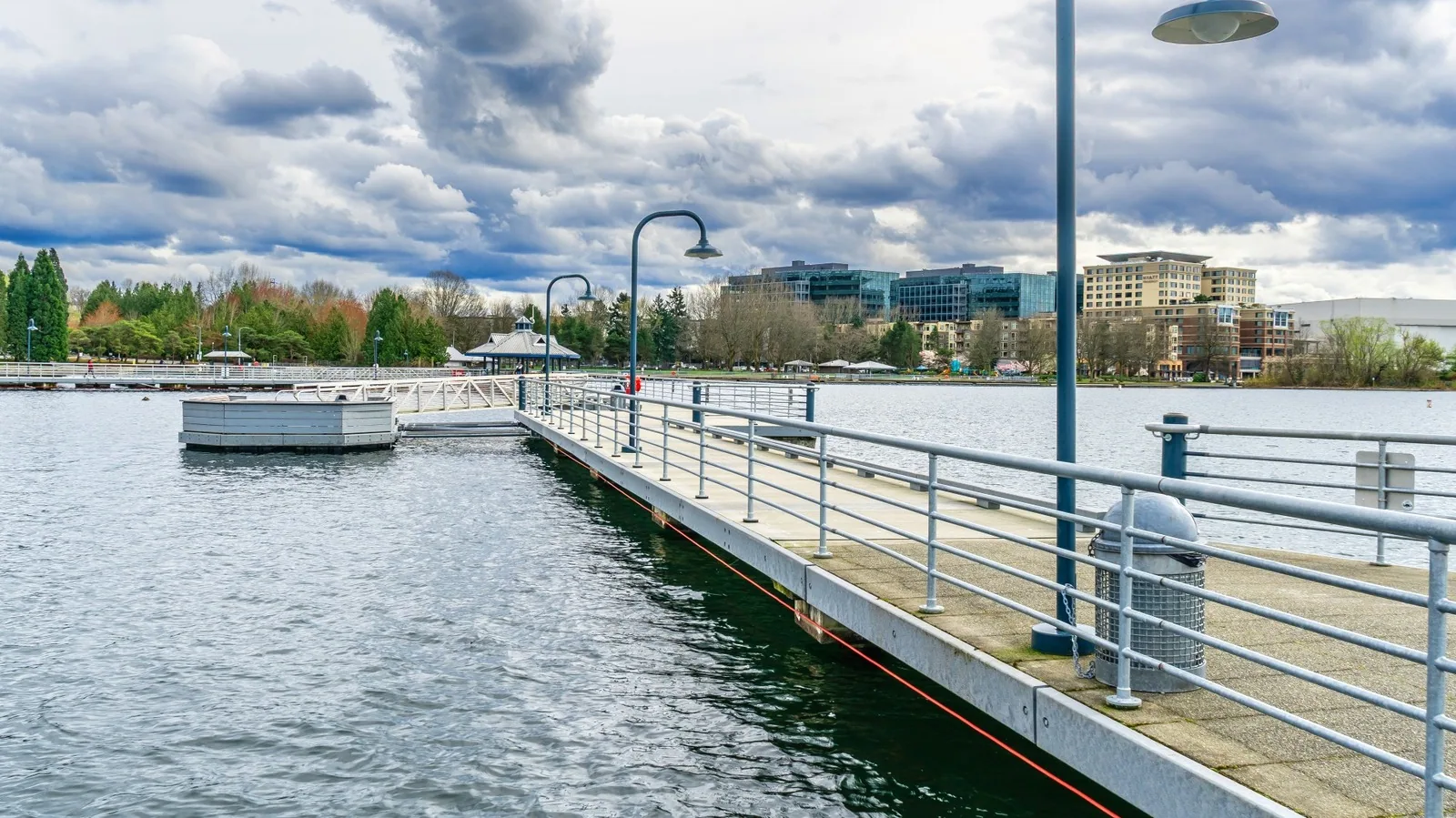
The city's land-use map separates commercial, commercial-office, commercial-office-residential and employment-area classifications, which helps explain why properties around an overlay can differ so much from lot to lot. We do not guess which one a particular building falls into. We walk the roof, record what the assembly is and what the water is doing on it, and then write a scope. A commercial roof repair that begins with that record is easier to price, and easier to check afterward.
Scuppers and edges: where water leaves the roof
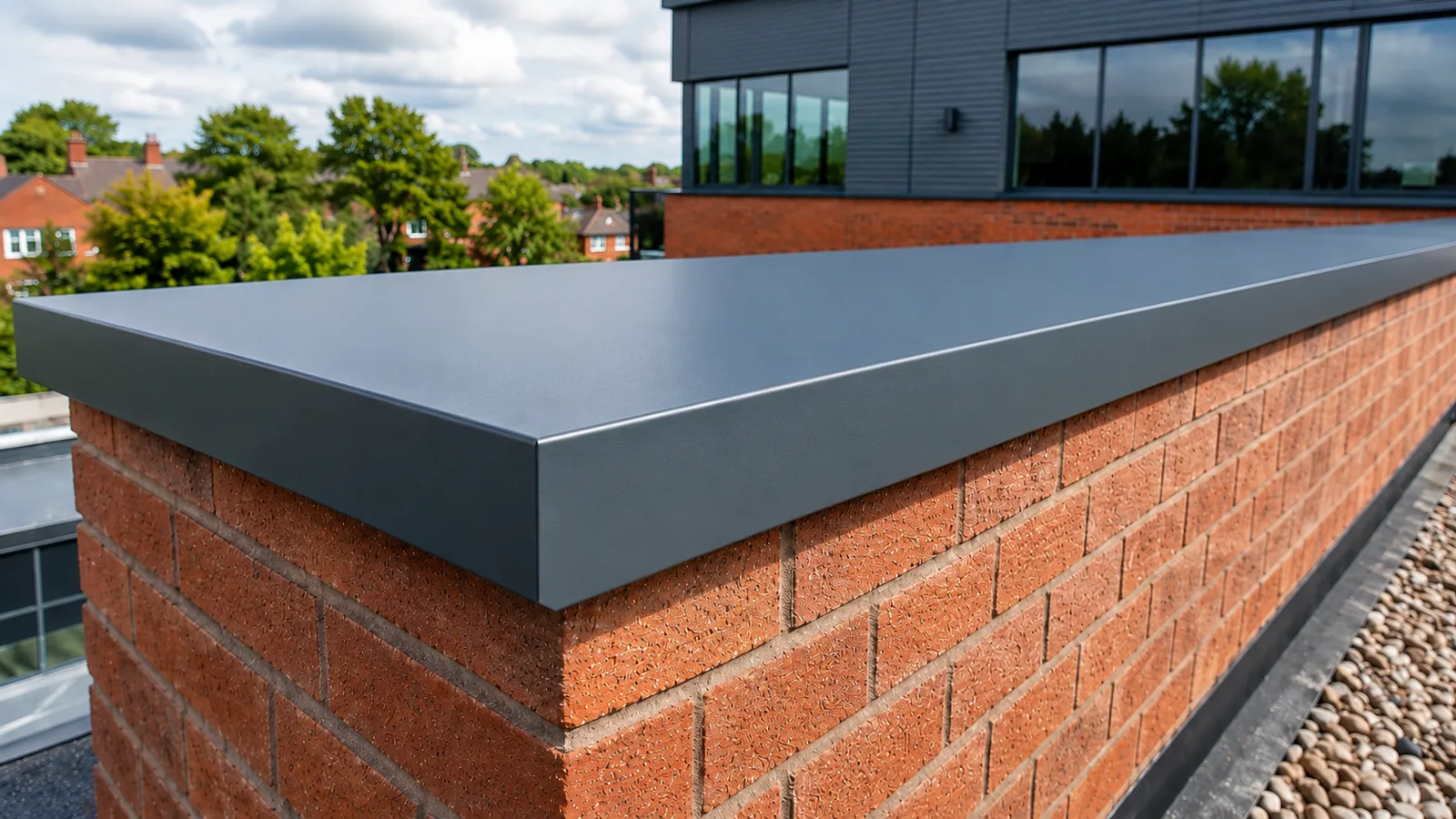
Scuppers, gutters and edge metal decide where runoff goes once it leaves the membrane. A scupper that is set too high leaves a puddle behind it. One that is clogged forces water over the parapet or back under the flashing. We check the opening, the liner or collector box, and the downspout, and we inspect the wall below for stains that show the water has been missing its target. A scupper also needs an overflow plan: if the main opening clogs in a hard rain, water should have a second place to go besides the wall, and we look for that secondary path on every roof with a raised parapet.
After a heavy rain, a quick look at the wall below each scupper shows whether the discharge is clearing the face.
The edge metal at the perimeter has its own failure pattern: fasteners back out, joints open and the drip edge pulls away from the deck. When wind-driven rain gets behind it, the membrane underneath can lift. Replacing edge metal and gutters in a continuous run, with a sealed joint and a secure cleat, is usually better than patching one failed corner, because the neighboring joints have faced the same weather.
Mixed use: offices, shops and housing share the water
Where a building combines commercial and office uses, or office with residential, the roof often serves people on several floors who have different needs. Water that comes through will reach a shop, an office or a home, and the response differs for each. We ask who is below the work, how much notice they need and what must be protected before the first panel is lifted.
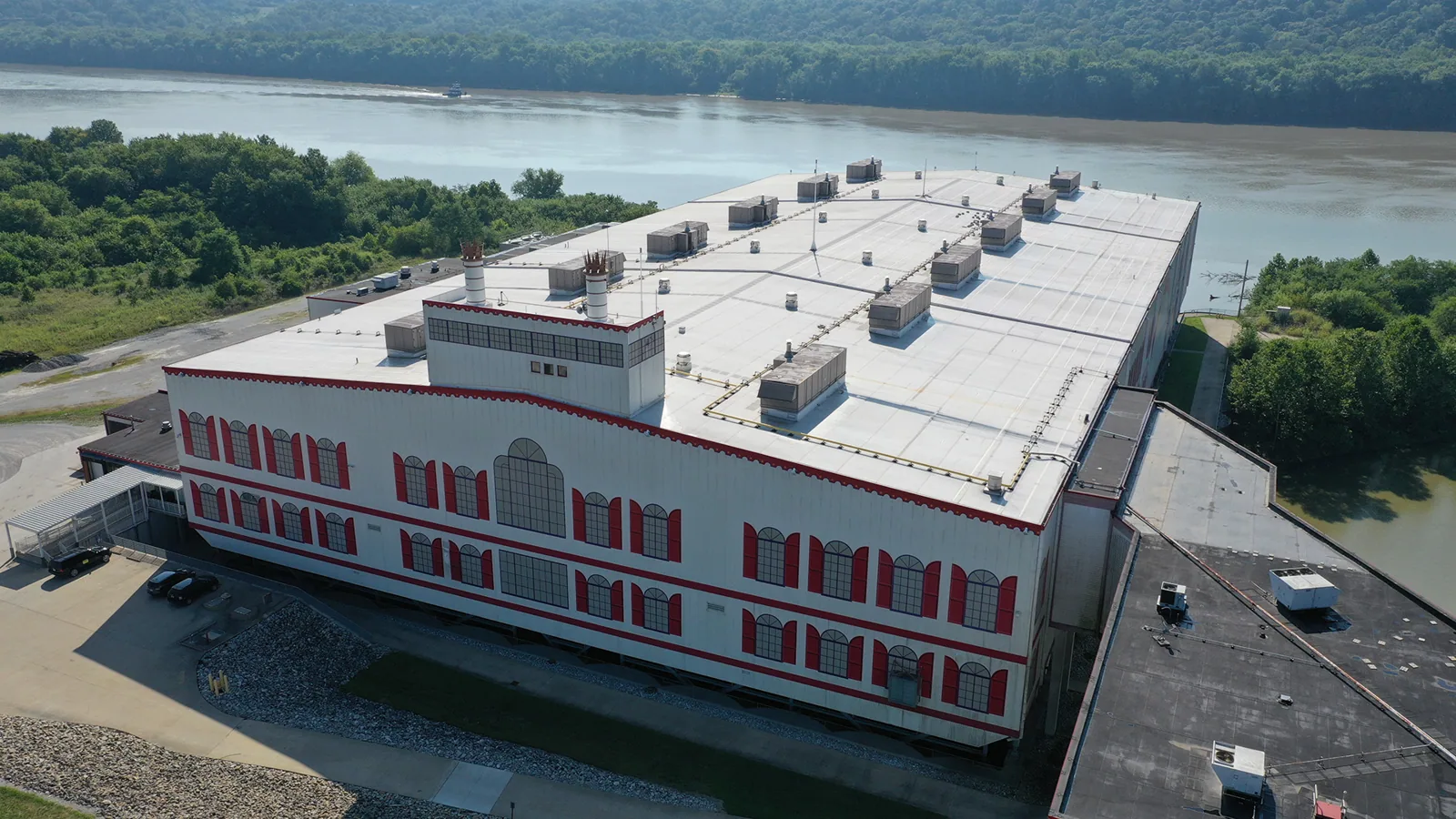
Renton names professional services as its biggest employment sector, with advanced manufacturing and logistics beside it, so offices, light-industrial and service uses can all turn up near an overlay like this one, and we confirm which applies at each address. When a project is on a building where people live or work above the roof, we use smaller work areas, closed by the end of each day, and we keep the property team informed. Our work on an occupied building is planned that way from the start.
Overlay district: check what the designation means for the project
The Rainier-Grady Junction Overlay District is a planning designation. For a roof, its main relevance is that a project may sit in an area with design or use rules that go beyond the base zoning. A membrane repair seldom touches those rules, but a change in roof height, a new screen for equipment or a rooftop sign might. We ask early and confirm with the city.
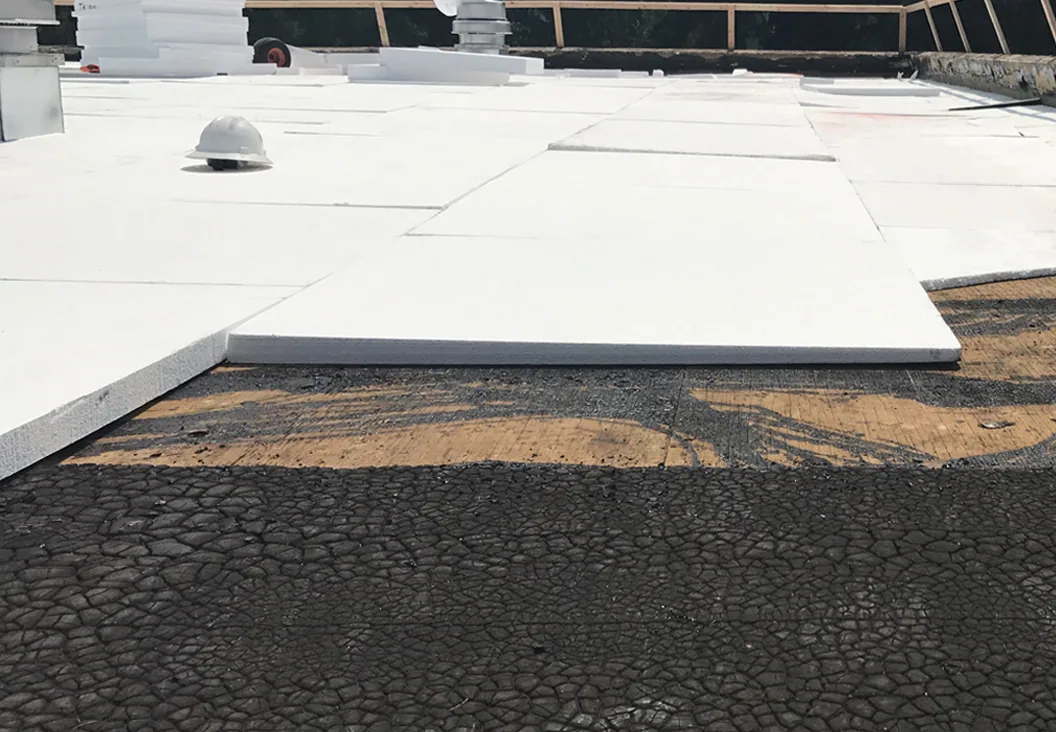
Code edition is a separate question. The state's 2021 building code took effect March 15, 2024 with state amendments, and Renton's own changes are confirmed with the city. The state energy code also applies, and the edition that applies to a roof depends on the project. We confirm both before choosing insulation and cover board, because they decide how thick the assembly has to be.
Wet season: the cue to check drains and seams
Sea-Tac's wet weather falls in November and December, at 6.31 and 5.72 inches, while July brings 0.60, and that pattern is a practical cue. Before the rain settles in, we clear drain bowls and scuppers, check seam laps and look at every flashing that interrupts the water's path.
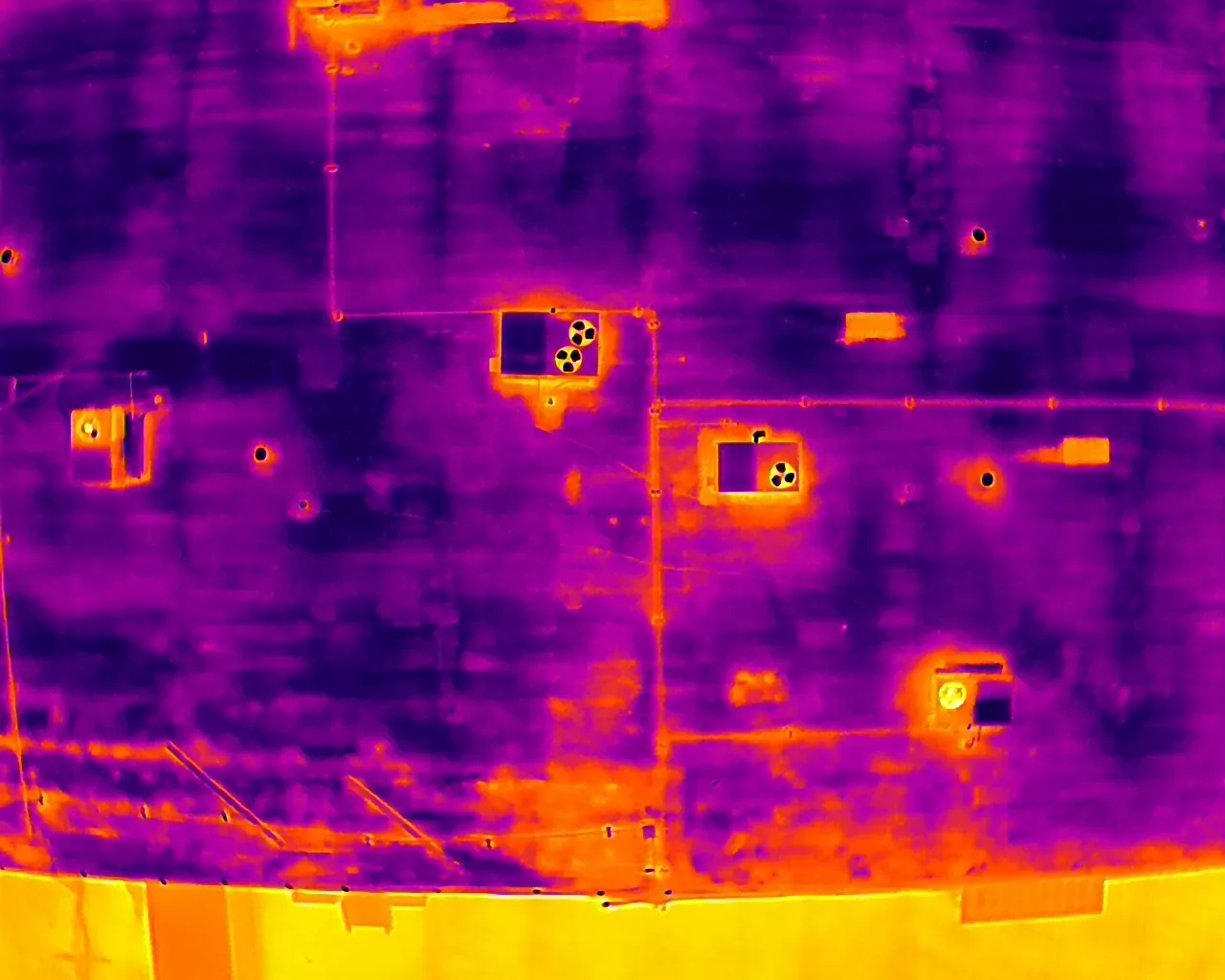
If a roof has been leaking, we trace the water from the interior mark to the roof and back. Moisture can travel under the membrane or along the deck, so we map it with a tool where needed. An infrared moisture survey reads wet insulation from the surface, with no cutting, which lets the owner decide whether a repair, a coating or a replacement is the sound choice. Timing matters here: scanning is most useful on a dry roof after a sunny day, so we schedule it around the weather and not around the leak call alone.
Decision record: write down what the roof showed
We close each visit with a written record: photographs matched to locations, the date and time of the walk, the condition of drains, flashing and seams, and the line where the repair stops. We list any condition we found but did not repair, along with the reason. That record turns a stain on a ceiling into a decision the owner can make with the facts in hand.
For owners with several addresses, the same record format applies at the Sunset Boulevard Corridor, Benson and elsewhere in Renton, though each roof gets its own walk. A manager can then rank the roofs by condition and decide which to repair, which to coat and which to plan for replacement, with a roof capital plan that spreads the cost across budget years and shows which items the owner can safely defer.
Commercial Roofing Questions
What makes a scupper leak into the wall below?
Usually the scupper is clogged, set too high or poorly sealed to the wall flashing. Water then backs up, runs along the opening and enters behind the cladding. We clear the opening, check the liner and the flashing around it, and decide whether a reset or replacement is needed.
Why replace a whole run of edge metal when only one corner failed?
Because the other joints have faced the same weather and are often close to failing. A continuous run with sealed joints and secure cleats stops the pattern. If the rest of the edge tests sound, we repair only the failed section and record the condition of the rest.
How does an overlay district affect a roof project?
It can matter when the work changes something visible, such as roof height, a screen wall or a sign. A plain membrane repair often does not. We check the city's map and the permit path with Renton before the scope is final, and tell the owner what, if anything, needs review.
What do you do about tenants below an open roof?
We limit the open area, close it daily and set protection over the work zone. The property contact chooses the hours for noisy tasks, and we ask which rooms hold equipment or sensitive work. Where the roof sits over homes, we also give the manager time to notify residents.
Can a roof leak be found without cutting into the roof?
Often, yes. Visual inspection, moisture meters and infrared imaging can map wet insulation and show the route water has taken. If the results still leave a question, we propose a small, approved test opening and describe how it will be closed afterward.