
A blister in the surfacing of a built-up roof can hide a weak ply or a wet layer below. We check the surface, seams and edges, then follow the roof's low route toward an outlet before drawing a repair line. Renton's November and December rain pattern makes that drain path useful to review before the wet season.

A built-up roof in Downtown Renton and one in the Renton Valley Subarea, which the city describes as largely industrial and warehousing, rarely share the same layers or repair history. We review records, inspect visible edges and identify where additional testing could change the recommendation.
Ply condition: separate surface wear from layer failure
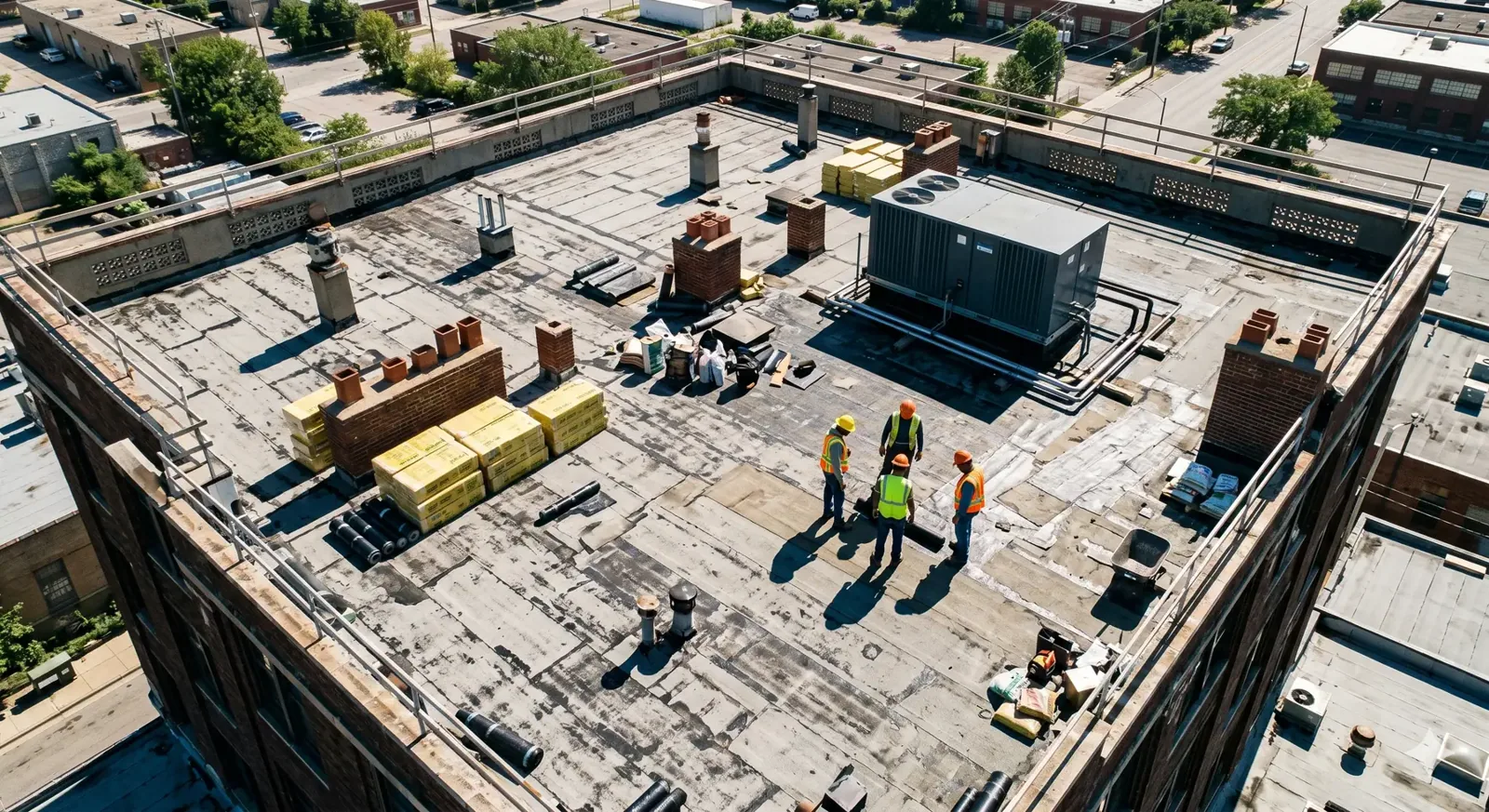
Built-up roofing uses multiple layers of bitumen and reinforcing felts, typically finished with a surface that protects the assembly. The exact construction depends on its installation and repair history, so we inspect exposed edges, patches and transitions rather than assume a standard layer count. Open blisters, splits, exposed reinforcement, loose gravel or repeated repairs can point to different conditions beneath the surface.
A roof walk records where the surfacing is worn, where an edge has lifted and whether a defect continues into adjacent sections. We compare that view with maintenance records and interior leak locations. A commercial roof inspection can map the roof and its details, while a condition report gives the property team photos and repair boundaries for later checks.
When the layer condition is uncertain, an approved test opening can show what the visible surface cannot. We identify its location and purpose, then close the test area with a compatible repair. A thermal image may help select a location for investigation, but a temperature pattern by itself does not confirm wet insulation. The decision should be based on the assembly that was actually examined.
Water path: trace a leak across the field
Water can move along the top of a ply, between layers or through insulation before it reaches a ceiling. We start with the reported interior area, then inspect upslope transitions, penetrations, parapets and drains. If several roof planes feed one low spot, the map should show each route. That is more useful than treating the ceiling stain as the exact point where water entered.
Gravel or mineral surfacing can hide the edge of a blister, so we press along the margins of any raised area and note whether the surface gives, because a soft blister often sits over a wet ply.
The Sea-Tac normals show much more precipitation in November and December than July, so a wet-season check in Renton should include drains and overflow routes along with the field. A drain and scupper review can distinguish a blocked bowl from a damaged membrane connection. If water remains after the outlet is clear, we document the low area and consider whether a drainage correction can be evaluated.
At a property in the Renton Valley, equipment or loading activity may limit the safe roof route; in Downtown Renton, occupied offices can set a different access window. We coordinate the visit with the building contact and mark any area we could not reach.
Details: repair the edges and penetrations as assemblies
Parapets, curbs, pipes and drains interrupt the built-up field, and each turn needs a durable tie-in. We inspect metal corners, counterflashing, sealant, drain rings and the surface immediately around a penetration. Loose flashing or a separated edge may need rebuilding rather than another layer of surface material. The repair should extend to sound plies and close the water route at the point where it enters.
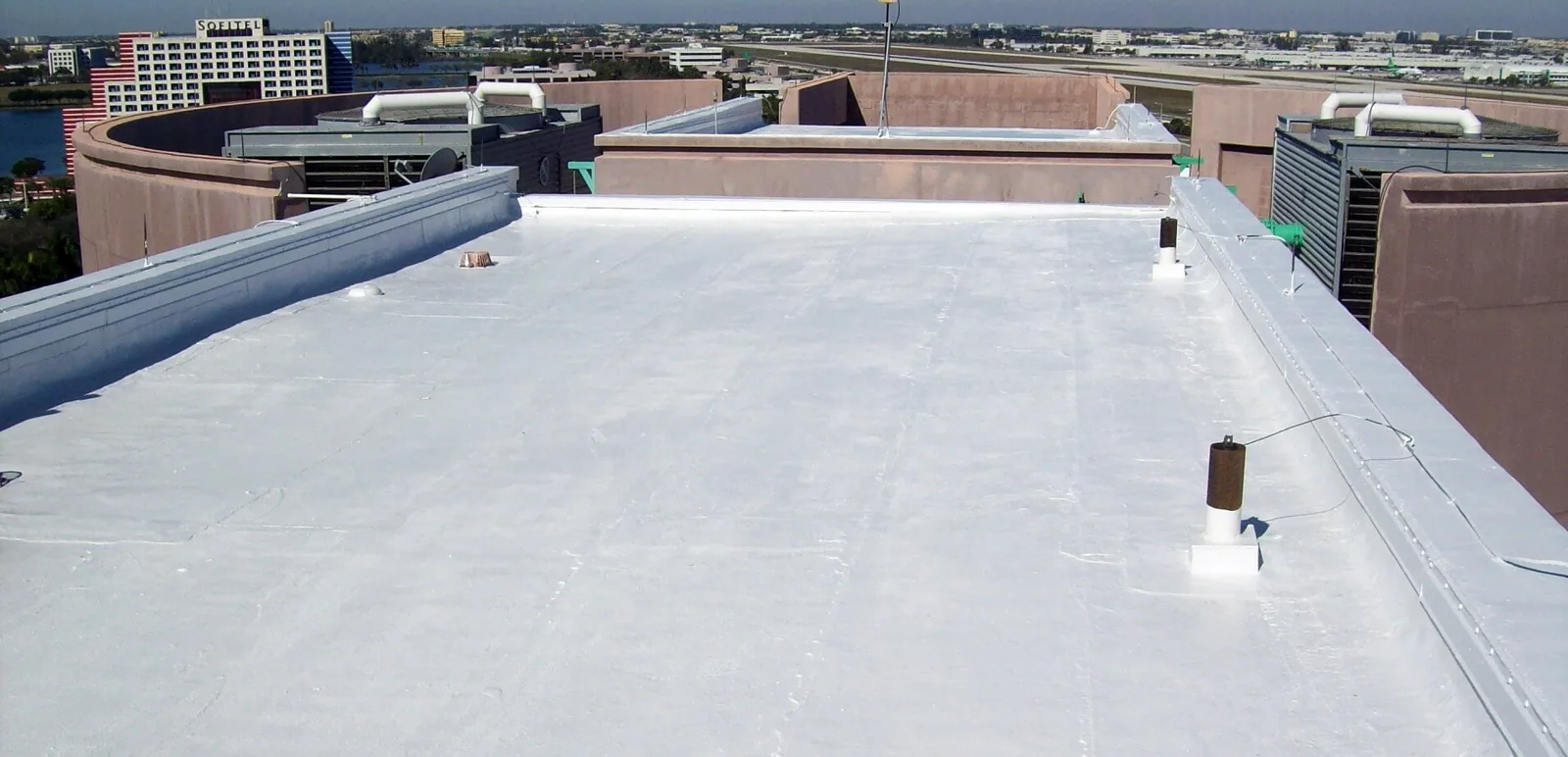
A built-up roof also requires a clear look at the field finish. Loose aggregate, worn coating or exposed reinforcing can signal different repair needs, and a granular surface may hide the edge of an older patch. We identify what is loose, what is bonded and where moisture could be trapped before deciding how far to open the assembly. The repair notes should distinguish surface preparation from work on the plies below.
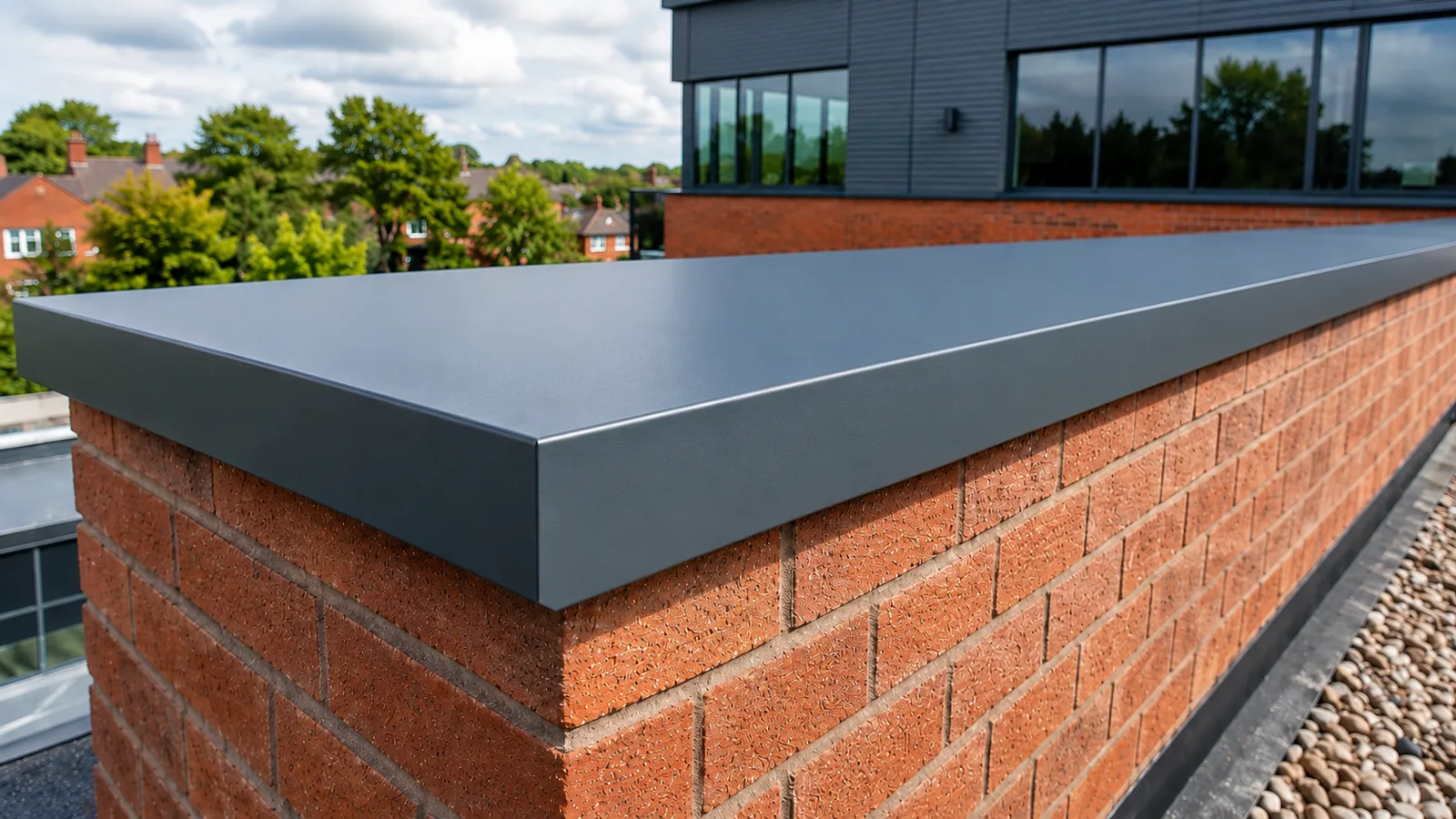
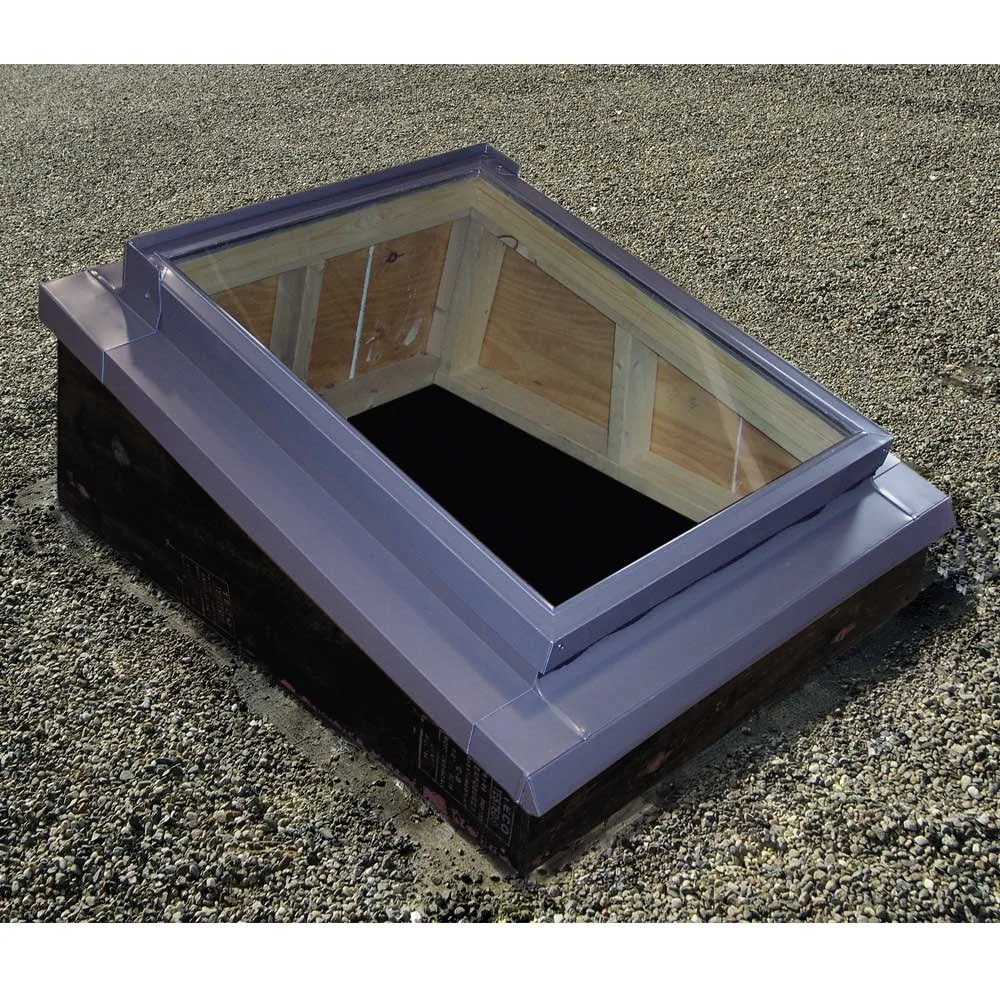
A coping and edge-metal repair can be coordinated with roof work where the perimeter is part of the leak path. For a roof opening, penetration flashing work can address the transition without treating the whole roof as a single sheet. We record which details were opened, repaired or left outside the work line.
Material compatibility matters when a built-up assembly meets a newer membrane or coating. We inspect that transition and identify the product or layer only when records and field evidence support it. A patch should not bridge a moving joint or hide a deteriorated substrate. If a broader tie-in is needed, the scope should describe the transition and the condition that makes it necessary.
Repair choice: compare the layers and the roof record
Isolated surface damage or a single failed flashing can support repair if the surrounding plies remain sound. Broad blistering, repeated leaks or moisture across several areas may justify a larger evaluation. We mark what is visible, state what remains unknown and identify whether testing could change the choice. An owner can then compare the likely repair horizon with the work required to renew the assembly.
A recover assessment can consider a new roof over the existing build-up when layer count, attachment, drainage and edge height permit. If removal is the better path, replacement planning can address insulation, deck, flashing and outlet transitions in sequence. Modified bitumen is another multi-ply approach to compare, with its own surface and seam details. A standing-seam metal roof is a different assembly, so the owner's comparison should reflect the building's geometry and drainage needs. We also compare access for future roof walks, transitions at parapets, and the way maintenance staff will reach drains and equipment. A system that looks suitable on the field can still require difficult tie-ins at edges or around curbs, so those details belong in the decision before a bid is set.
The roof record should follow the work from the first inspection through closeout. Photos tied to a plan can show where surfacing was repaired, which drains were checked and what needs follow-up. A later maintenance visit can revisit those locations before the next wet season. Send the Renton address, roof history, leak map and access limits, and we will explain what the first roof walk can settle.
Commercial Roofing Questions
How can you tell how many layers a built-up roof has?
Visible edges and records provide clues, but repairs can conceal earlier construction. We inspect accessible edges and recommend a test opening only when the layer count would change the repair or recover decision.
Can a built-up roof be repaired without removing its surfacing?
Some localized defects can be repaired after the area is prepared, while other conditions require opening or removing material to reach sound plies. We identify the condition and explain which layers the proposed repair addresses.
Why might a leak show up far from a roof defect?
Water can move along a ply or through insulation before it reaches the interior. We trace the route from the reported area toward seams, penetrations and low points, then record the likely entry detail separately.
Does a recover work over every built-up assembly?
Existing layers, attachment, moisture, drainage and perimeter height all affect eligibility. We review those conditions and identify any test that could change the comparison with removal and replacement.
What should the Renton property team provide before an inspection?
A roof plan, repair history, leak locations and access instructions help us follow the right route. Include active equipment or occupied areas that limit access so the visit can be planned around them.