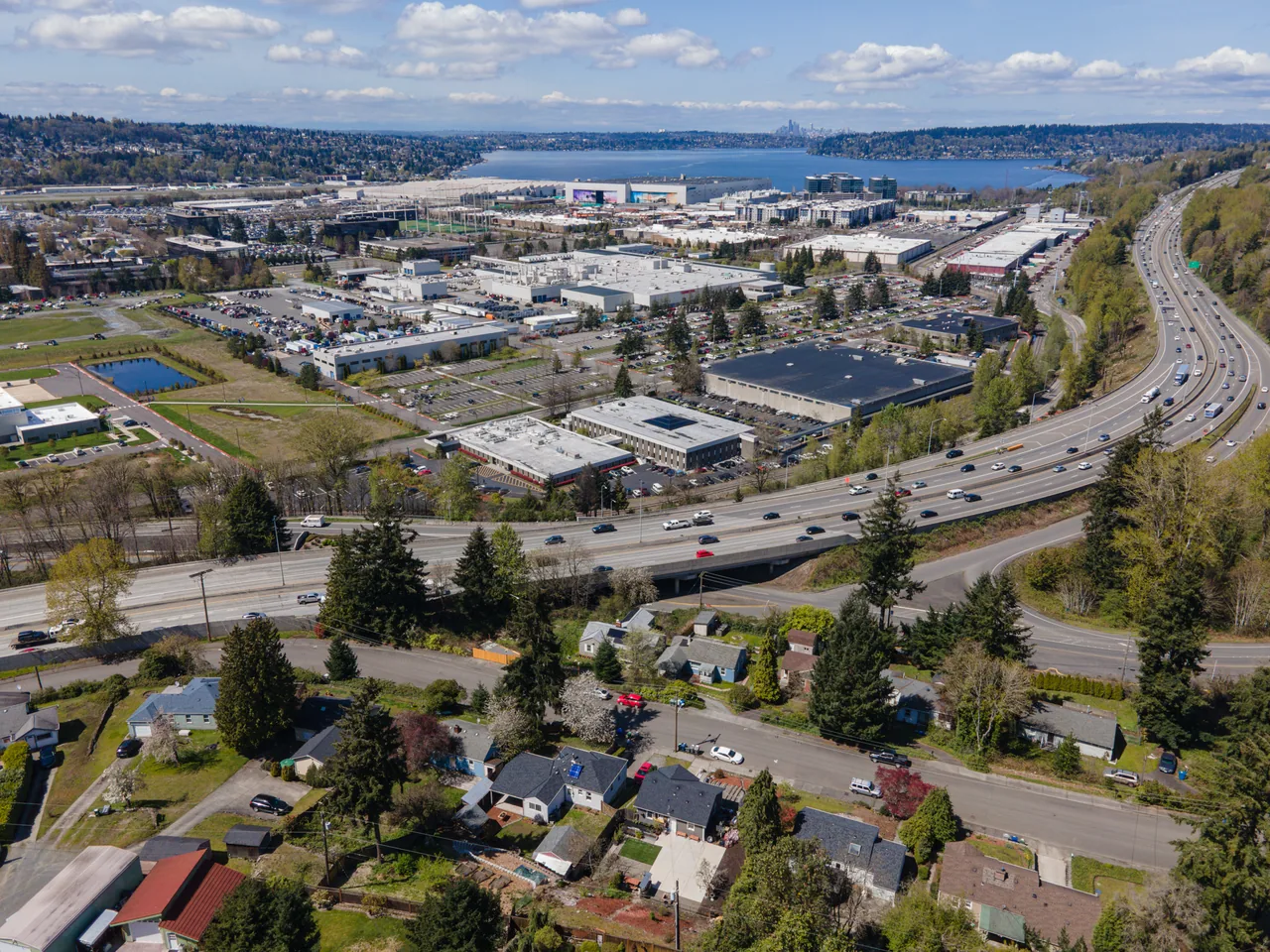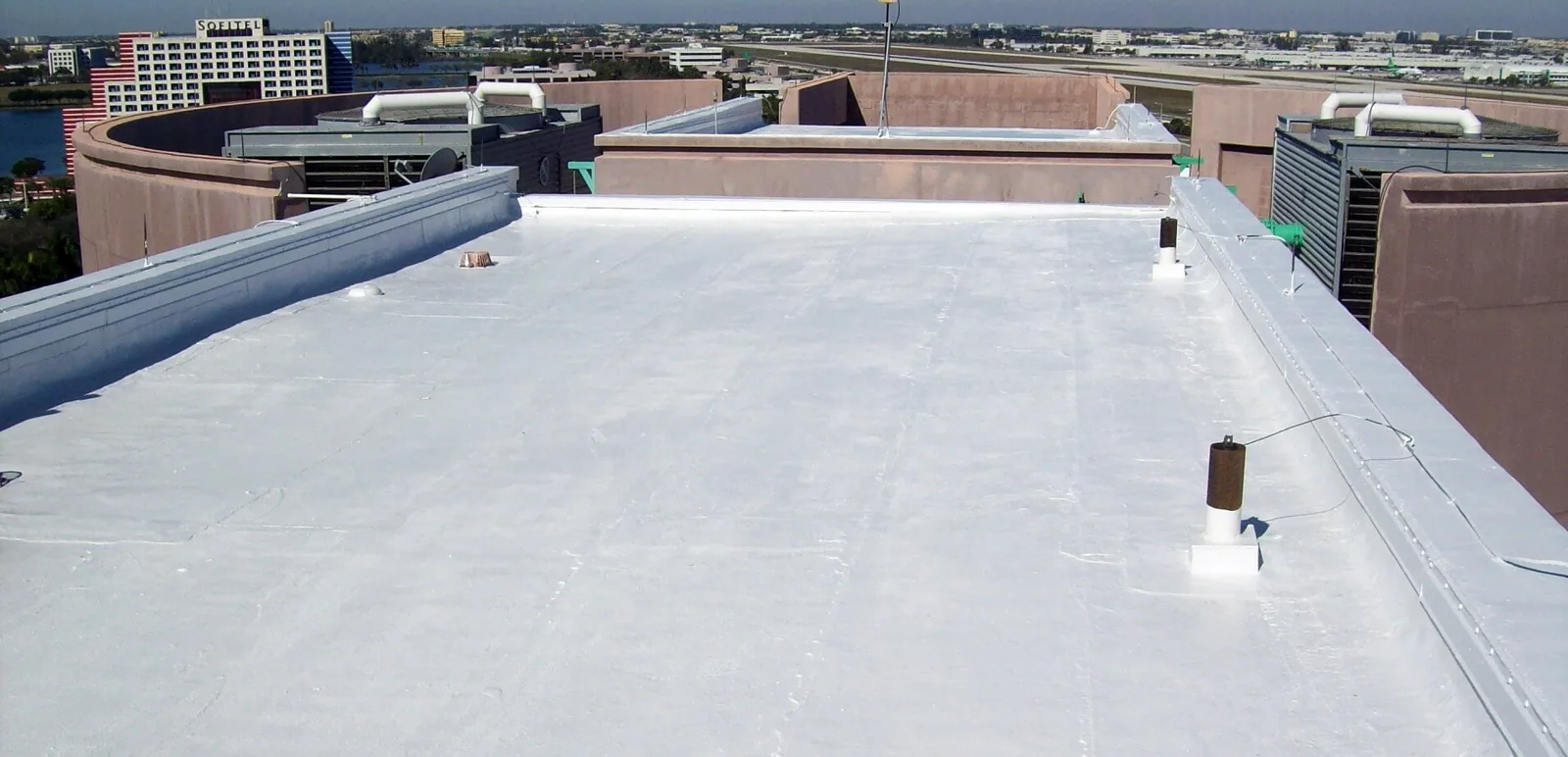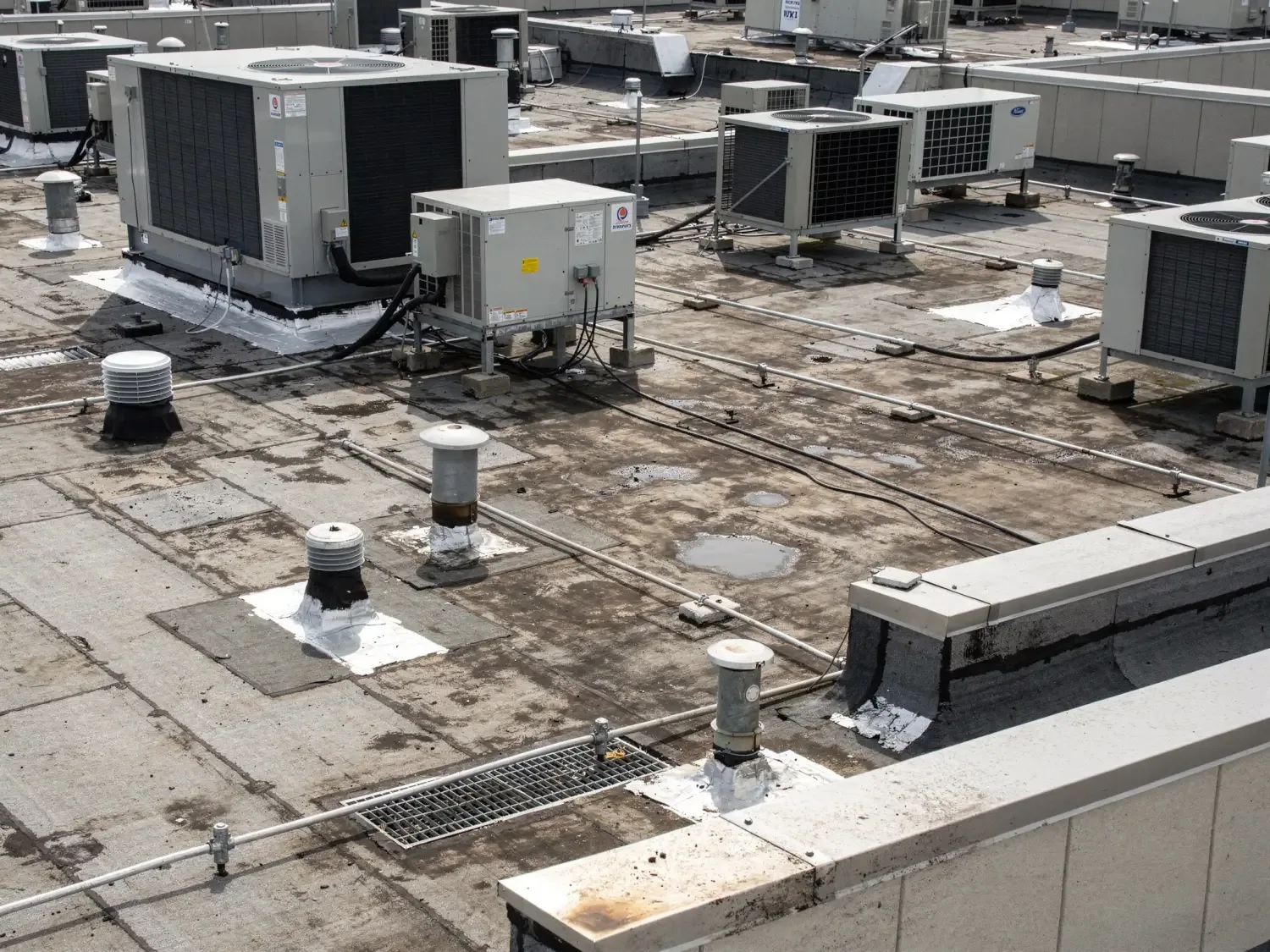
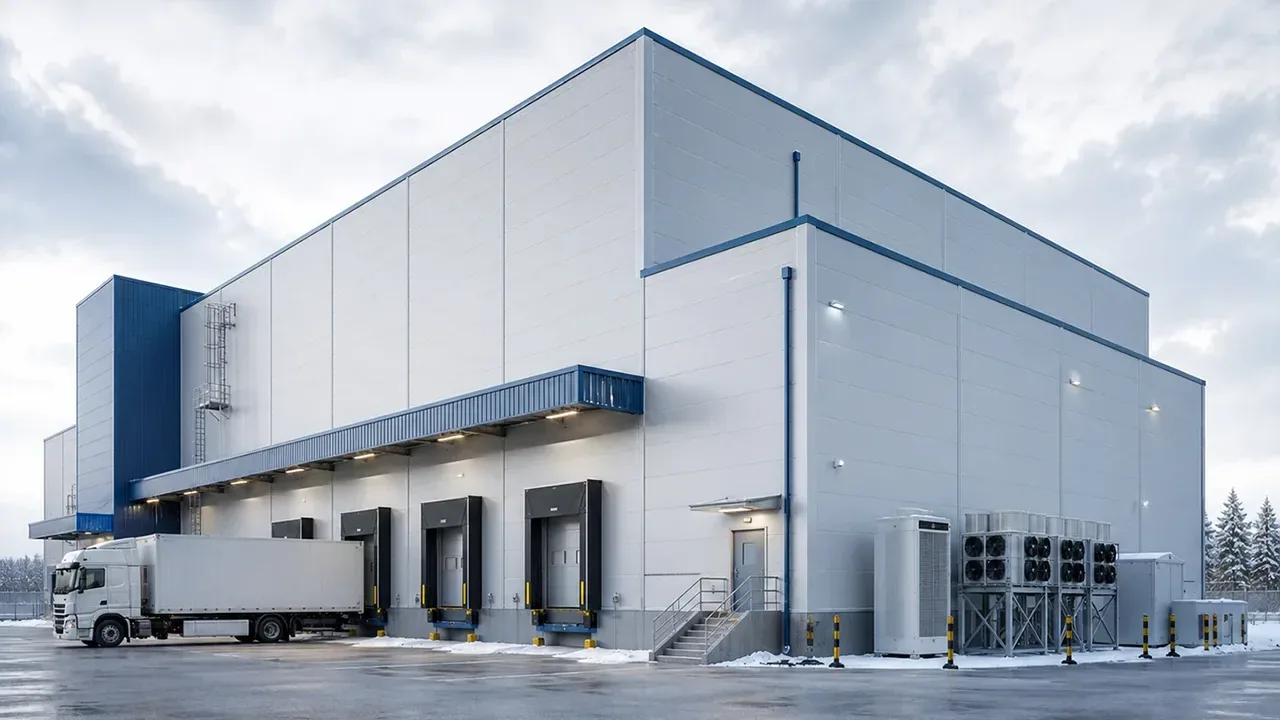
A freezer roof can show a small interior drip while the real concern sits at a curb, vapor retarder or insulation transition above. We trace the water path and record the temperature-controlled areas beneath the work zone before recommending a repair. In Renton, the Valley Subarea is largely industrial and warehousing by the city's description, with a long logistics and light-manufacturing history. A cold-storage property there still gets its own look at the assembly and operating conditions.

Sea-Tac's late-fall and winter precipitation averages are much higher than July, so drains and temporary protection deserve attention before sustained rain. Cold-side and warm-side conditions also affect how a repair detail should be evaluated. We look at seams, penetrations, air movement, wet insulation and the relationship between roof layers, then explain what is visible and what requires testing. The scope should protect product, access routes and the building envelope while keeping assumptions explicit.
Moisture route: separate a roof leak from condensation
Water inside a cold room does not by itself identify the source. We compare the report's timing and location with membrane seams, drains, curbs, wall transitions and penetrations. Air leakage, condensation and roof entry can create similar symptoms, but the corrective work differs. The inspection notes the conditions observed and whether an opening, moisture survey or mechanical review would help distinguish them.
In a Renton Valley Subarea building, loading and temperature-control operations may shape when access is available; the property contact confirms those limits. We protect exposed product routes and keep materials away from intakes and service areas. A commercial roof inspection can map the roof-side details, while a mechanical specialist should assess equipment or air-balance questions outside the roofing scope.
Insulation and vapor control: inspect the layers together
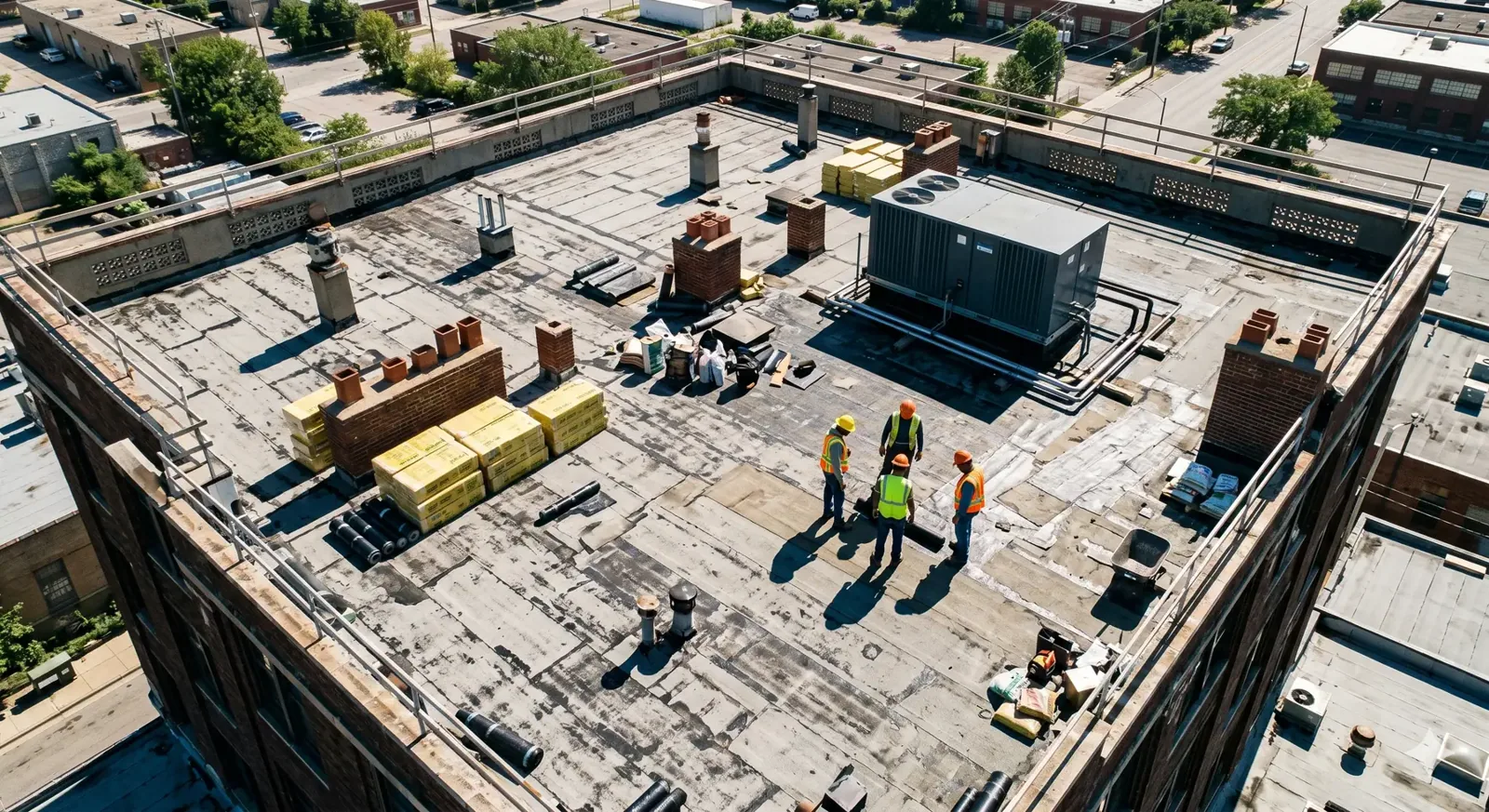
We identify visible membrane, insulation edges, vapor-control transitions, attachment and previous repairs where the roof allows. A damaged curb flashing may be local; widespread wet insulation or a discontinuity at a cold-room transition can require a broader investigation. We do not assume one detail explains every stain. The findings distinguish confirmed conditions from concealed layers that need sampling or an opening.
A recover may be considered only if the existing assembly, moisture condition, adhesion and drainage support it. A warehouse roof has different temperature and vapor-control demands, so its repair logic cannot be copied to a freezer envelope. Otherwise, a replacement scope should state removal limits, insulation work, air and vapor-control details, curb treatment and tie-ins. A specified TPO system or other membrane must match the substrate and project design, not simply the building label. A recover review can compare alternatives after the roof layers are understood, and a replacement estimate should make the scope boundaries clear.
Where insulated panels meet the roof, inspect the transition, fasteners and flashing as a connected detail. Movement, service penetrations or an earlier patch can interrupt the water and air-control layers. We mark what is visible and ask whether the assembly record matches the field condition. If not, a small opening may clarify how the roof and wall meet before a larger scope is priced.
Drainage path: keep water away from cold-room details
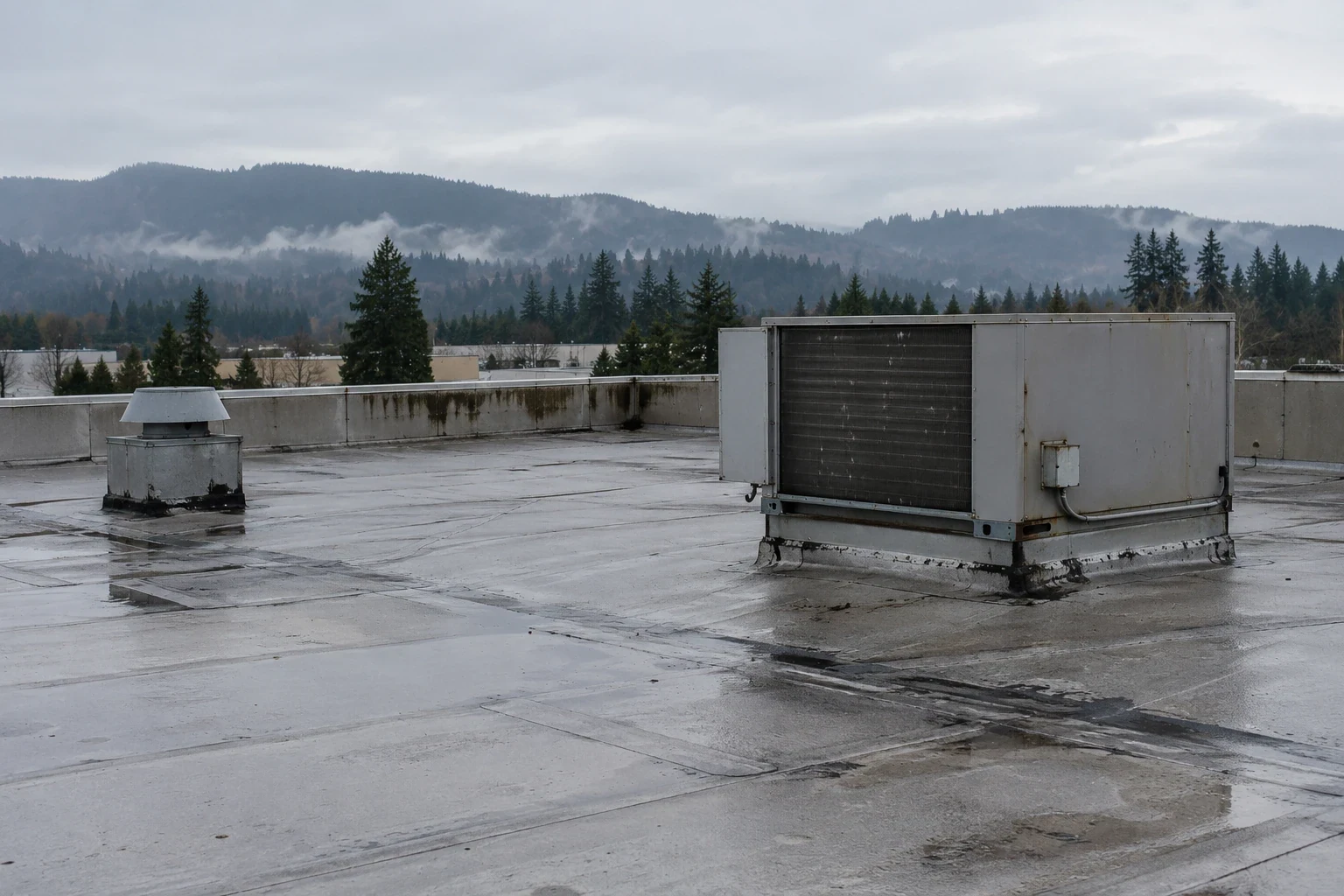
We follow roof slope toward each drain and check whether debris, a low spot or a damaged bowl interrupts the route. Ponding near a curb or transition deserves attention because the detail may see repeated exposure. The crew records outlets reached, standing water observed and areas that could not be inspected, then separates cleaning from repair work.
Sea-Tac's wetter November and December normals make pre-winter drain checks useful. A drain and scupper inspection can document the outlet condition. A cold-storage building near Downtown Renton and one in the Valley get the same drain trace, and the roof walk supplies the project facts for each.
Frost and ice need their own attention. Water that freezes at a drain bowl or scupper in a cold snap can block the outlet and push the next rain back across the membrane, and meltwater can run to a seam that was dry the day before. After a freeze we recheck the outlets and the lap nearest each one, because Sea-Tac's mean annual snowfall is a modest 6.3 inches, yet that is enough to leave an outlet iced on a cold morning and a puddle at the curb by afternoon.
Occupied work: protect temperature and access controls
Work above refrigerated space needs coordination with the building team. We identify loading windows, restricted areas, intake and exhaust locations, alarm procedures and any limits on roof access. If a section must remain sealed, the phase plan names the boundary and the temporary cover method. The owner or facility lead confirms operating controls before a roof opening is scheduled.
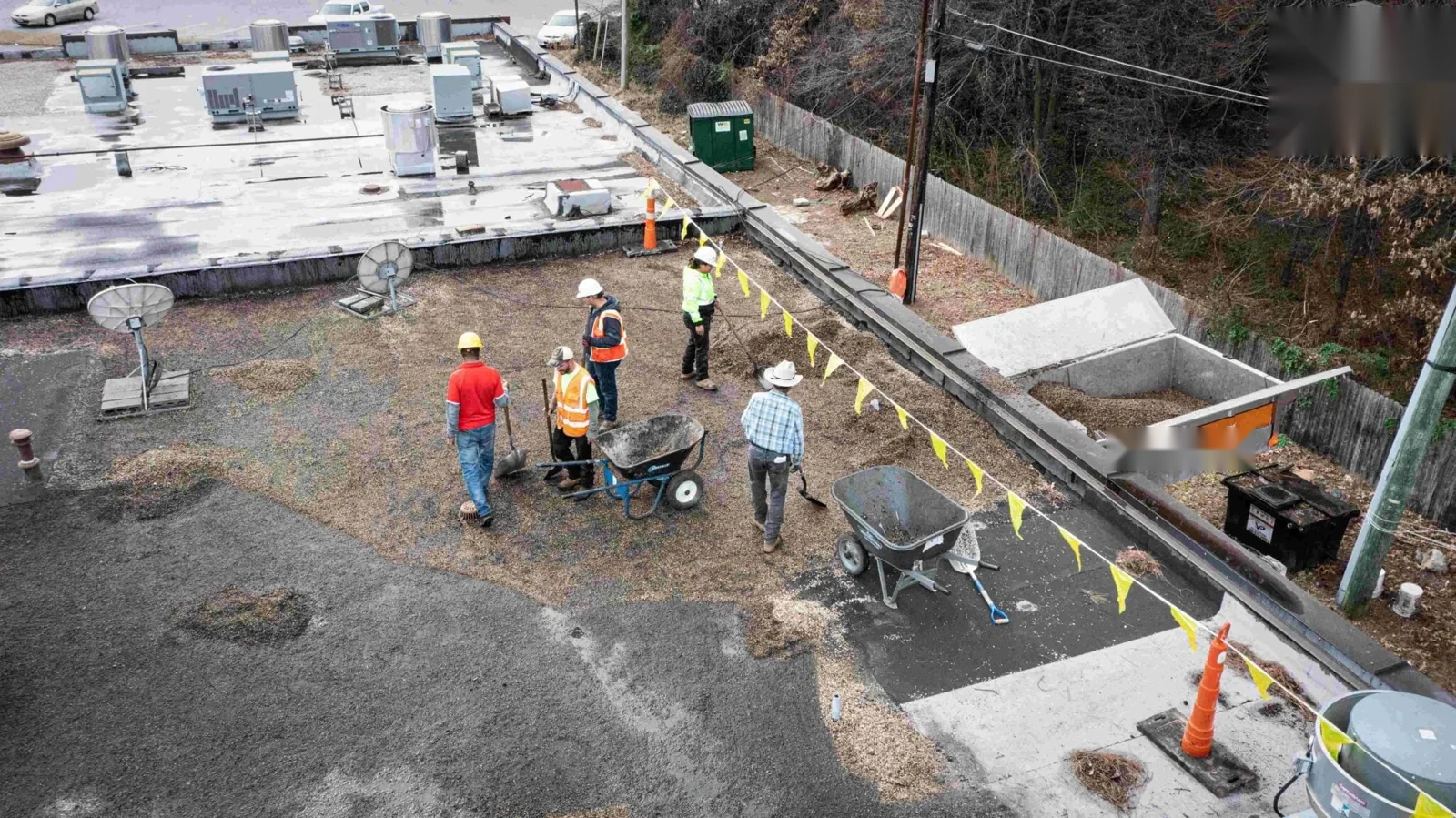
Material staging, lift position and debris removal can affect doors and circulation below. We plan the sequence so each exposed area can be closed before the crew moves on, and we note when weather may change the daily stopping point. An emergency roof repair can address an active opening while the full condition is documented; it does not replace a broader assembly review when moisture extends beyond that location.
A manufacturing plant may have exhaust or process connections that call for a different sequence than cold storage. Here, confirm how temperature zones, product handling and door cycles affect access before crews stage materials. We note those instructions with the roof section under work so the facility lead can review them with its operating team.
Condition record: preserve what the next review needs
At closeout, the roof plan should show repaired areas, drains, curbs, insulation work and any transition that remains under observation. Photographs should identify their location and direction so facilities staff can compare later findings. If testing was limited, the record says what was sampled and what remains unknown. That allows future maintenance to follow up without treating a single repair as proof that every concealed layer is sound.
We use the building's actual function and roof access plan. A condition report can organize the observed findings. Share the roof plan, leak history, temperature zones and access rules, and we can prepare a focused first walk.
Record the indoor conditions only as the facility team describes them, and keep them separate from roofing observations. A maintenance log can note when water appears, whether refrigeration alarms were active and which area was in service. That timeline helps the next inspection compare symptoms with roof conditions without treating correlation as proof of a failure location.
Commercial Roofing Questions
How can you tell whether a cold-room leak comes from the roof?
We compare the interior location and timing with roof seams, drains, curbs and transitions, while noting conditions that could also point to condensation or air leakage. Testing is recommended only when it can narrow the repair decision.
Can roofing work be done without disrupting refrigerated operations?
The sequence depends on access, product routes, temperature controls and the size of the exposed area. We coordinate restrictions with the facility lead and define temporary protection and work boundaries before removal begins.
What should be checked around a freezer-room roof curb?
We inspect flashing, membrane attachment, insulation continuity and visible vapor-control transitions. The detail is recorded with nearby moisture conditions, and the responsible mechanical trade reviews equipment performance where needed.
When is a roof recover appropriate for cold storage?
The current layers, moisture, attachment, drainage and transition details must support another layer. We document those conditions and explain whether sampling or removal is needed before a recover can remain under consideration.
Why do drains matter on a refrigerated building?
Standing water can expose seams and curbs to prolonged wetting. We trace the slope to each outlet, record debris or low areas and separate routine cleaning from defects that need a repair scope.