A repair patch that has lifted at one edge can let wind-driven rain reach the seam beneath it, even when the field membrane still looks serviceable. In Renton, WA, the late-fall Sea-Tac precipitation normals are much higher than the July average, so checking the water route before that stretch is practical. Kennydale's roof still needs its own inspection: we note the patch edge, nearby flashing, drain path and whether the surface around the repair can hold another detail. The first question is how far the failure runs, not how much roof to replace.

Kennydale is one of Renton's named Community Planning Areas. The city map includes commercial neighborhood, commercial arterial, office and multifamily categories, which makes parcel-level use important in a mixed property area. We confirm how the building operates before deciding where to stage, which entrance to use or how to keep a service path clear. A roof inspection can compare the visible assembly with prior repair records and give the owner a defined next step.
Repair edge: find out why the patch lifted
A lifted patch may come from poor surface preparation, movement at a seam, water trapped below the membrane or a material that does not bond to the existing roof. We inspect the edges and surrounding laps, look for wrinkles or open seams and test how firmly adjacent material is attached. A patch placed over a loose area can fail again because the underlying movement remains. We identify what can be prepared and bonded before choosing a repair material.
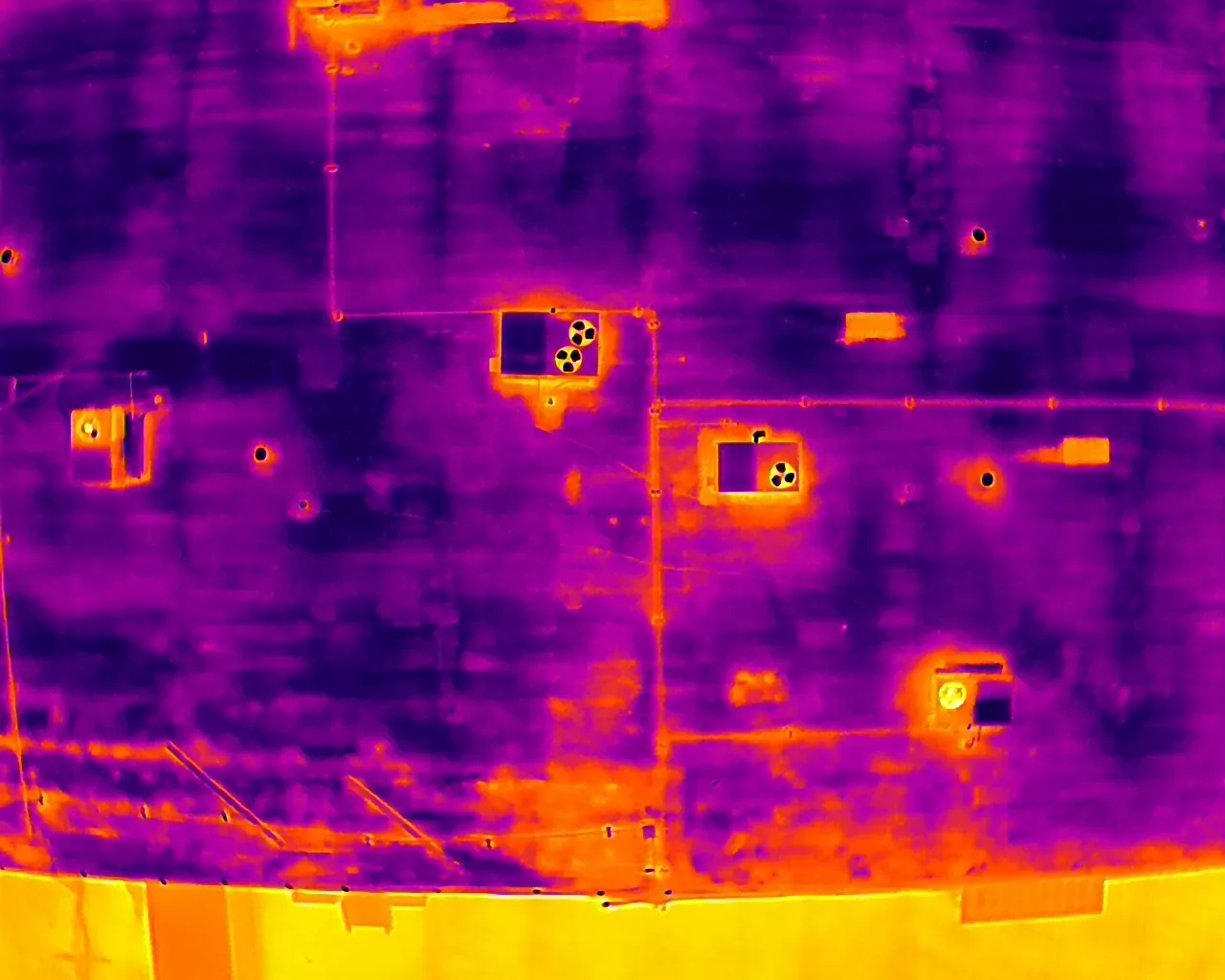
Renton's map identifies several land-use classes in Kennydale, but that label cannot tell us how the roof was built. At the property, we check membrane type, curb and pipe flashing, edge details and visible insulation conditions. Where the failure continues beyond the patch, a membrane repair may need a wider boundary or an approved moisture test. We can also use a moisture survey to help decide whether concealed wet insulation changes the scope.
Drainage: do not leave the low route out
Water that cannot reach an outlet can press against a repaired seam and keep the surface wet longer. We follow the slope, inspect the drain bowl and scupper, and look for debris, a backed-up connection or overflow marks at the perimeter. A low area may be a slope or deck issue rather than a failed drain. The roof walk should record where water stops and whether the insulation or deck needs a separate test.
Sea-Tac's 1991 to 2020 normals show 6.31 inches of precipitation for November and 5.72 for December, compared with 0.60 in July. Those are regional averages, not a measure of a Kennydale building, but they make outlet checks useful before the wetter months. We can include drain and scupper work when the inspection finds a restriction or failed connection. If water reaches the ceiling during a storm, leak repair can limit exposure while the broader route is checked.
Assembly choice: match the fix to what remains
When a patch is no longer enough, the choice may be a localized membrane replacement, a coating restoration, a recover or a full tear-off. Each depends on what is beneath the surface. Wet insulation, loose attachment, corrosion or a weak deck can make a cover-up unsuitable. If an opening would settle that question, we describe the location and reason, then wait for approval before cutting. The scope keeps known conditions separate from possibilities that only become visible after removal.
A recover can preserve existing layers only when moisture, attachment and applicable requirements allow it. Replacement has a different sequence: remove defined layers, check the deck, install insulation and cover board where specified, then make new transitions at walls and curbs. A recover assessment and replacement work should identify limits, metal, drainage and temporary protection. The owner can then compare the consequence of keeping the existing assembly with the work needed to replace it.
Property use: coordinate a practical roof route
Professional services is Renton's largest employment sector, with healthcare and advanced manufacturing also prominent, so a Kennydale roof visit begins with the building contact and its operating limits. We confirm where the ladder or hatch opens, whether mechanical equipment needs clearance and when materials can be moved. The schedule can then keep the repair area separate from occupied rooms or active equipment.
A crew may need to protect landscaping below an edge, avoid a sensitive room or stage tools away from a loading point. We do not assume those conditions from the neighborhood name. The property contact can identify restricted areas and any access window; we note what could not be reached. For a separate Renton address, roof work in Renton Highlands needs its own conditions and record, just as a Sunset Boulevard Corridor roof does.
Roof record: mark the repaired boundary
After a repair, the property team needs to know which seam, curb or membrane area changed and what remains outside the work. We photograph the prepared surface and finished connection, record materials used and note any nearby condition that needs separate attention. If a test opening was approved, the record can show its location and how it was closed. That keeps the next roof visit tied to an actual detail rather than an old ceiling stain.
When more than one issue is present, we list the repair line for each and show whether the items are related. A condition report can distinguish an active leak from a maintenance item or a potential concealed condition. Roof condition reporting gives a manager a usable record for maintenance and budgeting. The installed system must be confirmed before the material is selected.
Commercial Roofing Questions
Why did a roof patch fail again in the same area?
The patch may have covered an active seam, loose substrate or wet insulation without correcting the cause. We inspect the repair edge, nearby laps, flashing and drainage, then check whether the material around it can accept a new bond. If concealed moisture changes the choice, an approved test can help set the repair boundary before more surface work is priced.
Can you repair one seam without replacing the whole roof?
A single seam can be repaired when adjoining membrane remains attached and dry enough for the selected detail. We inspect nearby transitions and look for repeated failures or broader moisture. If the rest of the field is sound, we define a limited repair. If the seam is part of a larger failure pattern, we explain what needs testing and why a wider scope may protect the assembly better.
How do you decide between a recover and tear-off?
Existing layers, moisture, attachment, deck condition and applicable requirements determine whether another roof can go over the current assembly. We review those conditions before recommending a recover. When wet insulation, unstable layers or deck deterioration make concealment a poor choice, a tear-off lets the scope address them. The proposal should state what is confirmed and what can change once layers are removed.
Does a low spot always need to be rebuilt?
A low area first needs a drainage check. We see whether the outlet, scupper or overflow is restricted and whether water reaches it as designed. If the outlet is clear but water remains, slope or deck conditions may need closer review. The repair can then address the actual reason for retention instead of adding material without settling the water route.
What information helps you price the first repair?
Send the property address, leak location, roof plan if available, prior repair notes and access rules. Photos of the ceiling mark and roof detail can help us locate the right area, but field conditions control the scope. If testing or an opening is needed, we identify what it would answer and obtain approval before proceeding.