A drain bowl with grit around its edge can tell us where to start, but it does not show the whole roof. In Renton, a practical inspection follows the water route, seams, curbs and perimeter details that can carry a leak past its first visible mark. Renton's pre-winter roof walk has a regional prompt: Sea-Tac's 1991 to 2020 normals list 6.31 inches for November and 5.72 for December, with 0.60 for July. We use the seasonal timing to prioritize outlets and seam transitions. We note what is wet, loose or blocked, what appears sound and where a closer test could answer a remaining question.

The Renton Valley Subarea includes warehouse and industrial uses with logistics and light manufacturing. A roof walk there may need to account for active receiving, equipment clearance and safe routes around stored materials. We coordinate access with the property contact, then document visible conditions in photos and a written report. It gives the manager a usable view of conditions at the inspected areas and a repair priority tied to the building's operations.
Walk route: inspect the details that carry water
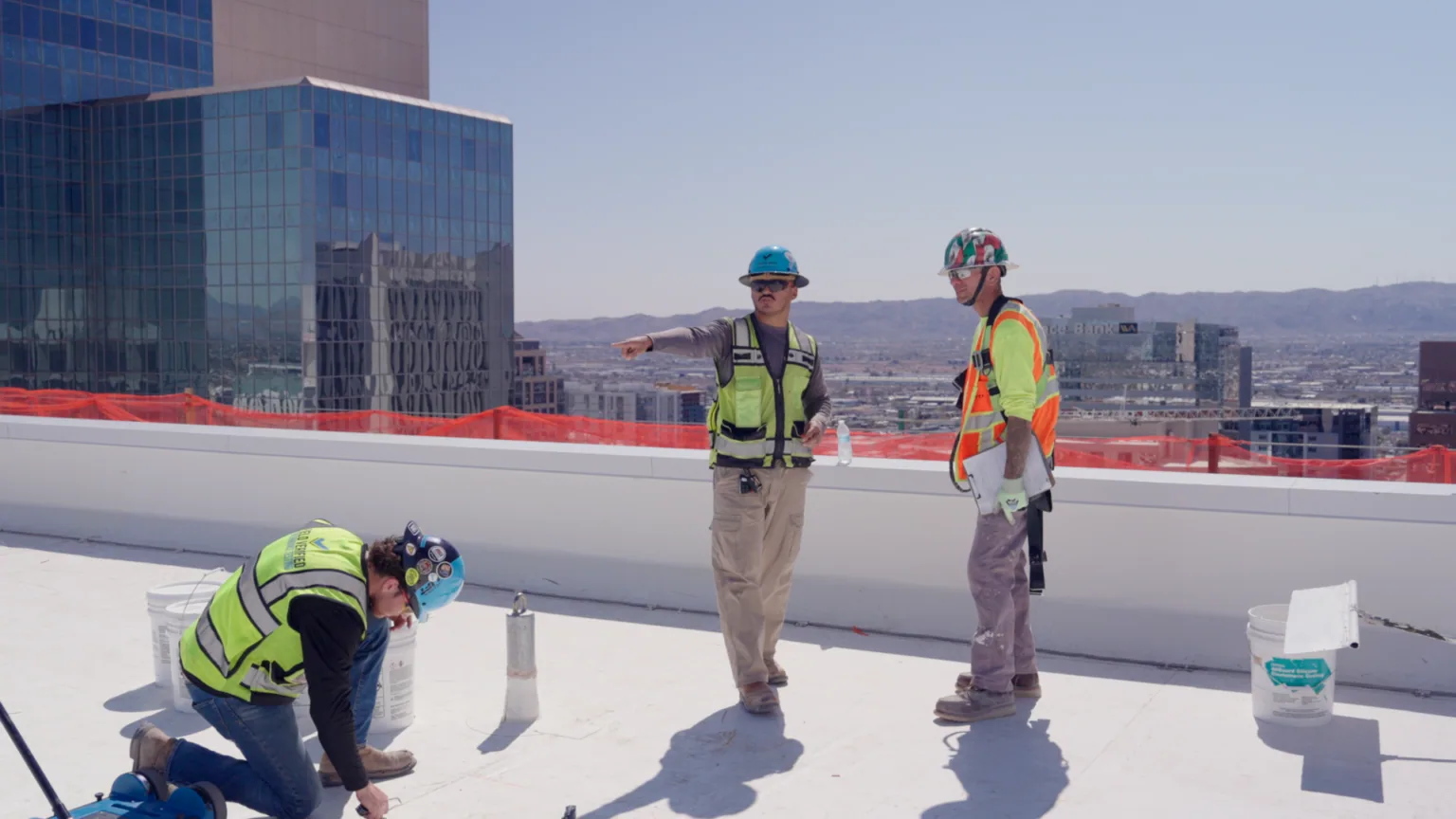
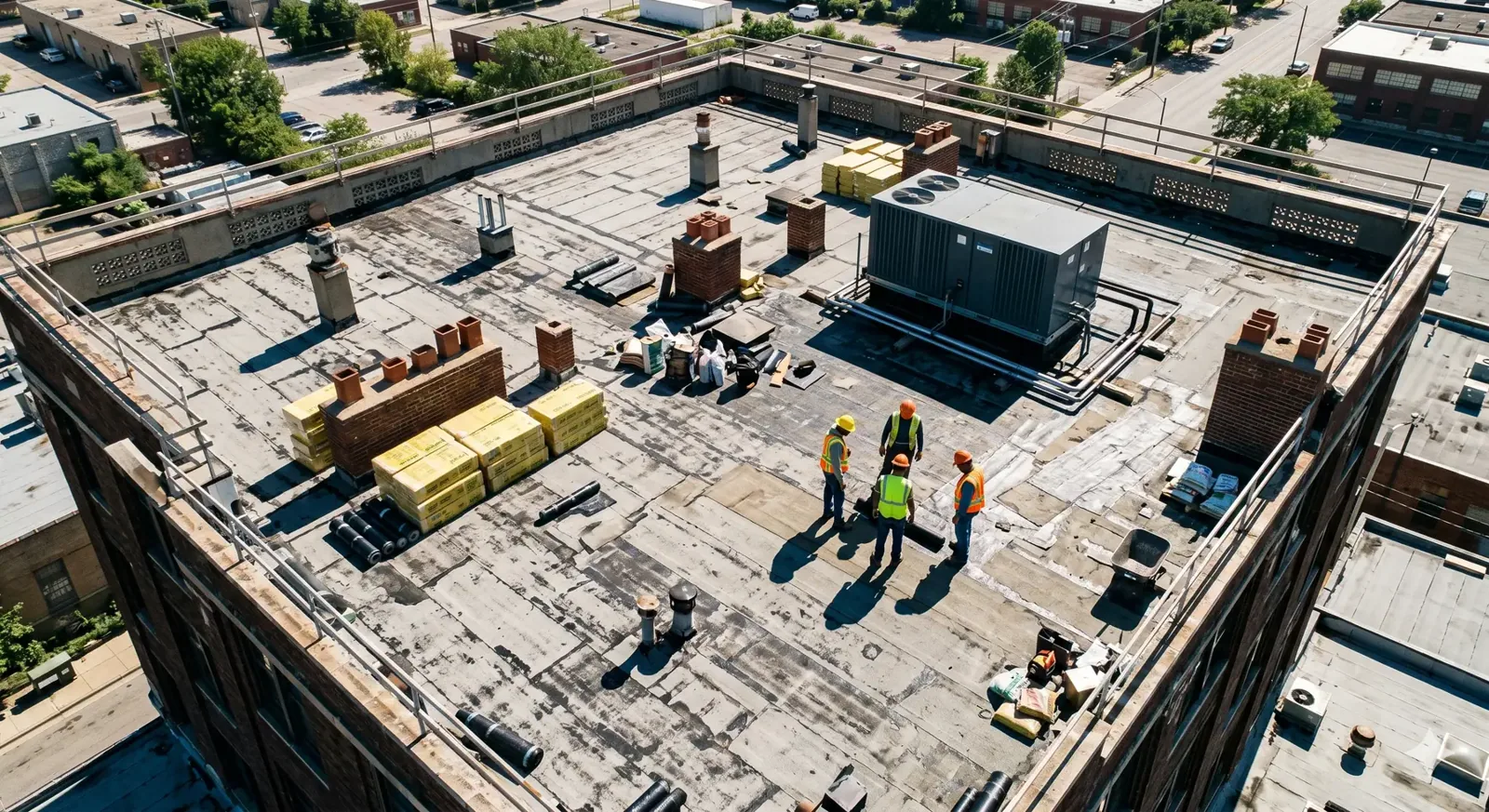
We start at access points and move through the roof in a sequence that reaches drains, field seams, curbs, pipe boots, wall turns and edges. If an area cannot be safely reached, the report identifies the limit rather than treating it as inspected. We look for open laps, surface splits, loose flashing, backed-up outlets, punctures, wear and prior patches. Each observation includes a location and photo where useful, so the manager can match the finding to a roof plan or return visit.
A Downtown Renton office roof and a Valley warehouse roof get the same walk, but the records we ask for differ: plans and repair invoices for one, receiving schedules and equipment layouts for the other. If an active leak directs the visit, leak tracing can follow that water path; a drain and scupper check examines the outlets and overflow route. These focused checks can be part of a broader inspection, but findings remain separated so a manager can see what was observed at each detail.
Test decision: confirm what sight cannot show
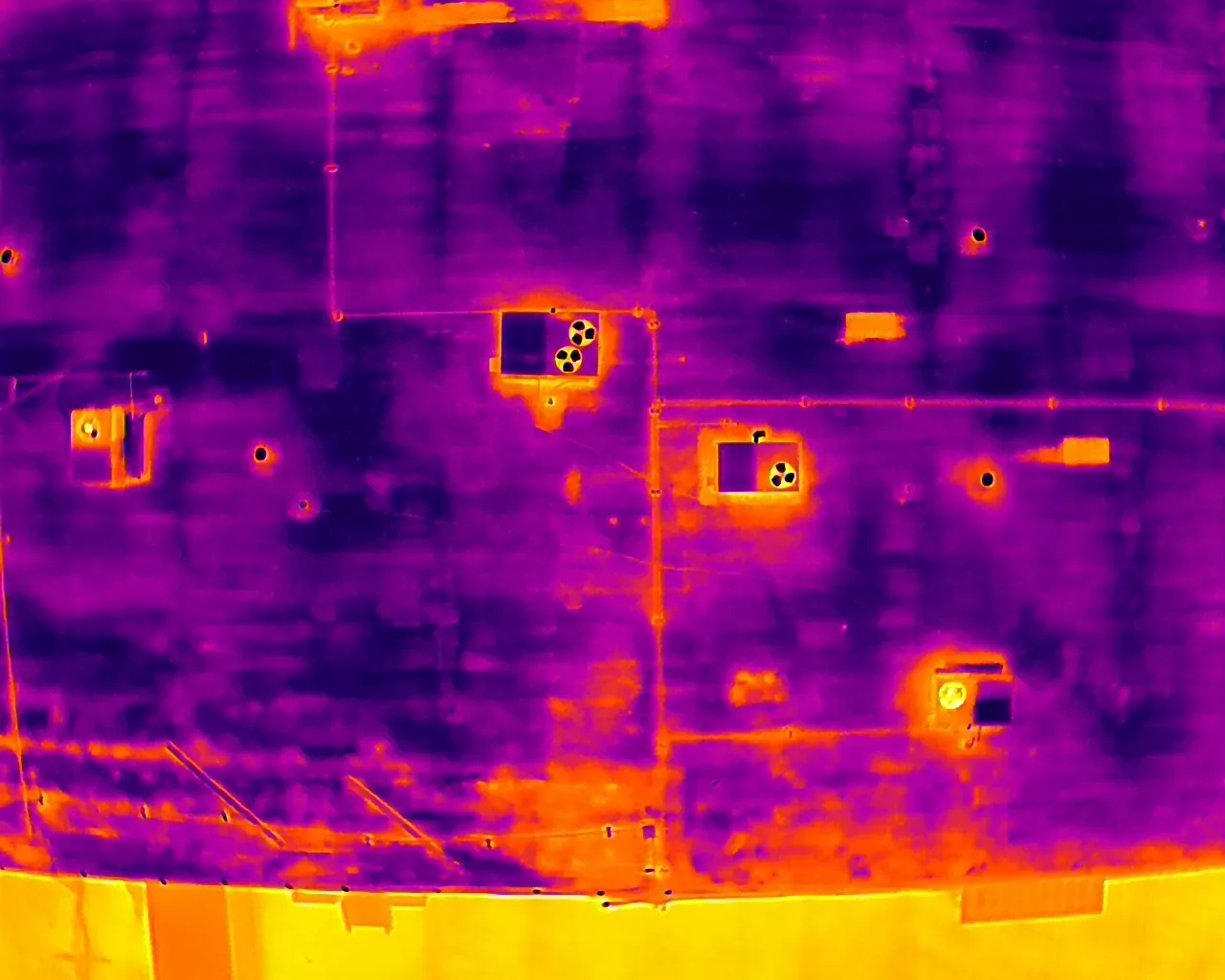
A roof walk shows the surface and accessible details, but it cannot identify every concealed layer. Infrared imaging can locate temperature patterns for investigation, while a core cut can expose insulation and deck condition at an approved point. Each method answers a different question. We describe the expected value and limits of a test, then obtain permission before opening the roof. A stain, thermal pattern or soft area is a reason to check, not proof of a specific hidden failure.
For a broad field, drone imaging may capture roof areas that are difficult to view from a safe walkway. An infrared moisture survey may help prioritize where testing is useful. Neither image replaces a hands-on look at seams, curbs and drainage details. Where material compatibility or moisture affects the next repair, the report identifies those questions before a crew proposes a patch, recover or replacement. The manager receives a test plan that follows the roof condition, not a fixed package.
Repair order: sort urgent from routine
Not every observation needs the same response. Active water entry, loose material at an edge, a damaged drain connection or a condition near sensitive equipment may need prompt attention. Surface wear without active leakage may belong on a maintenance list or a later capital review. We explain the consequence of each finding in terms of the roof detail and the building use, then group repairs by location when that makes access more efficient.
Professional services is Renton's largest employment sector, so many of these roofs sit over offices, and we ask the manager what rooms, equipment and operating windows matter before prioritizing work. In a warehouse, a drain above receiving may change the access plan; in an office, a curb near air handling can involve service coordination. The maintenance program can track recurring items, and roof capital planning helps compare larger scope decisions. The report keeps repair urgency separate from a recommendation for replacement.
Photo record: make findings usable
A useful report gives each finding a roof location, a photo, a short description and a recommended next action. It notes the areas inspected and any access limits, then distinguishes visible surface conditions from tests that were not performed. If a core sample was authorized, its location and result belong in the record. If no opening was made, the report should not describe the concealed insulation as dry or damaged. Clear wording lets the property team compare the findings with earlier visits.
For properties in the Downtown Renton service area, access restrictions may differ by building, so we record the route used and any blocked area. The condition report format keeps photos and priorities together for later maintenance. The manager can use it to set a repair scope, plan a test or retain the findings for a future roof decision. A concise record is most helpful when it states what we saw and what remains to be checked.
Next check: plan around the season
Inspection timing depends on roof condition, recent weather, recent repairs and the building's maintenance calendar. Before the wet season, checking outlets and previously repaired transitions can identify a detail that needs attention before sustained rain. After a major wind or rain event, a focused visit can check for changed conditions. A roof with no visible leak still benefits from a record of drains, seams and flashings because small changes are easier to compare when the prior condition is known.
We close by reviewing the priorities with the property contact and identifying which items need a quote, a test or monitoring. If the inspection shows widespread moisture, recurring failure or deck concerns, we explain what further evidence would support a larger decision. The result is a practical roof record for this property, with an access plan for any follow-up. A service team can then work from the same locations and repair boundaries rather than starting over from the first ceiling stain.
Commercial Roofing Questions
What does a hands-on roof inspection include?
We walk accessible areas and check drains, seams, penetrations, curbs, flashings, edges and previous repairs. Photos and notes identify the finding and its location. If weather or access prevents a safe check, the report says which area remains uninspected and what would be needed for a return visit.
Can you tell whether insulation is wet without cutting the roof?
A visual roof walk cannot confirm every concealed layer. Infrared patterns or surface conditions may point to an area worth testing, but a core cut is often needed to inspect insulation and deck directly. We explain the question a test can answer and get approval before opening the roof.
Will the report tell us which repairs come first?
Yes. We group findings by immediate water entry, safety or exposure concerns, recurring repairs and routine maintenance. The priority reflects the observed roof detail and the building's operating needs. When a finding needs additional testing, we separate that step from confirmed repair work.
Can the inspection be done without disrupting tenants?
We plan roof entry and any interior review with the property contact. Most inspection work is above the occupied space, but access, noise, equipment or a test opening may require coordination. We identify those needs in advance and note any area the team could not safely reach.
What should I send before the roof walk?
A roof plan, previous repair notes, leak locations, access rules and any known equipment or tenant restrictions help shape the route. If the building has several roof sections, note how they are accessed. We still verify the conditions on site instead of assuming an old record describes today's roof.