Water crossing a ceiling tile during a night shift needs a roof check that can begin before the next workday. Commercial Roofing Renton responds around the clock, including weekends and holidays, for active leaks and storm damage. The first call establishes where water is entering, what is at risk below and how roof access can be arranged. Renton's wet-season pattern adds urgency to drainage checks: Sea-Tac normals show November and December much wetter than midsummer.
At an industrial or warehouse property in the Renton Valley Subarea, a leak can reach stored material, electrical equipment or an active receiving area. We ask the manager to mark the interior water location, identify hazards and protect what can be moved while the crew is dispatched. On the roof, we trace the likely path, contain the opening where conditions permit and document what needs permanent repair. Tarping or dry-in limits exposure, but it is a temporary measure whose fit depends on roof conditions and weather, not a substitute for correcting the failed detail.
First call: locate the risk
Tell us the property address, the room or equipment affected, when the water started and whether it is still active. Let us know about roof hatches, escorts, gates, loading areas and any location that cannot be entered without a site contact. A manager can move stock or place a safe catch below a drip, but should keep people clear of electrical hazards or unstable ceiling materials. Those details help the crew arrive with a workable access plan.
A call from the Rainier-Grady Junction area, where the city's mapping shows commercial and employment classifications near one another, can mean a commercial building or an employment-use building, so we confirm how the building is used and how the crew gets in before the truck leaves. If water is near equipment, the manager should follow the building's safety procedures while we inspect the roof. A commercial leak trace can follow the water route; an outlet and scupper check looks at drainage that may be adding pressure around a failed detail.
Roof walk: trace before covering
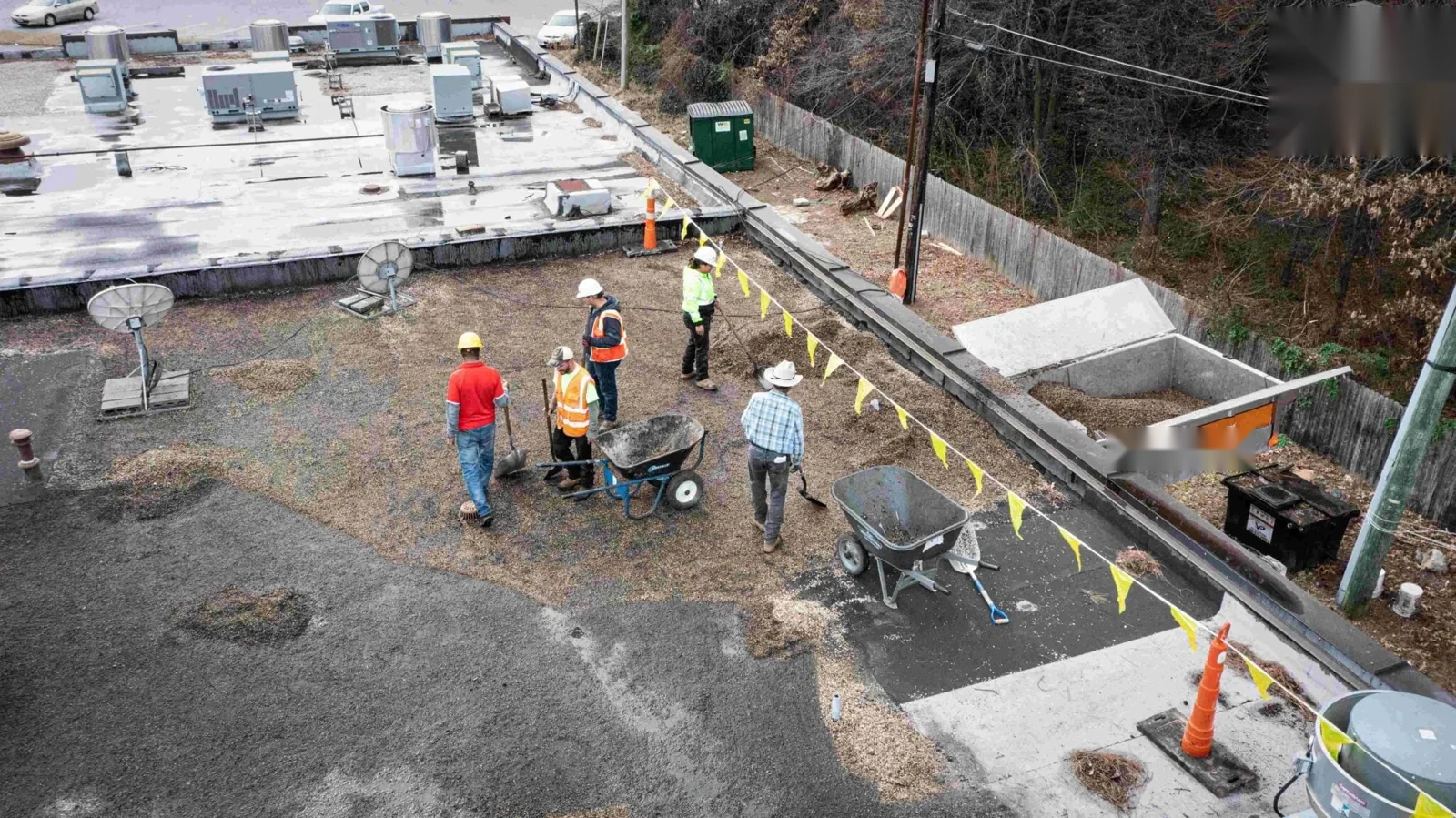
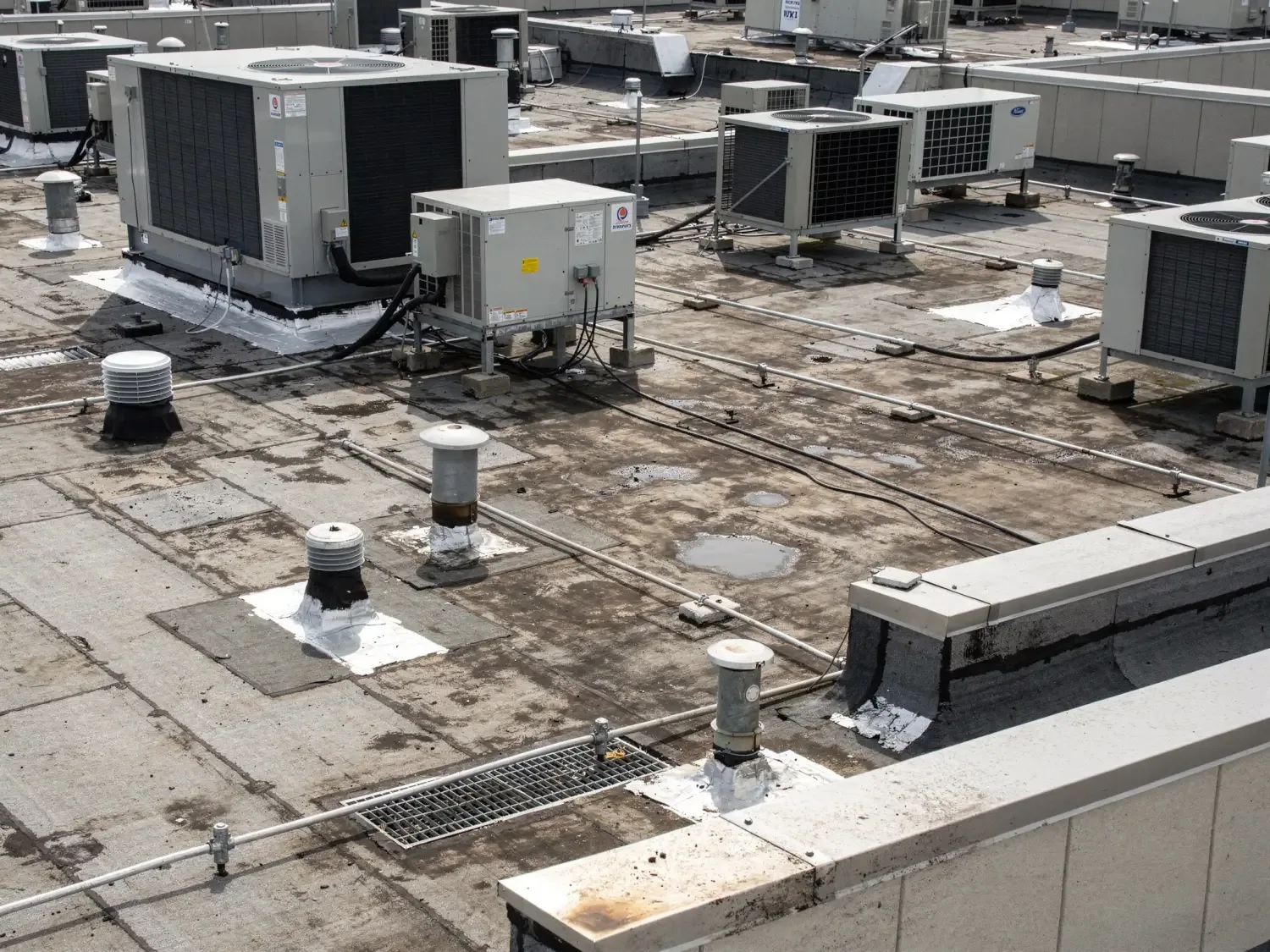
Once access is safe, we check the roof area above the report and work outward. Seams, pipe boots, curb corners, wall transitions and drains can all provide an entry. A stain under one location does not prove that the opening is directly above it. We photograph conditions, note active flow and inspect nearby patches before selecting a temporary covering. If the surface is wet, fragile or unsafe to cross, the crew uses the access and fall-protection approach suited to the roof rather than forcing a walk.
Rain may be entering at one detail while a blocked outlet holds water against another. We distinguish what is visible from what needs follow-up after weather clears. If a temporary cover can be secured without creating a new water path or wind hazard, we set it over the affected area and check its edges. In some conditions, an interior catch and a return visit are safer than a rooftop covering. A roof inspection can document the broader condition once immediate risks are controlled.
Temporary protection: limit further exposure
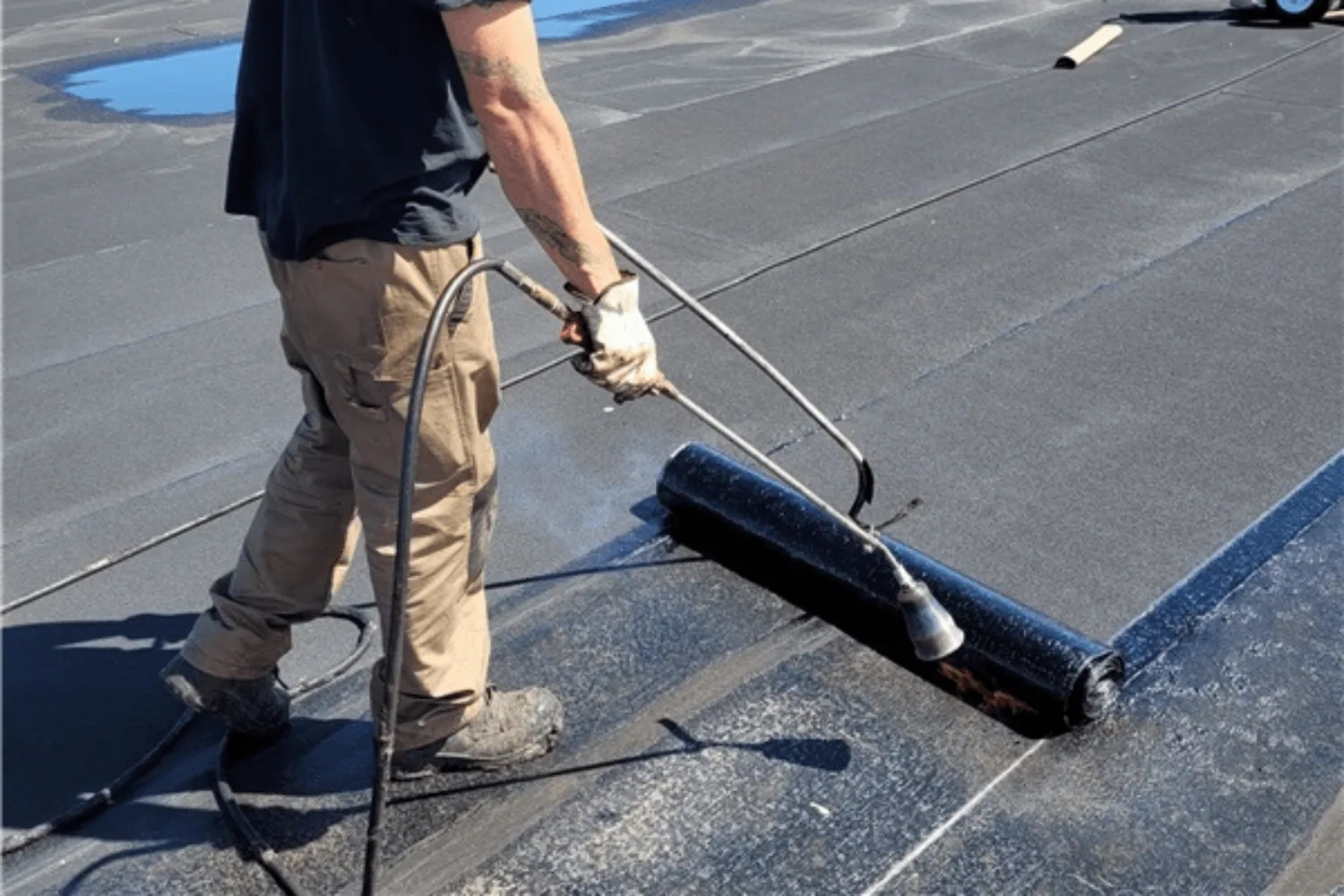
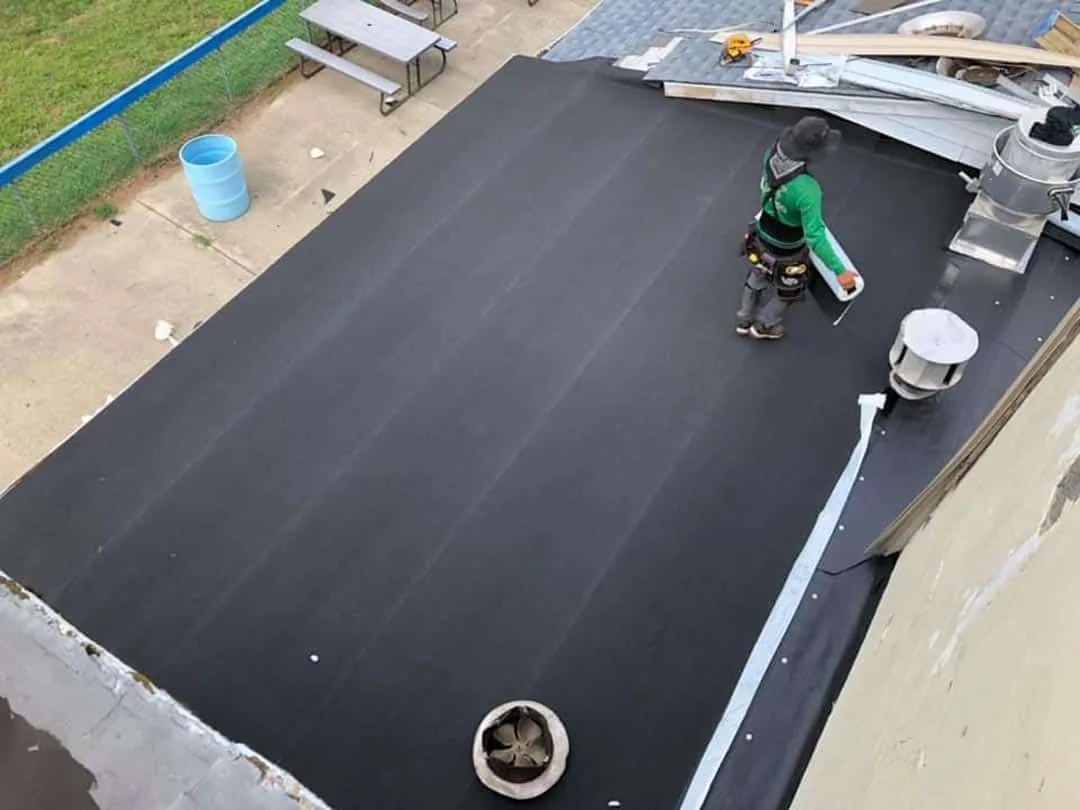
A tarp, temporary membrane patch or dry-in can reduce incoming water while a permanent repair is prepared. The choice depends on roof slope, surface condition, wind, rain and the ability to secure the material. We explain what is protected and what remains exposed so the property team can make operating decisions with accurate limits. Temporary materials need follow-up; they can shift, collect water or affect drainage if the weather changes.
The building may still need interior protection or a temporary pause in an affected area. We coordinate the roof work with the site contact and keep clear of marked equipment or restricted zones. In the Renton Valley, receiving doors and delivery paths may affect where a lift or materials can be staged, so that plan is confirmed before setup. If the roof system is identifiable, the immediate repair uses compatible materials where conditions allow. A TPO roof detail and an EPDM lap need different repair methods; the label on the roof does not replace a condition check.
Repair line: return to the failed detail
After the water is controlled, we define permanent work around the opening, not just the temporary covering. That may mean resealing a seam, rebuilding flashing at a curb, replacing a damaged drain connection or removing wet material before closing the roof. If concealed insulation or deck condition will affect the repair, we explain the need for a test opening and get permission. The repair scope distinguishes immediate work from a possible change if hidden damage appears.
A Downtown Renton office, where the city maps Center Downtown zoning, may have tenants under the opening who need notice before a repair starts, while a Valley receiving dock needs the lift kept clear of trucks. We confirm whether tenants, equipment service or material storage affect the work window. If the roof has repeated failures, a planned repair scope or replacement comparison can follow after the active leak is addressed. The owner receives photos and notes that show what was contained, what was repaired and which conditions remain open.
After the call: record what changed
Emergency work can happen in poor light and changing weather, so the closeout should make the condition easy to review later. We note when access was gained, where water was seen, what temporary protection went in and whether a permanent repair was completed. Photos help the property contact distinguish the original failure from the repair edge. If weather prevented a final check, the record says what needs to be reviewed when conditions permit.
The next wet-season visit can compare new water with the marked route and check drains, seams and temporary materials that remain. The condition report can organize those observations for the property file. In the broad Renton Valley Subarea, industrial and warehouse activity can make receiving-hour and equipment restrictions important to note for the follow-up visit. A tarp only buys time, so the follow-up plan ends in a permanent repair, added testing or a replacement decision when the roof condition calls for it.
Commercial Roofing Questions
Can I reach someone outside business hours?
Yes. Emergency roof response is available around the clock, including weekends and holidays. The first call gathers the property address, active water location, access details and immediate risks. Dispatch timing and the work that can be performed depend on current weather, roof access and safe conditions, which we confirm with the site contact.
What details help the night call move forward?
Move people and movable stock away from the affected area, use a safe catch for dripping water and follow site procedures if electrical equipment or ceiling materials are at risk. Send the roof access contact and any gate or escort information. Do not climb onto a wet roof or attempt a repair from inside the building.
Will a tarp solve the leak permanently?
A tarp is temporary protection when the roof and weather allow it to be secured safely. It can limit exposure while we prepare the permanent repair, but it does not rebuild a failed seam, flashing or drain connection. We record its limits and arrange the next roof check so the permanent detail can be addressed.
Can you work while the building is operating?
We coordinate around active operations when roof access, staging and protection can be arranged. A receiving door, interior equipment area or occupied room may need a short restriction. The site contact helps identify those points, and the crew confirms the work zone before setup. Some conditions require a safer alternative or a different time window.
What if rain or wind prevents rooftop work?
We explain the access limitation and focus on measures that can be carried out safely. That may include interior protection, a temporary measure from a suitable area or a return visit after conditions improve. The manager receives a clear note about what remains exposed and what needs another inspection, rather than an assurance that unsafe roof work can proceed.