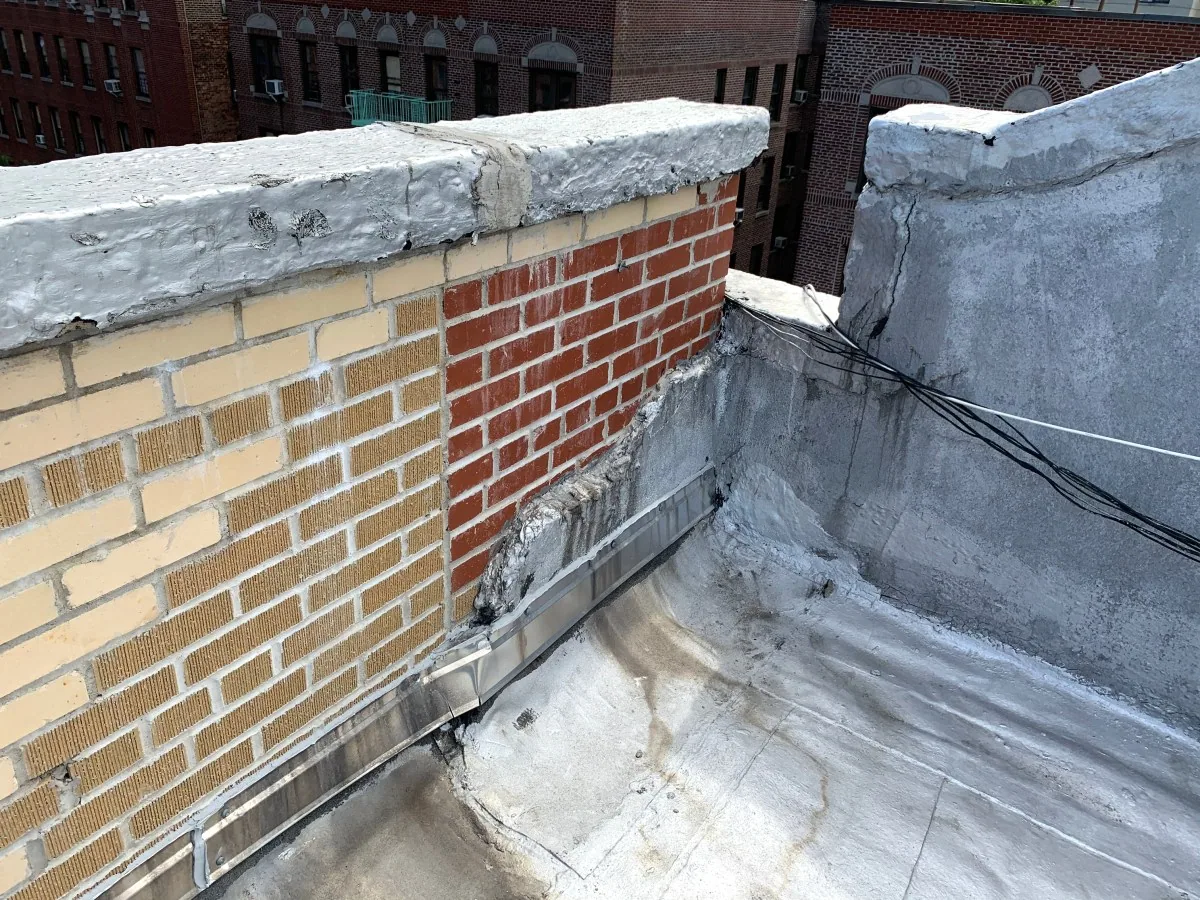
A loose lap beside a roof curb can let water travel before a ceiling stain appears, so a repair starts with tracing the route, not covering the first visible mark. The Sea-Tac normals put November at 6.31 inches and December at 5.72, against 0.60 in July; that seasonal contrast makes it sensible to trace the drain path before the next wet stretch. We inspect the membrane, seams, flashings, drains and nearby transitions, then separate the opening that needs work from the area that only looks suspicious.

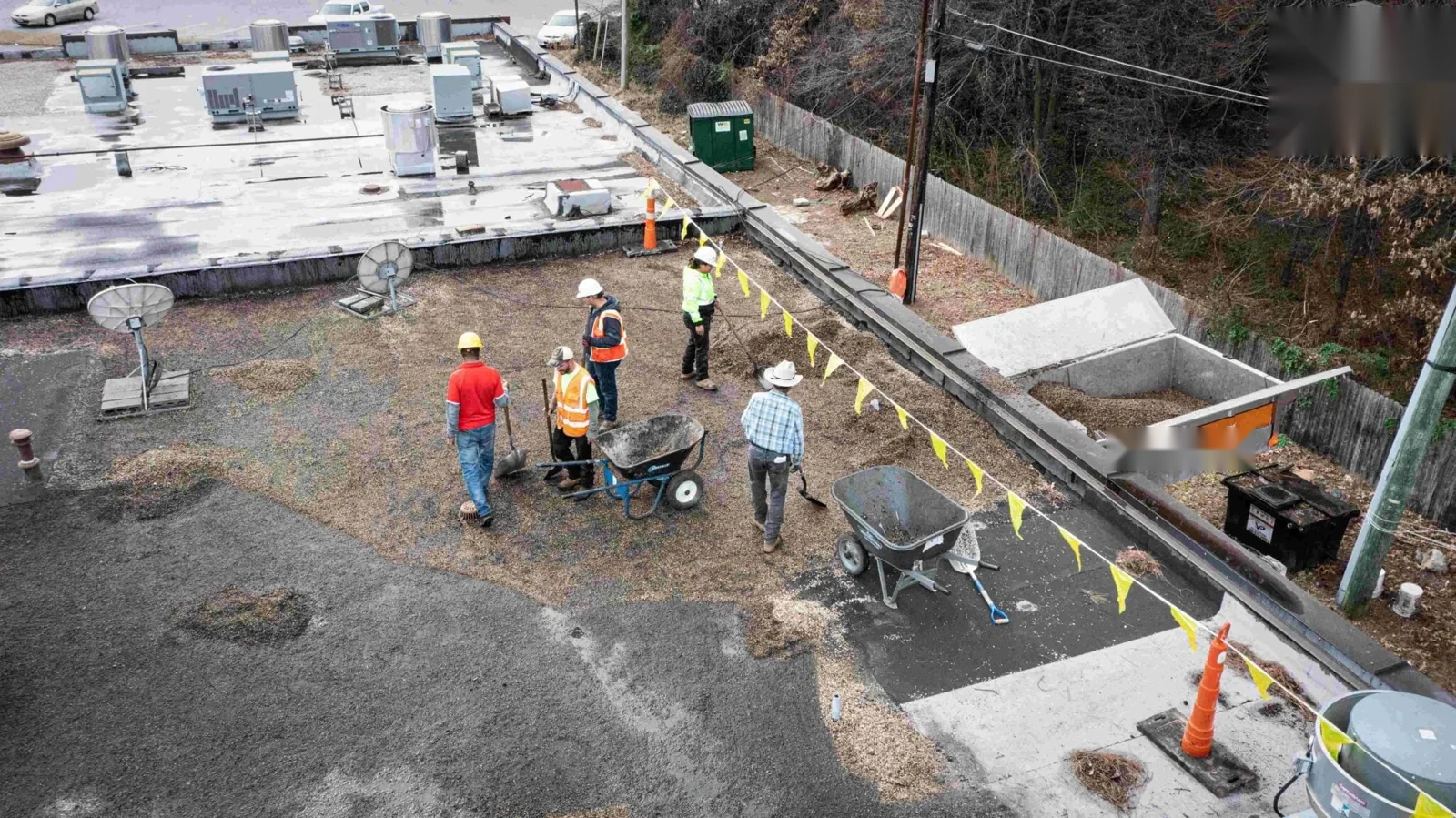
The Renton Valley Subarea includes industrial and warehousing uses with a long history of logistics and light manufacturing. Roof repairs there can affect receiving schedules, equipment access and stored materials, so the crew needs a defined work zone and a reliable closing point. We record what failed, what tested sound and how far the repair extends. When inspection shows broader moisture or repeated failures, we explain the repair limit and compare it with a planned replacement. The aim is a fix that matches the condition, not a patch applied without knowing what it is meant to stop.
Water path: find the opening
Water can enter at a seam, pipe boot, curb corner, wall termination or drain connection, then travel along insulation or deck before appearing inside. We start at the reported wet area and work outward, checking the roof surface and transitions that could feed it. The visit notes active water, staining, loose material and any earlier patch. If a small test opening would clarify the concealed layer, we explain its purpose and get permission before cutting.
Downtown Renton office roofs and Valley warehouse roofs fail in similar places but get reached differently, so we work from the property's records and what the roof shows. A commercial roof inspection can document the wider condition, while leak tracing focuses on the active water path. For membrane-edge trouble, flashing repair may address the transition where the field material meets a curb or wall.
Repair line: define what changes
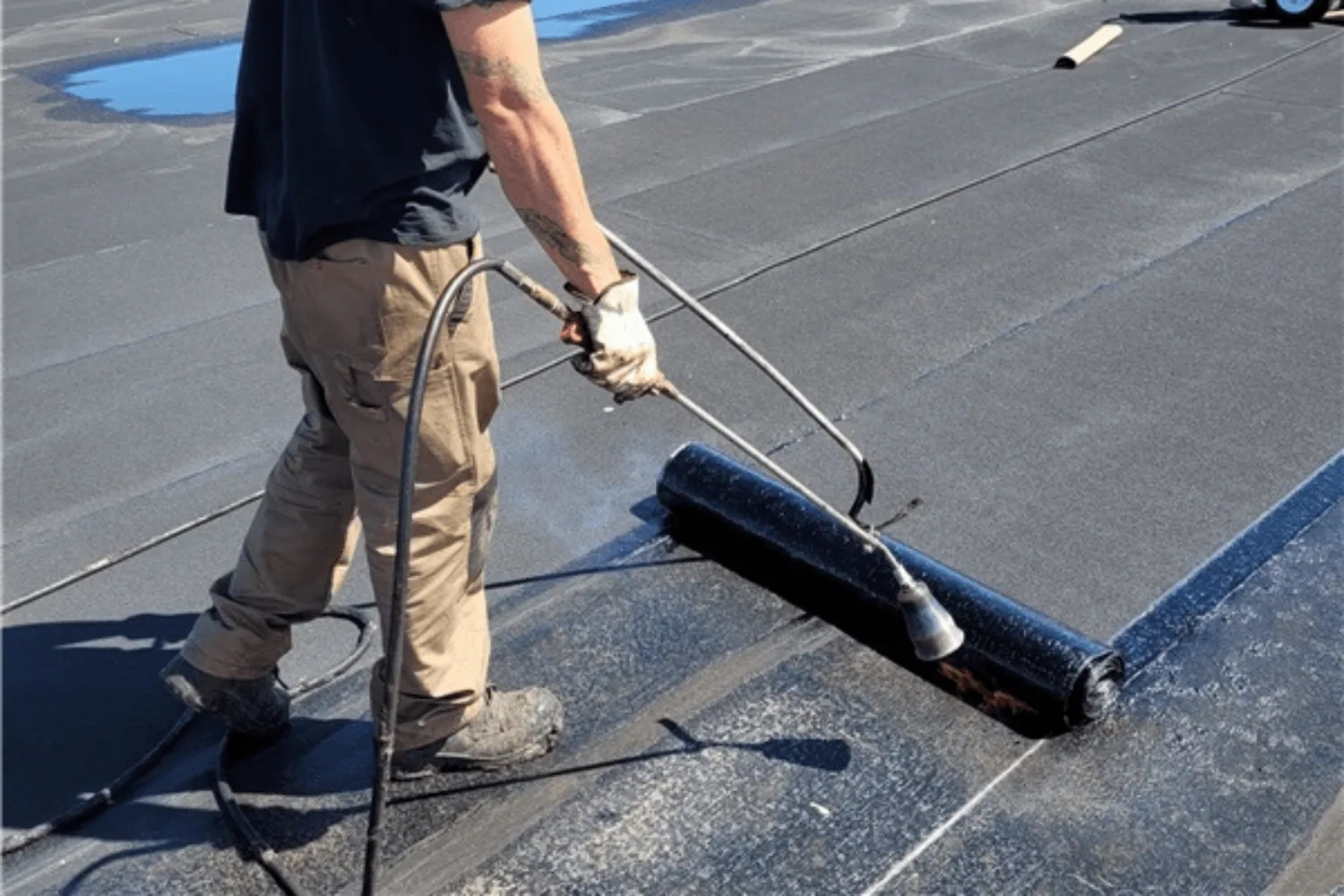
Before work begins, we mark the affected seam, flashing, puncture or metal detail and check whether the surrounding material can accept a repair. A new patch needs clean, compatible surfaces and enough sound membrane to bond. If the existing material is brittle, wet or lifting beyond the visible opening, the repair may need to extend farther. We explain that boundary, take photos and identify any concealed condition that could change the work after the surface is opened.
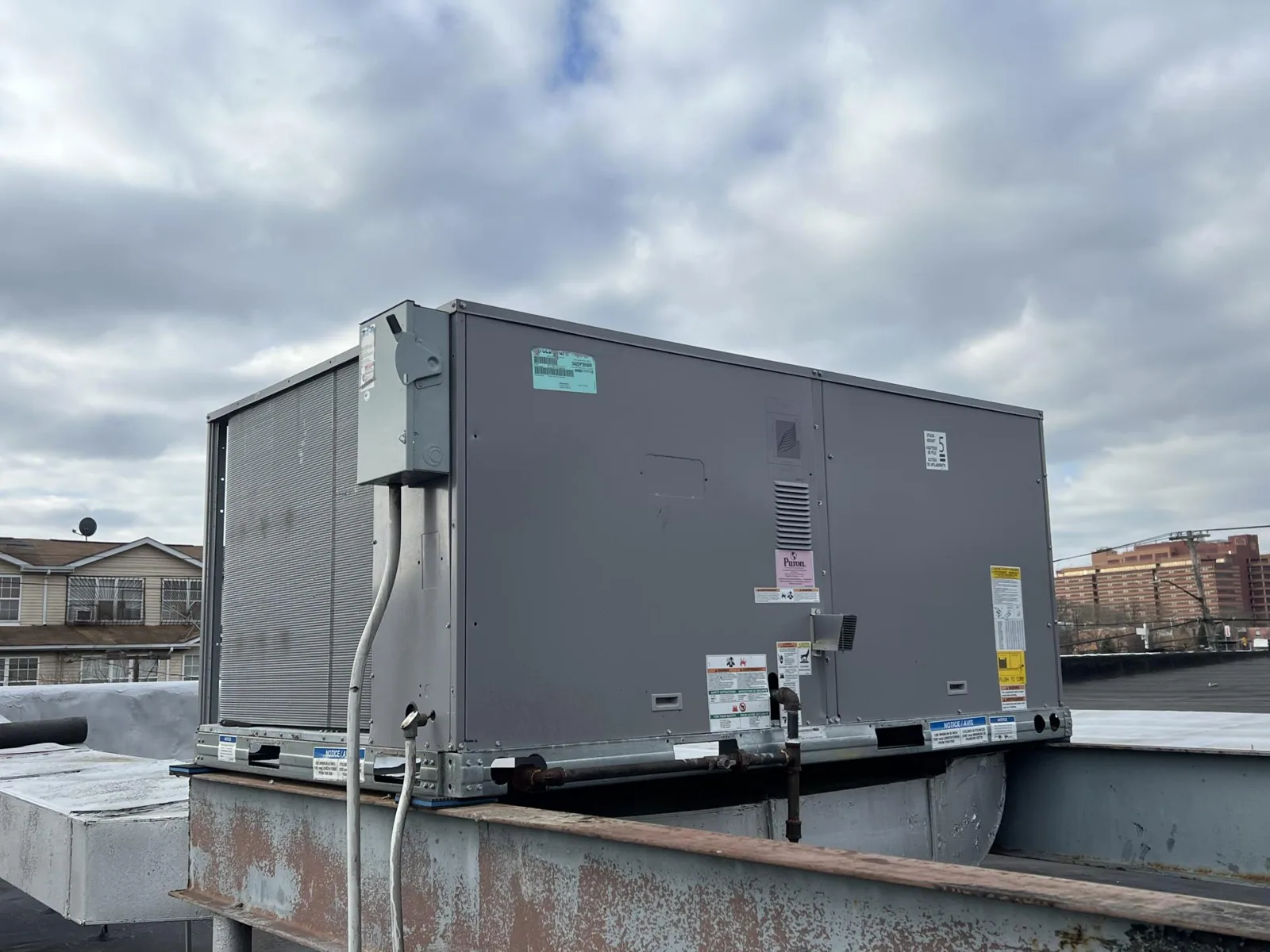
System type matters. A thermoplastic seam, EPDM lap and modified-bitumen surface do not use interchangeable repair methods. We identify what is present where it can be verified and choose compatible materials for the repair. A heat-welded TPO seam is mended differently from a taped EPDM lap, and the repair scope has to match the installed roof. At penetrations, the curb and equipment transitions need a secure turn without blocking service clearance. The written repair line shows the material, location and transition addressed.
Outlet check: do not leave a second cause
A leak repair can fail if a blocked outlet keeps water against the new seam. We inspect the drain bowl, strainer, scupper and path toward the outlet, then note standing water, debris or a damaged connection. The question is whether drainage contributes to this specific failure and whether cleaning, adjustment or separate repair is needed. We do not treat a slow drain as proof that it caused every interior stain, so the report keeps observed conditions distinct from the likely water route.
For low-slope commercial roofs, an outlet can be working while water still holds in a depressed area. We look at the slope and adjacent seams and identify whether the repair restores a detail or calls for broader drainage work. Drain and scupper service can address the outlet and overflow path. In the Renton Valley, material movement and equipment access may require a planned roof walk rather than an unannounced visit. We coordinate the route with the site contact, keep clear of active operations and leave drains free of repair debris.
Access window: protect the operation
Repair timing depends on the roof condition, weather, material cure requirements, safe access and how close the work sits to air intakes or equipment. The site contact helps set a roof entry point and a window that avoids critical deliveries or occupied rooms. If work is above an active area, we identify interior protection and communicate when noise, odor or access may change. A small repair can still require trade coordination when equipment has to be isolated or a service path crosses the work zone.
Renton's largest employment sector is professional services, so a downtown repair often sits above working offices, while a Valley warehouse or production space brings forklifts, trucks and dock hours instead. We confirm the conditions with the manager and keep the repair focused on the actual roof. For recurring issues, preventive maintenance can help track drains, seams and prior repair lines over time. A Downtown Renton roof visit starts with that property's records, water location and workable access window.
Roof record: keep the next check useful
After the repair, we review the bonded area, seam or flashing turn and confirm that the water path around it remains open. Photos show where the work begins and ends. The record notes material, weather limits, any test opening and what remains outside the repair scope. If the roof needs a separate moisture survey, deck evaluation or replacement comparison, we identify that next check rather than stretching a local repair into a claim about the full assembly.
A practical repair record helps the next wet-season visit start in the right place. It shows whether a new stain is near the repaired route, whether the same drain needs attention and which details deserve a closer roof walk. The condition report can keep those observations with other property records. We also explain routine checks that fit the roof, such as clearing outlets and watching repaired transitions after heavy rain. The owner has a defined repair line and a useful next decision if the condition changes.
Commercial Roofing Questions
Why can a ceiling stain be far from the roof opening?
Water can move sideways along a seam, insulation layer, deck flute or framing before it reaches the interior. We compare the stain with roof details above and nearby, then follow the likely route to an opening. If the concealed path remains uncertain, an approved test can help. We record where water was observed and what still needs confirmation.
Can you patch a roof while the building stays open?
Often, if access and protection can be arranged for the affected area. We confirm deliveries, occupants, equipment, roof entry and any interior safeguards before setting the work window. Noise or temporary restrictions depend on the repair location. If the work crosses a sensitive operation, we agree on a sequence with the property contact rather than assuming all areas can remain available.
How do you know the patch material will work with the roof?
We identify the existing membrane or coating where it can be verified and select a compatible repair method. Surface preparation, temperature, moisture and the condition of the surrounding material affect the bond. If the roof type is unclear, we investigate before applying a product. The closeout record identifies the material and repair location for future maintenance.
When should a repair become a replacement discussion?
Repeated failures, widespread wet insulation, deck damage or a repair area that keeps expanding can change the decision. We explain which findings are local and which affect a broader part of the assembly. A test opening may be needed to separate a sound field from concealed damage. The owner can then compare a defined repair with a replacement scope.
What should we do after the repair is finished?
Keep the photos and repair notes with the roof history, maintain clear drains and watch the marked area during the next wet period. If water returns, note when it appears and whether the drain or nearby equipment was active. That information helps the next visit focus on a change in the water path instead of repeating the same inspection without context.