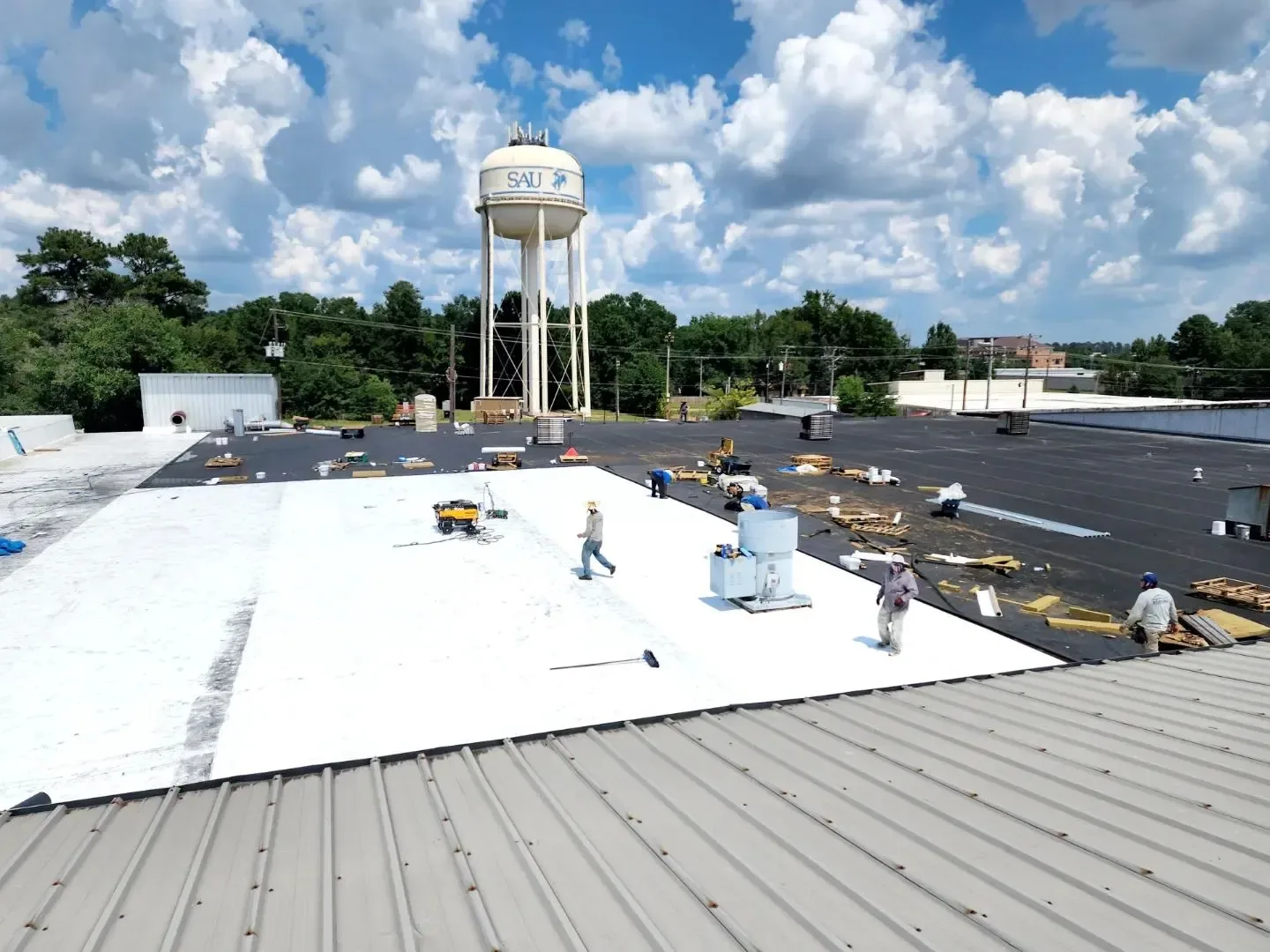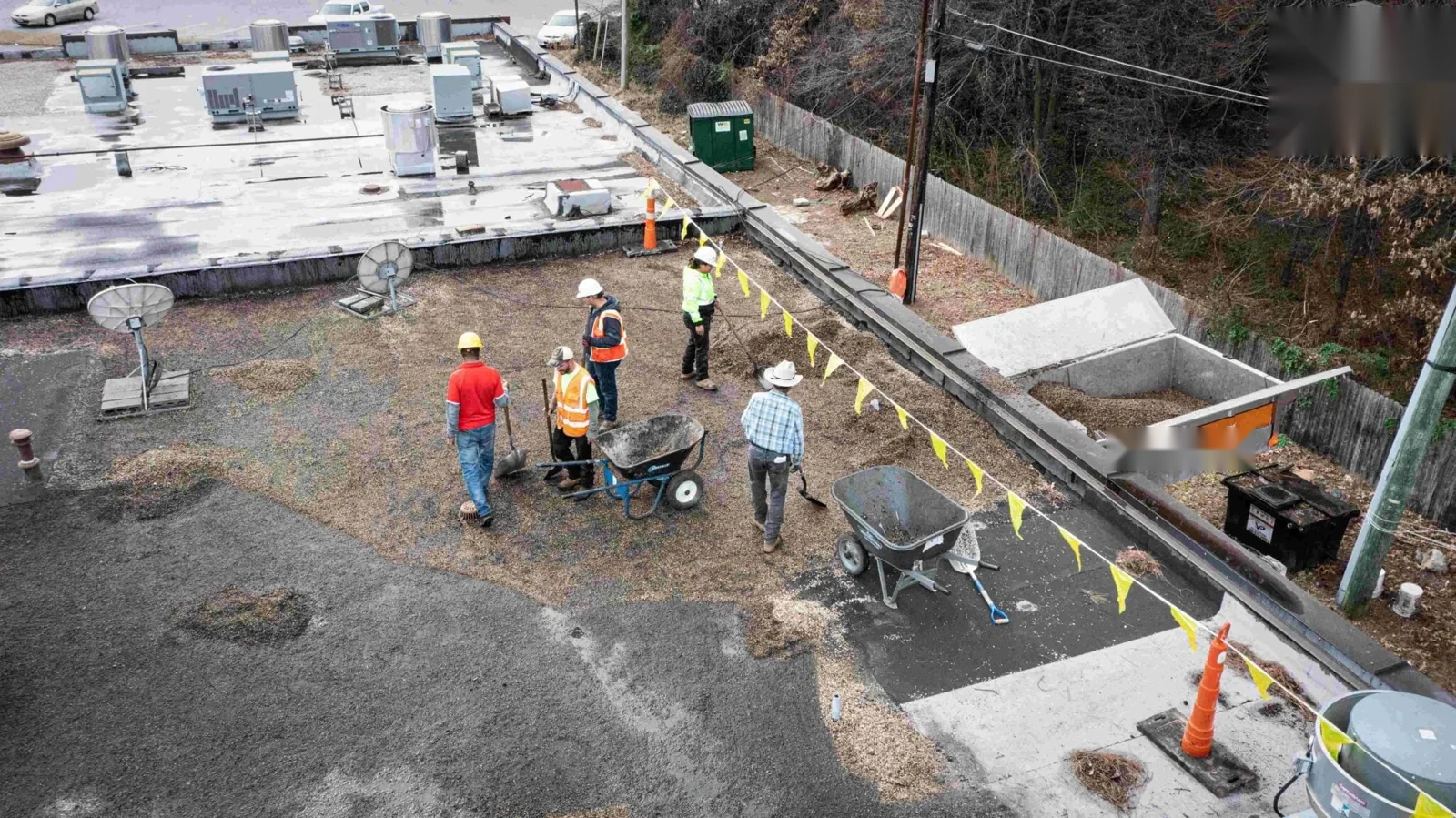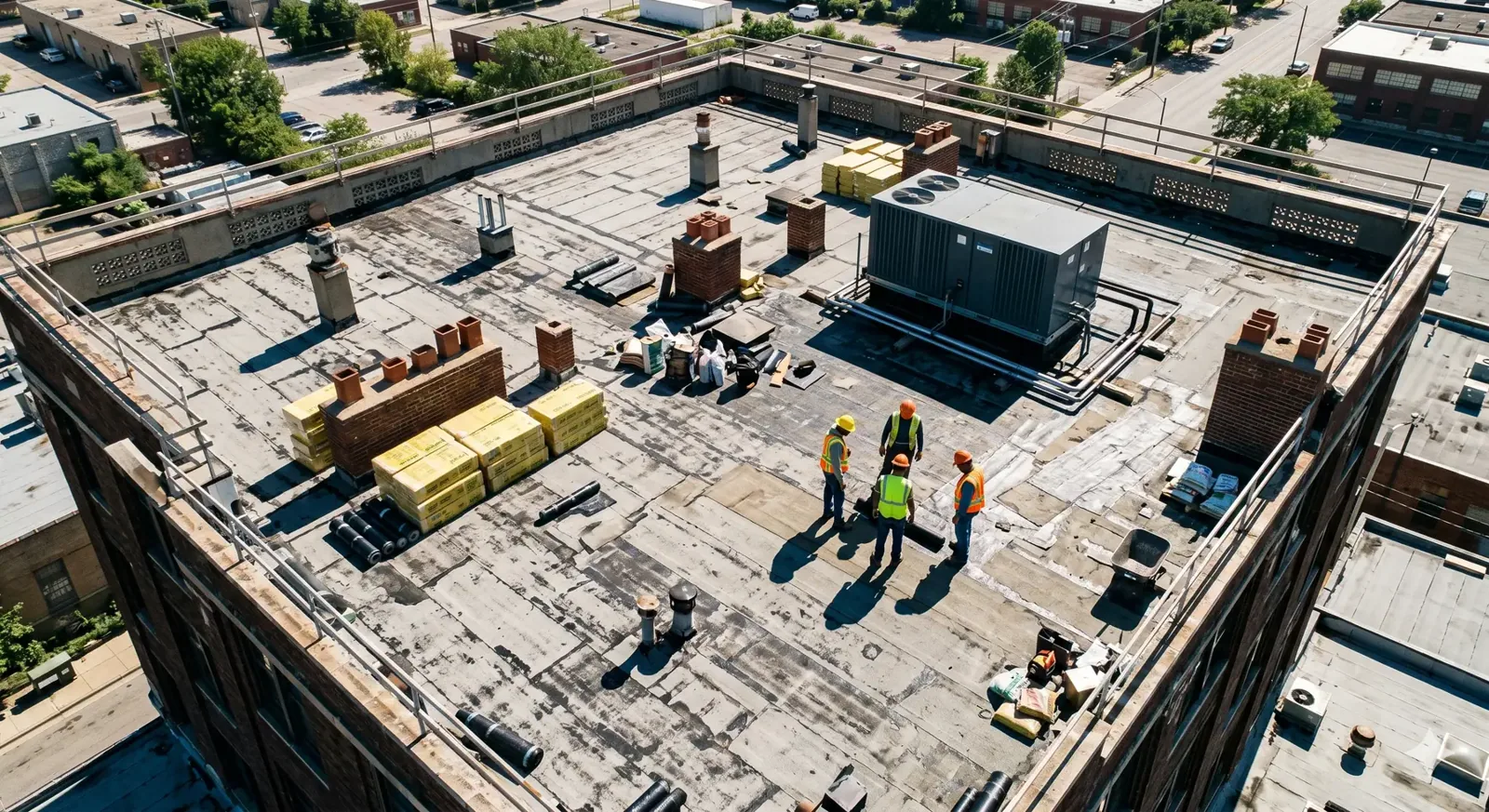

A soft area beside a drain can change the whole conversation about a roof system. Before discussing a Johns Manville product, we locate the wet area, follow the water path and check how the membrane meets curbs, walls and metal edges. Renton's wet-season pattern makes that inspection useful before winter rain.
Johns Manville has commercial roofing products across several low-slope categories, including single-ply membranes and asphalt-based systems. Each option depends on the existing roof, substrate, project requirements and the work the owner needs done. We document what is visible, flag what needs testing, and then compare the proposed assembly with the roof record instead of starting with a product name.
System range: identify the assembly first
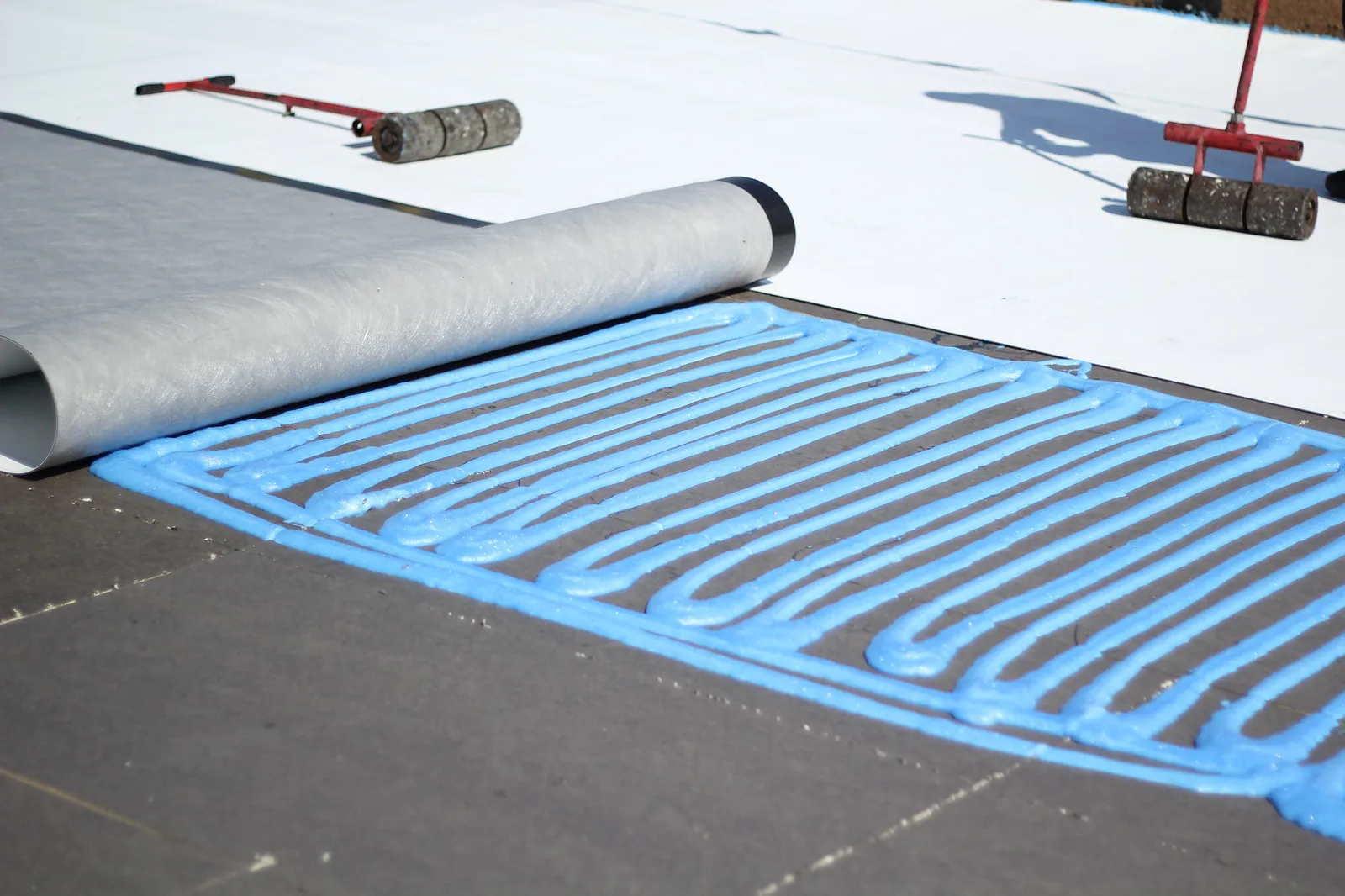
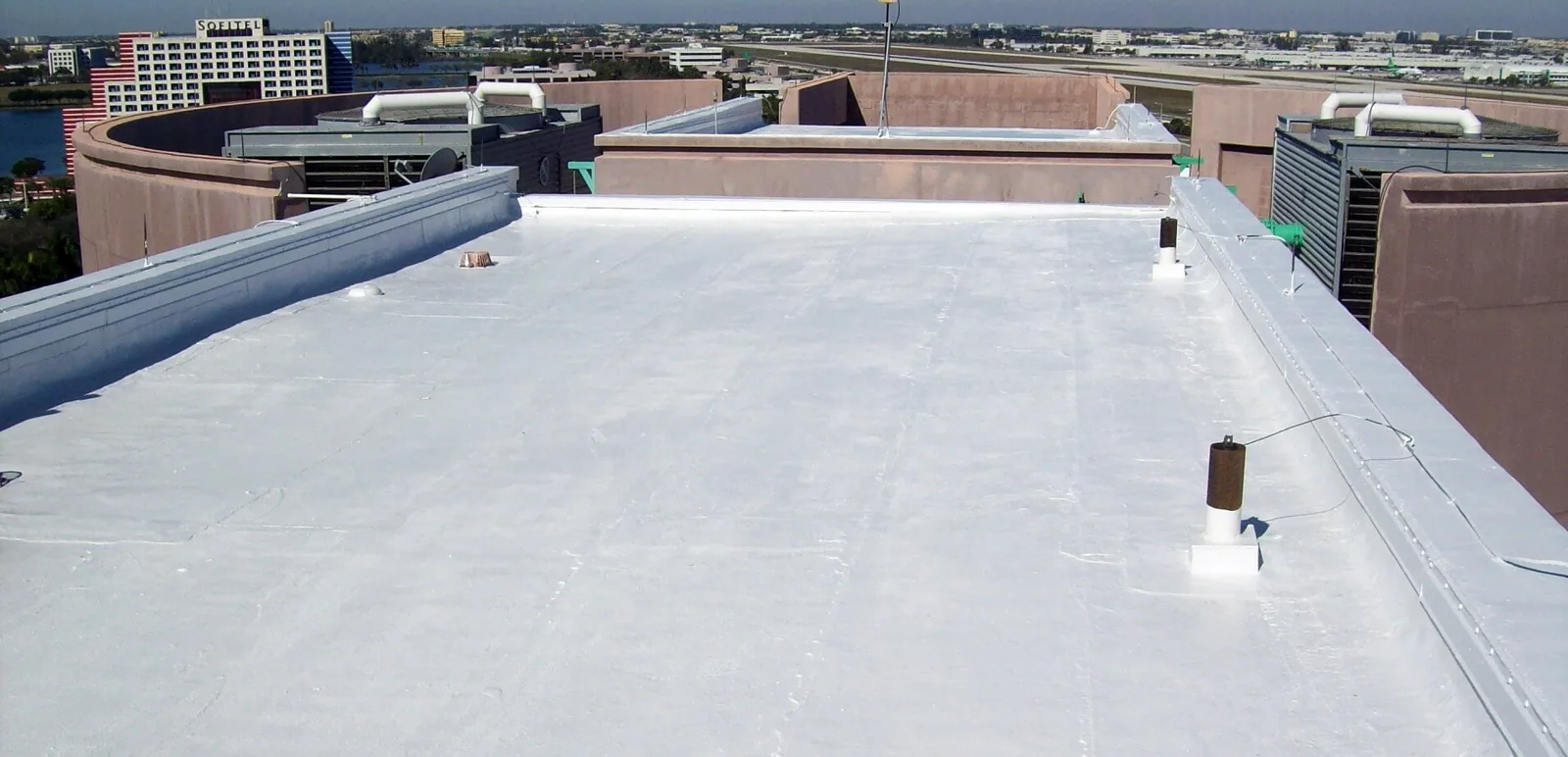
Johns Manville's commercial range includes TPO, PVC and EPDM membranes, along with built-up and modified-bitumen categories. The names describe broad product families, not a complete roof specification. A bid should identify the proposed product, attachment, insulation, cover board if included, edge treatment and detail work. It should also explain how the system handles the particular roof's drains, penetrations, curbs, transitions and perimeter.
Some facilities carry layers of repair and replacement history that are not obvious from above. We compare roof plans and prior work orders with what the roof walk shows, including patches, seams, ponding, equipment supports and metal joints. If moisture or deck condition is uncertain, the scope should spell out what inspection or testing is being proposed. That lets an owner see whether a Johns Manville assembly responds to verified conditions or relies on an assumption that has not been checked.
GAF and Carlisle SynTec offer comparable membrane families, and a TPO membrane discussion should always travel with the roof details that surround it: laps, curbs, edges and drains.
Roof walk: connect the symptom to the detail
An interior stain is a location to investigate, not proof of where water entered. The roof walk checks the drain route, membrane seams, flashing, wall transitions and penetrations above and around the reported area. We record what looks sound as well as what needs follow-up, so the proposed repair boundary has a reason behind it. When several reports recur at different locations, compare their timing and roof position before treating them as unrelated calls.
If the existing surface is an asphalt-based system, note its layers, laps, blisters, repairs and edge condition. With a single-ply roof, inspect seams, patches, penetrations and attachment-related details. These observations do not replace manufacturer instructions or project design. They help the property team ask the right questions about the specific Johns Manville product and assembly being proposed.
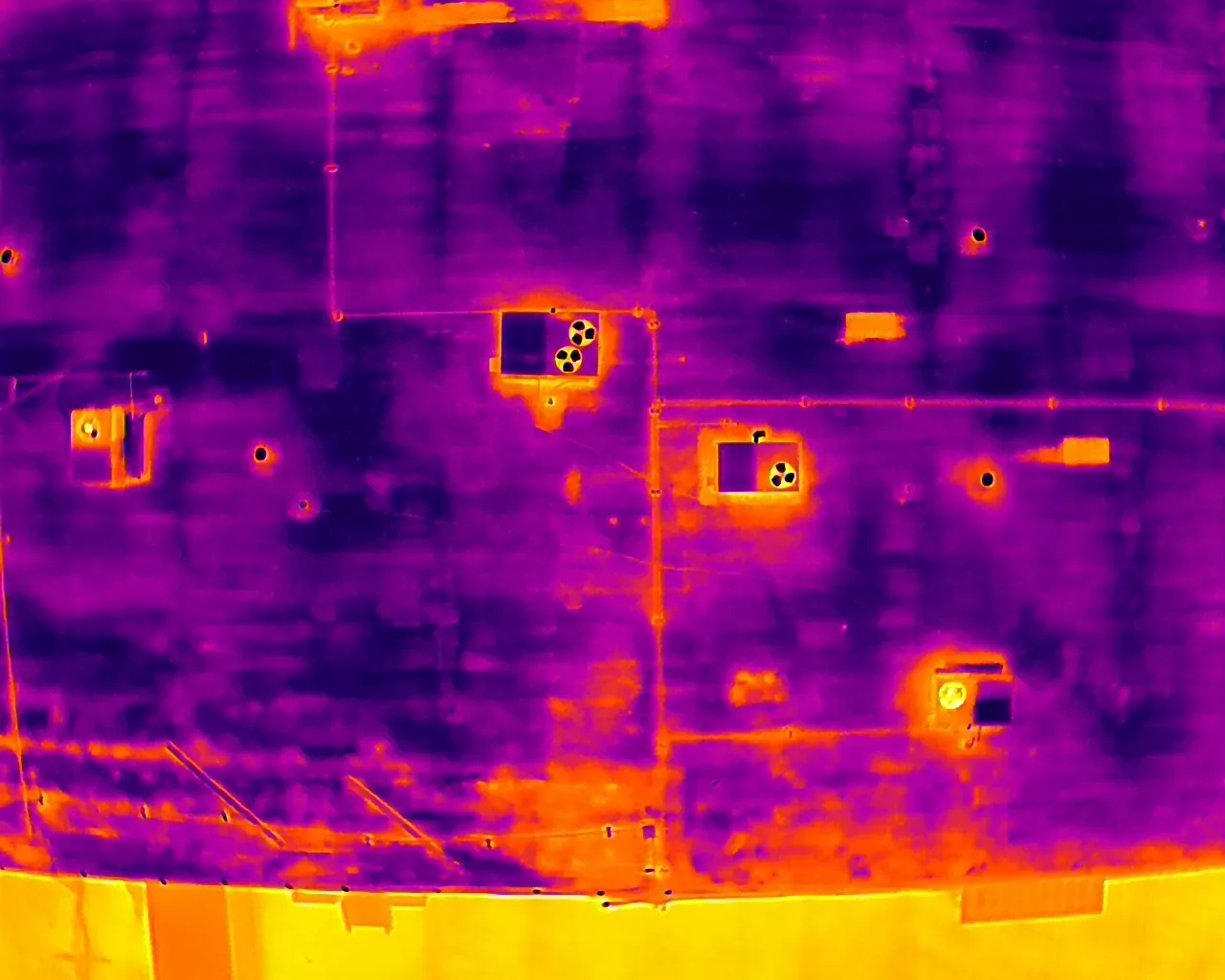
A commercial roof inspection can organize findings, while an infrared moisture survey may be considered when the conditions justify more information. Any testing plan should define its area and explain how results affect repair, recovery or tear-off decisions.
Repair, recover or replace: keep the evidence with the choice
When a defect appears localized, a repair can be considered if adjacent materials and the underlying assembly support it. The scope should name the defect, location, treatment and limit, plus any condition that might expand the work. If the roof has a long patch history or moisture is suspected below the surface, the owner may need a broader assessment before a spot repair is priced as a lasting answer.
Recovery and replacement require a wider view. Review existing layers, attachment, moisture findings, deck condition, edge height and drainage. A recover evaluation should state why leaving existing material in place is being considered. A replacement plan should describe removal, protection, substrate preparation, insulation, details and closeout. For either option, confirm that the selected Johns Manville system fits the project documents and current applicable requirements.
Proposals are comparable only when the roof area and work boundary are held steady. If one bid includes drainage corrections and another does not, or if insulation and tear-off assumptions differ, the totals cannot be compared on price alone. List allowances, exclusions, testing and unit-price work clearly; keep open questions visible until they have an answer.
Renton details: verify the property and access
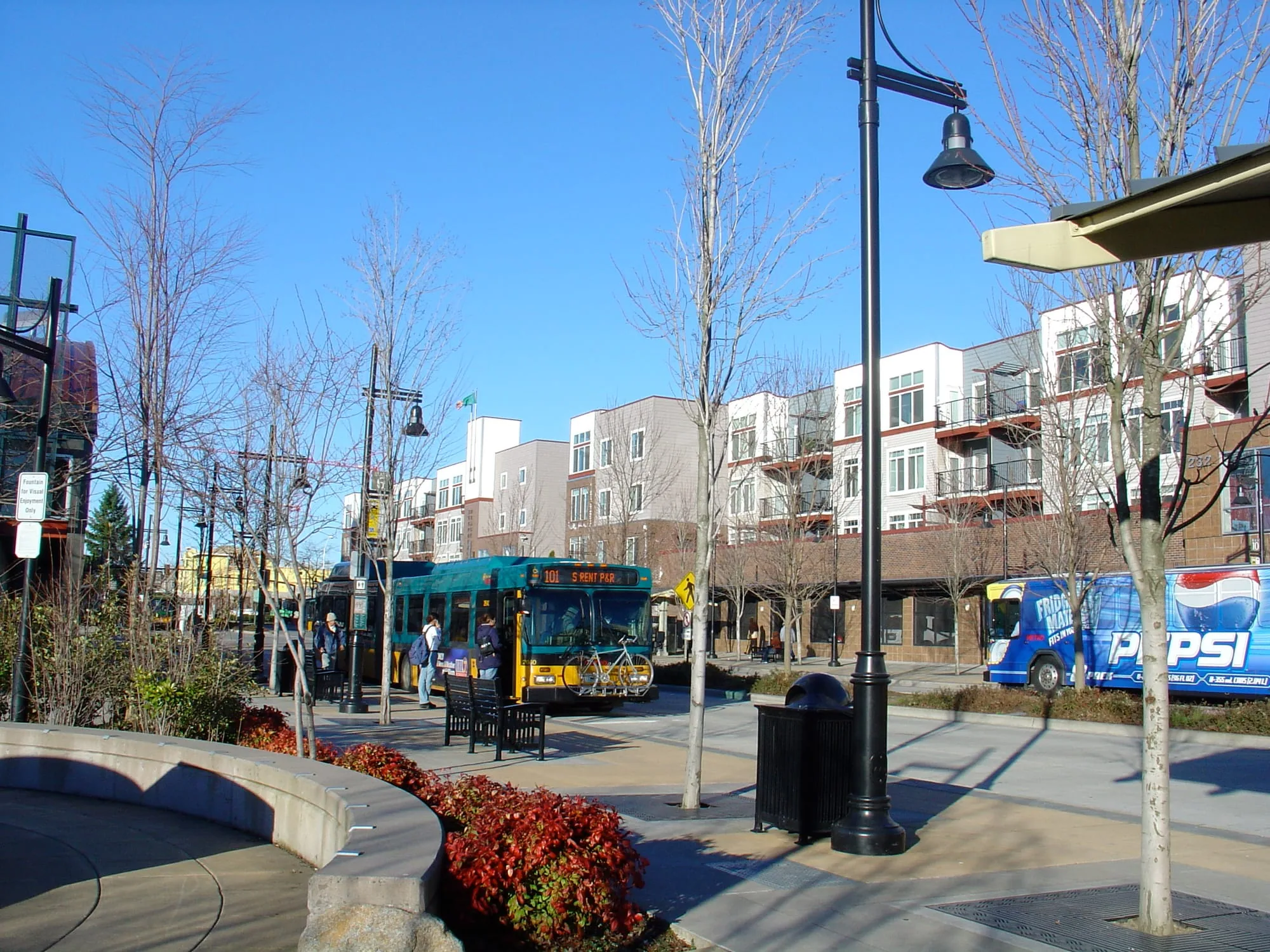
The Sea-Tac normals station records substantially more precipitation in November and December than in July. We use that as a regional cue to check drainage and open details before the wetter season, not as a claim about a particular Renton roof. The actual water path, membrane and condition come from the roof walk and records for that property.
For a roof at Renton Highlands or Rainier-Grady Junction, we confirm the address and property access with the owner or manager, since neither area name tells us how a facility operates.
For multi-building portfolios, roof asset management can keep roof plans, condition notes and repair history organized. The review still begins with each roof's actual assembly and water path.
Proposal review: make the next step clear
We identify which Johns Manville product is proposed and list the full assembly, including substrate assumptions, insulation, attachment, perimeter and penetration details, and we say how drains, scuppers, curbs, wall intersections and rooftop equipment are treated. If a proposal refers only to a system family, the supporting product information and project documents should be in hand before the build-up is treated as specified.
Work sequencing matters as much as the material list. Review tear-off or preparation, temporary dry-in, weather protection, disposal, staging, roof access and operations that could restrict work. We state how concealed conditions will be handled and whether testing, added repairs or change-order work is excluded. For an occupied property, agree on work zones and access windows before mobilization, then keep the communication path clear for the facility contact.
Warranty eligibility and coverage depend on the selected system, installation, records and current terms. A product name by itself does not settle those questions. Confirm required inspections, closeout documents and the person responsible for submitting or retaining them. Keep those records with dated photos, roof plans and repair notes so a later maintenance visit can build on what was done.
We can review a Renton roof by starting with the address, available plans, reported symptoms and access details. The first visit can establish what is visible and where additional information is needed. After that, the owner has a clearer basis for comparing a Johns Manville scope with repair or replacement alternatives.
Commercial Roofing Questions
What Johns Manville products are used on low-slope commercial roofs?
Its commercial range includes TPO, PVC and EPDM membrane categories, as well as built-up and modified-bitumen systems. A proposal should name the product and complete assembly that fit the documented roof and project requirements.
How do I know whether to repair a Johns Manville roof?
Start with the leak location, roof history and a walk of the nearby seams, flashing, penetrations and drainage. If the defect appears local and the surrounding assembly is suitable, a defined repair may be considered; concealed moisture or broader deterioration can require more review.
Can a Johns Manville roof be recovered rather than removed?
That depends on existing layers, moisture, attachment, deck, edge height, drainage and applicable requirements. The contractor should document those conditions and explain why an overlay is being considered before pricing it against removal and replacement.
What should I compare in Johns Manville roofing bids?
Compare the product, full assembly, work area, preparation, insulation, attachment, details, drainage, weather protection, exclusions, testing and closeout. Matching those assumptions makes differences in price and scope easier to understand.
What does a Renton roof contractor need before a site visit?
Provide the property address, roof plans or manufacturer records if available, leak locations, prior repairs, access rules and a workable visit window. Those items help focus the roof walk on the water path and assembly questions.