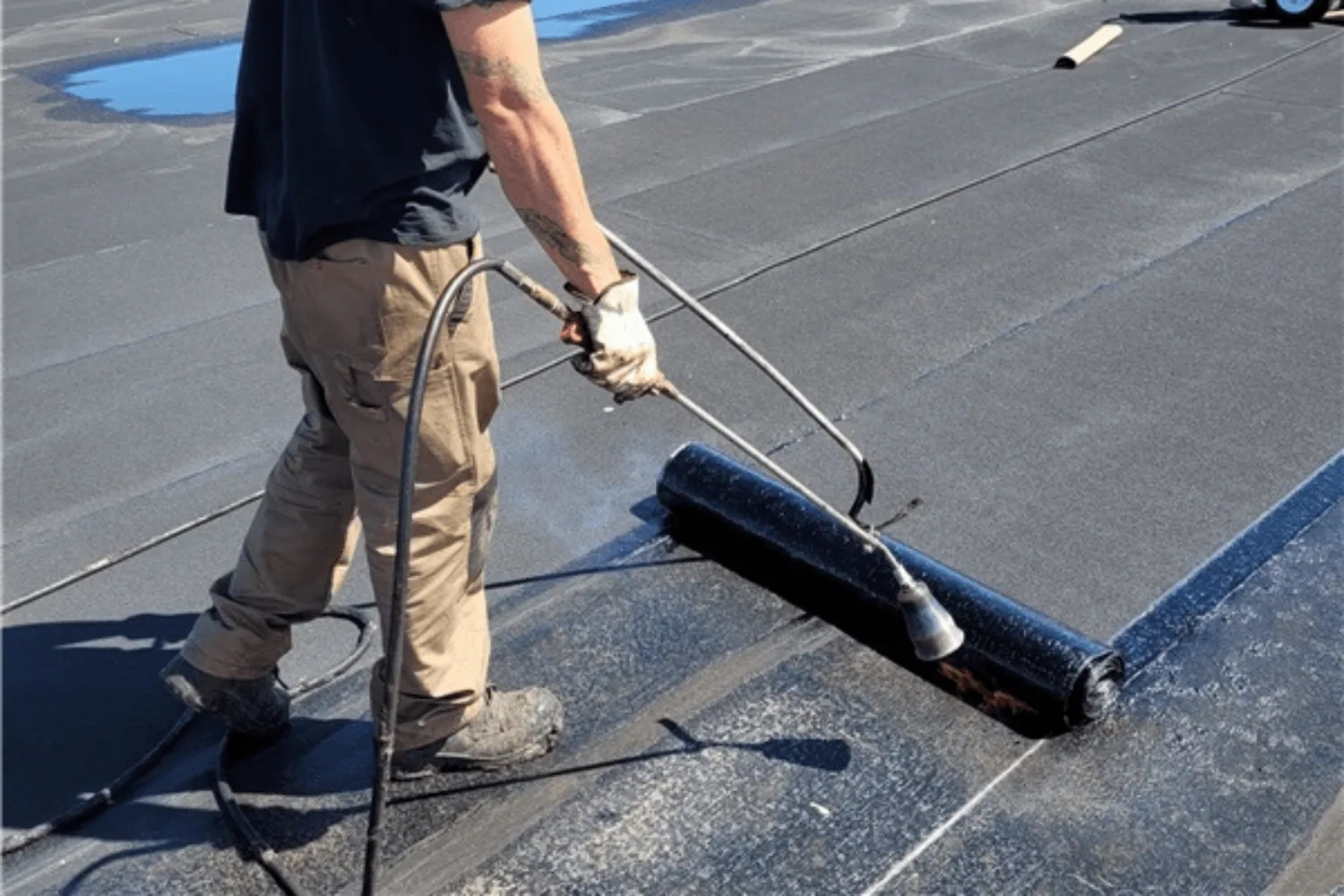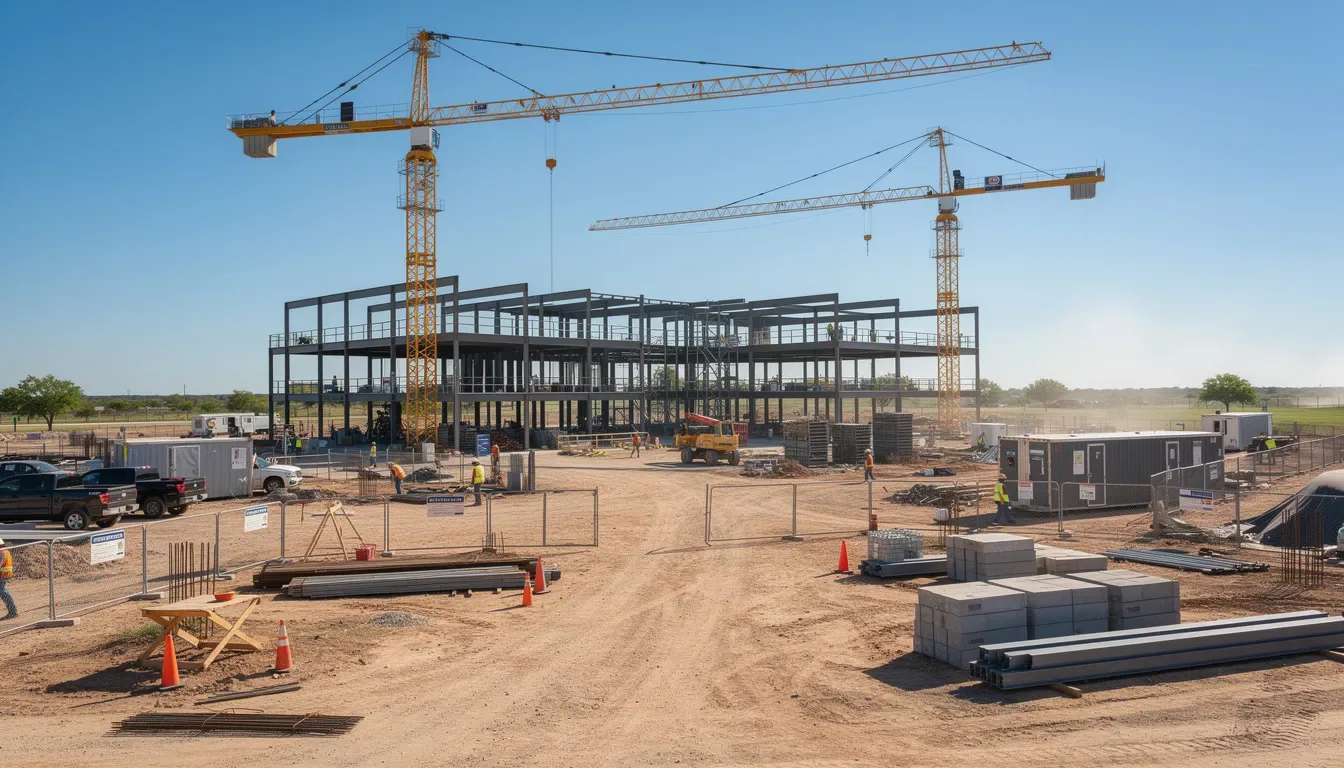
A roof curb shown on one trade drawing may land beside a drain route on the actual roof. For general contractors in Renton, we compare the plan with visible membrane, edges and penetrations, then identify what needs to happen before another trade closes the assembly. With November and December far wetter than July at Sea-Tac, roof openings and temporary protection need a defined daily closeout before the wet season.
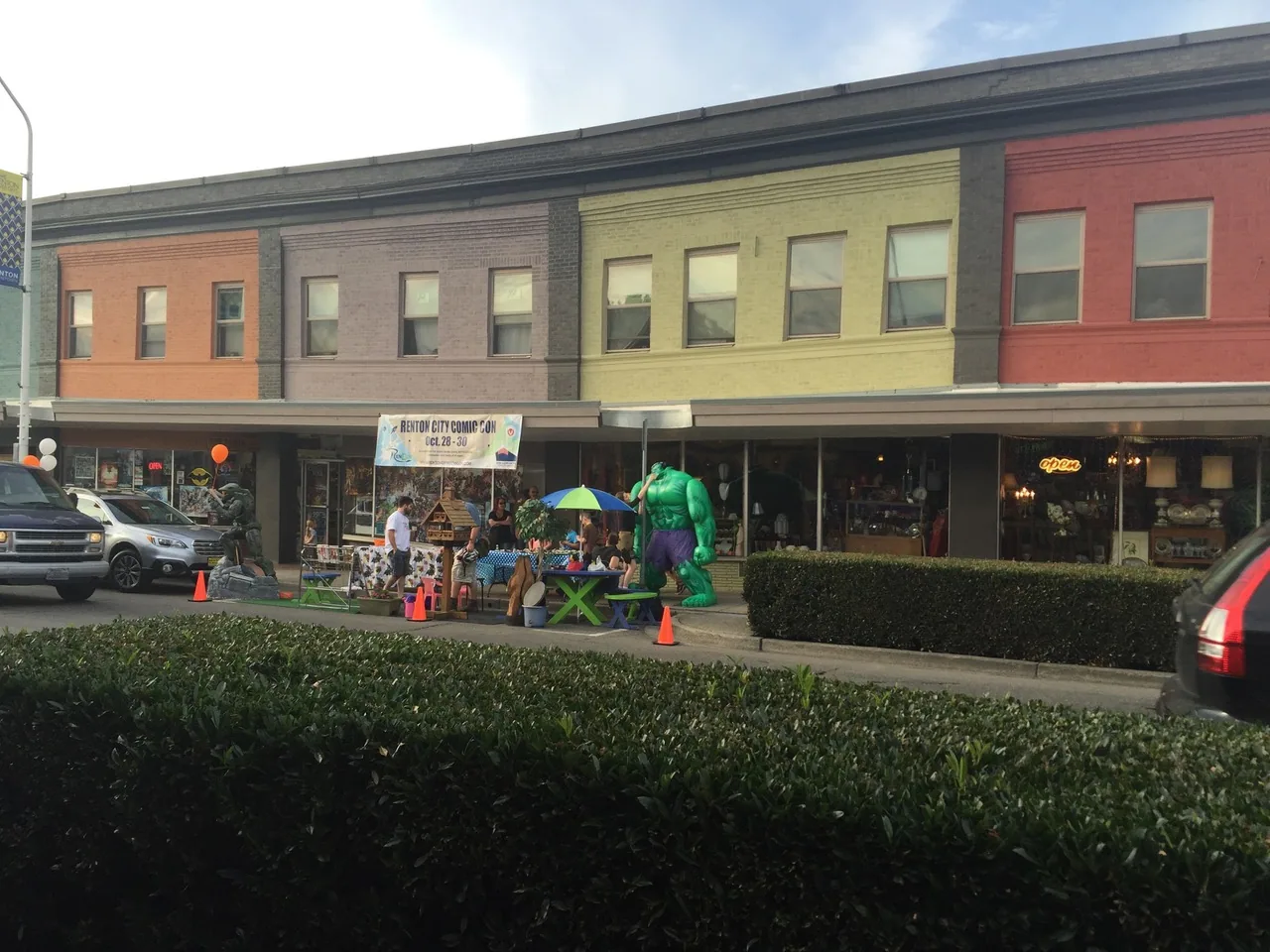
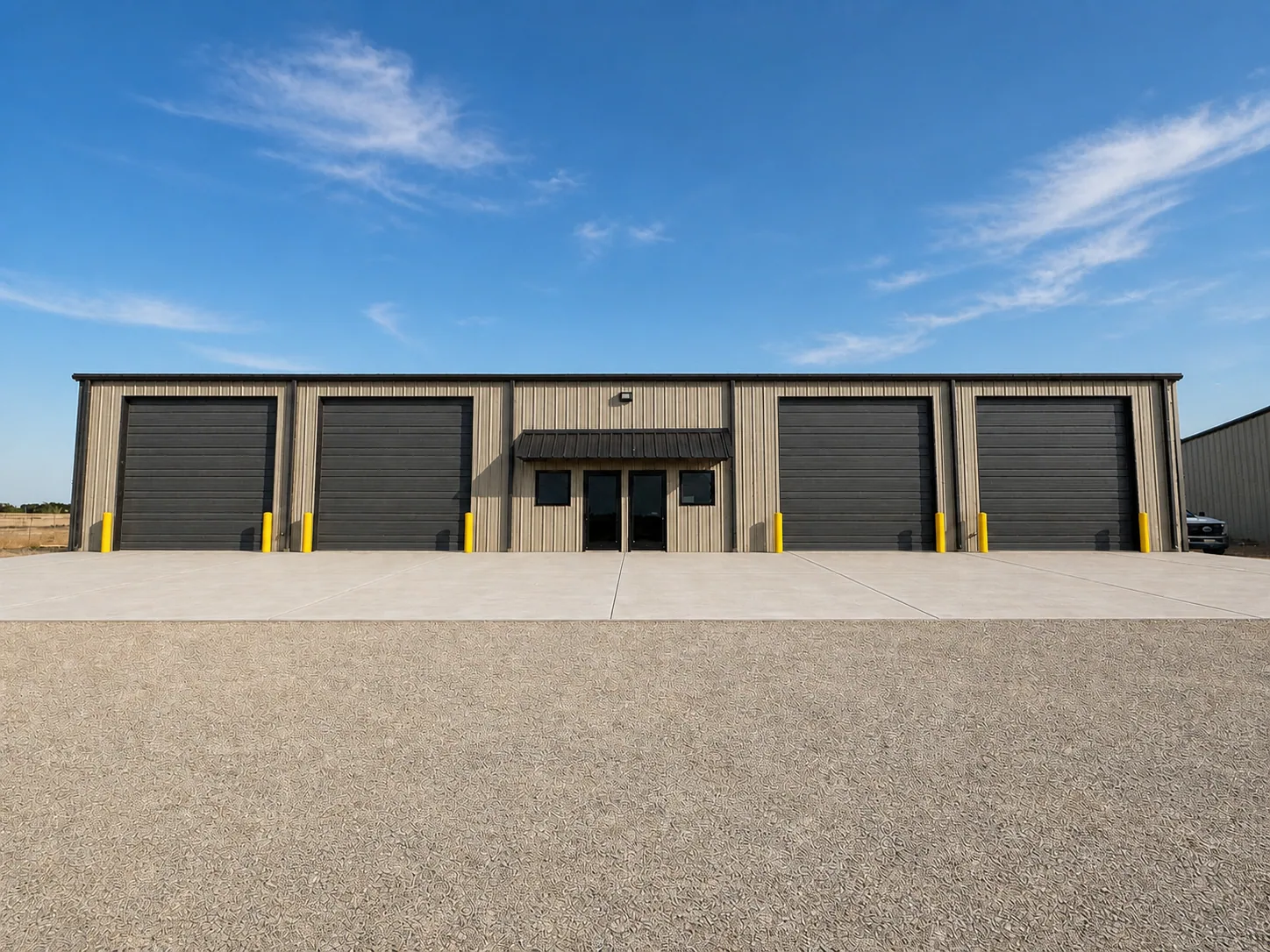
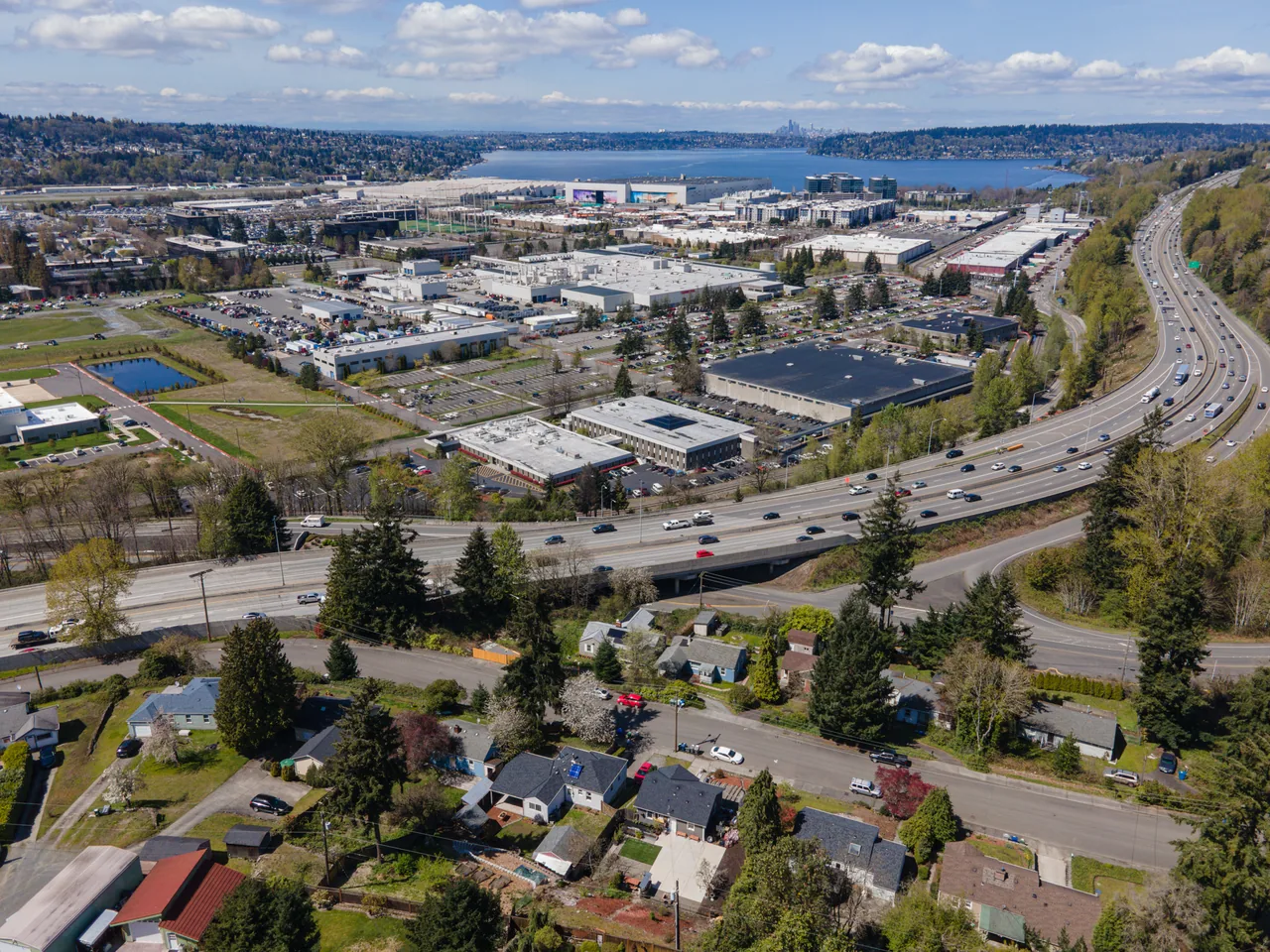
Renton describes the Valley Subarea as a largely industrial and warehousing district and identifies advanced manufacturing and logistics as local economic strengths. Those settings can involve active loading, equipment service and multiple trades, but the site contact and drawings determine each project's access and sequence. We write the roofing scope to the inspected condition and the confirmed construction plan.
Trade interface: mark what meets the roof
Before work begins, identify the responsibility line at curbs, pipe supports, drains, skylight frames, parapets and rooftop units. We record the existing condition, proposed flashing detail, substrate preparation and trade work needed before the roofing assembly closes. A manufacturing project may have process equipment and service lines, while a public-building scope can include controlled access or occupancy restrictions. The same roof checklist should not be mistaken for the same project sequence.
A preconstruction roof inspection can document the field, perimeter and penetrations before equipment or wall work changes access. We note details that are concealed, areas not reached and conditions that may require a field decision. If a curb is not ready or a support conflicts with the drain path, the project team can resolve that interface before the membrane is installed around it. A pre-roof meeting is useful when several trades share the same curb or penetration. We can walk the roof plan with the superintendent, mark which openings are ready, identify where blocking or a counterflashing is still needed and confirm who signs off before the membrane closes the detail. If a field condition differs from the drawing, we describe the conflict and show the affected roof zone so the design team can issue a clear direction. That decision can prevent a patched transition from being mistaken for a completed assembly.
For a contractor working in the Renton Valley Subarea, where the city notes longstanding logistics and light manufacturing, active industrial neighbors are part of the site logistics plan. We coordinate lift placement, deliveries and access with the superintendent and property contact so the roofing sequence fits the site logistics plan.
Sequence: keep the work line ready for weather
Roofing starts only after the work area, substrate and adjoining trade details are ready. The schedule should name who removes equipment, installs blocking, completes electrical or mechanical work and confirms that the surface can receive roofing. We state what our scope includes and which predecessor item must be complete so an unfinished interface does not become a leak path. If a wall panel, canopy or rooftop unit meets the finished membrane later, the schedule should say who protects the interim condition and who returns to complete the flashing after that trade is done.
Sea-Tac's late-year precipitation normals make temporary cover important when removal exposes the deck. We set the daily edge, keep the drain route open and identify how the crew will secure the area if the forecast changes the sequence. The general contractor can then coordinate the next trade against a closed roof boundary instead of a vague handoff.
For occupied work, a phased reroof plan identifies protection, staging, work hours and access. We confirm where lifts, debris containers and material drops can go, then mark the roof area that remains active. That gives the superintendent and building contact a practical view of how the sequence affects work below.
Scope boundary: compare like roof work
A contractor may need alternates for repair, recover or replacement, but each option needs a clear boundary. We list removal, substrate repair, insulation, membrane, flashing, perimeter metal, equipment curbs, testing and closeout separately. A roof repair scope identifies the localized condition and tie-in; a recover assessment considers existing layers, moisture, drainage and edge height; a replacement bid details what is removed and rebuilt.
Near Tukwila Southcenter, where retail, offices, lodging, warehouses, distribution and light-industrial uses sit side by side, construction teams need roof scopes that respond to each property's equipment, access and occupancy rather than borrowing a detail from a different building.
Alternates are easier to approve when each carries its own unit of measure, such as linear feet of edge metal, number of curbs or square feet of tapered insulation, so the superintendent can see what changes if the layout shifts.
When submittals name a roof system, verify transitions and manufacturer details with the assembly actually selected. We identify attachment, seams, flashings and warranty requirements that affect the installation, without assuming a product is suitable simply because it appears on a drawing. The contract documents and field conditions should agree before a roof area is closed.
Closeout: hand off a roof the next trade can read
Before demobilization, mark completed roof areas, drains, seams, curbs and any work held for follow-up. Photos tied to a roof plan show the detail and its location for the project file. If another trade is scheduled above or beside the roofing, identify the boundary that needs protection before access resumes. A roof condition report can organize the baseline and completed work.
Contractor teams benefit from a direct list of remaining items: approved detail, surface readiness, test result, access limit and closeout photo. We keep the roofing record tied to the actual roof and note what observation supports each repair. That gives the owner and superintendent a usable handoff instead of a general statement that the roof is complete. On a phased job, the record should also state which tie-ins are permanent and which remain until the next section is finished. We can mark transitions at expansion joints, wall terminations, equipment curbs and drain bowls, then note whether the adjoining trade has completed its work. A superintendent can use those observations to plan the next inspection and avoid covering a detail before it is checked. If an item stays open, assign it to a trade and give it a return window rather than leaving it as an unowned note.
Share the Renton address, bid set, roof plan, sequence, equipment schedule and known site constraints. We will identify roof interfaces, confirm the work boundary and explain what needs coordination before the crew begins.
Commercial Roofing Questions
What information helps a roofer coordinate with the general contractor?
Provide the roof plan, structural and mechanical details, trade sequence, access route, staging limits and project schedule. We can then identify roof interfaces and predecessor work before the assembly is closed.
Who handles equipment curbs and penetrations?
The contract scope should identify who supplies, sets and seals each item. We inspect the existing condition, define our flashing work and note any blocking or equipment trade responsibility before installation.
How should roof alternates be listed in a bid?
Separate repair, recover and replacement assumptions, then list preparation, insulation, substrate, flashing, edge details, protection and exclusions. That lets the team compare the work included in each option.
Can roofing proceed while other trades are active?
We coordinate the work zone and sequence with the superintendent, identify access conflicts and keep a defined weather-protection boundary. Any work that must precede or follow roofing should be named before the schedule is set.
What belongs in roofing closeout?
Keep a marked roof plan, photos, materials, completed details, open items and the areas not reached. The handoff should show what is ready for another trade and what still needs roofing follow-up.