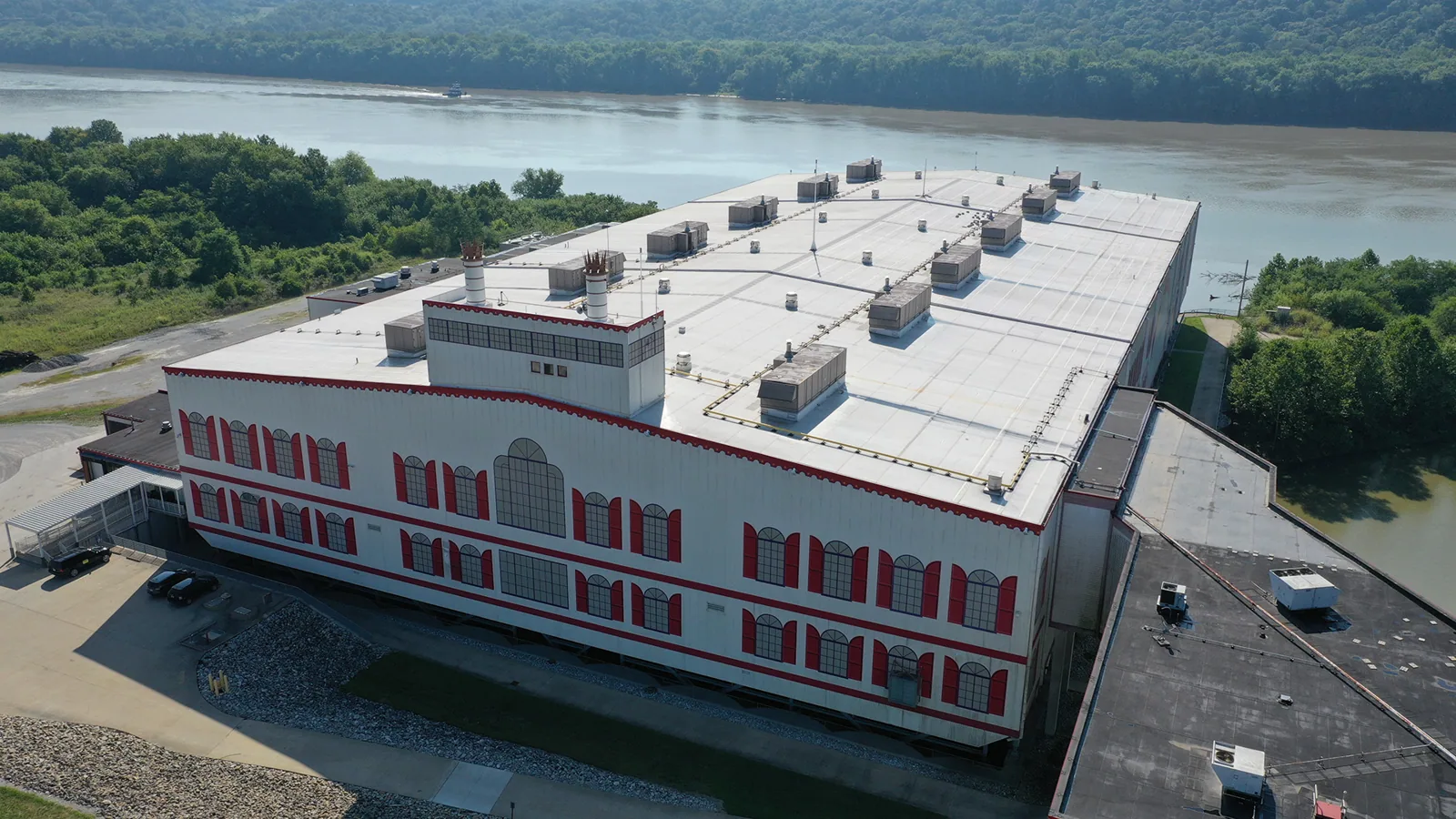
A delivery queue below the roof can change where a crew stages material, even when the roof section looks straightforward. We begin an occupied-building reroof with the access route, work area, water protection plan and times the property must remain open. In Renton, Sea-Tac's late-fall precipitation averages are much higher than July's, so each phase also needs a clear way to protect an open roof if the forecast shifts.
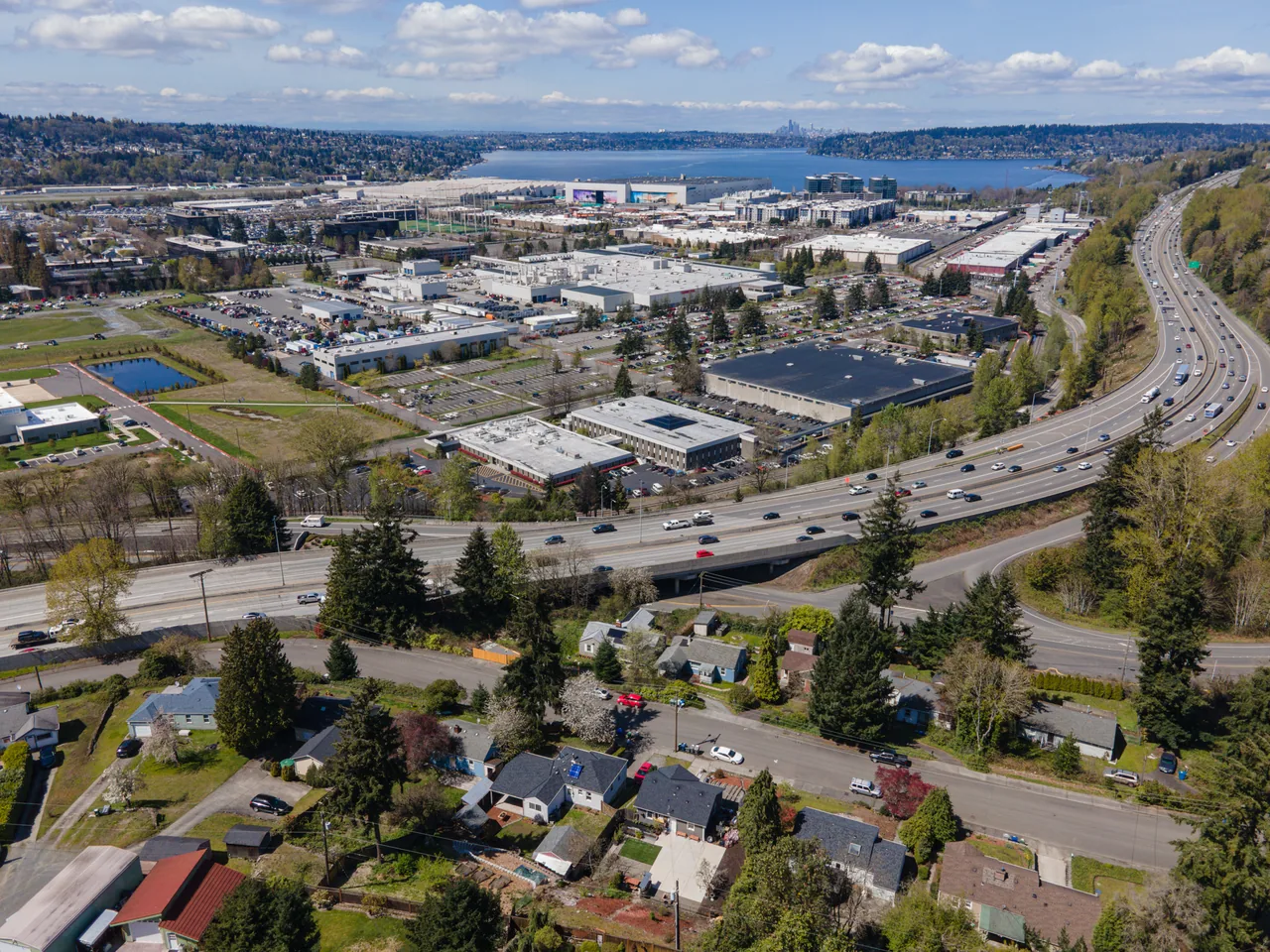
The Renton Valley Subarea is largely industrial and warehousing by the city's description, while Downtown Renton is where the city maps office-oriented Center Downtown zoning. A clinic, warehouse and office do not use the same entrances or loading areas. We meet with the site contact, map the roof sections and set a sequence that respects occupied areas without skipping the preparation or flashing details the roof needs.
Phase plan: divide the roof into workable sections
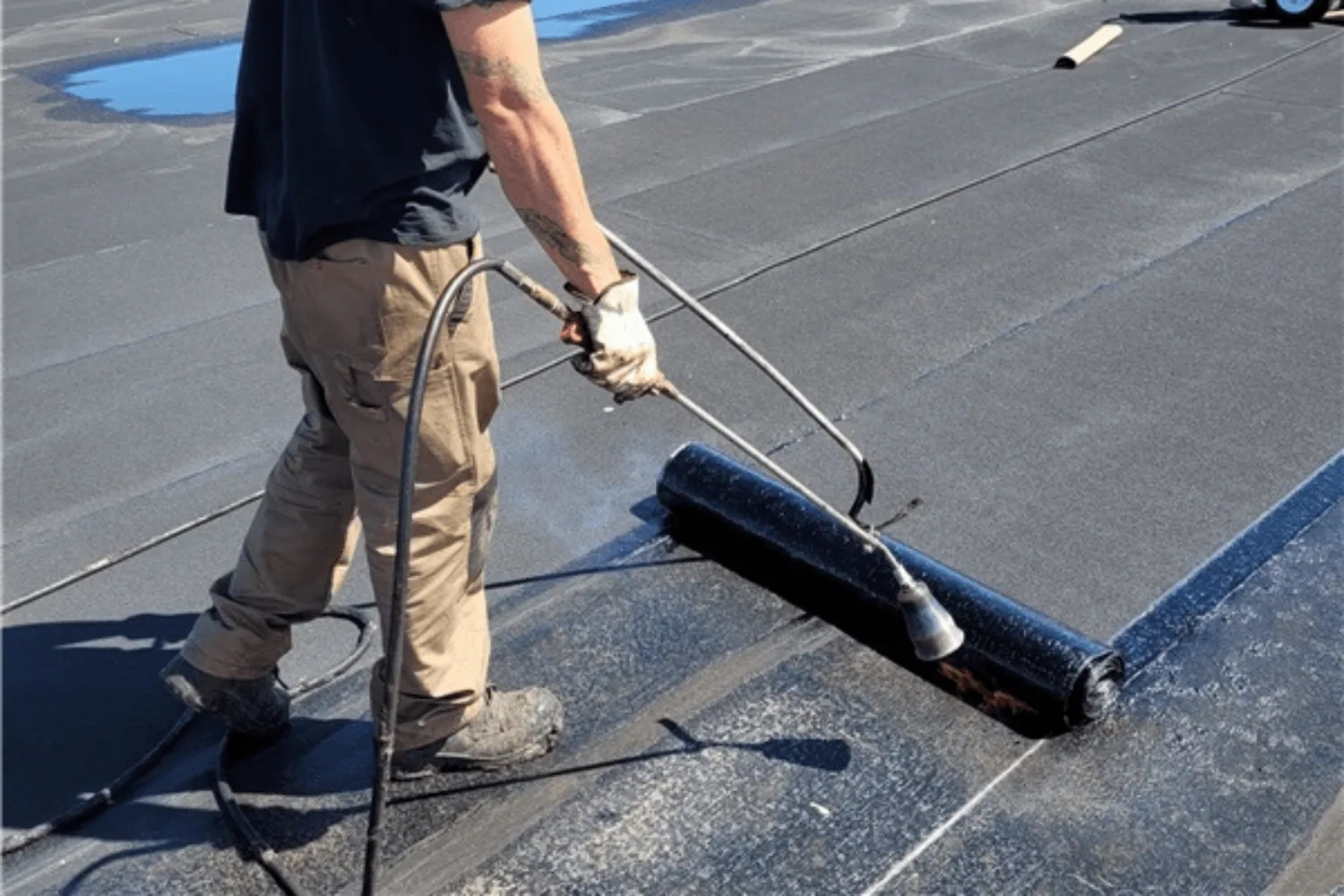
A phased reroof breaks the work into roof areas that can be opened, completed and protected in sequence. We review the existing assembly, transitions, drains and rooftop equipment, then identify how a section connects to the next one. The plan names starting points, daily closeout lines and any area that needs a special access window. That lets management coordinate occupants and building services around actual work boundaries.
A roof inspection can document conditions before staging begins, while a replacement scope can lay out the removal and installation sequence. For a property with recurring leaks, a targeted roof repair may be needed before or alongside the broader project. We note which conditions could change the phase plan instead of treating every section as identical.
Where the roof changes height or system at a phase boundary, we mark that transition and decide how it will be protected between work periods. A section can be closed for the day without leaving a loose edge or an unclear route for the next crew. The site contact receives the work limit and any area that should remain off-limits until closeout is complete.
Access window: protect the building's daily routes
Roof access affects more than the ladder or hatch. A crew may need a loading zone, key, escort, clear corridor or a route around occupied work areas. We confirm the approved entrance, material staging and movement rules with the property contact. If a tenant area or service route must stay open, the sequence can move to another roof section while that access remains available.
Renton's professional-services sector includes offices and corporate support uses, and healthcare is a major part of the local economy. Those settings can require coordination around appointments, staff movement and equipment service. In Downtown Renton, the manager may need building-entry timing; in the Renton Valley Subarea, receiving and logistics routes may shape staging. We set the work window with the site contact rather than assume the roof can be reached at any time.
Weather protection: close each day's work line
Removing an old roof exposes the deck and interior to weather if the work line is left open. We plan the daily limit, temporary protection and materials needed to close that limit before the crew leaves. If rain reaches the schedule, the team protects the exposed edge and resumes only when the surface and product requirements allow the next step. The manager gets a clear update on which section is finished and what remains under protection.
Sea-Tac's monthly averages put November and December precipitation above midsummer levels, a useful Renton planning signal when the project approaches the wet season. We inspect the drainage route as each section closes and check that temporary materials have not blocked an outlet. A drain and scupper check can address existing flow issues, while the specified roof assembly needs its own installation and detail sequence.
Building operations: coordinate noise, equipment and deliveries
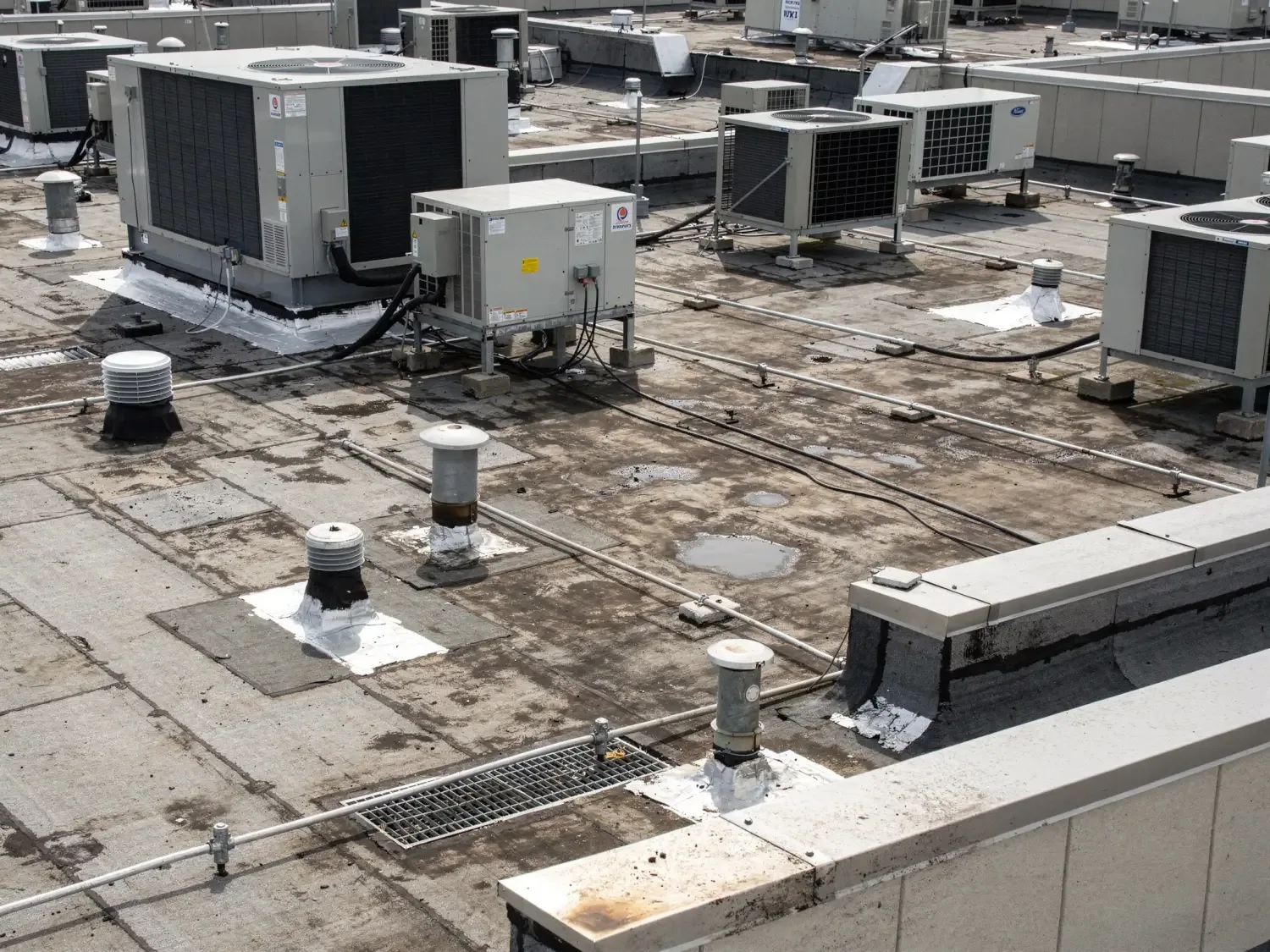
Occupied work has several schedules at once: tenant activity, roof access, deliveries, equipment service and weather. We identify loud work and material lifts in advance, then coordinate dates and routes with the property representative. Rooftop units, intakes, skylights and service lines may need protection or a separate trade. The plan notes what stays in operation, what must be temporarily controlled and who confirms that change.
At a healthcare or manufacturing property, a roof opening above a sensitive room or production area may require a more specific work window. A medical-office roof plan or manufacturing roof scope can account for these operating considerations. If equipment movement falls outside roofing work, we identify the handoff before the crew approaches the curb. That keeps a membrane repair from being delayed by a connection or shutdown that was never scheduled.
Interior protection should be discussed before the deck is opened. The property team can identify equipment, rooms or stored materials below the phase, and we can state how the roof area will be covered at the end of the shift. If a leak report changes during work, the contact needs a route to reach the crew and a way to keep people clear of the affected area. These details belong in the daily plan alongside the roof section and closeout point.
Deliveries also need a place and a time. We coordinate material movement with the site representative so pallets, tools and lifts do not interfere with active loading or tenant entrances. Where the work sequence must pause for an operating need, we close the section safely and record the next starting point. The building can continue its routine while the crew returns to a roof area that is ready for the next phase.
Daily closeout: leave a usable record
At each phase boundary, we check the finished membrane, terminations, drains and transitions, then note any open work or follow-up. Photographs and a marked plan help the property team see which roof section is complete without relying on a walk across active work. If the next phase begins later, the record identifies the starting point, material transition and access instruction that still apply.
A roof condition report can hold the phase photos and repair notes with the building's roof file. Send the Renton address, current roof plans, leak history, operating hours and access requirements, and we will outline what the first roof walk can settle. The scope will identify staging, section limits and the contact needed to keep the building moving while the roof work proceeds.
Commercial Roofing Questions
Can tenants stay in the building during reroofing?
Many projects can be phased around occupied operations, but access, noise, equipment and roof condition affect the sequence. We review those constraints with the property contact and identify any task that needs a separate shutdown or trade.
How do you protect an open roof if rain is forecast?
The daily work limit and temporary protection are planned before removal begins. We close the section as the work proceeds, protect exposed edges if conditions change and identify what remains incomplete before leaving the roof.
What should management tell tenants before work starts?
Share the work dates, access changes, planned lifts or deliveries, noisy tasks and contact for building questions. We can provide the roofing sequence and affected areas so the notice matches the actual phase rather than a general project window.
Can rooftop equipment remain in service during the project?
That depends on the equipment location and the roof section being removed. We identify protection and clearance needs, coordinate any movement with the responsible mechanical trade and confirm how the detail will be closed around each unit.
What records help plan an occupied reroof?
Roof plans, leak reports, prior repairs, operating hours, access rules and equipment schedules help set the sequence. We compare those records with field conditions and identify where another inspection or trade handoff is needed.