A water mark below a skylight curb can come from the frame, the curb flashing or a nearby seam that carries water to the opening. In Renton, we follow the roof surface toward the penetration and check how the membrane turns up, terminates and sheds water at each corner. Sea-Tac's long-run averages show a pronounced late-fall and winter precipitation increase over July, making a loose transition worth addressing before sustained wet weather reaches it repeatedly. The stain begins the inspection; the roof details determine the repair.

The Renton Valley Subarea includes industrial and warehouse uses where penetrations may sit among equipment and service routes. We coordinate the roof access window with the property contact, then inspect the agreed skylights, curbs, pipes and supports. A sealant line may need renewal, but an open seam or failed curb attachment calls for a different repair. We identify the condition and repair boundary before choosing a material or work sequence.
Curb flashing: trace each corner and transition
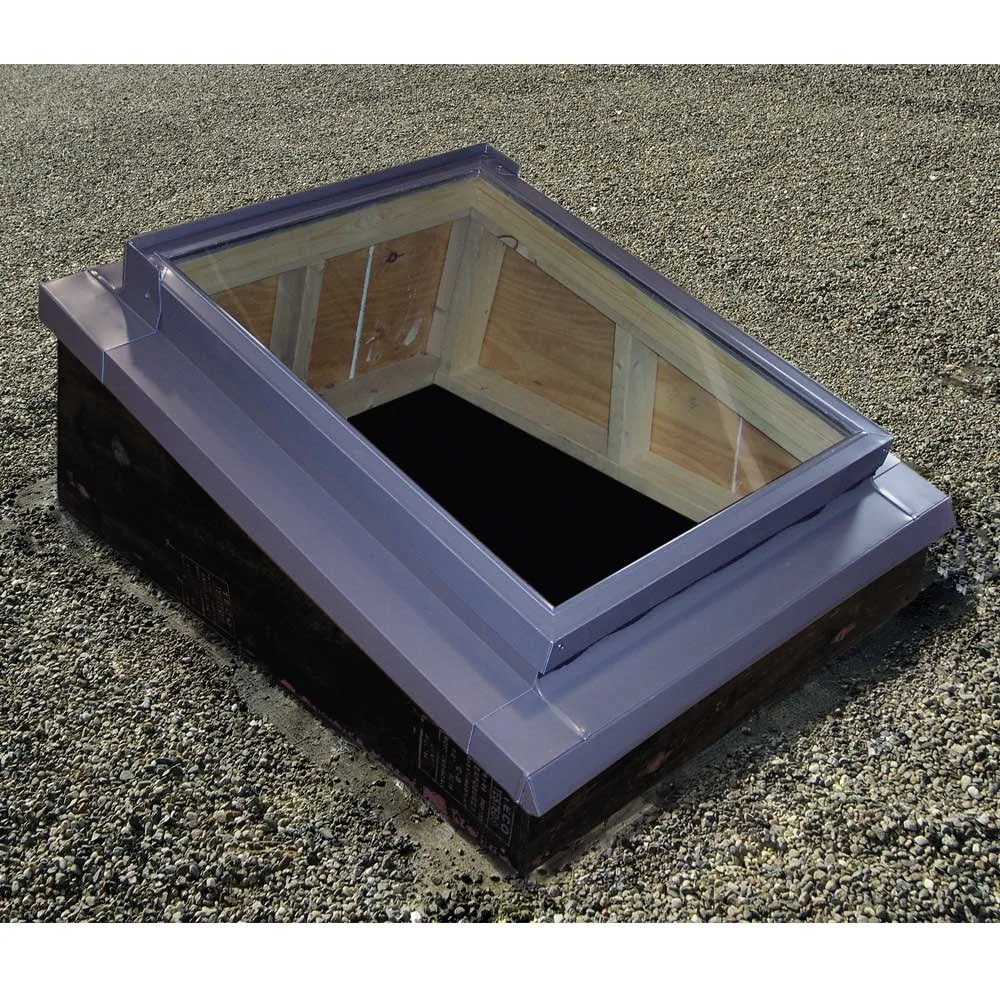
A curb interrupts the membrane and creates four corners, vertical faces and a top edge where water can enter if the flashing separates. We look for loose membrane, split corners, open laps, fasteners that have backed out and sealant that no longer bridges the joint. The frame-to-curb connection and curb-to-roof transition are reviewed separately because either can be the entry point.
A skylight over a Downtown Renton office and a curb on a Valley warehouse can leak for different reasons, so we check the actual frame, curb and roof material, then tie the finding to a photo and location. A hands-on roof inspection can look at the surrounding seams and drains, while leak tracing can follow a reported water path from the interior symptom.
If the curb is sound but the flashing has lifted, a localized repair may be possible after the surface is prepared. If the curb has moved, the roof opening is deteriorated or water has traveled below the visible edge, the scope may need removal and rebuilding of that detail. We explain the evidence for the selected repair and note what remains concealed.
Skylight frame: keep glazing and roof flashing distinct
A skylight has a frame and glazing assembly above the curb, with roof flashing below. A leak can come from a failed roof transition, a damaged frame joint or water reaching an opening from upslope. We inspect visible frame connections, curb height and flashing laps, then compare those observations with the reported location. The roof repair should not be presented as a fix for a frame defect unless the source of entry has been established.
Glazing can be brittle, and walking or placing tools on a skylight can create a hazard. We plan the route around the opening and keep materials away from the glazing. If a section cannot be reached safely, it is marked for another method or access arrangement. The repair scope states whether it covers flashing, frame work or both, and identifies any trade coordination the property contact needs to arrange.
Where water collects near a curb, a drainage review can check the outlet and cricket before the flashing is rebuilt. If the roof field also shows open seams or membrane damage, a roof repair assessment can map those conditions without folding them into the skylight line.
Pipe and equipment penetrations: inspect the boot and base
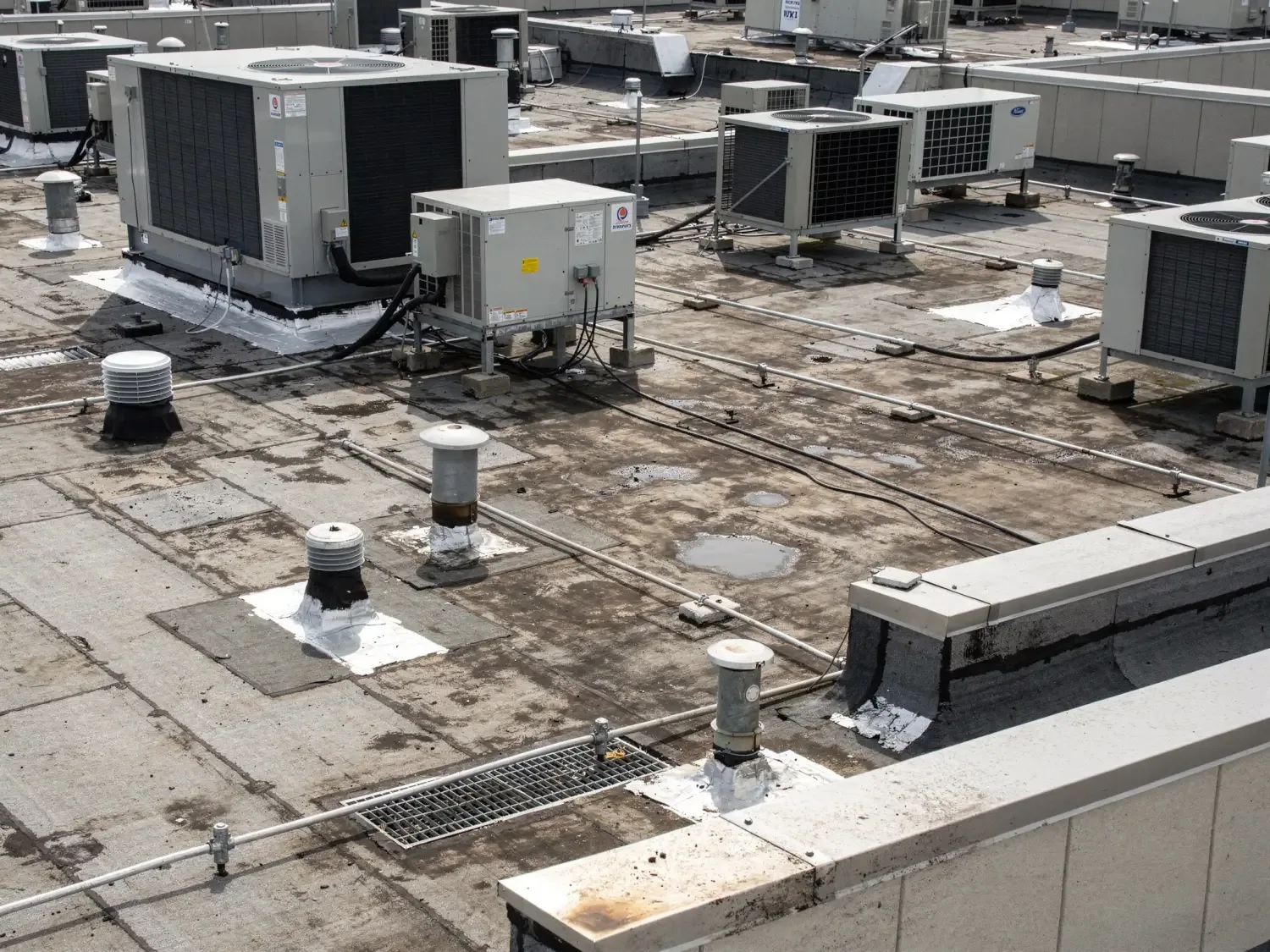
Pipe boots, conduits, supports and equipment curbs each interrupt the membrane in a different way. We check the base flashing, flexible boot, clamps, fasteners and any sealant at the termination. A boot may split from movement or exposure; a support may have shifted; a patch can cover an earlier repair without securing the connection underneath. We identify the specific detail and avoid using one repair method for every penetration.
At a Renton Valley property, roof equipment and industrial service routes can make clearance and access part of the inspection. The property contact confirms which equipment must remain available and which areas need an escort or operating window. For a facility in the Renton Valley Subarea, we note the roof section and equipment location so the repair crew can return to the same detail.
If the membrane is incompatible with a proposed flashing material, the repair can fail at the edge even when the sealant looks intact. We review the existing assembly and manufacturer requirements before selecting a method. A condition record can preserve the material and repair history for the next visit, especially where several similar penetrations appear across the roof.
Repair plan: prepare the surface and close the water path
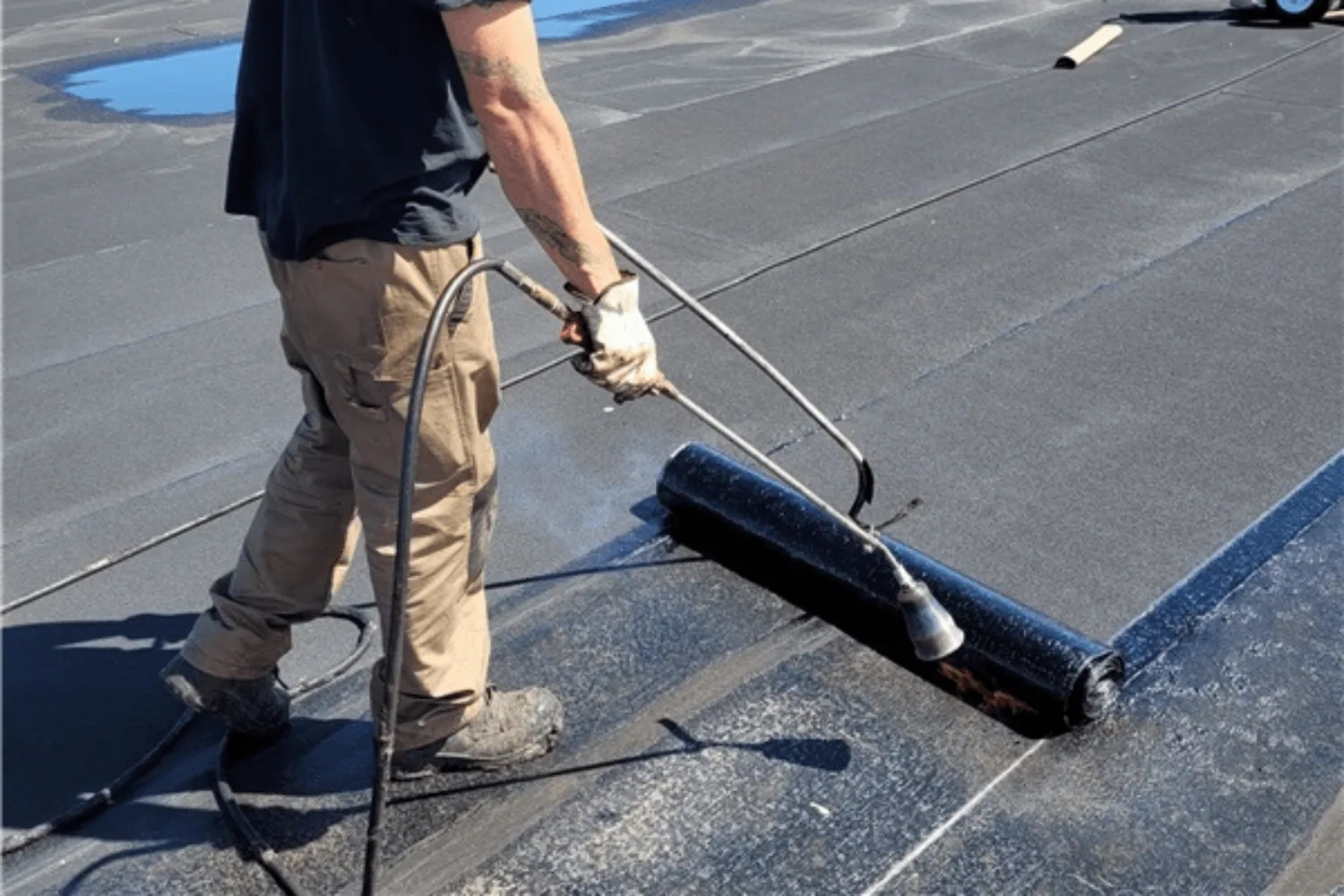
Before work, we identify the opening, surrounding material, preparation and repair boundary. The method may include removing failed flashing, preparing the membrane, installing compatible reinforcement or rebuilding a corner. A temporary seal can limit exposure but may not restore a loose curb or damaged boot. The work order should distinguish interim protection from the permanent repair so the property team knows what remains.
Rainfall increases in the later part of the year around Sea-Tac, so an open transition should be addressed with the next safe access window rather than left as an undocumented note. The area must be dry and prepared as required by the chosen system. We coordinate with the contact around rooftop equipment, intake areas and occupied spaces below. If the repair cannot be completed in one visit, we record what is protected and what still needs a return.
For a roof with broader deterioration, localized flashing work may not resolve recurring leakage. We compare the condition at other transitions and discuss whether a wider replacement scope is warranted, or whether an existing roof can remain in service with defined repairs. The condition report can show the locations and findings behind that recommendation.
Closeout: record the opening and the finished detail
After the repair, photos should show the curb or penetration, adjacent membrane and completed transition. We identify the materials and work performed, then note any nearby condition left outside the scope. If the frame itself needs service or a concealed area remains uncertain, the report states that separately. The owner can then decide whether another trade, test or return visit is needed.
For a building in Downtown Renton, and for properties across the Renton Valley, the roof plan and access notes help a facilities lead locate the detail again. We record the section, penetration and nearby drain that influenced the water path. A later inspection can then return to the same detail.
Send the Renton address, roof plan if available, leak location, photos and access limits. We will inspect the curb or penetration, follow adjacent water paths and explain the repair that fits the observed condition. If testing or a separate frame repair is needed, we identify that question before expanding the scope.
Commercial Roofing Questions
How do you tell whether a skylight or its curb is leaking?
We compare the interior report with the frame, curb flashing, corners, upslope seams and nearby drains. The roof transition and glazing frame are separate parts, so the inspection notes which condition is visible and what access would be needed to check the rest.
Can you seal around a pipe boot without replacing it?
The boot, base flashing and surrounding membrane have to be checked first. If the boot is intact and the joint is prepared, a localized repair may fit. A split boot or loose base needs a repair that addresses the failed material rather than covering it.
What happens if the skylight is unsafe to walk near?
We keep the inspection route away from glazing and mark any detail that cannot be reached safely. The property contact can discuss a different access method or a return visit; the report will not imply that an unviewed area was inspected.
Will a new flashing repair stop a recurring leak?
It can address the observed entry detail when that detail is the cause and the surrounding assembly is sound. If water travels from another seam or the curb has moved, the repair must include that condition. We explain the evidence and any remaining uncertainty.
What should we send before a penetration inspection?
Share the roof plan, the interior leak location, photos, prior repairs and access rules. Identify rooftop equipment or restricted areas near the opening so we can plan the route and coordinate a workable inspection window.