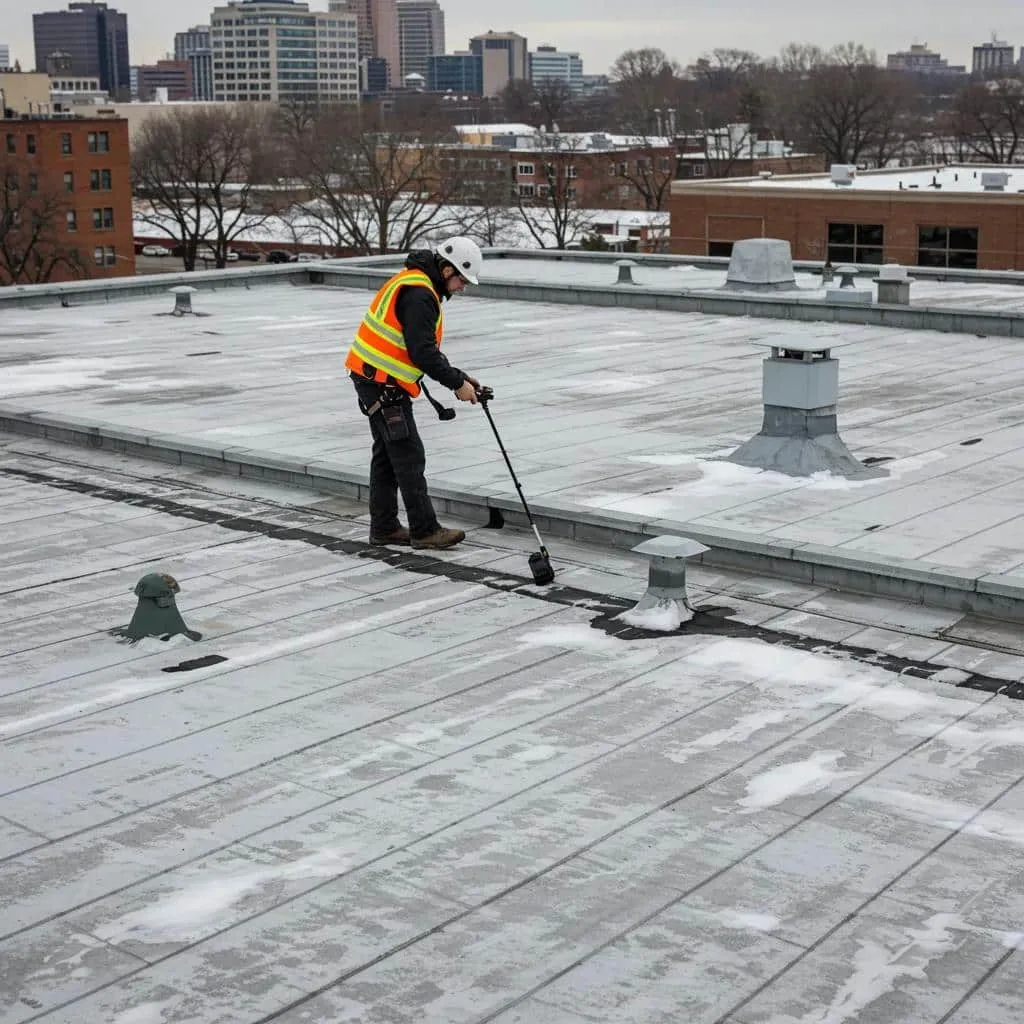
Grit collecting at an outlet gives the roof walk a starting point: follow the drain route, then check the seams and metal turns that feed water toward it. In Renton, the seasonal shift helps set the maintenance calendar. Sea-Tac's long-run averages show more precipitation in November and December than in July, making a pre-wet-season check useful for outlets and repaired transitions. The regional pattern sets the timing question; the visit records conditions on the property.

The Renton Valley Subarea includes warehousing, logistics and light manufacturing, where access may cross receiving and equipment routes. We coordinate with the property contact, inspect the approved areas and note what needs a repair, test or later observation. A program gives the manager a repeatable roof record, not a promise against future leaks.
Calendar: set visits around roof conditions
A useful schedule follows the roof history rather than a fixed month on a form. We review the assembly, past repairs, active leak reports, drainage layout and access windows. A roof with recurring ponding may need attention to low areas before the wet season; a recently repaired seam needs a check that the repair line remains intact. Visit frequency can change when findings show movement or site work affects the membrane.
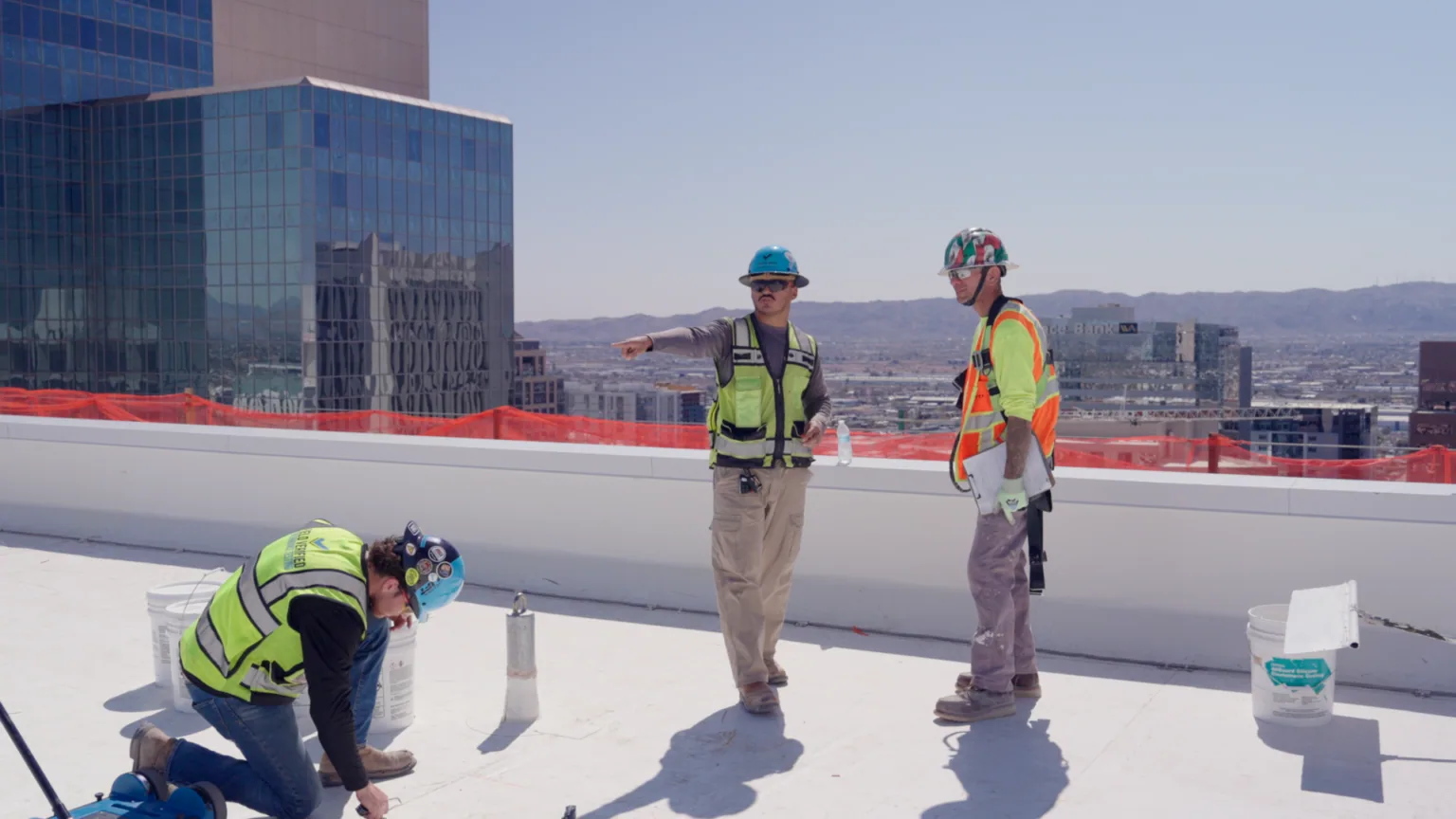
In Downtown Renton, access and building operations vary by property, so the manager helps set the route and time. We record the areas walked and anything that could not be reached. A hands-on inspection can establish a baseline, and a photo-based condition record makes later comparisons easier to follow.
Water path: keep outlets and low areas clear
A blocked drain can leave water sitting where the roof should move it away. We check strainers, bowls, scuppers, overflow paths and nearby membrane for debris, loose flashing or signs of ponding. Clearing an outlet does not correct a low spot or damaged connection, so housekeeping stays separate from repair work in the notes.
At a Renton Valley property, an outlet may sit near equipment or a receiving route. We agree on access before entering those areas and note anything that limits the check. A drain and scupper review can examine a damaged bowl, poor overflow route or recurring ponding. If water is entering the building, leak tracing follows the reported symptom toward details that could explain it.
An interior stain does not identify the entry point by itself. Water can travel past a curb or along a seam before showing below. We record the report separately from the visible roof condition, then compare both during the visit. That helps the team decide whether to clear, repair, test or return for another observation.
Roof details: check seams, edges and penetrations
At membrane laps, we look for separation, wrinkles, loose edges and patches that no longer meet the surrounding surface cleanly. At curbs and pipe penetrations, the check follows the flashing up the vertical face and across the transition. Metal corners and coping joints can move differently from the field membrane, so we inspect them closely where water collects or a previous repair ends.
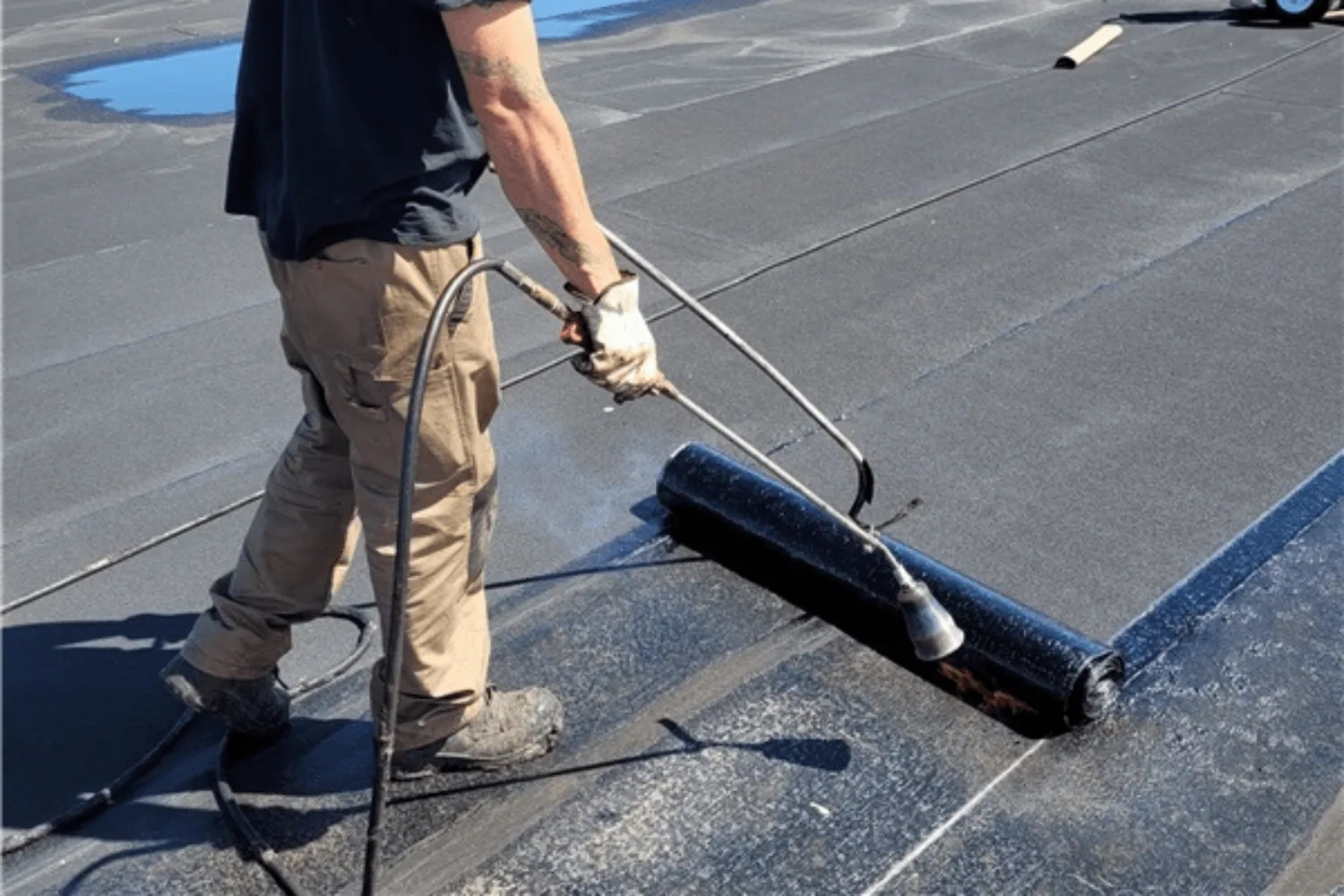
A Downtown Renton office roof and a Valley warehouse roof can both carry curbs, boots and metal corners, but their records and repair histories seldom match, so we work from what the roof shows. Where a seam or flashing has opened, a targeted roof repair may fit better than a broad replacement discussion. The note names the condition and location, and says what confirmation is still needed.
We also look at added penetrations, abandoned supports and sealant layered over older work. A patch across a moving joint can split if the underlying detail is not addressed. If the right repair cannot be determined from the surface, we identify the test or access needed before proposing a scope.
Roof record: make the next visit useful
Each visit should leave more than a defect list. We identify the areas inspected, add photos where they help locate a detail, separate urgent concerns from routine wear and state what needs follow-up. A facilities lead who was not on the roof should still be able to find the drain, seam or curb in question. Any access or weather limit belongs in the record.
The manager can group small repairs by location, coordinate a work window and track whether a recurring item has changed. For several buildings, records stay tied to the correct roof plan and contact. A capital planning review can compare repair and replacement options using condition and timing questions. A storm-damage assessment addresses a separate concern when a particular event has changed the roof.
If the walk raises a question about concealed layers, we discuss whether infrared imaging, a moisture test or an approved core sample fits. The owner decides whether to authorize an opening. That decision stays separate from the routine visit so the record does not suggest hidden conditions were tested when they were not.
Next season: choose the repair line
When findings are reviewed, we separate prompt work from items that can fit a planned window. Active water entry, loose edge material or a damaged drain connection may need faster attention because exposure can continue. Surface wear without current leakage may be monitored or handled during scheduled maintenance. We explain the condition and the likely consequence for that roof detail, then say what information would change the recommendation.
Sea-Tac's wetter late-year pattern gives a practical reason to review drainage before those months, while the roof itself sets the final scope. In the Renton Valley Subarea, access may need to fit logistics or light manufacturing activity. In Downtown Renton, the contact may coordinate entry and rooftop equipment service. We confirm the workable window and note which sections are included.
To arrange the first visit, send the Renton address, roof plans if available, repair notes, known leaks and access requirements. We will walk the approved areas, document the findings and review a maintenance sequence that fits their condition. If a separate test or repair is needed, we identify that step plainly so the property team has a clear place to resume.
Commercial Roofing Questions
What should a maintenance visit cover before the wet season?
We follow the drain route, check outlets and overflow paths, then inspect seams, penetrations and previous repairs that could affect water movement. The areas reached and any access limits go into the record, so a later visit can focus on what changed rather than repeat an uncertain starting point.
Can you keep up with several roof sections on one property?
Yes. We list the sections by access point and drainage layout, then group findings in a way the facilities contact can schedule. If one area is closed off or unsafe to reach, we identify it separately instead of counting it as part of the completed walk.
How do you handle a leak found during routine maintenance?
An active leak changes the priority. We document the reported location, check the roof details that could feed it and explain whether a repair visit or a closer test is needed. The maintenance record keeps the symptom and the confirmed roof observation separate.
Does a maintenance plan mean the roof will not leak?
No schedule can rule out a future leak. A planned visit can find visible wear, blocked drainage or an opening that needs attention, while the roof record helps the team see whether a known issue is changing. We describe the limits of each inspection area and the next check that fits the finding.
What information helps set up the first roof walk?
A roof plan, repair history, leak locations, access instructions and known equipment restrictions help us choose the route. Tell us which areas are most important to operations and when the roof can be reached. We will confirm the visit scope with the property contact before walking the roof.