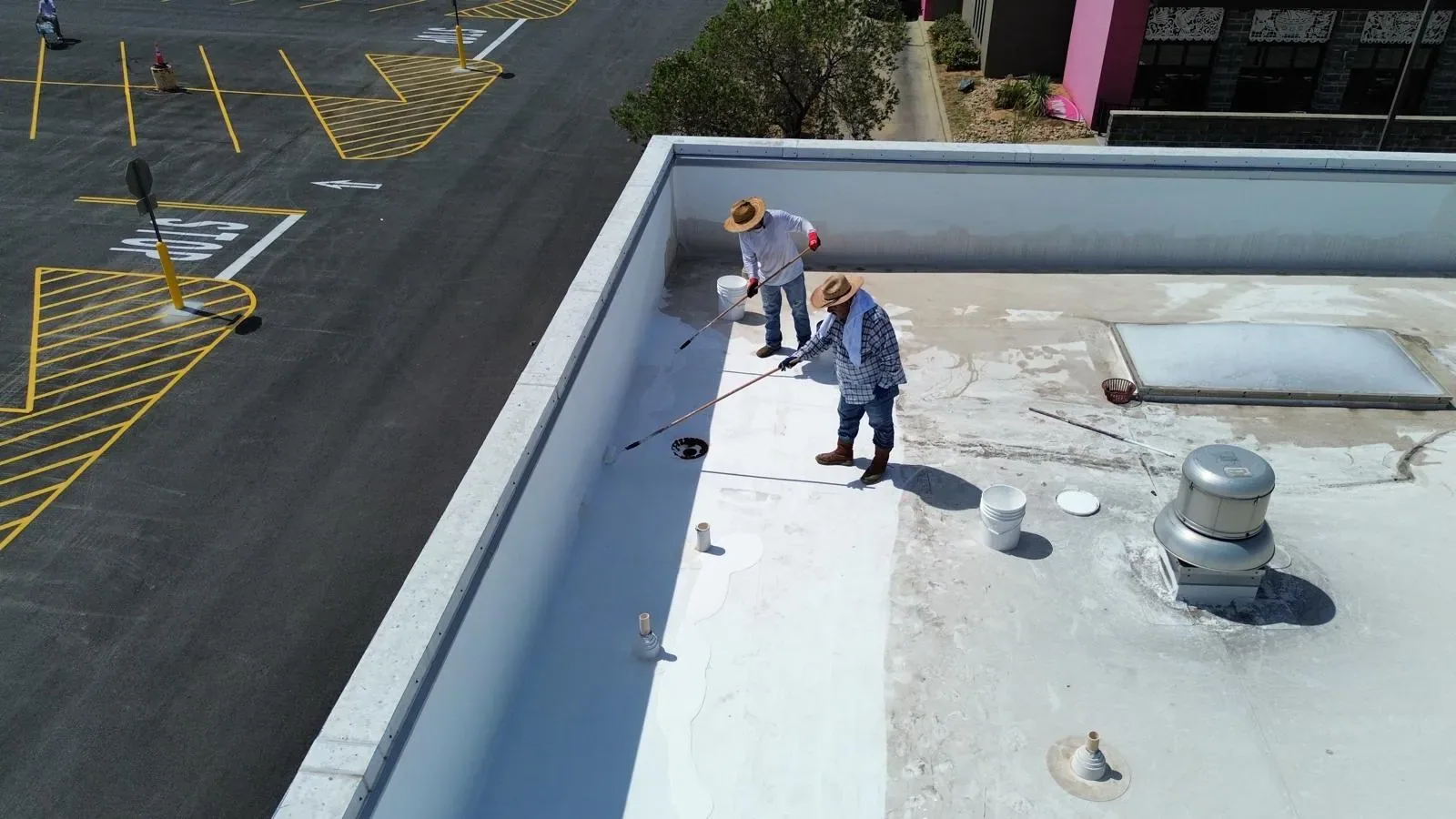
Chalk on a hand or a worn patch at a seam can start a coating conversation, but neither one makes a roof ready for another layer. In Renton, a restoration decision begins with the condition below the surface, the attachment of the existing membrane and the route water takes toward an outlet. Sea-Tac's long-run precipitation averages are higher in late fall and winter than in midsummer, which makes drainage and edge transitions worth checking before a coating is considered. The seasonal pattern helps set timing; roof condition decides scope.
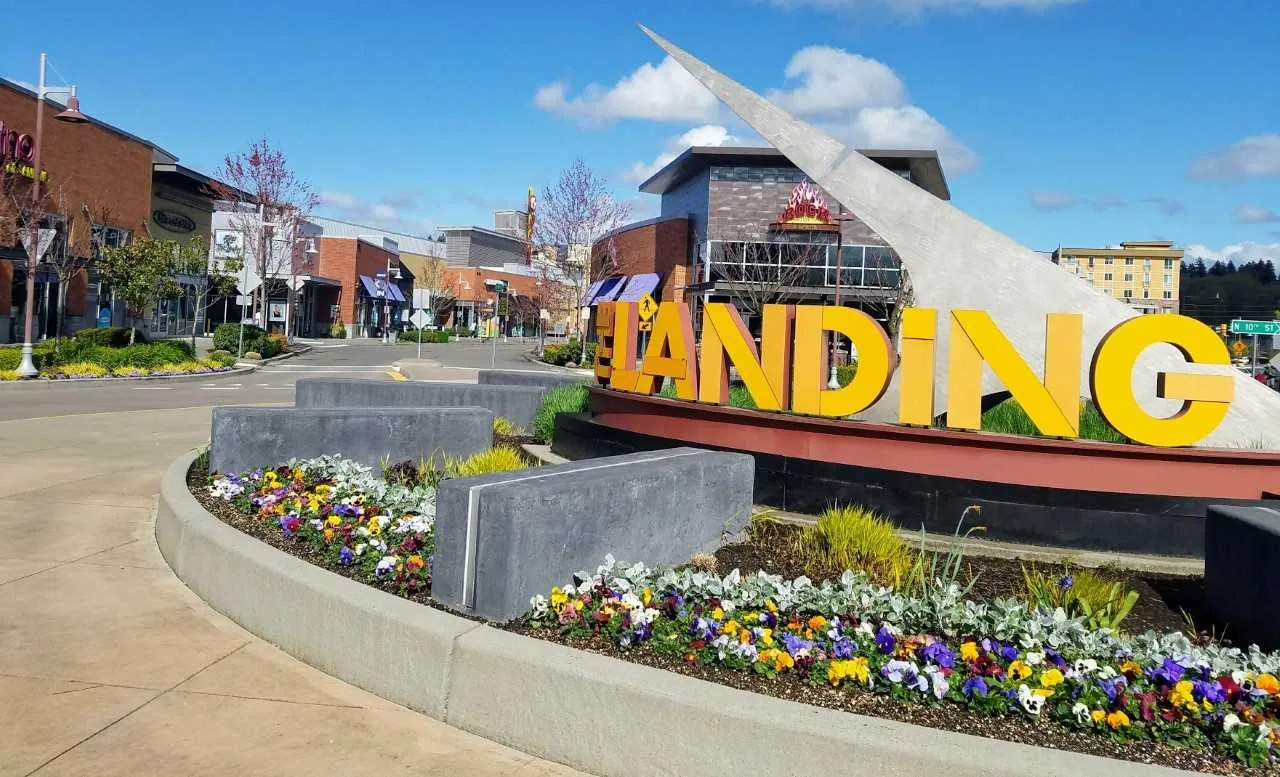
The Renton Valley Subarea includes warehousing and light manufacturing, where rooftop equipment, service routes and operating schedules can affect access. We check seams and flashings, identifying moisture or weak attachment that could prevent restoration. If the existing assembly is wet, unstable or failing at critical details, a coating may only cover a problem that needs a different repair. The property team receives options tied to what the roof can support.
Roof condition: decide whether a coating fits
A coating suits an assembly sound enough to remain in service. We inspect the membrane, seams, flashings, penetrations, edges and transitions before discussing material. Open laps, brittle surfaces, recurring leaks, loose attachment or trapped moisture may change the recommendation. A roof with isolated defects may need those areas repaired first, while broad failure can make replacement or a recover assembly a better comparison.
A Downtown Renton office building and a Valley warehouse may both be candidates for a coating, but the substrate and existing layers under each can differ, so we use project records and a roof walk to identify them. A hands-on inspection can map the conditions that matter, and a recover assessment can compare a new roof layer when the assembly is eligible. We do not recommend a coating until the surface, attachment and moisture questions have a workable answer.
Moisture deserves particular attention where a stain, ponding area or previous repair has returned. Infrared patterns can help select a location for additional investigation, but a thermal contrast alone does not confirm wet insulation. If confirmation requires an opening, we explain the location and purpose and get the owner's approval. The coating decision then rests on what the inspection established, not on appearance alone.
Preparation: correct the surface before application
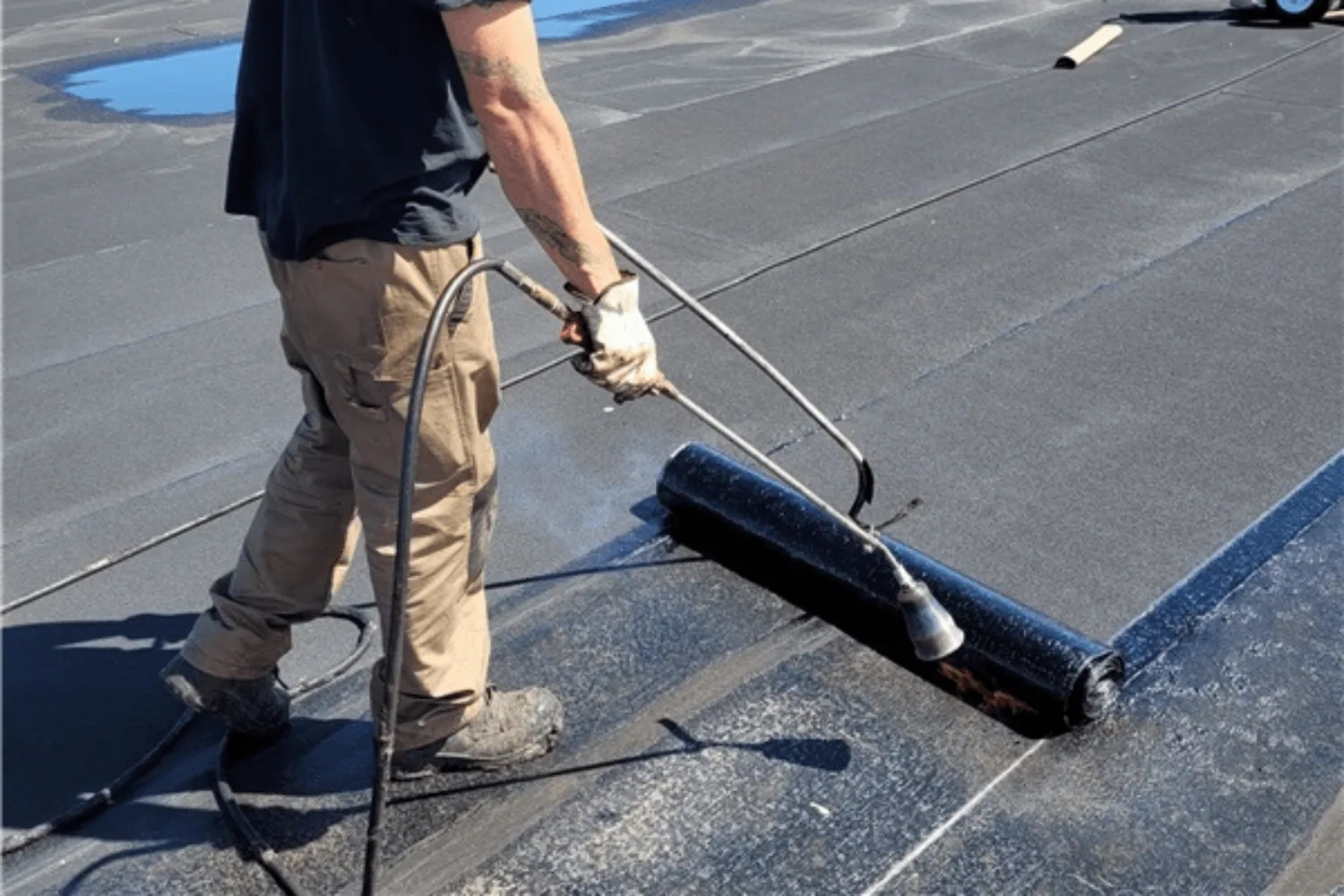
Preparation affects whether a coating can bond and stay continuous. The work may include removing loose material, cleaning contaminants, securing or replacing weak flashing, treating seams and correcting defects that would remain exposed under the new surface. A test area can help evaluate adhesion where the existing finish or membrane makes compatibility uncertain. We repair loose or moving details separately rather than bridge them with coating.
The plan accounts for roof access, equipment clearance and areas that must remain open. In the Renton Valley Subarea, a roof route may sit above receiving and industrial operations. We coordinate the approved work area and timing so tools and materials do not block an operating path. If a section cannot be isolated safely, it is left out until the contact approves a workable sequence.
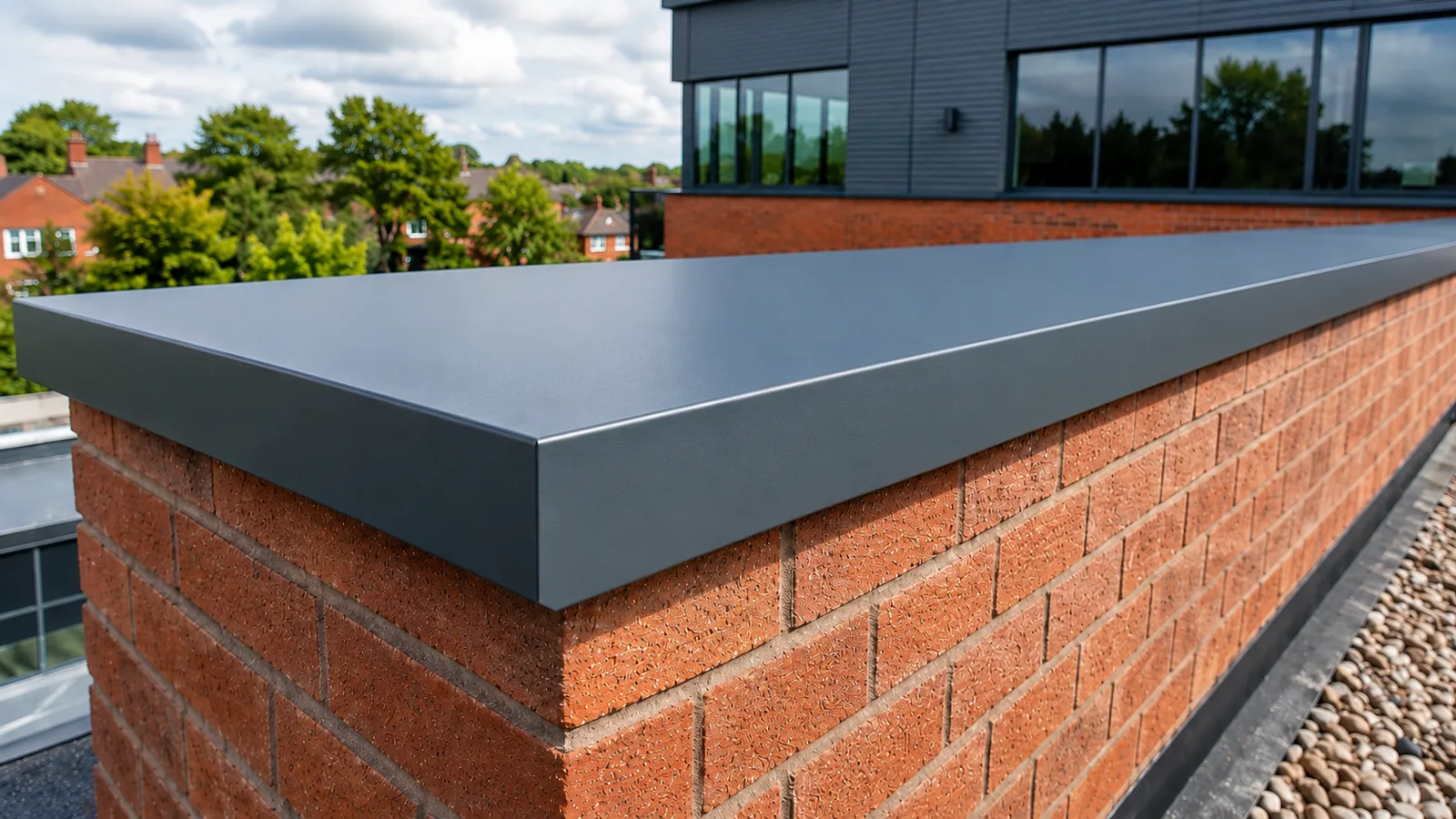
At drains, scuppers and parapets, coating must meet the existing detail without narrowing an outlet or hiding a damaged connection. A drain and scupper check can address water handling first, while edge metal and coping repairs can restore the perimeter transition. We address those details first because field coating cannot correct a failed termination.
System choice: match the material to the roof
Coating chemistry, reinforcement and thickness depend on the existing roof, the condition of the substrate, drainage and the manufacturer's application requirements. Silicone and acrylic systems do not behave identically, and neither belongs on every surface. We compare the proposed system with the existing membrane, detail repairs and service conditions. The owner can then see why one approach fits the prepared roof or why another assembly deserves review.
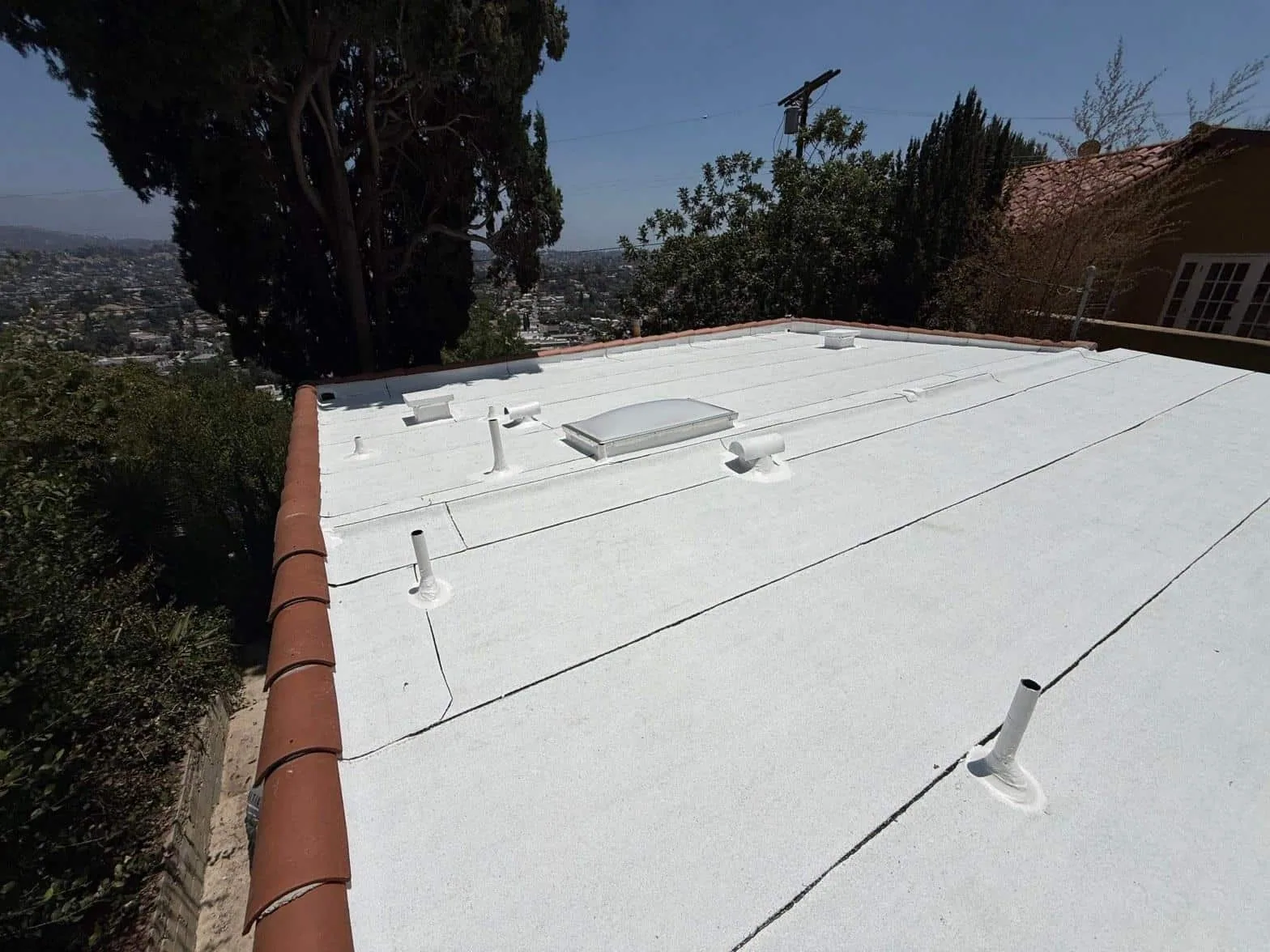
For a roof with standing water or unresolved moisture, we first determine whether those conditions can be corrected. A coating does not rebuild deteriorated insulation or deck. Where the field membrane is worn but remains attached and dry, the silicone coating system may be considered alongside other options. The restoration scope should identify preparation, seam work, flashing details, application limits and excluded areas.
Renton's late-year wet pattern makes drainage a part of material selection rather than a separate afterthought. We review the outlet path and roof slope, then discuss whether ponding can be corrected before coating. If the substrate or attachment fails the eligibility check, replacement or a targeted repair may be the more useful comparison. Each option needs a defined scope and a reason tied to the actual roof.
Work window: protect access and cure time
Weather and surface conditions govern application timing. The roof must be prepared and dry as required by the selected system, and temperature, forecast, dew and wind may affect the work window. We review the manufacturer's requirements with site conditions and set an order that lets repairs, detail work and field application proceed without trapping water or leaving an incomplete transition exposed.
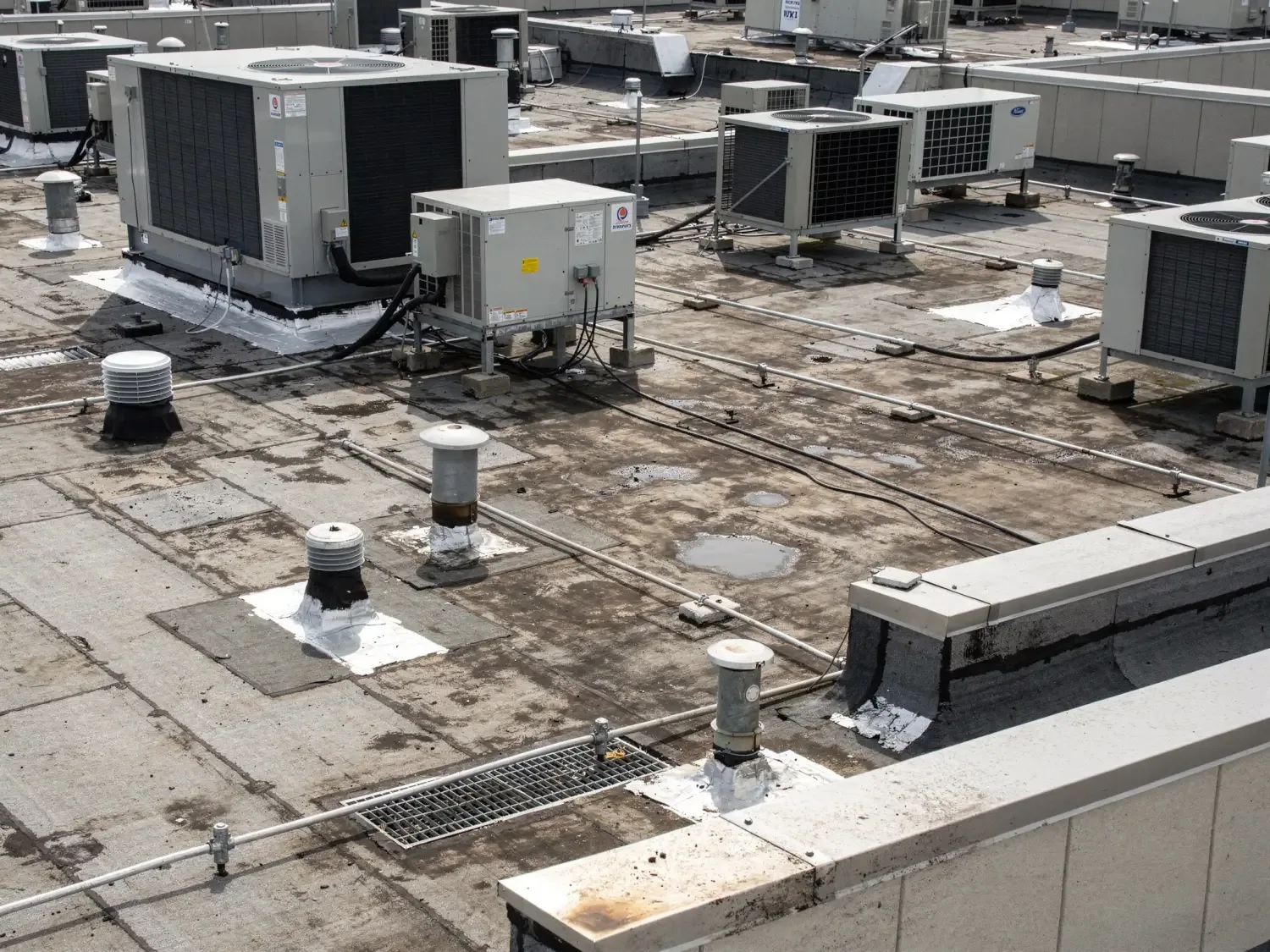
For occupied properties, the property contact helps coordinate roof access and work below active areas. Rooftop units, intakes, skylights and walk paths may need protection or temporary controls. We identify what must remain accessible and where the crew can stage material without interfering with operations. If rain or surface moisture interrupts the sequence, we protect the open edge and return when conditions allow the next step.
A maintenance visit after restoration can record the completed areas, inspect drains and note any detail that needs follow-up. The condition report can keep that information with the roof plan, repair history and photos.
Scope review: compare restoration and replacement
A coating project is not simply material spread over a roof. The scope should show what preparation is included, how seams and penetrations are handled, which areas need a separate repair, and what cannot be reached or coated. We identify the expected sequence and conditions that could change it. If the roof contains multiple assemblies, the plan describes each section instead of assuming that one product fits the full surface.
For a property in the Renton Valley Subarea, equipment and receiving schedules can influence staging and access. In Downtown Renton, the manager may need to coordinate entry and rooftop equipment work. We confirm the roof details and access plan with the contact before setting the work line.
To review a coating option, send the Renton address, available roof records, prior repair history, leak locations and any access limits. We inspect the assembly, discuss preparation and explain whether restoration, a recover or replacement fits the evidence. If the roof is not ready for coating, we say which condition must be addressed first. That gives ownership a decision based on the roof in front of us, not the hope that another layer will hide a recurring problem.
Commercial Roofing Questions
Which roof conditions can rule out a coating?
Widespread moisture, loose attachment, failing seams or deteriorated substrate can make a coating a poor fit. We inspect the roof and identify what needs testing or repair before comparing restoration with a recover or replacement assembly.
Can a coating stop ponding water?
A coating is not a substitute for correcting drainage. We check outlets, overflow paths and low areas, then determine whether the water route can be improved before application. If ponding remains, that limitation belongs in the scope discussion.
Do you coat over an existing leak?
An active leak needs its path investigated and the affected detail repaired. We compare the interior report with seams, penetrations and drainage above, then decide whether the surrounding assembly remains eligible for restoration.
How is the coating material selected?
The existing membrane, surface condition, repair details, drainage and application requirements guide the choice. We explain which preparation and detail work the selected system needs, and note where compatibility or adhesion must be checked first.
What should the property team send before an assessment?
Roof plans, repair records, leak locations, access instructions and information about equipment or occupied areas help us plan the inspection. We confirm the roof sections to review with the property contact and identify any areas that cannot be safely reached.