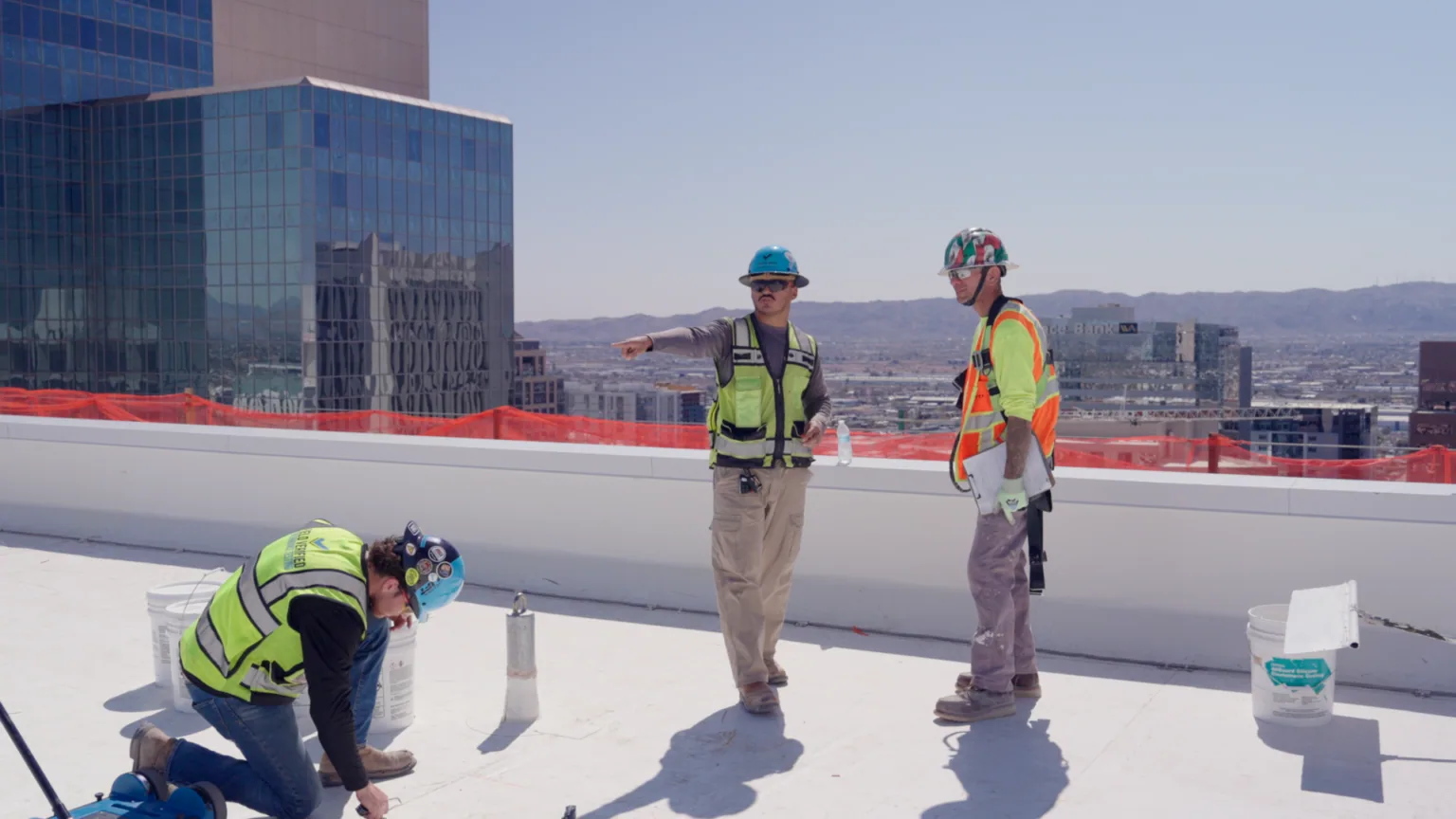
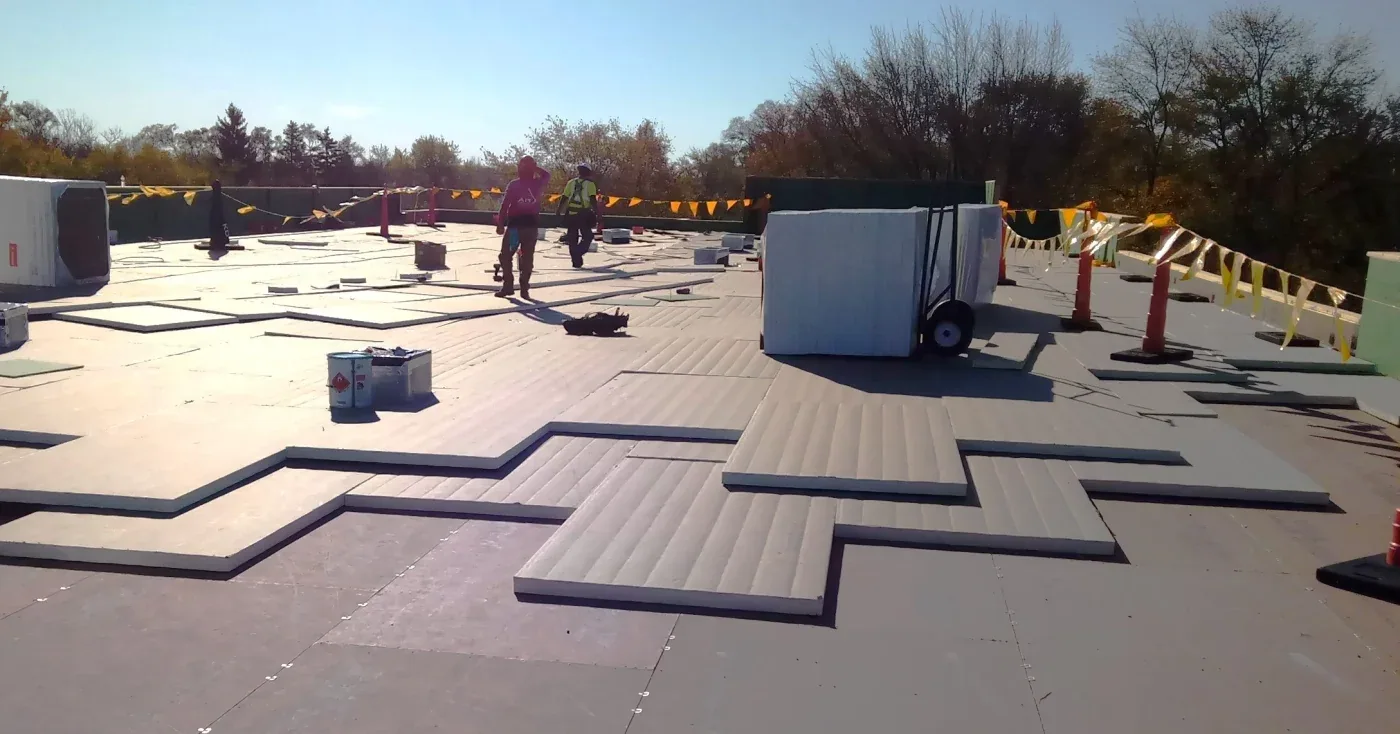
A drain that slows during a wet-season check can change the order of work across a portfolio. In Renton, WA, we start with each building's address, assembly records, leak history and access rules, then compare them with what a roof walk confirms. Sea-Tac's wet November and December set the seasonal timing, and current drainage and membrane conditions set the priority.
A portfolio may call for a small repair at one address, moisture testing at another and a replacement discussion elsewhere. We keep each roof tied to its own evidence. A commercial roof inspection establishes the observed starting point, while a written condition report lets the owner compare later visits.
Roof record: give each building its own baseline
A useful record identifies the building, roof area, apparent assembly, visible condition and access limits. We distinguish manager-supplied information from field observations, since an invoice may describe a patch without showing whether the next lap stayed sound. Plans, photos and repair notes stay attached to a roof zone so the next facilities contact can follow the history instead of relying on a broad condition label.
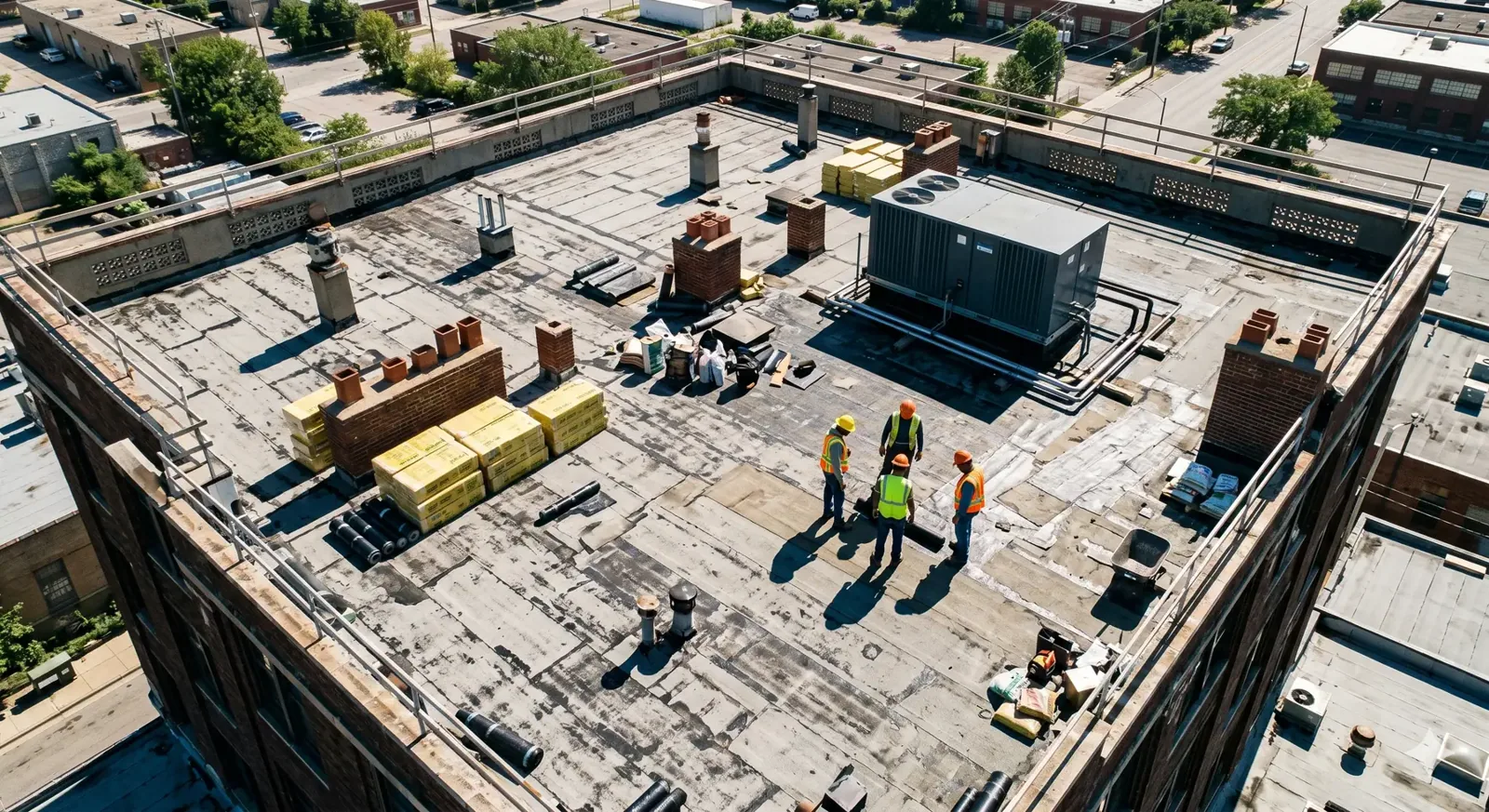
Much of the Renton Valley Subarea is industrial and warehouse space, so loading schedules and equipment routes belong in the record. We confirm the assembly from records or visible details, using a warehouse roof review when delivery access affects the inspection plan.
A locked hatch, active equipment zone or weather limit may leave a question open. We record what was not reached, the follow-up needed and whether it changes an immediate repair decision. The building record can then show the next inspection date and conditions to watch.
Priority: sort repairs by exposure and consequence
An open seam above active space may need attention before a coating assessment on a stable section. We rank work by the condition found, the chance of water reaching insulation or interior space and the effect of delay on operations. A recurring leak, loose edge metal, blocked outlet and worn membrane are separate findings, not one portfolio-wide repair. Each next step connects to its reason and the evidence that could change it.
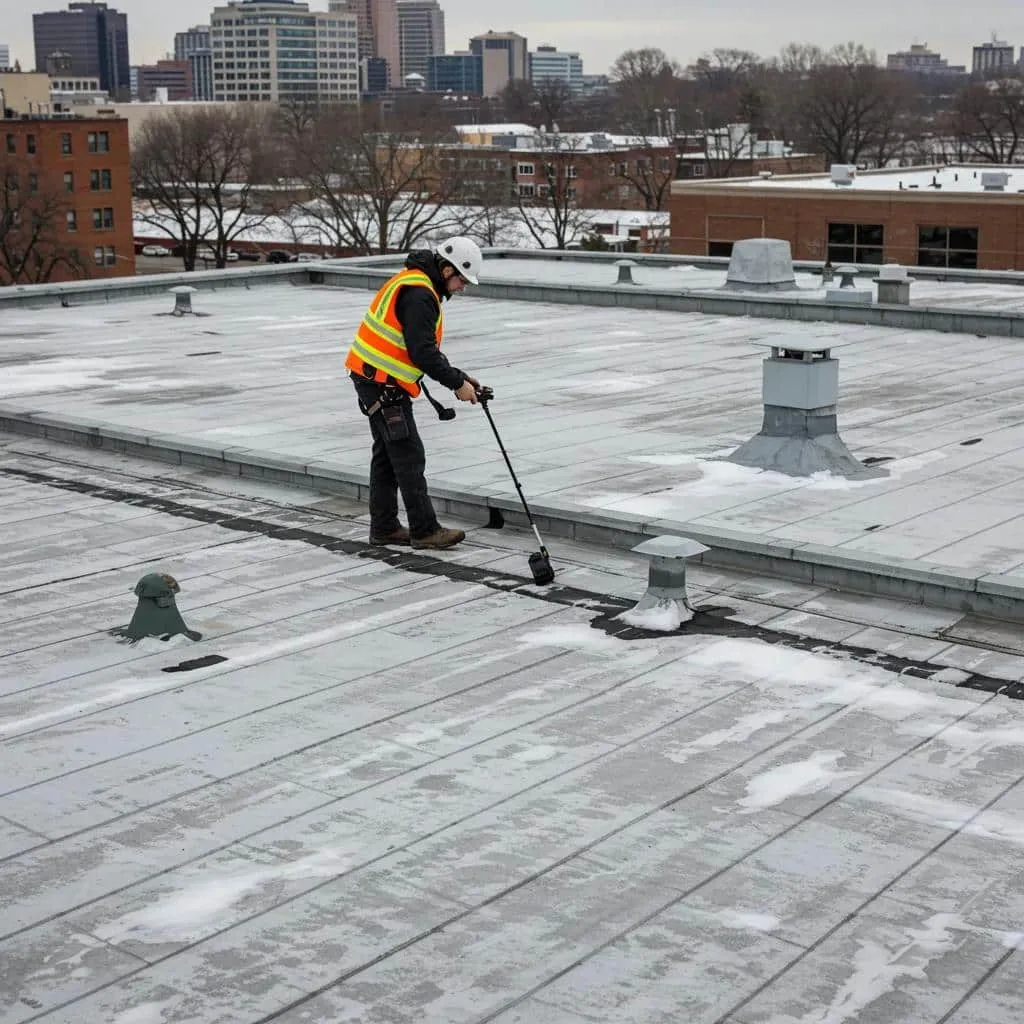
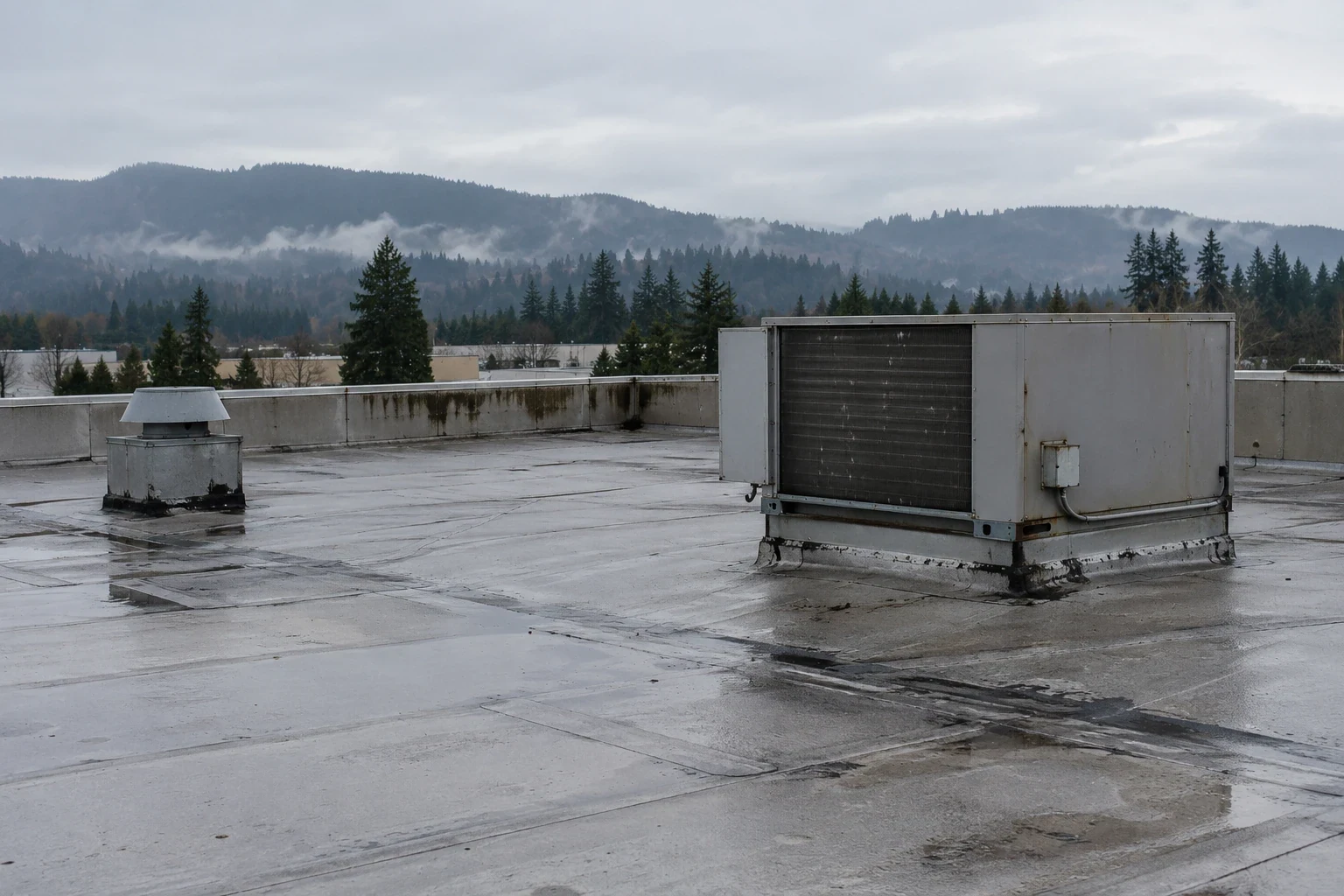
Sea-Tac's November normal of 6.31 inches is the date to work back from, since an outlet clogged in October is holding water by November. Before wetter months, a drain and scupper check can record outlet condition and the path to an overflow. If water remains after the drain clears, we distinguish an obstruction from a low area needing review.
Access and building use affect the sequence too. A healthcare property may need protected service routes; a warehouse may need an inspection outside receiving hours. We attach those constraints to the proposed work. Where water entry appears urgent, our emergency response can stabilize the opening before the permanent scope is confirmed.
Capital window: connect condition to timing
A capital recommendation should explain why a project belongs in a particular budget cycle. We separate maintainable conditions from repeated repairs, wet insulation, failing attachment or broad membrane wear that may justify a replacement study. The record names the roof area and evidence reviewed, plus any test needed before design. A roof capital planning review can organize those decisions without treating an estimate as a construction scope.
A Downtown Renton roof visit can add field observations to the portfolio record, and location helps assign the right property contact while assembly and condition remain roof-specific.
Weather, access, tenant operations and temporary protection also affect timing. We set out practical choices: monitor, repair, test or prepare a replacement scope. Before discussing restoration, we inspect drainage, adhesion and moisture; if those conditions are not established, we name the evaluation needed first.
Maintenance cycle: keep small findings visible
Maintenance notes should help the next person who opens the roof file. We list the date, roof zone, observed detail, work completed and item to revisit, with photos that show the feature and its location. A cleared outlet is not a repaired membrane; a temporary seal is not a permanent flashing correction. That distinction shows whether an issue was closed, monitored or left pending.
Several decision-makers may review a portfolio, so the roof record should explain the finding, its limits, any test performed and approval still needed. An investment-property roof program can keep those records aligned with asset review.
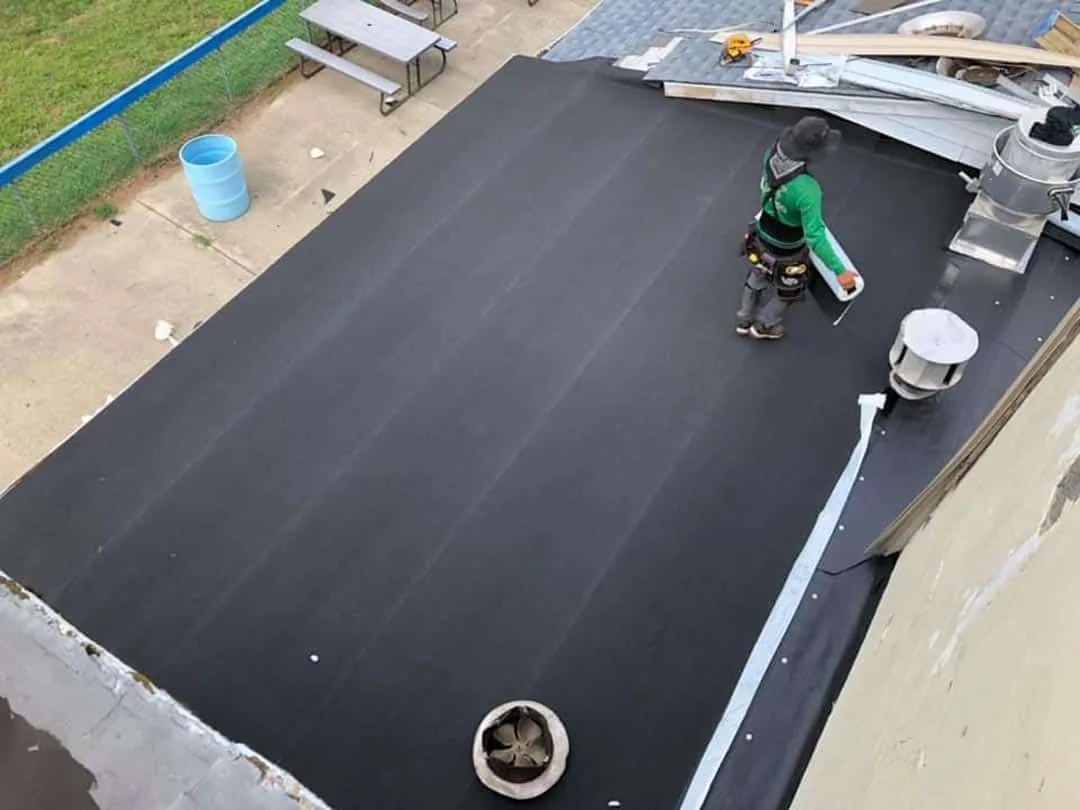
Maintenance intervals should follow exposure and findings, not one date copied across every address. We can schedule checks for drains, edges, penetrations and repair areas, noting when a new condition changes the plan. A TPO seam review addresses welds and compatible patching on that system; other assemblies require different repair details.
Handoff: make the next decision easy to verify
A portfolio review should leave a manager with a next action for each roof, not just condition scores. We identify which buildings need a repair quote, a closer test, routine maintenance or a capital discussion. Each recommendation connects to a finding and roof area. If information is incomplete, we say what is missing and how it affects the decision.
Photographs are filed by roof area and dated, with a wide shot, a close shot and a reference to the nearest drain or curb, so a new reader can place any image on the plan in a few seconds.
A register is only as good as its fields. Ours carry the address, roof area name, assembly, install or last-replacement year when documents support it, drain count, equipment count, last walk date, open items and the contact for access, and each field has a Diligence Notes so a supplied number is not confused with a measured one. When a field is unknown it stays blank and is listed as a to-do, not filled with a guess. Over a few cycles the blanks close, and the register starts to show which roofs generate calls and which sit quietly.
We coordinate site contacts, roof keys, lift routes, active equipment and work windows before the walk. If a test opening or moisture survey is needed, we explain the area and request approval. The record follows each address, its building use and field evidence, whether the building sits in the Valley or near Southcenter.
Send the Renton addresses, plans, repair invoices, leak history and access contacts. We will inspect approved areas, organize findings by building and explain whether the next step is maintenance, repair, testing or capital planning. For urgent conditions, emergency response is available nights, weekends and holidays.
Commercial Roofing Questions
What should be recorded for each building in a roof portfolio?
Start with the address, roof areas, known assembly, plans, repair history and access contact. We add dated observations, photos, work completed and any question that needs another visit or approved test.
How do you decide which roofs need attention first?
We compare active water entry, exposed insulation, drainage, attachment and operating impact across the roofs inspected. A finding that could damage occupied space or disrupt service receives a different next step from routine wear that can be scheduled.
Can one maintenance schedule cover every property?
A shared calendar can help coordinate visits, but the checks should follow each roof's assembly, condition, access and prior repairs. We keep the building-specific findings attached to its own record.
What belongs in a roof capital review?
We summarize the areas inspected, repair history, observed conditions, likely scope choices and any test needed before design. The owner can compare a maintenance path with a replacement study using evidence tied to each roof.
How should a missing or conflicting roof record be handled?
We separate supplied documents from field observations, then identify what remains uncertain. A roof walk, exposed-edge check or approved test may resolve the assembly or moisture question before a larger scope is priced.