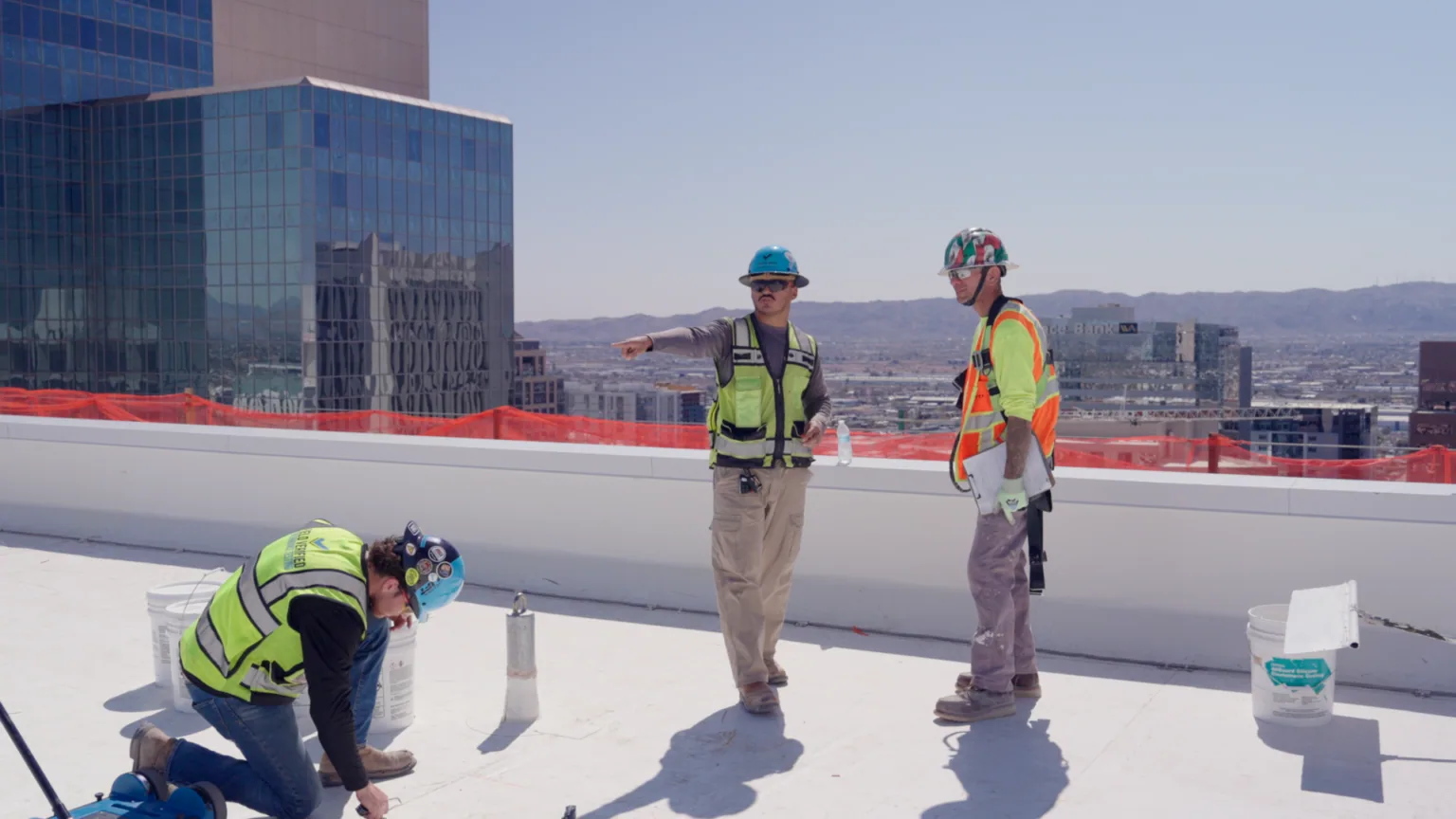
A budget line for a roof needs more than a surface that looks tired from the parking lot. In Renton, WA, we connect capital planning to the roof areas inspected, the repairs already made and the evidence that could change a replacement decision. Sea-Tac's 1991-2020 normal records 39.34 inches of annual precipitation. That makes drainage history and wet-season findings worth keeping in view when a project is scheduled.

We separate work that can be maintained from conditions that may call for a larger scope. Repeated leaks, wet insulation, weak attachment or broad membrane deterioration can move a roof toward a replacement study, while an isolated detail may remain a repair. A roof asset record can keep each building's evidence together, and a commercial roof inspection can establish what is visible before the capital discussion begins.
Condition basis: connect the finding to the budget
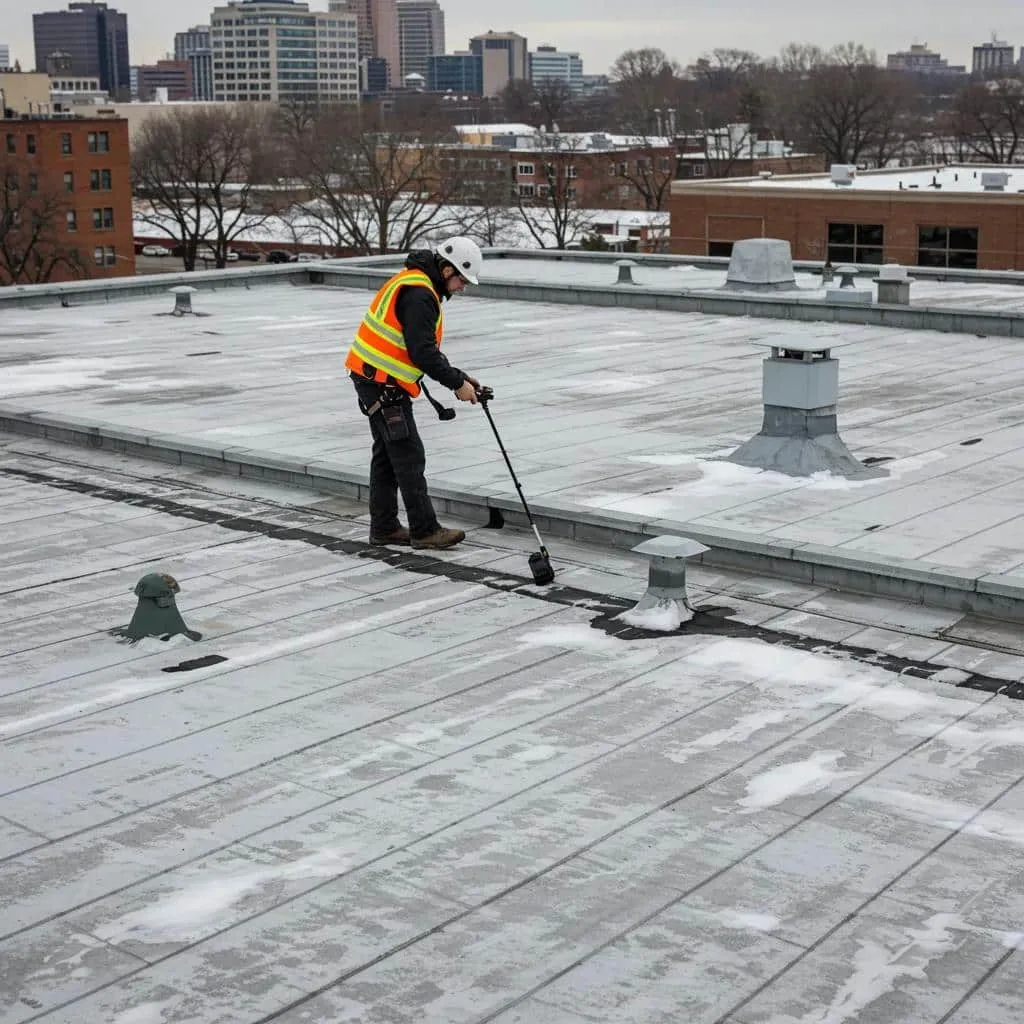
A capital plan should identify the roof area, observed condition and next action behind each recommendation. We note open seams, membrane wear, repair buildup, edge movement, drainage restrictions and moisture concerns separately, then explain which ones affect timing. A number without that record is hard to compare across properties. A written roof condition report can carry photos, location references and access limits into the owner's review.
Warehouses and industry dominate the Renton Valley Subarea, so loading schedules and rooftop service routes are worth recording. We confirm a roof's age and assembly from plans, invoices or exposed edges before comparing repair and replacement paths.
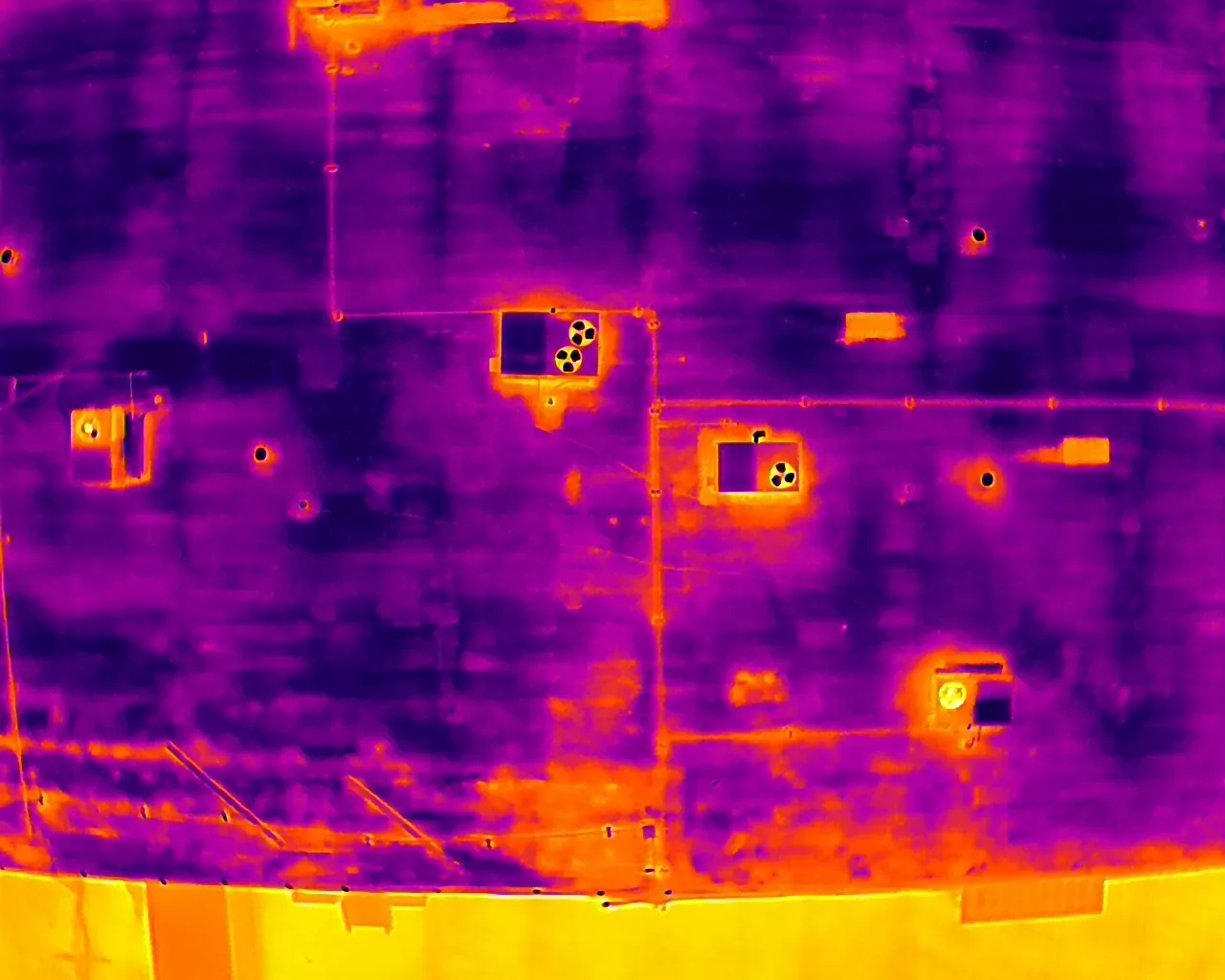
If moisture could change the scope, the plan should identify the proposed test area and approval needed before the budget is treated as firm. An infrared moisture survey may help direct a closer check, but a roof opening or other confirmation may be needed before wet material is quantified. We record the limits of each observation so a preliminary allowance does not become a hidden assumption.
Timing window: decide what belongs this cycle
Project timing comes from condition, weather and the building's work calendar. A recurring leak above occupied space may need a repair before a full replacement is designed; a stable roof can leave room for a closer test and planned bid package. We show the owner those choices with the access, staging and temporary-protection needs attached. A commercial roof replacement scope can follow after the assembly, deck concerns and limits of repair are understood.
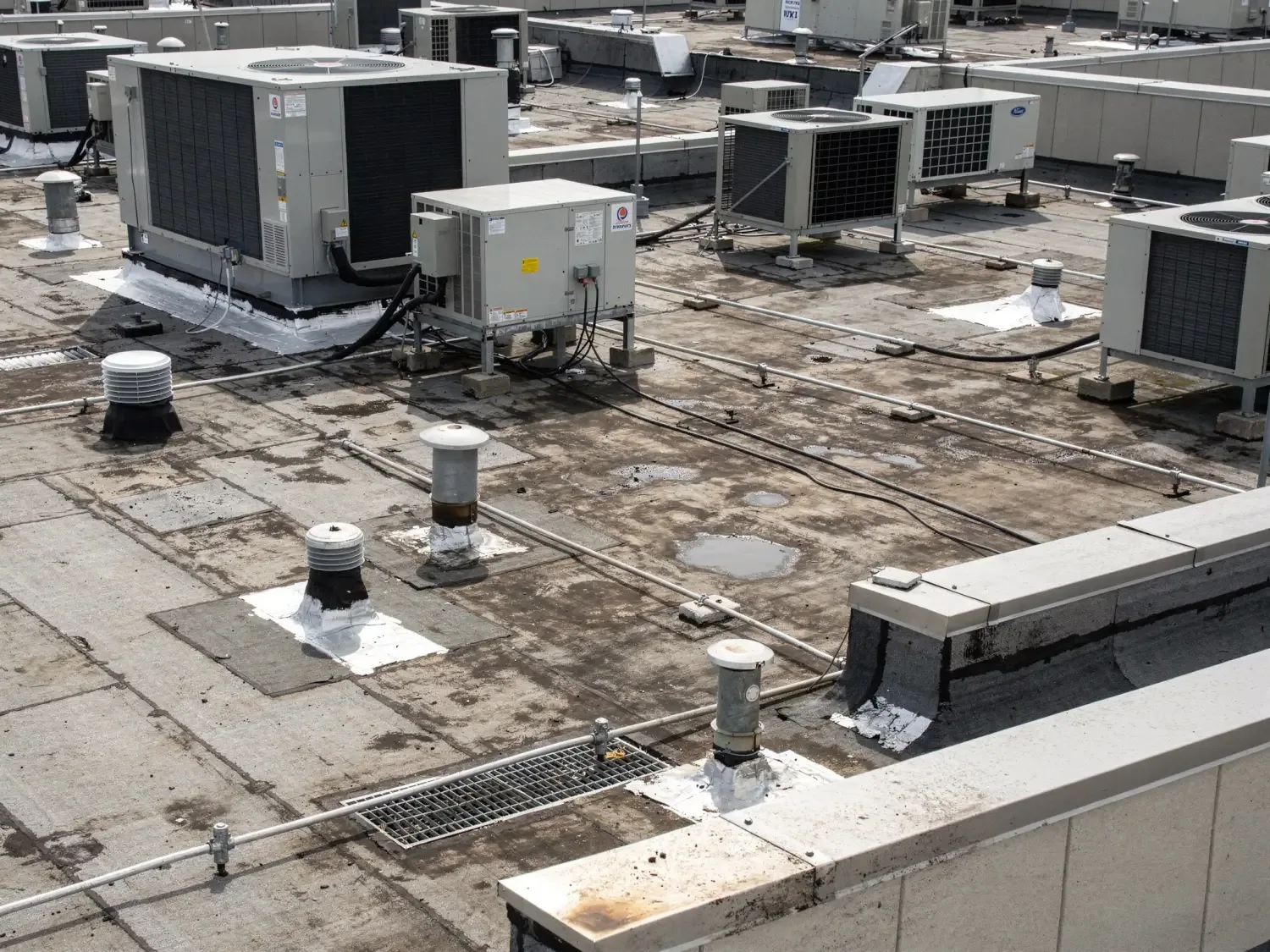
Sea-Tac's regional normal shows measurable annual precipitation and a pronounced late-fall pattern. We use that context to discuss when drain checks and leak follow-up may be practical, not to forecast a specific roof failure. A wet-season review should consider the roof's actual outlets, low areas and past water reports. A drain and scupper inspection can document those details before a budget cycle closes.
Construction windows also need to fit occupants, deliveries and equipment service. For Renton Valley properties, the area's established warehousing and light-manufacturing activity means receiving and lift routes get confirmed with the building contact. We place those access conditions in the sequence so the owner can compare work windows with operating commitments.
Option study: compare repair, recovery and replacement
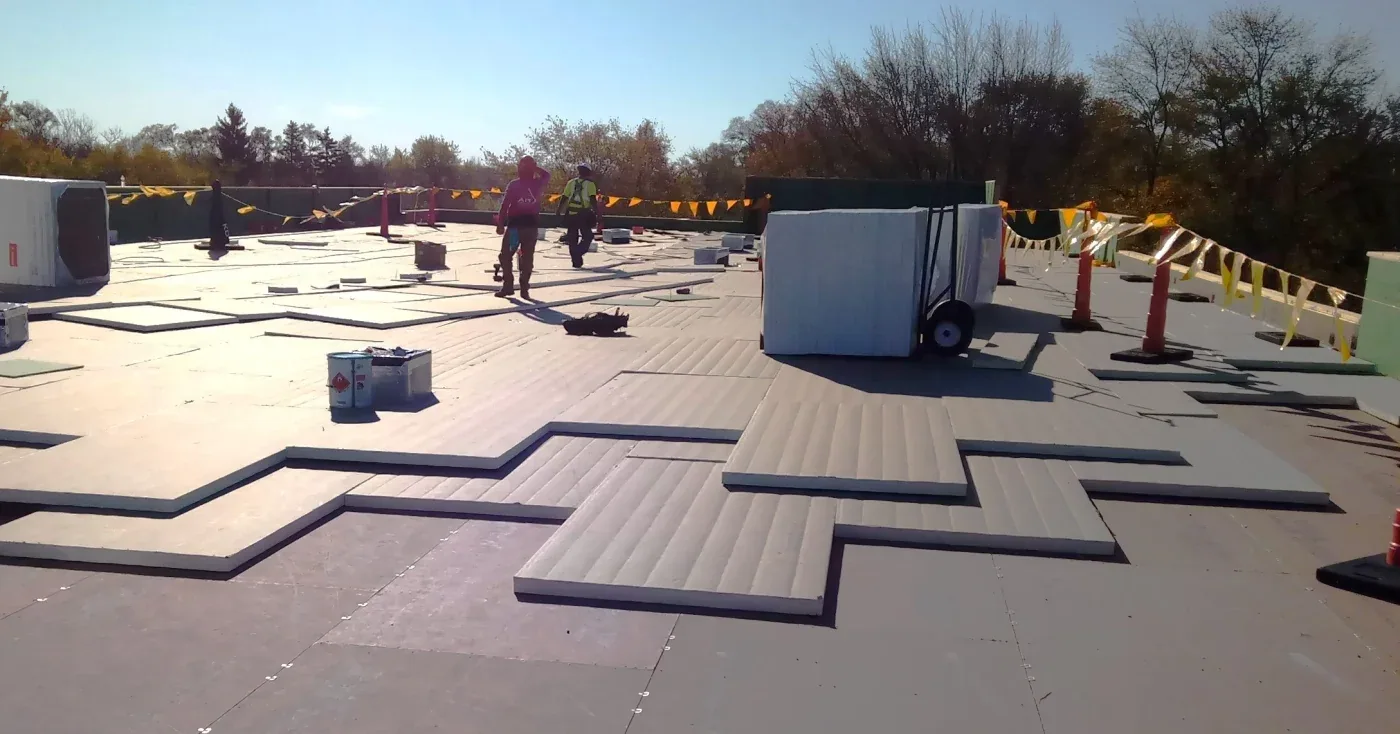
A repair can be the right capital choice when the defect is localized and surrounding material can support the fix. A recovery may be considered only after the existing layers, moisture, attachment and drainage have been checked. Replacement becomes a stronger candidate when failures recur across zones or the assembly no longer supports a durable repair plan. We explain what inspection or test supports each path, then identify the conditions that would rule an option out.
A figure with no range invites false precision, so each line carries a low and a high case and names the finding, such as a wet core or a bad deck panel, that would move it.
Southcenter, in nearby Tukwila, pairs large-format stores and regional retail with offices, lodging and warehouse space, which reflects the range of roof uses a regional owner may compare. Each property still needs its own assembly information, Diligence Notes and tenant schedule before alternatives can be put on the same worksheet.
When a roof has several additions, we keep sections separate until records and field details show which surfaces connect. One membrane type may tolerate a compatible local patch while a different area needs another material or a full transition detail. A TPO system review can examine the sheet and seam conditions, while a metal-panel assessment follows the panel attachment and flashing details of that roof system.
Capital file: keep scope and assumptions visible
A planning file should show what is included, what remains unknown and what event would trigger another review. We attach the roof map, dated photos, repair record, test results and recommended next step, then distinguish observed quantities from allowances that still need field confirmation. The owner can carry that file into an internal budget meeting without treating a planning estimate as a construction price. A roof due-diligence survey can add a condition record when a property is being acquired or refinanced.
For a property in Downtown Renton, the capital file should identify the actual address, records, access approval and contacts.
We also note how repair work can protect a building while design or approval continues. If a leak remains active, a temporary measure may be needed, with a separate record for the permanent correction. That keeps emergency response from being mistaken for completed capital work. Owners can then see which amount addresses immediate exposure and which decision can wait for a broader scope.
Decision handoff: put the next step on the calendar
Before closing a capital review, we identify the next roof walk, test, repair quote or design conversation and the person who can approve it. A roof that needs no immediate project may still need a dated follow-up after weather or another maintenance cycle. If access was restricted, the record names the area not reached and how that affects the recommendation. That leaves the owner with a decision they can revisit when new evidence arrives.
Send the Renton address, roof plans, leak history, repair invoices and budget timing. We will inspect approved areas, explain what the assembly and field condition support, and separate repair work from any longer-term replacement scope. Where a project crosses departments or tenants, we coordinate access requirements and work sequence before pricing is finalized. Emergency response remains available around the clock when a roof condition needs prompt stabilization.
Commercial Roofing Questions
What evidence should support a roof replacement budget?
The file should identify the roof areas inspected, conditions found, repair history and any moisture or attachment question that could change scope. We connect the budget recommendation to those observations and state what still needs confirmation.
Can repairs be budgeted before a replacement study is complete?
Yes, when a localized condition needs attention while broader evaluation continues. We separate the repair line from temporary protection and replacement planning so the owner can see what each action resolves.
How do you compare recovery with replacement?
We review existing layers, moisture, attachment, drainage and transitions before treating recovery as an option. If those conditions are unknown, we identify the test or opening needed before recommending a path.
Does the Renton wet season affect capital timing?
Sea-Tac normals provide a regional precipitation reference, not a prediction for a particular roof. We use the seasonal pattern to plan useful drainage checks, while the building's leak history and current condition determine priority.
What if the roof records do not match the field conditions?
We keep the documents and observations distinct, then identify the area where they differ. A closer roof walk, exposed-edge review or approved moisture test may resolve the issue before design or pricing proceeds.