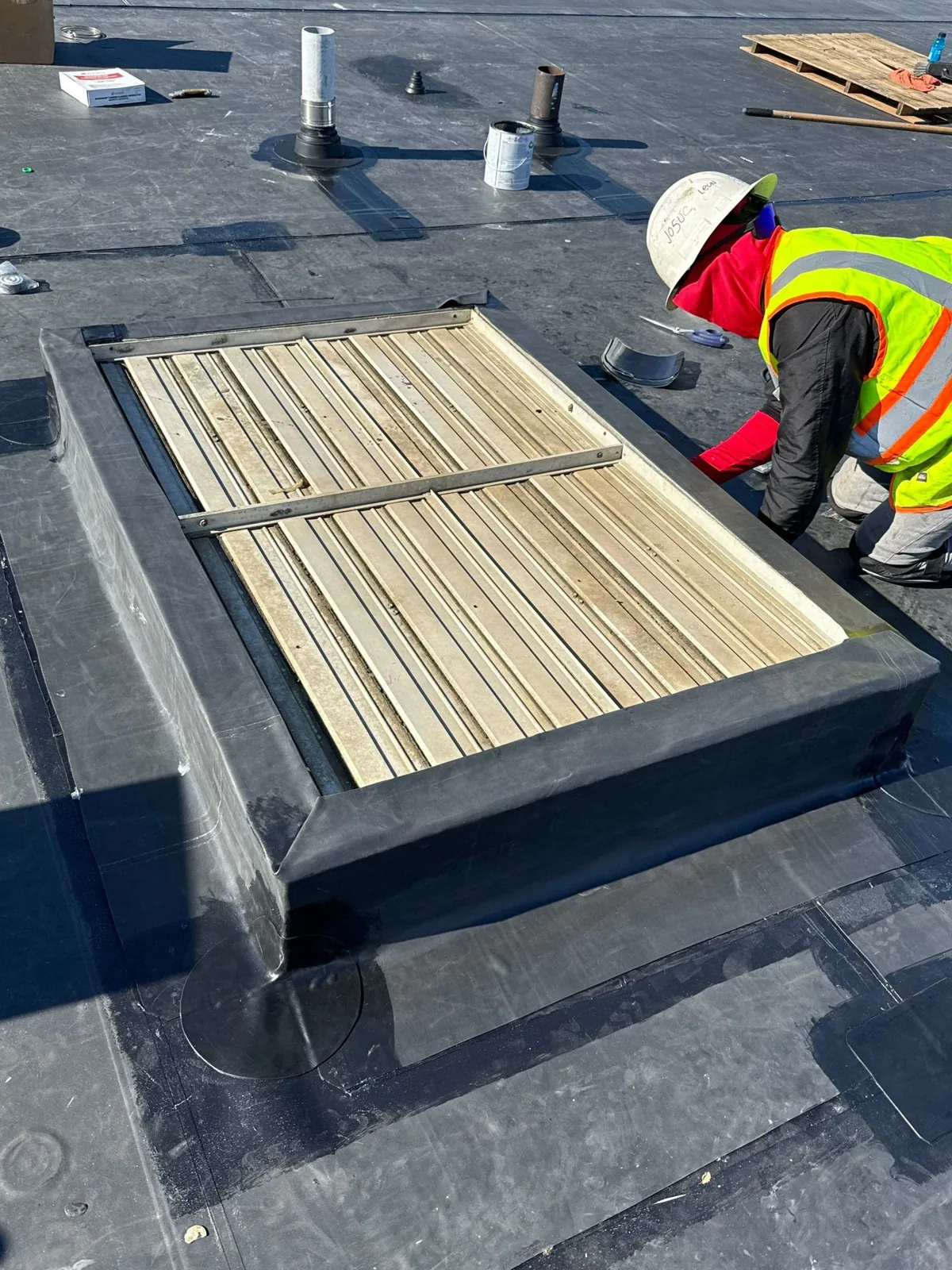
A seam that looks sound in July still deserves a look before Renton's wetter months. Holcim Elevate offers low-slope roofing products across membrane and other system categories, but selecting a product starts with the building, not the label. We trace the drain route, inspect field seams and transitions, and check the roof history so an owner can see whether a repair or a larger scope merits a closer look.

The current Holcim Elevate name is useful when reviewing product information and contractor proposals. A property record may use an older brand reference, so keep that paperwork with the roof plan and confirm which system is actually installed. We can then compare the existing assembly with a Holcim Elevate option and note what remains uncertain before planning work.
Product families: begin with the installed roof
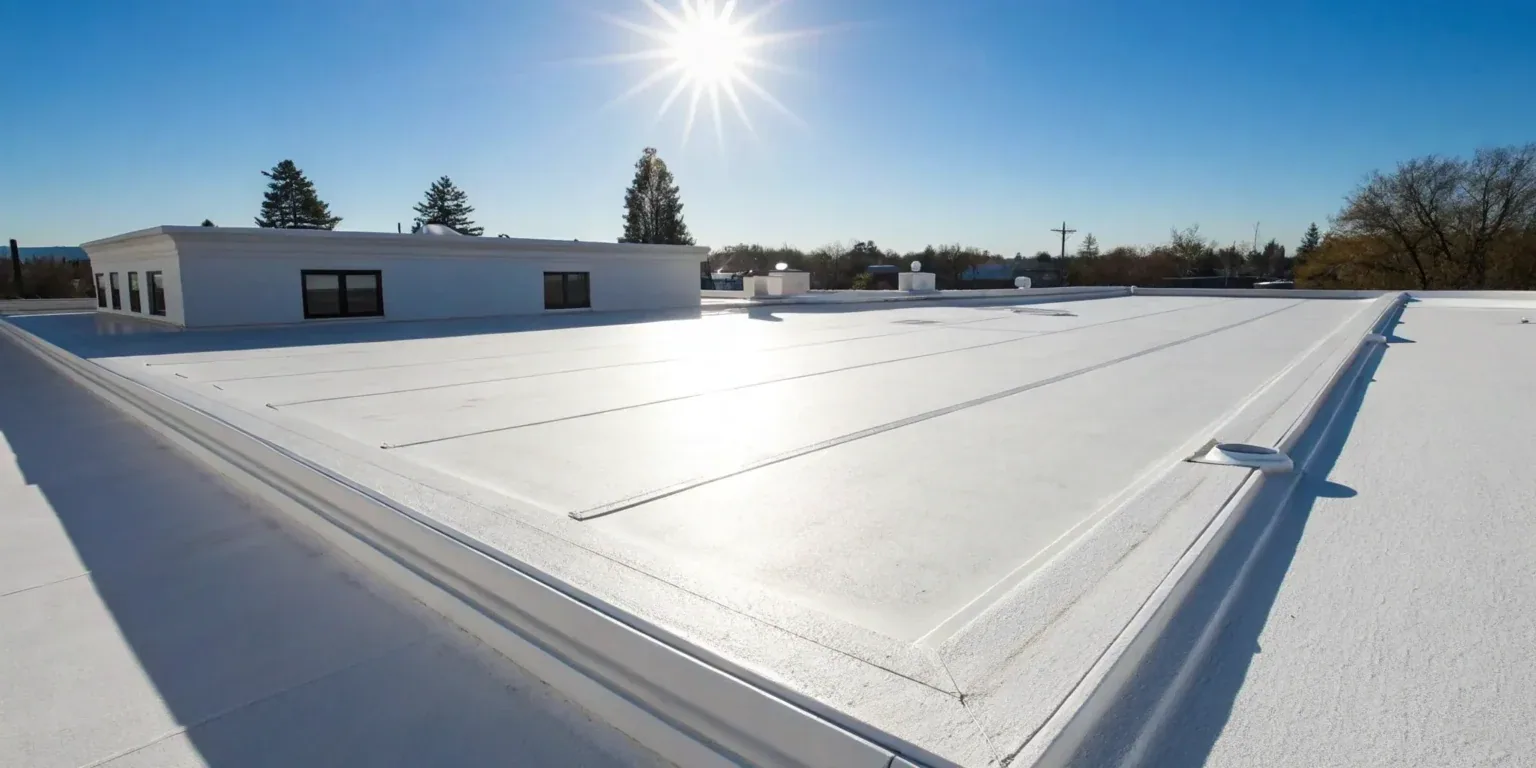
Holcim Elevate's portfolio includes EPDM, TPO and PVC membranes along with asphalt, metal and related roofing products. That range gives a project team several categories to evaluate, but it does not mean every family suits every substrate or building. A proposal should identify the exact product, assembly and project documents behind the recommendation, and those should be compared with the layers and details actually on the roof.
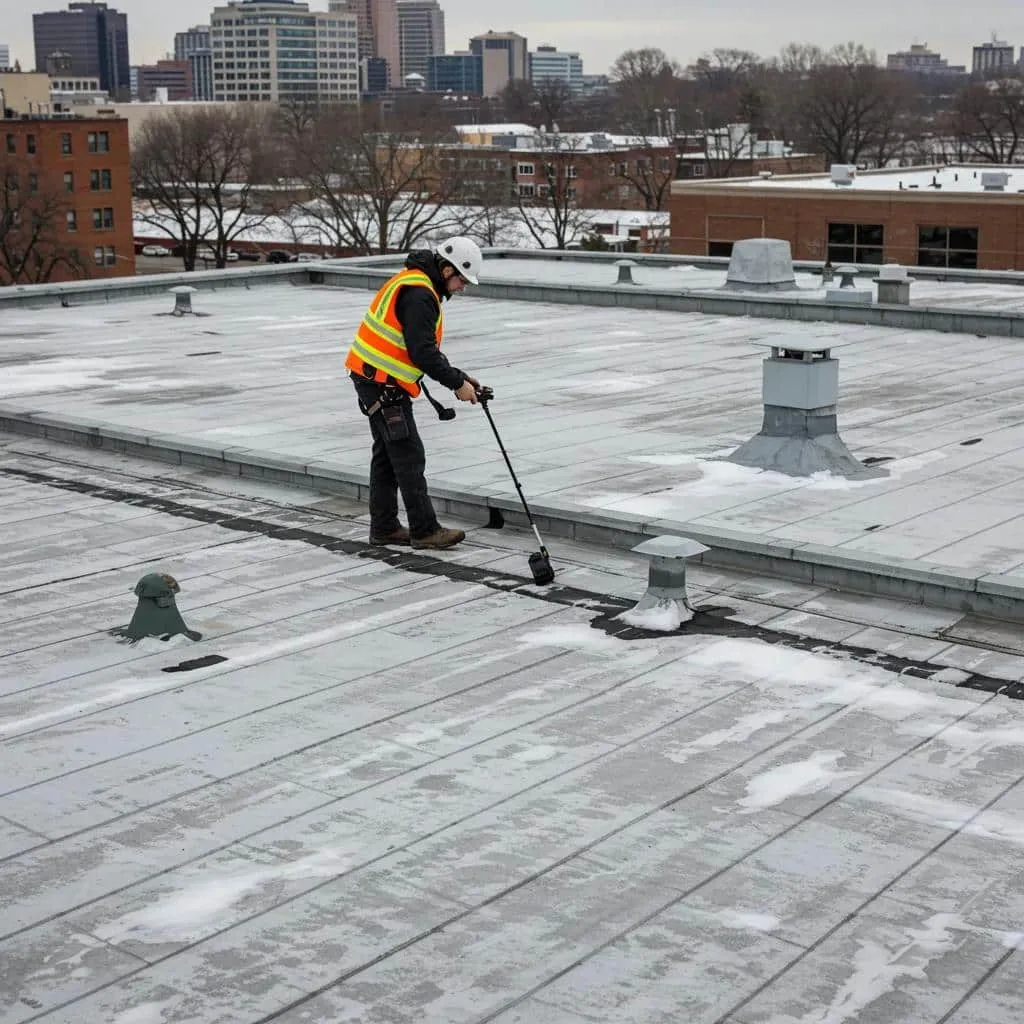
On a walk, we note seams, laps, patches, penetrations, curbs, edge metal, drains and any change in slope. The interior report helps us decide where to look, while roof plans and old repair notes add context. If the surface hides moisture or the deck condition is in question, additional testing may be needed. A product discussion is stronger when those findings are stated plainly rather than assumed from an old invoice or a small ceiling stain.
Sika Sarnafil and Versico are the usual comparisons for a membrane choice, and an EPDM roof still needs current manufacturer instructions and project approvals behind any assembly.
Roof details: track water to its exit
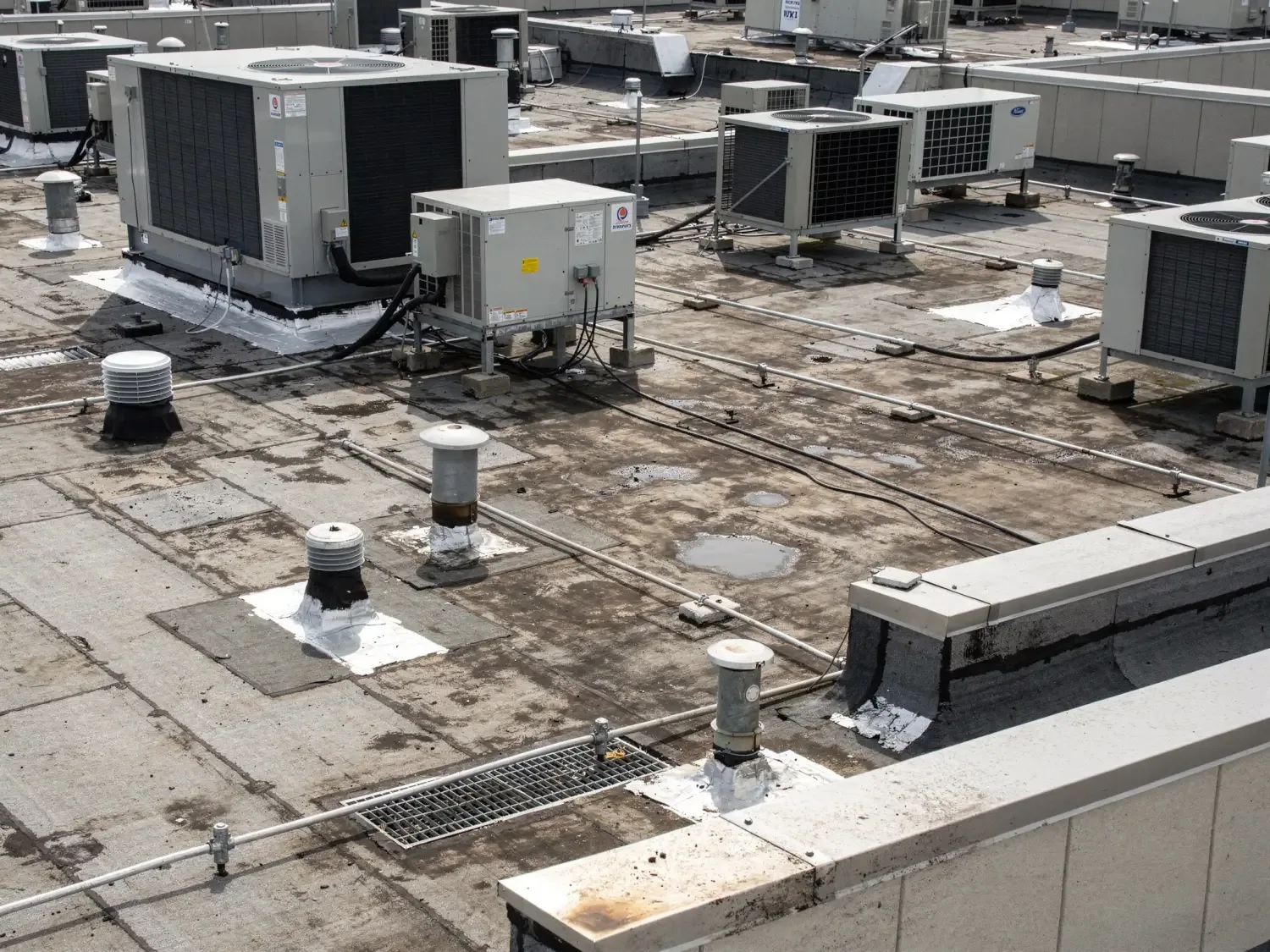
Water can travel from a high curb, seam or wall transition before it shows up inside. We inspect the likely route toward outlets, then check the details that interrupt it: flashing corners, pipe boots, equipment supports, scuppers and perimeter edges. A photo and roof-area reference make the observation easier for a facility contact to find later. If an outlet is slow or debris is present, note that separately from a suspected membrane defect.
For a proposed Holcim Elevate assembly, review the substrate assumptions, insulation and cover board, attachment method and perimeter treatment. We state how the scope addresses existing layers, roof penetrations and equipment clearances, which details are included and which conditions the bid does not cover. These items affect preparation and sequencing, especially if the building remains in use.
A roof inspection can record visible conditions, and a condition report can organize recommendations by urgency and follow-up. If the inspection calls for more information, the proposed test should have a defined area and explain how its results change the next decision.
Repair or replacement: compare the work boundary
A repair is easier to judge when the defect, location, method and limits are written down. If the issue is a seam, flashing or penetration, inspect adjacent material and drainage before setting a repair line. Repeated calls or a history of patches may point to a larger condition, but that should be shown by the inspection rather than inferred from age alone. Record what was tested, what was not accessible and what could change the scope.
For a replacement, compare removal, surface preparation, insulation, attachment, edge metal, transitions, drainage work and temporary protection. A replacement proposal should identify the Holcim Elevate product and full assembly. If a recovery option is under review, a recover assessment should explain the existing layers, moisture findings and why leaving material in place is being considered. Either path needs current product and project requirements confirmed before installation is planned.
Photographs taken before and after each repair give a later reviewer something firmer than memory.
Matching the same roof area, details, allowances and exclusions across bids will make cost differences clearer. If one scope includes drain correction and another does not, those numbers are not describing the same work. Keep open questions visible until the contractor has resolved them.
Renton context: use maps carefully
Sea-Tac climate normals show a clear wet-season pattern, with much more precipitation in November and December than during midsummer. Before the rainy stretch, a maintenance visit can follow the water path and note whether drains, seams and flashings were checked. The roof itself determines what needs repair.
For a building in the Sunset Boulevard Corridor or East Plateau, we confirm the actual address, roof access and work constraints with the property contact rather than inferring them from a district name.
For multiple roofs, asset management can keep the inspection record, roof plan and repair history together. Each site still needs its own walk and scope.
Proposal review: confirm product and closeout
A proposal should carry the Holcim Elevate product name, the assembly layers and the documents used to support the design, along with the substrate, insulation, attachment, perimeter and penetration details, drainage work and surface preparation. If an older file identifies the roof under a former brand name, compare its system details with current records before assuming the same product remains in place.
Review project logistics alongside materials: weather protection, tear-off limits, staging, equipment access, disposal, work hours and communication with the facility contact. Allowances and exclusions should be easy to locate. If moisture testing or concealed-condition repairs are outside the price, the bid should say how the work will be documented and approved when those issues appear.
Warranty eligibility and coverage depend on the specific system, installation, records and applicable current terms. A product reference on a proposal does not establish coverage by itself. Confirm inspection and closeout responsibilities, then retain product information, photographs, test results and dated repair notes with the roof plan. Those records make the next maintenance visit more useful.
We can start with the Renton address, available roof documents, leak locations and access window. The first visit can sort visible conditions from questions that still need confirmation. After that, a contractor can outline whether a Holcim Elevate system belongs in the repair or replacement comparison.
Commercial Roofing Questions
What commercial roofing products does Holcim Elevate offer?
Holcim Elevate's portfolio includes EPDM, TPO and PVC membrane categories, along with asphalt, metal and related roofing products. The exact product and full assembly should be named in the project documents and checked against the building.
Is Holcim Elevate the same as an older Firestone roof record?
A record may use an earlier brand name, but that does not confirm which materials remain on the building today. Compare the original documents with current roof conditions, repair history and product details before planning work.
Can a Holcim Elevate roof be repaired instead of replaced?
Possibly, if the defect is defined and the surrounding material and assembly support a repair. A roof walk should inspect nearby seams, flashing and drainage, then state the repair boundary and any conditions that need further review.
What belongs in a Holcim Elevate roofing proposal?
Look for the specific product, assembly layers, preparation, insulation, attachment, details, drainage, weather protection, allowances, exclusions and closeout documents. Those items help show what the proposal covers beyond the membrane name.
What should I provide before a Renton roof assessment?
Share the property address, available roof plan or product records, leak locations, repair history and site access rules. A workable visit window helps us inspect the roof and document its visible condition.