A screw head that has backed out beside a flashing turn can leave a small opening where wind-driven rain reaches the deck. In Renton, WA, the wet-season pattern at Sea-Tac makes it useful to check that detail before late-year rain settles in, though the station does not measure a particular East Plateau roof. We look at the fastener, the sheet or membrane around it and the route water can follow. If the substrate is sound, a local repair may be enough; if the connection has loosened across a wider run, the scope has to reach that limit.
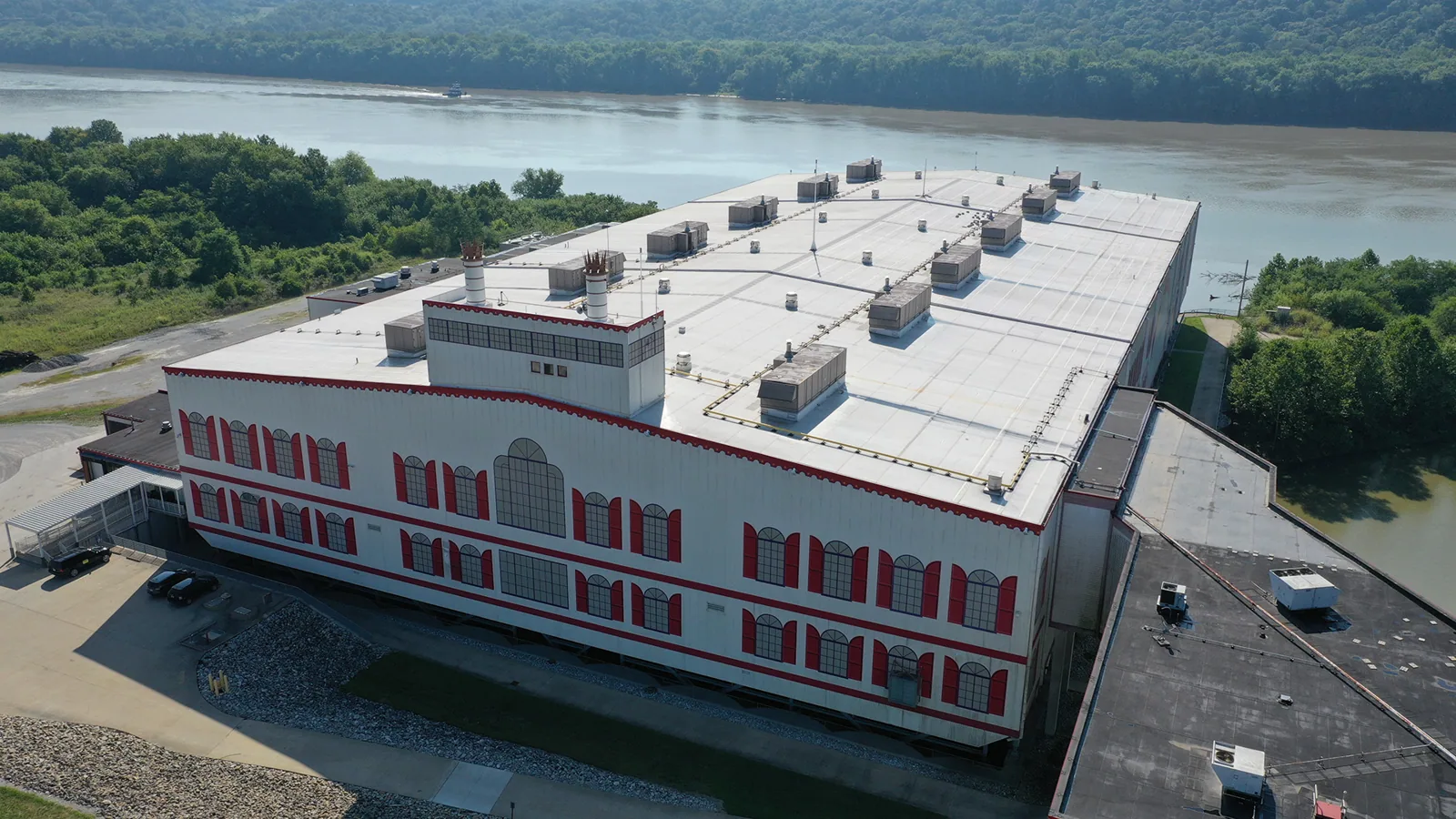
East Plateau is one of Renton's named Community Planning Areas. Renton's land-use map includes separate commercial, office, employment and industrial categories, while the property remains the right place to confirm actual use. We begin with the roof in front of us, not a neighborhood assumption. Roof access, occupants, equipment and prior repairs help set the inspection path. A commercial roof inspection can document the visible assembly and identify what needs testing before the owner chooses a repair.
Fasteners: check the connection, not just the head
A loose fastener may signal movement in the deck, a missed attachment point or deterioration in the material below. We check adjacent fasteners, seams, washers and the metal or membrane they secure, then look for rust trails, pulled holes or a change in the roof line. Replacing one screw without checking the surrounding attachment can leave the same force working on nearby points. The repair description should name the affected run and the evidence that defines its boundary.
When a connection is part of a metal roof, the panel profile, clip and movement allowance matter. A low-slope membrane has different edge and fastening details, so we identify the system before selecting a repair. Metal roof retrofit work can address an assembly-level problem when an overlay is appropriate, while a localized commercial roof repair can restore a contained attachment. We do not assume the roof type from East Plateau's planning-area name.
Water route: keep the outlet in the inspection
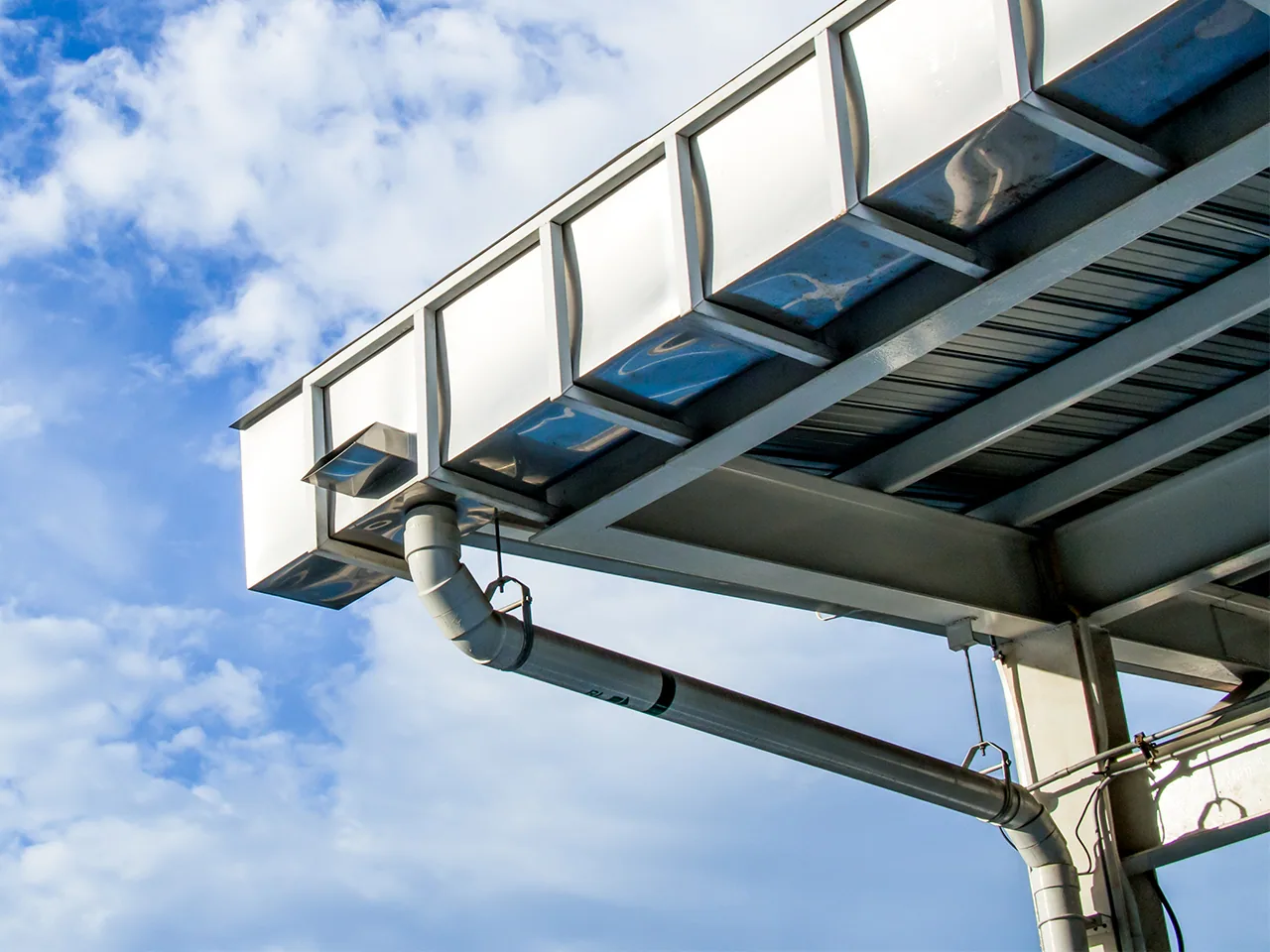
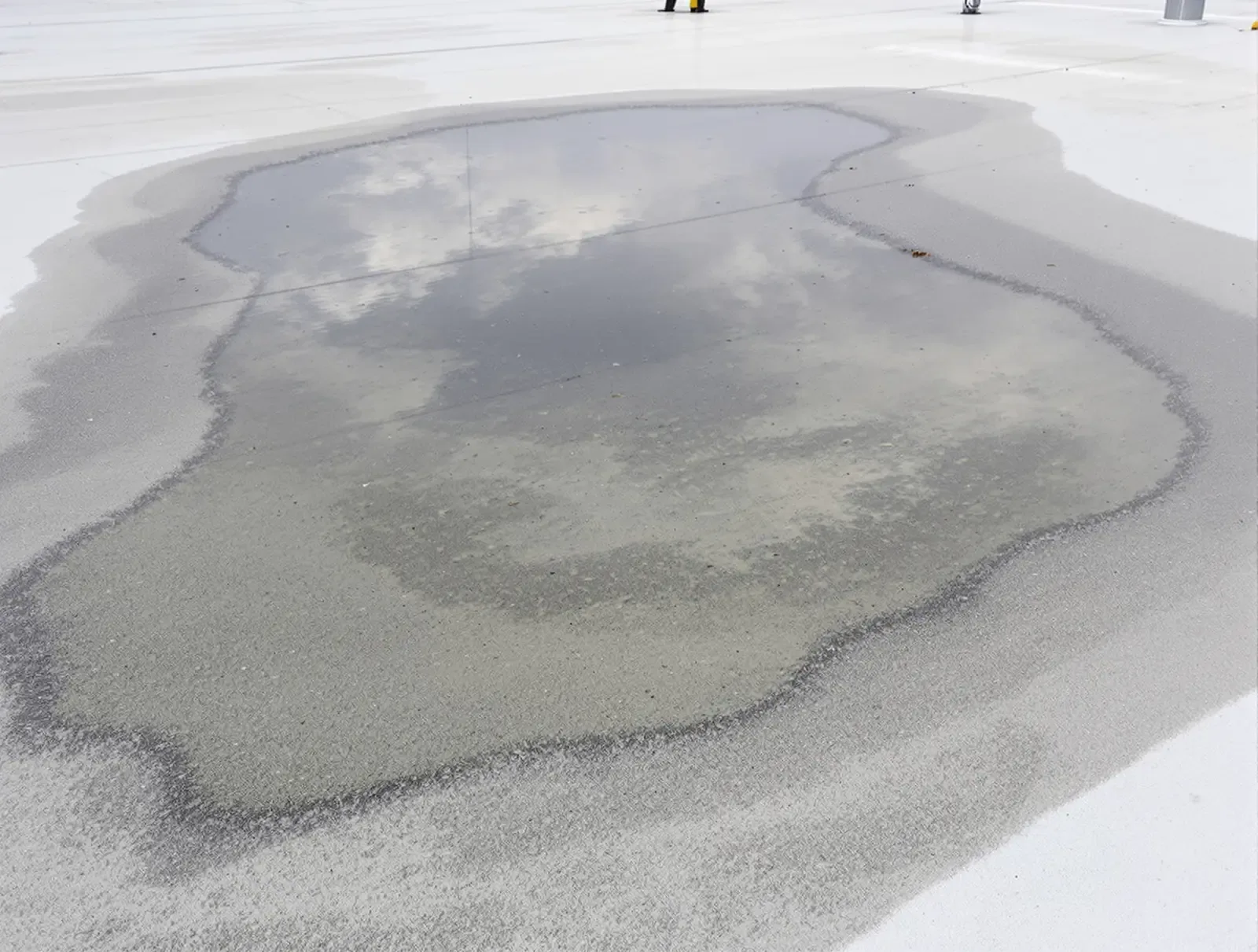
Water collecting near a fastener or lap can turn a small separation into a recurring leak. We follow slope to the drain, scupper or edge and check whether the connection is open, attached and directing runoff away from the building. A blocked outlet can hold water against otherwise serviceable material; a low area can also involve slope, deck or insulation. We record where water stops and which question remains unresolved before discussing a larger repair.
The Sea-Tac normals place late fall and early winter among the wetter parts of the year, with July notably drier. Before wet weather settles in, we review drain and scupper connections as a practical step. If the low area holds water after the outlet is clear, ponding-water repair may be part of the next scope once the underlying condition is known.
Access: protect the work area below
Roof work can affect doors, walkways, equipment and rooms beneath the repair. We confirm where the crew enters, how tools reach the work area and which spaces need protection before staging material. If the roof sits above active offices or mechanical equipment, the work sequence should define noise windows, clearances and where a temporary tie-in will hold overnight. A condition that cannot be reached safely is recorded rather than treated as inspected.
The site contact provides the operating details that shape access. Where the building remains occupied, a phased occupied-building reroof can set manageable work areas. For separate addresses in Kennydale and West Hill, we keep each roof's entry, restrictions and repair record distinct.
Scope choice: repair, restore or replace
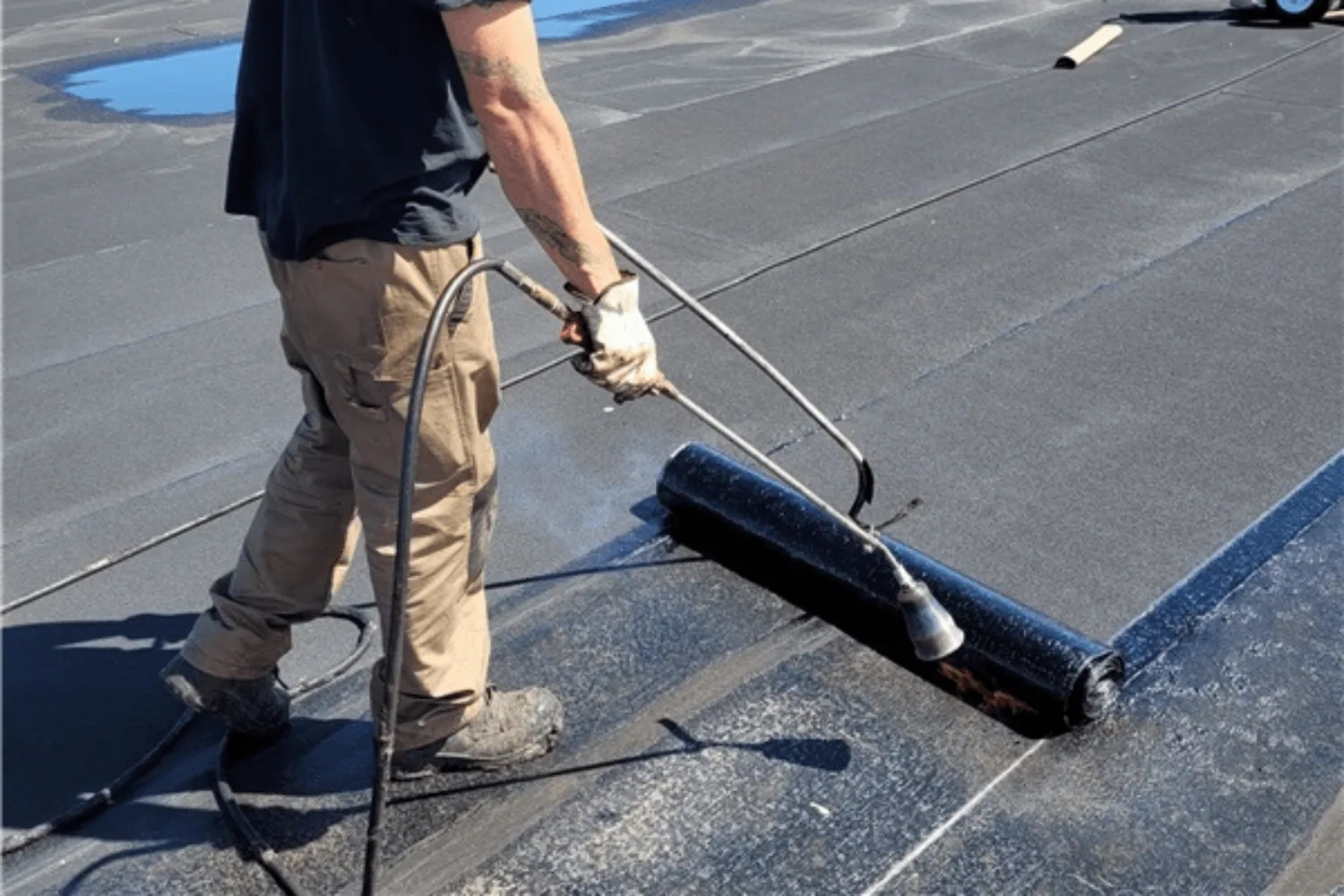
A short split or loose termination may call for a prepared patch, compatible flashing or a fastener correction. We compare the affected detail with nearby seams and insulation signs, then explain how far the repair should extend. A coating needs a suitable substrate and sound transitions; it cannot correct concealed moisture or an unstable deck. A recover also depends on existing layers, attachment and project requirements. If a test opening would change the decision, the owner approves the location before we cut.
A replacement scope should separate removal, deck work, insulation, cover board, membrane, edge metal and drainage. Those pieces affect labor, timing and temporary protection in different ways. Coating restoration may preserve an eligible roof, while replacement can address conditions that extend beneath the field. We set the recommendation from the inspection findings rather than treating a visible fastener or stain as a reason to replace everything.
Roof record: make the follow-up useful
A good record ties an observation to its location on the roof. We photograph the loose attachment or wet area, note nearby seams and outlets, and show what work was completed. If one section could not be reached, the note identifies that limit. When a manager compares future visits, the record can show whether the same fastener moved, a new leak appeared or the repair boundary stayed dry.
For a Renton owner managing multiple sites, a condition report can distinguish completed repairs from open recommendations. In the East Plateau, we keep the information tied to the actual property rather than applying a neighborhood-wide roof assumption. Send the address, leak location, available roof history and access window. We will inspect the connection, follow the water path and explain the repair line and any test that would change it.
Commercial Roofing Questions
Can one loose fastener explain a ceiling leak?
It can be an entry point, but the ceiling mark may be separated from the opening by the deck or insulation. We inspect the fastener, adjacent laps, flashing and low route, then compare those findings with the interior location. If water has traveled beyond the visible detail, a moisture test or approved opening may be needed to locate the repair boundary.
What should you inspect on a metal roof attachment?
The panel, clip, screw, washer and material beneath the fastener all matter. We look for movement, elongated holes, corrosion and nearby separation, then check whether the connection repeats along the run. Replacing a single screw is useful only when the surrounding assembly can hold the repair. The scope should state whether work is isolated or follows a longer line.
Could a coating fix water that collects near a seam?
Only if the existing assembly and surface are suitable after drainage, moisture and preparation are addressed. We inspect the outlet route, seam condition, attachment and substrate before discussing coating. If water remains because of a low deck or wet insulation, a surface layer may conceal the issue. The decision follows the cause of retention, not just the visible water line.
How do you schedule roof repairs above an occupied area?
We confirm the access route, work area, staging point and any rooms or equipment that need protection. A repair can be sequenced around building operations when the roof detail and weather allow a secure stopping point. The property contact sets the restrictions, and we identify any area that cannot be reached during the visit so it stays visible in the record.
What could make a repair scope grow after work starts?
An approved opening may reveal wet insulation, deck deterioration, loose attachment or a different roof layer than expected. We document the condition and explain the effect before extending the work. Access, metal transitions and temporary protection can also change the sequence. The proposal should separate confirmed work from an allowance tied to a specific concealed condition.