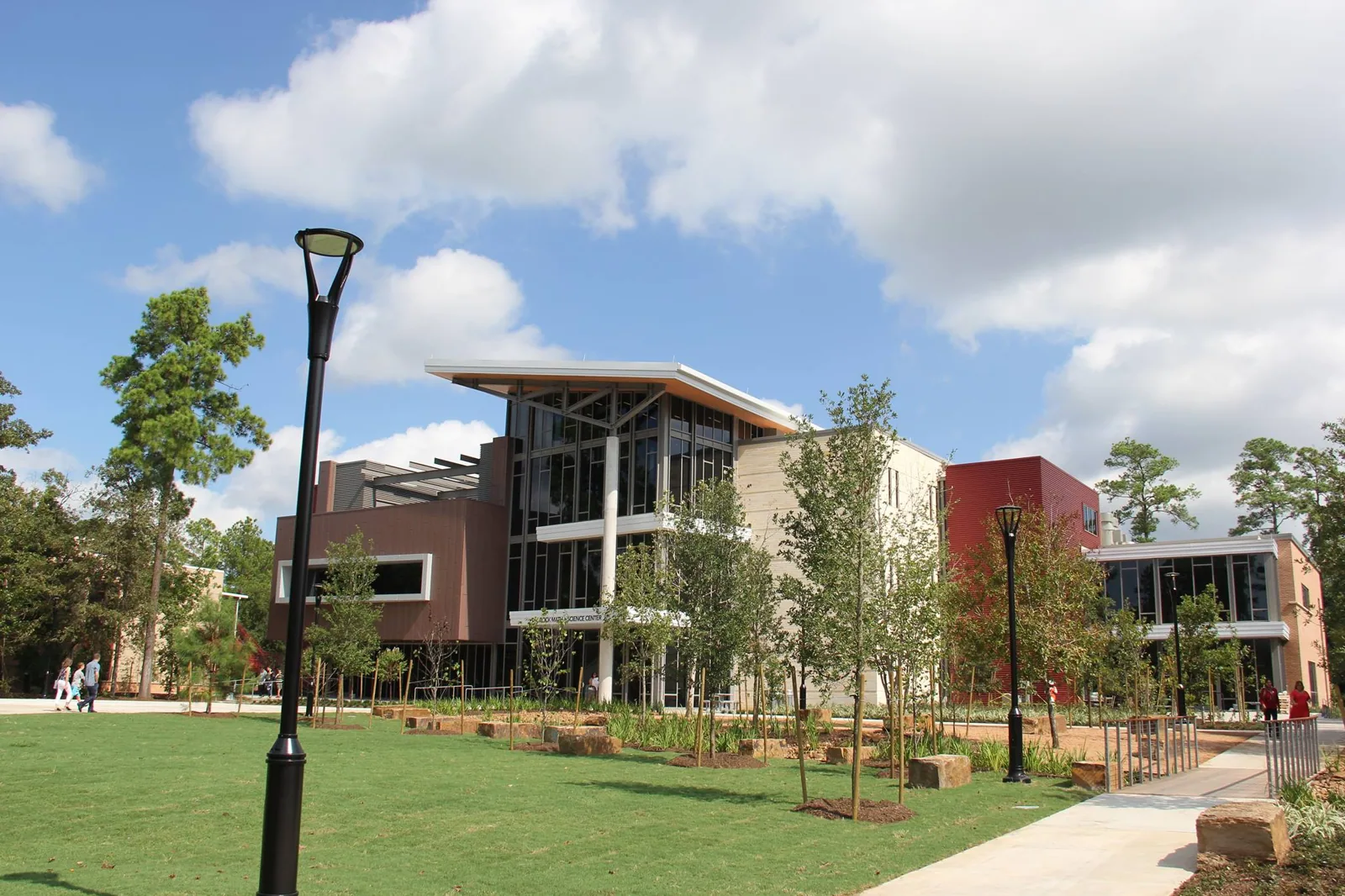
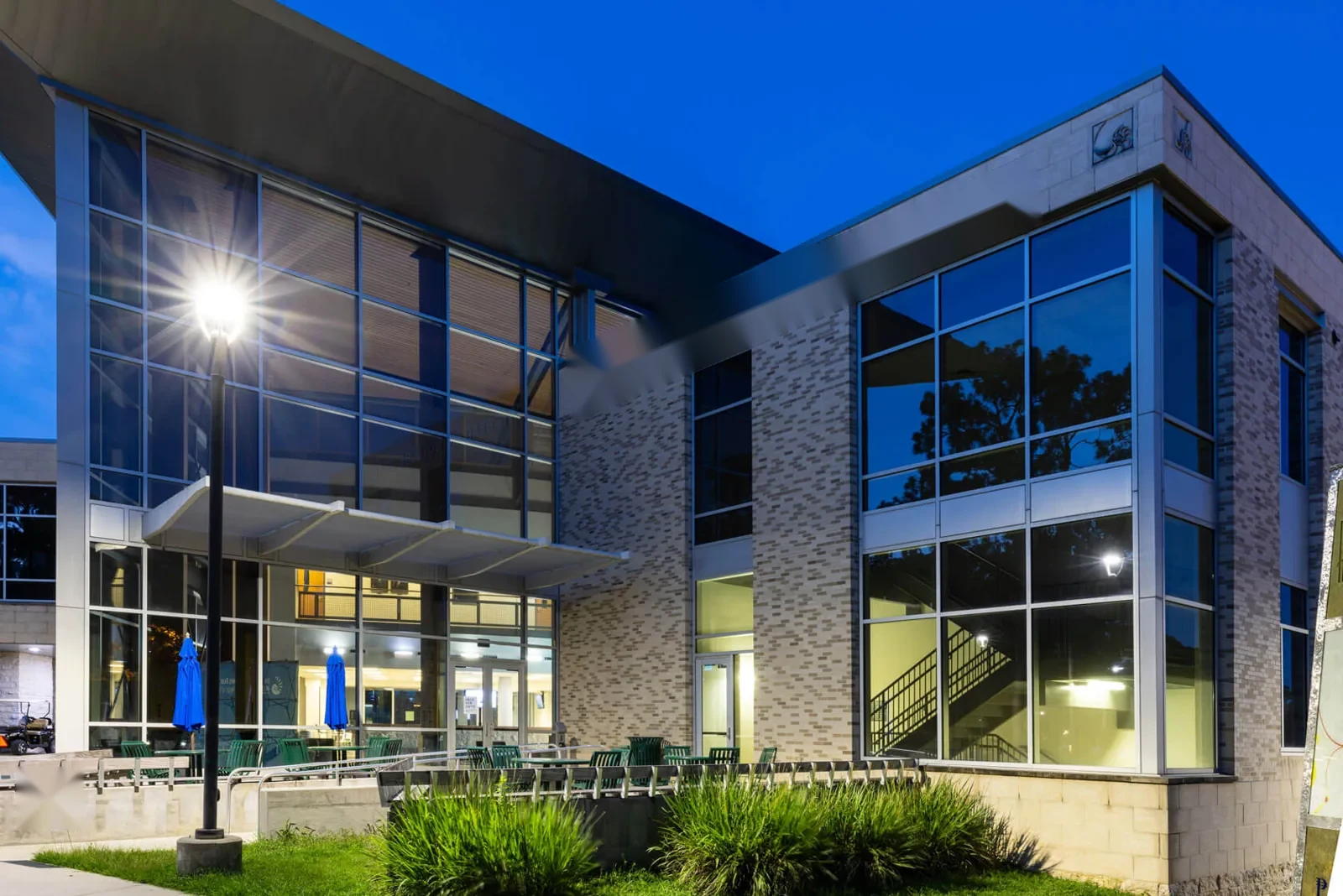
A drain hidden behind a rooftop unit can back water toward a seam long before anyone sees a ceiling mark. On a college or university property in Renton, WA, we begin with the route from that unit to an outlet, then inspect laps, curb flashing, supports and the nearby roof surface. Sea-Tac's November and December rainfall far outweighs July's, which makes a fall drainage check useful, though it does not tell us what a particular campus roof is doing.
A higher-education property may combine teaching rooms, laboratories, offices, dining areas, residence buildings and equipment spaces. Each use can change the safe work window and who needs notice. We walk the areas approved by the facilities contact, record what was visible and keep any test or access limit separate from a confirmed condition. The next step can then fit the building rather than a campus-wide assumption.
Access plan: map the roof before the crew arrives
Start with roof plans, access points and a contact who can identify restricted areas. A laboratory roof may have exhaust equipment or controls that cannot be disturbed; a residence building may need a different entry window than an office. We confirm where ladders, lifts and materials can go, then mark each roof section included in the visit. A commercial inspection can establish that route and document sections that remain out of reach.
A campus near the Renton Valley Subarea, whose blocks are mostly warehouses and industry with a logistics history, shares roads with trucks and active operations. We ask about vehicle lanes, loading activity and rooftop service needs before setting a work window.
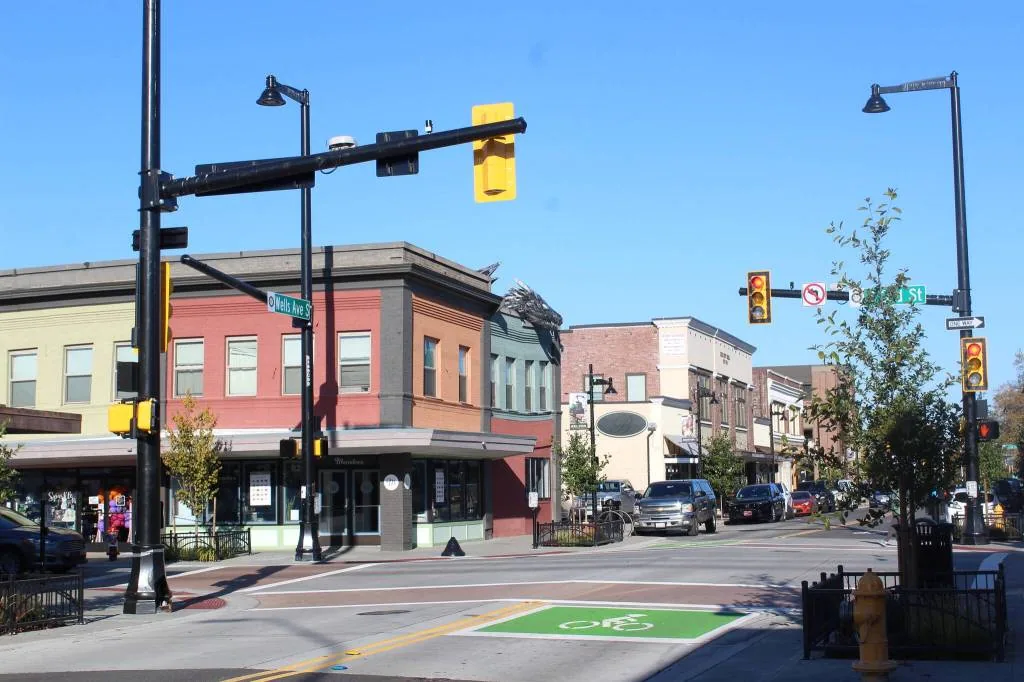
A campus building in Downtown Renton and one elsewhere each carry their own assembly, and the property records and field walk identify it. We keep plans, repairs and contacts organized by building rather than treating several structures as one roof.
Equipment curbs: protect the working details
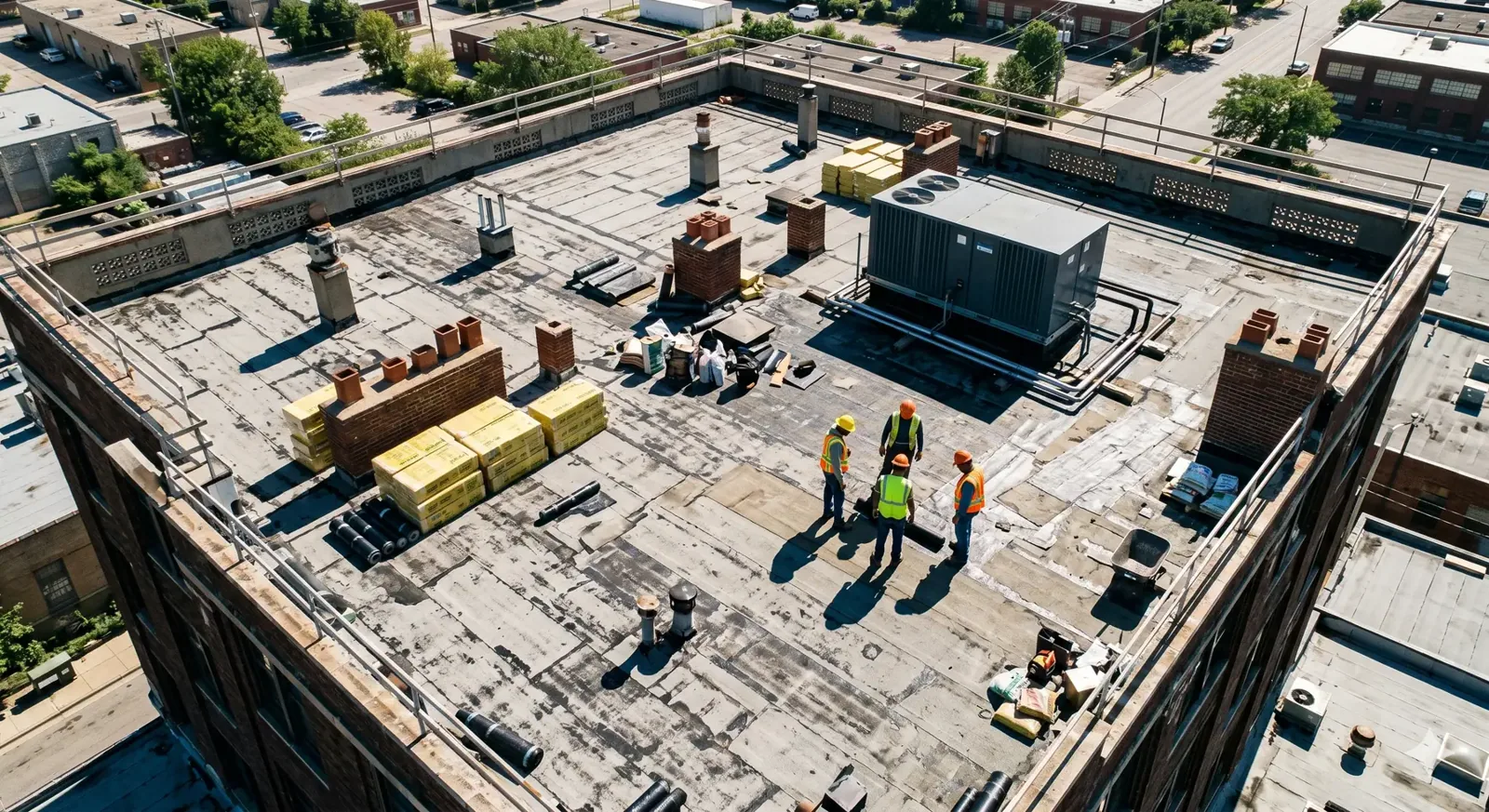
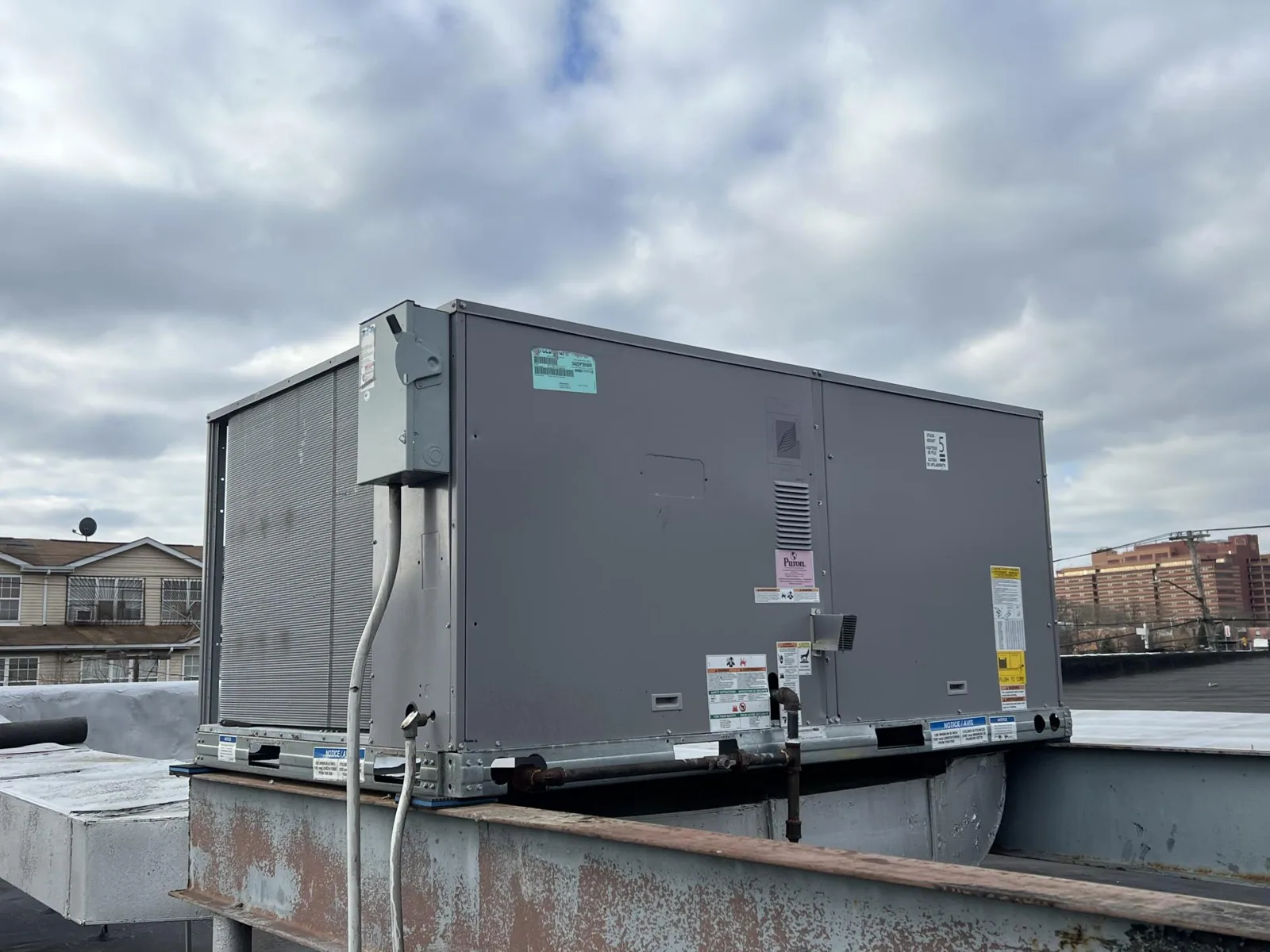
Exhaust fans, laboratory vents, conduits and rooftop units create openings or service paths through the membrane. We look at curb corners, flashing height, fastener condition and the point where each pipe or conduit enters the roof. A service technician may have changed equipment without changing the surrounding roof detail, so we look for cuts, abandoned supports or sealant that bridges a moving joint. The curb and support review can isolate those details from the rest of the field.
Where a wet ceiling report points toward a penetration, we compare the room location with the roof route and adjacent seams. Water can travel beneath a membrane before it appears indoors. The stain helps locate the investigation; it does not prove which curb failed. We photograph the detail and note whether the nearby surface is dry, open, patched or inaccessible. If a closer test could change the scope, we explain it before asking the owner to authorize an opening.
Busy campus maintenance periods can also put foot traffic near equipment. We identify protection and access needs before repair, then agree which systems must remain available during the work. A repair record should tell the next technician where the detail sits and what was changed.
Drainage check: follow low areas to an outlet
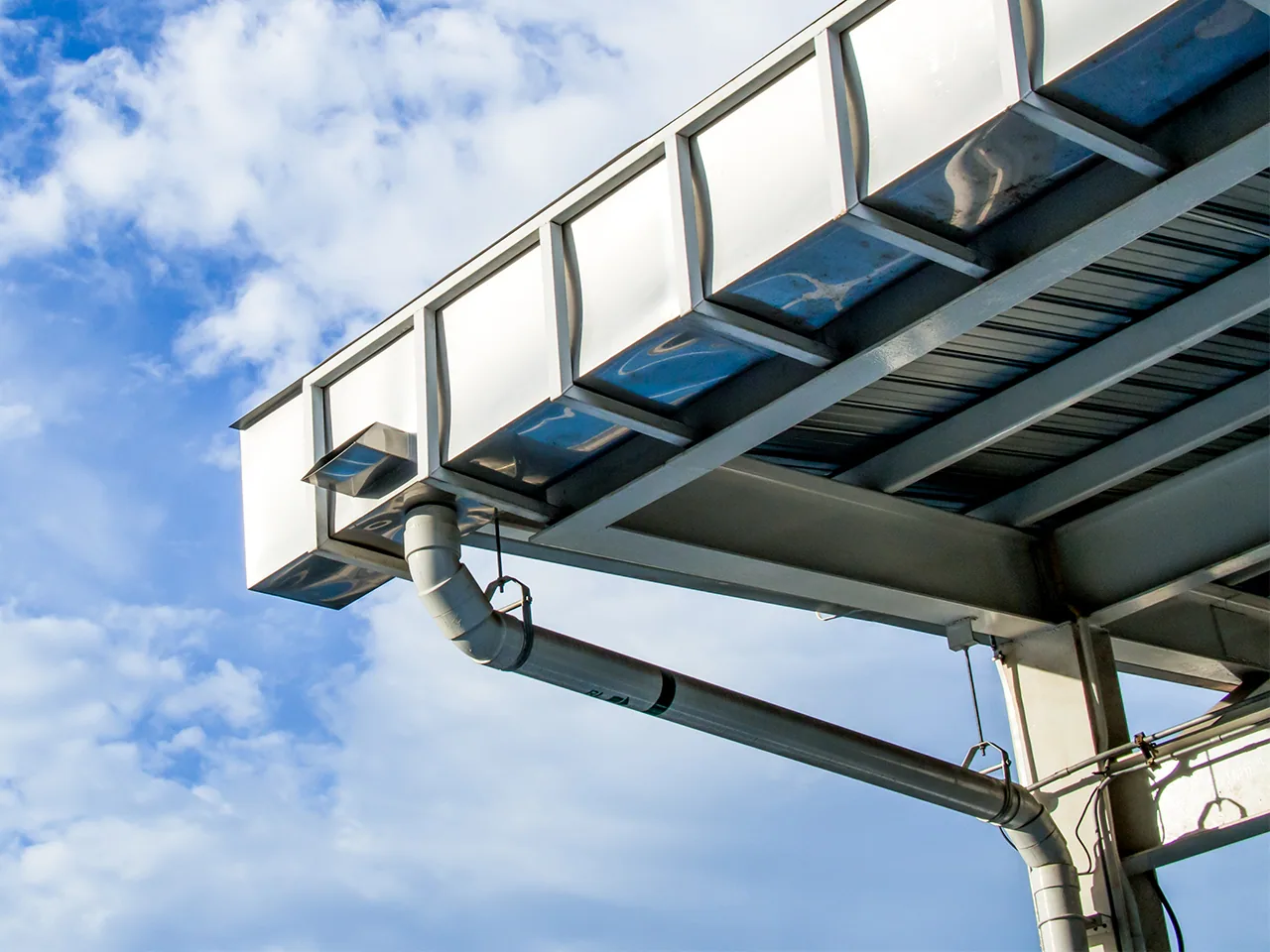
A roof drain can be clear while a nearby low point still holds water. We check strainers, bowls, overflow paths and the membrane around each connection, then follow the slope across the roof. If ponding touches a seam or curb, the note should show both conditions instead of calling the assembly a drain problem alone. A drain and scupper assessment records whether debris, a damaged connection or a separate low area needs attention.
At the Sea-Tac station, November and December normals are far higher than July. That seasonal contrast supports reviewing drainage before the wetter stretch. The visit documents the roof underfoot and the work that can be completed in the available access window.
A college may maintain several assemblies of different ages, and each roof can have its own repair history. A school roof review covers related classroom and calendar constraints; an office building roof review can account for a different access pattern. The actual plans and observed details set the repair line for either property.
Assembly record: identify what sits below the sheet
The visible membrane is only part of a roof assembly. Insulation, cover board, attachment and deck condition can change a repair or replacement decision. We review records, inspect exposed edges and note soft areas, displaced boards or signs that need more than a visual check. Infrared imaging may help select a test location, but a thermal pattern alone does not confirm moisture. A written condition report can show what was observed and what remains to verify.
Water inside a laboratory, dining room or office can affect a different operation than the same report above a storage area. We keep the room and time of the report in the record, then connect it to the roof detail that needs review. If an opening or moisture test is required, the owner decides after we explain the reason and location. A EPDM roof assessment or a TPO seam review can examine common membrane systems, but we do not assume either from the building use alone.
Where multiple buildings are involved, we label each plan and photo by structure. That prevents a repair history from drifting between roofs and gives the facilities team a practical reference at the next budget meeting.
Repair sequence: keep buildings available
A focused repair can be staged around a single curb, drain line or membrane seam. A broader recover or replacement may need material deliveries, protection below and a longer roof closure. We compare these choices only after the assembly, moisture questions, edge height and drainage are understood. If the building has active classes, research or resident services, the work sequence should identify which areas remain open and who receives notice as the crew moves.
For each college property, we tie access, staging and repair timing to its actual operating contact and roof plan, since a teaching wing, a laboratory and a residence hall rarely share one work window.
Send the Renton address, roof drawings, leak locations, repair notes and any equipment or access limits. We will inspect the approved route, document the assembly and explain which repair, test or follow-up fits what we observed. If a leak is active, the around-the-clock response can address the immediate report while the permanent scope is being reviewed.
Commercial Roofing Questions
Can roof work be coordinated across several campus buildings?
We label each building separately and agree on access, staging and contact details before the route is set. The work plan can group roofs with similar needs while keeping findings tied to the right structure.
How do you inspect around laboratory exhaust and vents?
We identify the equipment and service limits with the facilities contact, then examine the curb, flashing and surrounding membrane. Any area that cannot be safely reached or disturbed is listed as a limit rather than marked complete.
What records help compare repair and replacement?
Roof plans, prior work, leak history, assembly information and access constraints help show how each option fits. We compare those records with visible conditions and identify a test if hidden moisture or deck condition would change the choice.
Will a thermal image confirm that insulation is wet?
No. Infrared can help select an area for closer testing, but temperature patterns need field context. We explain what the image suggests and what test, if any, could confirm the condition before the scope includes an opening.
What changes the schedule for a college roof repair?
Building use, equipment access, material staging, weather and the repair method all affect timing. We identify the needed route and protections, then agree on a work window with the person responsible for that building.