A curb can look sound from the roof hatch and still hold water along its back edge. In Renton, the first check follows that water path around the base, through the flashing and toward the nearest outlet. Sea-Tac's November and December precipitation averages are much higher than July, so equipment details deserve a close look before the wet season settles in. The roof walk records the curb, the membrane lap and any point where the detail changes direction.
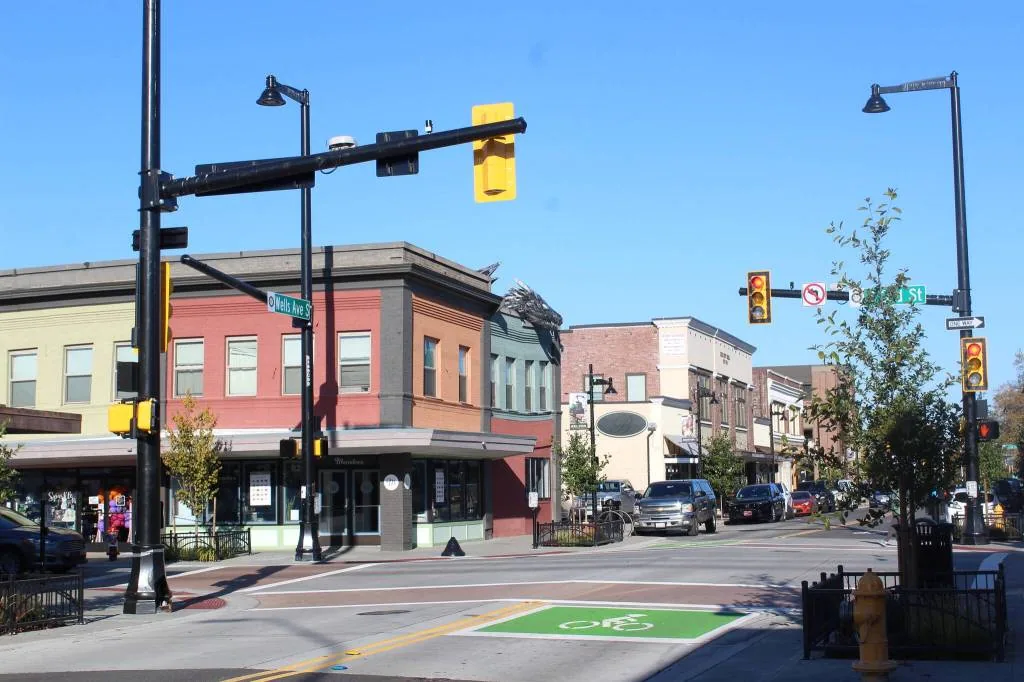
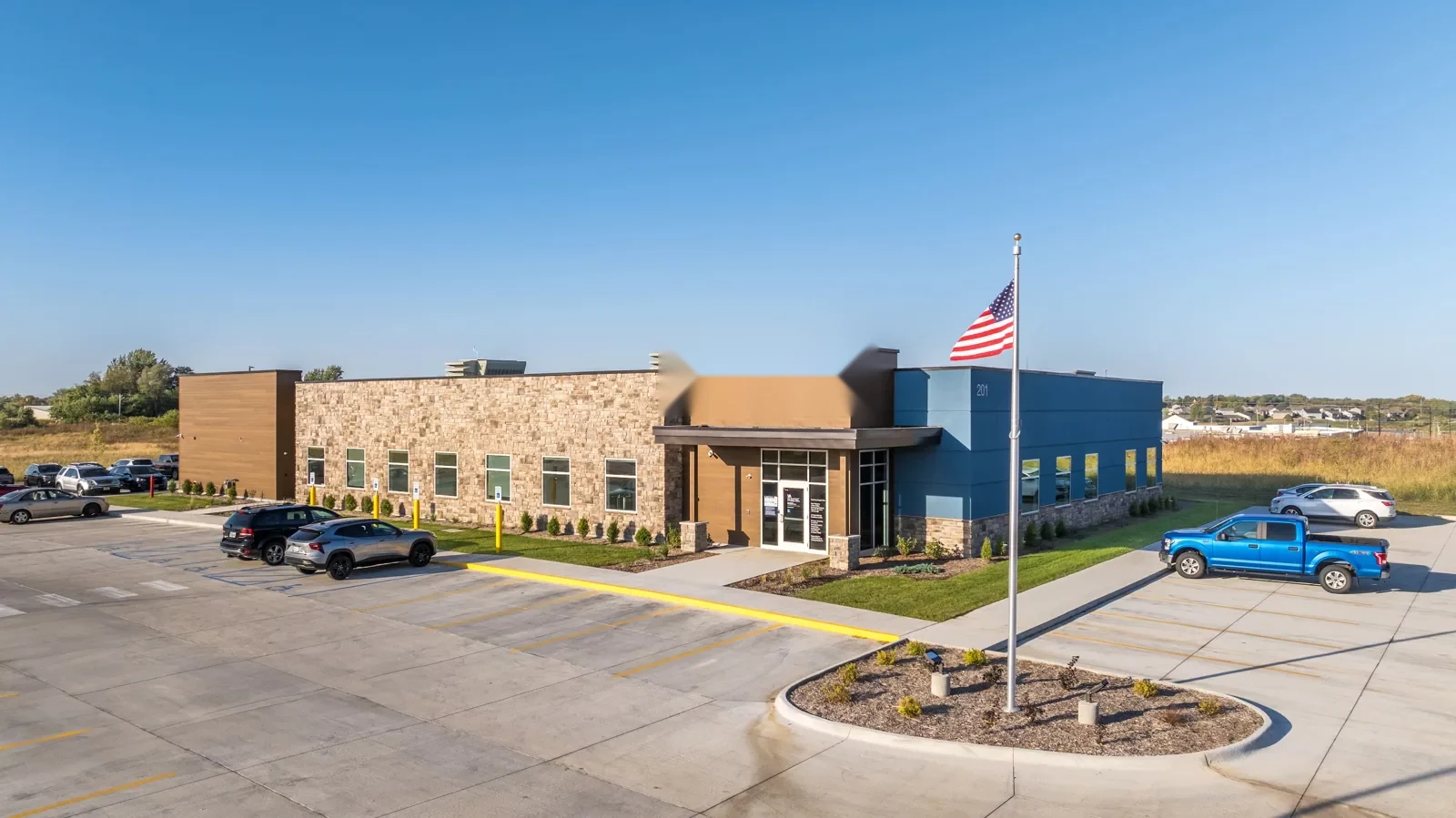
Logistics and light manufacturing have long shaped the Renton Valley Subarea, so rooftop routes there often run beside equipment and operating areas, while a Downtown Renton office roof carries air handlers and exhaust over occupied floors. On either kind of property, the work starts with the actual curb height, support condition, access window and equipment clearance.
Curb detail: trace water around the base
We inspect each exposed curb face, corner, cap and flashing transition, then look for open laps, split sealant, loose metal or a membrane that has pulled away. A stain on the curb can begin above the visible line, so we compare the roof detail with the interior report and note where the evidence agrees. When the source remains uncertain, we mark the location for another test instead of expanding the repair area by guesswork.
Low-slope curbs collect windblown debris at their uphill edge. We check whether the surrounding surface drains away or holds water against the flashing, and whether a cricket or tapered section directs flow toward an outlet. If a nearby drain needs attention, a drain and scupper review can address the route before curb work begins. The repair scope names the curb faces and laps to be opened, reset or replaced.
Support condition: keep loads on the intended base
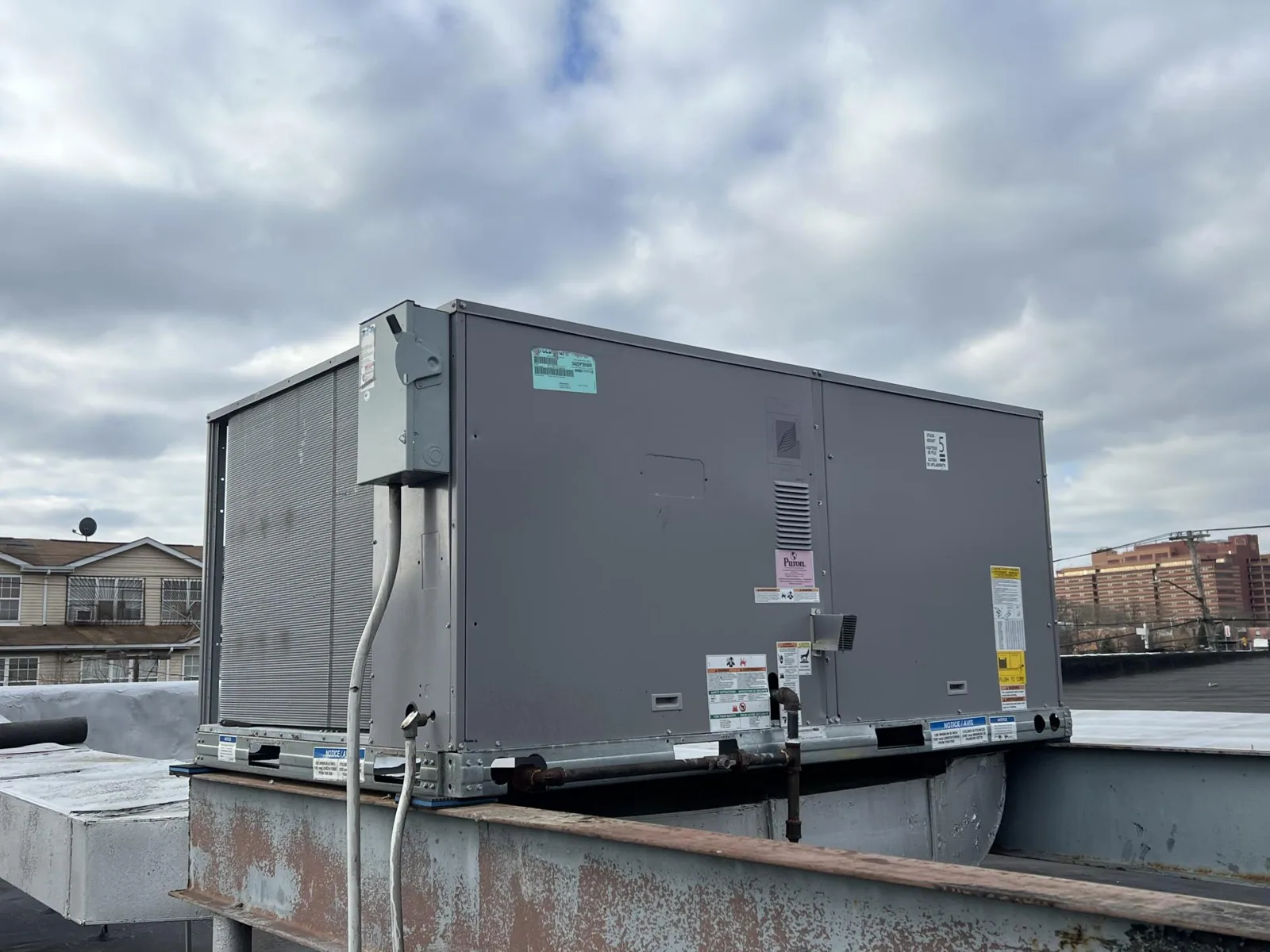
Pipe supports and equipment stands should carry their loads without cutting into the roof surface or rocking on a loose pad. We look for cracked support blocks, exposed fasteners, compressed protection and movement marks around the base. A disconnected support may shift a line enough to strain a nearby joint or flashing. We record what is visible and identify whether a mechanical trade must stabilize or reposition the equipment before roofing work can continue.
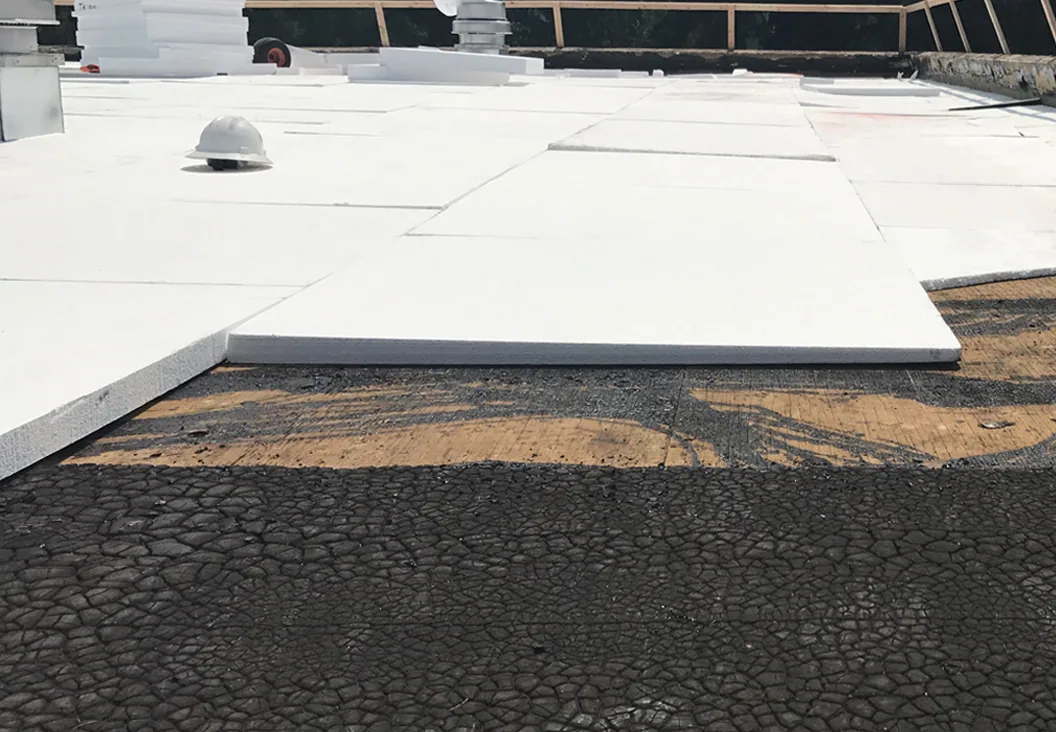
That coordination matters around HVAC units, conduit, gas lines and rooftop piping. The roofing crew can repair the membrane and flashing, while a licensed mechanical contractor handles connections or equipment movement outside the roofing scope. A review of insulation and cover board should identify the handoff point, required clearance and access limits so the finished detail is not placed under a line that still moves.
Equipment clearance: plan the work area
Before opening a curb or replacing a support pad, we check the space needed for tools, materials and safe movement around the unit. A narrow passage can prevent a clean flashing turn or make a drain unreachable. We note the equipment that must stay in service, the path to the roof and any area the site contact needs kept clear. The sequence can then separate roofing work from a shutdown or lift that requires another trade.
Renton's healthcare sector is a major local employer, and the Valley Subarea has a long history of logistics and light manufacturing. In a clinic, office or production property, equipment access may affect people and operations below. We confirm the work window with the contact, protect openings as the scope requires and keep a record of any detail that cannot be reached during the first visit. A medical-office roof review or manufacturing-roof assessment can account for those different operating needs.
Flashing repair: restore each transition
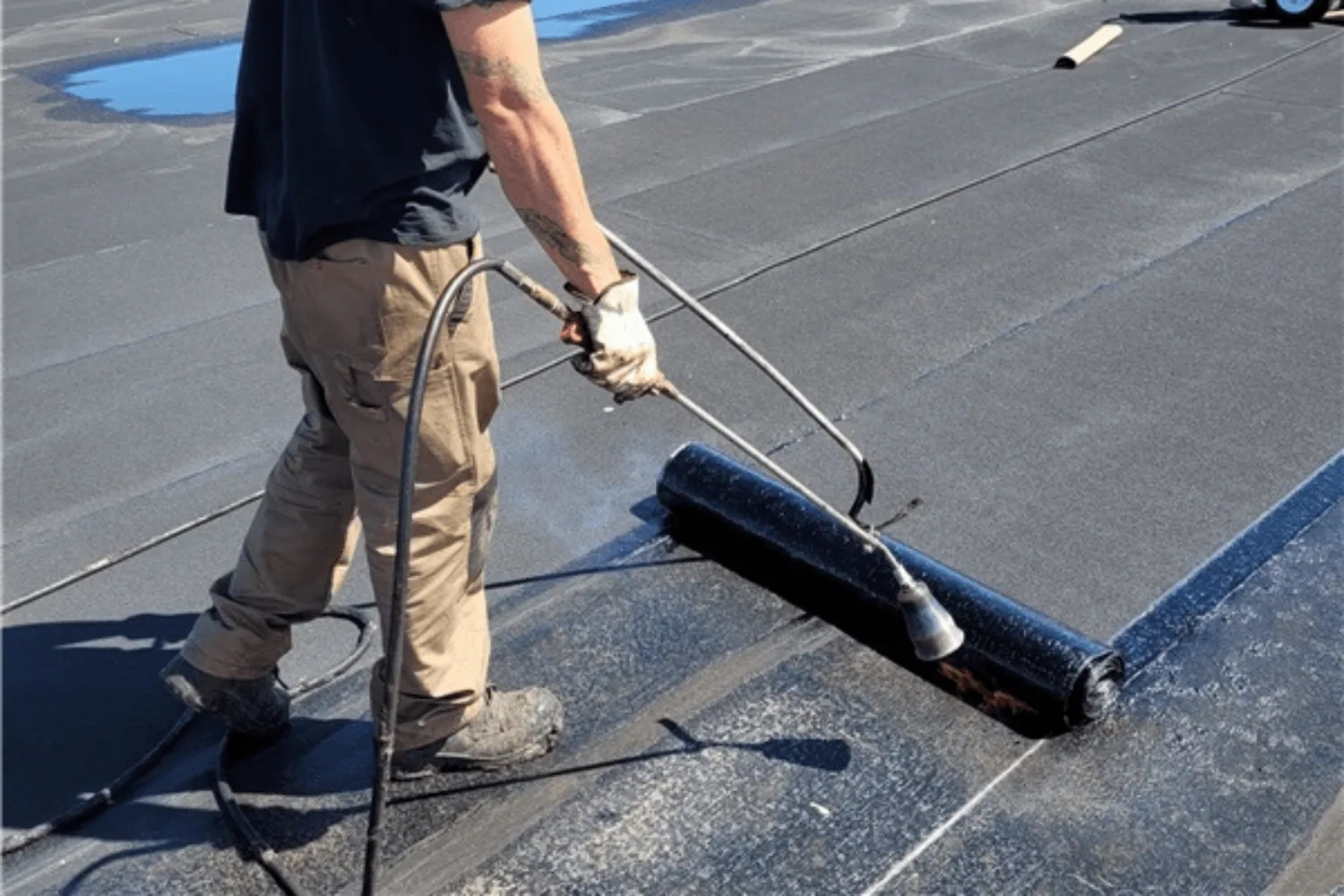
Repair method depends on the roof system and the condition of the existing curb. Work may include removing failed flashing, preparing a sound surface, resetting compatible membrane or metal and rebuilding the corners so water sheds away from the opening. We check the lap direction and termination before closing the detail. If the curb itself has deteriorated or moves under load, new flashing alone will not correct the cause.
Where a seam or field membrane has failed beside the curb, we compare the detail with the surrounding assembly. A commercial roof repair can address a defined failure, while a broader roof inspection can map other curbs, penetrations and edge conditions. We photograph the repaired transition and note the remaining observations so the owner can distinguish completed work from a separate recommendation.
Roof record: make the next visit easier
A useful equipment-detail record identifies the unit or line, curb location, visible failure and the route used to reach it. We can mark the roof plan, add photographs and note which supports were inspected or left for a mechanical trade. That record helps a manager compare a later leak or movement report with the condition seen during the current visit, especially when several roof sections have similar equipment.
For properties in the Renton Valley Subarea or Downtown Renton, access instructions and equipment schedules can vary from one roof to another. A condition report can keep the photos, repair line and open questions with the roof file. Send the roof plan, curb locations, leak history and a workable access window, and the first roof walk will mark which curbs and supports need work.
When the curb has several attached lines, we separate what the roofing detail can resolve from work that needs the equipment contractor. That boundary matters before a unit is lifted, a pipe is shifted or a service connection is disturbed. We can note the flashing repair, mark clearance concerns and leave a clear handoff for the person managing mechanical work. If the opening must remain protected between trades, the sequence names who can access it and what needs to be checked before the membrane is closed. The final record then tells the next roof crew which support was sound, which detail was repaired and where a follow-up belongs. That handoff also protects the outlet path from loose materials during a scheduled lift.
Commercial Roofing Questions
Can you flash a curb without moving the equipment?
Sometimes. We inspect the clearance, curb height, flashing condition and work path first. If the detail can be prepared and closed without disturbing connected equipment, we can scope that repair. A unit or line that blocks access may need a mechanical trade and a coordinated work window.
What causes water to collect behind an equipment curb?
A blocked route, low roof area, damaged cricket or debris can hold water against the uphill face. We follow the slope toward the outlet and check the curb flashing before deciding whether the correction belongs to drainage, the curb detail or both.
Do pipe supports need to be replaced with the roof membrane?
The roof visit can identify cracked pads, movement, exposed fasteners and membrane wear around each base. We can repair the roofing detail, while support changes or line adjustments may require the trade responsible for that equipment.
How do you protect equipment during curb repairs?
The scope identifies the work area, any opening, the equipment that must remain active and the access window approved by the site contact. We coordinate protection and sequencing before starting, then close and document the repaired transition.
What should we send before a roof walk?
A roof plan, equipment list, known leak locations, prior repair notes and access rules help us trace the route. Include any shutdown or escort requirement so we can identify a workable sequence and the questions that need another trade.