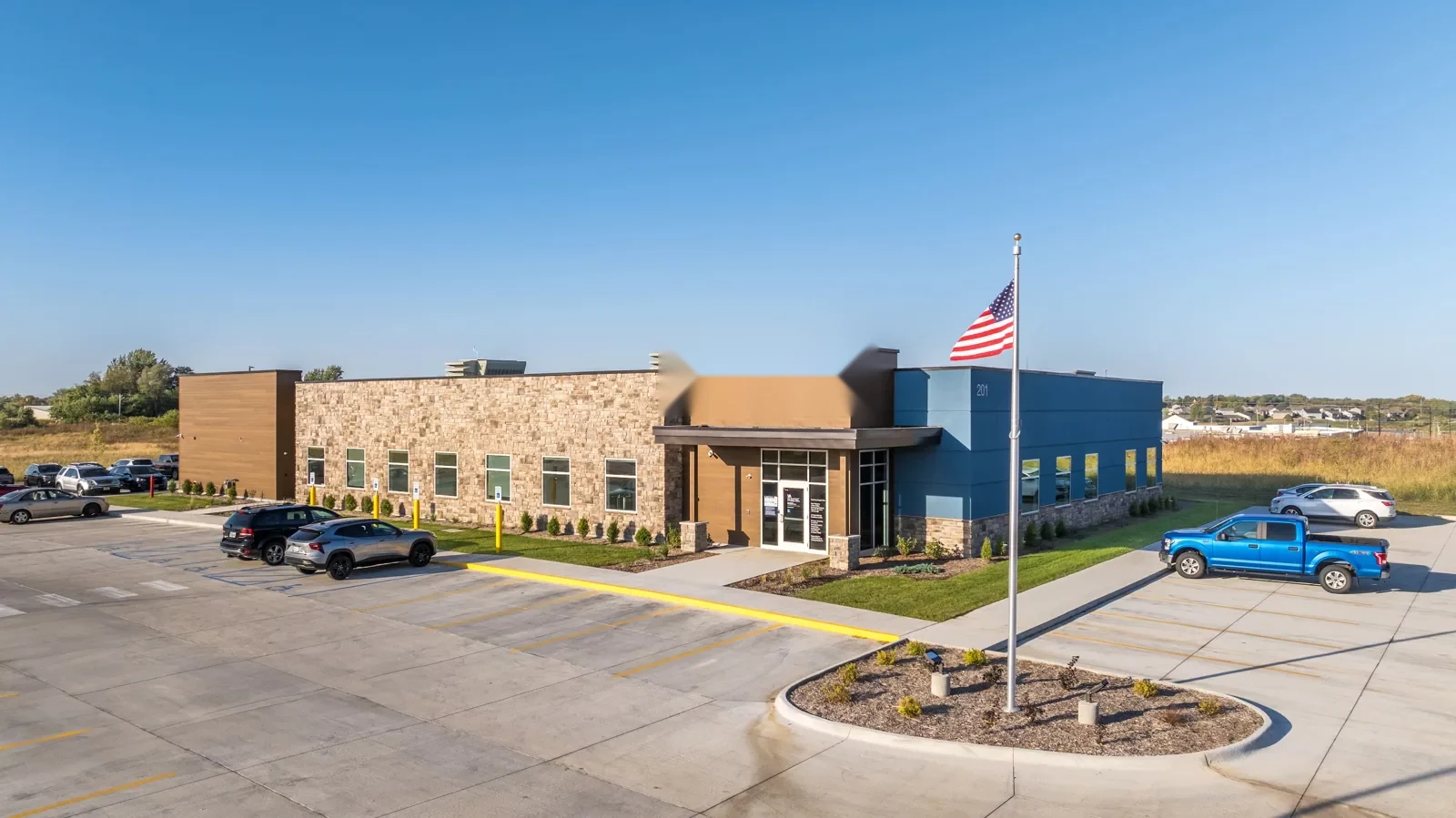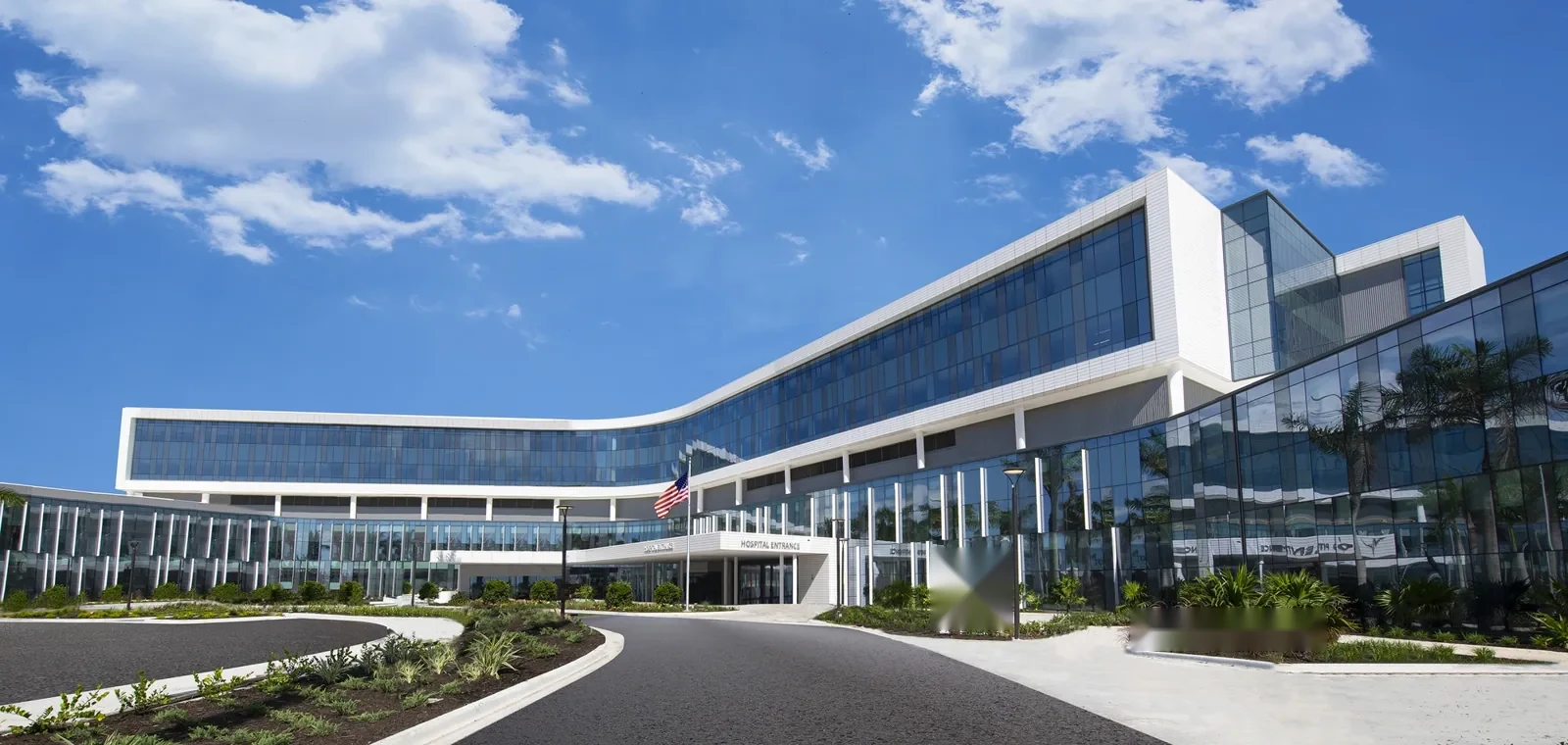
Water over a corridor can require a roof response, a patient-route review and coordination with facilities at the same time. We start by tracing the roof path from the report, then confirm the building's access controls and work restrictions with its contact. Renton describes healthcare as a major local sector, accounting for more than 22 percent of jobs, with Valley Medical Center and regional health systems among its institutions. The condition and requirements of any one hospital roof still come from its own plan and site procedures.
Sea-Tac's November and December precipitation averages are far higher than July, so drain inspection and daily weather closeout deserve attention as the wet season approaches. A project still depends on the roof plan and site procedures. We document membrane condition, curbs, drains, penetrations and inaccessible areas, then separate immediate leak control from repair or replacement decisions. The work sequence must be reviewed with the hospital's facilities team before any access or service path is changed.
Site coordination: confirm access before mobilization
Hospital access may involve escorts, credentialing, loading rules, quiet periods and routes that cannot be blocked. We ask who approves roof entry, where crews can stage and what parts of the building remain restricted. If an interior inspection is needed, the facility contact sets the permitted time and room. The proposal identifies those boundaries so the roofing crew does not make access decisions on arrival.
A medical office can have clinic-specific hours, while an office building may coordinate tenant schedules. A hospital may need a more detailed review of public routes, emergency access and service areas. A hospital roof asks for a different plan from the dock buildings of the industrial Renton Valley Subarea: patient routes and emergency access come first. We use current site rules to plan the actual work.
Where a roof route passes over occupied space, identify who can authorize temporary barriers or a short closure. The roofing crew should know how to reach its work zone, where tools can be secured and which doors must remain clear. The facilities contact can then coordinate any communication with staff or visitors before a lift or material delivery arrives.
Leak tracing: map the roof before naming a cause
We compare the reported interior location with membrane seams, drain paths, curbs, parapets, equipment supports and penetrations. Water can travel before becoming visible, so a stain is a starting point rather than proof of where the roof failed. The inspection notes what can be seen, where access was limited and whether a moisture survey or test opening could narrow the affected area.
A commercial roof inspection can document field and perimeter conditions, while drain and scupper work addresses a blocked outlet or damaged connection. Near Downtown Renton or anywhere else, we document the actual roof and route, then coordinate any below-roof review with the facility contact.
When several rooms report water, keep each location distinct on the roof plan. A shared corridor stain may not have the same source as a mark near an equipment curb. We review timing, nearby details and prior repairs, then state whether the findings support one work area or separate inspections. That helps the facility team schedule access and avoid widening a repair without evidence. Record the reason for any additional test.
Repair boundaries: protect adjacent occupied areas
A failed penetration or lifted flashing may be repairable within a defined area. We identify the starting and stopping points, material tie-in and preparation needed at the existing surface. If the surrounding insulation is wet or the same detail has failed repeatedly, a narrow patch may not answer the broader question. The scope records those observations and distinguishes a confirmed repair from a test that may still be needed.
If water is entering during operations, emergency roof repair can stabilize an opening while the full condition is documented. A commercial repair scope should state how the area will be protected, when it can be reopened and what evidence will be captured at completion. For a recover candidate, a recover review compares alternatives only after moisture, adhesion and drainage conditions are understood.
Rooftop air intakes can sit close to a work area, so any hot-applied work, solvent-based adhesive or exhaust from equipment is planned with the facility's engineers, who decide when an intake can be shut or shielded. That coordination belongs in the sequence before a torch, kettle or bucket of adhesive is carried up.
For a repair above a sensitive room, state the protection method and how the interior area will be checked after the roof is closed. The scope should also say whether wet insulation or ceiling materials are included, excluded or assigned to another contractor. That avoids treating a roof repair as a complete interior restoration when those tasks are separate.
Daily closeout: keep the roof watertight
When removal exposes a deck, temporary cover must be planned before the crew starts. We define the work limit, the drain route that stays open and the person who confirms the day's closeout. If rain changes the sequence, the hospital contact should know which area remains under protection and when the team can return. No open edge should be left without an agreed protection plan.
Sea-Tac's wetter late-year normals support checking drainage before sustained rain. We phase work so an area can be sealed and inspected before moving on, then record any weather-related limit. If a public entrance, loading point or service route needs a temporary change, the facilities team confirms the timing and communicates it under its own site procedures.
Turnover record: identify completed work and open items
At completion, the roof plan can mark repaired seams, drains, curbs, transitions and any section that could not be reached. Photographs tied to those locations help the next reviewer compare a future report with the actual work. The record separates installed materials from recommendations or follow-up so an open question is not mistaken for a completed repair.
A condition report can organize observations for facilities staff. The hospital determines its own review and record process; the roofing notes focus on the roof scope and access boundary. Share the roof plan, leak history, equipment layout, escorted routes and work windows, and we can prepare a first inspection that answers the building's roofing questions while respecting its operating requirements.
If a later leak report arises nearby, compare it with the marked repair boundary before assuming it is the same issue. Keep dates, photographs and observations together so a facilities reviewer can see what changed between visits.
Commercial Roofing Questions
Can hospital roofing work proceed without closing patient areas?
The answer depends on access routes, noise, lift placement and whether the roof must be opened above an occupied area. We coordinate the boundary and timing with the facilities contact before work is scheduled.
How do you handle access controls on a hospital roof?
We confirm credentialing, escort, staging and restricted-area procedures with the hospital's contact. The work plan lists the approved route and responsible site contact rather than leaving those decisions to the crew.
Does a ceiling leak show where the roof is open?
Not necessarily. Water can move along insulation, framing or roof slope before appearing indoors. We trace likely paths from the report and state when testing could confirm the source.
What should a hospital roof proposal include?
It should identify work limits, access controls, protection, equipment coordination, removal or repair details, weather closeout, exclusions and records. Site-specific restrictions need confirmation with the facility team.
When is replacement more appropriate than a localized repair?
Recurring leaks, broad moisture, widespread separation or failing attachment may support a larger comparison. We document the observed condition and identify any test that could change the recommendation.