A coping joint that has opened a hair can show up first as a dark line on the wall below, the first visible sign that water is getting past the roof edge. In Renton, we follow that mark back across the cap, cleat, splice and membrane termination, then check where runoff leaves the building. Sea-Tac's long-run precipitation averages rise in November and December compared with July, so a perimeter detail that looks sound in a dry spell deserves a closer look before the wet season. The observed joint and water path decide whether cleaning, fastening, flashing work or replacement is needed.

The Renton Valley Subarea combines industrial and warehousing uses with a long logistics and light-manufacturing history. On a roof there, we confirm the approved route with the property contact, then inspect only the coping or gutter sections included in the work. Metal condition, attachment and substrate vary by building, so the repair scope is tied to the actual coping or gutter rather than assumed from the district.
Edge metal: follow the termination line
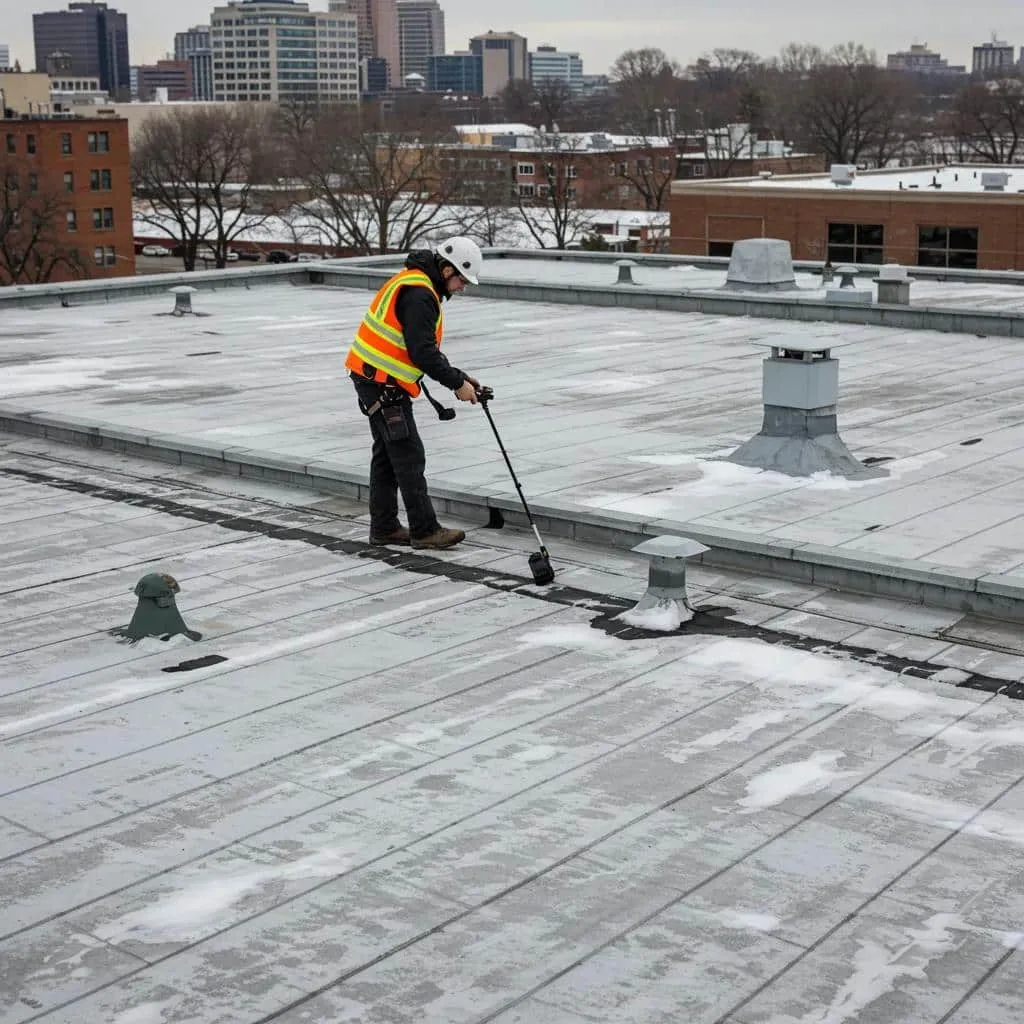
At the roof edge, we check whether the membrane is secure beneath the metal, whether fasteners hold, and whether joints, corners and end dams direct water away from the wall. A loose cleat, open splice or distorted fascia can leave the transition exposed. We note the affected length and compare adjacent sections before deciding if the repair can be localized or must follow a longer run.
A coping run on a Downtown Renton office and one on a Valley warehouse can fail the same way at a splice or cleat, so we inspect the building itself and review any roof details the owner has. A hands-on roof inspection can check the adjoining membrane and penetrations, while a targeted repair can address a loose termination when the substrate is sound.
Different metals and coatings can react differently at a splice or fastener. We review the existing material, attachment and surrounding membrane before choosing a compatible repair. If the metal is distorted or corroded through, applying sealant over the visible joint may not restore the connection. The scope explains whether a section can be repaired or should be replaced as a continuous detail.
Coping: protect the wall transition
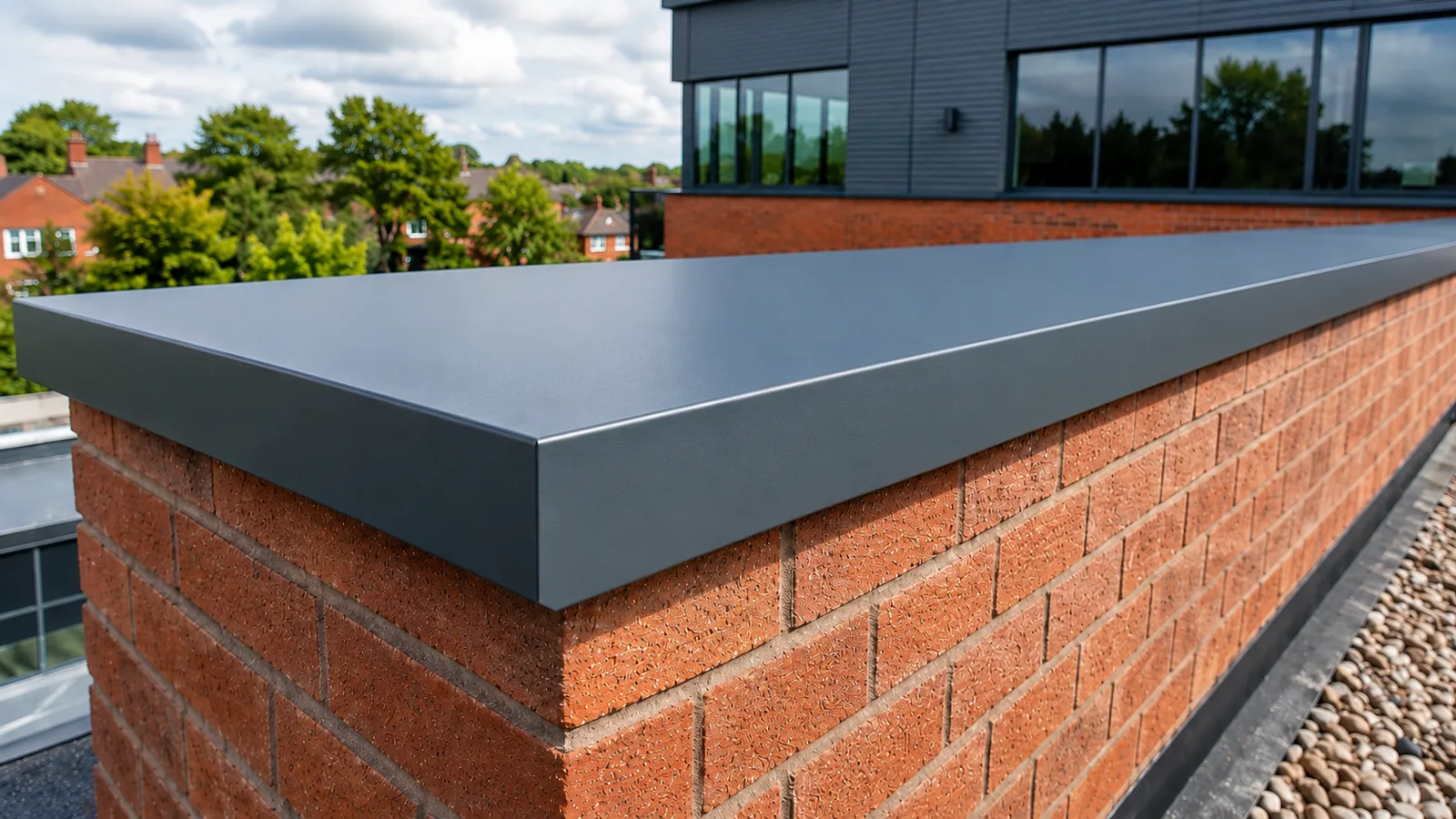
Coping caps meet at corners and splices, and those joints need a path for movement without letting water into the wall assembly. We check for open seams, loose cover plates, failed sealant, exposed fasteners and gaps at the membrane turn-up. A corner can move differently from a straight run, so the repair may need a formed piece rather than another bead across the joint.
The work also depends on what is below the cap. We inspect the visible cleat and attachment points, then confirm whether the membrane termination remains secure. If the wall or substrate is concealed, the owner may need to authorize access before we can confirm its condition. We do not extend a surface repair beyond what can be prepared and fastened correctly.
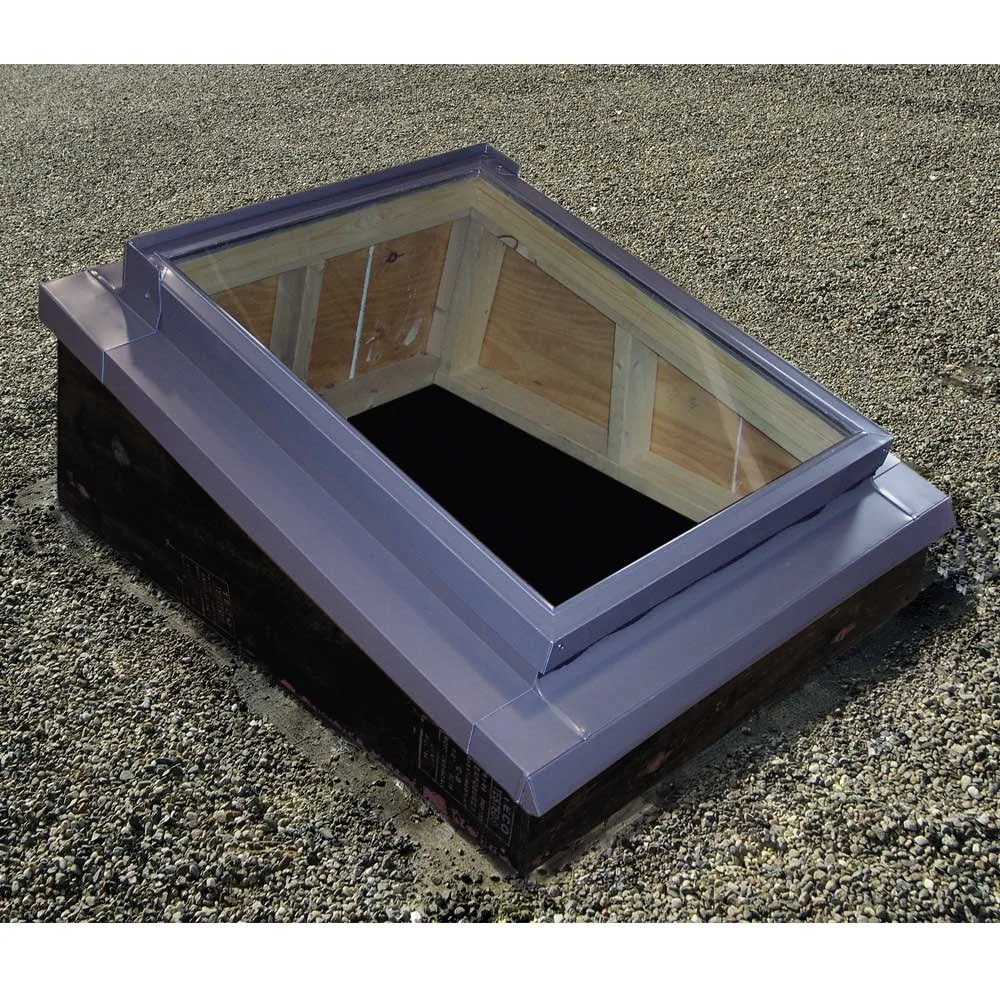
When runoff from the edge reaches a lower roof, we follow the discharge to see whether it lands at a seam, drain or walkway. A drain and scupper review can address the outlet route, and a penetration-flashing check can inspect a nearby transition where water changes direction.
Gutters: check slope, support and discharge
A gutter can hold water when its slope changes, a support loosens or an outlet collects debris. We check hangers, seams, end caps, downspouts and visible discharge points, then note whether water can leave the roof edge without backing up. Where a gutter is deformed, the repair may require resetting supports or replacing a section rather than sealing the seam alone.
Late-year rain around Renton makes gutter and downspout checks practical before sustained wet weather, but the roof's own drainage arrangement controls the work. We look for stains at joints, overflow marks on fascia and erosion or splash where the downspout discharges. If the path is blocked, cleaning and repair are recorded separately so the property team can see whether the issue came from debris, slope or a damaged outlet.
For buildings in the Renton Valley Subarea, receiving areas and equipment clearances may affect where a downspout can discharge safely. We confirm the route with the site contact rather than moving water toward a loading path or another roof detail. The condition report can pair photos with the section and outlet location.
Membrane tie-in: keep the roof and metal connected
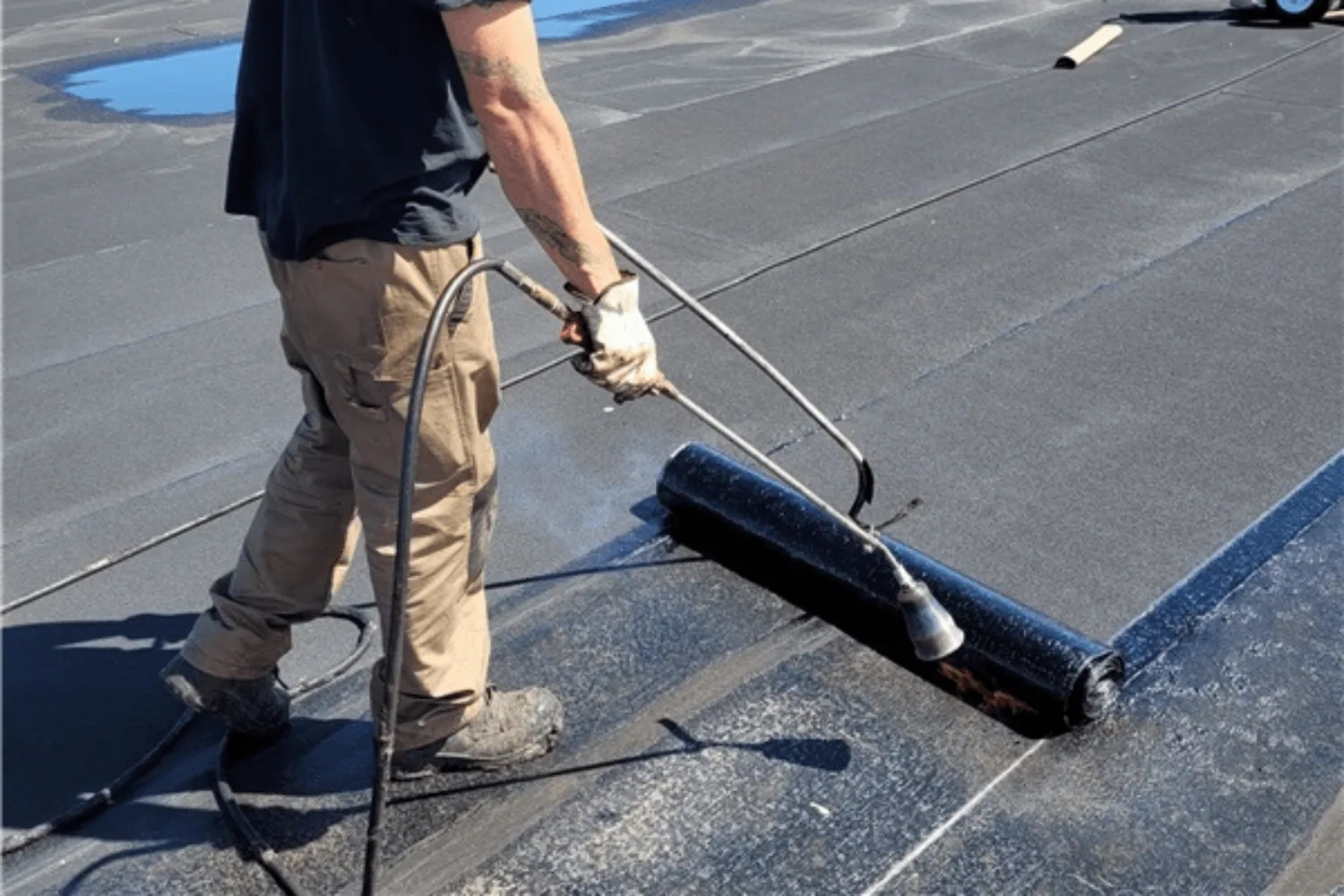
Edge repairs often fail when the membrane termination and metal are treated as separate parts. We check that the field membrane reaches the intended termination, that flashing remains bonded or fastened as required, and that the metal sheds water across the joint. If movement has pulled the membrane away, the repair should address the attachment and transition, not simply cover the gap.
A roof with broader membrane wear may need more than an edge patch. We compare the condition at the perimeter with the field, seams and drains, then discuss whether repair, a replacement assembly or a recover option fits. The job needs a defined limit at corners, curbs and changes in elevation so water can be traced after the repair.
At a property in Downtown Renton, we coordinate roof access with the building contact and note any elevation or entry limit. We photograph the prepared area and completed tie-in, then list any adjacent section that remains outside the scope. This gives the next inspection a clear starting point without suggesting that a repaired edge establishes the condition of the full roof.
Work window: coordinate access and weather
Perimeter work needs a safe route, suitable weather and enough room to handle metal lengths without striking equipment or restricting an occupied area. We review roof access, edge protection, staging and the property schedule before setting the work sequence. If wind or wet surfaces make handling unsafe, the affected operation waits for a better window.
In the Renton Valley, access may share space with warehouse activity, while a Downtown Renton building may have separate roof entry or service rules. The contact identifies restricted areas and operating windows; we record any edge that could not be inspected. If active water entry occurs during planning, we address exposure and then return to the full perimeter assessment.
Send the Renton address, roof plan, photos of the edge concern, known leak locations and access instructions. We will inspect the metal, membrane tie-in and discharge route, then explain the repair length and any adjoining work needed. The closeout identifies what was replaced or secured and what remains for a later check.
Commercial Roofing Questions
Can sealant fix a loose coping joint?
Sealant may address a prepared joint in some conditions, but it cannot replace a missing cleat, failed fastener or distorted cap. We inspect the attachment and movement at the splice, then choose a repair that restores the connection and water-shedding path.
Why does a gutter overflow when the drain looks clear?
Slope, support, downspout capacity or a hidden blockage may keep water from leaving the gutter. We follow the route from the roof edge through the discharge point and note where flow changes or backs up.
Do you replace a full run of edge metal?
The scope depends on the length and condition of the affected section, how its joints connect and whether adjoining metal can be fastened soundly. We identify the repair boundary and explain why a localized fix or continuous replacement is appropriate.
Will the repair require closing the building?
Most perimeter work can be planned with a property-specific access window, though staging, work below the edge or equipment routes may need coordination. We review those constraints with the contact before setting the sequence and identify any area that must remain open.
What should we send before an edge-metal inspection?
Photos, a roof plan, prior repair notes, leak locations and any access limits help us find the affected run. Tell us whether the concern is at coping, gutter, fascia or a wall transition so the visit can include the related details.