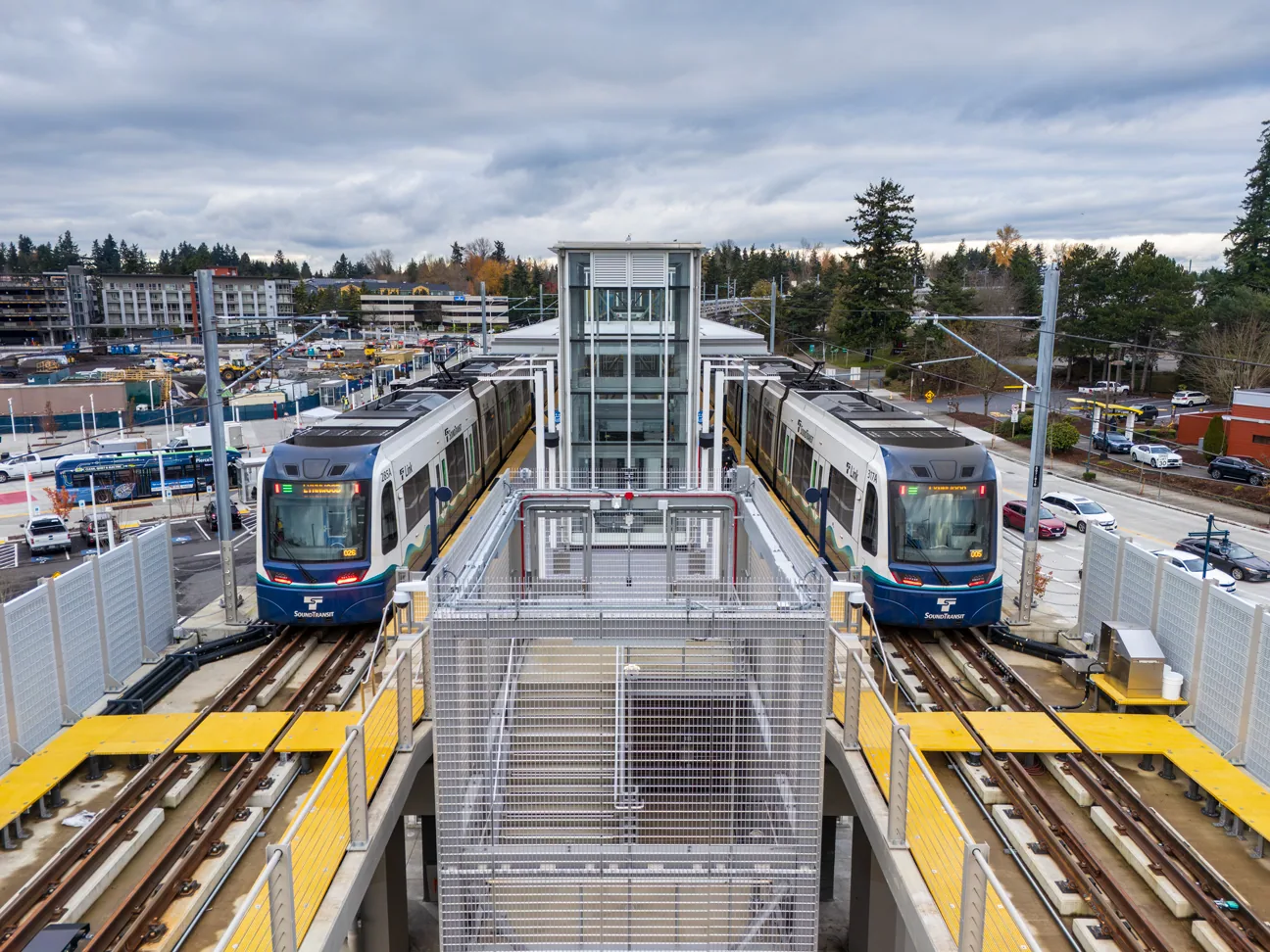
A lifted seam near a roof drain can hold water against the membrane before a leak reaches the ceiling. In Downtown Federal Way, the first walk follows the low route to the outlet, checks the seam and flashing, and records what lies between the roof mark and the indoor symptom. The city frames downtown for continued expansion and connects it with Sound Transit's 1 Line; I-5 also links Federal Way with the wider business region. That context helps frame access, but the roof assembly and its condition still need to be verified at the property.
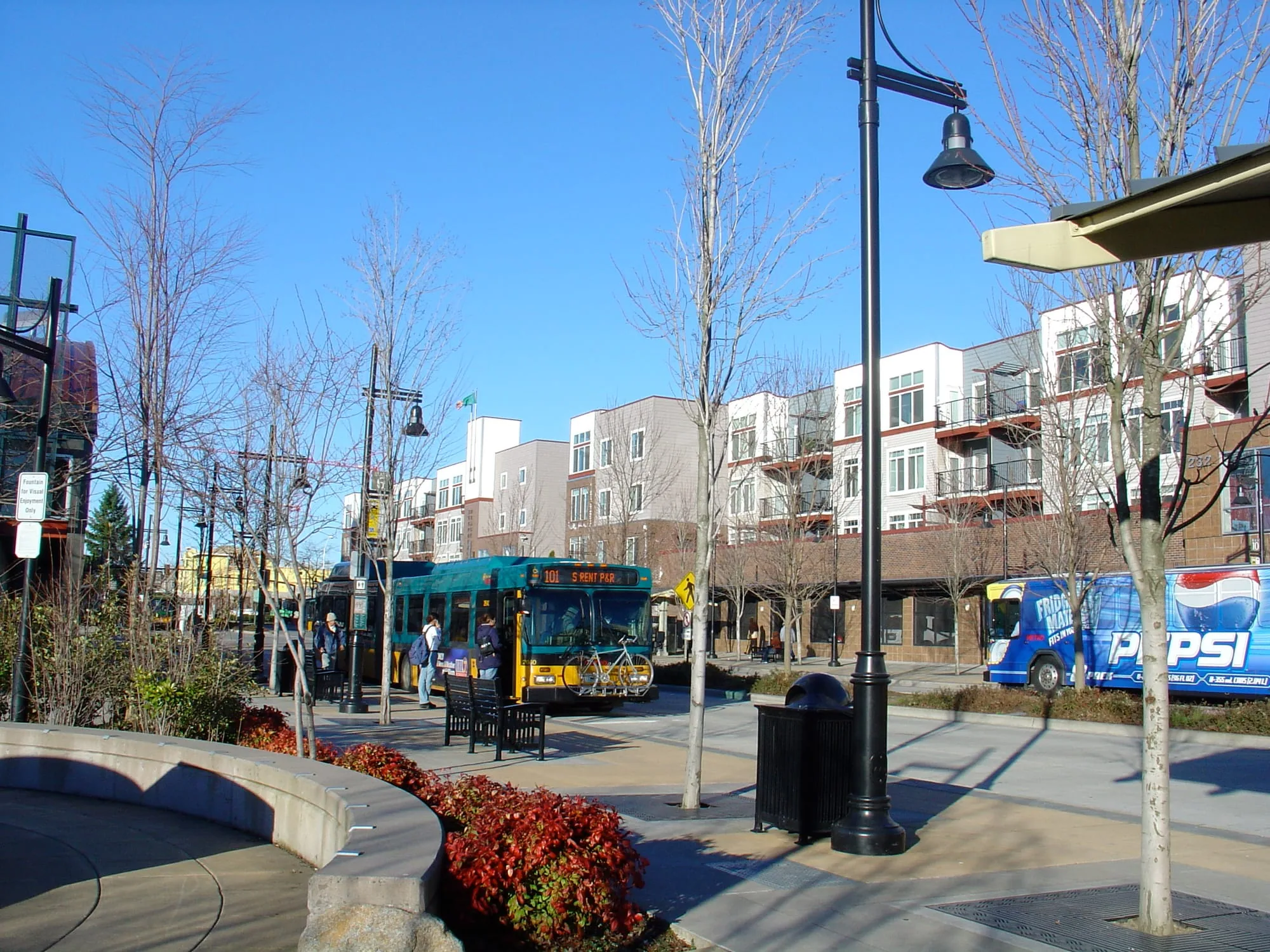
Federal Way reports a population above 100,000 and counts SR 18 among its regional highway connections, which makes downtown a substantial service market. A commercial roof inspection checks the actual membrane, edge metal, penetrations and drainage, then leaves the owner with a repair boundary and a next step tied to the evidence.
Access route: coordinate the roof walk
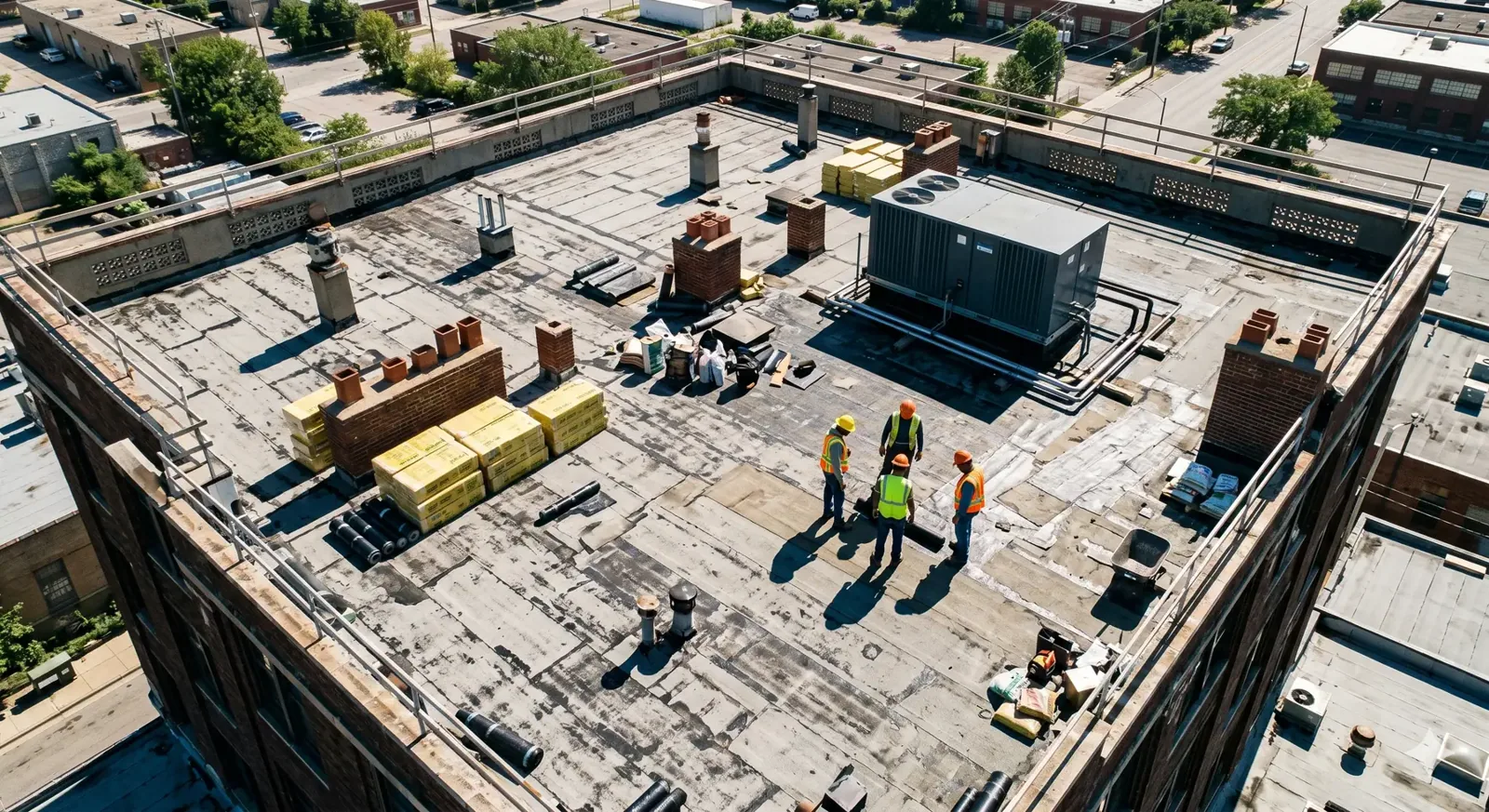
The 1 Line, I-5 and SR 18 bring people and trucks to downtown, while a crew's own entry depends on the property. We confirm the approved roof access, staging location, safety requirements and any route that must remain available to staff or visitors. If the inspection needs a lift or material delivery, that requirement belongs in the schedule and estimate. The roof walk then follows a clear path from the reported leak to the nearest outlet and the details around it.
Downtown growth can bring changing property use, but each owner has a separate roof record and operating plan. We ask who can approve access, whether equipment needs service clearance and whether an active entrance affects the work window. That matters when a repair requires temporary protection or a brief restriction below. A phased occupied-building work plan can identify those limits without assuming the building must close for a roof repair.
Outlet check: follow the low route
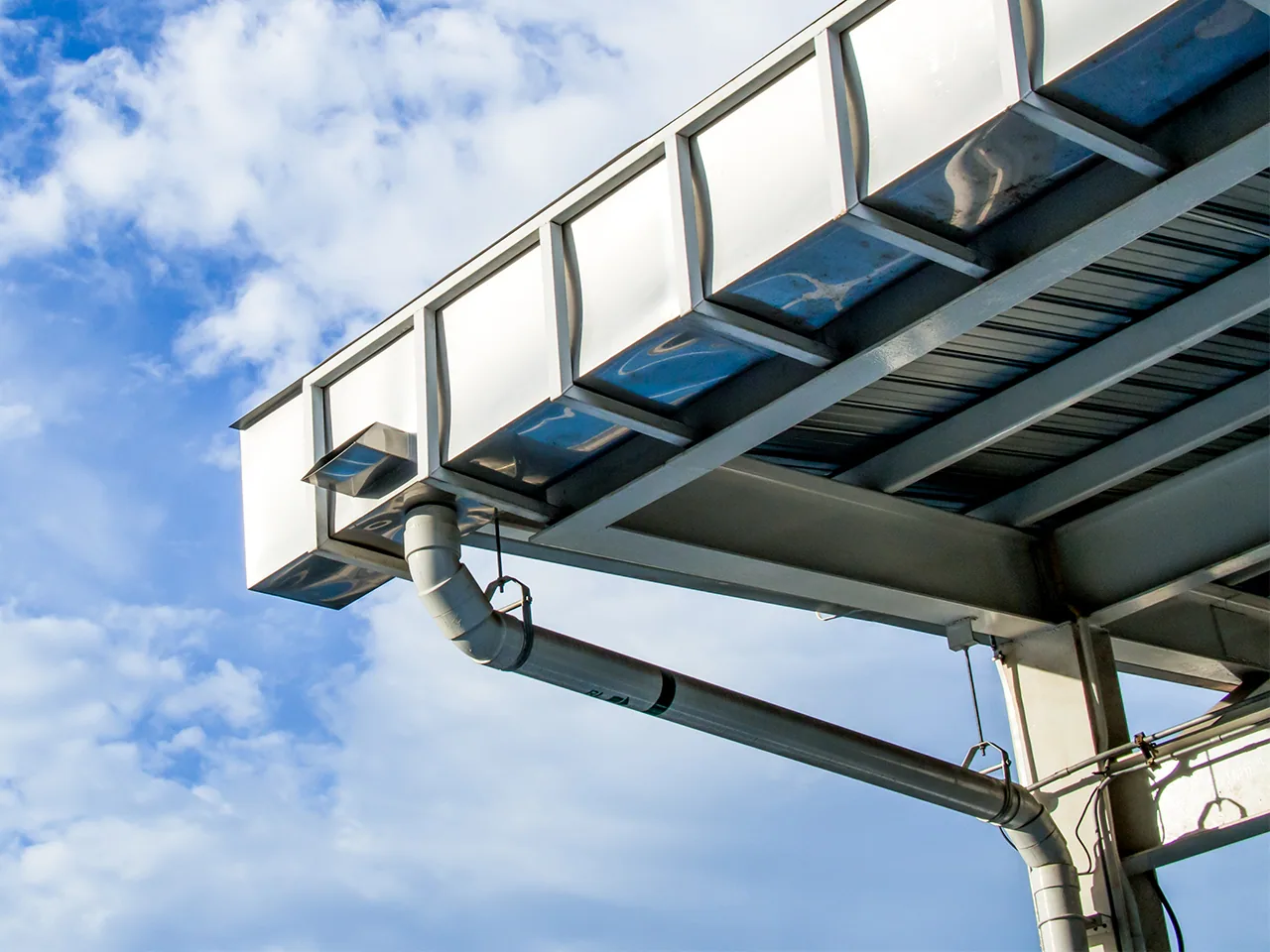
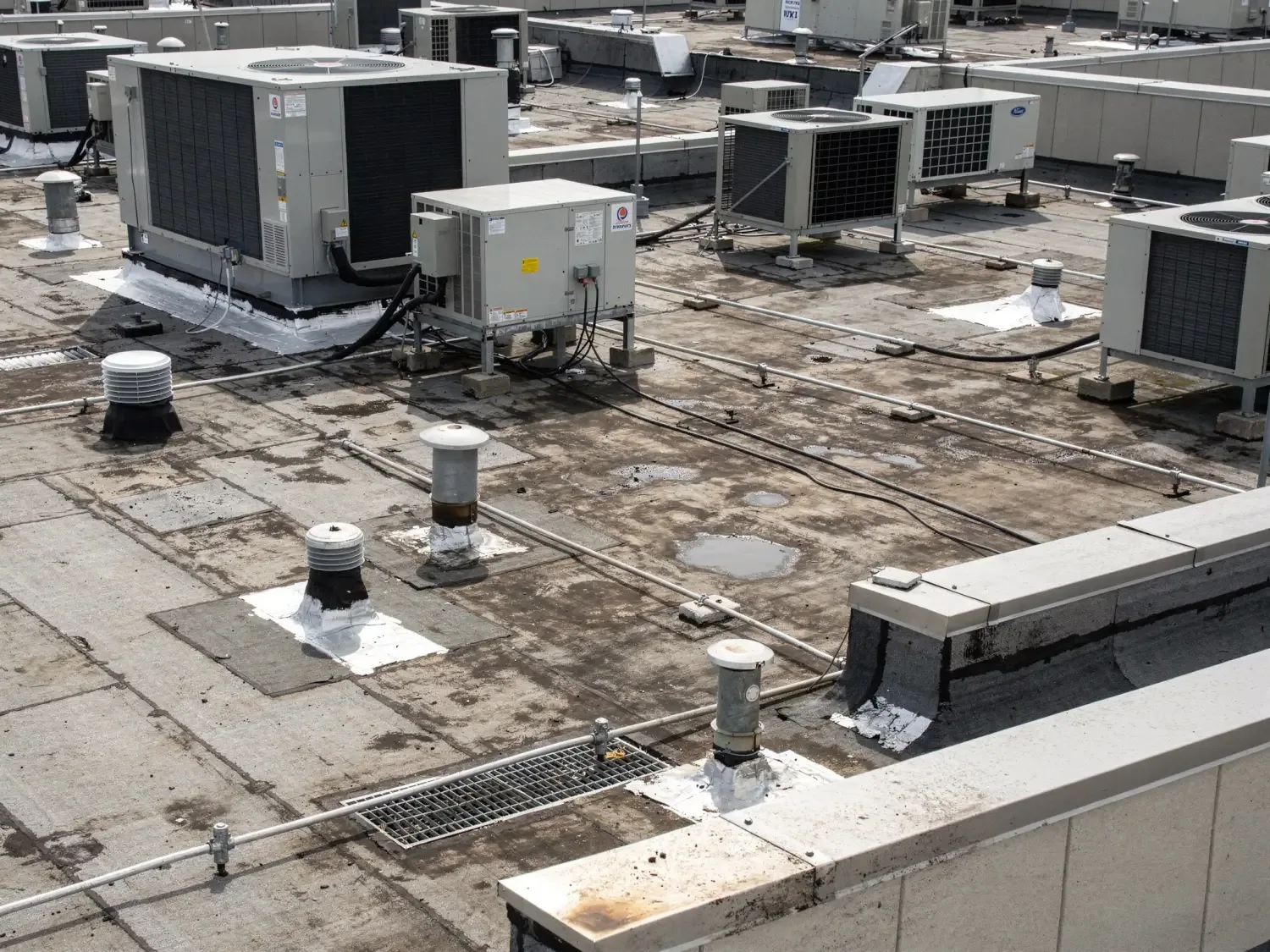
Water may collect because the drain is blocked, the bowl connection has shifted or a raised seam is slowing the route across the roof. We inspect the opening and surrounding membrane, then check whether the scupper or outlet can clear water without backing it toward a flashing detail. If the interior mark appears far from the low point, we look for a path beneath the membrane or along the deck rather than repair only the nearest visible spot.
A drain that clears slowly after a short storm deserves a second visit after the next one, because one rain does not tell us whether the cleaning held.
Sea-Tac normals show November and December precipitation well above July levels, which makes pre-wet-season drainage work a useful consideration when conditions allow. We photograph a restricted outlet and a failed seam as separate causes. The owner can authorize a drain and scupper repair where the connection is at fault, and keep a membrane detail in its own repair line.
Edge detail: inspect the termination
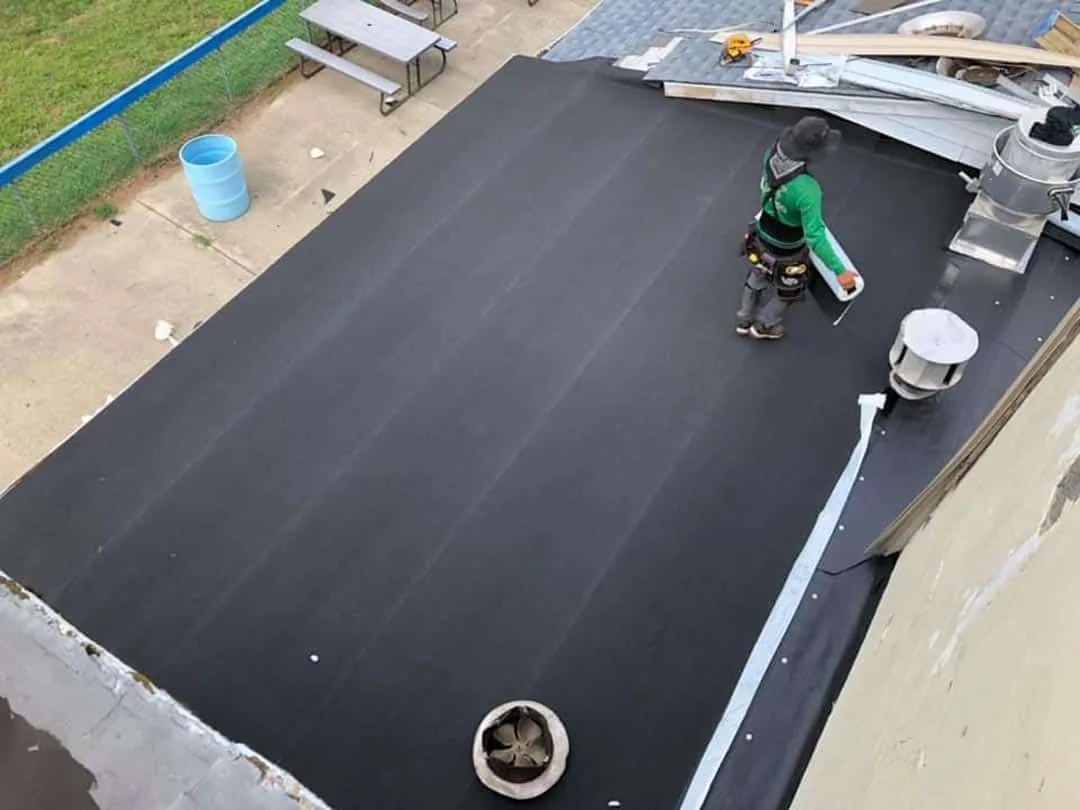
At the roof edge, a loose termination, open metal corner or split sealant joint can let water behind the flashing. We check the metal attachment, membrane turn-up and adjacent lap, then note whether the substrate is dry and firm enough for a repair. A surface patch over a moving edge may not bond for long. If water has traveled below the visible opening, the roof record should show that the stain and the repair boundary are different observations.
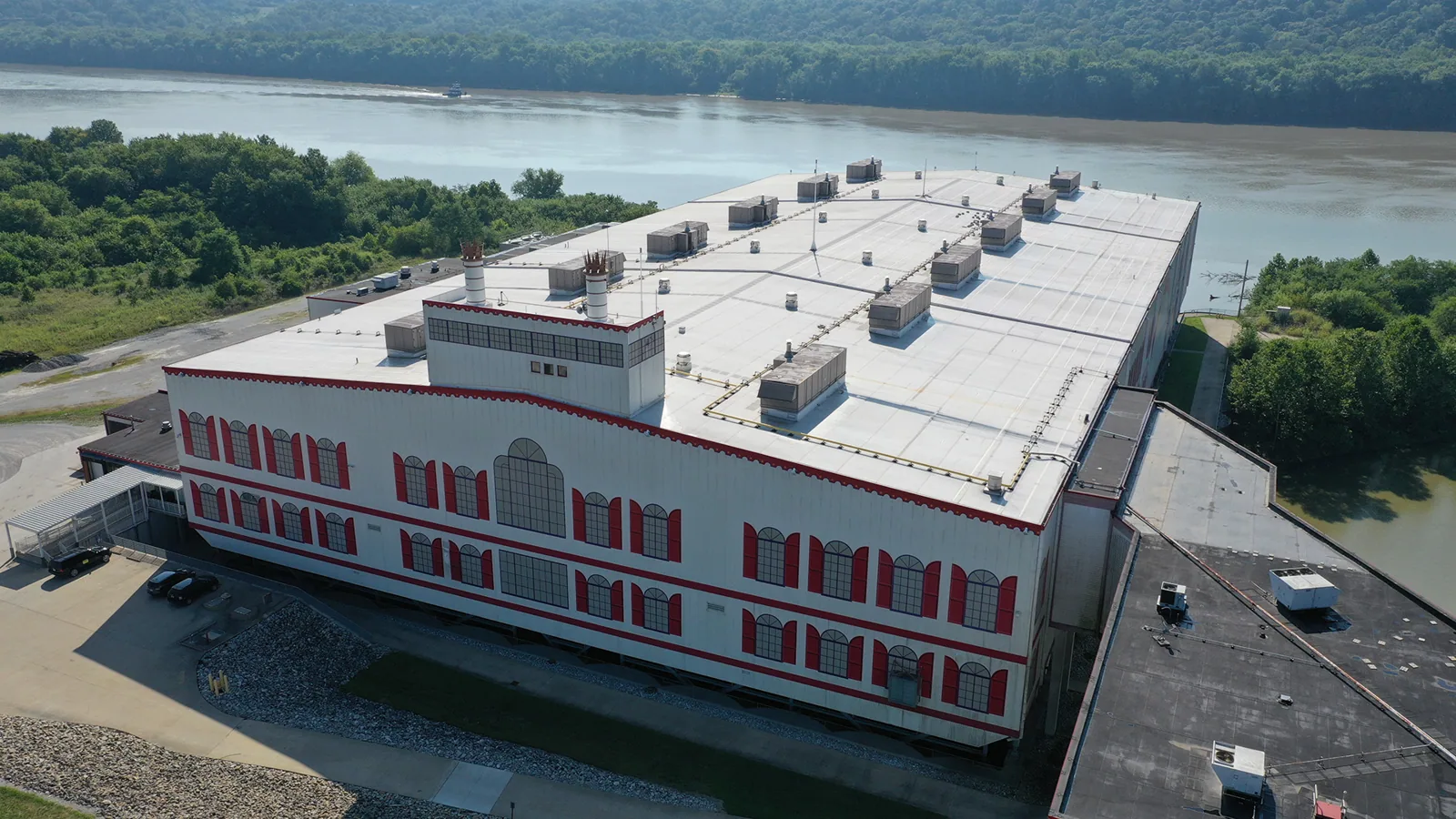
The material selected for a repair depends on the system we identify. A thermoplastic seam needs compatible material and a prepared surface; EPDM and coating details call for different preparation. We verify the assembly from records and visible seams rather than choose from appearance alone. For a suitable field condition, a TPO seam repair can be priced as a local detail. If evidence points to broader damage, we mark what would need testing before recommending replacement.
Repair options: price the known boundary
A small opening with bonded material around it may support a localized patch. Repeated failures, moisture beneath a wide area or a loose substrate can shift the scope toward a larger repair or replacement. We photograph the limits and list preparation, materials, access and any allowance separately. That gives the owner a way to compare a defined repair with further testing rather than treat concealed damage as a confirmed quantity.
A coating or recover depends on adhesion, drainage and the condition below the surface. It does not correct wet insulation or attachment that has let go. We can compare temporary water control with permanent work, then price replacement if the verified roof condition calls for it.
Timing: match the work to roof conditions
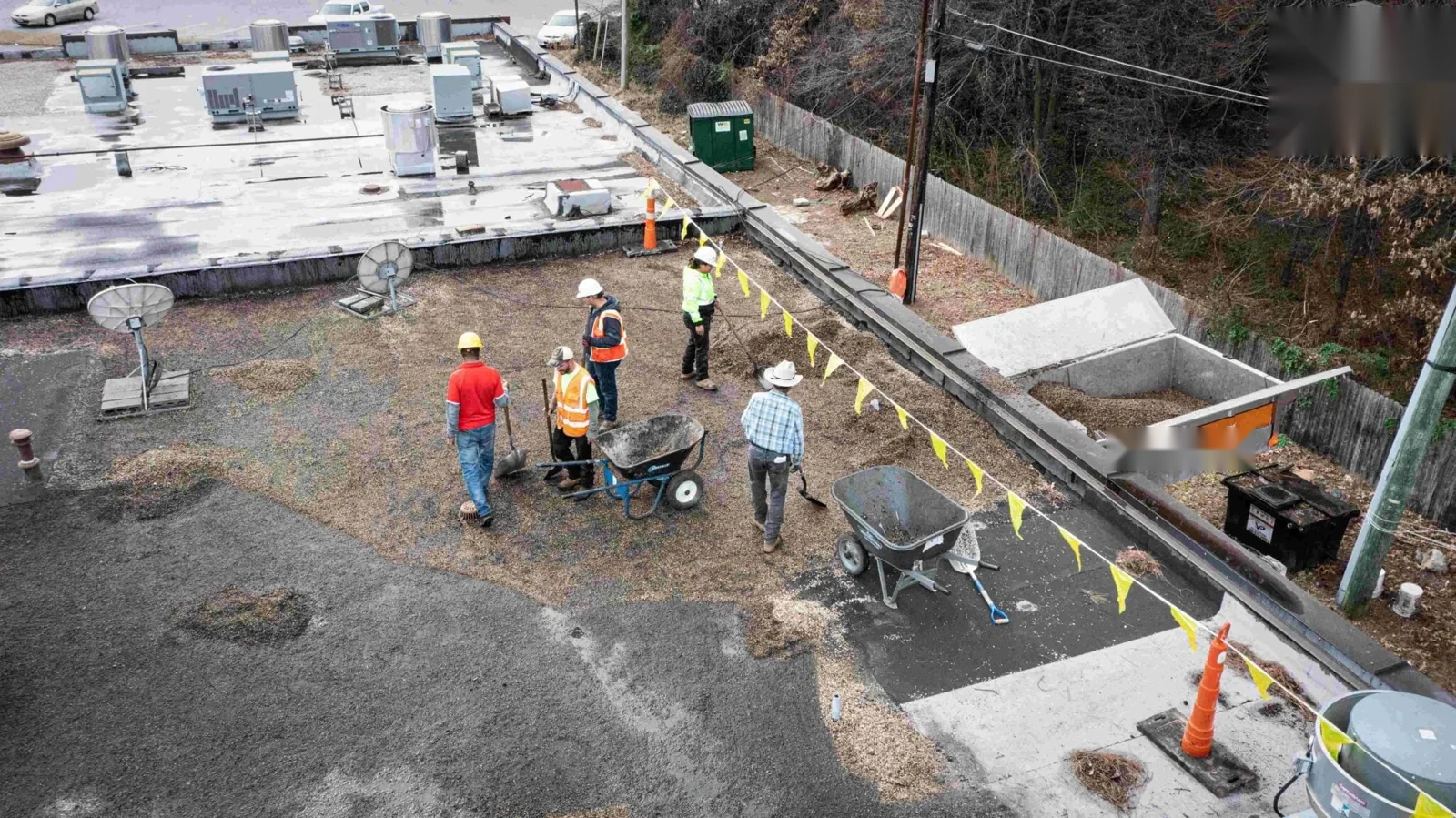
Rain, surface moisture and temperature affect cleaning and bonding. We confirm the repair material and conditions needed for its installation before setting a lasting-work date. If the roof is actively leaking, temporary protection can be scoped first while the substrate dries and the boundary is checked. The estimate should separate that short-term step from the permanent detail so the owner knows what each phase resolves.
Downtown access can also depend on the property's operating hours, delivery route and rooftop equipment. The manager identifies those limits, and we plan the roof path and material movement around them. If a test could widen the removal area, we state what question it answers and when the result is needed. That keeps the schedule tied to the actual roof and access window instead of a generic promise made before inspection.
Service record: leave a clear next decision
Each service note should show where the photo was taken, what detail was visible and what action follows. We can record an open lap, drain restriction, loose metal corner or suspected moisture area, then identify the test that could change the repair boundary. The owner can compare those observations with warranty documents, past repairs and roof plans. If the visible condition differs from a record, we note the difference rather than carry a stale assembly into the estimate.
An owner with another building in Downtown Covington or Southcenter gets a separate walk and record for each. Share the Federal Way property address, leak location, roof history and an available window. We can inspect the water path, set a repair line and explain what still needs confirmation.
Commercial Roofing Questions
Does being in downtown Federal Way tell you what roof is installed?
No. It describes the city's broader development context, not a particular building. We identify the assembly from roof records and visible seams, then confirm the condition before choosing a repair material.
Can a drain issue be the cause of a leak near a roof edge?
It can contribute if water backs up or follows a low seam toward the edge. We inspect the outlet, its connection and nearby flashing, then separate any drain correction from membrane work in the estimate.
What information helps locate a leak before the first roof walk?
The room or area where water appeared, recent repair notes, roof access instructions and a contact who can approve entry help us plan. Photos from inside can guide the route, but the roof still needs to be inspected.
When would a patch need to become a larger repair?
A repair boundary may widen when the surrounding membrane is loose, moisture extends beneath it or multiple details have failed. We show the observed limit and explain which test could confirm additional removal.
Can roof work be coordinated with downtown access needs?
We confirm the property entry, staging point, safety conditions and any route that must stay open. Those details shape the crew's path and work window, while weather and material conditions set when a lasting repair can proceed.