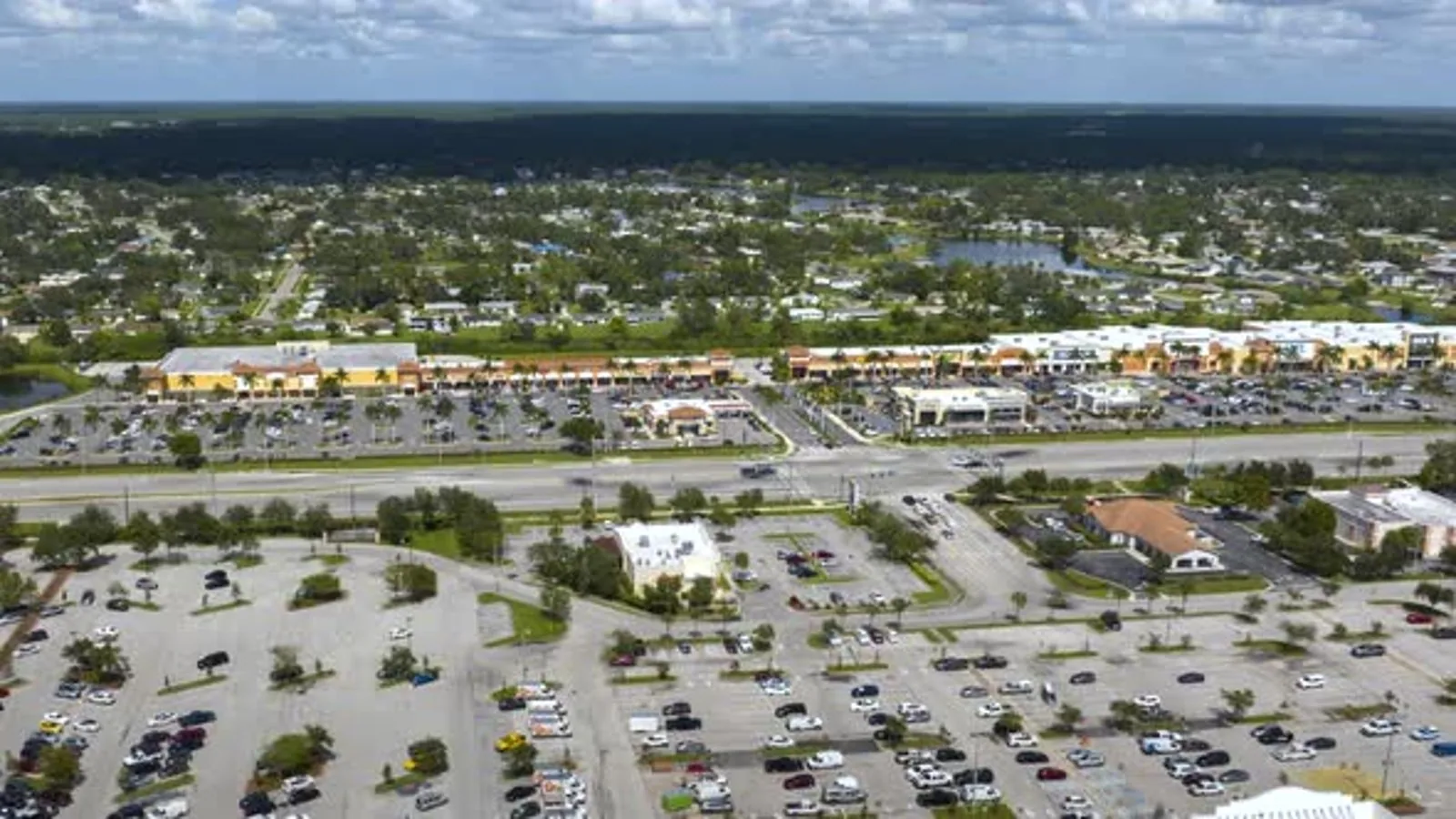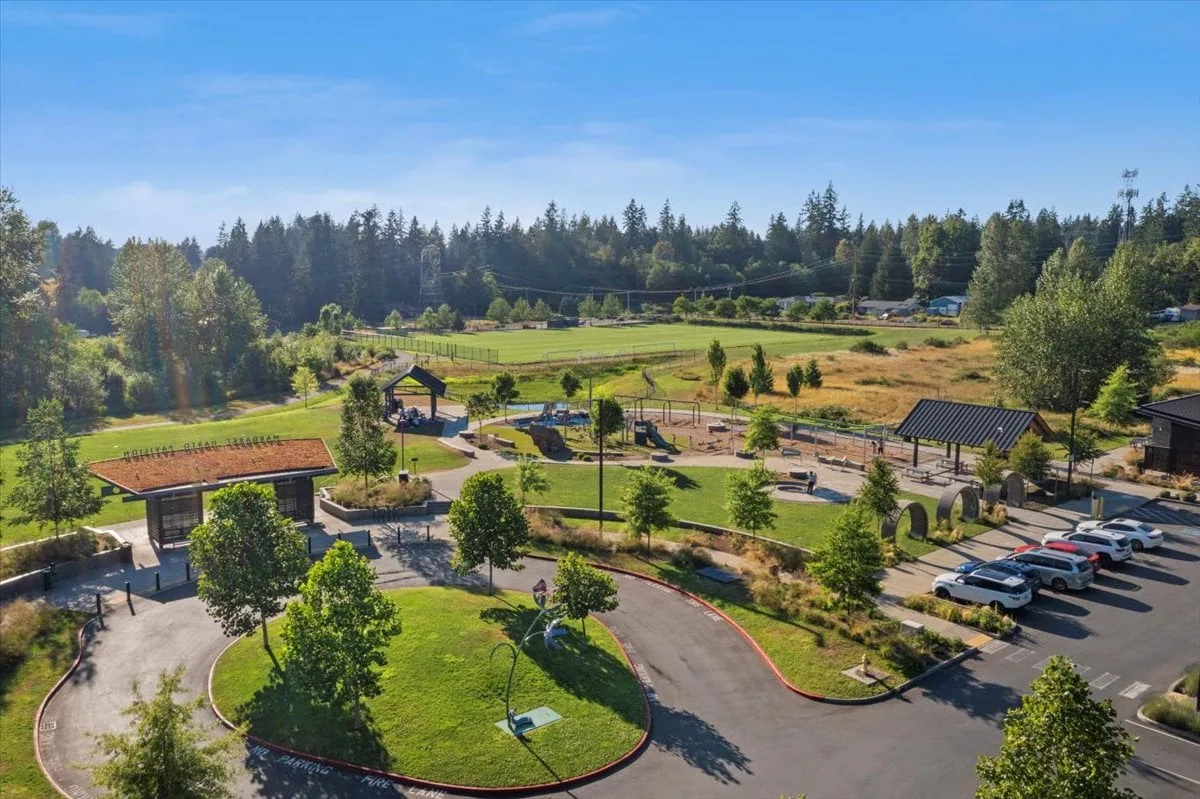
A low roof seam beside a parking area can hold water where the roof changes slope, then let it travel beneath the membrane before a tenant sees a stain. In Downtown Covington, we trace the route from the reported leak toward the outlet and inspect the seam, flashing and edge along the way. Covington's draft plan places its commercial downtown along SR 516, with access from SR 18. We verify the property and its access before setting scope.
The 2024 draft also describes a downtown mix of lower-rise commercial centers and larger retail properties with parking areas. A commercial roof inspection records the assembly, drainage, membrane details and access limits found at the property, then leaves the owner with a repair boundary they can compare with prior roof records.
Roof walk: inspect the detail above the stain
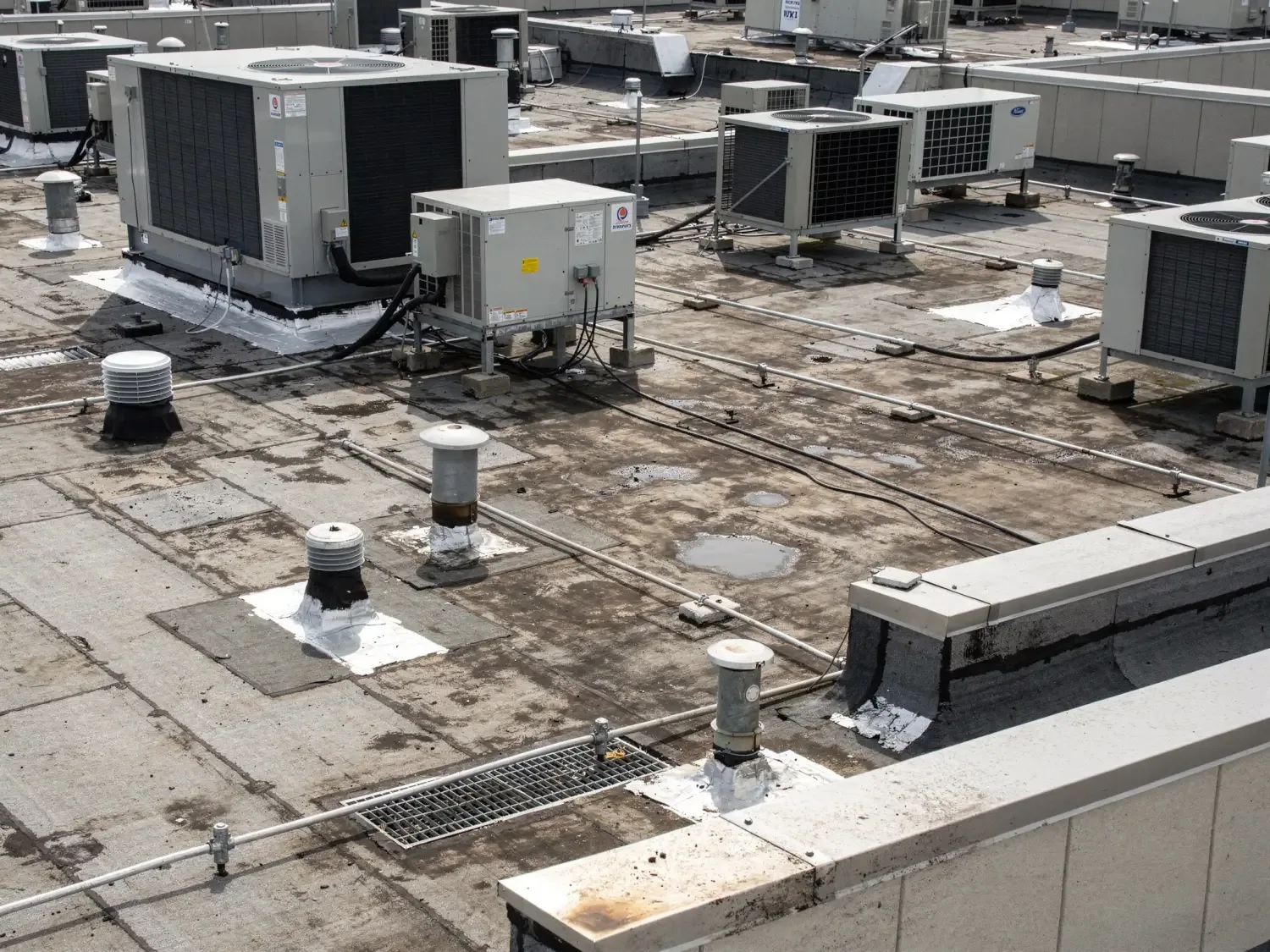
Water may enter at a curb or open lap and appear indoors after it has crossed the deck. We compare the room location with the roof detail above, then follow the likely route toward the nearest low point. At an edge, we check the termination and metal corner; at a drain, we inspect the bowl and surrounding tie-in. If the mark is far from the likely opening, we write down the possible paths rather than widen the repair by guesswork.
The parking areas described in Covington's draft make access planning a practical part of any roof visit, though the available entry and staging point must be confirmed for each property. We ask which route is approved, where equipment or materials can be set, and whether deliveries or customer access need to continue. A property with a known commercial retail roof may have a different work window than a standalone office, but we confirm the actual use before scheduling.
Water path: check the bowl and the lap
A drain can be clear at the top while the membrane around it has pulled away. We inspect the bowl, connection and laps that meet the drain, then see whether water can reach the outlet without backing against a raised seam. At a scupper, the check follows the throat and its flashing. Debris removal, a failed connection and a membrane patch are different work items, and each should have its own photo and repair line.
Sea-Tac station normals show much heavier precipitation in November and December than in July. Before the wet season, we can review outlets and low seams while access and weather allow. A drain and scupper service addresses a confirmed outlet issue; if the tie-in has opened, we price the membrane detail separately rather than call it a cleaning task.
Lower-rise commercial centers with big parking lots send runoff toward downspouts, and a roof edge that drains to a lot can leave staining or pooling where the discharge lands. We follow the water to grade and note any scupper that empties onto a walking area, since an overflowing scupper above a customer entrance is a safety item as well as a roof item.
Permits: confirm what a roof change triggers
Covington adopted the first phase of its Downtown Master Plan in August 2024 and Phase II in June 2026. If a project changes insulation, drainage or the roof assembly, we confirm the current requirements for that property before the estimate is finalized.
A roof plan, warranty file and site inspection are the useful records for choosing a repair. We note what each can establish, inspect visible seams and metal, and identify where concealed moisture or attachment needs a test. When a test can change the scope, its cost and decision point should appear separately from confirmed repair work.
Repair choice: keep the boundary visible
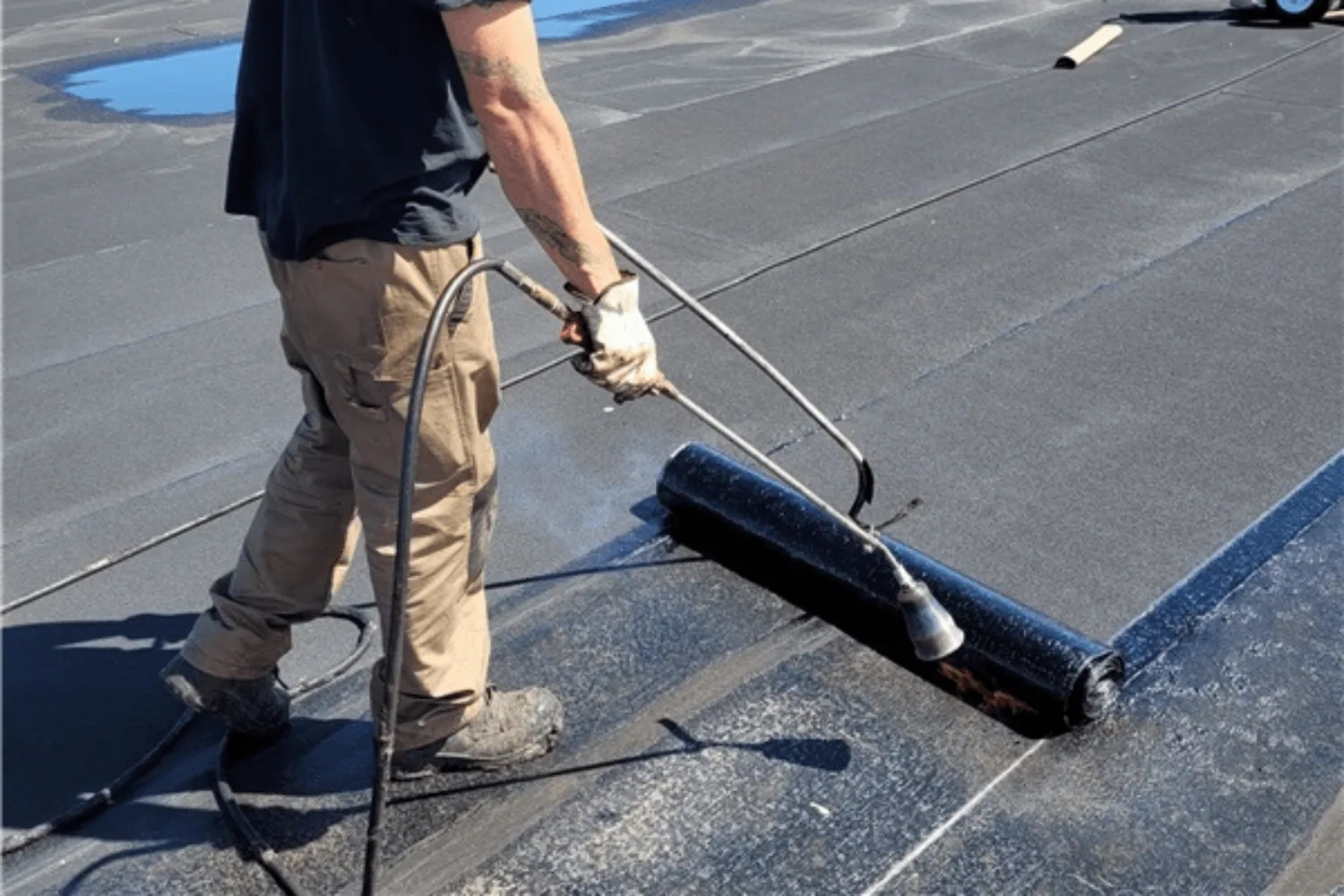
A localized repair may fit when one opening has a firm edge and surrounding material remains dry and bonded. If multiple seams have failed, insulation is wet or metal has shifted across a longer run, the repair limit may need to grow. We photograph the condition and state the line between confirmed work and a test or allowance. That lets the owner compare the cost of a patch with a larger repair without treating uncertain damage as a measured quantity.
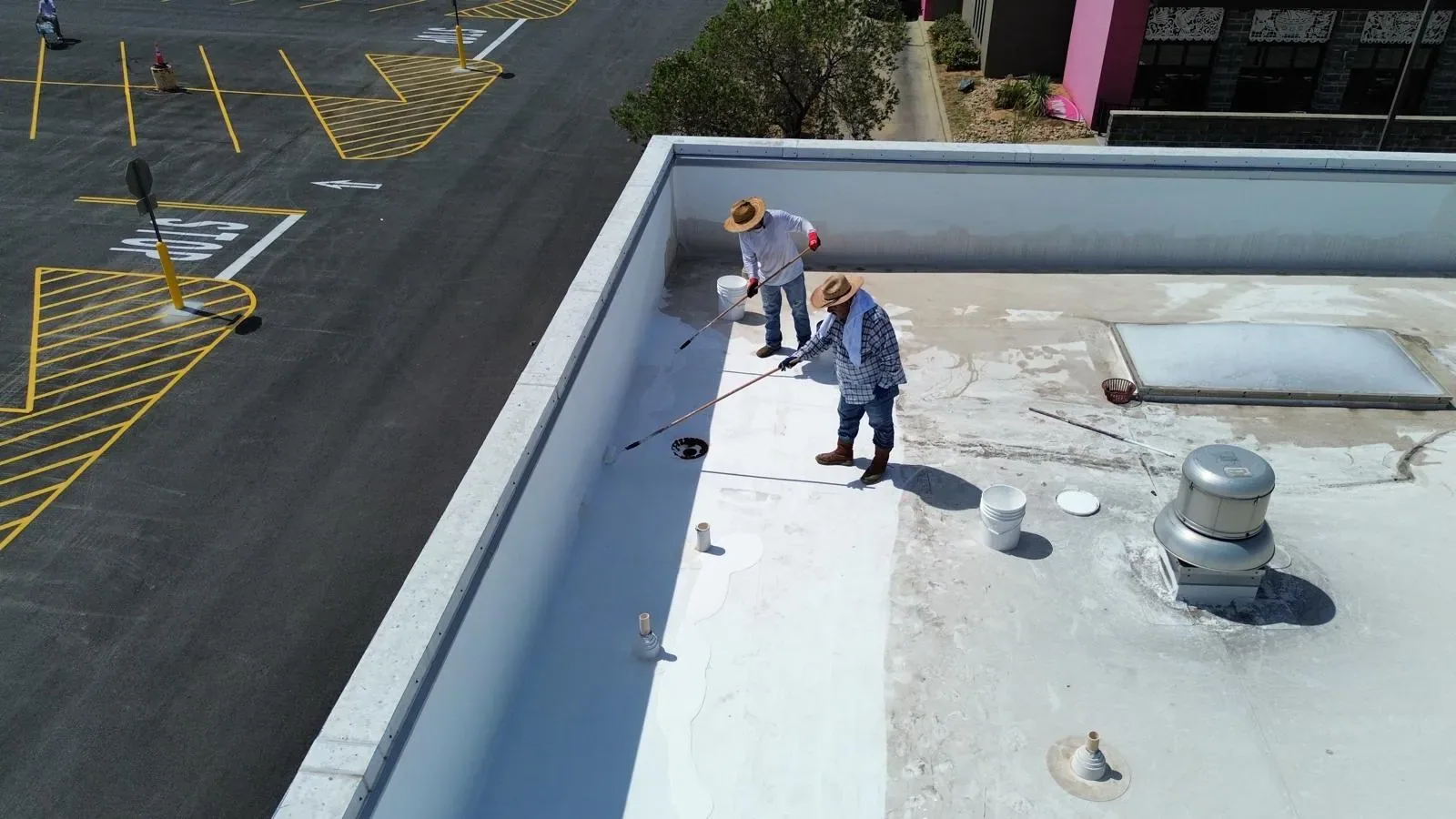
A coating or recover depends on attachment, adhesion, drainage and the substrate beneath the surface. It cannot make wet insulation sound or secure loose metal by itself. We can price a defined repair beside a restoration option when the roof can support both. If the existing assembly has broad failures, a replacement scope can show tear-off, disposal, insulation and protection as separate cost drivers.
Work window: set access before materials arrive
A retail or commercial center may have deliveries, occupied rooms and customer routes to protect, but each property sets its own operating limits. We confirm the roof entry, safety requirements, staging and hours with the property contact. If a lift or temporary barrier is needed, the estimate includes where it will be used and for how long. That gives the manager a concrete plan for coordinating the repair with occupants and other trades.
Weather also affects permanent work. A wet roof, damp substrate or unsuitable bonding window can move a patch to a later day, while active water entry may require temporary protection first. We separate those steps so the owner knows what can be addressed immediately and what needs a dry surface or test result. A phased building repair plan can keep access, communication and roof work in sequence without promising that all operations pause.
Service record: show what changes the scope
We connect each photo with a roof location, observed condition and next action. The record can note an open seam, restricted drain, loose metal or suspected moisture, then identify the test that could change the boundary. The owner can compare those observations with service history, warranty documents and any roof drawing. If a plan or record does not match the material we see, that difference belongs in the estimate before work begins.
An owner with another building in Federal Way downtown or Central Issaquah gets a separate walk for each. Share the Covington address, leak location, prior repair notes and a workable access window. We can trace the water route, define the repair line and explain what remains to be confirmed.
Commercial Roofing Questions
Does the downtown plan tell me what roof system a Covington property has?
No. It describes the district and its planning process, not the assembly on an individual building. We verify the membrane and details from the roof and available property records before choosing a repair method.
Can a leak below a parking area come from a roof drain?
It can if water backs up at an outlet or follows a low seam toward the edge. We inspect the drain, membrane tie-in and likely water path, then separate an outlet repair from any flashing or seam work.
What does the roof inspection need to record?
We tie each photo to a roof location and note the opening, outlet, flashing or suspected moisture area. The record also identifies what test could change the repair boundary and what remains outside the confirmed scope.
When does a repair need to be priced as replacement?
Replacement enters the comparison when failures span multiple details, attachment is poor or moisture reaches a wider area. We show the evidence and any testing needed before expanding beyond a localized repair.
What permits does a Covington roof replacement need?
The city's master-plan milestones do not set permit requirements for a roof project. We check current project rules with the relevant jurisdiction when the scope changes the assembly or insulation, and keep that review separate from the repair diagnosis.