A ceiling stain after a storm is a date and location to record, not a complete roof scope. For a commercial property in Renton, claim documentation starts by matching the reported interior symptom to what can be seen at the membrane, drain route, edge and penetrations. Sea-Tac's long-run monthly averages are wetter in November and December than in July, a regional pattern that makes a dated leak record especially useful as the wet season develops. The building's own inspection and repair history determine what belongs in the file.
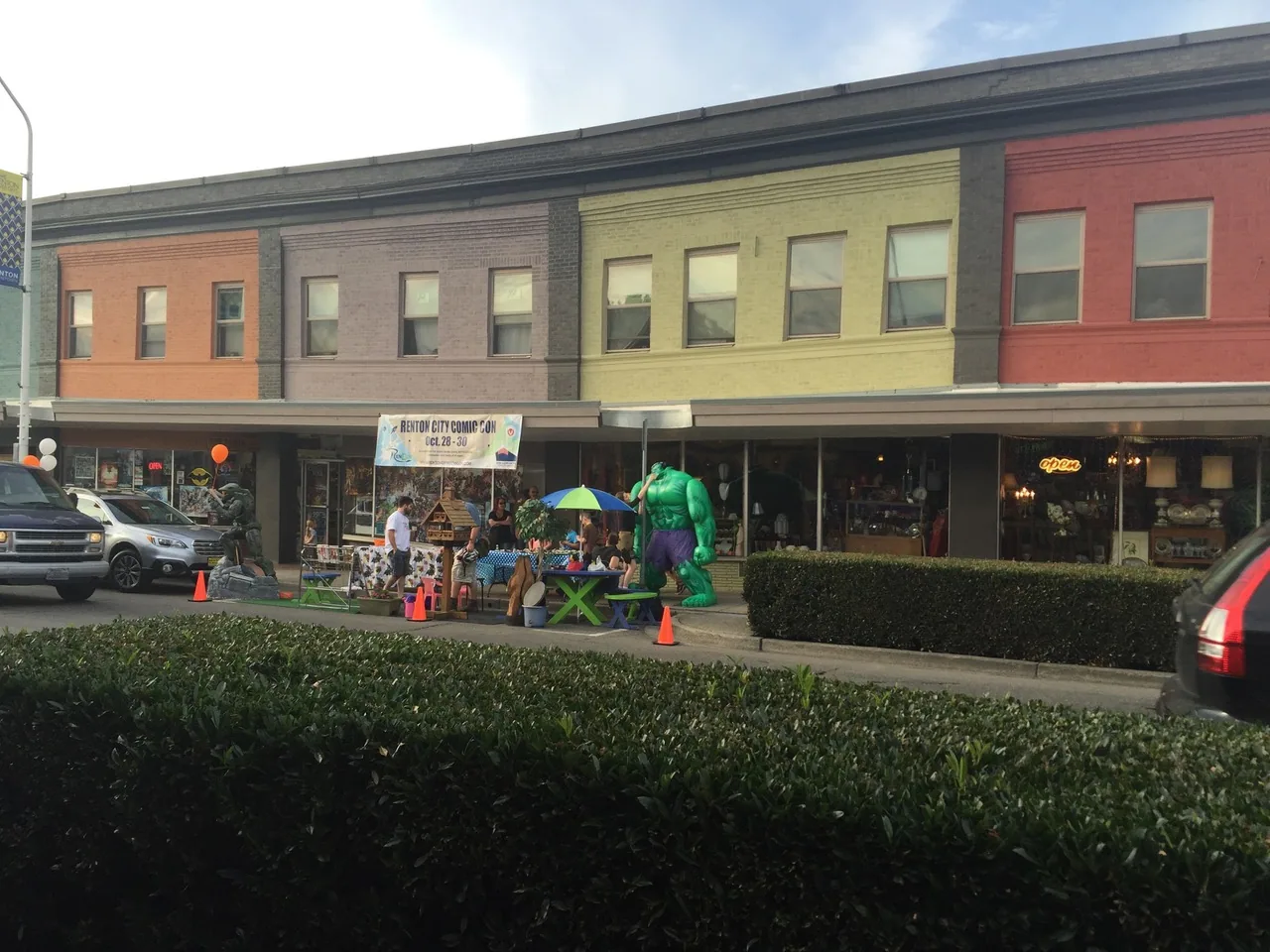
The Renton Valley Subarea includes warehousing and light manufacturing, where receiving schedules, equipment and access routes can affect a roof inspection. We coordinate the approved route, document visible conditions and separate temporary protection from permanent repair recommendations. Our role is to explain the roof conditions and provide clear records for the owner and their insurer. The policy, coverage decision and settlement remain between the insured and carrier.
Record: preserve the event and roof timeline
Start with the time the issue was noticed, the rooms or equipment affected, recent weather, earlier leaks and any work already completed. Photos of the interior can help locate the symptom, while invoices and prior roof records show repairs that may be relevant. We keep those reports distinct from the roof conditions we observe. A stain may appear below the entry point, and water can travel along a curb or seam before reaching the ceiling.
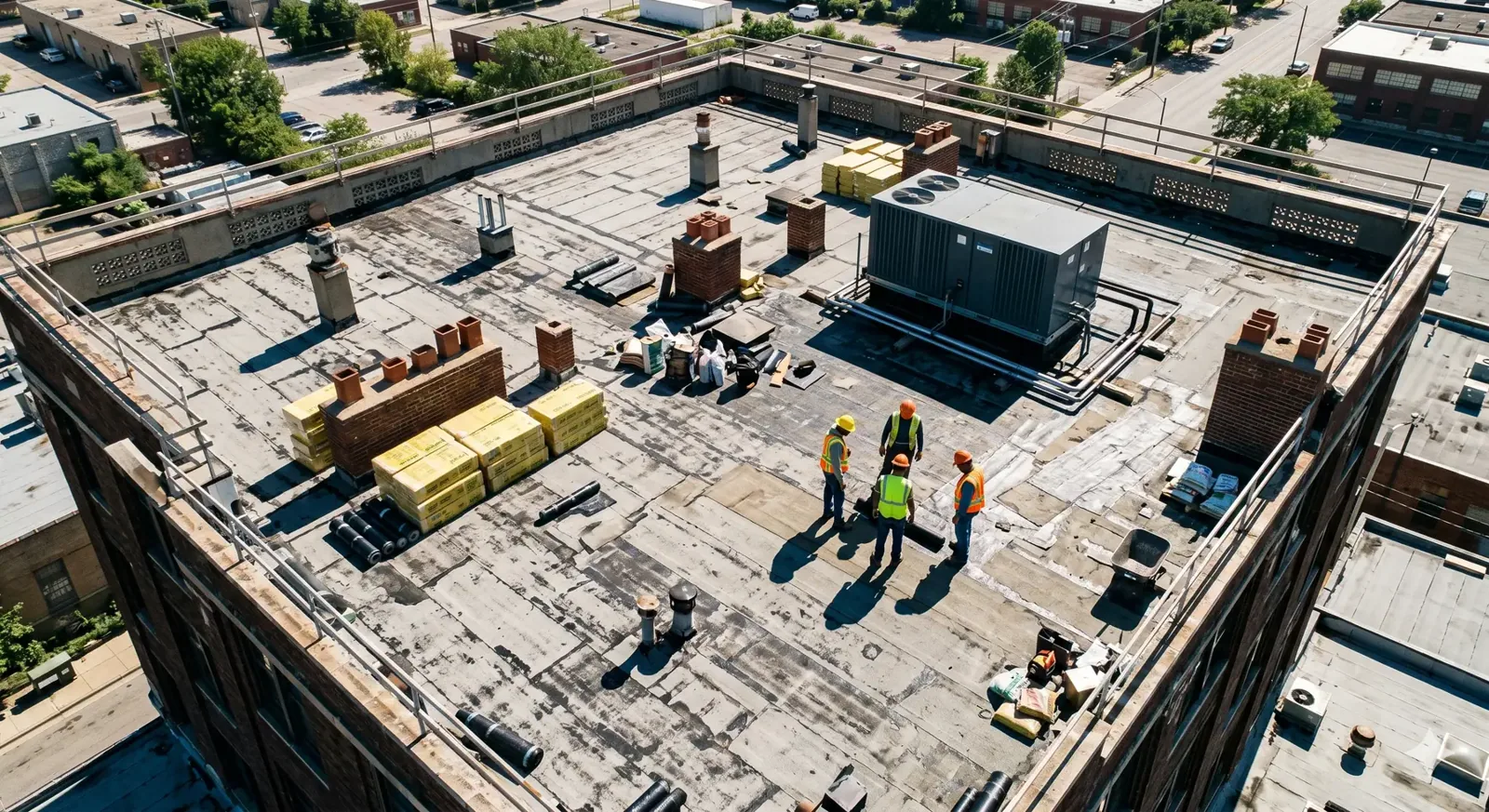
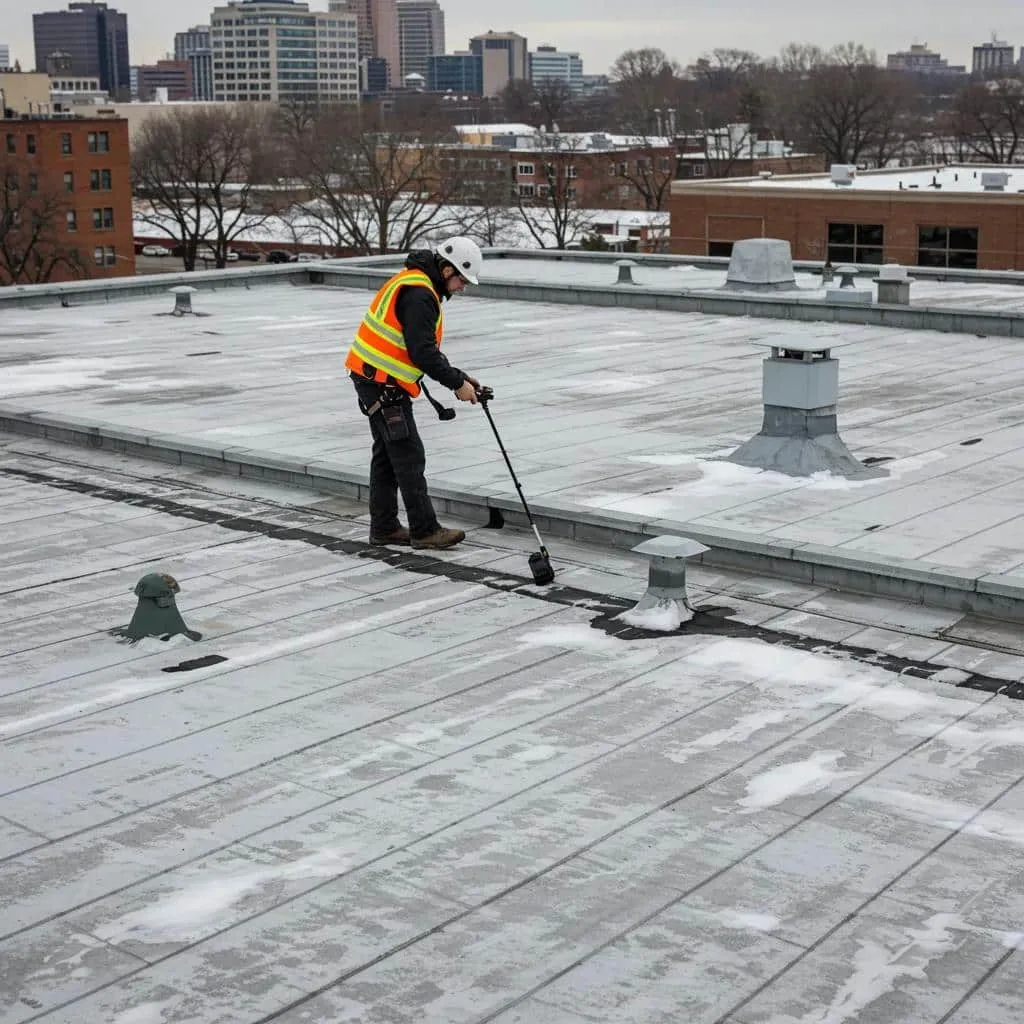
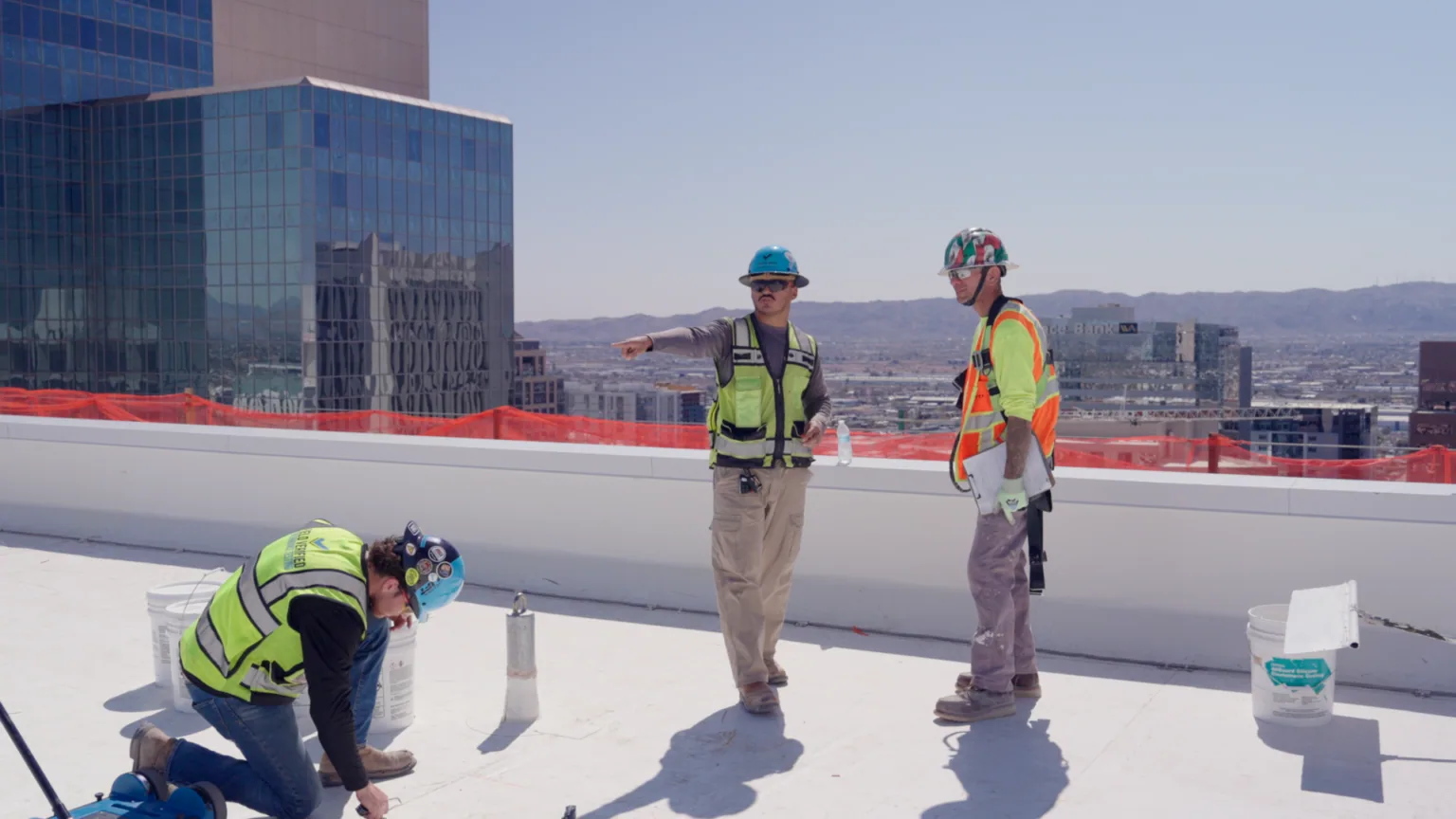
A Downtown Renton office and a Valley warehouse each need their own record of the roof assembly and its condition, and the inspection file is where that record gets built. A hands-on roof inspection documents the accessible seams, drains, flashings, penetrations and edges. Where water is entering, leak tracing can compare the reported location with the surface details that may feed it.
We note the date, weather conditions during inspection, areas reached and any access limit. If a section could not be viewed, it stays listed as uninspected. That makes the record more useful for an adjuster, facility manager or later contractor who needs to understand what was actually observed and when.
Inspect: connect the symptom to roof details
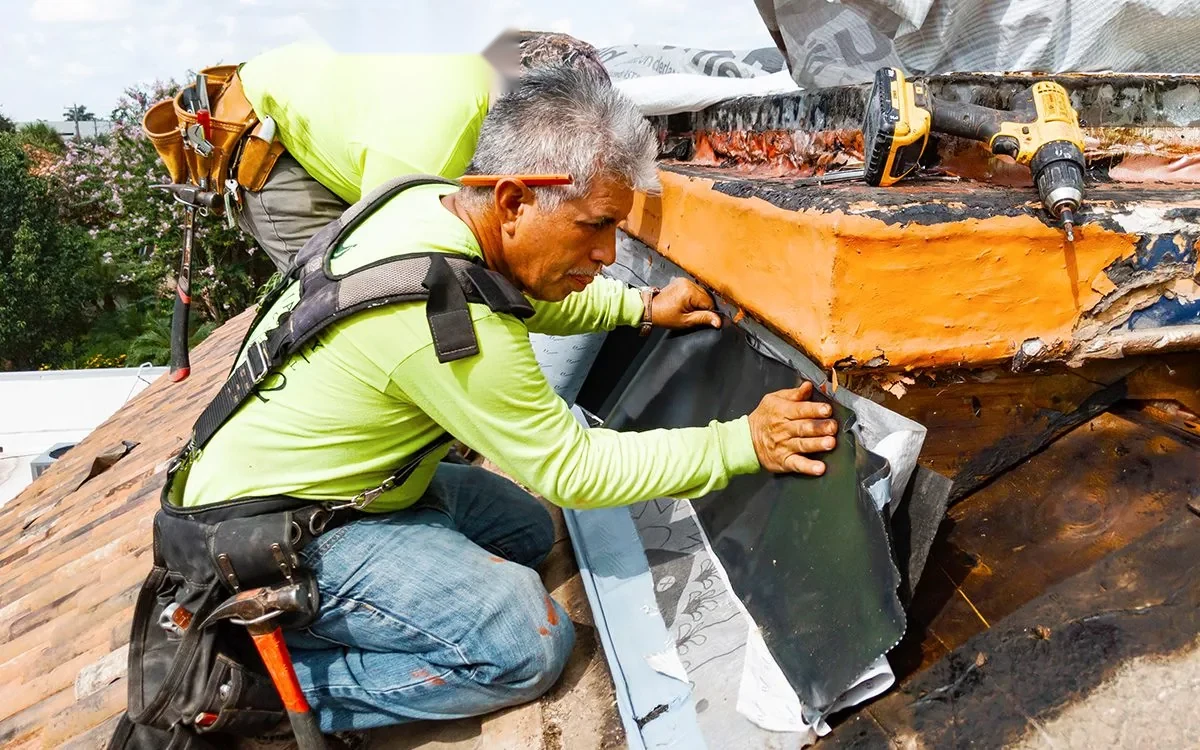
A roof inspection looks for the opening or condition that could explain the report. We check the membrane around the likely water path, follow seams toward nearby curbs and walls, and inspect drains, scuppers and overflow routes. Wind can displace a metal corner or flashing; debris can slow an outlet; a puncture can admit water without leaving a large surface mark. Each observation is tied to a location and photo rather than grouped into a general statement about storm damage.
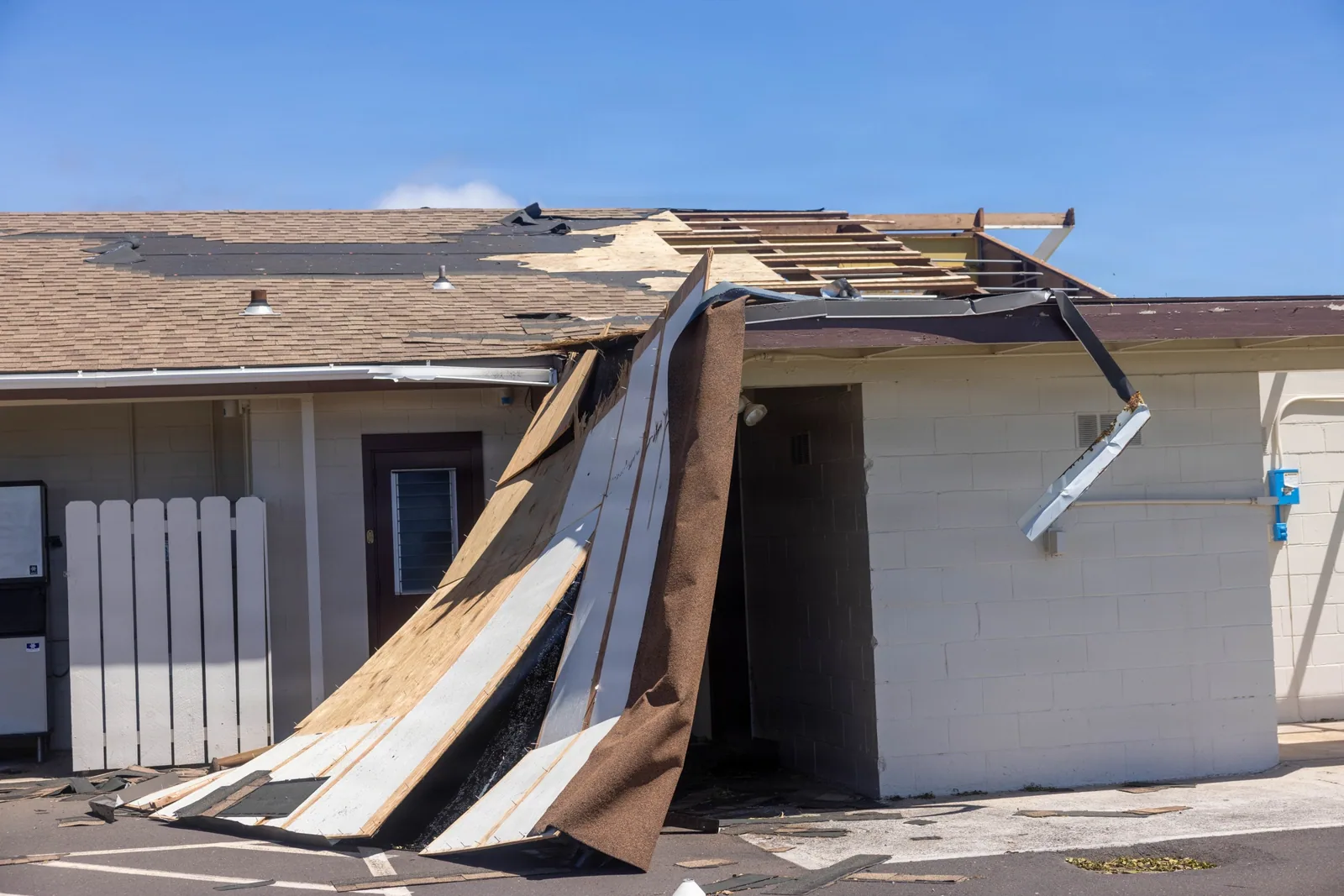
Sea-Tac's higher late-fall and winter precipitation is useful context for checking drainage in Renton, but it does not show that a particular storm caused a particular leak. The roof record compares the reported event with visible evidence and earlier repairs when available. If wind-related movement is observed, a storm-damage assessment can document the affected detail. When water is still entering, emergency roof repair can address immediate exposure while a permanent scope is prepared.
Where visible conditions raise a question about concealed insulation, infrared imaging or a test opening may be considered. We explain the question and the location before requesting authorization. A thermal pattern can help direct a closer look, but a separate test is needed to confirm hidden material condition. The report labels observations, interpretations and recommended next steps separately.
Scope: describe what the roof work includes
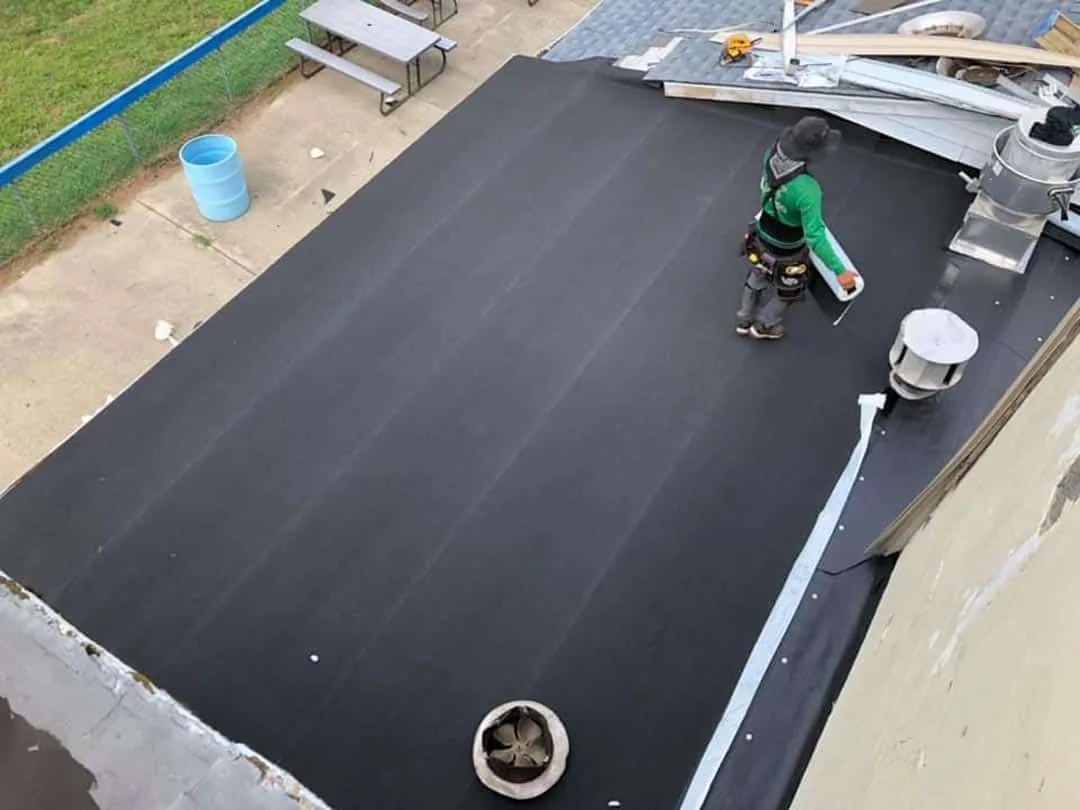
A repair estimate should name the roof section, detail, preparation and materials needed to address the observed condition. It should also separate work that is complete from work still proposed. A temporary cover is not the same as restoring a seam, replacing damaged flashing or correcting a drain connection. If hidden damage could change the work, we identify the additional inspection required before putting that item into a permanent scope.
For commercial properties in the Renton Valley Subarea, the repair sequence may need to account for receiving areas, equipment clearance and approved access. We coordinate those requirements with the property contact and record any area that cannot be reached during the visit. A photo-based condition report can keep observations, locations and repair priorities together. A separate capital planning review may help compare broader options when the inspection finds more than one condition.
We describe quantities and boundaries that can be measured from the inspection and state what remains unknown. If additional demolition or testing is necessary, that step is identified before it changes the repair line. Clear scope language helps the owner compare proposed roof work with the inspection record; policy terms remain a separate decision.
Coordinate: keep the property and carrier records aligned
The property team can share the inspection photos, repair scope, invoices and maintenance history with the carrier or its representative. We can explain the roof details and work performed, answer questions about the contractor's scope and provide available records. We do not decide what a policy covers or promise that a particular repair will be approved. The insured and carrier review those terms.
In Downtown Renton, access and building operations may require coordination with the person responsible for the site. The same is true in the Renton Valley, where a roof route may intersect an active facility schedule. We identify the sections inspected and any return visit needed, then keep new photos tied to the correct roof area. This prevents separate documents from describing different locations as if they were one condition.
If an adjuster, consultant or facility manager asks about a detail, we refer to the observed roof condition, photo and work scope. A change discovered during repair is documented with its location and reason. The owner can then decide how to provide that information and whether additional review is needed.
Closeout: leave a file the next visit can use
After repair, the closeout record identifies what was completed, where it was done, which materials were used and what conditions remain. Photos show the treated area and any adjacent detail that needs later attention. If an interim measure remains in place, we say so and describe the next scheduled step. That record can join the earlier inspection, leak report and maintenance history.
Renton's seasonal rainfall pattern gives property teams a reason to keep dated drain and leak observations together before the wet months. At a site in the Renton Valley Subarea, the contact may also want access notes that fit production or receiving schedules. A later roof walk can compare the same locations and show whether a repaired detail has changed.
To start, send the Renton address, reported leak location, event date, interior photos, roof plans and prior repair records. We will inspect accessible areas, document visible conditions and outline the roof work that the findings support. The owner can share that material with the carrier and make coverage decisions through the policy process.
Commercial Roofing Questions
Can you tell us whether the policy covers a roof repair?
No. We document the roof condition, inspection limits and proposed work. The owner and carrier determine coverage under the policy. We can explain the roofing scope and provide available photographs or records when the property team requests them.
What information should we collect after a leak begins?
Record when it was noticed, where water appeared, any affected equipment or contents, and any temporary protection already used. Keep photos, earlier repair invoices and roof plans with the timeline. We compare those details with the roof findings during inspection.
Will an inspection identify the storm as the cause?
An inspection can document visible conditions and compare them with available repair history. It cannot assign a cause when the evidence does not support one. We describe what changed, what remains uncertain and which additional check could answer a specific question.
Can emergency protection be documented separately?
Yes. We identify the immediate measure, its location and what remains for permanent repair. This keeps short-term exposure control distinct from the final scope and gives the property file a clear record of each step.
What if damage appears after repair work starts?
We photograph the newly exposed condition, note where it was found and explain how it changes the repair scope. The property contact can review the additional work before it proceeds, then share the updated record through the appropriate claim process.