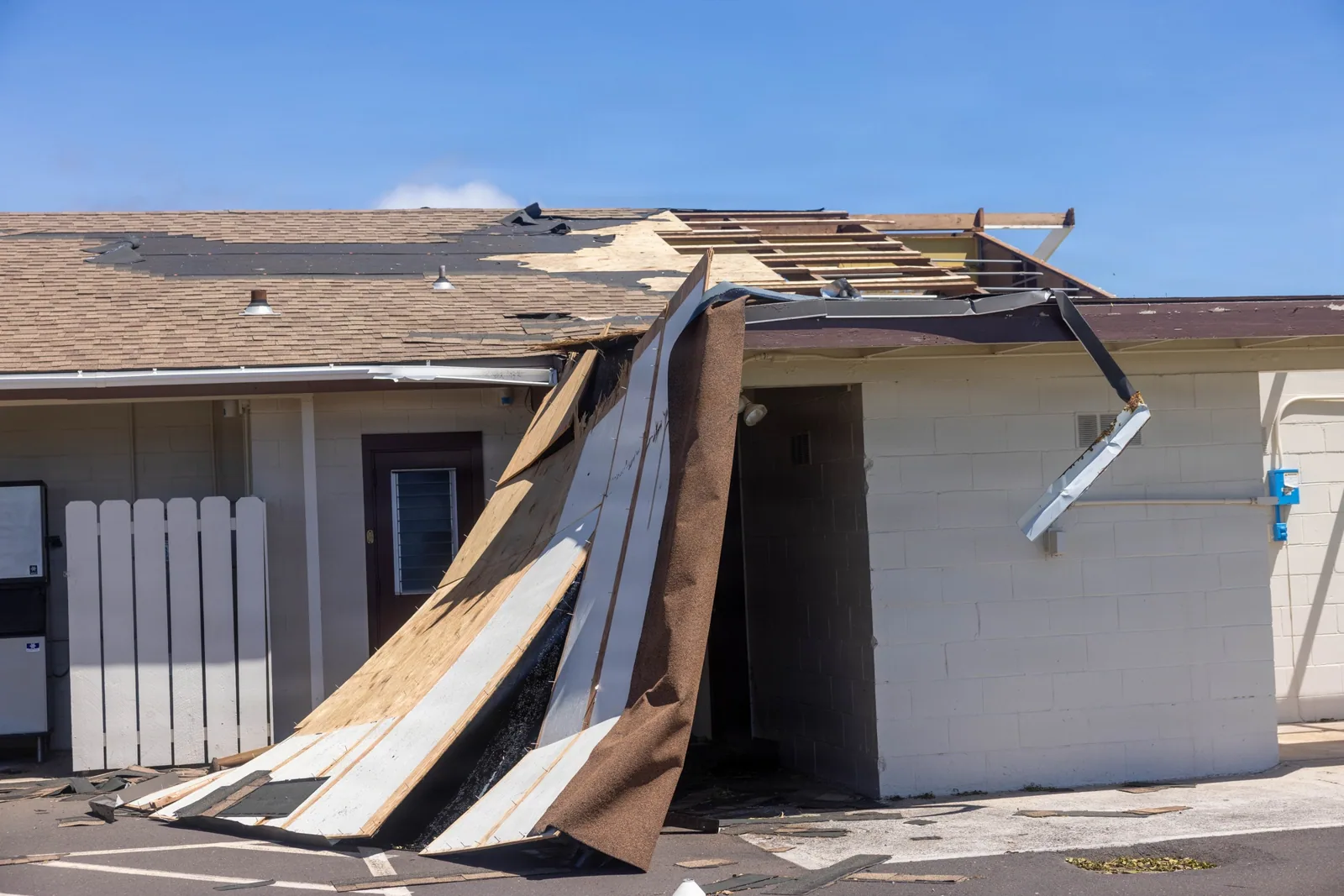
A branch in a scupper or a lifted metal corner can change the water path before a ceiling stain appears. After a storm, the first roof check in Renton should locate openings, loose material and blocked drainage, then decide what needs temporary protection and what can wait for a measured repair. Sea-Tac's long-run averages show more rain in November and December than in July, a regional wet-season pattern that makes an open seam or drain problem harder to leave unattended.
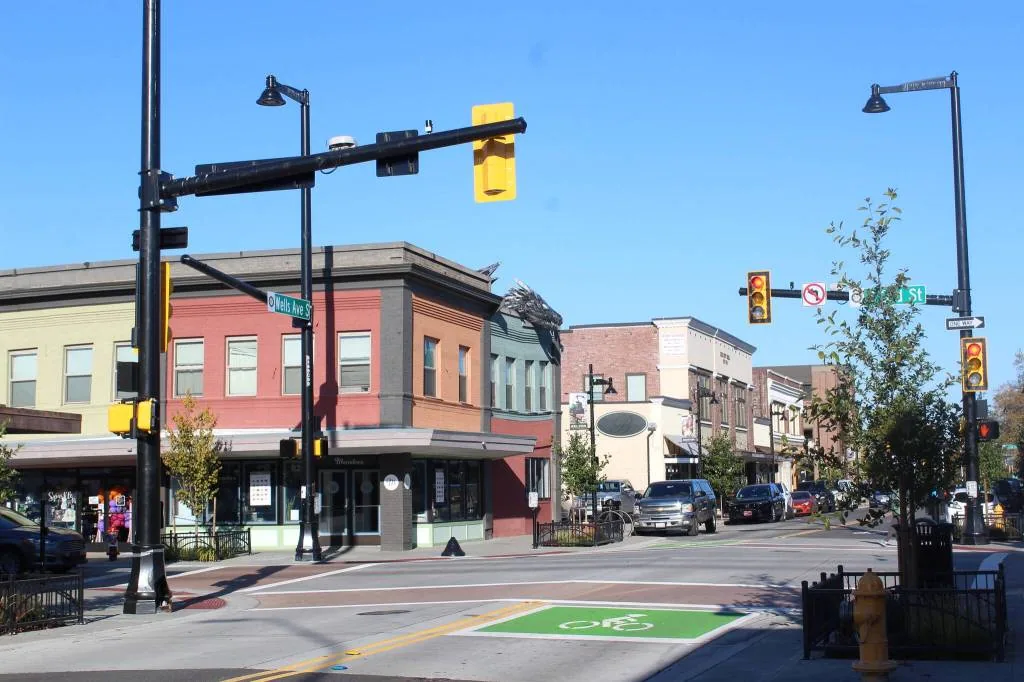
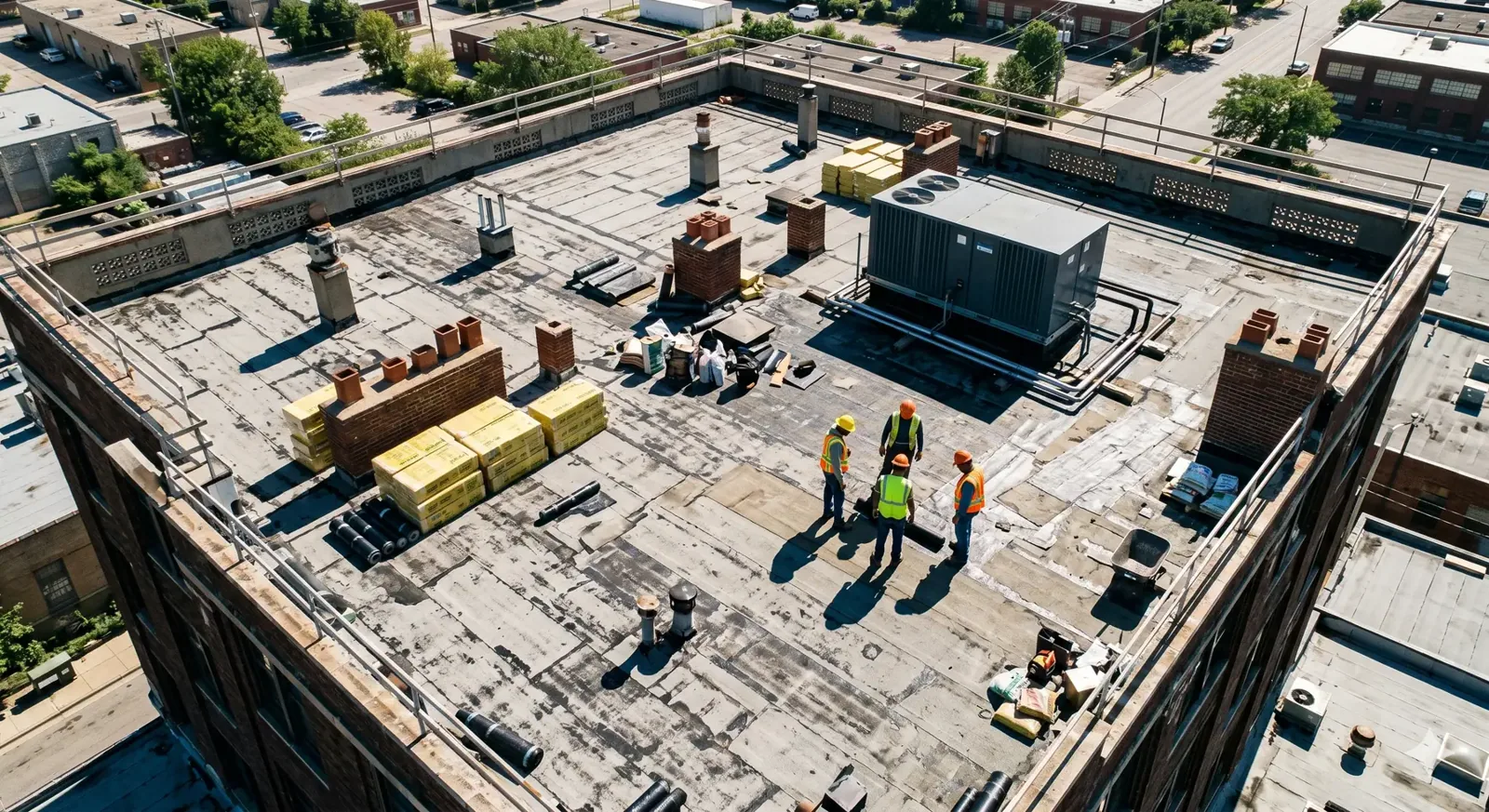
The Renton Valley Subarea includes warehousing, logistics and light manufacturing. Roof access there can cross active receiving lanes, rooftop equipment and work schedules, so we coordinate with the property contact before moving through an affected area. We document visible damage, compare it with the reported symptoms and set a repair line around the confirmed condition. When water is entering, our emergency response is available at any hour, with the immediate goal of limiting exposure and planning the permanent work safely.
First look: make the roof safe to inspect
We begin with the access route and the conditions that could make the roof unsafe. Loose metal, wet membrane, debris, standing water, damaged skylight material or exposed wiring can affect where the team may walk. If weather prevents a safe check, we mark the area for a return visit.
Sea-Tac's 1991-2020 normals show a modest 6.3 inches of mean annual snowfall, enough to make a post-winter walk worth checking for blocked outlets, displaced accessories and stress at visible transitions. For an immediate leak, an emergency roof repair can address active exposure while the full inspection is planned. We keep the temporary protection and permanent repair scopes distinct.
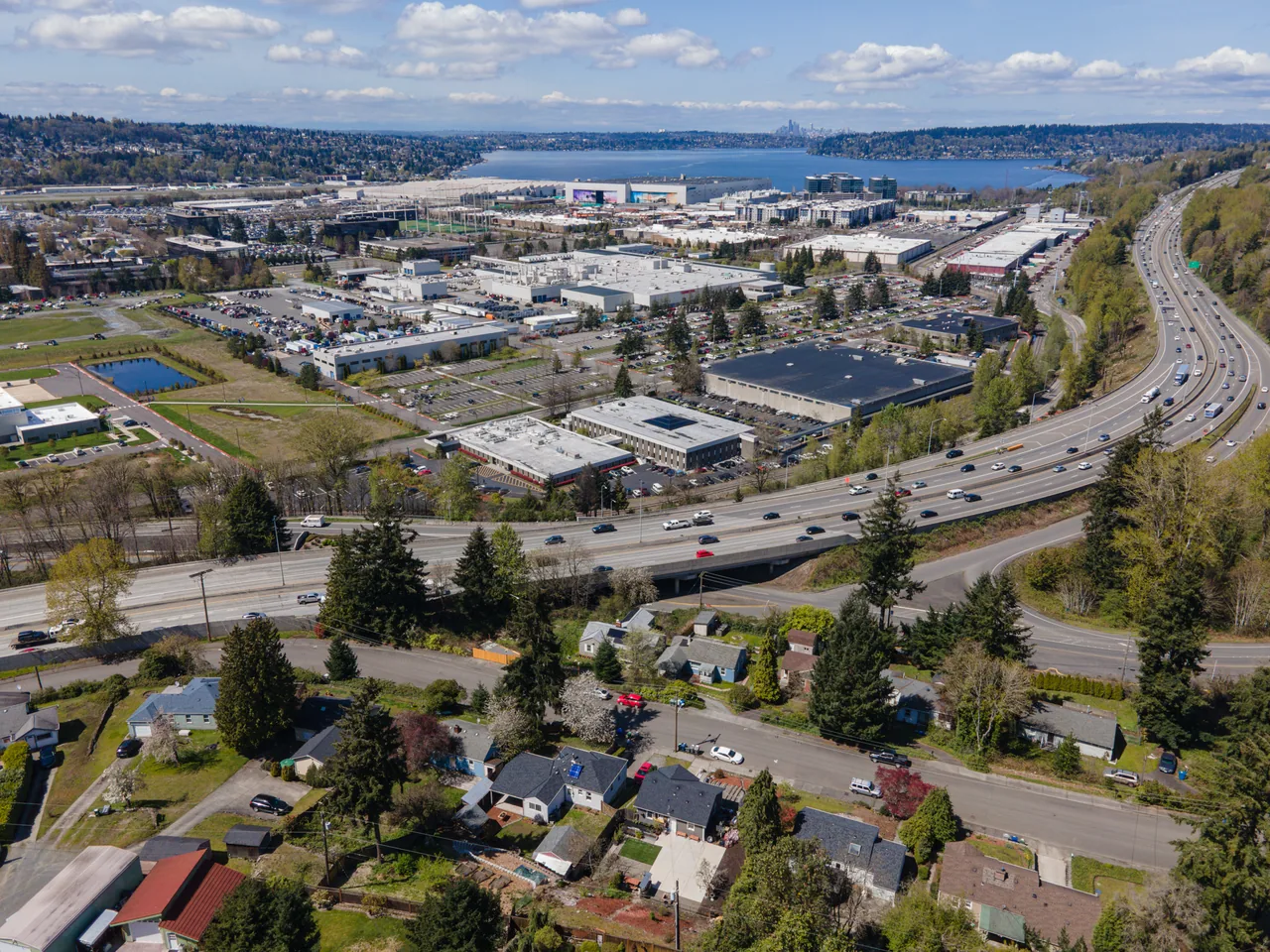
A hands-on inspection records seams, penetrations, drains, curbs and edges around the reported area. If the roof is too large or a section cannot be viewed from a safe route, drone imaging may help orient the next visit. Images can help identify a section for follow-up.
Damage map: separate the event from older wear
A post-storm inspection compares what changed with the roof's known condition. We look for lifted laps, punctures, displaced edge metal, impact marks, detached flashing and debris that obstructs drainage. A repair history, roof plan and photos taken before the event can help locate a new condition, but the current surface decides what can be confirmed. We do not attribute every old patch or worn area to the latest weather.
A Downtown Renton office roof that took the same wind as a Valley warehouse roof can show very different damage, so we inspect the property itself and identify which roof sections were accessible. If water appears at a ceiling joint, leak tracing can compare the interior report with the seams, walls and outlets above it. We mark the likely route and remaining uncertainty.
For a facility in the Renton Valley Subarea, a damaged detail may sit above a receiving or equipment area. We agree on restricted zones and record whether operations limited access. That lets the manager plan a return visit.
Temporary protection: control water while scope is set
When an opening is confirmed, the immediate task is to limit water entry without adding damage or creating an unsafe route. Temporary covering or a localized repair depends on the membrane, wind exposure, drainage and access. We identify what the interim measure protects, what remains exposed and when a permanent repair can be evaluated.
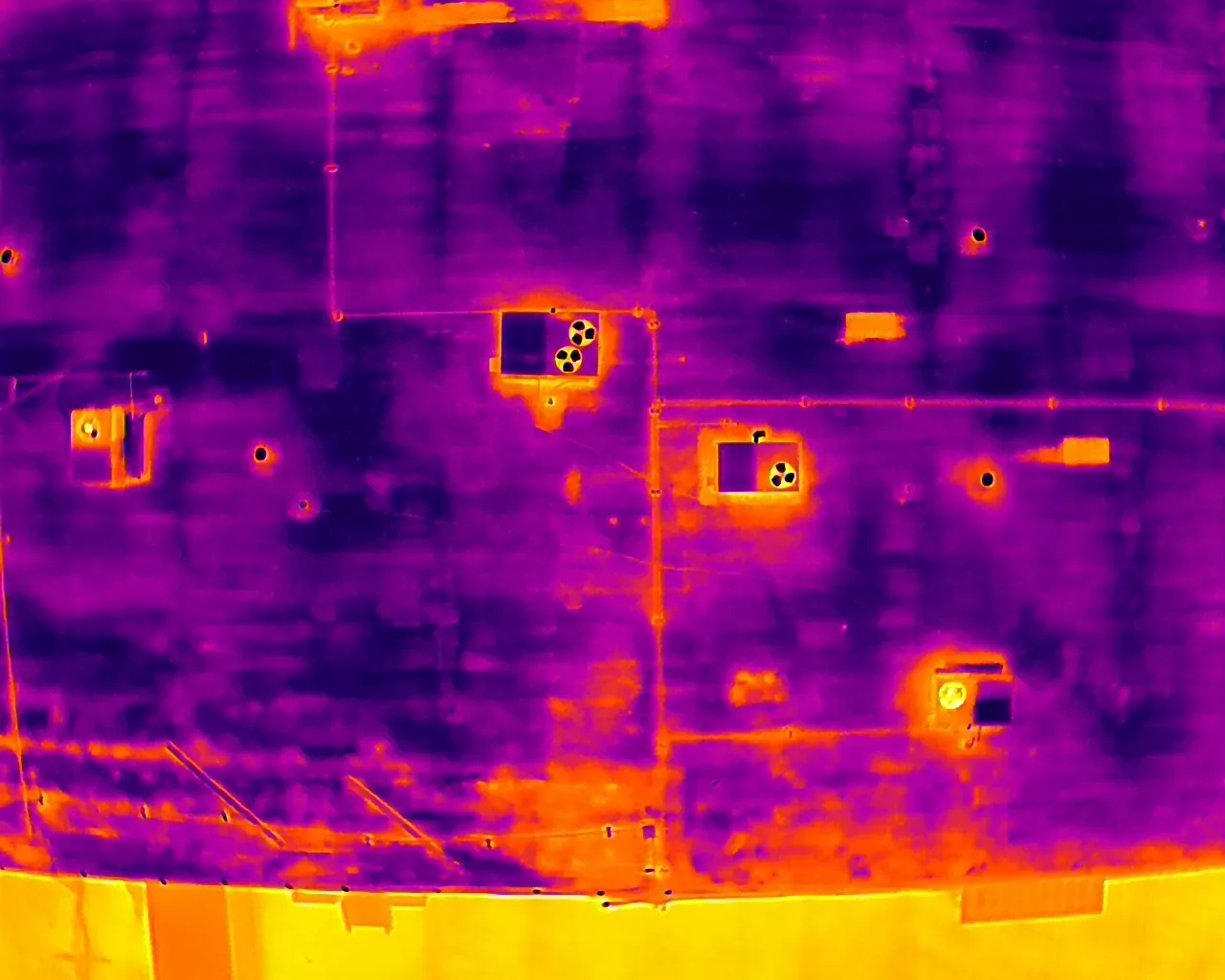
Water can travel below a membrane or along a deck before appearing inside. We compare the reported location with the visible opening and nearby details. If the path is not clear, a focused roof repair assessment can determine whether a patch, seam repair or larger detail replacement is appropriate. Where moisture may extend beyond the visible opening, an infrared survey can help select areas for further checking, but testing is needed to confirm concealed conditions.
Drainage needs attention even when the storm damage is at the perimeter. Debris can block a bowl or scupper and keep water against a repaired seam. A drain and scupper review checks the outlet route and overflow path as part of the repair plan. We record cleaning separately from membrane work.
Repair plan: close the opening and restore the detail
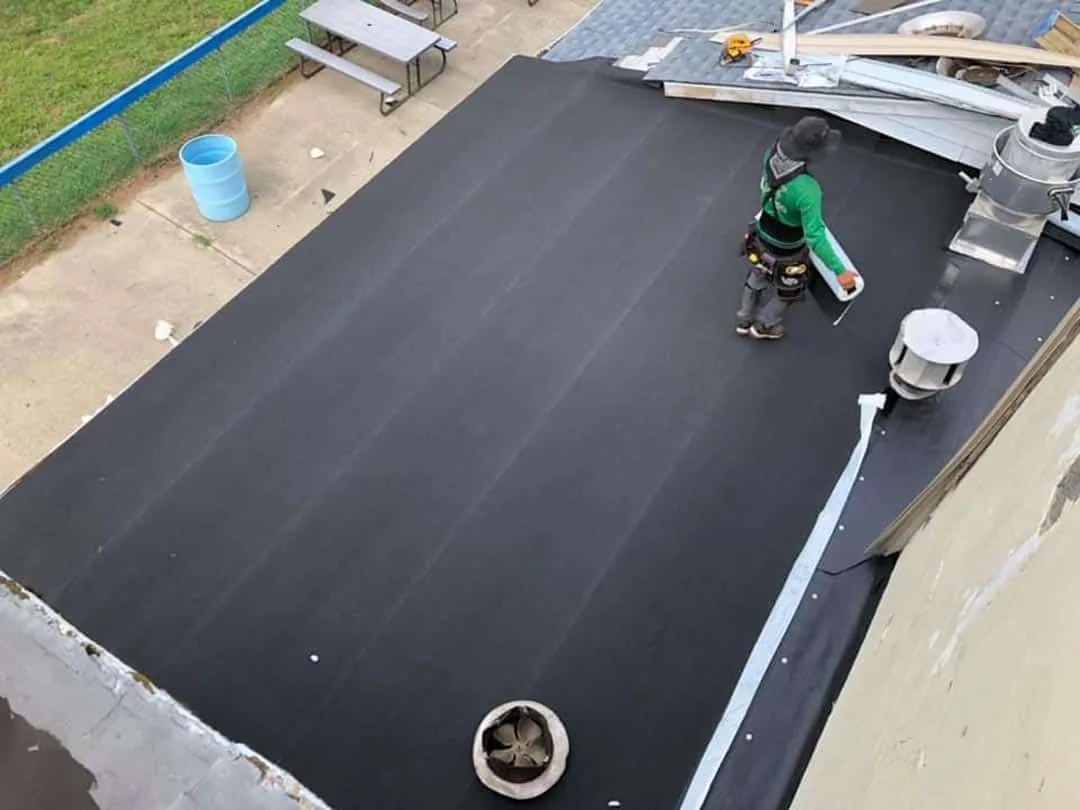
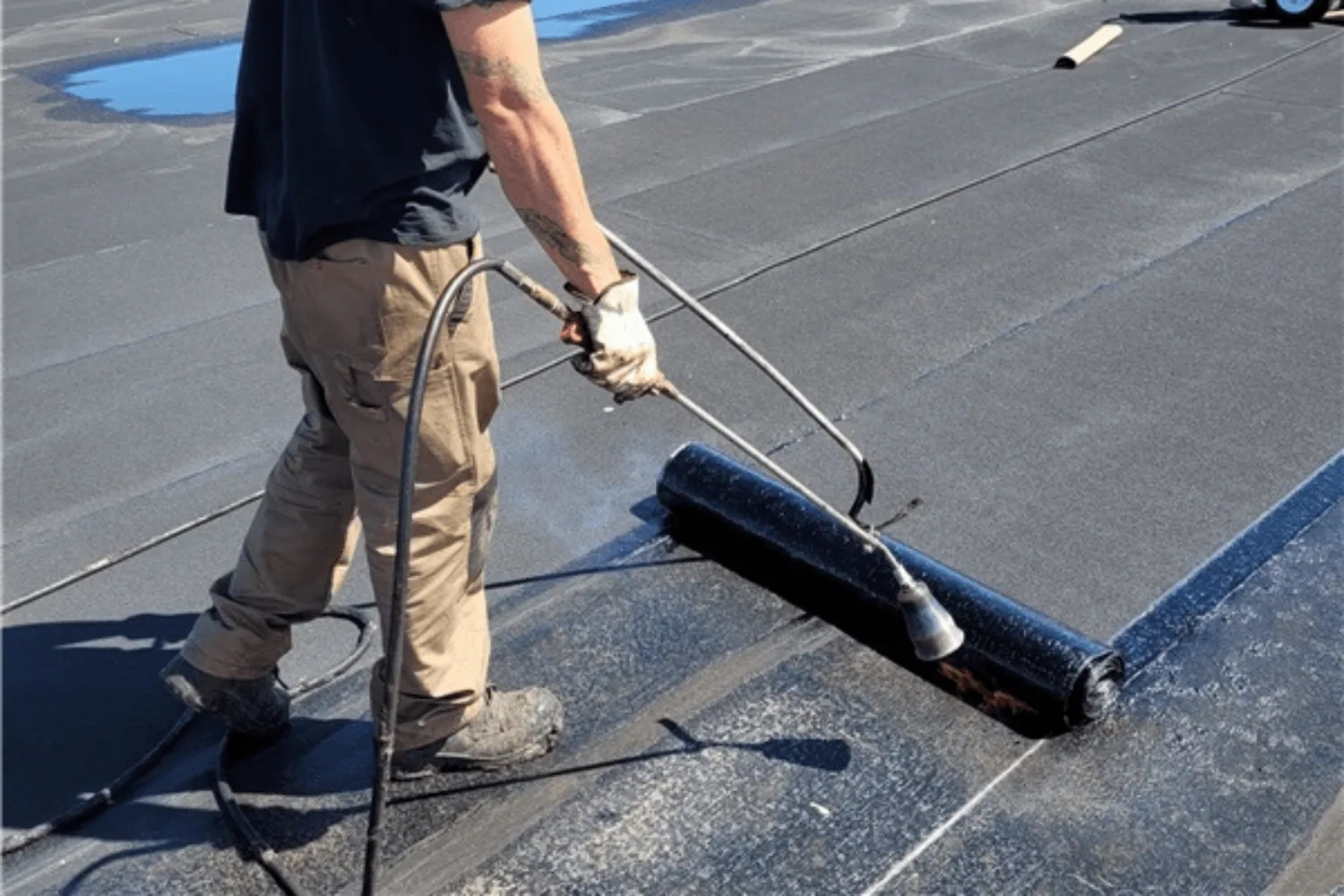
The permanent scope follows the damaged assembly. A membrane puncture may call for compatible patch material and a prepared surface; a loose lap requires attention to the bond and adjacent area; damaged coping or edge metal may need fastening and a corrected transition. We identify removal, preparation, materials and limits before work begins. If insulation or deck condition changes the repair, the owner sees that question before a broader scope is proposed.
In the Renton Valley Subarea, light manufacturing and logistics make access and equipment clearance part of the sequence. We coordinate the approved work area with the property team and keep loading or service routes in view. In Downtown Renton, building entry and rooftop access may need separate coordination. The condition report can connect photos, observations and the repair line for review after the visit.
We sort sections by exposure, water entry and access. If damage is widespread or the assembly has recurring failures, we compare targeted repair with replacement rather than extending a patch beyond the area it can address. The decision reflects the roof evidence and the owner's operating needs.
Closeout: leave a usable record
After the repair, we document the treated area, materials used, conditions that remain and any follow-up that still needs authorization. Photos should let the property contact find the repair without relying on a crew member's memory. We also note temporary measures that need removal or a separate permanent detail.
For property managers working in Downtown Renton, and for operations in the Renton Valley, a clear closeout helps coordinate later maintenance across different access windows. The owner can add the repair to the roof record and monitor nearby seams. The repair does not erase older wear, so those conditions remain separate from the storm work.
Send the Renton address, the time and location of the reported issue, interior photos if available, roof plans and access rules. We will review the affected area, describe any immediate protection and explain what the permanent repair needs. If a larger assembly problem is possible, we identify the inspection needed before discussing a broader project.
Commercial Roofing Questions
What should we do when water is entering after a storm?
Protect affected interior areas if it is safe, keep people away from ceiling materials that may be loose, and report the leak location and access conditions. Our emergency response is available any hour. We inspect the roof when conditions allow and explain what interim protection can address before permanent work is scoped.
Can you tell whether damage came from the latest storm?
A comparison with earlier roof records or photos can help identify a change. We document visible conditions and keep older wear separate from a condition that appears new. Where the history is missing, we describe what the inspection can establish rather than assigning a cause without support.
Will you repair the roof during the first visit?
The first visit may include an appropriate temporary measure when an opening is confirmed and access, weather and materials allow it. A permanent repair depends on the roof system, damage extent and whether the detail is ready for work. We explain what was completed and what remains to be scheduled.
How do you handle a leak that appears far from the damage?
Water can travel along a seam, curb or deck before appearing inside. We compare the reported stain with the roof above it and mark the route that needs checking. If the entry point is not clear, focused leak tracing or additional testing may be needed before selecting the repair.
What records help with a storm-damage assessment?
Earlier roof photos, repair invoices, a roof plan, the time the leak began and interior images help us compare conditions. Include any access limits or current work near the affected area. We will document what we observe and identify any section that could not be inspected.