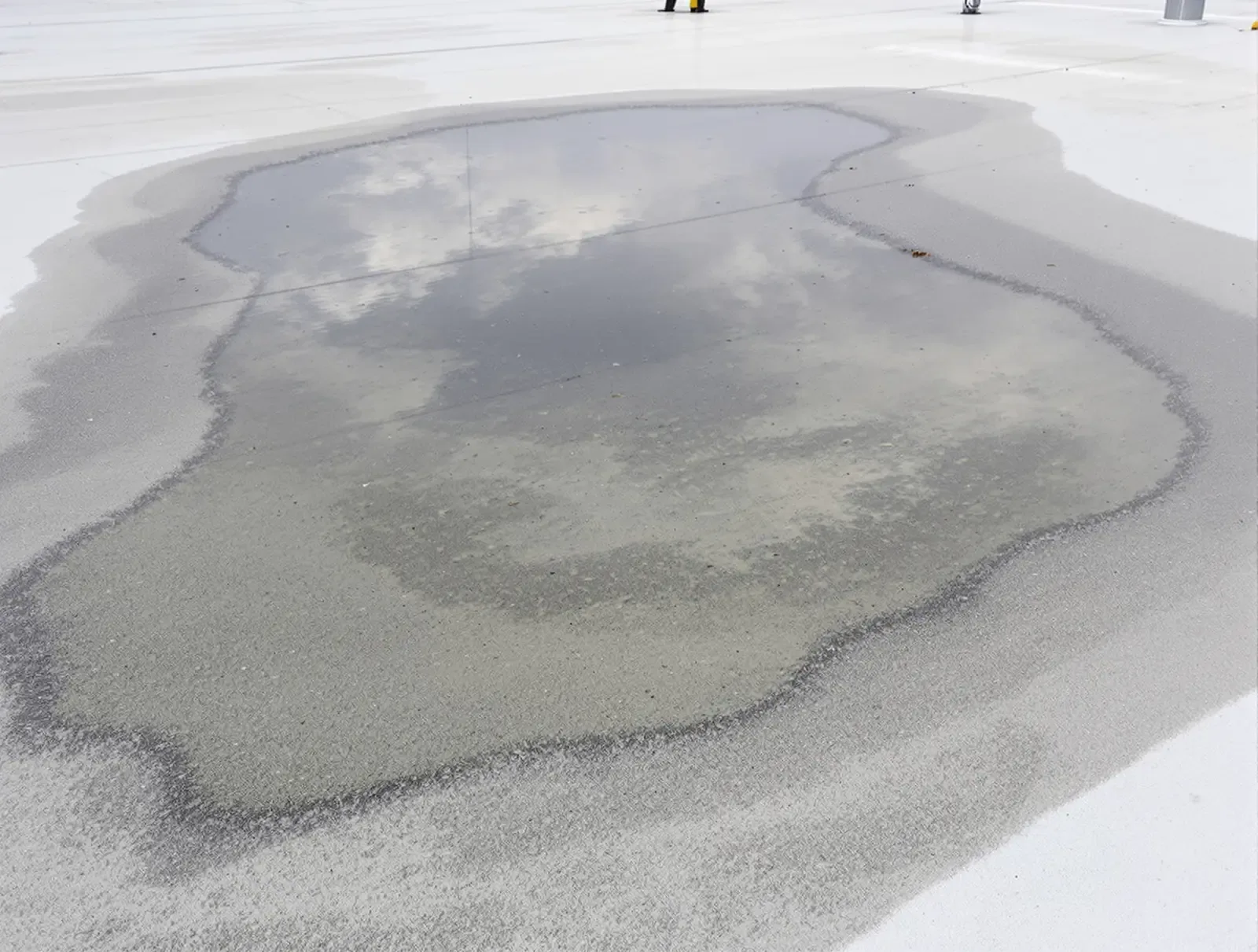
A shallow pool after rain can point to a blocked outlet, a low roof section or movement beneath the membrane. In Renton, WA, we mark where water remains, how it drains and what surrounds the area before choosing a repair. The stain below may be a clue, but the roof surface and drainage path show which condition needs attention. A clear roof record helps the manager distinguish maintenance from a change to the roof geometry.
Bring the roof plan, leak dates and prior repair notes to the walk. We compare them with the low points, outlets, seams and nearby penetrations, then identify any test needed to check insulation or deck condition. A drain and scupper inspection can separate a restricted outlet from water that remains because of slope or surface movement.
Low area: measure where the water remains
Water depth and footprint can change between the end of a storm and the next workday. We note the area, nearby slope breaks, drain distance and whether water has a clear route to an outlet. A photograph with a roof-zone reference makes the observation useful when the manager compares it with an earlier service report. We do not estimate a structural load from a visual depth reading; if the deck or support condition is in question, that needs a qualified review.
Sea-Tac's 1991-2020 normals show a seasonal swing: November averages 6.31 inches of precipitation, December 5.72 and July 0.60. That is a reason to revisit drainage before the wetter part of the year, while field measurements on the roof show where water remains. A roof inspection records the building's actual condition, including whether the pool changed after the outlet was cleared.
Leaves, sediment or roofing debris at a strainer may be a maintenance issue. A sag, separated seam or repeated patch line calls for a closer look at the assembly. Clearing a drain can restore flow where debris caused the hold, but it will not correct a low substrate or damaged membrane. We list each condition separately so the next repair is not wider than the evidence.
Outlet and membrane: check the full drainage route
The route to a roof drain may cross a lap, curb, walkway pad or older repair. We follow that path and inspect the ring, strainer, drain bowl, overflow and adjacent membrane. A blocked opening, loose drain ring and poor slope are different repair items. Where the membrane pulls away or a seam opens beside standing water, we document the transition and whether water may have moved beneath the surface.
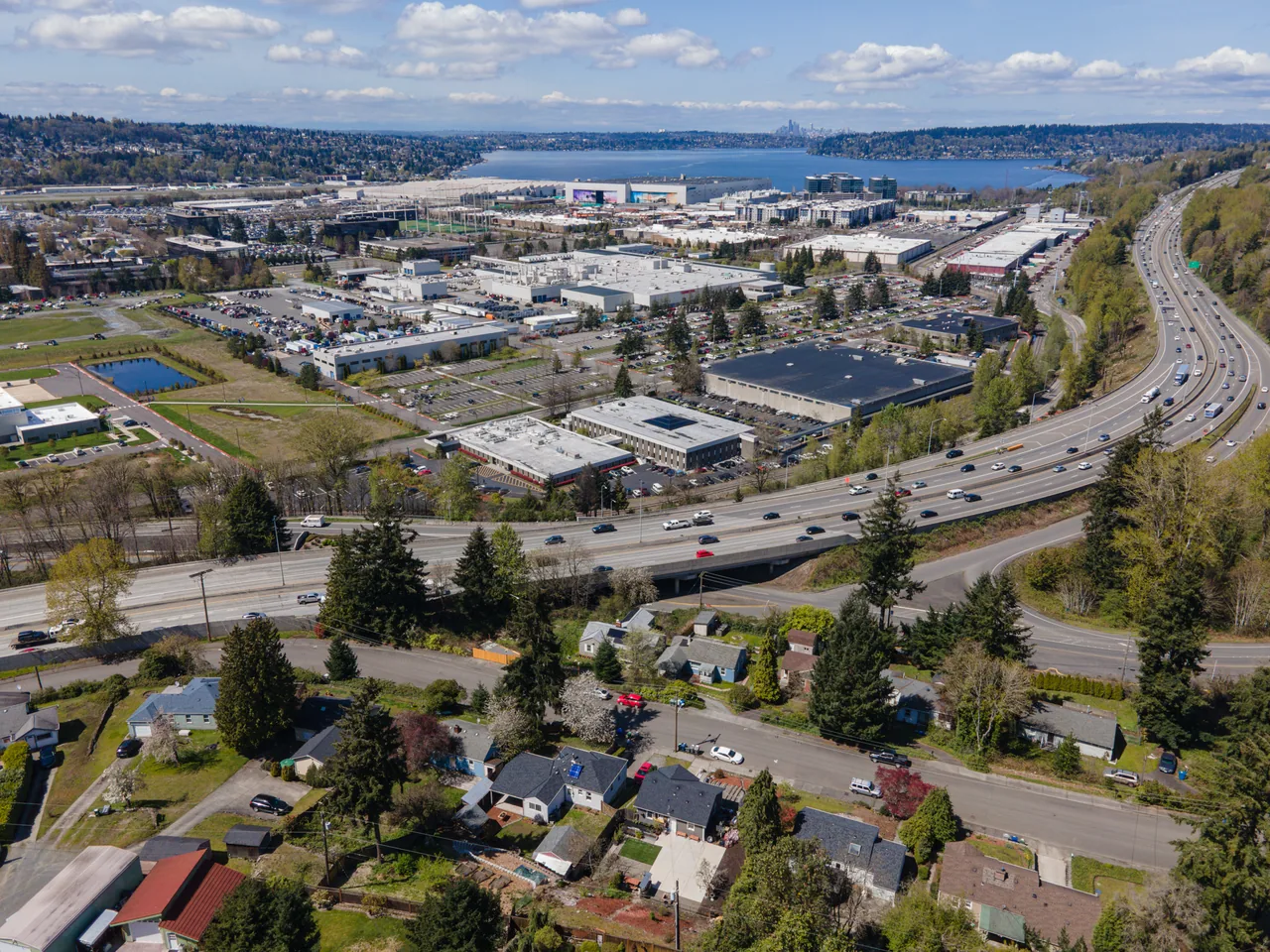
Receiving and service traffic can make access timing matter at a working building in the Renton Valley Subarea, where the city notes a logistics and light-manufacturing role. An assessment there depends on the building's approved route, plans and field findings.
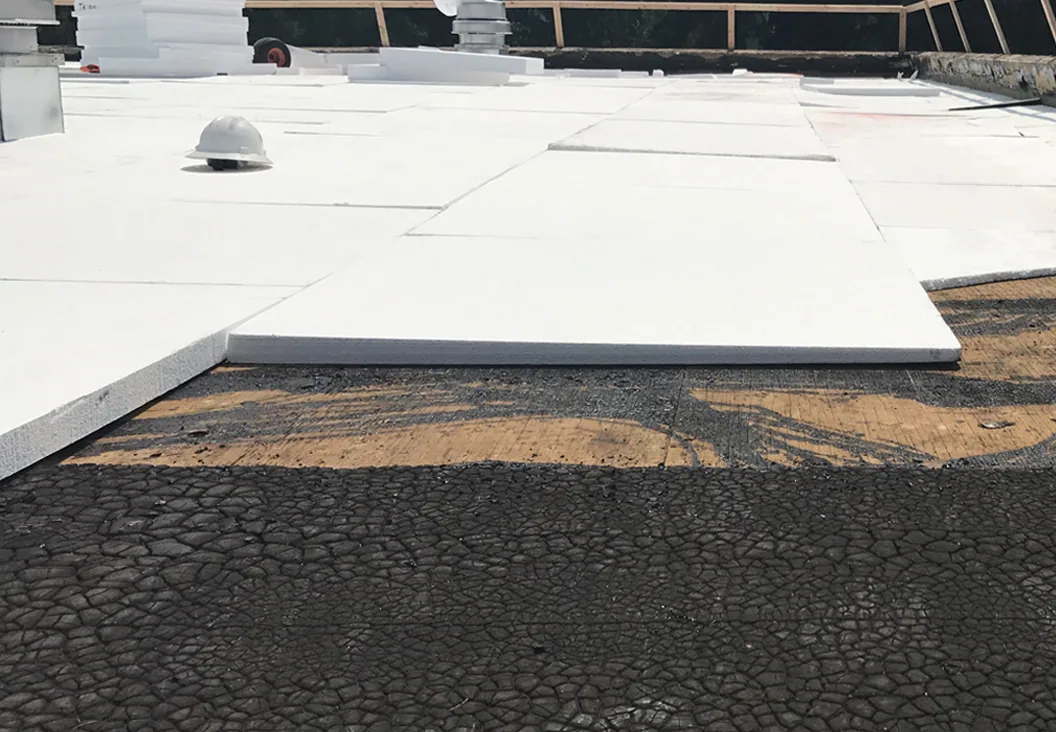
A roof seam failure review can address an open lap near the low area; a roof insulation check may help when wet material could alter the repair boundary. We identify where testing is proposed and what result would change the scope. No surface coating should cover a drainage or moisture problem before the underlying condition is understood.
Roof assembly: match a correction to the installed layers
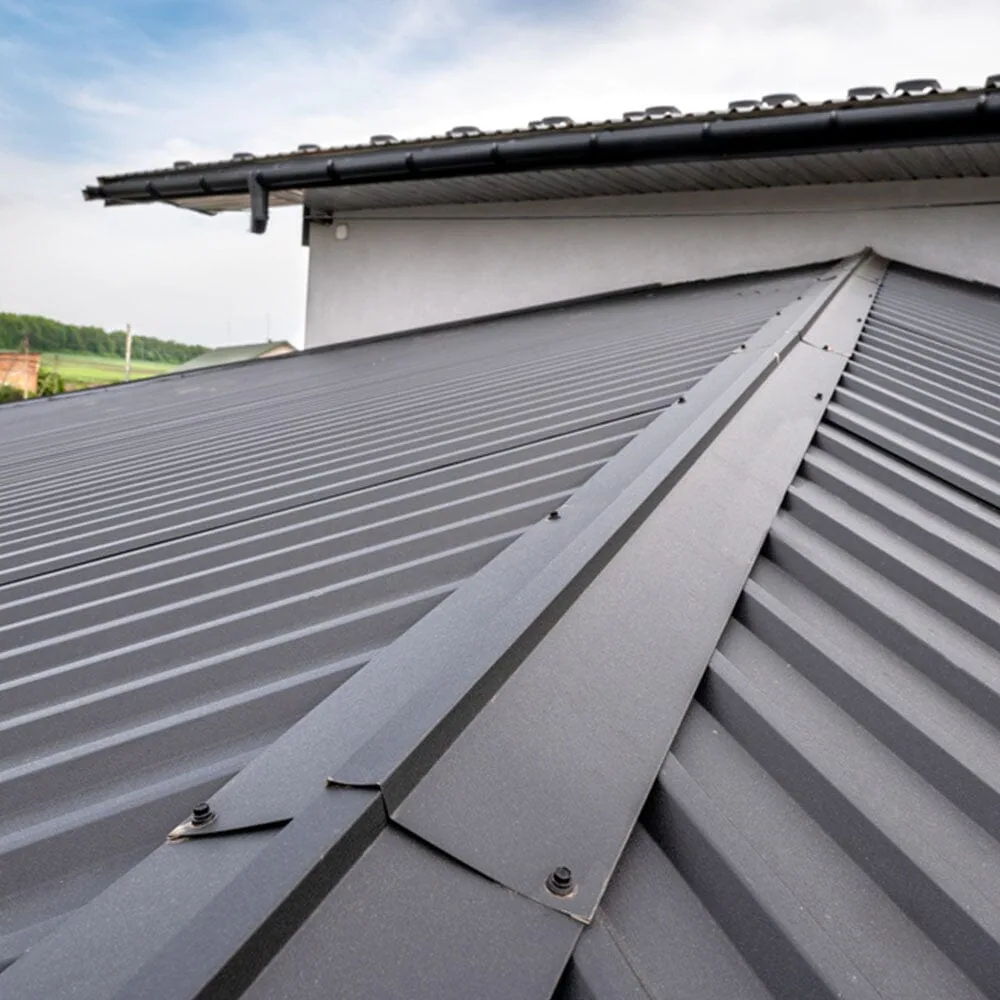
A low-slope roof can include insulation boards, cover board, membrane and earlier recover layers. We check available records and exposed edges to learn what the current surface can support. A built-up roof assessment follows a layered assembly, while a single-ply membrane needs compatible seam and flashing materials. If the system remains uncertain, we identify a safe test area rather than infer the roof from color or age.
For a Downtown Renton roof visit, the plan and the surface provide the evidence, along with the address-specific measurements used to define the repair.
Possible corrections include clearing a path, repairing a drain detail, adding a compatible tapered assembly or addressing an underlying support concern. Each option has different access, tie-in and warranty implications. We explain where the proposed work begins and ends, what remains after the repair and how the owner can check the next rainfall without treating a single dry day as proof of performance.
Access window: plan the inspection around active operations
Roof access may be near loading lanes, mechanical service routes or occupied office and production areas. We agree on ladder placement and roof boundaries with the property contact before the walk. At a warehouse, lift use and receiving activity can affect where a crew stages material; the warehouse roof inspection addresses that type of route. A different property still needs its own approval and safety plan.
If standing water is near electrical equipment or an unstable roof area, the crew marks a safe boundary and limits entry until the condition can be assessed. A manager can arrange any needed trade coordination or interior protection. We record the area that was inspected, the point that remained inaccessible and what follow-up would answer the question. This keeps the repair decision grounded in the roof condition we could reach.
After the walk, the report should separate routine drain clearing, membrane repair and any structural question. A drainage correction may need a return check after rain; a wet insulation concern may call for testing before a larger scope. The owner can schedule those items in a sensible order rather than combine them into one unsupported recommendation.
Repair choice: correct the cause before the surface
A good recommendation names why water stayed, what material or detail needs work and what evidence supports the proposed boundary. If the bowl was clear but the roof remained low, the report should not present drain cleaning as a complete correction. If water moved through an open seam, the scope should identify the repair length and any adjacent insulation or deck check. Photos and measurements help management compare the proposal with the Diligence Notes.
If a storm also displaced an edge, a wind-damage roof review can help distinguish storm movement from a drainage correction. The building's maintenance record, approved access and visible details guide the work. Where a wider project is under consideration, we can describe what a repair resolves and what condition remains for later budgeting.
Send the address, roof plan, drain locations, water reports and previous repair invoices. We will inspect the low area and drainage path, explain which correction fits the observed condition and identify any test required first. That gives the owner a repair line and a practical check after the next wet-season rain.
Commercial Roofing Questions
How long should water remain before we call about ponding?
The report should include when the rain ended and when the roof was checked. We measure and document the observed area, then compare it with drainage and roof slope rather than relying on a single elapsed-time rule.
Will cleaning a drain correct a low roof area?
Cleaning can restore flow if debris is restricting the outlet. If water still collects because of slope, deck movement or a damaged surface, that condition needs its own evaluation.
Can ponding water mean the deck is unsafe?
A surface observation does not establish structural capacity. We note the condition and recommend a qualified structural review when movement or support concerns are present.
Should a coating be applied over a ponding area?
Not until the drainage, moisture and existing layers are checked. A coating may not correct a low area or wet insulation, and the assembly has to support the proposed system.
What helps compare a roof repair with a larger correction?
A marked roof plan, water-depth observations, repair history and photos show what the smaller scope addresses. We identify remaining low areas or tests so management can compare the alternatives on the same record.