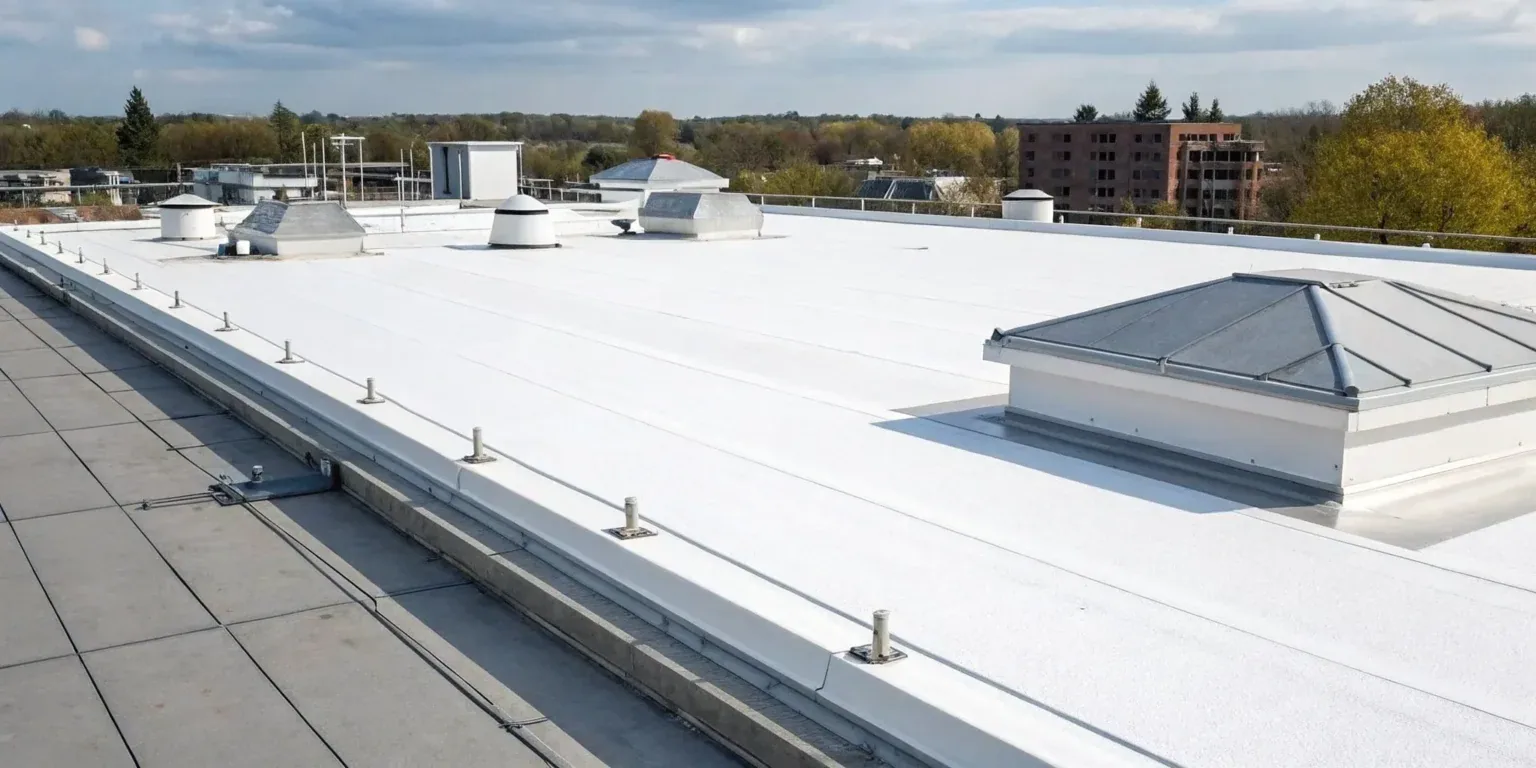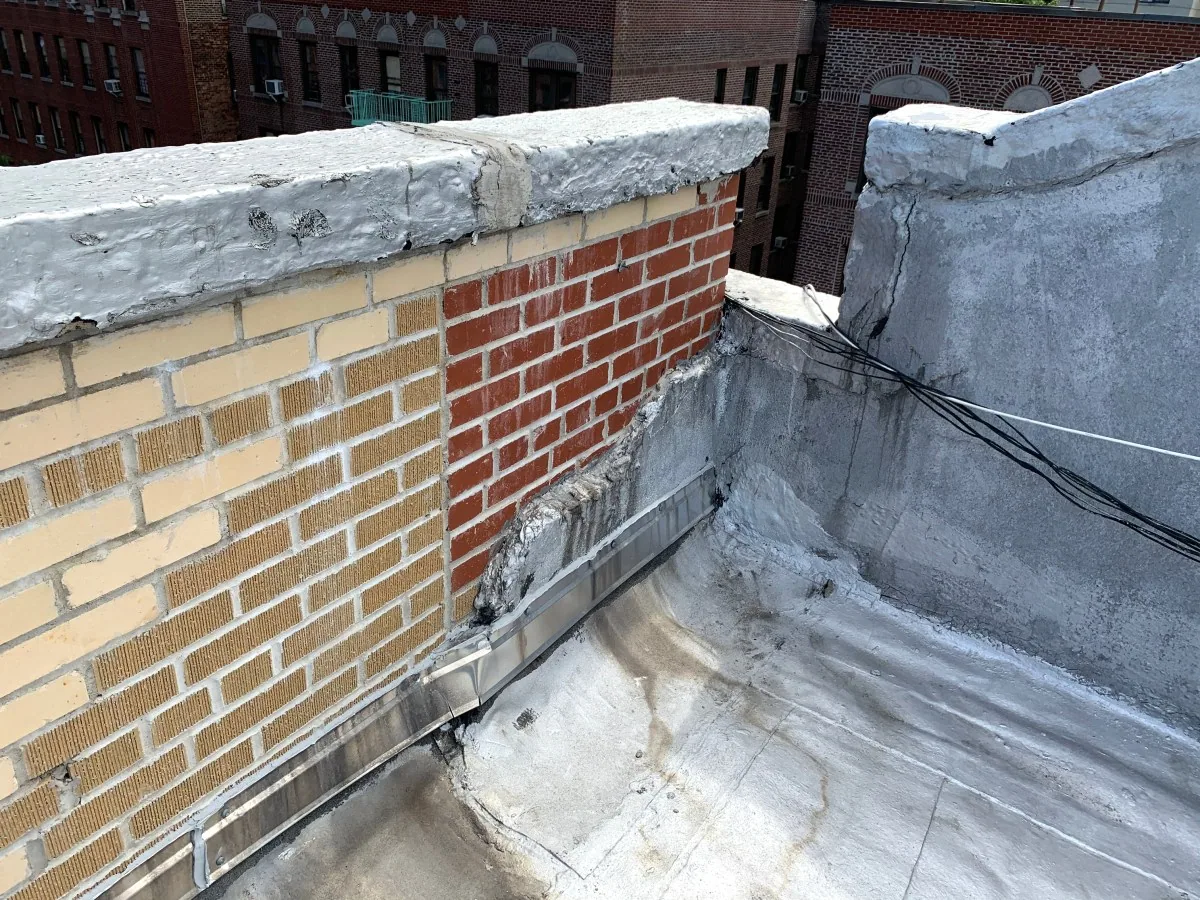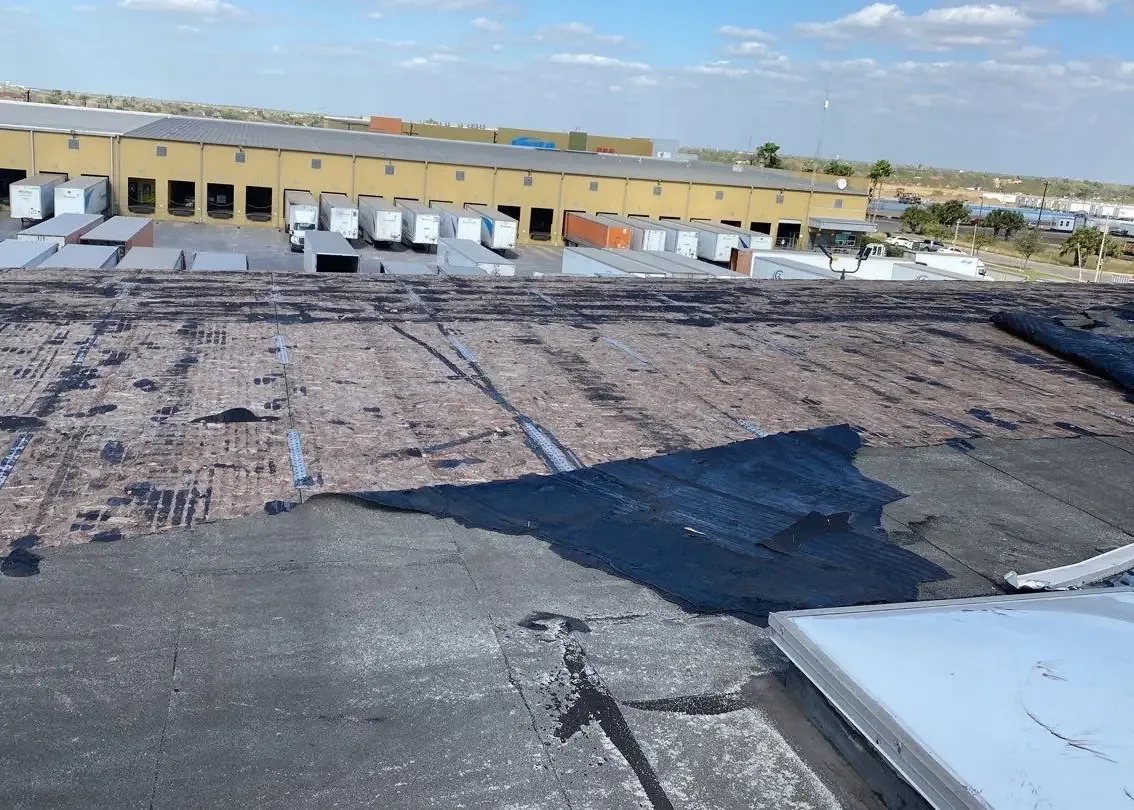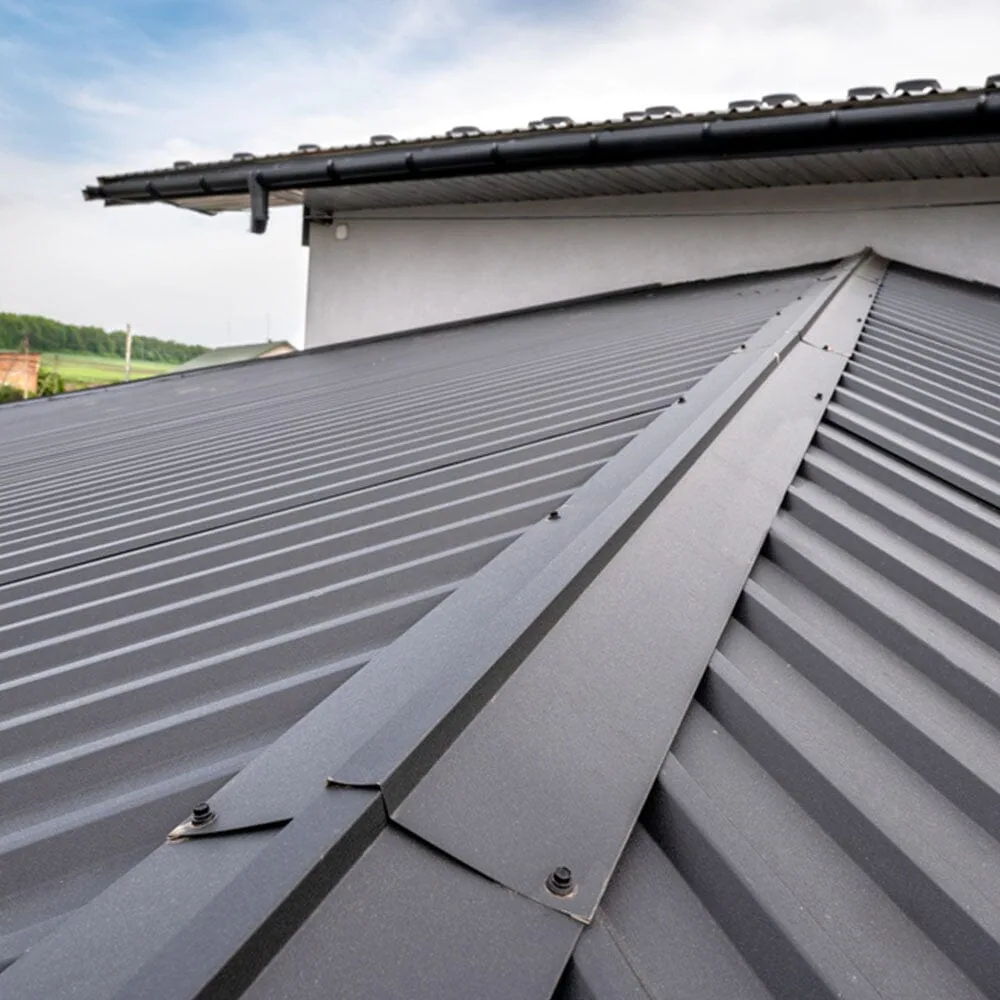
An open roof seam can admit water at a lap even when the surrounding membrane appears secure. The first step is to identify the seam type, measure the affected length and inspect where the separation begins and ends. In Renton, WA, we compare the roof condition with leak dates and earlier repairs, then record what can be confirmed before proposing work. A stain below is a clue, not a map of the entire seam.

Bring the roof plan and any prior repair record to the visit. A commercial roof inspection can document the failed lap, nearby details and drainage conditions so the proposal addresses the seam and any separate cause found around it.
Lap inspection: mark the separation and its limits
Inspect the seam from its visible start through the point where it appears sound. Record the length, direction, surface contamination, wrinkle or movement, and whether the edge can be lifted without tearing the membrane. If the roof is mechanically attached, adhered or heat-welded, note the connection method rather than assuming all laps respond to the same repair. A marked diagram and close photographs help define the scope and preserve a baseline for later checks.
Do not bridge an open seam with an untested coating or bead of sealant. The repair has to bond or weld to a prepared surface that remains compatible with the roof material. Loose or contaminated edges may need to be removed back to sound material, and a long separation may need additional review before the repair boundary is set. A membrane puncture repair check is useful when a separate hole is visible nearby; that opening should be documented apart from the seam.
Seams also fail where water sits on them. A lap under a pond sees more ultraviolet exposure at its edges, more debris and more temperature movement than a lap on a draining slope, so the first question is whether the failed seam is on a low route. If it is, the seam repair and the slope or outlet correction are priced as two items, because fixing only the seam sends the next leak to the next weak lap.
When an older repair sits over the seam, note the patch edges and material condition before disturbing it. A surface patch may conceal whether the original lap is still open or whether separation has shifted beyond its edge. Photograph each layer that must be removed and confirm the repair boundary only after the exposed material is clean enough to evaluate. If a test opening is needed, record its location and restoration plan before making the cut.
Water path: compare the lap with the leak timing
Ask when water appeared, how long it continued and whether the interior location changed between events. At the roof, compare the report with lap direction, slope, drains, penetrations and deck layout. A roof seam may be the entry point while water travels before reaching the ceiling. We record the route that fits the observations and note where concealed layers prevent confirmation.
Sea-Tac's 1991-2020 normals average 6.3 inches of snow a year, a modest regional figure that makes a cold snap a possible but unproven cause when a seam opens in January. The inspection still has to decide whether the separation relates to movement, material condition, workmanship history or something else.
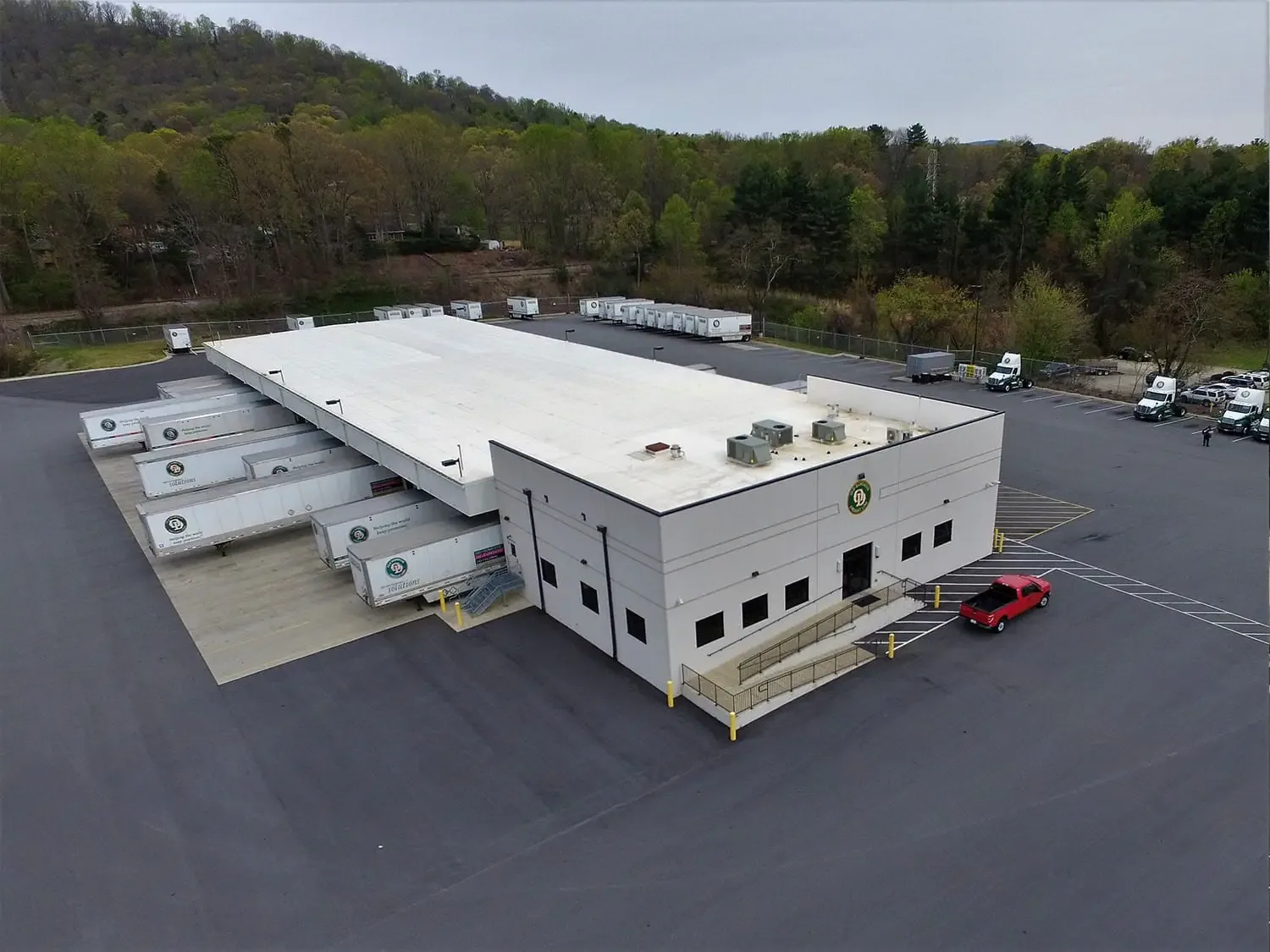
When a seam runs near a loading area in the Renton Valley Subarea, note delivery hours, delivery lanes and equipment routes before staging the crew. The roof plan and the observed assembly control the repair.
Adjacent details: inspect transitions without widening the claim
Check the nearby drain, curb, wall termination and flashing to see whether a separate defect could contribute water to the same area. Keep each condition on its own roof-plan mark. If a lap approaches a curb, inspect the flashing connection; the commercial flashing failure review can cover an open transition independently. If storm movement affected a broader area, a wind-damage roof inspection can record displaced perimeter details without blending them into the seam scope.
Identify the roof system before choosing a patch. Thermoplastic membrane, EPDM, modified bitumen and coated assemblies use different preparation and joining methods. On a modified-bitumen roof, check the cap sheet condition, lap direction and prior overlays before specifying a torch-applied or adhered detail. On a modified-bitumen roof, field conditions decide whether the assembly can be repaired as proposed.
Where moisture is suspected below the seam, define the test area and access method before removing material. The report should state what is confirmed, what needs testing and what remains concealed.
Access window: coordinate the roof work with building use
Before mobilization, agree on ladder or hatch access, escorts, roof restrictions and a clear work area. Keep other trades away from the open seam while it is being prepared and repaired. If equipment must remain in operation, confirm clearances and who can authorize temporary shutdowns. A closeout that records accessible and inaccessible areas helps the owner understand the limits of the inspection.
For a Downtown Renton visit, coordinate with the property contact about the actual entry route and occupied rooms, and keep measurements, photographs and repair observations tied to the building.
Repair record: state the method and acceptance check
The repair proposal should name the seam, the measured length, the preparation required and the material connection to be used. Note whether the edge will be cleaned, trimmed, re-welded, covered with a compatible strip or replaced to sound material. The method must follow the roof manufacturer and the installed assembly; when records are missing, identify the verification needed before work proceeds.
After repair, photograph the completed lap, record the repaired dimensions and document any follow-up inspection. If water was present, note whether the interior area was checked and whether moisture testing remains open. A ponding-water repair review can be scoped separately if a low area continues to collect water, and drain and scupper service can address a restricted outlet. The closeout should not imply that the drain, deck or entire roof was repaired unless that work was included and verified.
Send the address, a roof plan if you have one, when water appeared, earlier patch records and who controls roof access. The approved area gets inspected, the open lap measured and any testing needed before the scope is final named.
Commercial Roofing Questions
Can an open seam be repaired without replacing the entire roof?
It may be locally repairable if the surrounding membrane and substrate are suitable and the repair method matches the installed system. The inspection records adjacent conditions and any limits before comparing a seam repair with broader work.
How do you confirm the full seam length that has failed?
The crew follows the separation until the edge appears sound, records the measured length and checks whether the lap can be examined safely. Hidden or wet layers may require a defined test area before the boundary is confirmed.
Can coating be applied over a failed seam?
A coating alone should not be assumed to restore an open lap. The surface must be prepared and the repair detail must reconnect the roof material using a compatible method. The scope should state how the completed seam will be checked.
What should we provide before a Renton seam repair visit?
Provide the address, roof plan, leak dates, earlier repair records and access requirements. Tell the crew about roof restrictions, occupied areas, equipment and delivery schedules that affect safe access.
Does a leak below a seam prove that the seam is the only defect?
No. Water may travel and other openings can be nearby. The report should distinguish the observed seam condition from other possible sources and describe what additional inspection or testing would confirm.