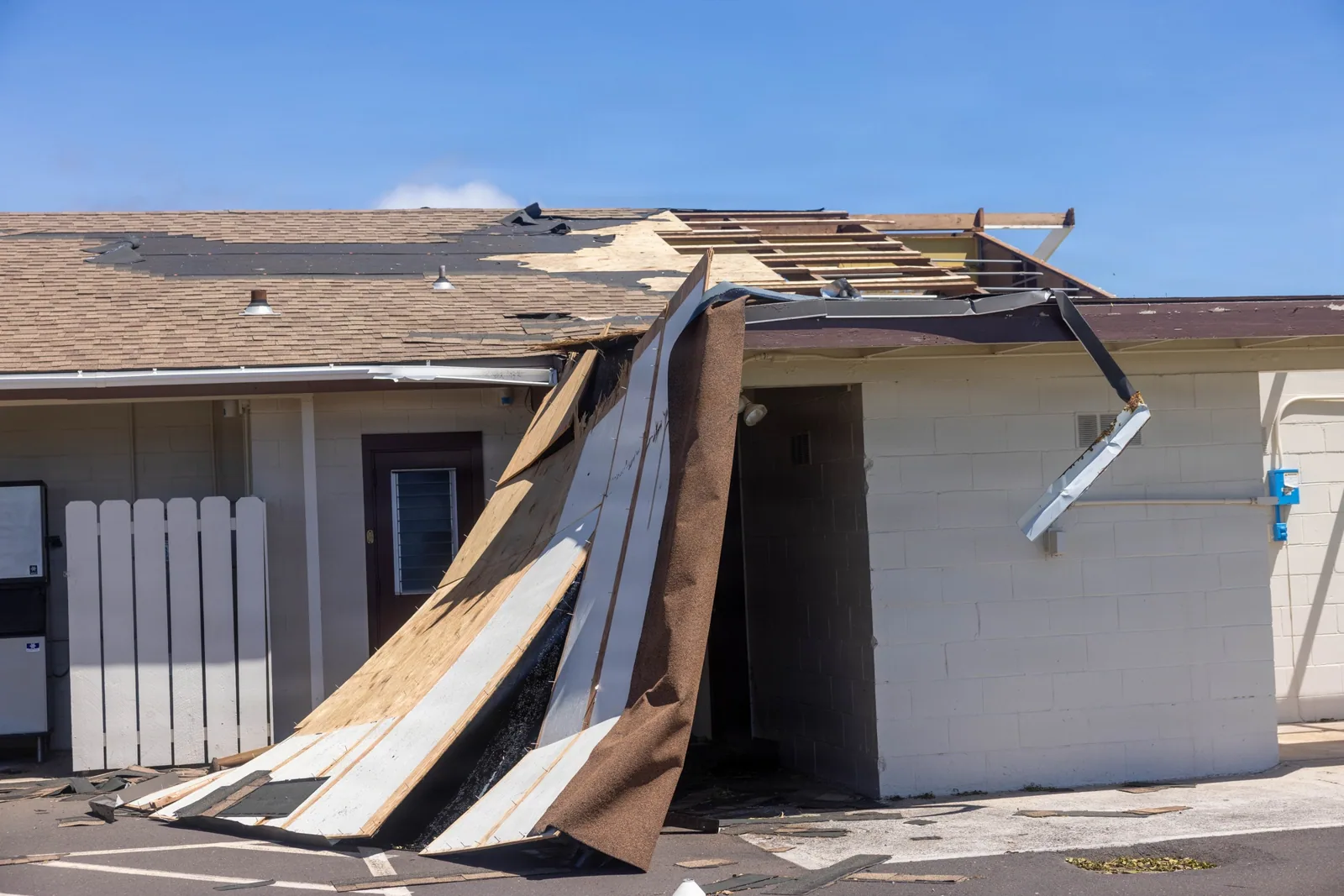
A lifted metal corner or loose membrane lap can tell more than a wide view of the roof after a wind event. In Renton, WA, we begin at the reported edge, curb or seam, then follow the attachment and water path into the surrounding roof field. The first visit separates visible movement from damage that needs a test or closer access. That gives the facilities contact a repair line tied to what the roof shows, not a broad replacement assumption.
Keep the date, weather report, photos from the ground and any active leak notes together. The roof plan helps locate the affected zone, while a field walk confirms whether the fasteners, perimeter, flashing and membrane are still secure. A storm damage roof assessment can document that first condition and identify what should be stabilized before a permanent repair is priced.
Edge metal: check the perimeter before the field
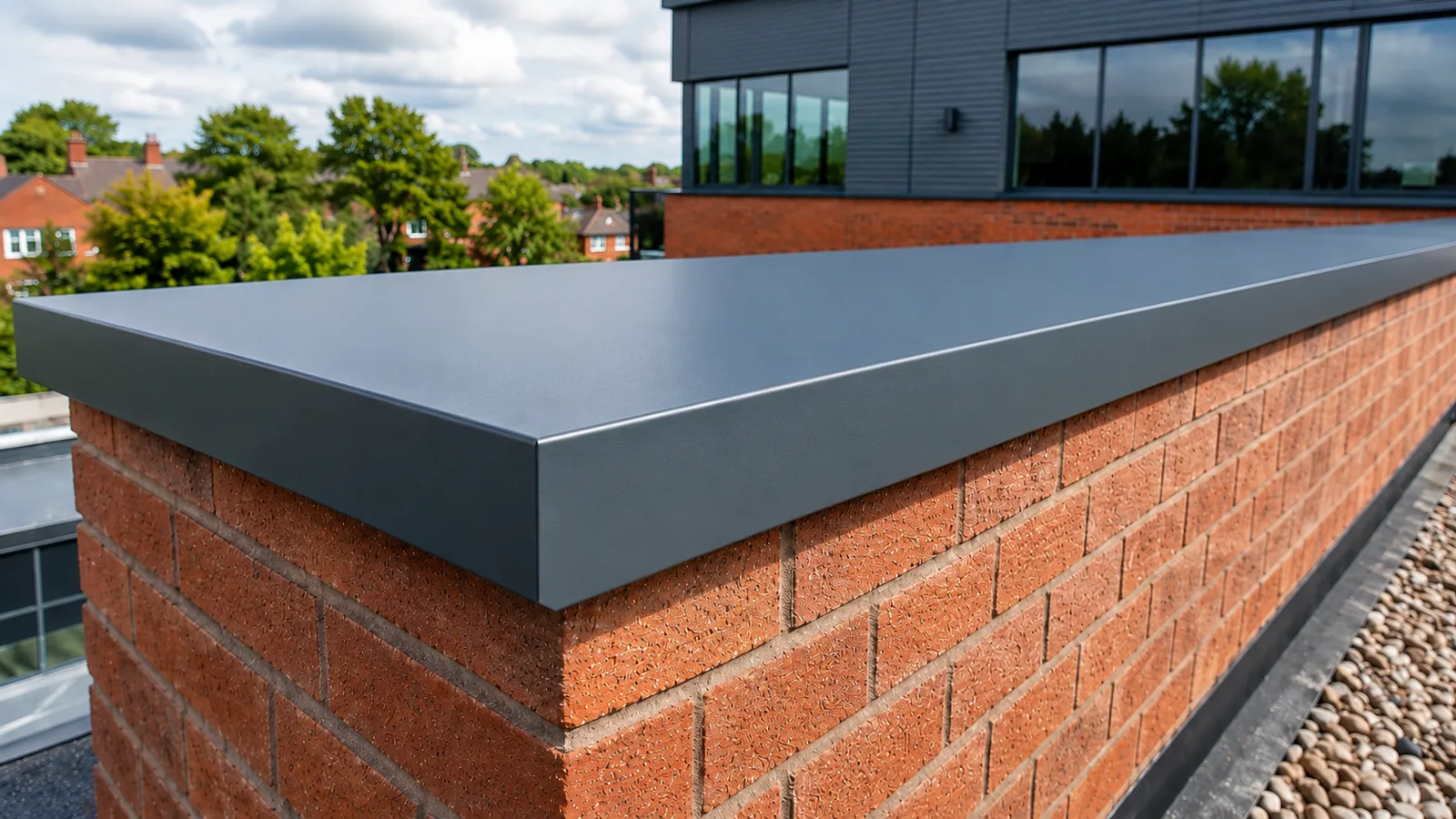
Wind pressure can act differently at corners, parapets, canopies and changes in roof height. We look for displaced coping, loose fascia, open seams, lifted flashing and fasteners that have pulled through their substrate. A metal edge that shifted may have exposed the membrane below, so the repair needs to include the connected layers rather than a bead of sealant at the visible gap. Photos should show both the defect and enough roof context to find it later.
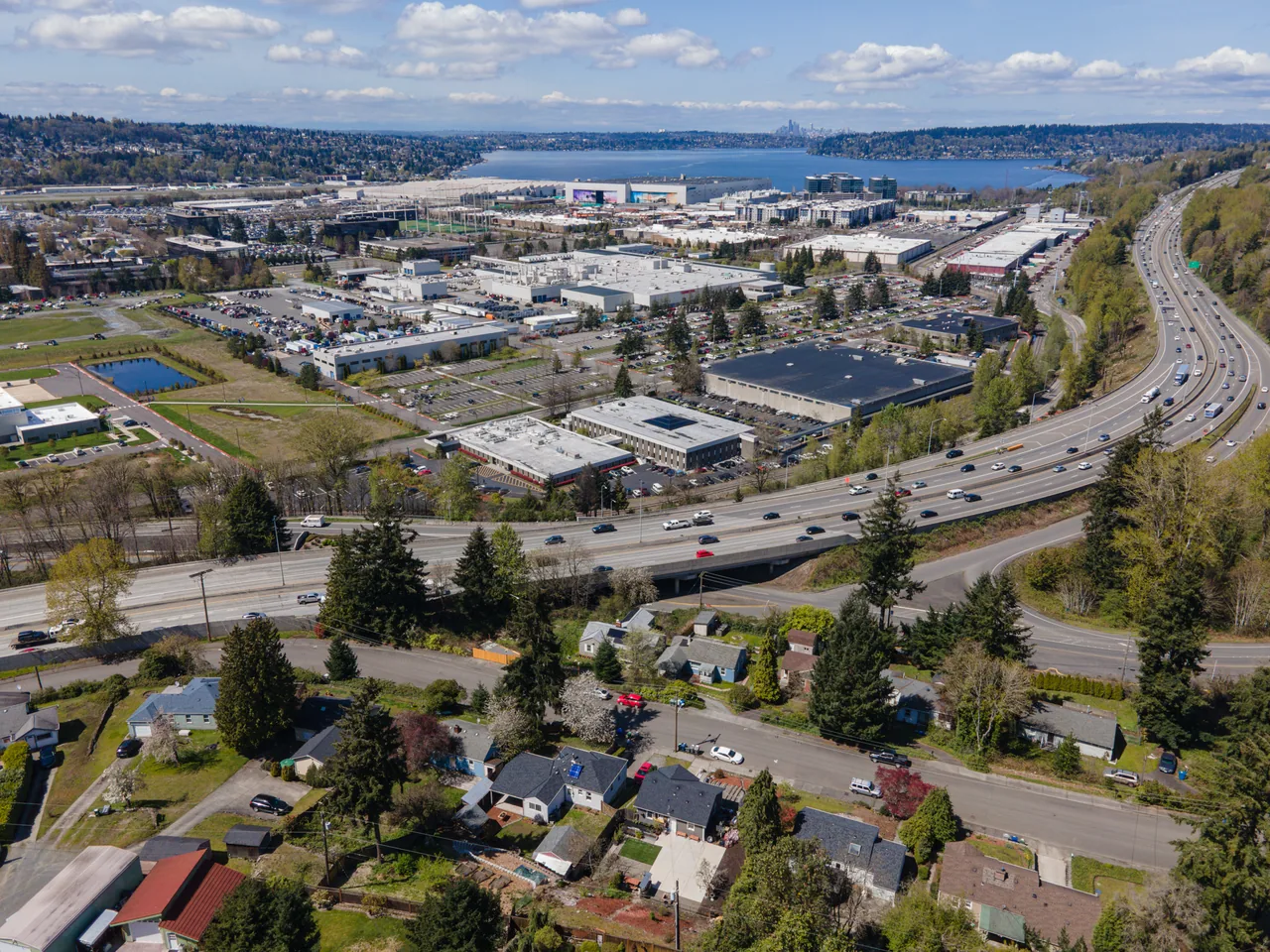
At a working property in the Renton Valley Subarea, where logistics and light manufacturing are longstanding uses, we time the inspection around receiving and service traffic and take the roof plan and approval contact from the property.
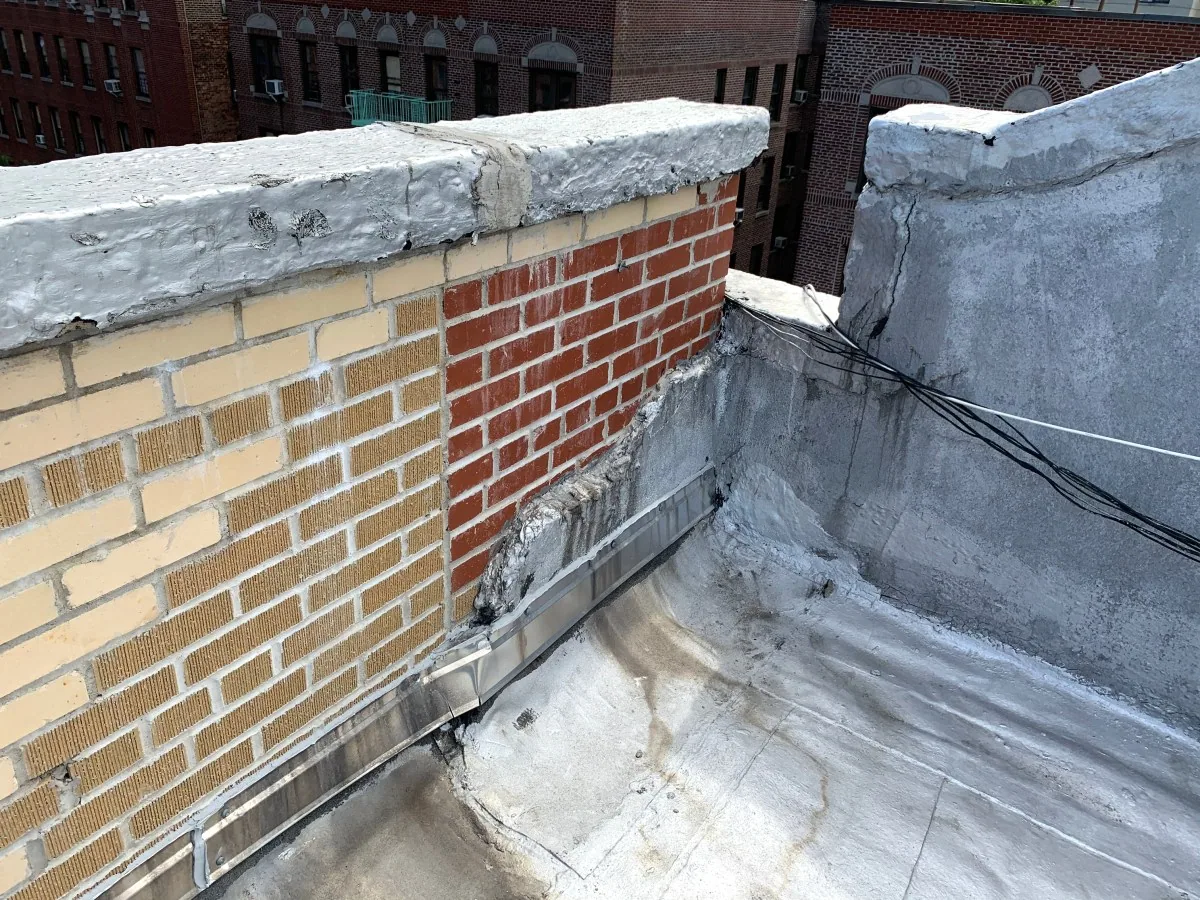
If a perimeter section is loose, we record the roof zone, attachment condition and any adjacent deck or insulation concern. A edge metal and coping inspection helps distinguish a displaced component from a roof-field seam problem. When evidence points to an open wall transition, a flashing failure repair review can scope that detail separately.
Water path: connect the opening to the leak report
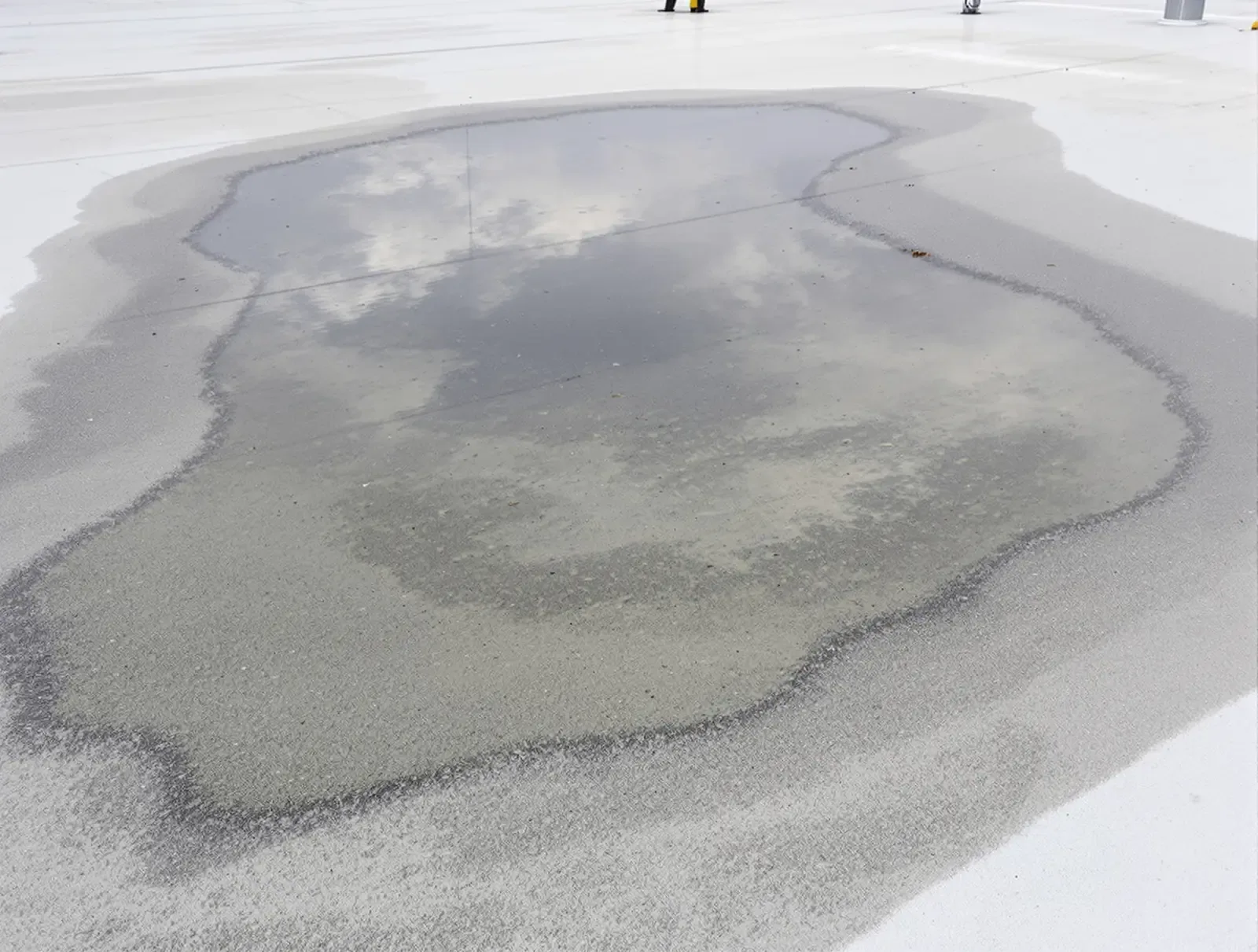
Rain can enter at a torn lap, move across the deck and appear well away from the original opening. We compare the reported ceiling area with roof slope, drains, curbs and seams along the route. A clogged outlet and an opened seam are different findings, even when both leave water indoors. The ponding-water repair assessment can document a low area or restricted outlet when standing water is part of the report.
Sea-Tac's 1991-2020 record shows November at 6.31 inches of precipitation, December at 5.72 and July at 0.60, a swing that argues for checking a storm-lifted edge before the wet months rather than after them. A repair made in a drier stretch should be checked against its actual condition as the wet season returns. We note whether the roof was wet during inspection, whether the opening was visible and what remained unverified.
Do not treat a dry ceiling on inspection day as proof that the roof is closed. The work order should say which perimeter, seam or penetration was repaired, what material was used and whether the surrounding surface was tested. If insulation or deck condition could change the repair boundary, we identify the proposed inspection area before expanding the scope.
Roof assembly: verify what moved and what stayed put
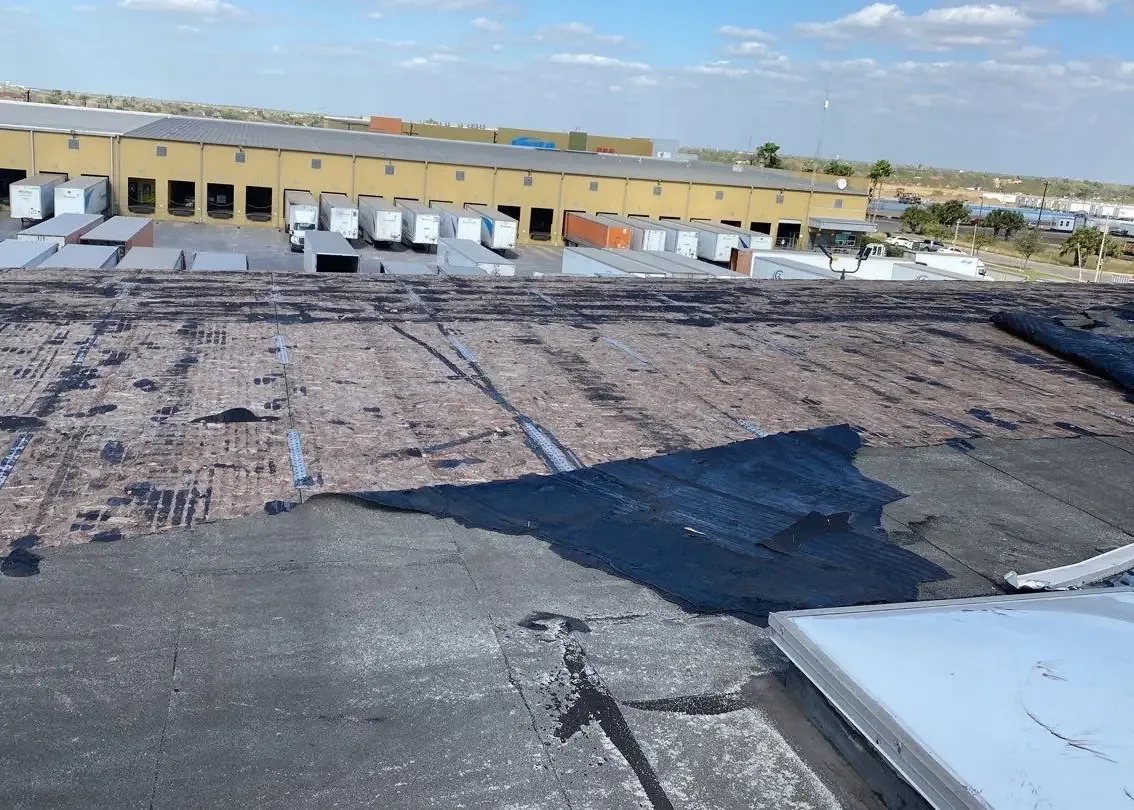
A membrane wrinkle can be cosmetic, or it can mark movement that opened a lap or disturbed attachment. We check seams, plate or fastener patterns where exposed, curb flashing, pipe supports and transitions to older roof sections. The assembly matters: a TPO seam inspection looks at weld continuity and compatible patching, while metal or built-up surfaces require different repair details. We use plans and exposed edges rather than naming a system from color alone.
For a Downtown Renton inspection, building records and the field condition settle the scope. If the roof has several additions, we map which assembly lies beside the affected edge so a repair does not bridge incompatible materials.
Where a section has pulled back or water may have reached insulation, we explain whether a test opening, moisture survey or temporary protection is needed. A moisture survey may help identify areas for follow-up, but its limits and any confirmatory work should be stated in the report. The owner can then compare repair options with evidence from the roof.
Access window: keep operations clear during stabilization
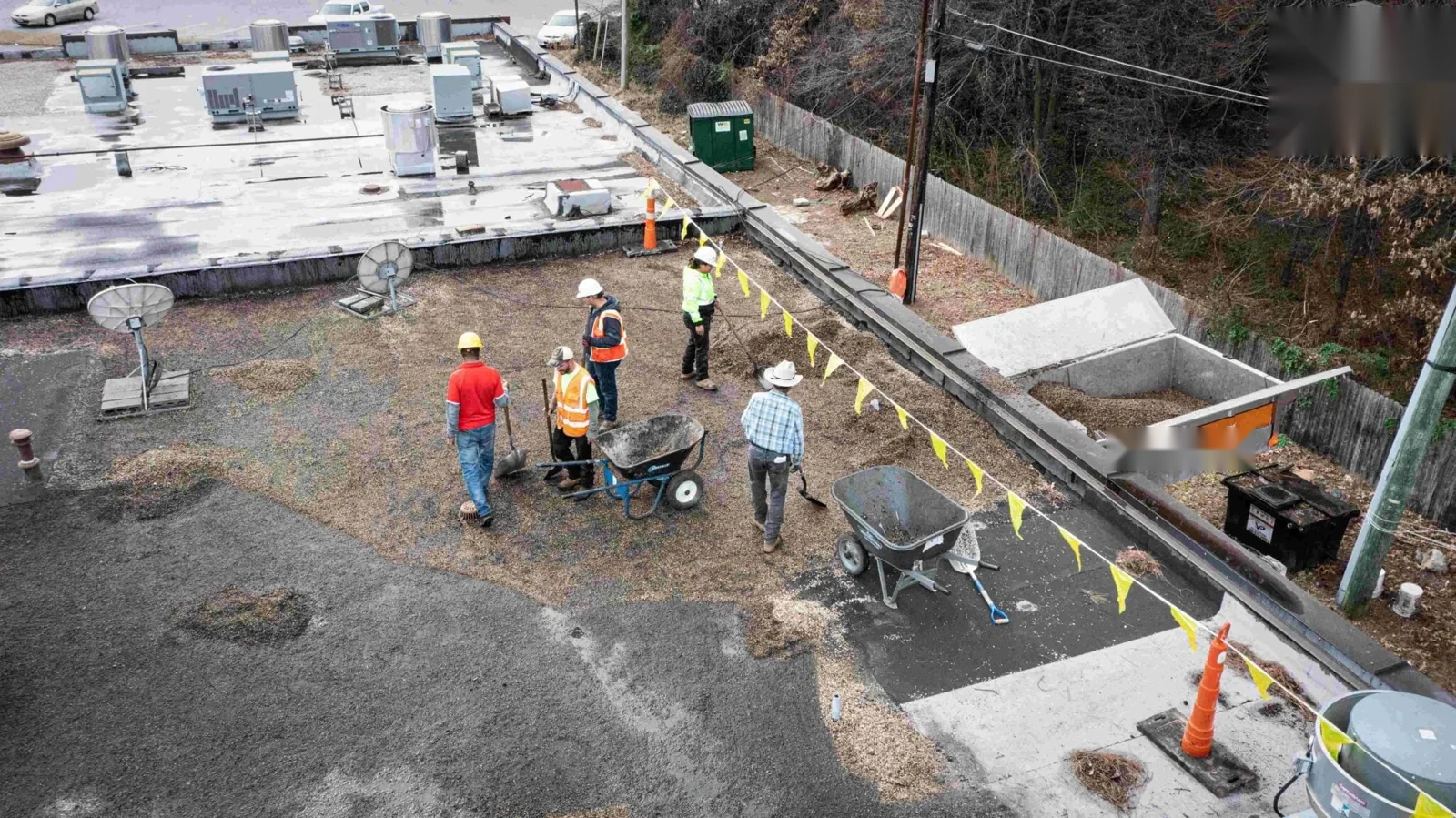
A loose edge or displaced sheet may need prompt stabilization before a full repair can be completed. We coordinate the access window, identify an exclusion area below, and keep temporary materials secured for the expected weather. At an occupied facility, the manager confirms which doors, loading lanes or rooftop equipment must remain available. If a mechanical shutdown or lift is required, the scope identifies who coordinates it before the crew is scheduled.
Logistics and light manufacturing are longstanding Valley uses, so receiving and service access is the first thing to settle at a working property. A warehouse roof adds loading constraints of its own, and each site needs its own work sequence and safety boundary. We list the section that was stabilized and the permanent repair still pending.
Emergency response is available around the clock, including nights and holidays, when the conditions call for it. A prompt visit can limit exposure and document the roof, but the permanent scope follows the confirmed assembly and damage. We keep emergency protection, follow-up inspection and repair pricing distinct so the manager knows what has been completed.
Repair line: separate storm damage from prior wear
Older sealant, worn coatings or a previous patch may sit beside a fresh opening. We note those conditions separately and compare them with dated photos, prior invoices and the reported event. That distinction helps an owner understand which work addresses the current opening and which maintenance items can be planned later. If the evidence does not establish when a condition began, the report describes what is visible without assigning a date.
The closeout should include a roof-zone reference, photographs, attachment or flashing observations, a repair description and any test or return visit. The roof record can keep those findings together with the building's maintenance history. If a claim file is needed, we can document observed conditions and completed work without promising a coverage decision.
Send the property address, roof plan, leak locations, event date, photos and access requirements. We will inspect the approved areas, explain what moved and identify the repair or testing step supported by the findings. That leaves the manager with a practical sequence for stabilization, permanent work and any later wet-season check.
Commercial Roofing Questions
What should we document before a wind-damage inspection?
Keep the event date, roof plan, ground photos, leak locations and any earlier repair records together. Do not climb onto a roof if access is unsafe; the crew can inspect approved areas and note what is accessible.
Does a lifted edge mean the whole roof needs replacement?
Not by itself. We inspect the attachment, adjacent membrane, deck or substrate where visible, then define whether the damage is limited or continues into other roof zones.
Can a temporary repair be made before permanent work is scheduled?
When conditions and access allow, we can stabilize an opening and record the temporary measure. The permanent repair is scoped separately after the roof assembly and surrounding materials are checked.
Will the leak location show where wind opened the roof?
The interior report helps narrow the search, but water can travel above ceilings. We compare it with roof slope, seams, penetrations and edges before identifying the likely opening.
Can you help with storm-damage claim records?
We can document visible conditions, photographs and completed repairs for the property file. A coverage decision belongs to the insurer, so the report stays with what the inspection supports.