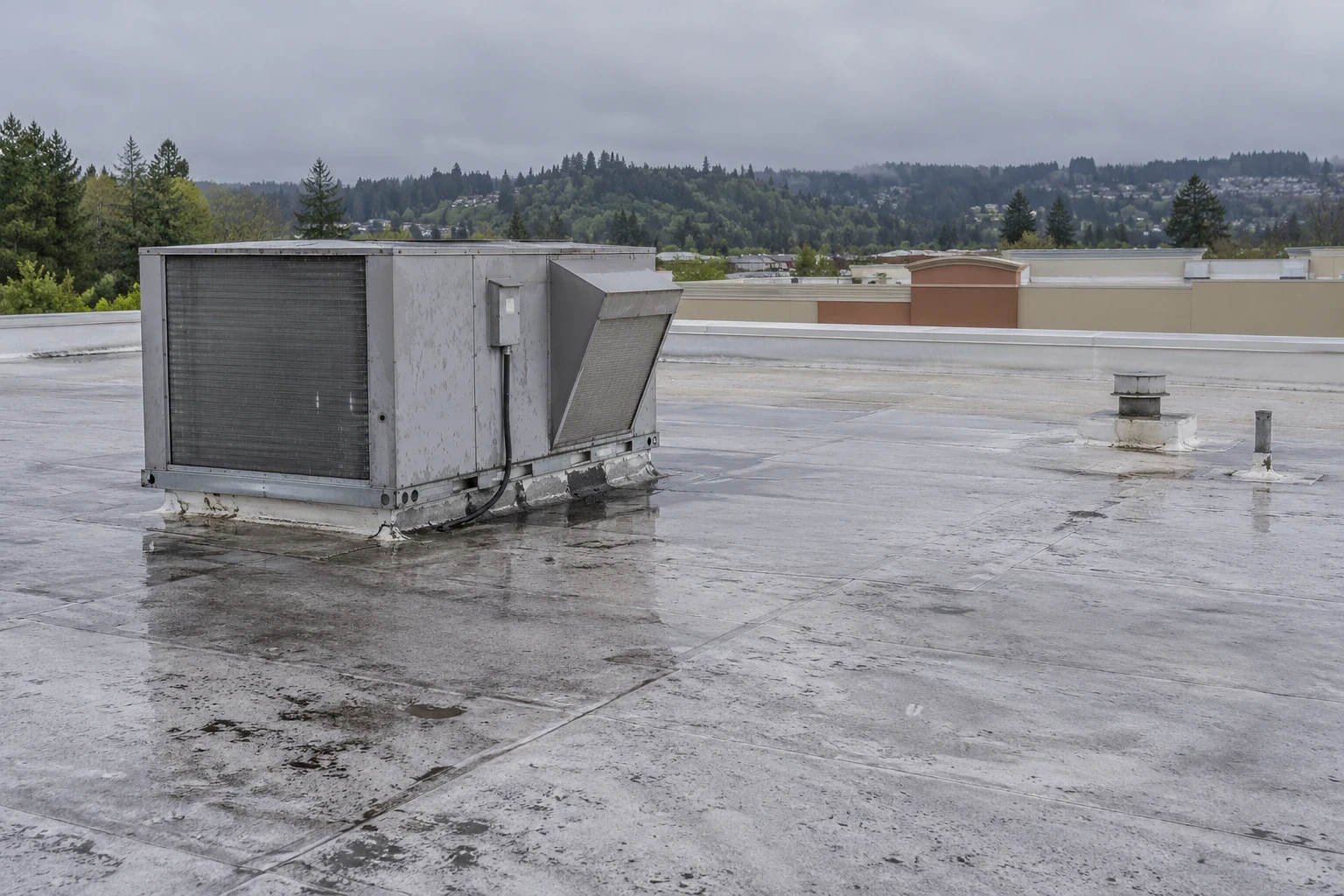
A scupper behind a restaurant can carry water from a broad roof area before anyone sees a ceiling mark. For retail and restaurant operators in Renton, we start at the reported interior location, follow the slope toward the outlet and note equipment, exhaust and customer access below. Sea-Tac's normals climb from 0.60 inches in July to 6.31 in November, so outlet condition and an end-of-day weather boundary deserve attention before the wet season.
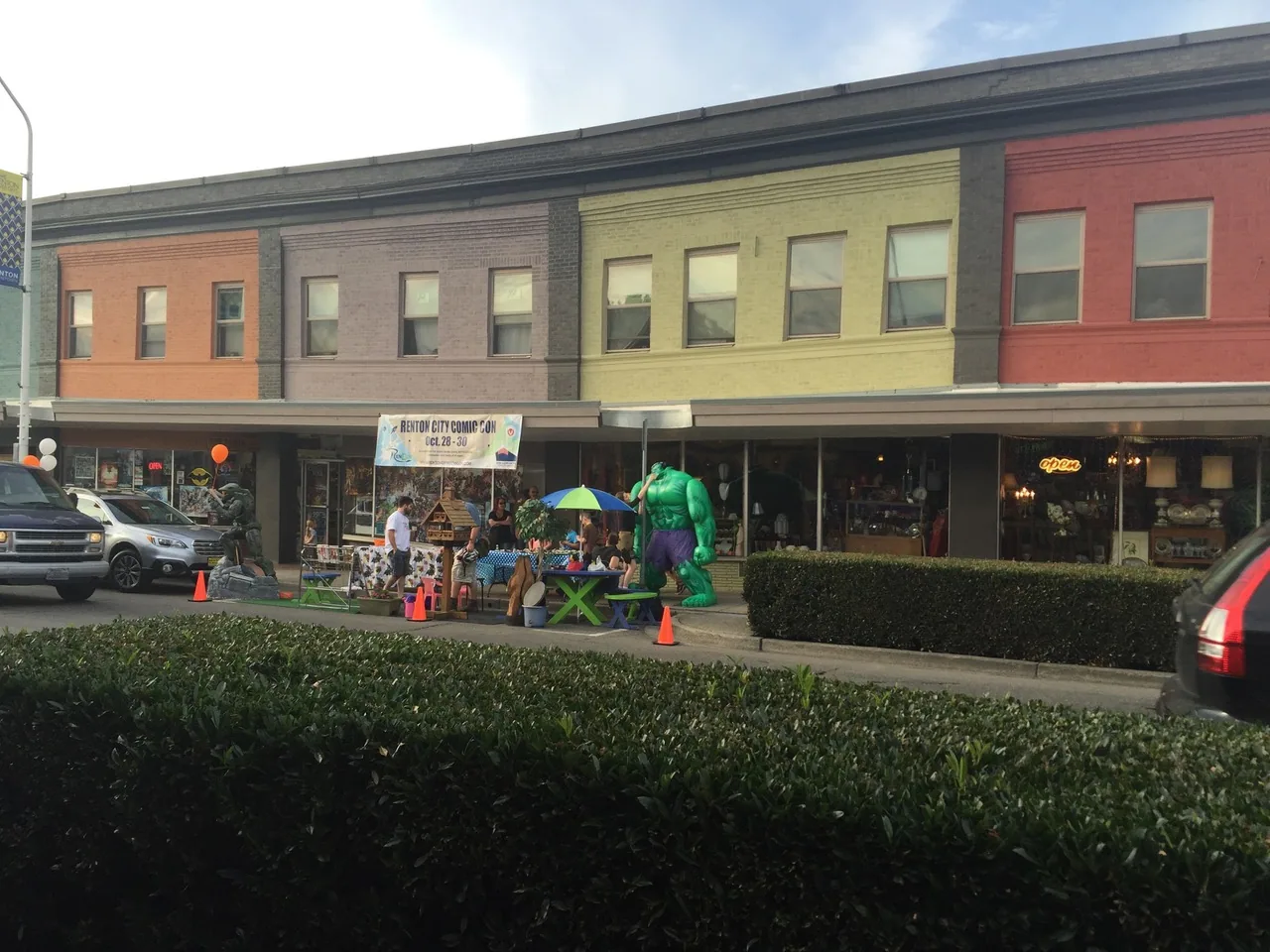
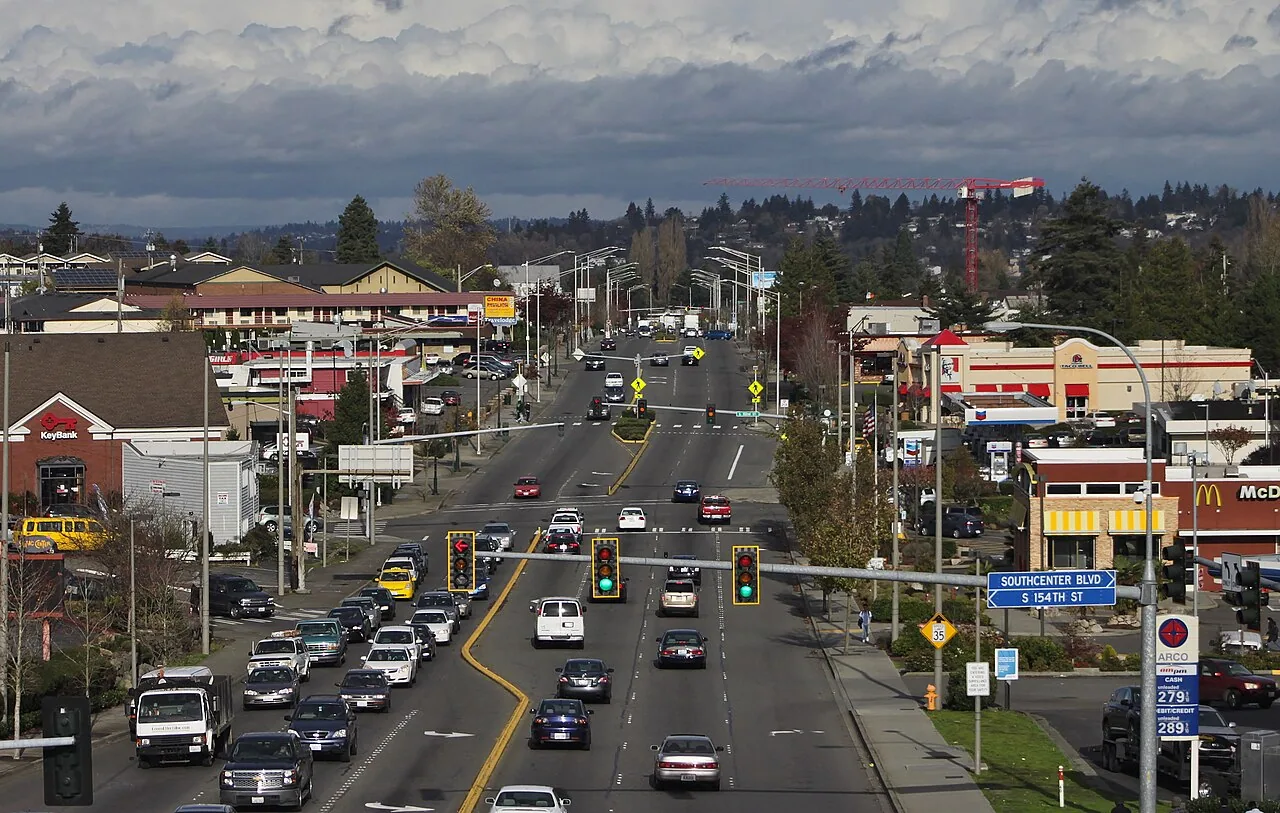
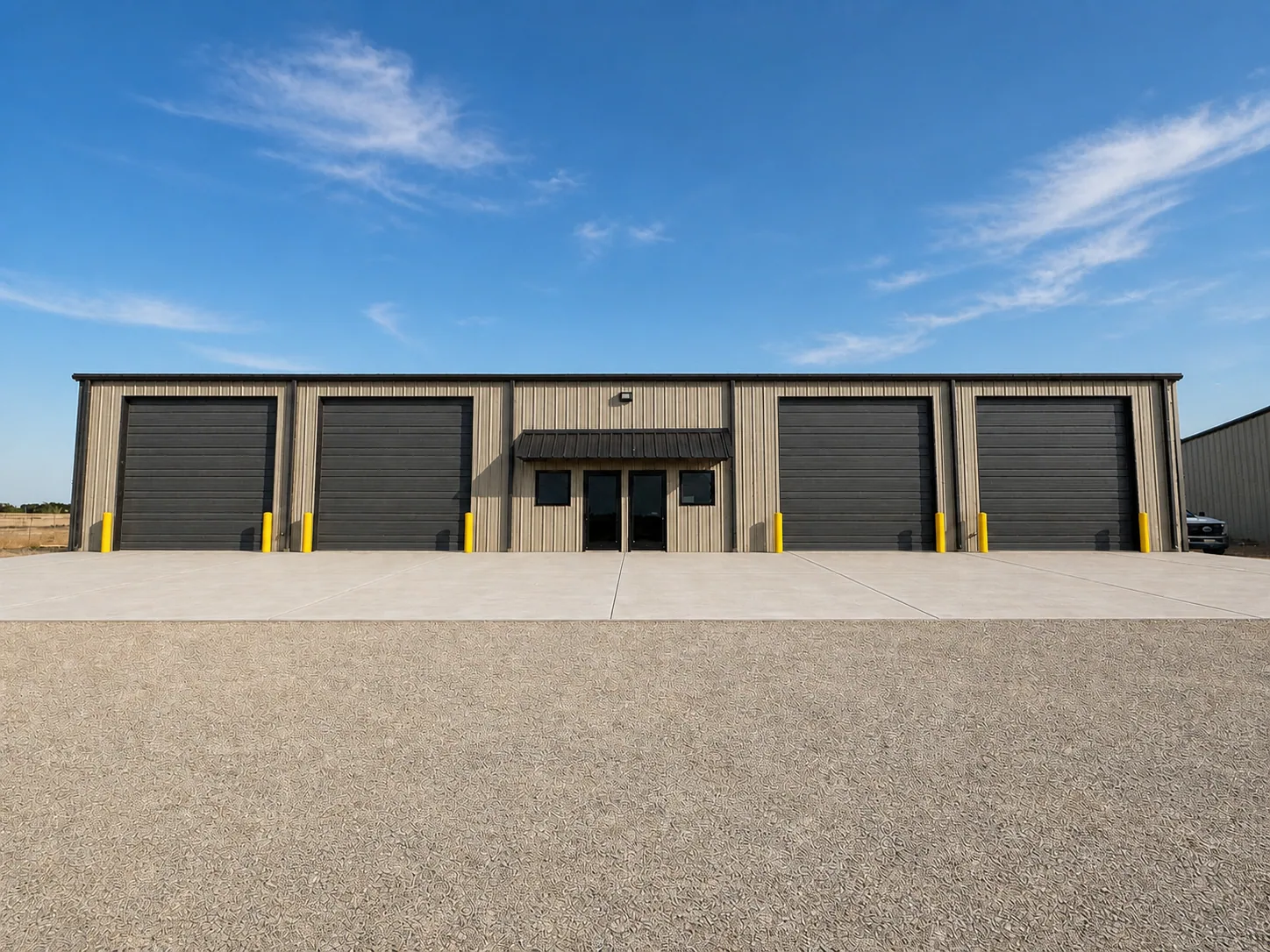
Renton counts advanced manufacturing, logistics, healthcare and professional services among its economic strengths, and nearby Tukwila Southcenter is a regional commercial center that includes retail, lodging, offices, warehouses and large-format stores. A chain with locations across those settings gets a roof plan for each address.
Location record: compare stores without flattening the details
A chain-level list can show which sites need attention, but the roof decision belongs to each address. Record system type, known leak locations, drain condition, past repairs, equipment, access limits and the date each area was checked. A roof portfolio record can group those observations while keeping repair history by building so a repeated issue at one site does not become an assumption about every location.
For a chain with locations in Tukwila Southcenter and Downtown Renton, we confirm address, roof access and actual use before recommending work, since a store's roof type, drain layout and restaurant exhaust setup come from the building.
A hospitality roof review may account for guest movement and room schedules, while a manufacturing property may need a different equipment window. The value of one portfolio record is coordination: clear priorities, separate site conditions and a next step that can be assigned to the correct property contact. During a comparison, note whether each location has membrane or metal roofing, how service equipment interrupts the field, and which drains or edge details have recurring reports. A shared worksheet can sort those observations by urgency, but the repair boundary should remain on the individual roof plan. That keeps a chain-wide budget discussion connected to work that can be inspected and priced at the actual property.
Drain check: keep rain moving away from customer areas
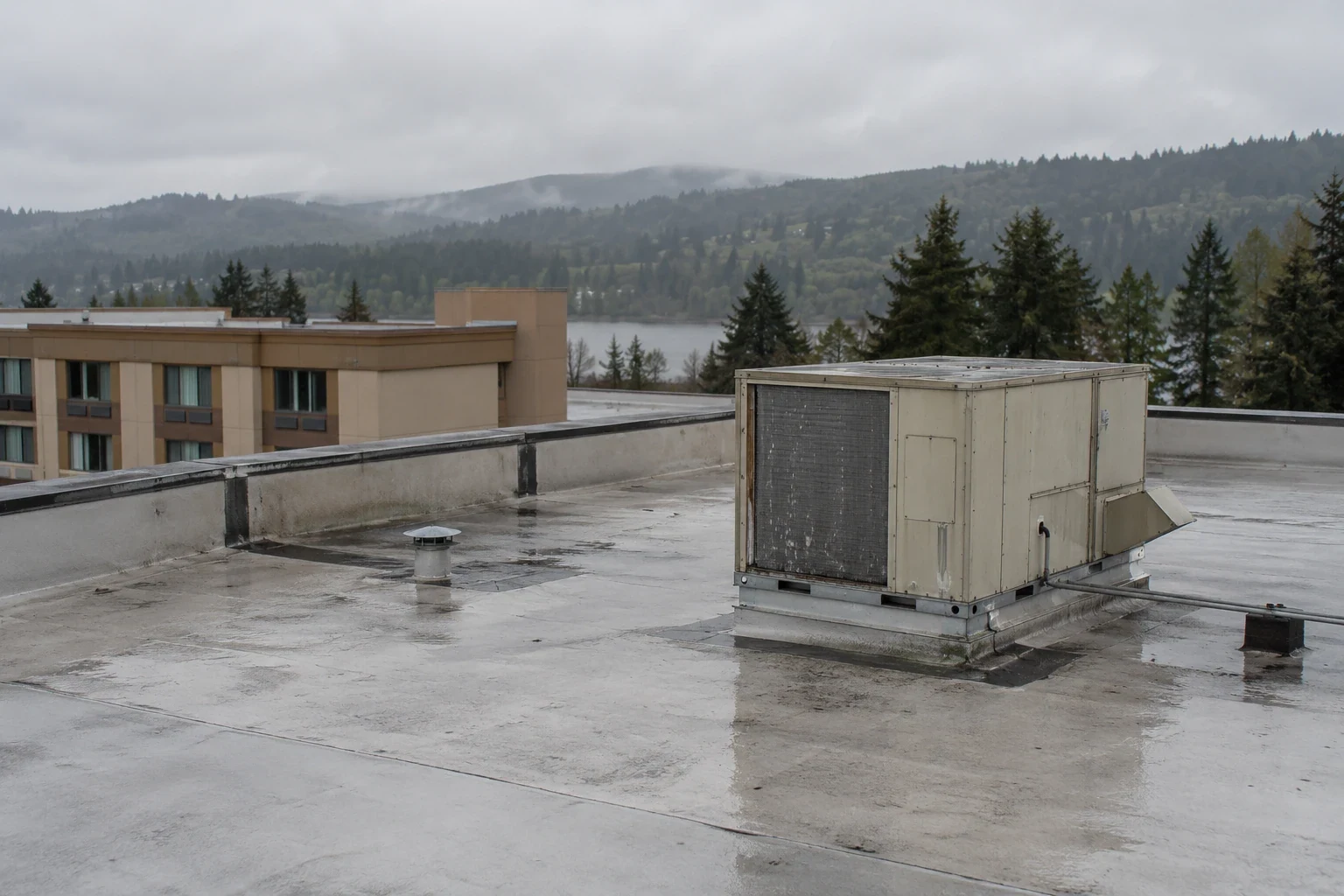
Grease, leaves and other debris can collect near outlets, while a low area or damaged flashing can leave water after the bowl is clear. We inspect the route, strainer, scupper, nearby seams and curb details, then connect those observations with any interior reports. A drain and scupper review can define a maintenance or repair item; a separate membrane defect may need its own repair line.
Sea-Tac's late-year rain pattern makes drainage a useful seasonal check for Renton properties. We note which outlets were reached and whether water remains, then plan any needed work so debris removal, lift placement and roof access do not interrupt customer or delivery routes more than the confirmed task requires.
Vent hoods and grease exhaust can deposit residue on the membrane near their curbs, and that residue holds moisture against the sheet, so the area around each hood gets a closer look than the open field.
Kitchen exhaust, refrigeration lines, HVAC units and signs can create separate service paths across a retail or restaurant roof. During a commercial roof inspection, we mark clearances and flashing details near each item, then identify which connection needs a separate trade. If the leak appears near an exhaust curb, we trace the water route across adjoining seams instead of assuming the stain sits directly under the opening.
Store operations: phase work around open hours
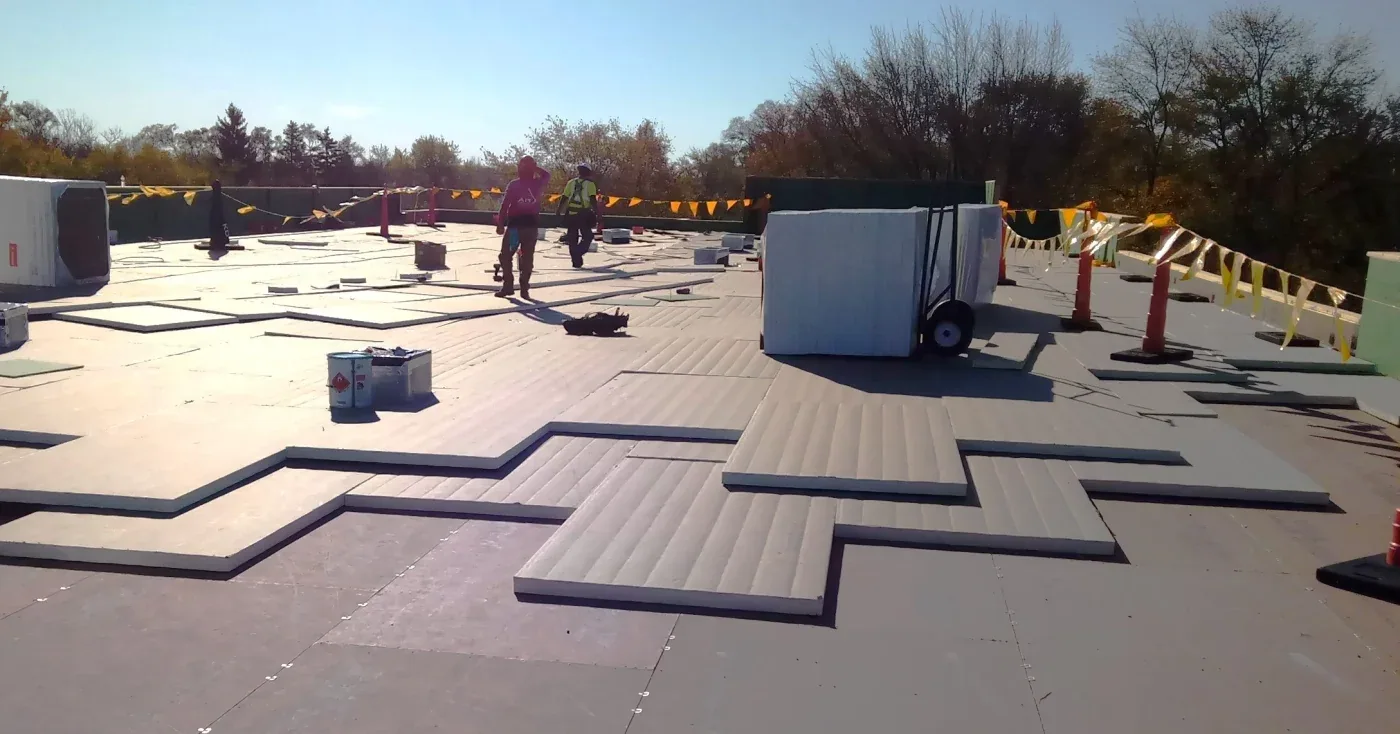
Customer entrances, receiving doors, food-service hours and security routines shape the access plan. We confirm where a lift can stage, how materials reach the roof, which doors must remain open and who can authorize a temporary closure. A phased occupied-building reroof can set a work boundary by roof area and identify how the exposed edge will be protected before the next operating period.
If only one store has an active leak, an emergency roof repair can control immediate water while the permanent scope is reviewed. We state what was repaired, where the limit ends and whether insulation or a surrounding detail needs further inspection. That keeps the dispatch record useful without implying that the same treatment fits other chain locations.
In a larger capital project, we set material delivery, debris removal, work hours and end-of-day closure with the property contact. If a kitchen or HVAC trade needs access first, the sequence names that dependency. The store team can then coordinate customer notices and service routes based on the actual roof zone rather than a generic calendar.
Repair or replace: compare the assembly and boundary
A damaged penetration, loose edge or punctured membrane can be addressed locally when surrounding materials remain serviceable. Repeated leaks or moisture in several areas can justify a broader evaluation. We identify preparation, membrane work, flashing, insulation and any deck concern in separate line items so an operator can compare the work included.
A replacement scope should define removal, substrate repairs, edge metal and roof protection. If the assembly may remain in place, a recover review checks layer count, moisture, drainage and edge height before another layer is considered. Costs and timing depend on those conditions, access and equipment coordination; the scope should state them rather than hide them under a system name.
Where water appears near a dining or sales area, we also consider ceiling protection and the route for interior repairs. Roof work and finish restoration may involve different trades, so the work description should name who handles each boundary and when the space can return to normal use. The project record should distinguish roof completion from any separate interior work still open.
Closeout notes: make a later service call specific
After the visit, retain a plan marked with drains, seams, curbs and repair locations, plus photographs tied to each roof area. Note what could not be reached and any follow-up test. A roof condition report can organize findings for facilities and store operations, while separate address records keep the chain summary grounded in actual inspections.
Send the Renton address, roof plan, interior report, service hours, receiving schedule and access rules. We will map the first inspection route and explain whether the observed condition points to a local repair, a test or a larger scope. For a multi-location operator, a clear handoff gives each manager the same useful information without making every property sound alike.
Commercial Roofing Questions
Can a store stay open during roof repairs?
We confirm the roof zone, customer routes, lift location and work hours with the site contact. The scope identifies any temporary closure, overhead protection or separate trade needed before the schedule is approved.
Why does a leak appear near a kitchen or sales ceiling?
Water may move along a seam, curb or insulation joint before reaching the room. We compare the report with drains, exhaust curbs and penetrations on the roof, then document the route that can be inspected.
How should a chain prioritize multiple roof reports?
Start with active water, safety-sensitive areas and conditions that may worsen with rain, then compare each site’s assembly and repair history. We mark urgency and the next check by property rather than applying one ranking to every roof.
Do restaurant exhaust systems affect roof work?
Exhaust curbs, ducts and service clearances can affect both flashing and access. We identify the connection and coordinate any move or shutdown with the responsible trade before opening the roof nearby.
What records help after a multi-store repair program?
Keep a roof sketch, site address, photographs, repair boundary, materials, access notes and remaining follow-up for every location. Those details let the next manager place a new leak report against completed work.