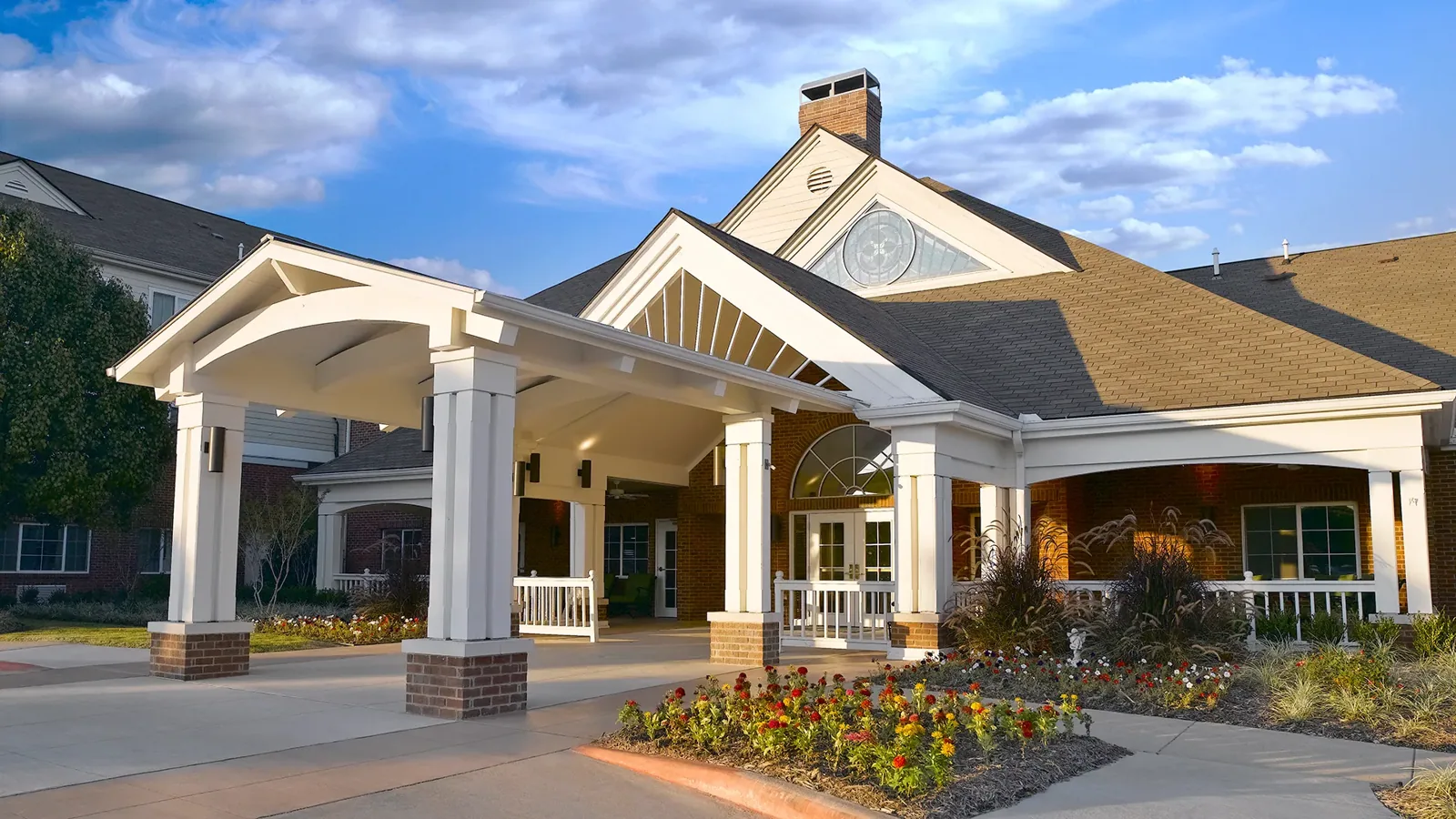
A ceiling stain above a resident corridor needs a roof check that does not turn the hallway into a work route. We trace the reported water path from the roof, note which rooms and entrances remain active, and agree on access with the property contact before setting the repair line. Care settings run on routines, so building operations and service access are part of the roof discussion. A community's own roof plan and schedule still determine what work can proceed.

A senior community in Downtown Renton and one near the industrial Renton Valley Subarea differ in street access and neighbors, and neither location tells us the roof type. We inspect the actual seams, drains, curbs and transitions, then plan the visit around resident routines and staff access.
Resident routes: keep entrances and care areas clear
A roofing plan for an occupied senior community starts with the paths people use below the roof. We ask the manager about resident entrances, dining or activity schedules, deliveries, service entrances and areas that need quiet. Those details affect where a lift can stand, which roof section can be opened and how tools move through the building. We agree on the work boundary before a crew arrives, then keep it visible as the day progresses.
The same roof work can have a different sequence above a residential wing than above a kitchen or maintenance room. We inspect the roof map, identify units and penetrations and note any rooms that might need an interior check. A commercial roof inspection can record the field and flashing conditions, while a multifamily roof assessment can provide a separate comparison for apartment-style buildings. A senior community still needs a plan shaped by its own circulation and staffing.
If a repair requires noise, temporary access control or an equipment move, the property contact should know the timing and the area affected. We set a practical window and coordinate with the responsible trade where a unit or service line must shift. If a route cannot be kept clear, we identify another phase rather than asking residents or staff to cross an active work area.
Leak route: look beyond the room where water appears
Water above a resident room can travel along a curb, seam or insulation layer before it reaches the ceiling. We start with the location and timing reported by staff, then inspect upslope membrane laps, roof penetrations and low areas. The roof record should show the likely entry point separately from the interior mark. That helps a maintenance team decide whether the same route is recurring or a different detail needs attention.
Renton's regional precipitation normals are much wetter in November and December than midsummer, which makes a drain and overflow review useful ahead of the wet season. Before those months, a drain and scupper check can find a blocked outlet, damaged connection or debris that changes the water route. If water remains after the drain is clear, we mark the low area and explain whether slope or structure needs a separate review.
For an occupied community, a leak response should protect the room below while the roof path is examined. We can place temporary protection where appropriate, then set a lasting repair after the membrane, flashing and drain detail have been checked. Any interior access needed for moisture testing is arranged with staff, with the exact room and purpose identified in advance. That keeps the inspection focused and minimizes disruption.
Roof details: check curbs, vents and perimeter metal
Senior living buildings may have a mix of mechanical equipment, exhausts, skylights and service penetrations across the roof. We inspect the curb flashing, pipe boots, seams, drains and metal corners around each relevant detail. A loose termination or cracked boot can admit water even if the field membrane is sound. We document each condition by roof location and identify whether the repair is isolated or linked to a larger assembly problem.
Kitchen exhaust and laundry vents on a senior community roof run long hours, so the membrane and flashing near their curbs see more heat and moisture than the rest of the field. We look for softened sealant, stained membrane and corroded fasteners around those curbs before the wet season.
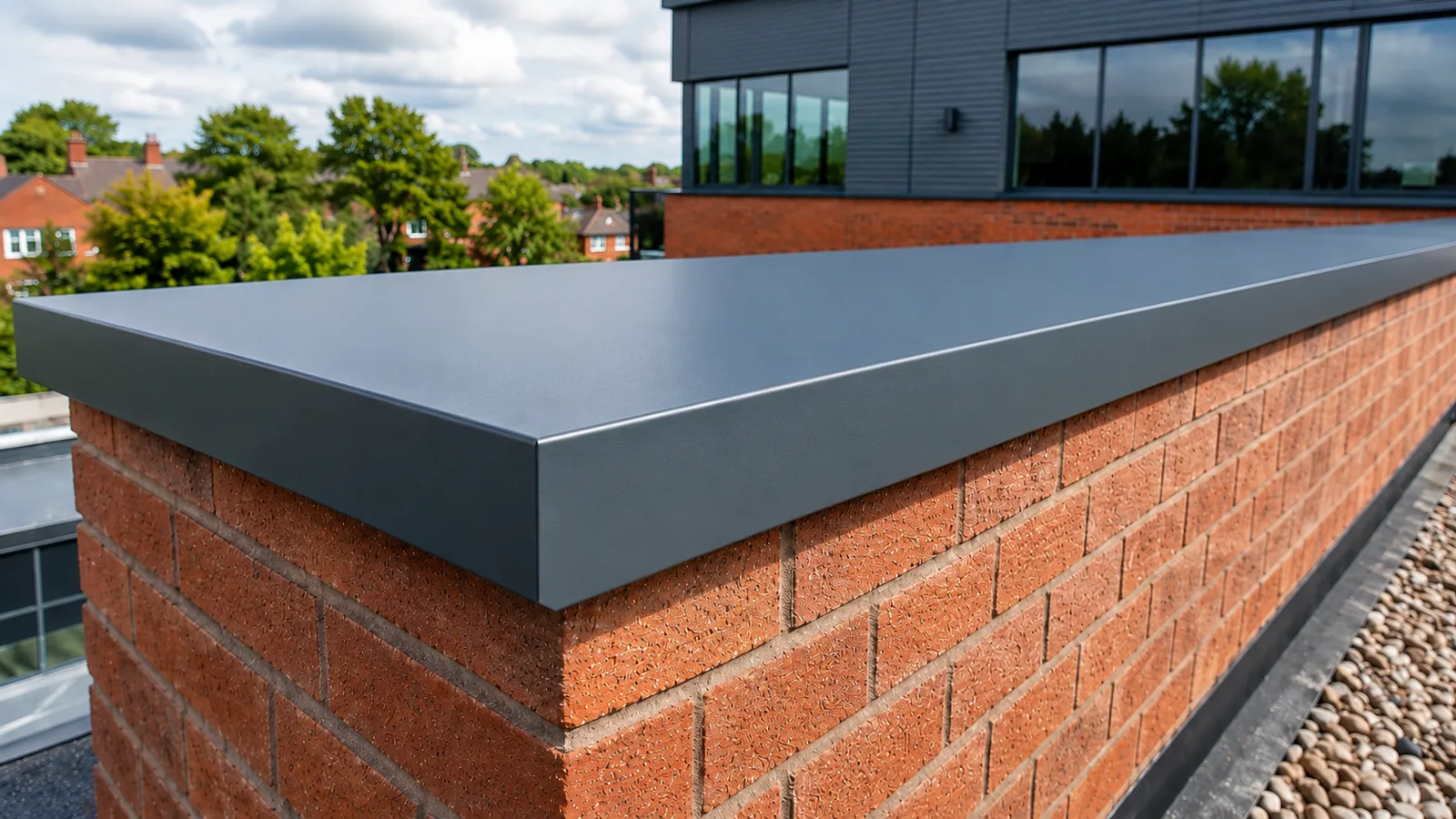
In the Renton Valley, logistics and light manufacturing are longstanding uses, while Downtown Renton is mapped with commercial and office categories, so we verify access and equipment requirements at the actual property. A coping and edge-metal repair can address a failed perimeter transition, and a medical-office roof review may help compare equipment access considerations in a different occupied setting.
Where a leak recurs at the same curb, we compare the repair history with the current flashing and membrane. A newer patch does not establish that the substrate or surrounding sheet is dry. If an insulation test or approved opening could change the next decision, we explain what it would reveal and get the property contact's approval before proceeding. The report distinguishes confirmed conditions from any area still concealed.
Repair scope: separate urgent protection from planned work
A small opening in sound membrane may need a focused repair, while repeated leaks or moisture across several areas can require a broader assembly review. We mark the size and location of each known defect, note what could not be inspected, and state whether testing could change the scope. That lets the owner compare immediate leak control with a repair program or replacement without treating one ceiling stain as the condition of the whole roof.
If the existing layers remain suitable, a recover assessment can compare a new assembly over the roof after moisture, attachment and drainage are understood. If the roof needs removal, a replacement review can account for insulation, drains, curbs and resident access in the sequence. A condition report can keep photographs and repair boundaries with the property record.
The work plan identifies entrances that stay open, protected areas, the day's stopping point and the contact for schedule changes. If weather interrupts an open detail, we close the work line with temporary protection and make sure water can still reach an outlet. At closeout, the property team receives a map of repaired seams, tested areas and follow-up items, not a vague note that the roof was serviced.
Commercial Roofing Questions
Can roof repairs take place while residents remain in the building?
We review the resident routes, access window, affected rooms and repair method with the property contact. Some work can be phased around normal activity, while a lift, equipment move or open roof section may need a defined window.
How do you protect resident rooms during an active leak?
We coordinate any interior access with staff, protect the affected area as needed and trace the roof route before setting a lasting repair. The record separates temporary protection from the membrane or flashing work that closes the entry point.
Does a room stain show where the roof is open?
Water may travel across a seam or insulation before it reaches the room. We compare the report with roof slope, curbs and drains, then identify a test if the likely entry detail remains unclear.
What roof records help with a senior community repair?
A roof plan, prior work orders, leak dates, equipment restrictions and contact instructions help us choose a practical inspection route. Staff can also identify areas where noise or access need special timing.
When should an owner compare repair with replacement?
Repeat leaks at the same detail, moisture across several areas or failing attachment are the cues. We document what is visible and identify any test that could change the comparison before recommending a larger scope.