A chalking acrylic surface can point to wear, but it does not tell us whether the roof below is dry or ready for another coat. We inspect the existing membrane, seam repairs, drains and flashing, then check how water leaves the field. Renton has a pronounced late-year rain pattern in the Sea-Tac normals, which makes a wet-season review useful.

Acrylic suits a roof that drains freely and stays dry between storms, and the question on a roof in Downtown Renton or in the Renton Valley Subarea is whether this particular one does. We review records, inspect the coating and confirm access with the property contact before deciding whether restoration fits.
Surface condition: inspect what the coating covers
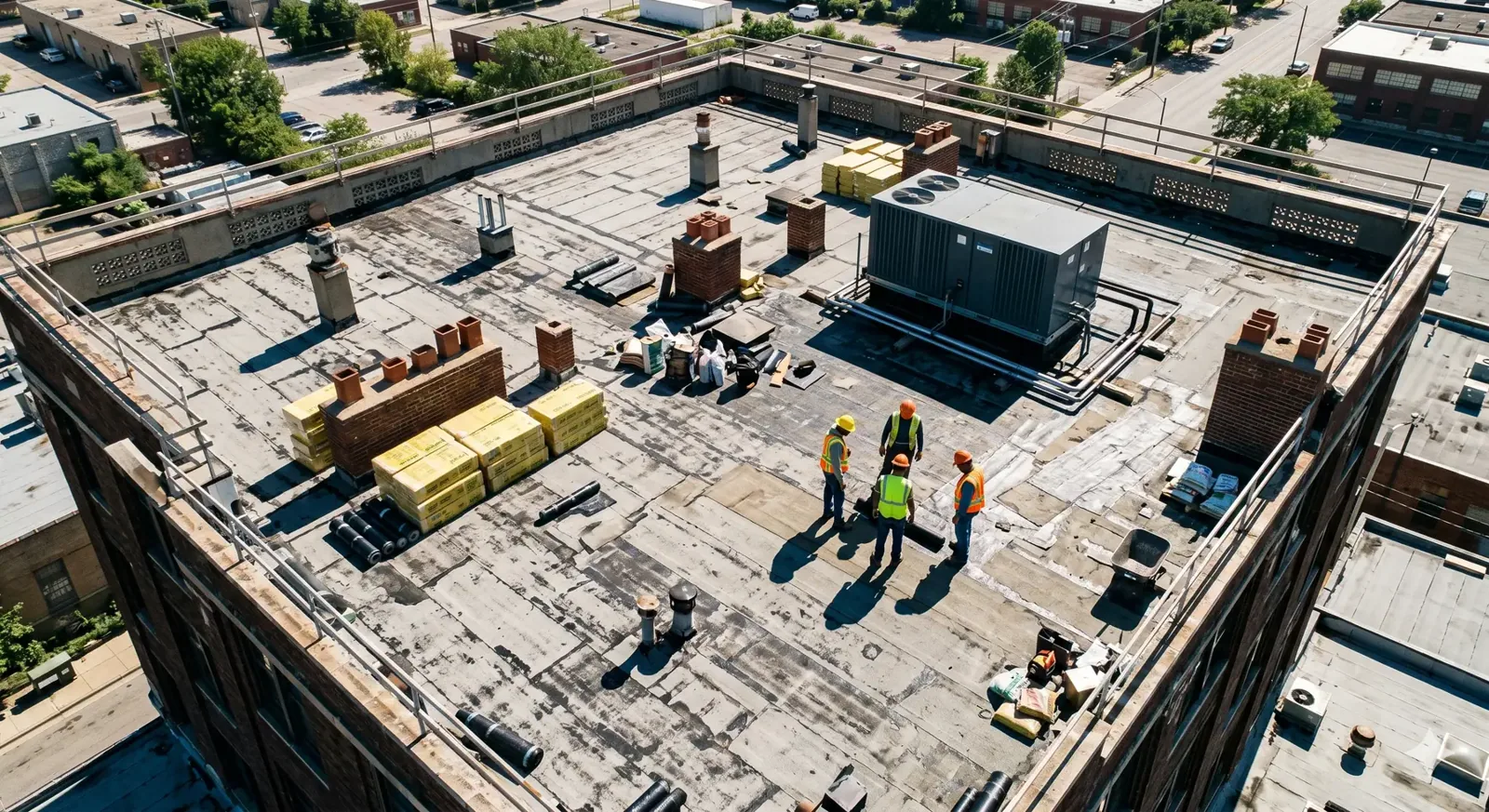
An acrylic coating may be considered when the existing roof is sound enough to remain in service. We look for loose coating, exposed reinforcement, cracks, open seams, soft areas and signs that water may be trapped below. If the membrane or insulation has failed, another surface layer can hide the condition without correcting it. We map the areas that are eligible and separate repairs that need a different scope.
At a Renton property, records and visible edges help identify the existing assembly. If the coating history is incomplete, we do not assume that a new layer will bond. A commercial roof inspection can document the field and details, and a small adhesion test may be useful where surface compatibility is uncertain. If moisture could change the decision, an approved opening or other suitable test should answer that question before application.
A thermal scan can help choose where to investigate, but a pattern alone does not confirm wet insulation. We compare it with roof history, leak locations and visible conditions. The assessment should state what was observed, what was tested and which limits remain. That information helps the owner decide whether to repair the existing roof, prepare it for coating, or compare a larger assembly.
Drainage: check outlets before the application window
Acrylic coatings need the substrate and application conditions to meet the selected system requirements, and drainage remains part of that review. We follow the low areas to each drain or scupper, inspect the surrounding flashing and note where ponding meets a seam. Sea-Tac normals show higher precipitation in November and December than July, which makes the discharge route worth checking ahead of the wetter season in Renton.
A drain and scupper assessment can identify debris, a loose ring or a damaged connection before coating begins. If puddles persist once the outlet is clear, we draw the low area on the roof plan and ask whether the structure allows any slope correction. A coating can protect a prepared surface, but it does not rebuild a drain body or correct a structural depression.
At buildings in Downtown Renton, a roof route may be coordinated around occupied offices; in the Renton Valley, equipment or receiving access may shape staging. We agree on the safe entry path and any limit on roof access with the property contact. The plan identifies drains that were reached and any section left for follow-up, so the coating application does not imply the entire system was inspected.
Preparation: repair seams and transitions first
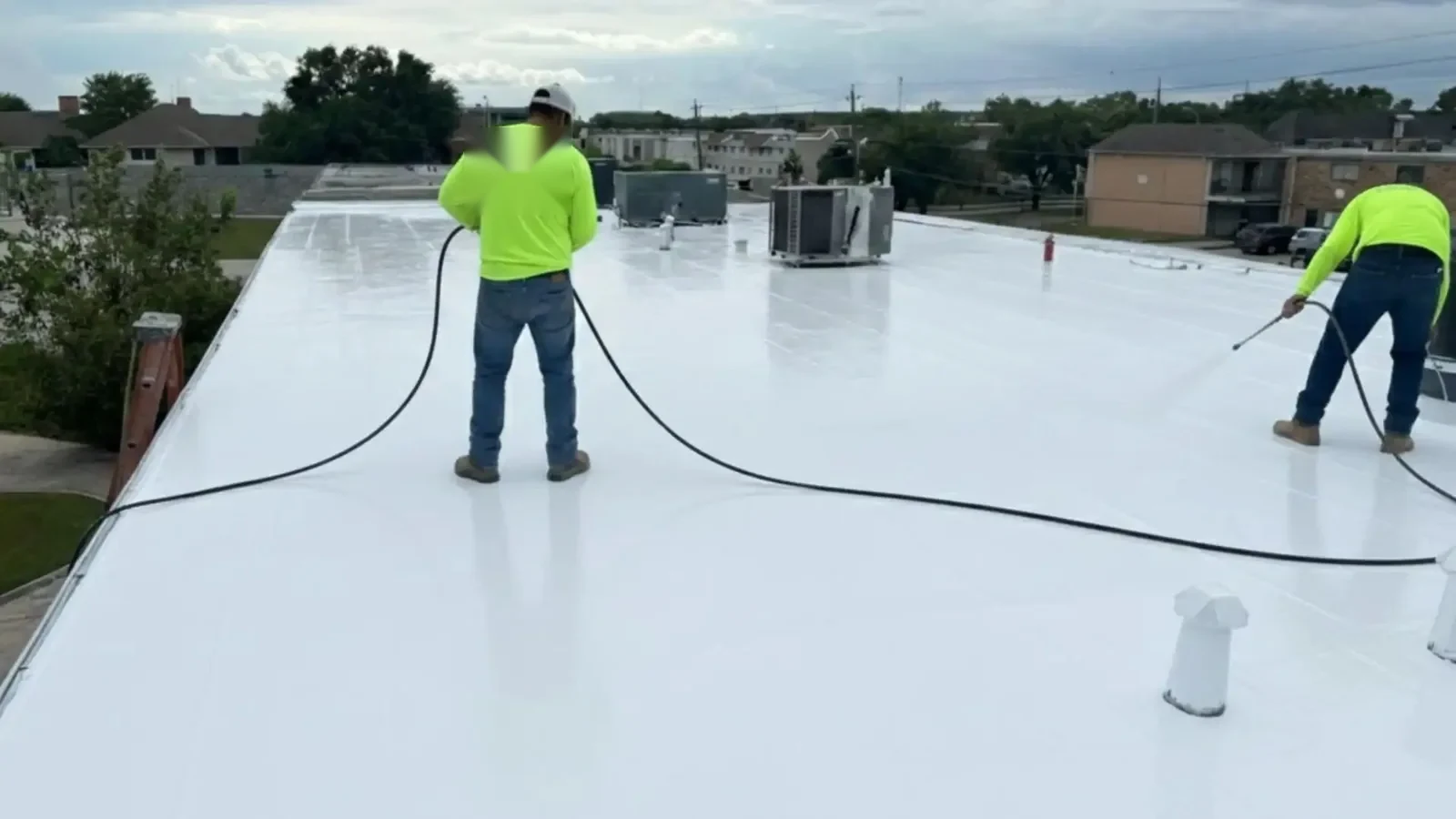
Preparation can include removing loose coating, cleaning the field, repairing membrane defects and rebuilding weak flashing. We identify the compatible materials and surface condition before application, then outline what each preparation task includes. A test area can help evaluate adhesion, but a favorable test does not replace repairs to wet, loose or deteriorated layers underneath.
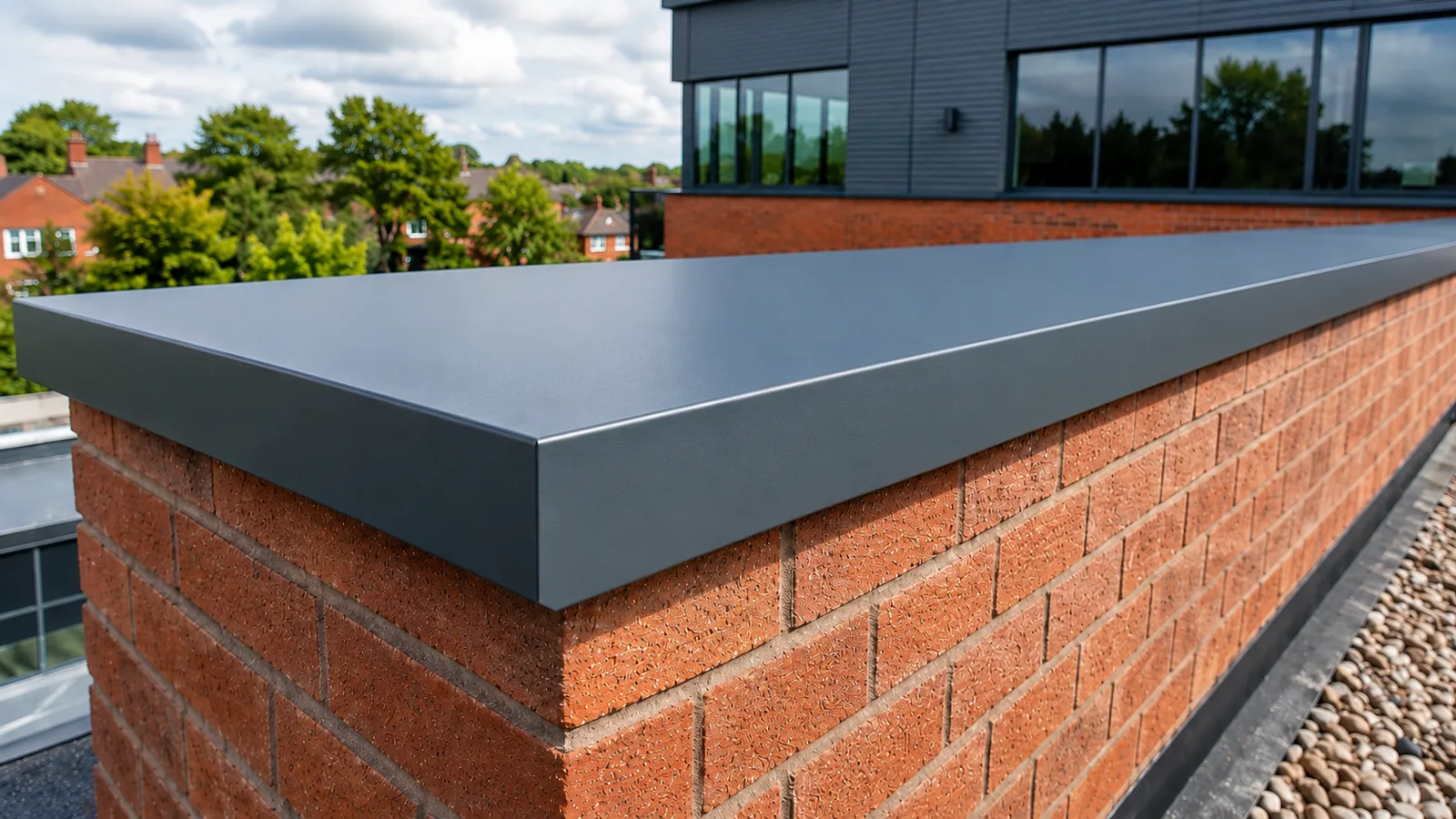
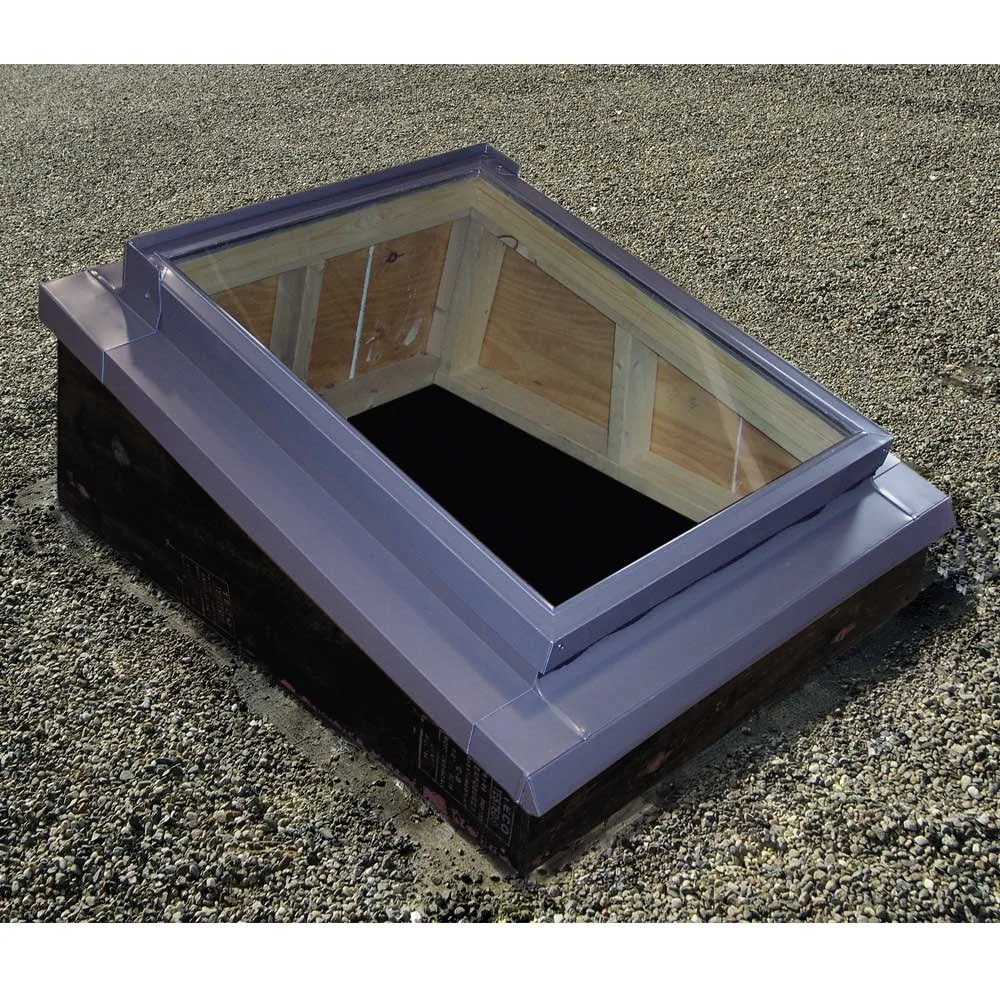
Seams, curbs, pipes and perimeter metal need a continuous transition. We check that a planned coating will meet each detail without covering a failed termination or narrowing an outlet. A coping and edge-metal repair can be scheduled before coating where the perimeter needs work. Penetration flashing repairs may be needed at curbs or openings so the field application meets a stable detail.
Occupied properties need a work window that accounts for roof access, staging and people below. We confirm which equipment must stay available and whether a roof path needs to remain clear. If another trade must move a unit or address an exhaust source, that coordination belongs before the coating crew reaches the area. The scope records who is responsible for each task and when the surface can be prepared.
Coating choice: compare acrylic with other roof paths
Acrylic coating performance depends on the selected product and application conditions. We compare the existing membrane, roof slope, expected exposure and weather window with the system requirements, then explain any limits on application. If the surface cannot be prepared dry or the drainage condition remains unresolved, the work may need to wait or move to another repair path.
Silicone coating is another option to compare, with different material behavior and application considerations. A TPO assembly may also be considered when the existing roof is not a fit for coating. The choice should account for seams, transitions, curbs, drainage and maintenance access rather than focusing only on the field material.
A recover or replacement may be more appropriate when several layers are wet or the existing roof has widespread failure. A recover assessment can review whether another assembly can remain over the existing roof, and replacement planning can address removal and details. We list the evidence and assumptions behind each route so the owner can compare the scopes.
Closeout: map repairs and the next roof check
The scope should state where preparation occurs, which seams or details are repaired, what areas receive coating and what remains excluded. At closeout, we map the completed work, photograph transitions, note drains checked and identify any section needing a later visit. The roof record helps maintenance staff compare future water reports with the coated area and any repair boundary.
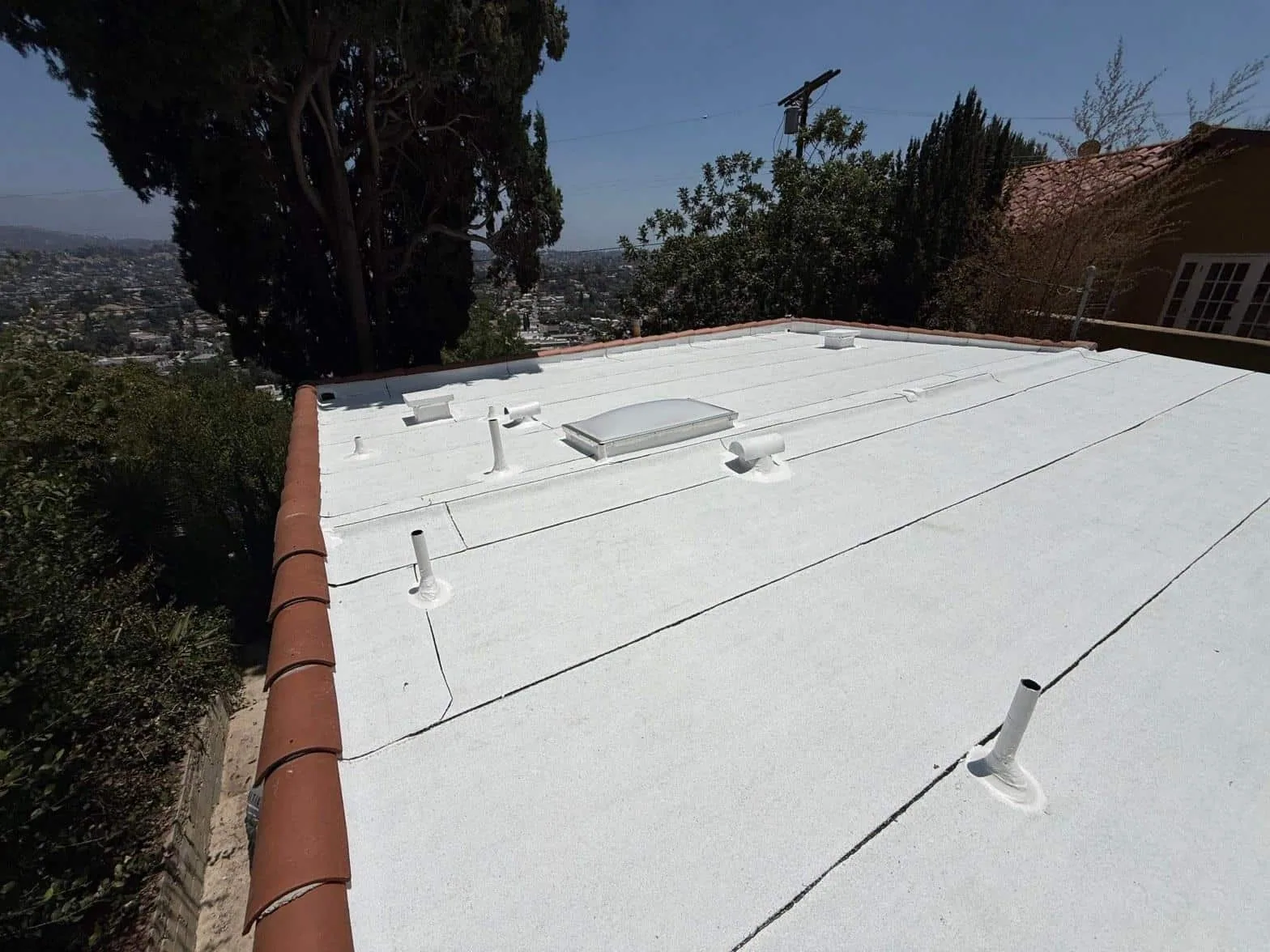
Photographs taken before and after preparation show exactly what the coating covers.
For an acrylic assessment, send the roof plan, the coating history, where water has shown inside and the access rules. The walk covers the surface, seams and drain route, and the answer is whether acrylic fits this assembly. If a test or opening would change the recommendation, we describe what it will answer and ask for approval first. A condition report can keep the photos and follow-up items with the roof history.
Commercial Roofing Questions
When can an acrylic coating be applied?
The surface must be prepared and meet the selected system's conditions for moisture, temperature and application. We inspect the substrate and weather window before setting the sequence, and pause if the surface is not ready.
Can acrylic coating be applied over any existing membrane?
Compatibility, adhesion, moisture and repair condition decide whether the existing roof is a candidate. We inspect the assembly and may test a prepared area before including coating in the scope.
Will acrylic coating fix a low spot?
Not by itself. We inspect the outlet, low area and roof structure, then identify whether drainage correction or another assembly should be considered before application.
What is included in coating preparation?
The scope can include cleaning, removal of loose material, seam repairs, flashing work and treatment of penetrations. We identify the actual tasks for the roof and state which conditions remain outside the application area.
How does the Renton rain pattern affect coating plans?
Sea-Tac normals show a wetter November and December than July, so owners may plan a roof and drain review before the late-year shift. Application still depends on the prepared roof and the selected system's conditions.