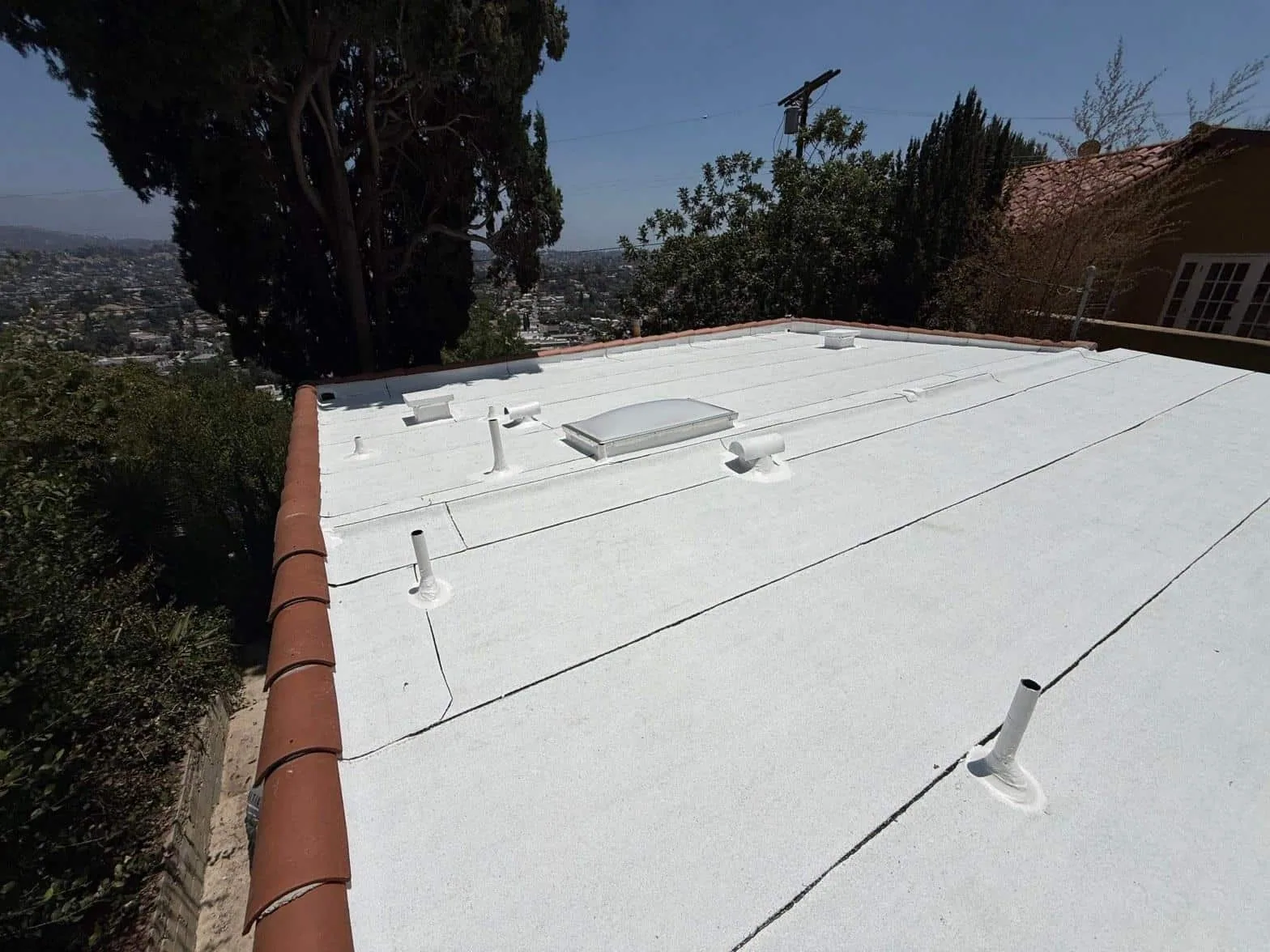
A worn coating around a drain can leave a narrow line of exposed membrane where water stands after rain. We inspect the surface, outlet and nearby seams before recommending another layer. Renton's late-fall rainfall pattern makes that wet-season check useful.
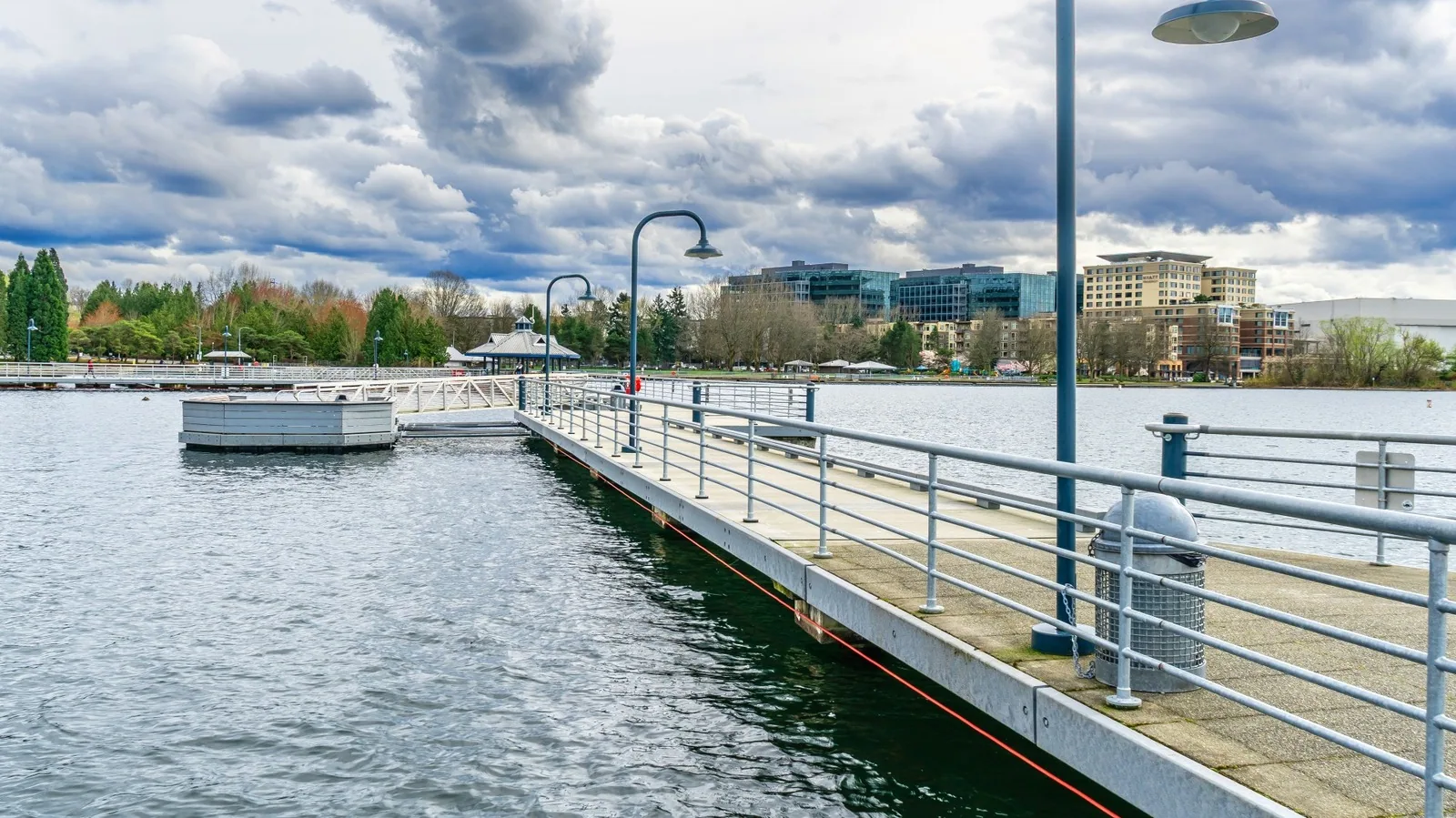
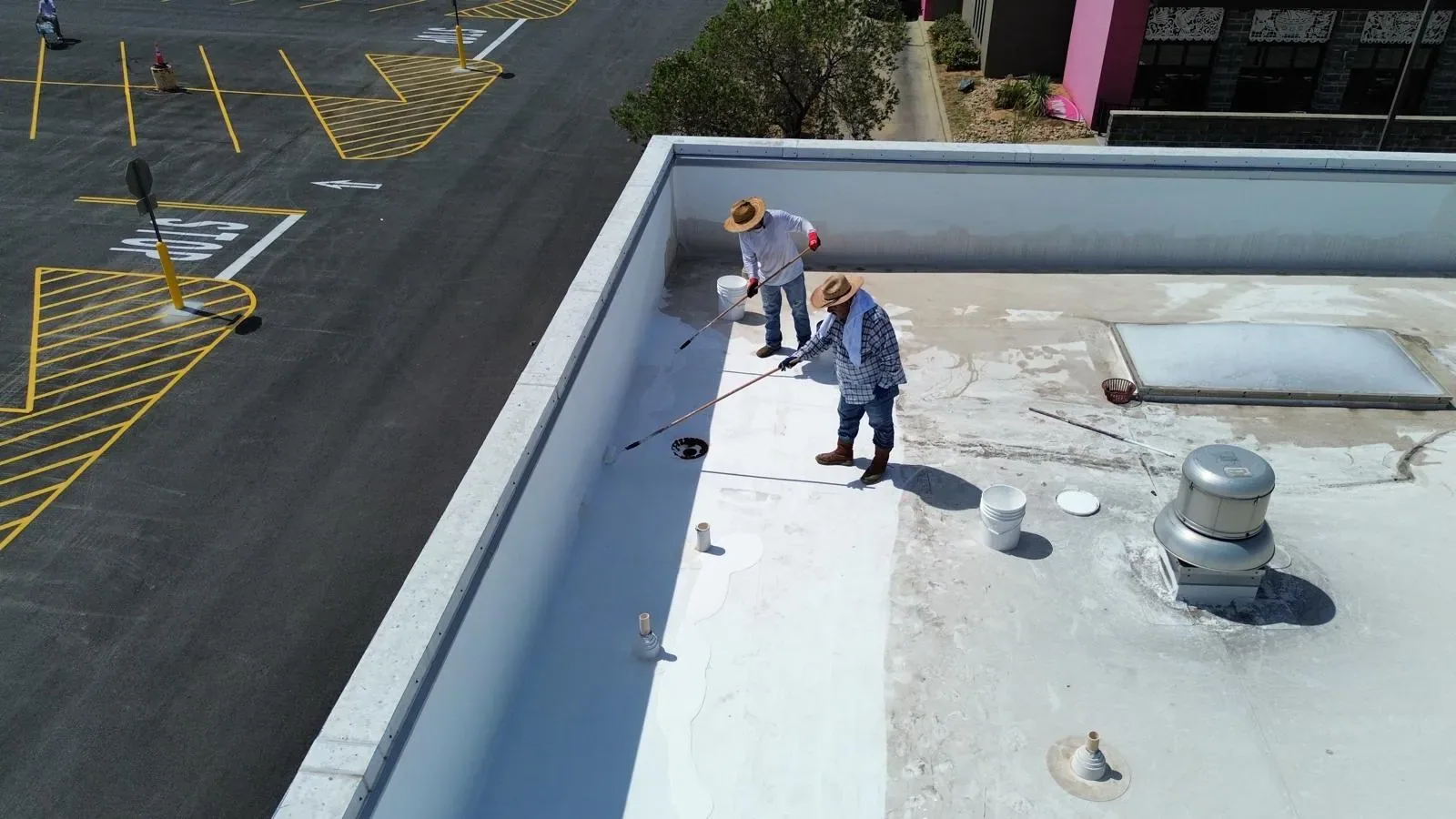
Silicone is the coating usually considered where water stands, and a flat roof in Downtown Renton or in the Renton Valley Subarea may be a candidate if the assembly under it is dry and attached. We verify the existing assembly and record where adhesion, moisture or drainage could change the restoration decision.
Surface readiness: verify the assembly below
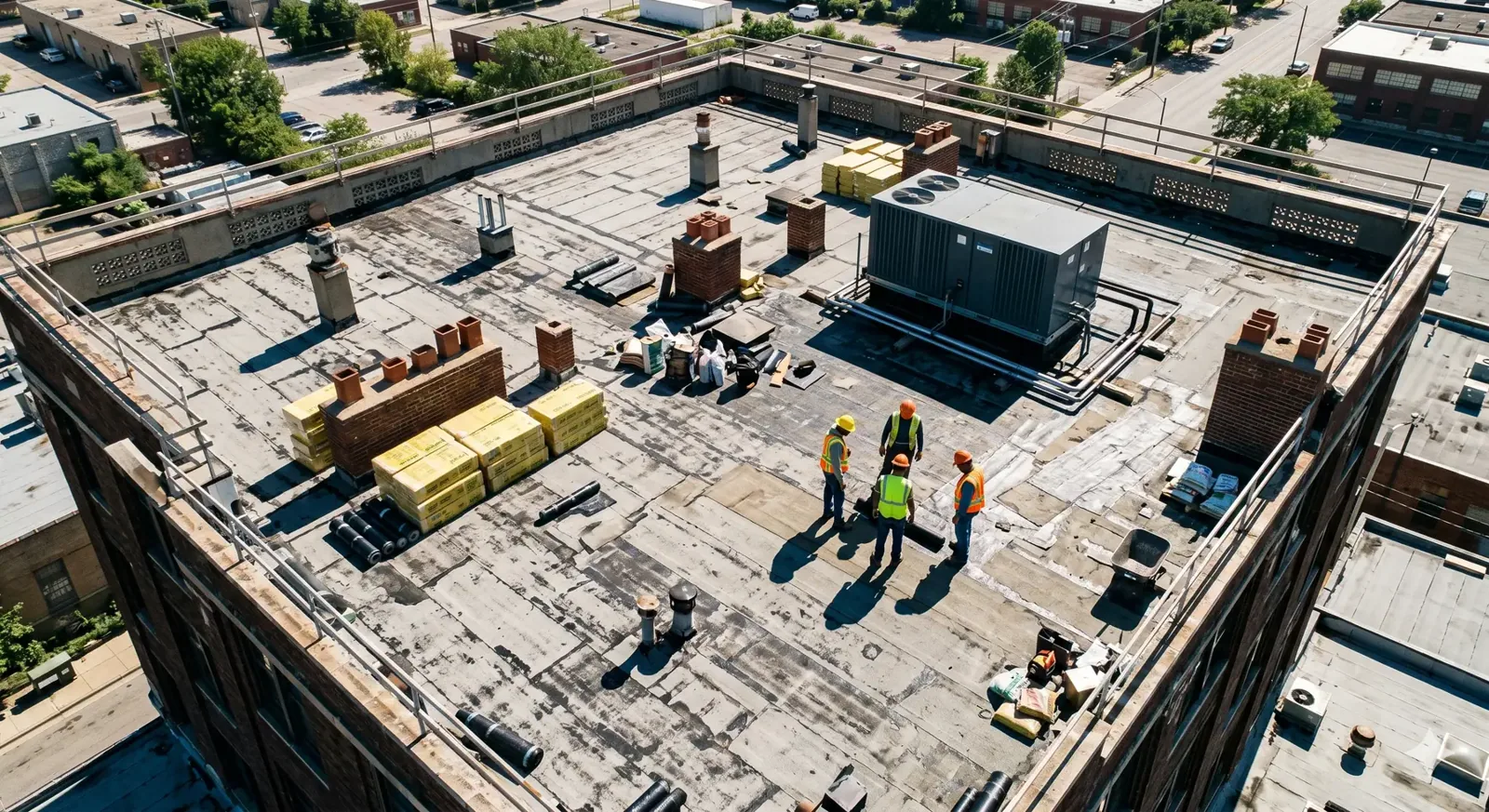
A silicone coating needs a suitable existing roof beneath it. We inspect the membrane or prior coating, seams, flashings, penetrations and any repair areas, looking for loose material, trapped moisture, unstable attachment or widespread failure. If the roof is wet or deteriorated below the surface, a new coat can cover the evidence without correcting the cause. We identify those conditions before discussing an application.
At a property in the Renton Valley Subarea, equipment service routes and industrial activity may affect roof access; in Downtown Renton, occupied offices may set other timing limits. The property contact and the roof walk settle the actual route. A commercial roof inspection can map the assembly and details that control eligibility.
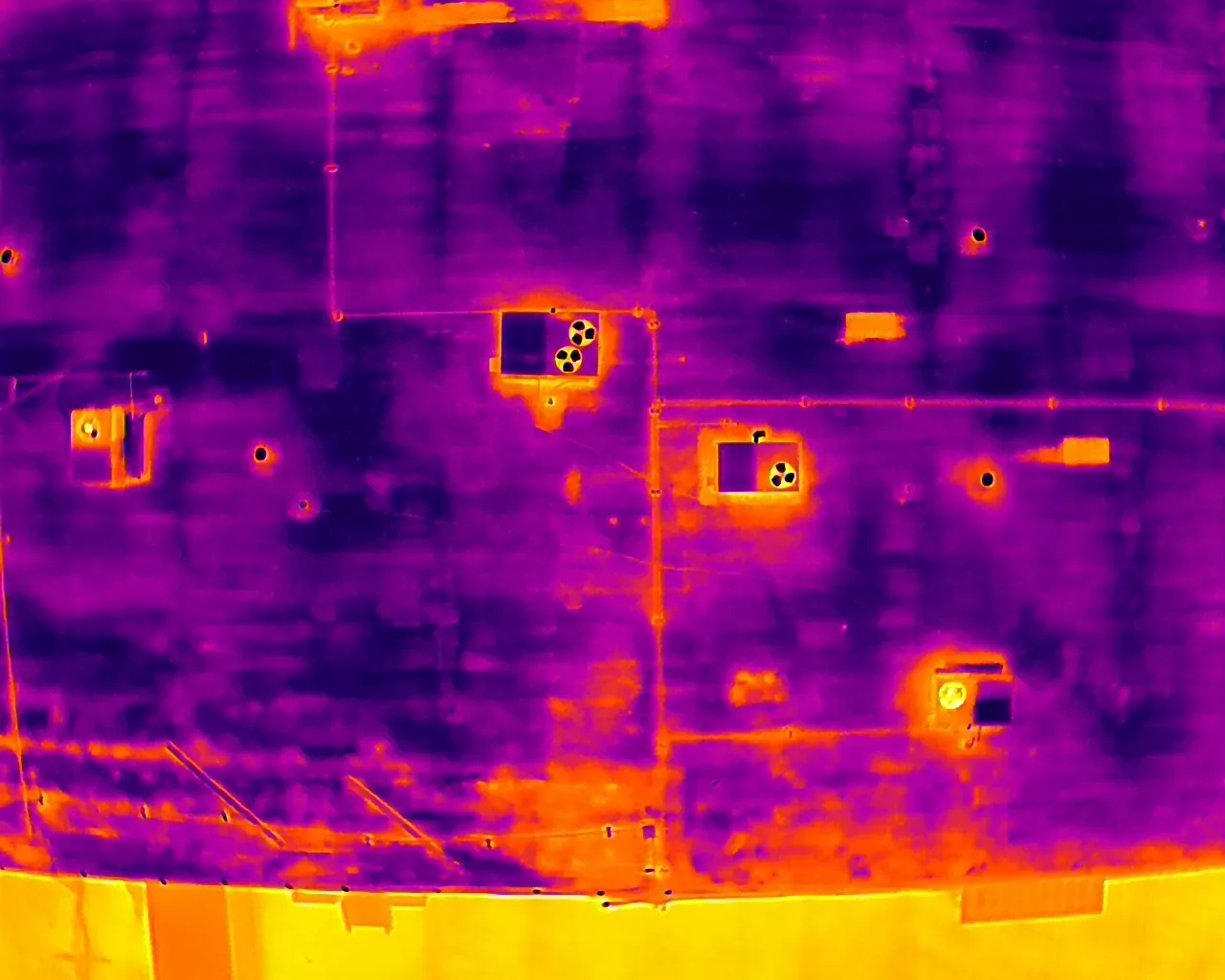
When moisture is uncertain, we use roof observations and records to select a practical test. An infrared pattern can guide where to look, but it does not confirm wet insulation by itself. If an opening is needed, we explain its location and purpose and receive approval. The assessment should state what was checked and where a limitation remains.
Ponding: review the low areas before application
Silicone can remain flexible over some wet areas, but it does not make a blocked outlet or inadequate slope disappear. We inspect the drain bowl, overflow route, low points and nearby seams, then compare those observations with the leak history. Sea-Tac averages substantially more precipitation in November and December than in July, which makes a drain check useful ahead of Renton's wet season. The roof's own water route still has to be observed.
A drain and scupper review can identify a blocked strainer, damaged connection or another condition to address before coating. If water persists after the outlet is cleared, we map the area and discuss whether a correction can be evaluated. Coating should not be treated as a substitute for drainage work when slope or structure is the issue.
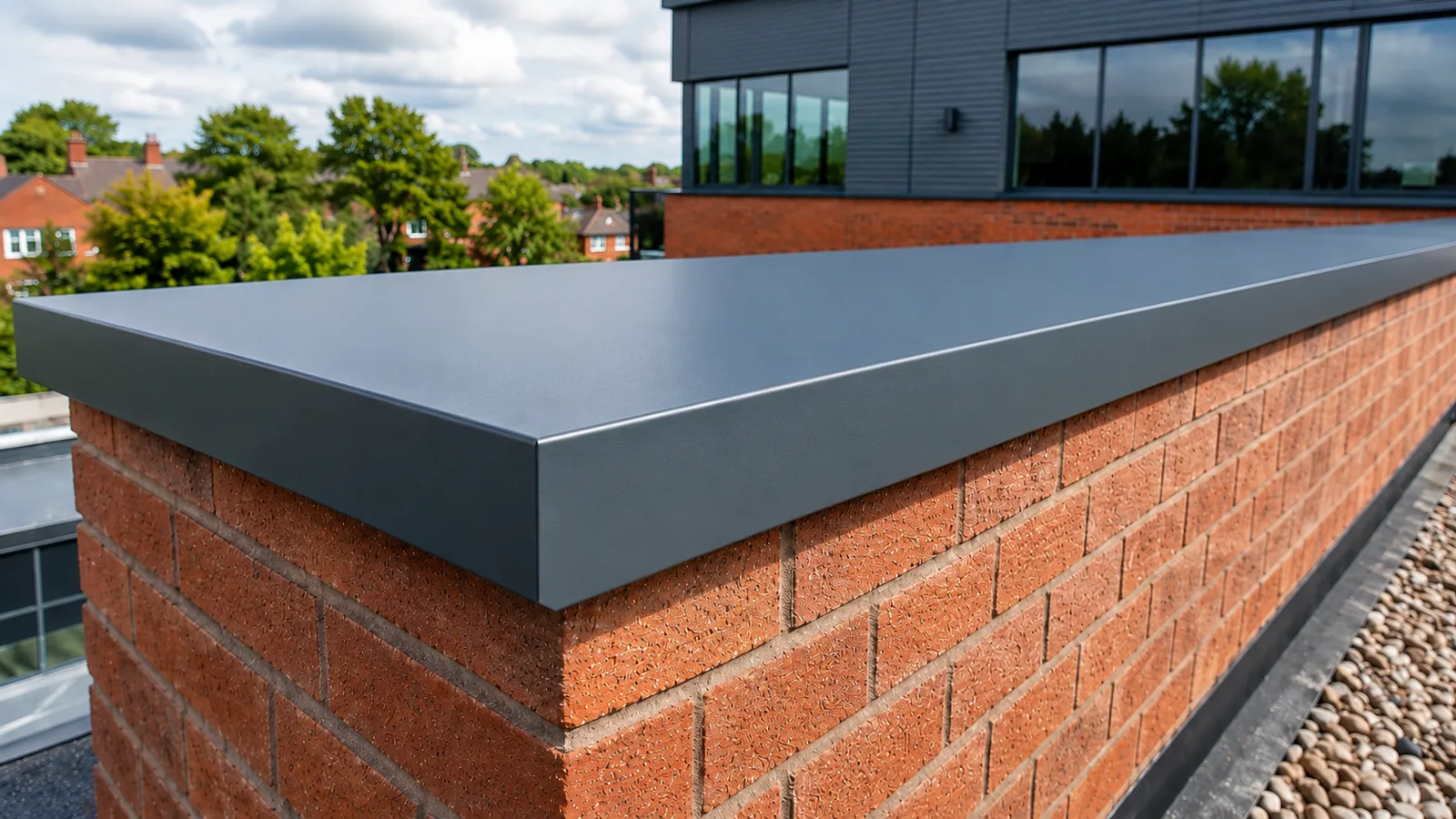
We also inspect how water passes at curbs, penetrations, parapets and edge metal. A coating must terminate cleanly at those details without narrowing the outlet or hiding a failed connection. Where metal work is separate, edge and coping repairs can be scoped before the coating meets the perimeter. The sequence should leave each transition closed and visible for the closeout record.
Preparation: repair and clean before coating
Preparation can include removing loose coating, cleaning the surface, repairing membrane defects and rebuilding weak flashing. The material needs a compatible, dry substrate, and a test area can help evaluate adhesion where the existing surface is uncertain. We set out which preparation is included, where reinforcement is planned and which repairs must be completed by another trade before application.
Seams, penetrations and drains need detail work before the open field receives a new layer. A coating restoration assessment can separate surface application from repairs to the underlying roof. If insulation or attachment concerns emerge, a moisture survey may help target an investigation, with confirmation handled by the appropriate test. We document how each finding changes the plan.
At occupied properties, the contact helps set roof access, staging and protected areas. Equipment clearances and exhaust paths may need coordination so the application crew can reach the surface safely. We identify what must remain in service and where materials can be placed without blocking a roof route or drain. The schedule also needs a workable dry period for preparation and application.
Silicone sheds water well and stays flexible through temperature swings, which is why it is considered for ponding areas, but it picks up dirt and is slick when wet. Walk paths, service routes and equipment pads are planned before the final coat, so technicians have a marked, traction-friendly route and the coating is not scuffed open at the first filter change.
System choice: match coating to roof condition
Silicone and acrylic coatings have different material behavior and application requirements. We compare the existing roof, expected exposure, drainage and detail geometry before selecting a system. Silicone may be considered where the assembly and surface are suitable, but the product choice still has to fit the roof records and prepared substrate. We explain the limits and areas that cannot be coated.
An acrylic coating system may be another restoration option when the roof meets its requirements. If the foam or membrane beneath a prior coating has failed, a spray foam assembly or replacement review may deserve consideration instead. Each option needs a defined transition, drain plan and scope for areas that remain uncovered.
For a restoration proposal, we list cleaning, repairs, reinforcement, application areas, exclusions and work windows. The record should show the tested adhesion location and what each test supported. Owners can compare the coating scope with a recover or replacement when the assembly is not eligible, rather than treating a coating as the only route forward.
Closeout: leave the next roof walk a clear route
Weather and surface conditions set the application window. We review the selected system requirements, prepare the surface and protect open details if rain interrupts the work. The daily closeout identifies what is complete, what remains exposed and what needs a return visit. We also note where rooftop units, skylights or other details limit access, since those areas may need a separate inspection before the coating scope is complete. The property team can use that list to schedule follow-up without reopening sections that were already finished. At the end, we record coated areas, repairs, drain checks and any excluded section so future leak reports can be compared with the work line.
Tell us where the roof has leaked and what coating it carries now, and send the plan and access rules. We will inspect the surface, seams and drains, then explain whether silicone restoration fits the roof or another scope is needed. If adhesion or moisture testing could change the choice, we identify that step before work begins. A condition report can keep the closeout photos and remaining items together with the building's roof record.
Commercial Roofing Questions
Can silicone coating go over an existing roof?
Only when the assembly, surface and details are suitable. We check adhesion, moisture, attachment, drainage and repairs before deciding whether the roof can be prepared for another layer.
Will silicone solve ponding on a flat roof?
A coating does not correct a blocked drain or a low structural area. We trace the outlet route and identify drainage work separately so the proposal addresses the condition holding water.
How do you know whether an old coating will accept silicone?
We review the existing material and may use a test area to check adhesion. If the surface is loose, contaminated or incompatible, preparation or a different roof scope may be needed before application.
What happens if insulation below the coating is wet?
We investigate moisture before covering the area. Testing may require an approved opening, and any wet or deteriorated material should be addressed before the restoration scope is finalized.
What should a Renton owner send before discussing coating?
A roof plan, coating and repair history, leak locations and access limits help us prepare the roof walk. Include drain locations and any areas that must remain available during work.