A loose roof-edge joint can let rain run behind metal before a stain appears inside. In SeaTac Central, we start by checking the edge, nearby seams and the path toward an outlet, then compare those observations with the leak location. SeaTac Central follows the International Boulevard corridor and adjacent neighborhoods, and the city leaves the airport itself out of the plan area. We work in that broad district and inspect each commercial property on its own terms.
SeaTac's current planning process weighs land use, transportation, housing, public space, airport-adjacent jobs and street safety. A commercial roof inspection documents the membrane, flashings, drainage and access limits found at the building, then gives the owner a repair line based on evidence.
Permits and access: settle these before the roof is opened
SeaTac is using a 2026 Global Green scenario to prepare an updated subarea plan, and that scenario is planning guidance, not adopted zoning. For a roof project, the permit and design requirements that apply to the property are confirmed with the city, which matters most when a scope includes insulation, a change in roof assembly or other work beyond a repair patch.
At the site, we record what the owner has approved for access, which doors or routes need to remain open and whether deliveries or tenant activity affect staging. We set a safe roof path, identify equipment clearances and photograph the details that will be disturbed. That record helps the owner coordinate a repair without promising a work window that the property cannot provide.
Water route: look past the ceiling mark
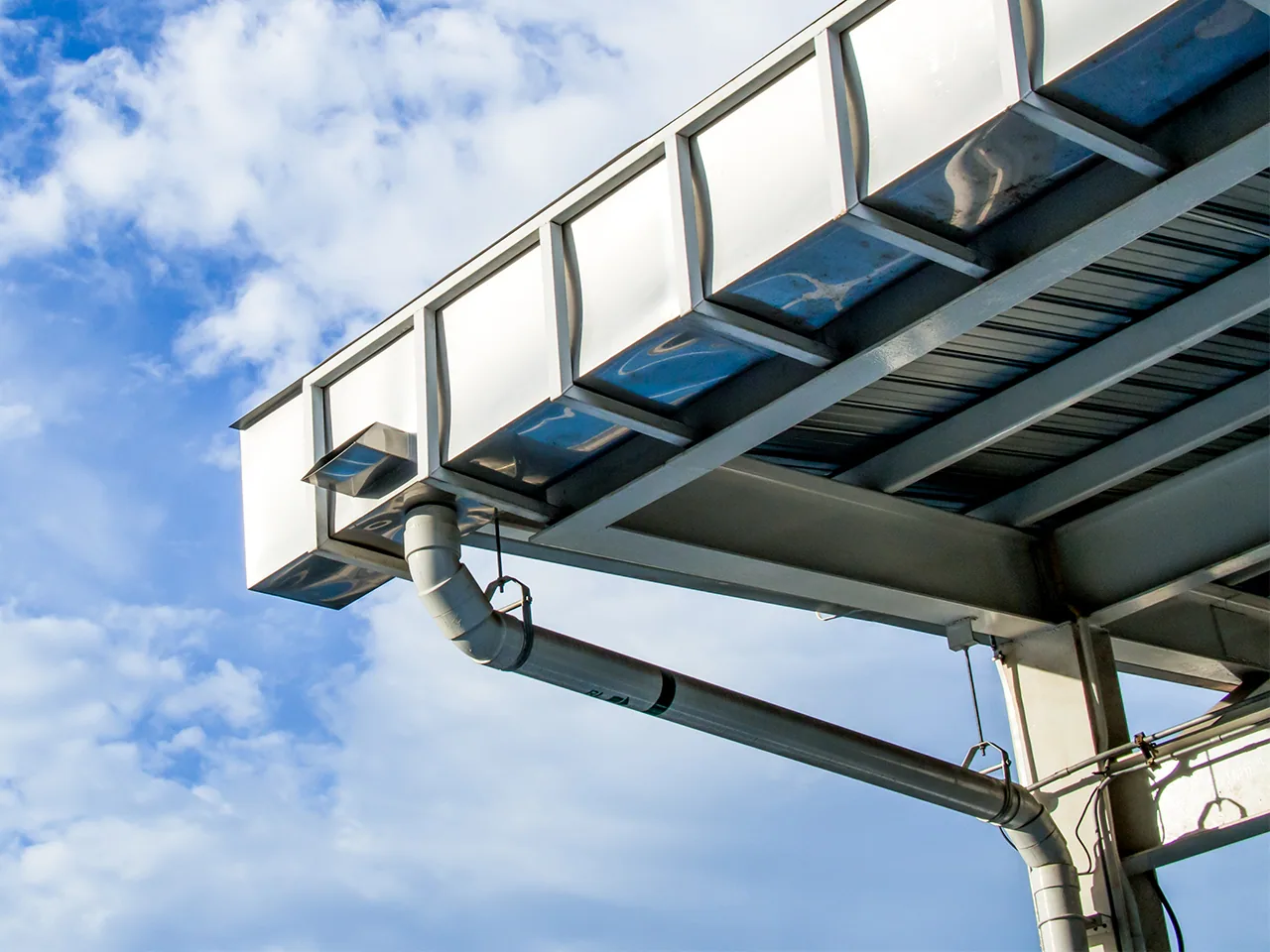
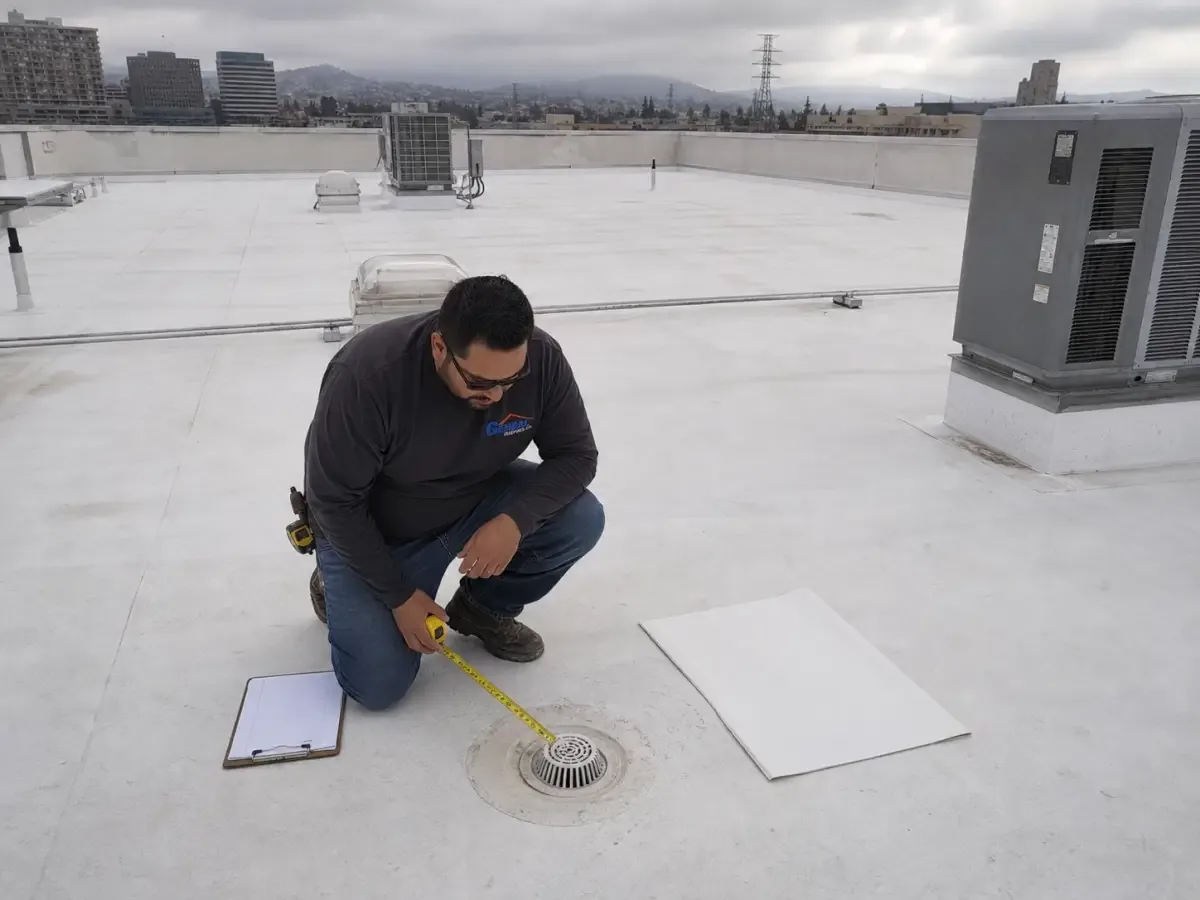
A leak near a perimeter wall may enter at a lap, curb or roof edge and move along the deck before appearing indoors. We trace that route from the stain toward likely openings, then inspect the drain bowl, scupper throat and nearby membrane tie-ins. If the outlet is clear but water remains against a raised seam, the repair may involve the membrane detail rather than drain cleaning alone. Each cause receives its own photograph and scope line.
Nearby Sea-Tac climate normals put November and December precipitation well above the July average. Recorded at the airport station just outside the plan area, they make a pre-wet-season drainage check useful when the roof is accessible and conditions permit repairs. We note debris, slow outlets and open laps, then distinguish a drain or scupper correction from flashing work. The owner can approve the confirmed item while keeping uncertain concealed moisture separate.
Edge detail: inspect metal and membrane together
At the roof perimeter, a lifted termination, open corner or split sealant joint can create a water path behind the metal. We check how the membrane terminates, whether the metal moves and whether adjacent laps remain bonded. A patch over a loose edge may not hold if the substrate is wet or the attachment has failed. Where the roof assembly is known, we choose a compatible detail; where records are incomplete, we identify the system from visible evidence and state any remaining uncertainty.
For a heat-welded membrane, the repair area must be clean and prepared so the new seam can bond. Other systems use different materials and methods, so a PVC roof repair should not be selected by appearance alone. We look at the lap, flashing and field surface together, and use a test only when its result could change the scope. The inspection record should make clear whether a metal corner, membrane seam or concealed substrate is the issue being addressed.
Repair options: patch, restore or replace
A small opening with dry, well-bonded material around it may call for a local repair. Repeated seam failures, movement at multiple edges or moisture extending beyond the visible mark can point to a larger repair area or replacement. We show the proposed boundary, preparation and excluded work so the owner can see exactly what the price includes. If a moisture survey would change the tear-out line, we explain that before carrying a broad allowance.
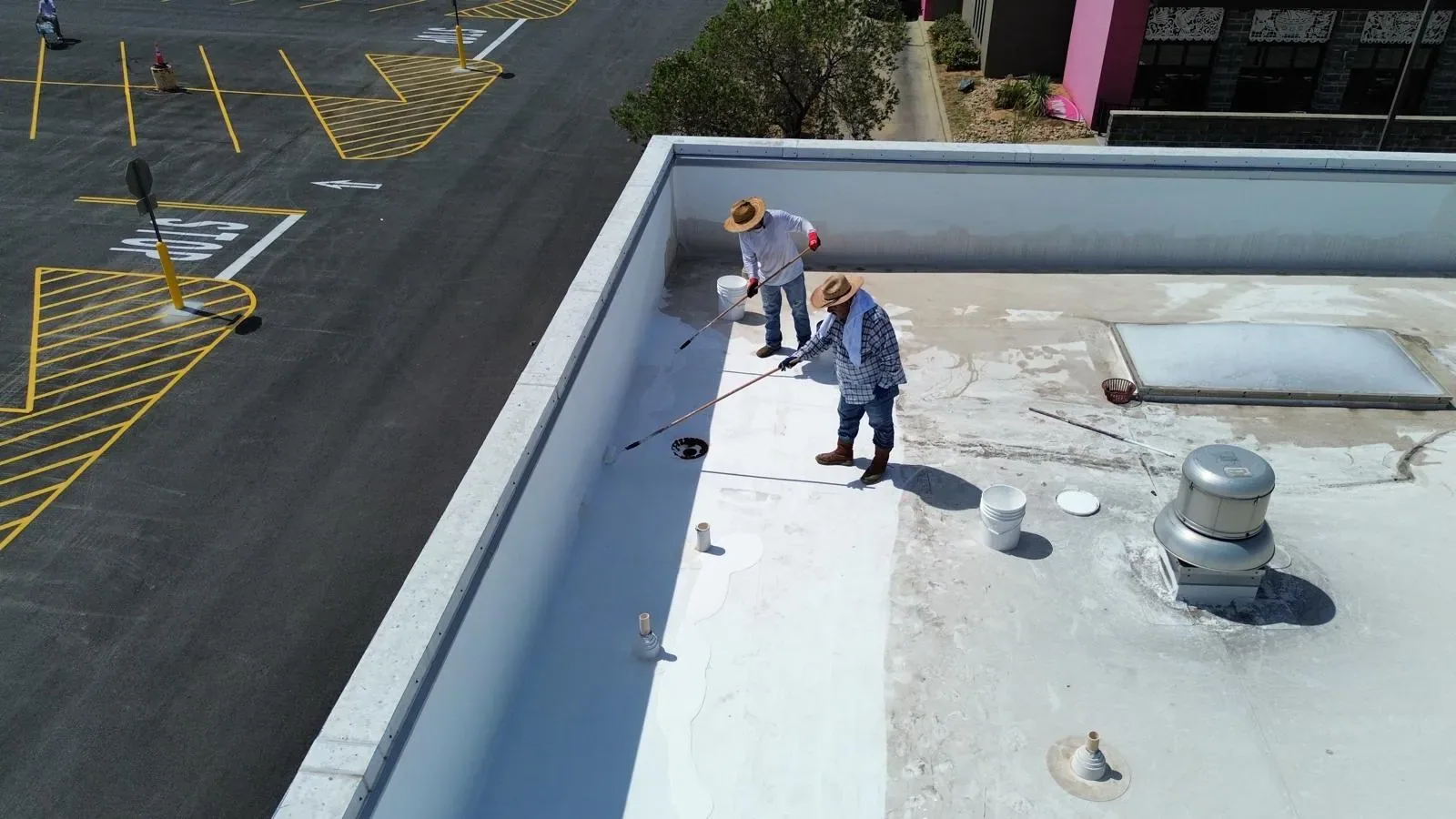
Coating and recover options depend on attachment, moisture, adhesion and drainage. They do not correct a wet substrate or unstable edge just by covering it. We compare a restoration scope with a replacement scope after checking what the existing roof can accept.
Access window: coordinate the working route
The owner controls access to a specific roof. Before the walk, we confirm the approved entry, any escort or safety procedure, where materials may be staged and whether a public-facing area needs to stay open. The visit can then follow a planned path without blocking service access or moving across restricted areas. If a lift or material delivery is needed, those logistics belong in the estimate and schedule.
Properties along International Boulevard include shops, restaurants and apartments in the city's description of the planning area, so a lift or dumpster may have to share the lot with customer parking and bus stops. We plan material placement from a site walk and send the manager a one-page layout, with the hours when a lane closure is needed, before anyone mobilizes.
Rain or a damp substrate can delay permanent bonding. If water is active, we can describe temporary protection separately from the lasting repair, then return when the surface can be prepared. We do not promise a cure window before confirming the material, temperature and weather conditions for the actual work. A phased occupied-building plan helps make the sequence clear when access must be coordinated with the people using the property.
Roof record: keep the next decision grounded
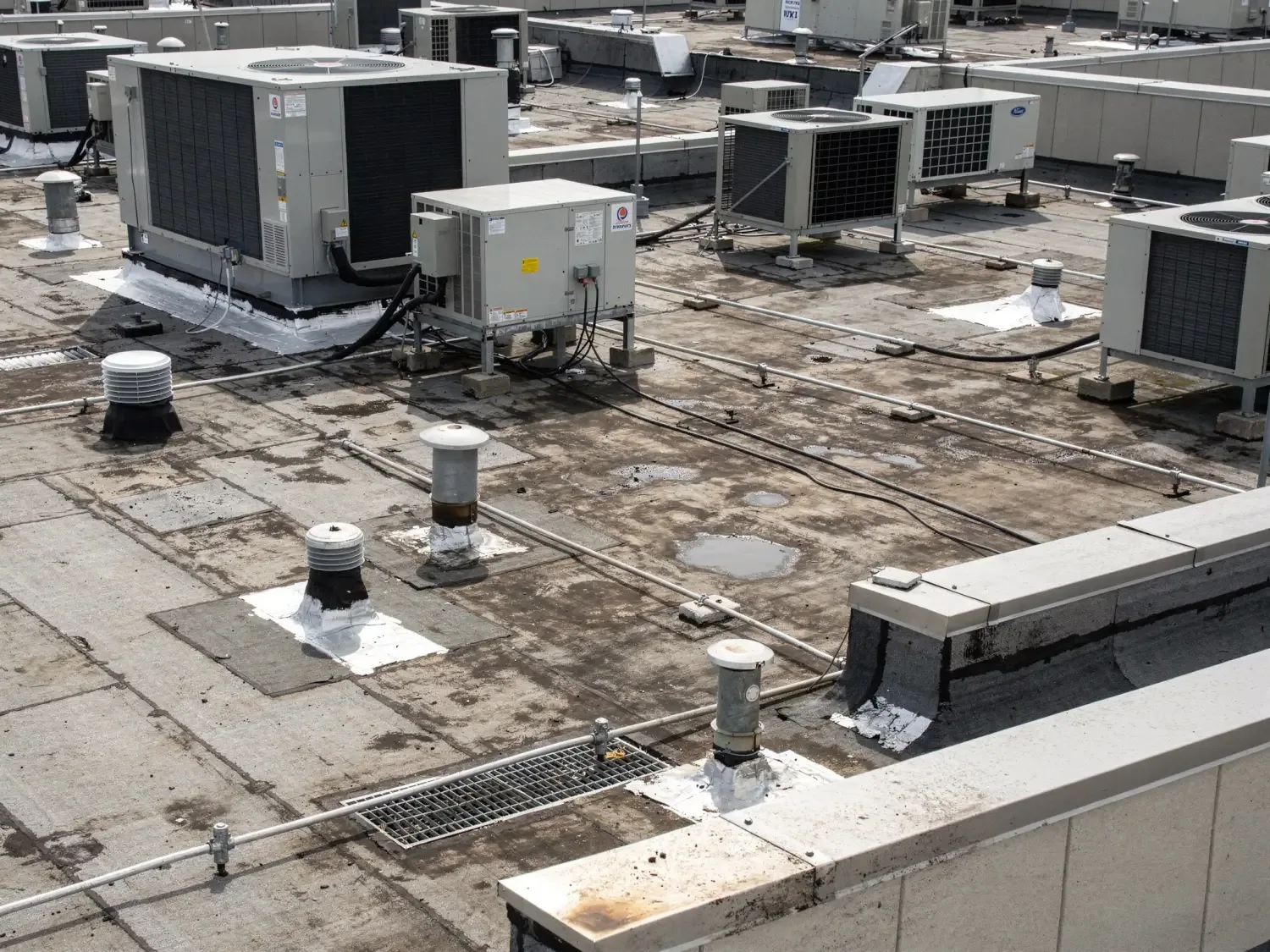
For every observed issue, we tie the photo to a roof location, water route and next action. The record can identify a loose edge, open lap, restricted outlet or suspected moisture area, along with any test that could change the repair boundary. The property contact can compare it with prior service notes, manufacturer documents and a roof plan. If those records do not match what is visible, we mark the difference so the estimate does not carry an unsupported assumption forward.
An owner with another building in Des Moines downtown and waterfront or Southcenter gets a separate location and access review. Send the SeaTac property address, leak location, roof history and access window, and the walk will show the repair line and name what is still open.
Commercial Roofing Questions
Which permits apply to a SeaTac roof replacement?
The city sets permit requirements for each project, and the 2026 Global Green scenario now guiding its subarea update is planning guidance, not adopted zoning. We confirm what applies to the property before pricing work that changes the roof assembly or insulation.
Is the airport part of the SeaTac Central planning area?
Airport property sits beyond its edge: the city places the central study along the International Boulevard corridor and adjacent neighborhoods. We confirm project access and scope with each property's contact.
What should a roof inspection record at an edge leak?
We photograph the termination, metal corner, nearby laps and any drain route that could carry water to the interior mark. If moisture or attachment is uncertain, the record identifies a test that could change the repair boundary.
Can a coating solve a leak at a loose metal edge?
A coating does not secure a failed termination or correct wet material below it. We inspect the edge and substrate first, then price compatible detail repair and restoration separately if the roof can accept both approaches.
How do you handle roof access near active operations?
We confirm the approved entry, safety procedure, staging point and any route that must stay clear. Those details set the work window and whether repairs need to be phased around ongoing use.